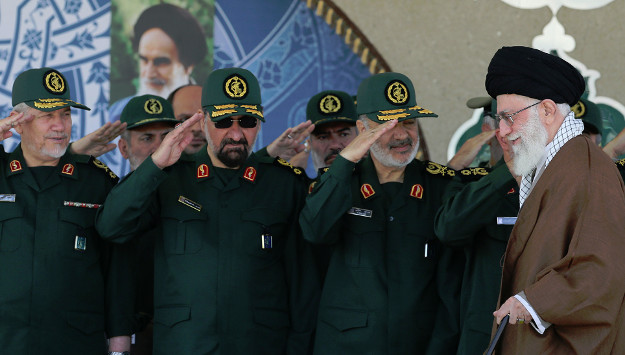
After decades of political setbacks, Iran’s former Revolutionary Guards commander has returned to the center of power. Is he an incidental beneficiary of war, or have observers underestimated him all along?
The Unavoidable Neighbor: Managing Iran Beyond the War
Gulf states and their partners are increasingly looking beyond their most immediate interests of containing the war with Iran. While recent talks between Saudi Arabia, Turkey, Pakistan, and Iran have kept de-escalation on the agenda, a broader regional security framework and non-aggression pact has also emerged, envisioning a longer-lasting solution to regional conflicts. The talks have yet to produce a settlement, but they reflect a growing recognition that Gulf security cannot depend entirely on Washington. Iran will still be there, and its neighbors will have to find ways of living with it.
Recent Elections and What They May Mean for the Middle East
Recent elections for the Israeli Knesset and American Congress may make less of a difference in the Middle East than some people think. Elections are significant indicators of national political trends, but do not always translate into changes in national security strategies. That is likely the case now in both nations.
Senior Iranian Clerics: “Shadow of War over Iran Expanding” with new U.S.-Arab Partnership
Senior Iranian clerics at Friday prayers across the country today denounced the creation of an “Arab NATO” by the United States and its regional allies to fight terrorism and contain Iran’s regional ambitions.
Iran-Supported Iraqi Paramilitaries Make Further Gains in Western Mosul
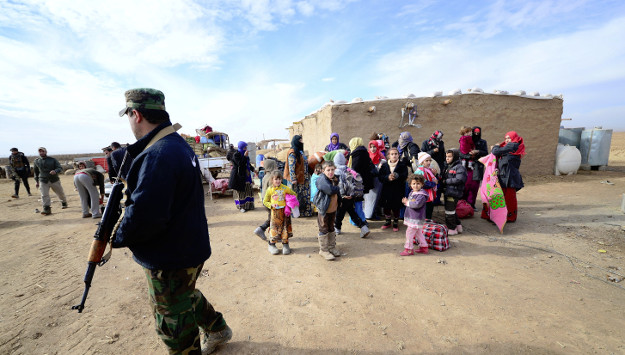
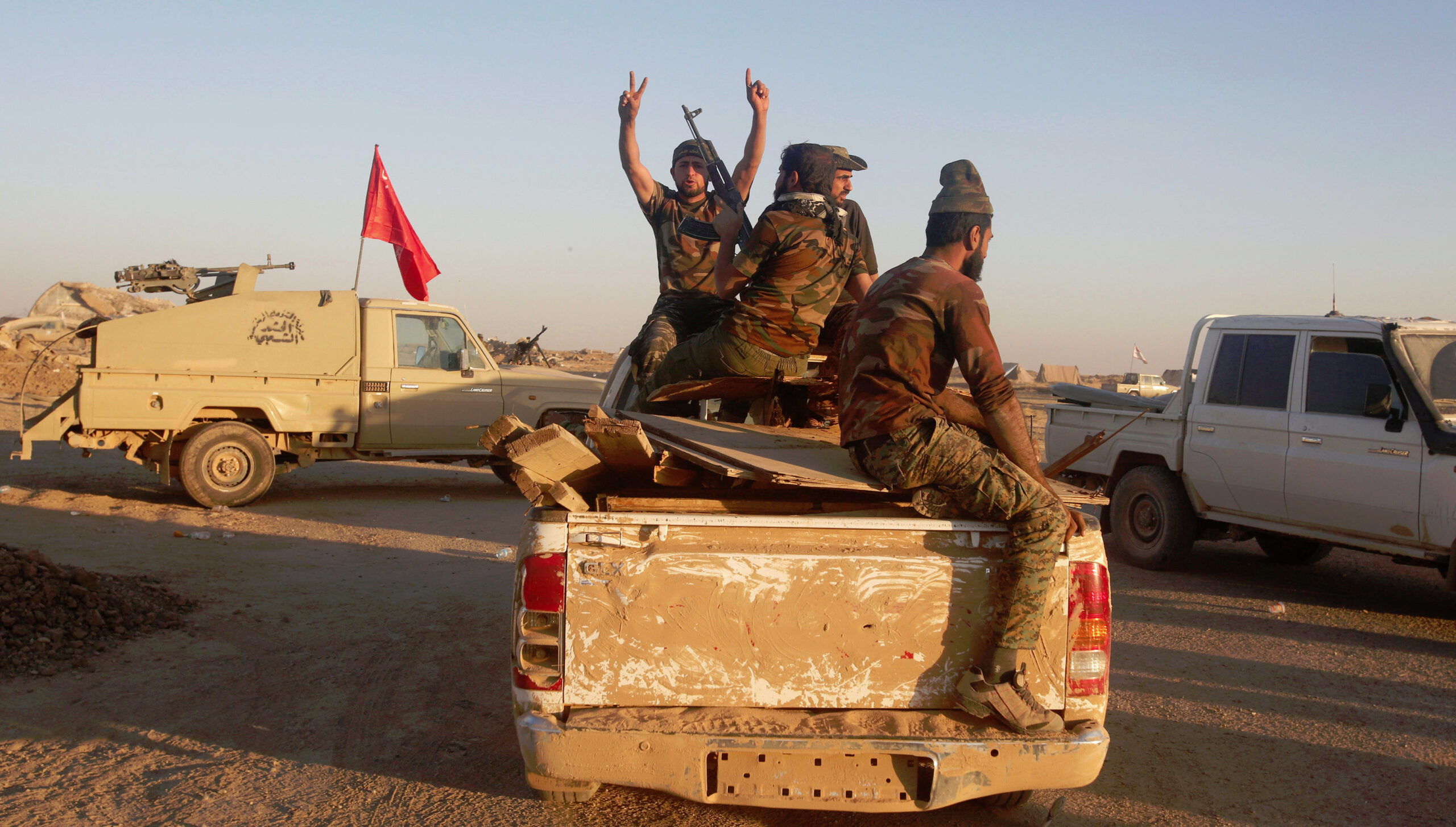
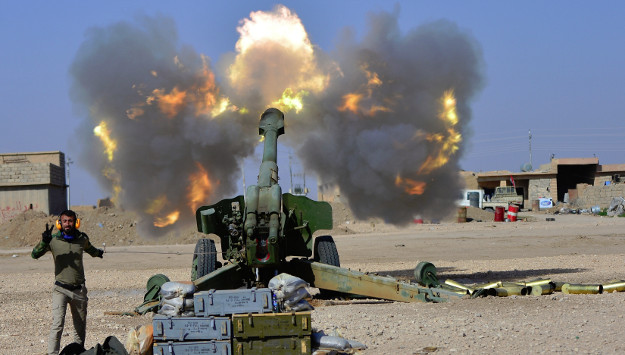
The Iraqi Popular Mobilization Forces today seized nine villages around al-Qairawan region in western Mosul from the Islamic State, the Iranian media reports. According to a P.M.F. statement, the paramilitary forces “managed to reach the Sinjar mountains and block the road that connects Sinjar to al-Ba’aj.
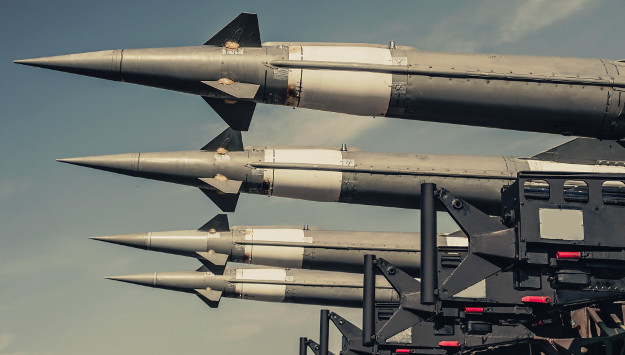
The Iranian defense minister today claimed that the country has achieved self-sufficiency in the field of producing military hardware, particularly ballistic missiles, the Iranian media reported.
IranObserved: Presidential Election and Foreign Policy
May 23, 2017 – Ahmad Majidyar, director of the IranObserved project at the Middle East Institute, joins host Paul Salem to discuss Hassan Rouhani’s reelection as president, the election’s implications for U.S.-Iran relations during the Trump presidency, and Iran’s broader strategy in regional conflicts.
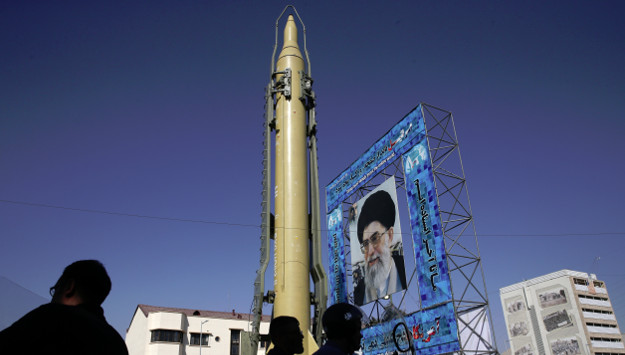
I.R.G.C. Unveils New Underground Missile Production Factory despite U.S. Warning
The commander of Iran’s Islamic Revolution Guards Corps (I.R.G.C.) Aerospace Force today revealed that the country has recently built a third underground ballistic missile production factory, the
Iran Paper: Are New U.S. Sanctions a Declaration of War against Iran?
The U.S. Senate Relations Committee today approved a new set of sanctions against Iran for its ballistic missile program, support for terrorism, and human rights abuses.
Iran-Supported Iraqi Groups Marching ahead in Western Mosul
The Iraqi Popular Mobilization Forces (P.M.F.) have seized eight villages from the Islamic State in western Mosul, the Iranian media reports. According to Iraqi officials, the paramilitary forces have also launched operations in northern Ba’aj and have secured the control of the main road linking al-Adaniyah district and the two of al-Ba’aj. According to a P.M.F.
Worries in Tehran about Close U.S.-Arab Partnership to Contain Iran
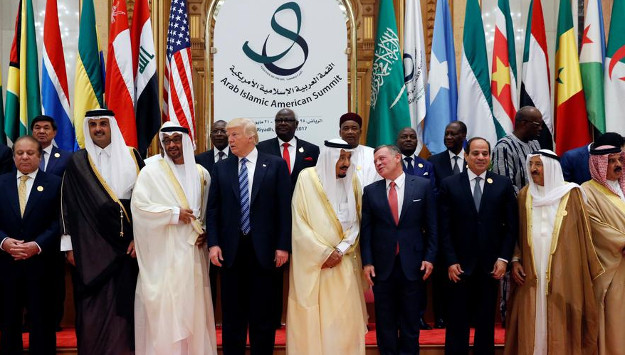
The deputy commander of the Islamic Revolution Guards Corps (I.R.G.C.) said that President Donald Trump’s statements at the Riyadh summit was only a confession to Iran’s superior power in the region. “50 world leaders gathered in Saudi Arabia and their only word was that Iran enjoys an uncontrollable power, and it is an honor for us (Iran),” Brigadier General Hossein Salami stressed. He warned that any actions against Iran would have dire consequences.
The election of Emmanuel Macron is certainly bad news for terrorist organizations in the Middle East. At the same time, it is unlikely that France will modify its attitude in regards to larger regional challenges, for instance, the ongoing Syrian civil war, the Israeli-Palestinian conflict, or the cold war between Iran and Saudi Arabia.
Iranian-Backed Forces Advancing to Southeast Syria despite U.S. Warning
The U.S. air strike last week targeting Iranian-led forces in southern Syria signaled escalating tension between Washington and Tehran over the six-year conflict in Syria. The U.S. military said it carried out the raid because an Iran-directed convoy was advancing toward a “de-confliction zone” near the al-Tanf region, where the U.S. military is training Syrian opposition forces to fight the Islamic State. The militia forces reportedly did not respond to U.S. warnings. The air strike – the first such action by the U.S.
Senior Iranian Official Visits Moscow to Discuss Syria War Plan
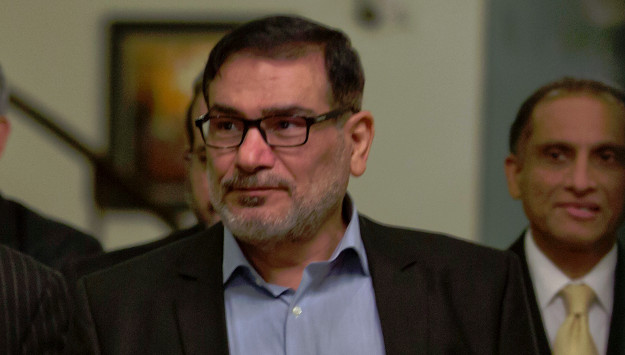
The Secretary of Iran’s Supreme National Security Council Ali Shamkhani today met with his Russian counterpart Nikolai Patrushev in Moscow to discuss the conflict in Syria, state-run Islamic Republic News Agency reported. The two sides pledged to continue support for the Bashar al-Assad regime against armed opposition groups.
Rouhani Defends Hezbollah and I.R.G.C.’s Role in Regional Conflicts
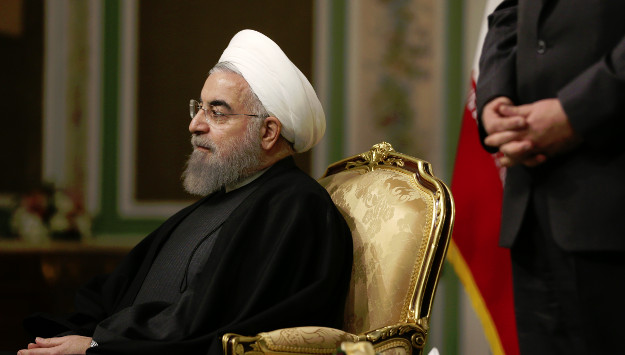
Iranian President Hassan Rouhani has dismissed his U.S. counterpart Donald Trump’s designation of Hezbollah as a terrorist organization and defended the Lebanese group and its role in both Lebanon and Syria.
Iran-Supported Iraqi Militias Seize Strategic Town in Western Mosul
Iran-supported units within the Hashd al-Shaabi, the Iraqi paramilitary forces called Popular Mobilization Forces (P.M.F.), have seized the al- Qairawan region in western Mosul from the Islamic State, Iran’s Fars News Agency reported today.
Rouhani Seeks France’s Help to Encourage Foreign Investment in Iran
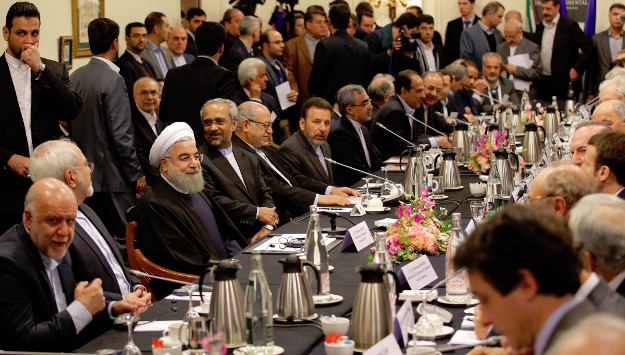
Iranian President Hassan Rouhani has urged the new government in France to play a more active role in the implementation of the Joint Comprehensive Plan of Action (J.C.P.O.A.), the nuclear agreement t
Monday Briefing: Chances for MidEast Peace Remote under Trump
In this week’s Monday Briefing, MEI experts Yousef Munayyer, Alex Vatanka, Jonathan M. Winer, and Marvin G. Weinbaum provide analysis on recent and upcoming events including President Trump’s trip to Israel and the prospects for a peace process, the reelection of Iranian President Hassan Rouhani, Russia’s planned naval drill off the coast of Libya this week, and the Afghan Taliban’s decision to reject peace talks.
The oldest peer-reviewed publication dedicated to the study of the modern Middle East, MEI’s flagship journal covers politics, society, and culture in the region.