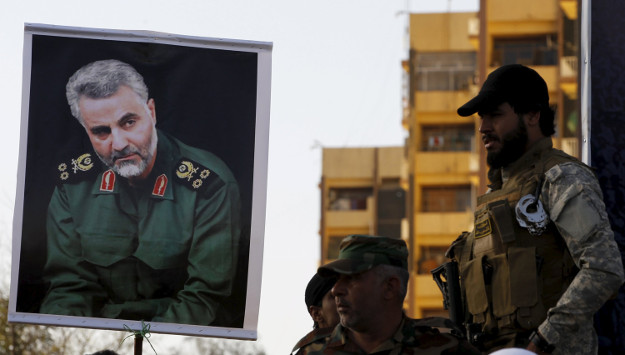
After decades of political setbacks, Iran’s former Revolutionary Guards commander has returned to the center of power. Is he an incidental beneficiary of war, or have observers underestimated him all along?
The Unavoidable Neighbor: Managing Iran Beyond the War
Gulf states and their partners are increasingly looking beyond their most immediate interests of containing the war with Iran. While recent talks between Saudi Arabia, Turkey, Pakistan, and Iran have kept de-escalation on the agenda, a broader regional security framework and non-aggression pact has also emerged, envisioning a longer-lasting solution to regional conflicts. The talks have yet to produce a settlement, but they reflect a growing recognition that Gulf security cannot depend entirely on Washington. Iran will still be there, and its neighbors will have to find ways of living with it.
Recent Elections and What They May Mean for the Middle East
Recent elections for the Israeli Knesset and American Congress may make less of a difference in the Middle East than some people think. Elections are significant indicators of national political trends, but do not always translate into changes in national security strategies. That is likely the case now in both nations.
I.R.G.C. Mayor of Tehran Refuses to Apologize after Building Collapse
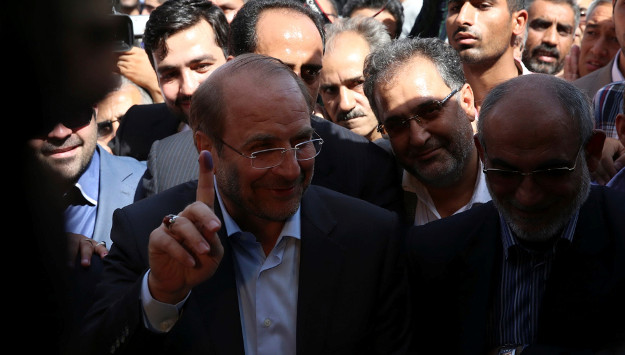
Following the January 19 collapse of Plasco, a 17-story historic building in downtown Tehran, mass anger against the authorities in the Iranian regime has been building up. Twenty people were killed in the disaster. The mayor of Tehran, Mohammad Ghalibaf, a former Islamic Revolution Guards Corps (I.R.G.C) commander, who remains close to his comrades, appeared in front of the members of the parliament but refused to apologize.
Iran Doubles Down on Its Defiance of International Demand to Curb Missile Activity
In reaction to President Donald Trump’s tweet this morning that said “Iran is playing with fire,” Iranian civilian and military officials doubled down on their defiance of U.S. and international demands to curb their controversial missile program, which Washington says violates U.N. Security Council Resolution 2231.
Ahmad Khatami, a hardline cleric close to Iran’s Supreme Leader Ayatollah Ali Khamenei, on February 3 defended Iran’s latest ballistic missile test. “In a world of wolves, we need weapons,” Khatami was quoted as saying to worshippers at the Friday prayer in Tehran.
A representative of the Zoroastrian minority in the Iranian parliament has protested at acts of “insult and defamation” against his community and called on the government to protect the rights of Zoroastrians and prevent inflammatory speech against them by the country’s influential clerics and local authorities.
Iran Refuses to Heed International Demands It Obey U.N. Resolutions
Iran’s civilian and military leaders today dismissed threats from the Trump administration and vowed to continue and increase the country’s controversial missile activity. “Every day Iran will increase the number of its missiles, warships and defense missile launchers.
Rouhani Family Corruption Continues to Roil Election Waters
Ahmad Tavakoli, a prominent hardliner and a former member of the Iranian parliament, has urged for members of the public with information about corruption inside the Iranian regime to be “applauded.” “Transparency must be part of the duties of officials,”
Iranian Military Provocations Threaten Commercial Aircraft Sales
Abbas Akhoundi, Iran’s Minister for Roads and Urban Development, has insisted that the Trump administration cannot cancel the 80 aircraft and $16.6 billion deal that Iran reached with the US company Boeing in December 2016.
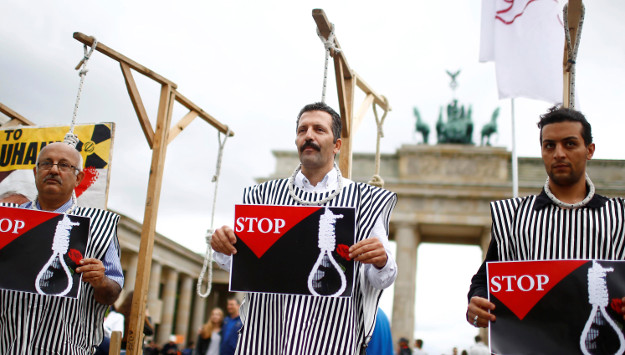
Amnesty International Flags Iran's Inhumane Execution of Juveniles and Kangaroo Courts
The Iranian regime is set to execute another man arrested as a juvenile, Amnesty International reports. According to the right group, Hamid Ahmadi has been placed in solitary confinement in Lakan prison in the capital of Gilan Province, and is awaiting his execution on February 4.
Since the Trump administration last week introduced a ban on Iranian travelers to the United States for a certain time period, hardliners in Tehran have been pressuring President Hassan Rouhani to retaliate.
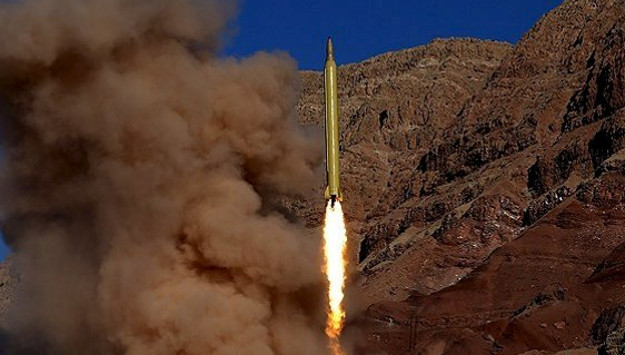
Iran Confirms Ballistic Missile Test, Vows to Defy International Pressure
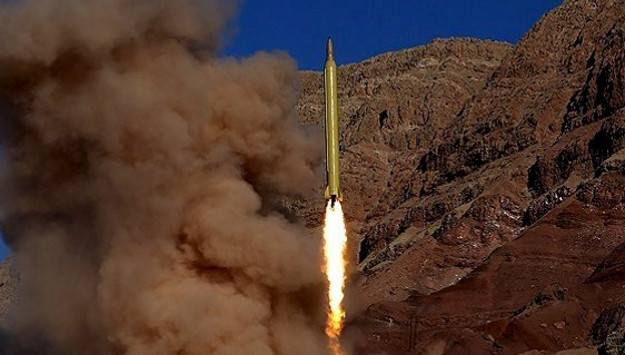
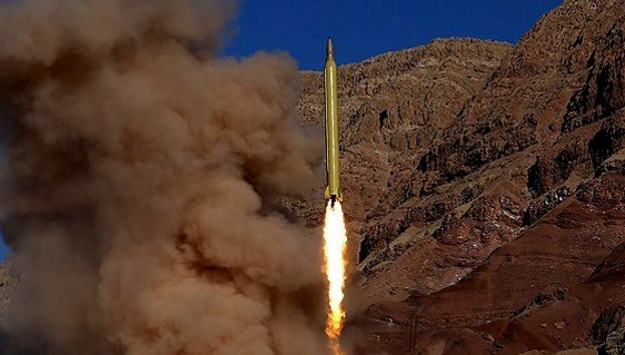
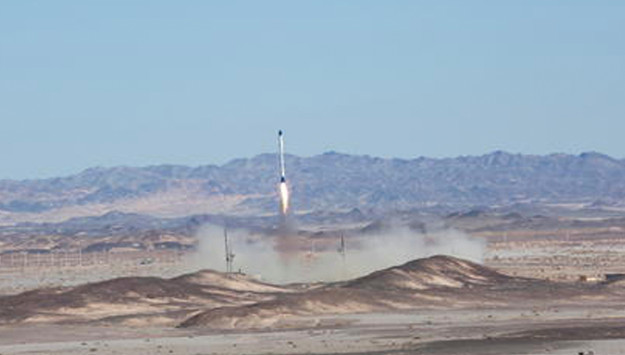
On February 1, the Iranian defense minister confirmed that the Islamic Republic had carried out a ballistic missile test and vowed to continue to enhance the country’s missile capabilities despite growing international concern.
On Iran’s 9th National Day of Space Technology, President Hassan Rouhani unveiled the country’s latest communications satellite. “Nahid 1” was unveiled with “Payam,” a remote sensing satellite, and “Saman 1,” an orbital transfer system as reported by Iranian media.
The oldest peer-reviewed publication dedicated to the study of the modern Middle East, MEI’s flagship journal covers politics, society, and culture in the region.