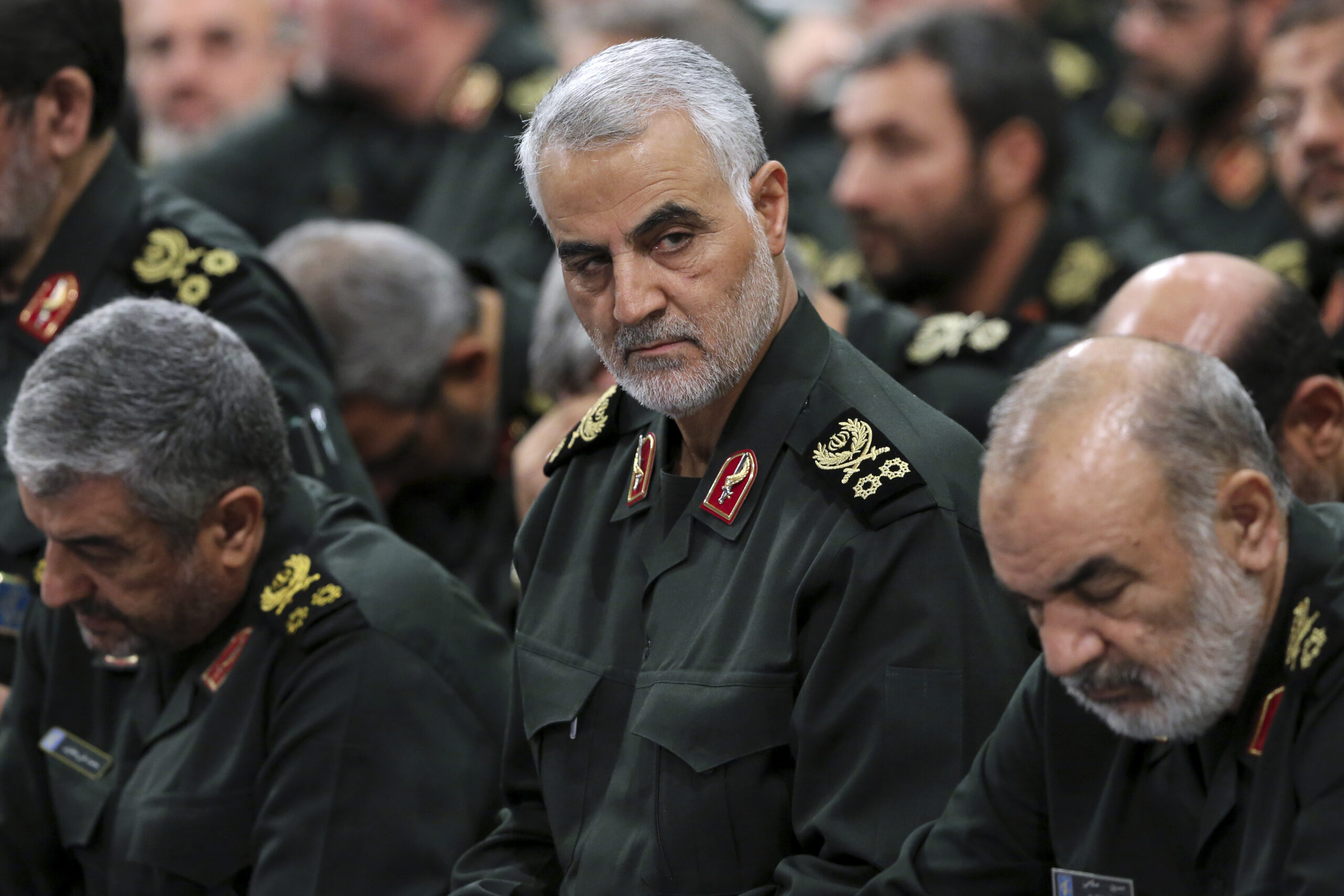
After decades of political setbacks, Iran’s former Revolutionary Guards commander has returned to the center of power. Is he an incidental beneficiary of war, or have observers underestimated him all along?
The Unavoidable Neighbor: Managing Iran Beyond the War
Gulf states and their partners are increasingly looking beyond their most immediate interests of containing the war with Iran. While recent talks between Saudi Arabia, Turkey, Pakistan, and Iran have kept de-escalation on the agenda, a broader regional security framework and non-aggression pact has also emerged, envisioning a longer-lasting solution to regional conflicts. The talks have yet to produce a settlement, but they reflect a growing recognition that Gulf security cannot depend entirely on Washington. Iran will still be there, and its neighbors will have to find ways of living with it.
Recent Elections and What They May Mean for the Middle East
Recent elections for the Israeli Knesset and American Congress may make less of a difference in the Middle East than some people think. Elections are significant indicators of national political trends, but do not always translate into changes in national security strategies. That is likely the case now in both nations.
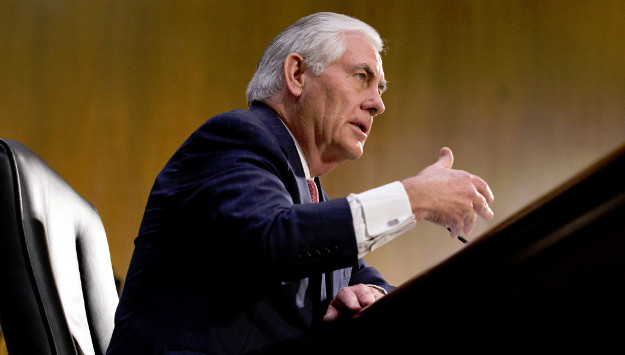
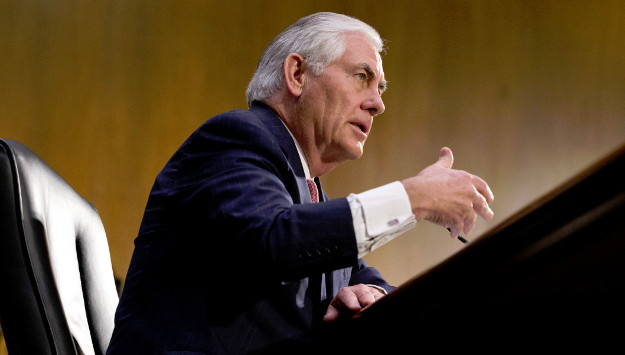
President-elect Donald Trump’s nominee for the Secretary of State, Rex Tillerson said yesterday that he would conduct a “full review” of the 2015 Iran nuclear deal if the Senate confirmed him. Speaking before the Senate Foreign Relations Committee, Tillerson pledged that he would add further verification systems to “clarify whether Iran is complying.”
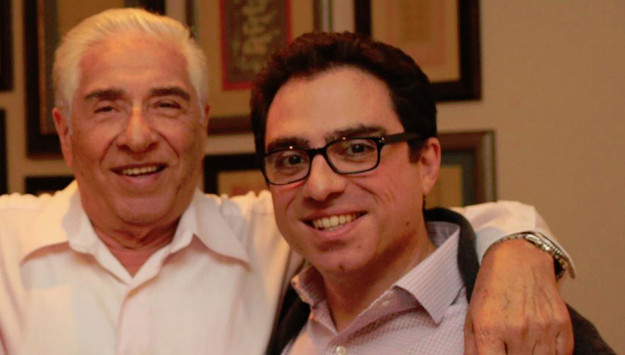
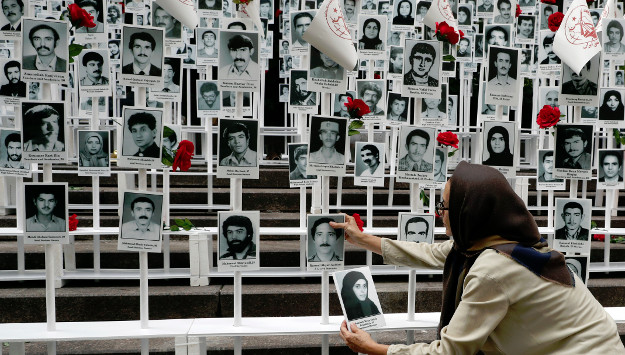
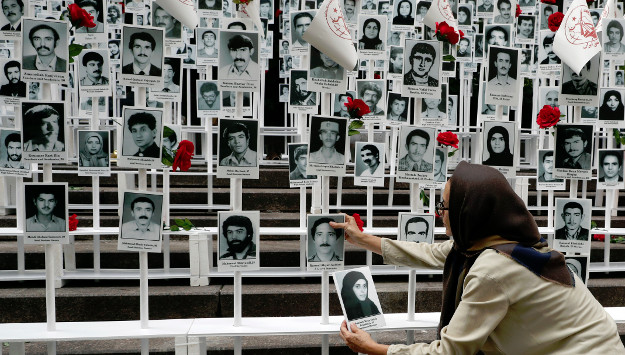
The existence of political prisoners in Iran is hardly a new phenomenon but it is a topic that is proving increasingly damning for Tehran. In particular, it is the media in the large Iranian diaspora, which has been at the forefront in recent weeks to highlight the individual cases of political prisoners that have opted to go on hunger strike in order to bring attention to their cases.
A top Iranian diplomat and the deputy foreign minister for European and American affairs, Majid Takht-Ravanchi, stated on January 12 that Iran will not under any circumstances “renegotiate” the Joint Comprehensive Plan of Action (JCPOA) that was reached between Iran and world powers in July 2015.
Iran Will Receive 130-Ton Uranium Shipment from Russia
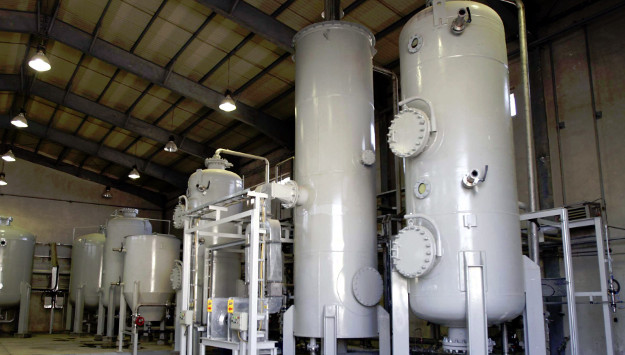
On January 12, the Atomic Energy Organization of Iran (AEOI) confirmed that Tehran will soon receive a shipment of 130 tons of natural uranium that it has purchased from Russia.
In Iran, 40 Former Political Prisoners Ask for “National Reconciliation”
In an open letter, 40 formerly imprisoned political activists affiliated with the Green opposition movement have asked the Iranian authorities to reconsider their policies. The signatories of the letter urged the authorities to utilize the recent passing of Ayatollah Akbar Hashemi Rafsanjani as “an opportunity for dialogue and national reconciliation.”
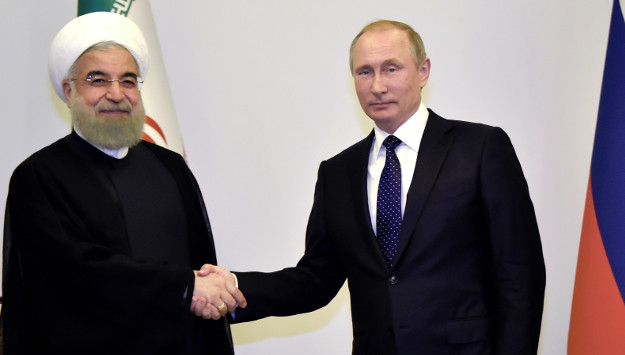
The question about whether Iran and Russia can sustain the recent elevation in relations is hotly debated in Tehran. This urgency is brought about as the Iranians and the Russians are pushing ahead to see if they can coordinate their policies on the question of a political settlement for the Syrian war that will satisfy both Moscow and also Tehran’s objectives.
Iran-Backed Militant Groups Make Territorial Gains in West Mosul
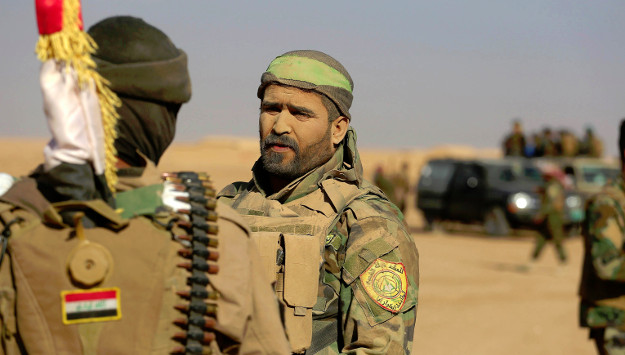
On January 12, Iran’s Fars News Agency (FNA) reported that the Popular Mobilization Forces (PMF) “liberated” three regions in the west of Mosul.
According to FNA, an outlet affiliated with the Islamic Revolution Guards Corps (IRGC), PMF forces are preparing for the “sixth phase of operations to liberate the west of Nineveh Province.”
New Report: Human Rights Situation Hasn't Improved under Rouhani
In its World Report 2017 published today, the Human Rights Watch said President Hassan Rouhani has not delivered on his campaign promise to improve the human rights situation in Iran over the past three years.
The confirmation hearing of the man slated to be the next US Secretary of State, Rex Tillerson, has received a mixed review in Iran. On the one hand, Tillerson’s remarks on Iran were hardly encouraging to Iranian ears.
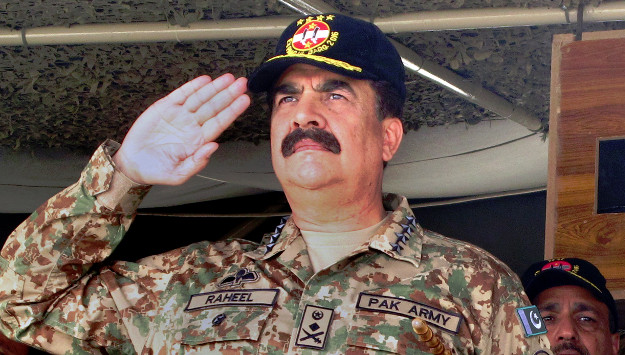
The recent announcement by Saudi Arabia that the retired Pakistani General Raheel Sharif will head a 39-member anti-terrorism coalition made of Muslim states is a matter of much concern in Tehran. Iran, which was not invited to join the coalition, regards the Saudi initiative as a regional project aimed to contain its influence.
IRGC Helps "Latin Americans" Establish Basij Force
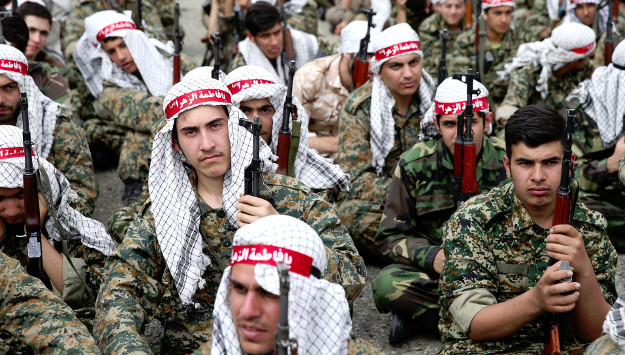
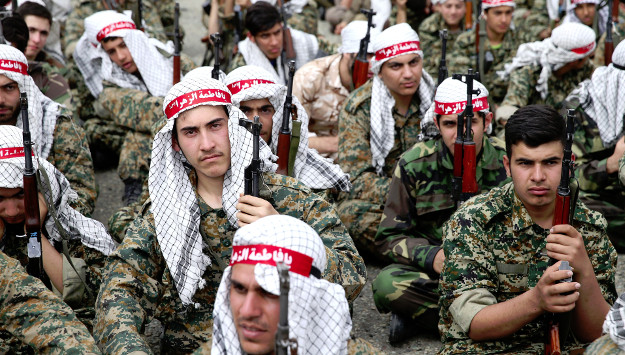
In the latest indication of Iran’s efforts to expand its ideological and political influence in parts of Latin America, the Islamic Revolution Guards Corps (IRGC) has revealed that it provides training to Latin Americans in how to create and utilize the Iranian model of paramilitary Basij Force.
New Findings Point to Iran Sending Weapons to Yemen
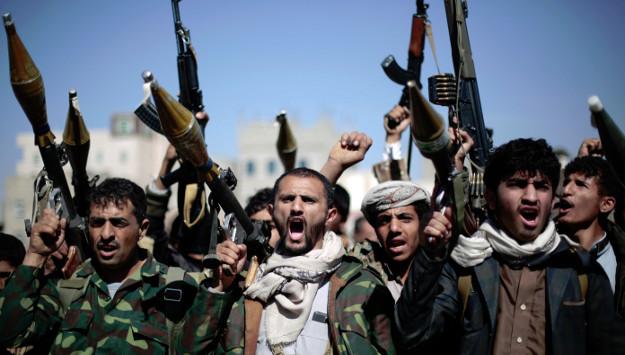
It is not a secret that Iran plays a role in the Yemeni conflict. But a new report provides yet another piece of evidence released to the public about the Iranian government’s arms aid to the Houthi rebels that fight against the Yemeni government backed by Saudi Arabia and its allies. The Australian government has released photographs that show light anti-armor weapons seized near the Yemeni coast were manufactured in Iran.
The oldest peer-reviewed publication dedicated to the study of the modern Middle East, MEI’s flagship journal covers politics, society, and culture in the region.