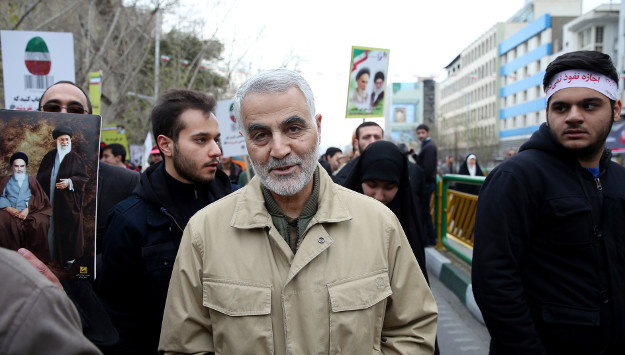
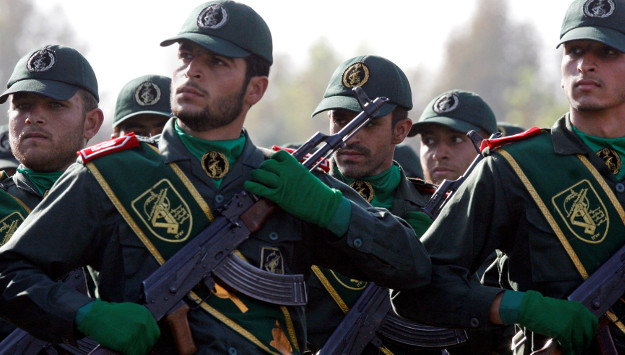
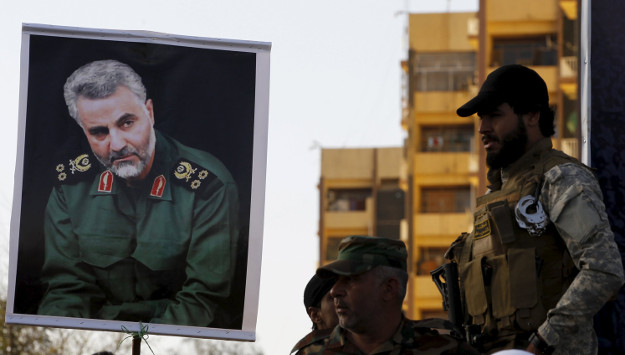
After decades of political setbacks, Iran’s former Revolutionary Guards commander has returned to the center of power. Is he an incidental beneficiary of war, or have observers underestimated him all along?
The Unavoidable Neighbor: Managing Iran Beyond the War
Gulf states and their partners are increasingly looking beyond their most immediate interests of containing the war with Iran. While recent talks between Saudi Arabia, Turkey, Pakistan, and Iran have kept de-escalation on the agenda, a broader regional security framework and non-aggression pact has also emerged, envisioning a longer-lasting solution to regional conflicts. The talks have yet to produce a settlement, but they reflect a growing recognition that Gulf security cannot depend entirely on Washington. Iran will still be there, and its neighbors will have to find ways of living with it.
Recent Elections and What They May Mean for the Middle East
Recent elections for the Israeli Knesset and American Congress may make less of a difference in the Middle East than some people think. Elections are significant indicators of national political trends, but do not always translate into changes in national security strategies. That is likely the case now in both nations.
Iranian Official Admits Role in Syria’s Destruction
A top Iranian official admitted on December 21 that Tehran and Moscow shared a base in Syria to coordinate their military support for the country’s embattled President Bashar al-Assad.
Rouhani Trying to Woo Voters with Empty Human Rights Slogans
On December 19, Iranian President Hassan Rouhani unveiled a “Citizens’ Rights Charter” that he promised would guarantee Iranians’ individual rights and civil liberties.
In a speech published in the Iranian media, Rouhani called on relevant authorities to ensure that all Iranian citizens enjoy personal security and freedom, have access to fair trial and justice, are not subjected to forced confessions, are immune from illegal intrusions into their privacy, and are not persecuted for religious beliefs.
The Islamic Revolutionary Guards Corps (IRGC) has claimed that its engineers are tasked to repair the Mosul Dam, Iraq’s largest dam that generates hydroelectricity and provides water for agricultural irrigation in Nineveh Governorate.
Hailing the IRGC’s scientific capabilities and non-military expertise, General Salar Abnoush, the deputy head of IRGC’s construction conglomerate Khatam al-Anbiya Construction Base, said that the company was busy “repairing cracks in Mosul Dam to prevent the complete inundation of the Iraqi cities of Samarra, Mosul and Kadhimiya.”
Iran-led Militia Forces Planning to Seize Iraq’s Tal Afar
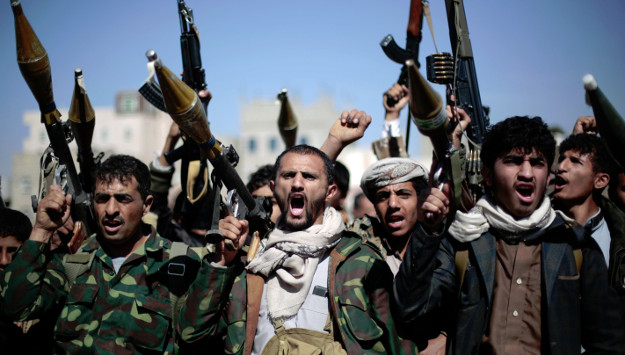
On December 20, a senior commander of an Iran-run Popular Mobilization Forces (PMF) unit in Iraq said the militia forces were stationed within three kilometers of Tal Afar city and were awaiting for an order from Baghdad to enter the city center.
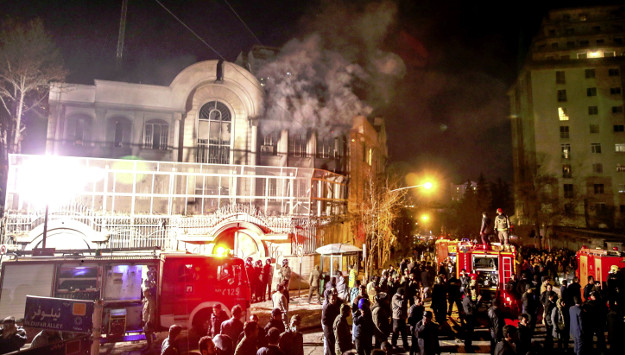
Iranian Responsible for Saudi Embassy Attack Claims Iran Government Gave “Green Light”
Iranian extremist cleric Hassan Kurdmihan, the confessed mastermind of the January 2016 attack on the Saudi Embassy in Tehran, is heard in a leaked tape recording telling his followers that the attack was “carried out upon a green light from the government and the regime,” according to a December 18 report in al-Arabiya. Kurdmihan can also be heard in the leaked calls directing members of the Iranian Basij and the Islamic Revolution Guards Corps (IRGC) to burn and destroy the Embassy and seize documents inside. The leaked recordings have been attributed to the Iranian opposition Green Mov
Iran Rules out Cooperation with West, Continues Meddling in Region
Despite growing concerns in the United States and the Arab world about Iran’s destabilizing role in the region, Iranian leaders continue to defend the country’s subversive policies in the Yemeni conflict.
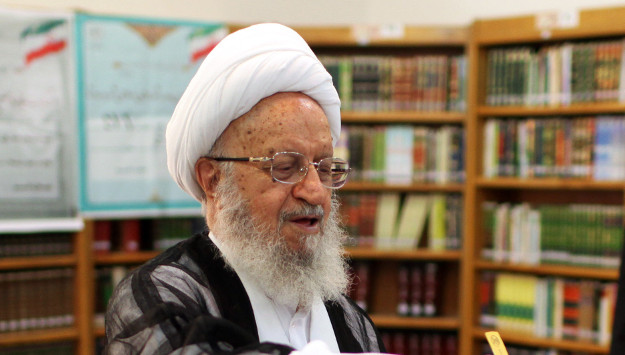
Ayatollah Naser Makarem Shirazi, who is not only a grand ayatollah but also a strong defender of all of Tehran’s policies, said on December 19 that “British statements of support for the Arab countries” are only aime
Top Iran General Says after Aleppo, It Will Be Mosul
General Rahim Safavi, a top military advisor to Supreme Leader Ayatollah Ali Khamenei, called the “freedom of Aleppo” a product of the alliance between Iran, Russia, Syria and Hezbollah.” Safavi said that today “the United States has found out very well that the Islamic Republic of Iran is the first power in the region and has more influence than the other countries in the area.” He continued that “the alliance between Iran, Russia, Syria and Hizballah led to the liberation of Aleppo, and we will also liberate Mosul soon.”
Mohammad Reza Sheibani, Iran’s last ambassador to Damascus who has recently returned to Tehran, vowed that Iranian support for Syrian President Bashar al-Assad will remain until the very end.
Senior Iranian Cleric Calls for “Nullifying” America and Expanding Iran’s Influence across Region
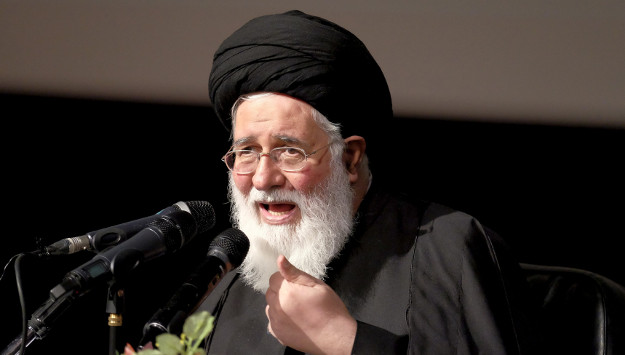
On December 18, a senior Iranian cleric claimed that Iran’s influence was expanding across the Middle East and called on the country’s armed forces to “nullify” America’s role and power in the region.
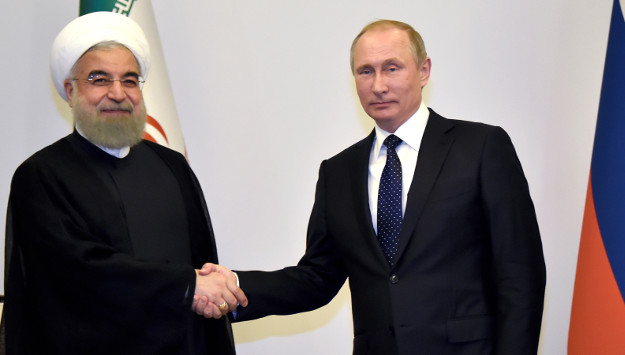
On December 19, Iran’s President Hassan Rouhani and his Russian counterpart Vladimir Putin discussed the Syrian conflict in a phone call. According to the Iranian media, the two leaders discussed ways to coordinate war efforts in Syria.
Training Women as Religious Professionals: Iran’s Shiite Seminaries
The state-run system of women’s religious seminaries in Iran is today probably the most successful in the entire Muslim world. No other country boasts so many women in its institutions of religious learning, and they enjoy popularity not only among Iranian women but Muslim women from all over the world. However, the scope of the religious education on offer for women is nonetheless limited. In this essay, Mirjam Künkler suggests why.
After Aleppo, IRGC Calls for Toppling Regimes in Bahrain and Yemen
In its first official reaction to the fall of Aleppo, the Islamic Revolution Guards Corps (IRGC) hailed the seizure of Syria’s second largest city as a “divine gift” to the Iranian regime and a prelude to bigger achievements by Iran and its regional proxies across the Middle East.
The oldest peer-reviewed publication dedicated to the study of the modern Middle East, MEI’s flagship journal covers politics, society, and culture in the region.