The Unavoidable Neighbor: Managing Iran Beyond the War
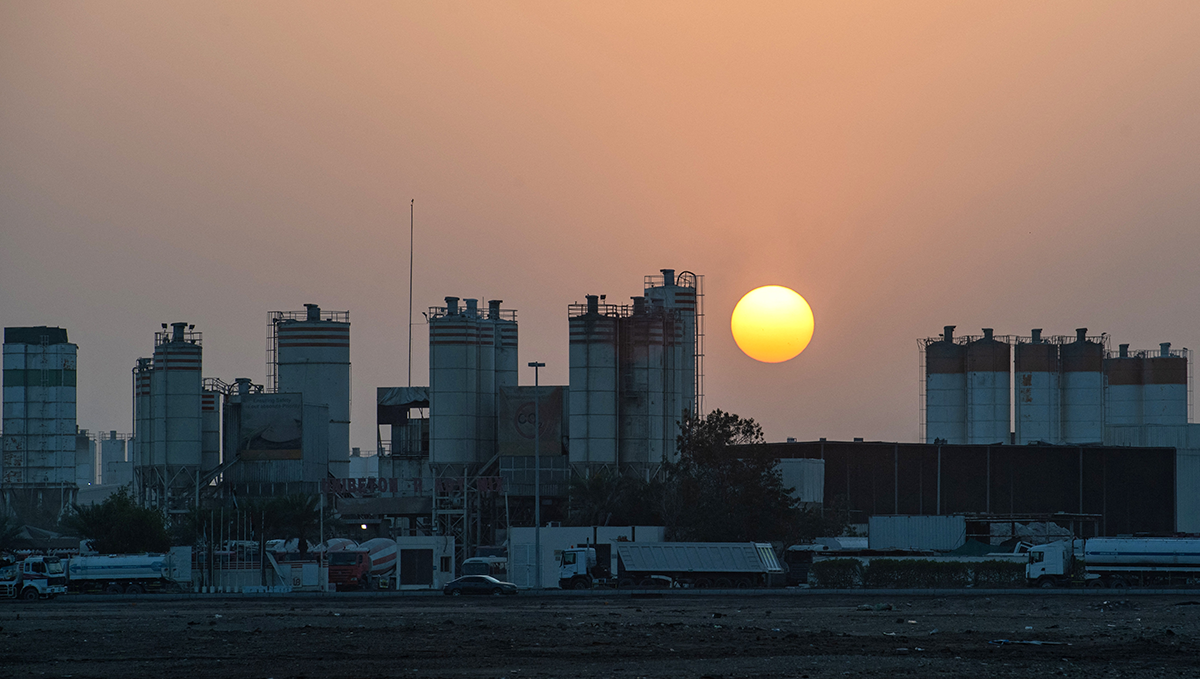
Gulf states and their partners are increasingly looking beyond their most immediate interests of containing the war with Iran. While recent talks between Saudi Arabia, Turkey, Pakistan, and Iran have kept de-escalation on the agenda, a broader regional security framework and non-aggression pact has also emerged, envisioning a longer-lasting solution to regional conflicts. The talks have yet to produce a settlement, but they reflect a growing recognition that Gulf security cannot depend entirely on Washington. Iran will still be there, and its neighbors will have to find ways of living with it.
Recent Elections and What They May Mean for the Middle East
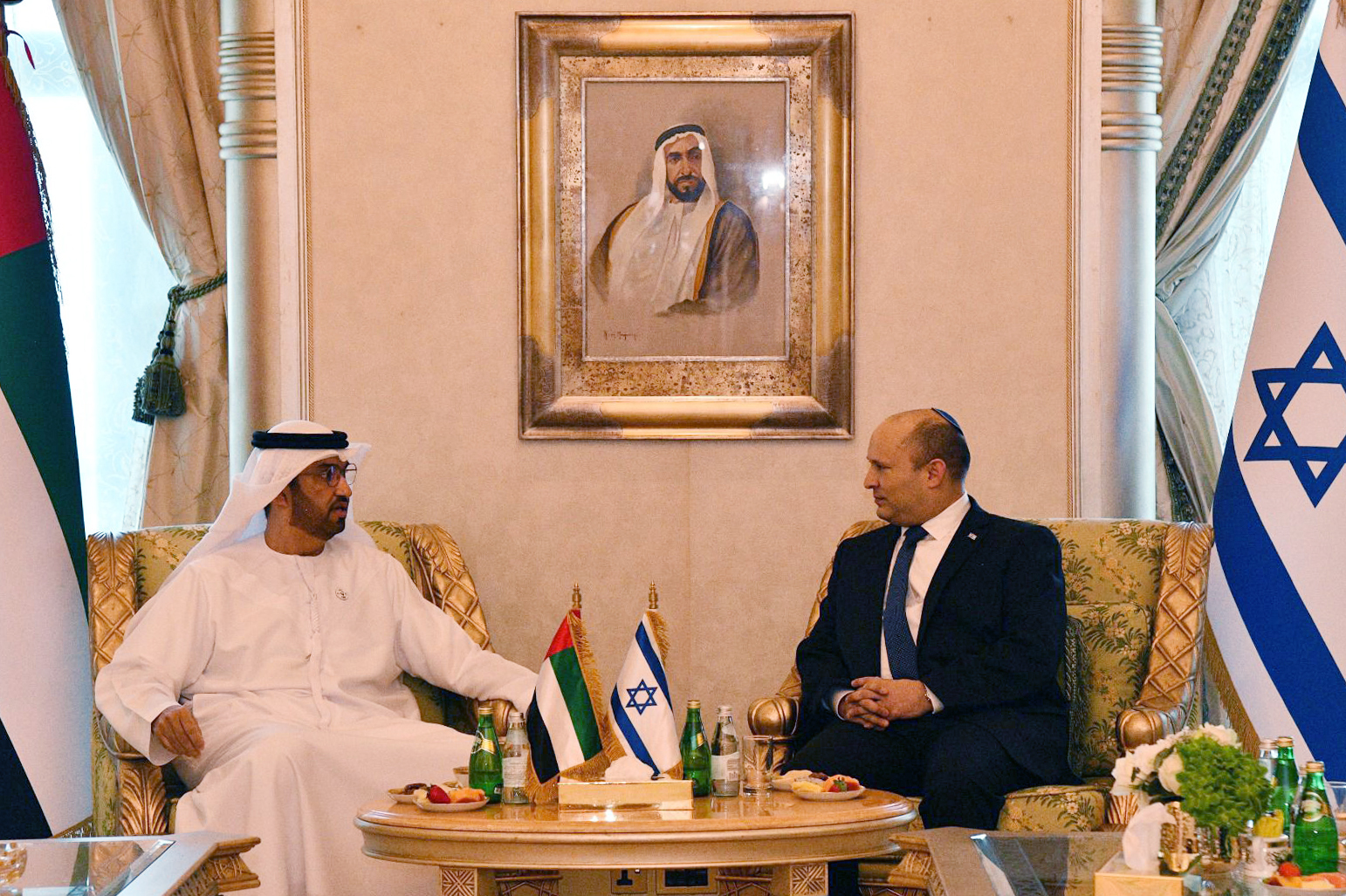
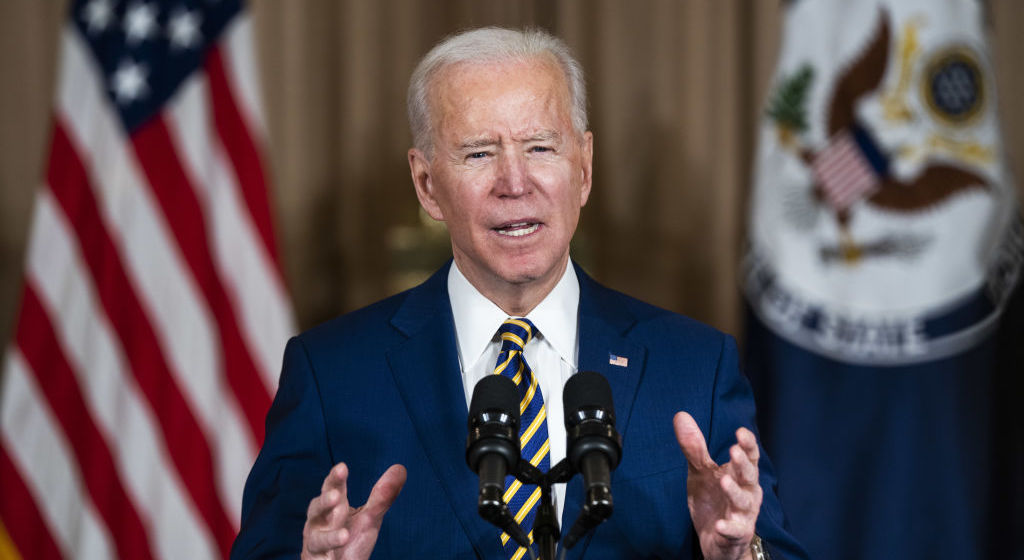
Recent elections for the Israeli Knesset and American Congress may make less of a difference in the Middle East than some people think. Elections are significant indicators of national political trends, but do not always translate into changes in national security strategies. That is likely the case now in both nations.
The Coming Debate Over the US Military Presence in the Gulf
The war with Iran is hardly over, but the debate over the shape and nature of the post-conflict American posture in the Gulf region is just beginning. Undoubtedly, how the war ends will affect how the United States adjusts its role. While this debate is still in its early stages, something of a conventional wisdom is already developing in policy circles that could seriously compromise American influence in the Middle East.
Raisi's shrinking budget cements the Islamic Republic's "trinity"
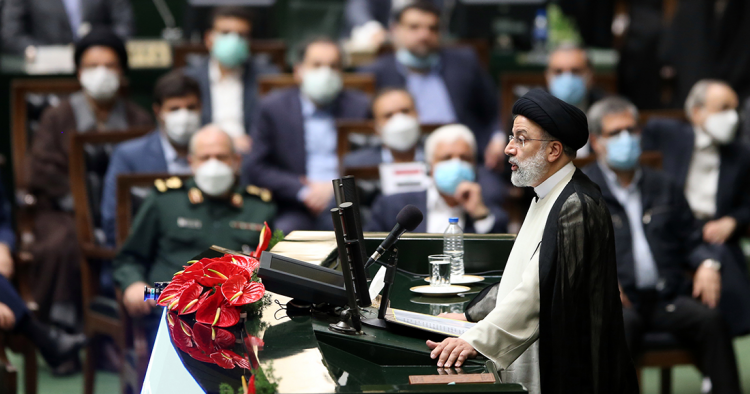
Iran’s new president, Ebrahim Raisi, has presented his first draft budget bill for the upcoming Iranian year (1401), which starts on March 21, 2022. Rather than facilitating a much-needed economic recovery, the proposed budget is designed to strengthen the regime’s power base and impose austerity while keeping society under control.
On Jan. 17, the Houthis perpetrated another attack, targeting an Emirati oil facility in Abu Dhabi, killing three international citizens, and damaging infrastructure. The story here is unfortunately all too familiar and begs a coherent response now. After all, what is becoming routine in the Gulf will likely be copied and repeated in other locations.
Recently, the Iranian regime’s anti-Israel campaign scored an own goal when various hard- line regime news outlets targeted former Iranian national soccer team captain Mehdi Mahdavikia with severe criticism and condemnation. Mahdavikia’s crime? Wearing a jersey at an international exhibition soccer match arranged by FIFA in Qatar that featured the flags of all 211 FIFA members, including Israel.
Competing over Islam: Turkey, Saudi Arabia, and Iran in the Balkans
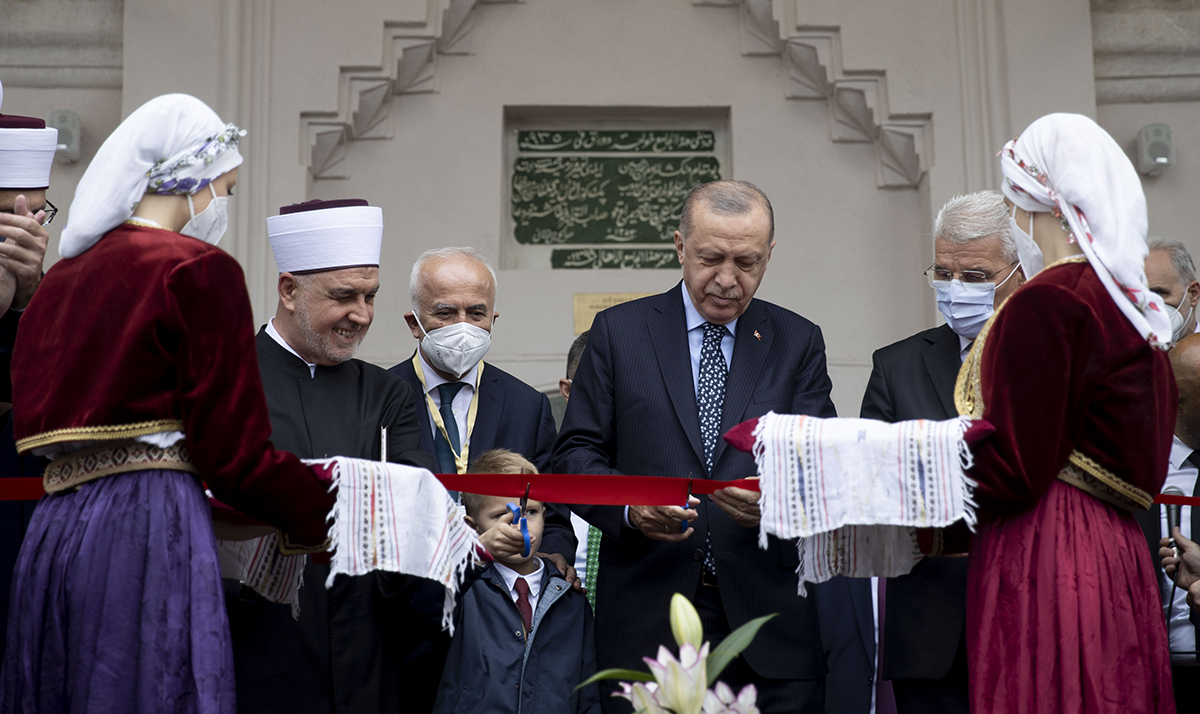
Turkey, Saudi Arabia, and Iran have been the main competitors in a struggle over who — and in what manner — should act as the patron of Muslims in the Balkans. These three countries are very different in terms of their historical footprint, economic and political presence, and local networks. What they share, however, is the use of Islam to exert soft power. This paper will discuss how they are seeking to wield influence, how regional actors respond to their overtures, and whether these three countries are meeting their objectives in the region.
A military strike on Iran is the worst non-proliferation strategy
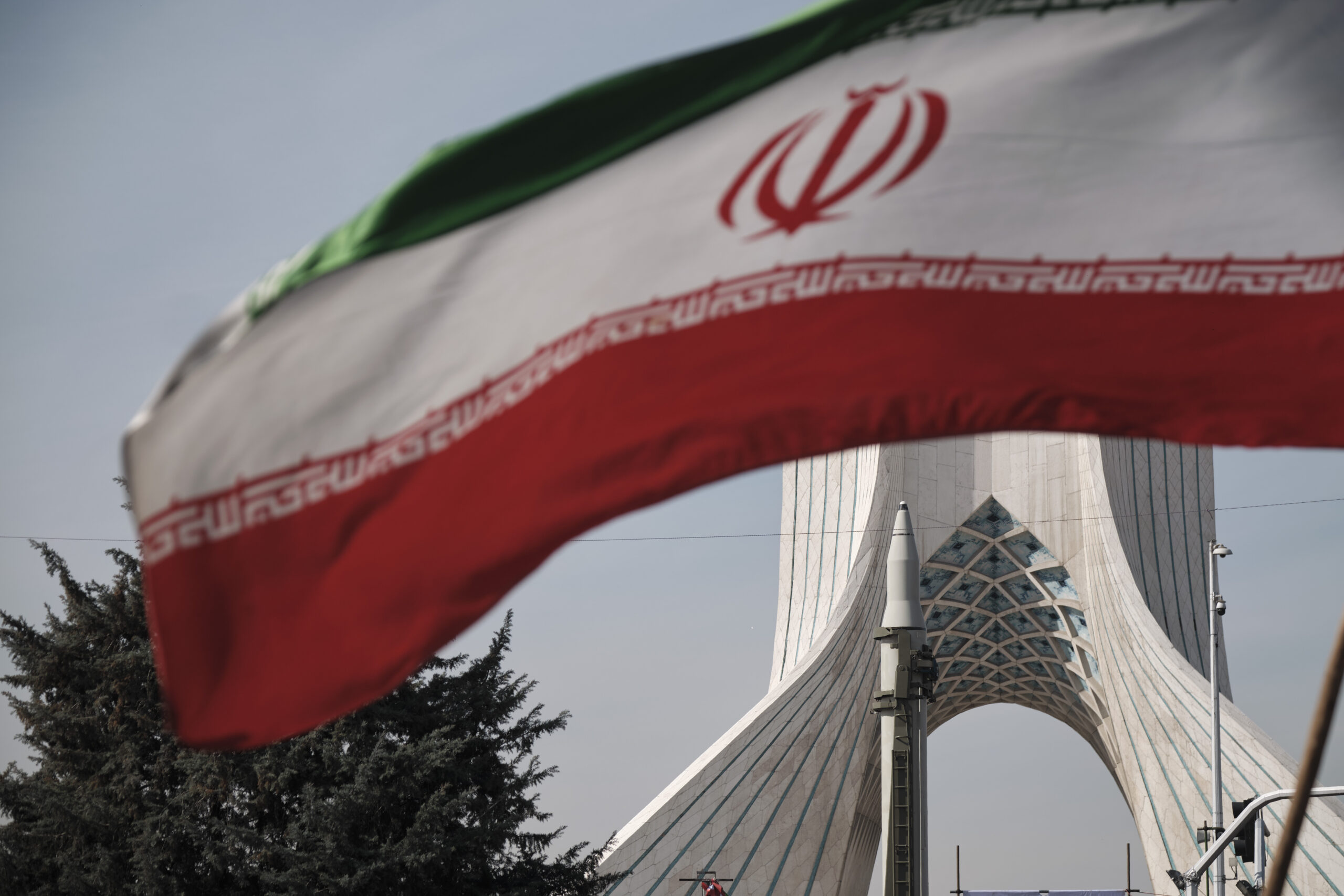
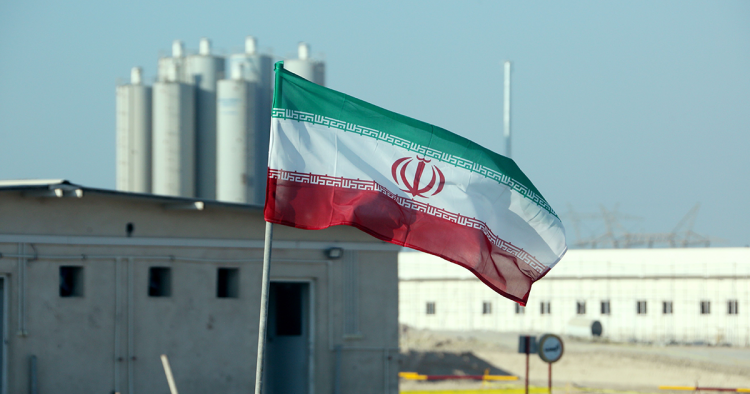
Debates on a military solution to Iran’s nuclear program are heavily polarized between those arguing that a threat of war and a preventive non-proliferation military strike can be a solution and those arguing that military action will only accelerate Iran’s nuclear program. The truth is that it is highly unlikely that Tehran would abandon its nuclear program after a military strike.
مخاوف خامنئي على مستقبل رجال الدين الإيرانيين (الجزء الثالث)
هذا هو الجزء الأخير من سلسلة مكونة من ثلاثة أجزاء
عندما توفي آية الله روح الله الخميني، مؤسس جمهورية إيران الإسلامية، عن عمر يناهز 89 عامًا، تمتع هو والنظام الذي أسسه بدعم معظم رجال الدين رفيعي المستوى في البلاد.
لكن خليفته، المرشد الأعلى آية الله علي خامنئي، البالغ من العمر 82 عامًا، يواجه وضعًا مختلفًا للغاية. فمن الواضح أن معظم كبار رجال الدين لا يؤيدونه، وقد تسبب “انحراف” الجيل الجديد من رجال الدين في مخاوف متزايدة داخل النظام.
Istikharah or divination, according to Islamic definitions, means to seek goodness and to consult God in various affairs. Istikharah is very common among Shiites, including bibliomancy, which involves randomly opening the Qur’an and reading the first verse on the page, or rosary divination. The use of istikharah has a long history in Iran, not only among the common people, but also among its rulers, who have used it to make decisions on the governance of the country, and this continues to the present day.
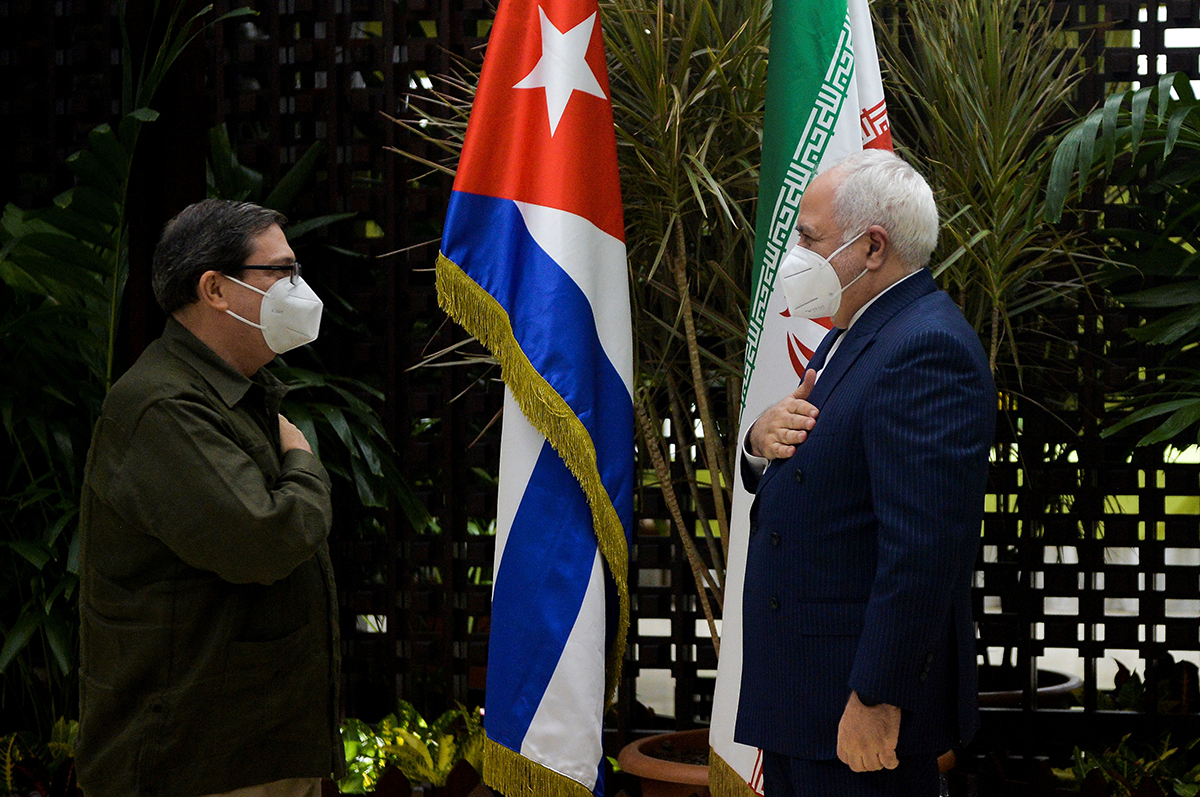
In September, Iranian Foreign Minister Hossein Amir-Abdollahian spoke of the “unlimited” potential to expand Tehran-Havana ties, and both sides have highlighted the fields of medicine and agriculture as ideal areas for cooperation. While that might be the case, there is no denying that the Iran-Cuba partnership represents the coming together of two entirely different political models that above all rests on shared conflict with the United States.
مخاوف خامنئي على مستقبل رجال الدين الإيرانيين (الجزء الثاني)
هذا هو الجزء الثاني من سلسلة مكونة من ثلاثة أجزاء
في السنوات الأخيرة، نُشِرت العديد من التحليلات حول النفوذ المتزايد للحرس الثوري الإسلامي داخل النظام الإيراني. لا شك أنه في العقدين الماضيين، ازدادت قوة الحرس الثوري في المجالات السياسية والاقتصادية والأمنية بشكل كبير، ومع تزايد عدد الشخصيات العسكرية أو العسكرية السابقة في إدارة الرئيس الإيراني الجديد، إبراهيم رئيسي، لا يتوقع سوى أن يتجه نفوذ الحرس الثوري نحو مزيد من التوسع.
Khamenei’s concerns over the future of the Iranian clergy (Part 3)
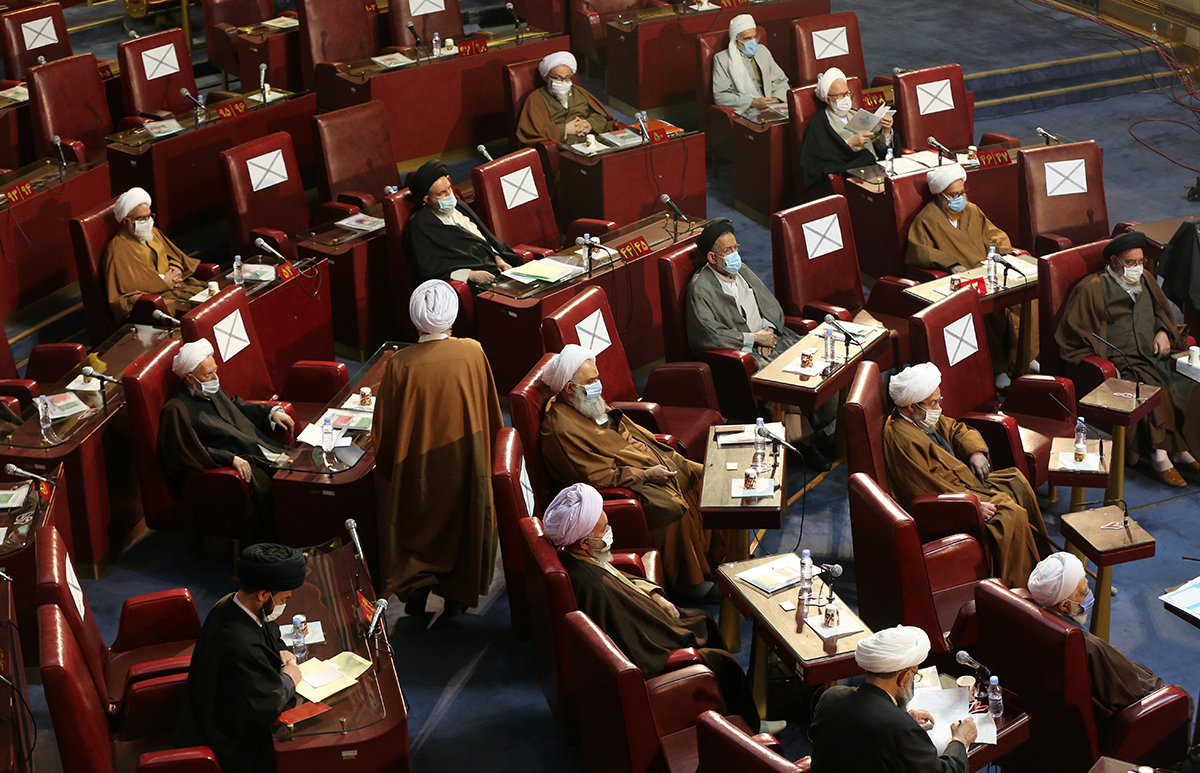
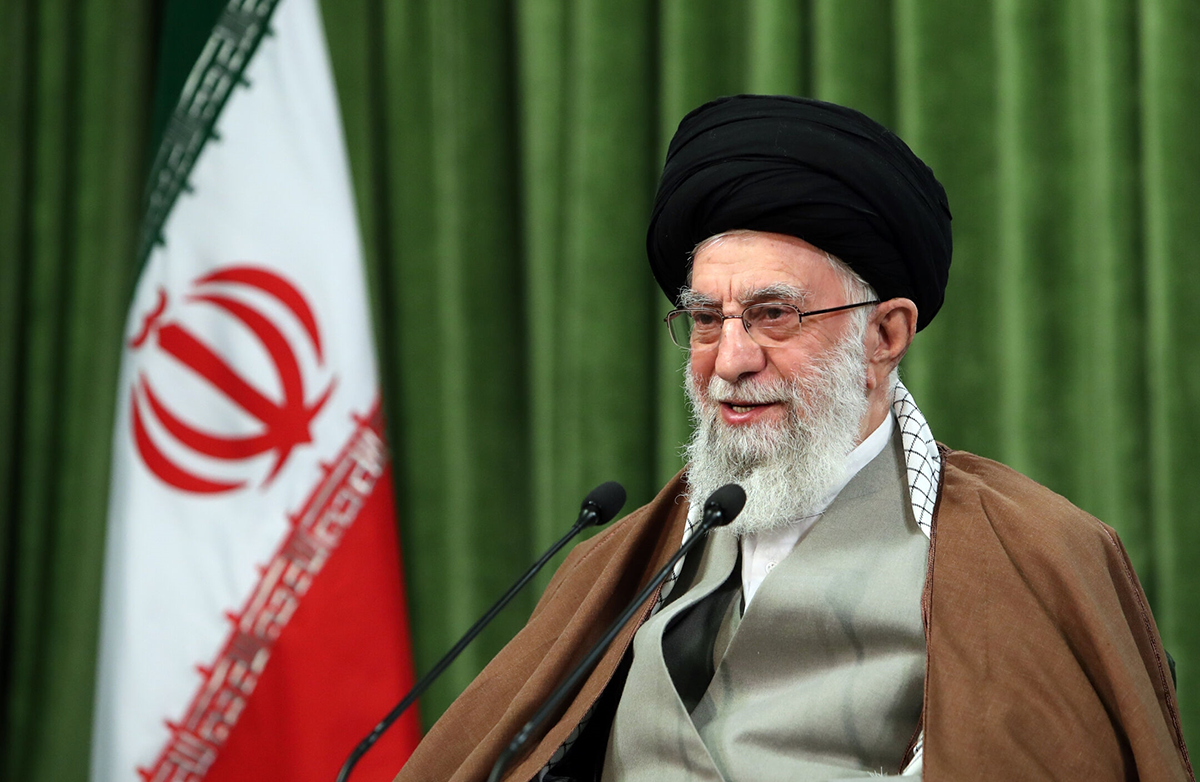
When Ayatollah Ruhollah Khomeini, the founder of the Islamic Republic of Iran, died at the age of 89, he and the regime he established enjoyed the support of most of the country’s high-ranking clerics. His successor, Supreme Leader Ayatollah Ali Khamenei, aged 82, faces a very different situation, however. Most senior clerics apparently do not support him, and the “deviation” of the new generation of clerics has caused growing concerns within the regime.
A stranger among us: Iran's tightening grip on religious minorities
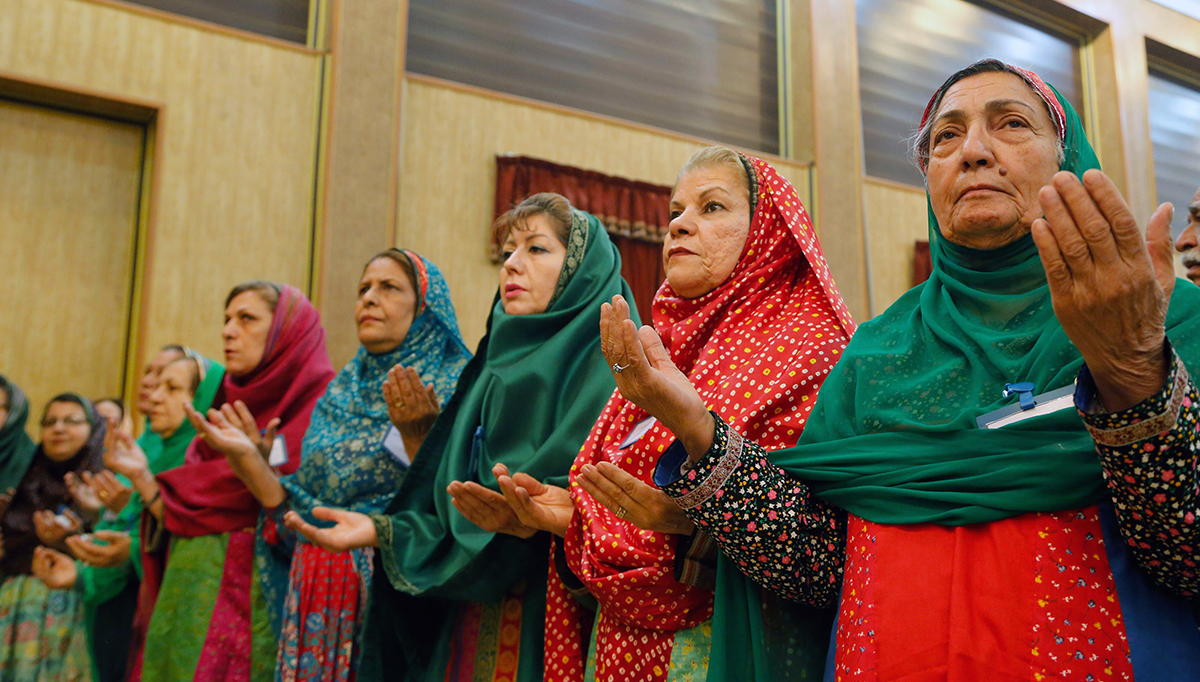
For thousands of years, Iran has stood out as a culture that prized diversity and a place where religious minorities have flourished as independent communities. The Islamic Republic now seeks to change that, however, by implanting its own leaders inside different faith groups to protect and advance its interests.
The oldest peer-reviewed publication dedicated to the study of the modern Middle East, MEI’s flagship journal covers politics, society, and culture in the region.