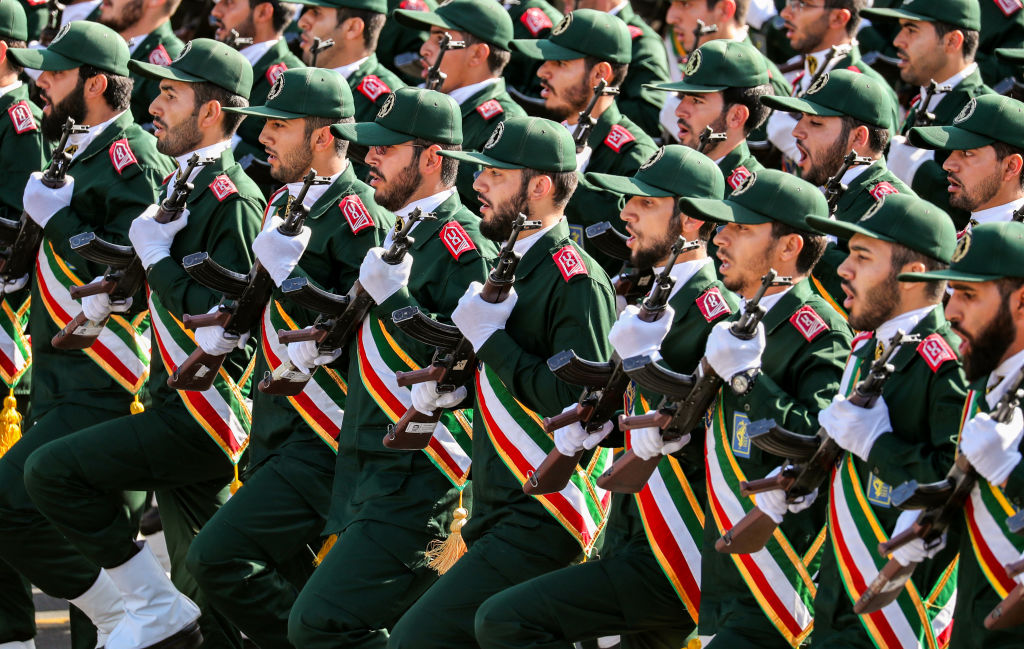
After decades of political setbacks, Iran’s former Revolutionary Guards commander has returned to the center of power. Is he an incidental beneficiary of war, or have observers underestimated him all along?
The Unavoidable Neighbor: Managing Iran Beyond the War
Gulf states and their partners are increasingly looking beyond their most immediate interests of containing the war with Iran. While recent talks between Saudi Arabia, Turkey, Pakistan, and Iran have kept de-escalation on the agenda, a broader regional security framework and non-aggression pact has also emerged, envisioning a longer-lasting solution to regional conflicts. The talks have yet to produce a settlement, but they reflect a growing recognition that Gulf security cannot depend entirely on Washington. Iran will still be there, and its neighbors will have to find ways of living with it.
Recent Elections and What They May Mean for the Middle East
Recent elections for the Israeli Knesset and American Congress may make less of a difference in the Middle East than some people think. Elections are significant indicators of national political trends, but do not always translate into changes in national security strategies. That is likely the case now in both nations.
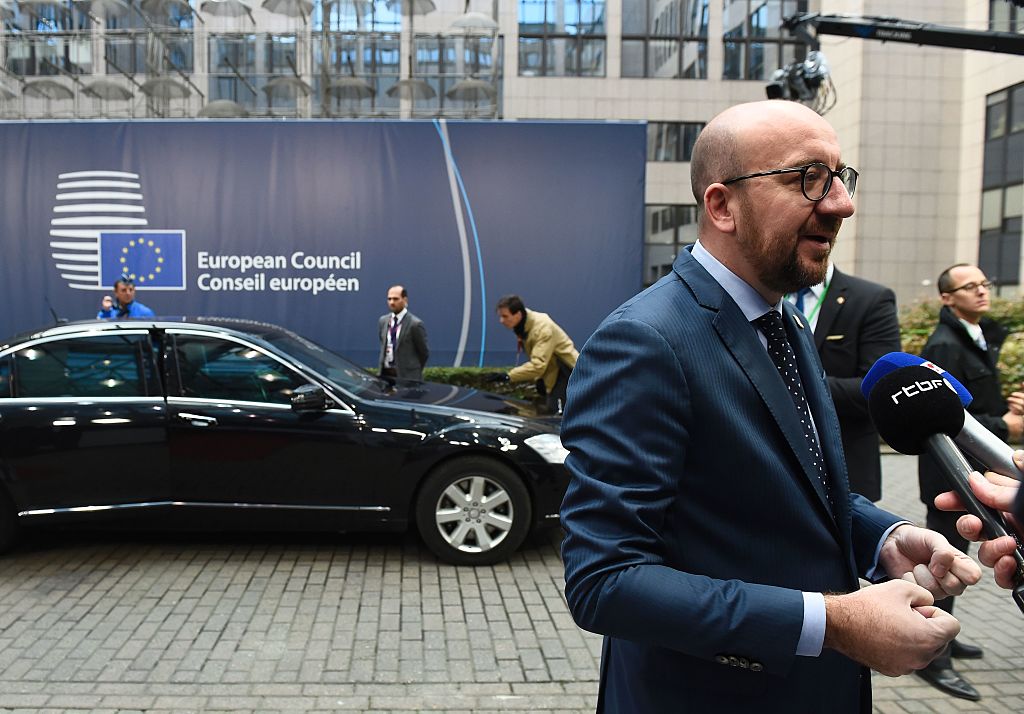
What will the European Council's new president mean for EU-MENA relations?
While some changes may be in the offing, for now most signs suggest that regional leaders should expect neither new opportunities, nor new challenges, but more likely a broad continuity of existing EU policy toward the region.
Monday Briefing: A mixed record for PM Khan’s first year in office
This week’s briefing on recent news and upcoming events in the region featuring Arif Rafiq, Ibrahim Jalal, Michael Sexton and Eliza Campbell, and Alex Vatanka.
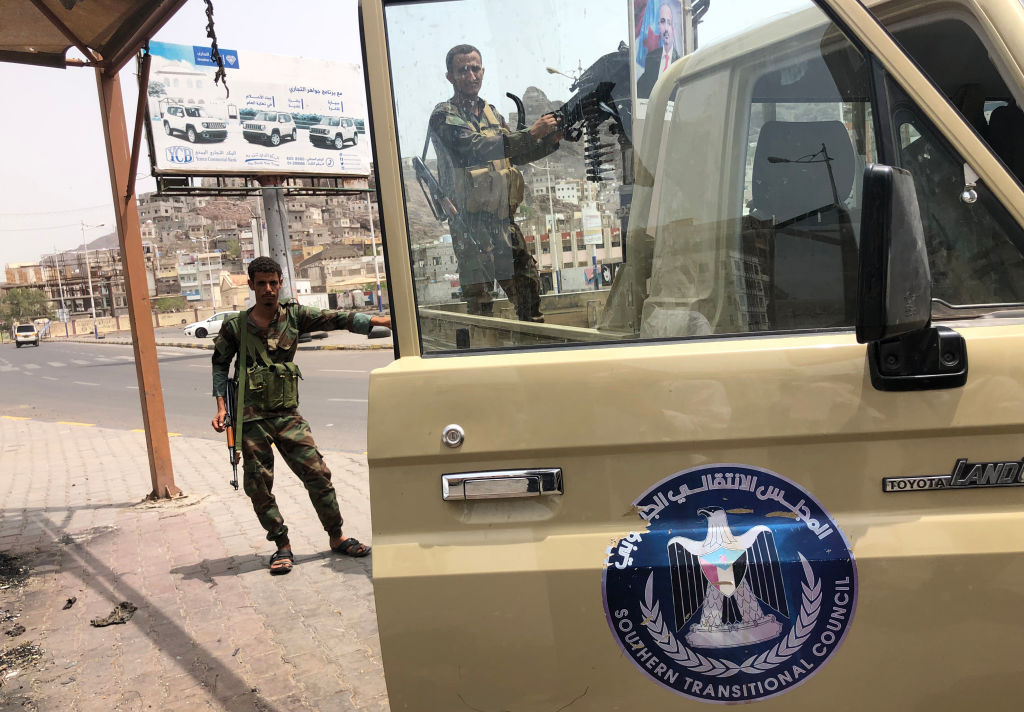
Monday Briefing: Fighting flares up in southern Yemen
This week’s briefing on recent news and upcoming events in the region featuring Fatima Abo Alasrar, Gonul Tol, Marvin G. Weinbaum, Randa Slim, and Michael Sexton and Eliza Campbell.
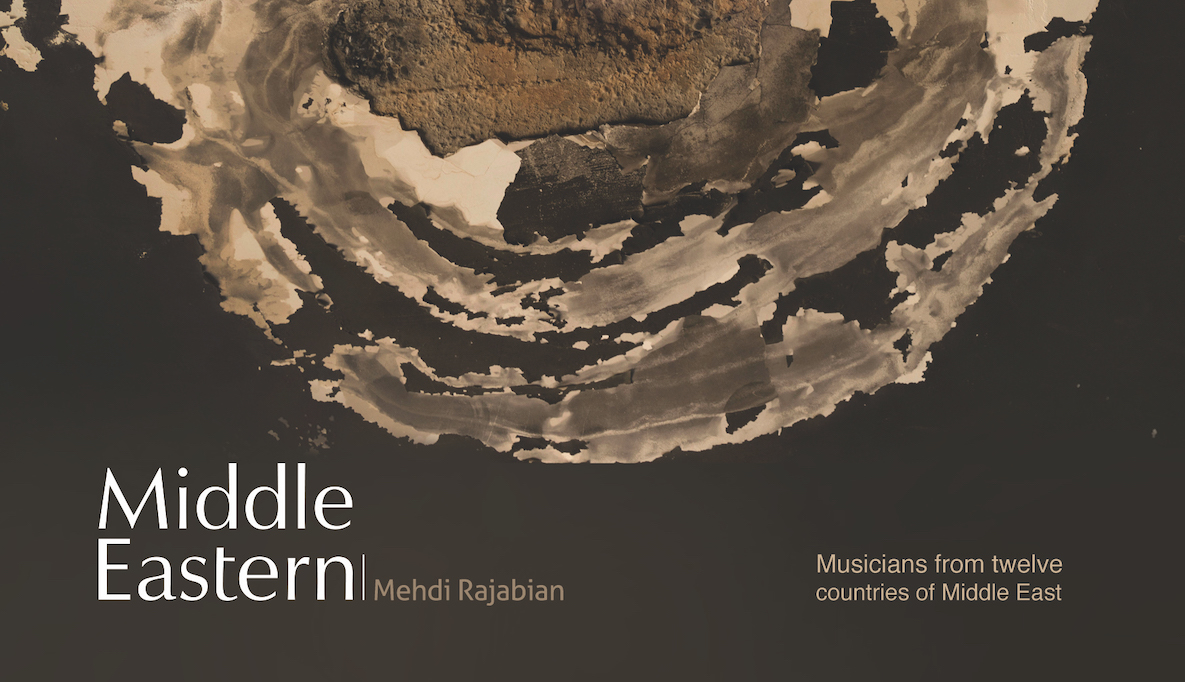
Messages for Peace: Iranian Artist Imprisoned for Music Releases New Album
Revolutionary Guards came to Mehdi Rajabian’s door on October 5, 2013. His crime? Running a music production company — Barg Music — that the Iranian government deemed offensive to Islam and the regime. Barg Music worked with restricted artists in Iran, particularly women, who have been legally forbidden from performing solo since the Iranian Revolution.
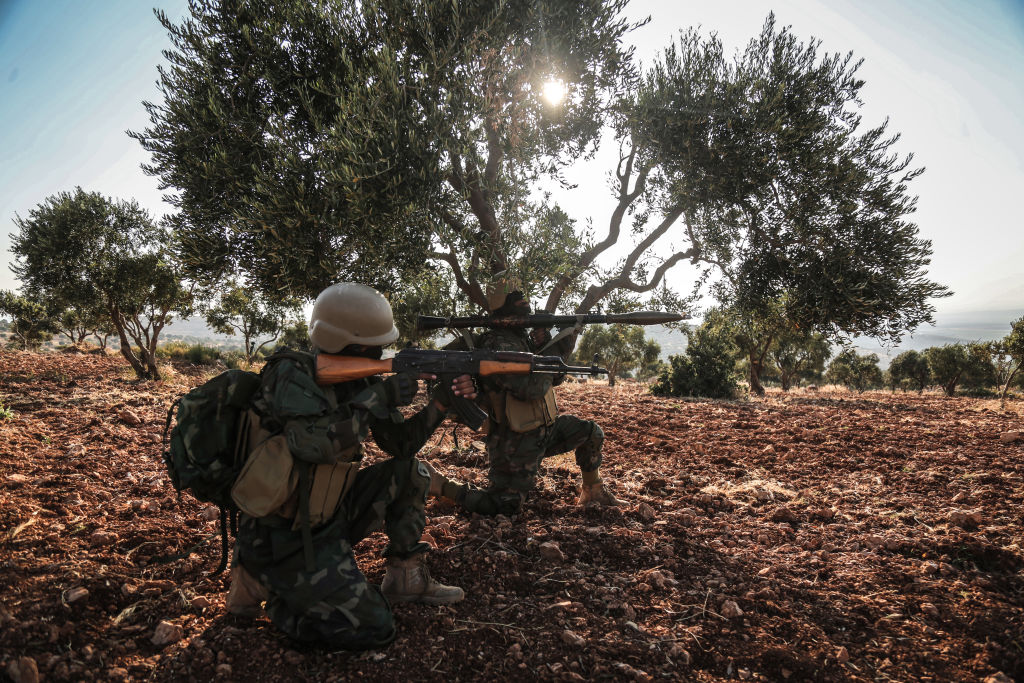
Monday Briefing: US-Turkey dispute over Syria comes to a head
This week’s briefing on recent news and upcoming events in the region including the Turkish-U.S. crisis meeting in Ankara on Syria, the resumption of U.S.-Taliban negotiations, Trump’s creation of a new “dovish” line on Iran, a rise in Egypt’s poverty levels, Sudan’s democratic transition, the easing of female guardianship rules in Saudi Arabia, and the end of the ceasefire in Idlib, featuring Charles Lister, Marvin G. Weinbaum, Paul Salem, W. Robert Pearson, Mirette F. Mabrouk, Thomas W. Lippman, and Robert S. Ford.
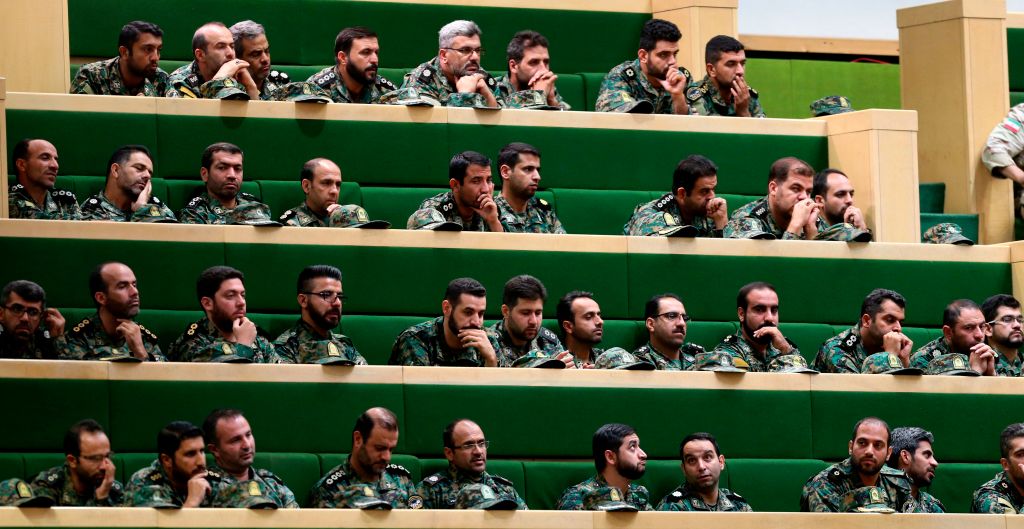
Iran's IRGC reshuffle and its security implications
As the Islamic Republic shifts to a more muscular foreign policy in the face of mounting external pressure, its defense and security apparatus is also undergoing key changes. This includes a reshuffling within the Islamic Revolutionary Guards Corps (IRGC) and the creation of a separate “air defense force” within the regular Army. Much less publicized, however, are reports of high-profile removals and replacements within the IRGC and more broadly, the armed forces, as part of a systematic effort to enhance their operational efficacy at a time of growing internal and external threats.
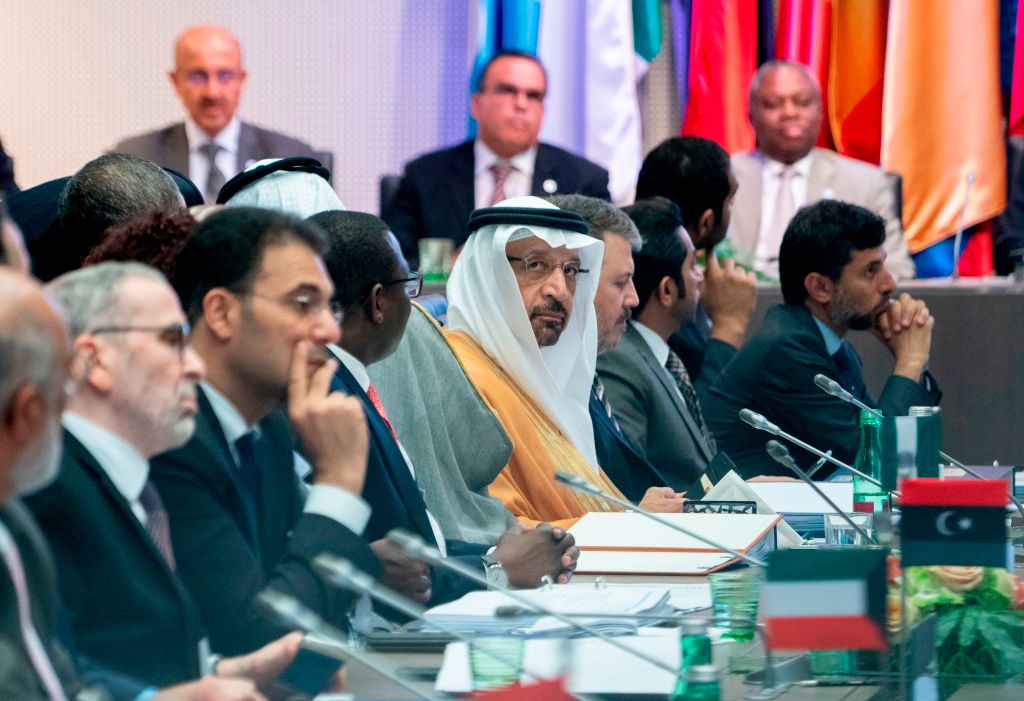
OPEC+ agrees to production-cut extension and new charter amid rising Middle East tensions
OPEC+ nations have ended speculation about whether they would continue oil production cuts by agreeing to a nine-month extension. Led by the global petroleum powers Saudi Arabia and Russia, the group agreed on July 2 to extend the current level of cuts until the second quarter of 2020.
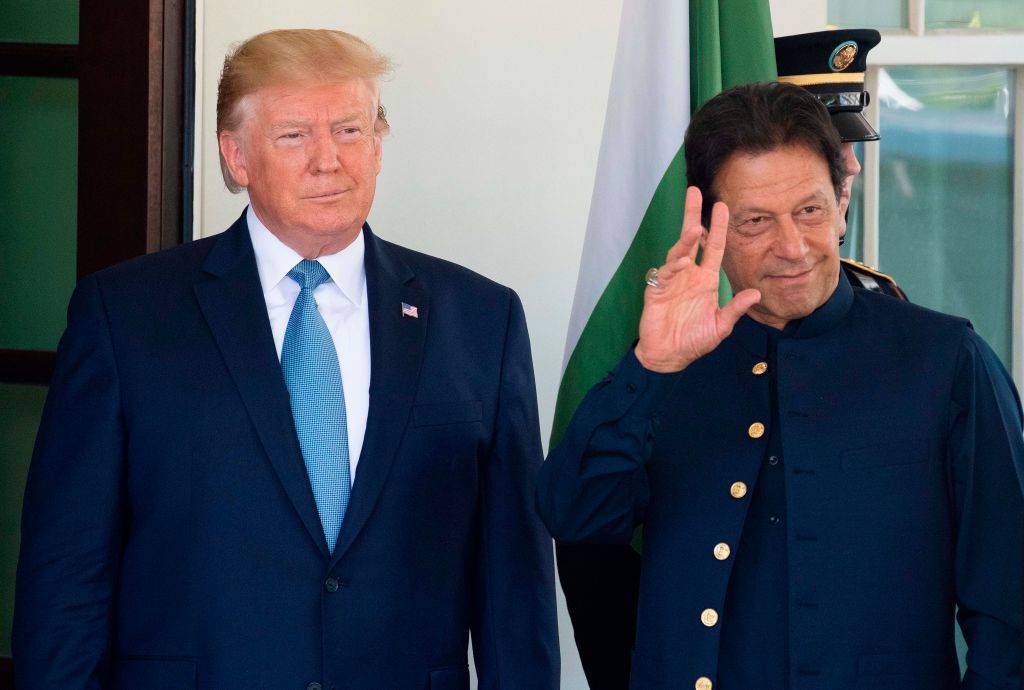
Monday Briefing: Pakistani PM Khan heads to the White House
This week’s briefing on recent news and upcoming events in the region including Imran Khan’s visit to the White House, tensions between President Trump and Congress over Turkey’s new S-400 system, escalation in the Straits of Gibraltar and Hormuz, military restructuring in Iraq, increased collaboration on the region’s power supply, and changes to Egypt’s social safety net, featuring Arif Rafiq, Gonul Tol, Ruba Husari, Robert S. Ford, Dr. Ibrahim Saif, and Mirette F. Mabrouk.
When it was signed four years ago, the Iran nuclear deal was widely perceived as a diplomatic triumph, a move that would help reintegrate Iran into the global economy and restore its relations with the West. Things haven’t quite turned out that way, however.
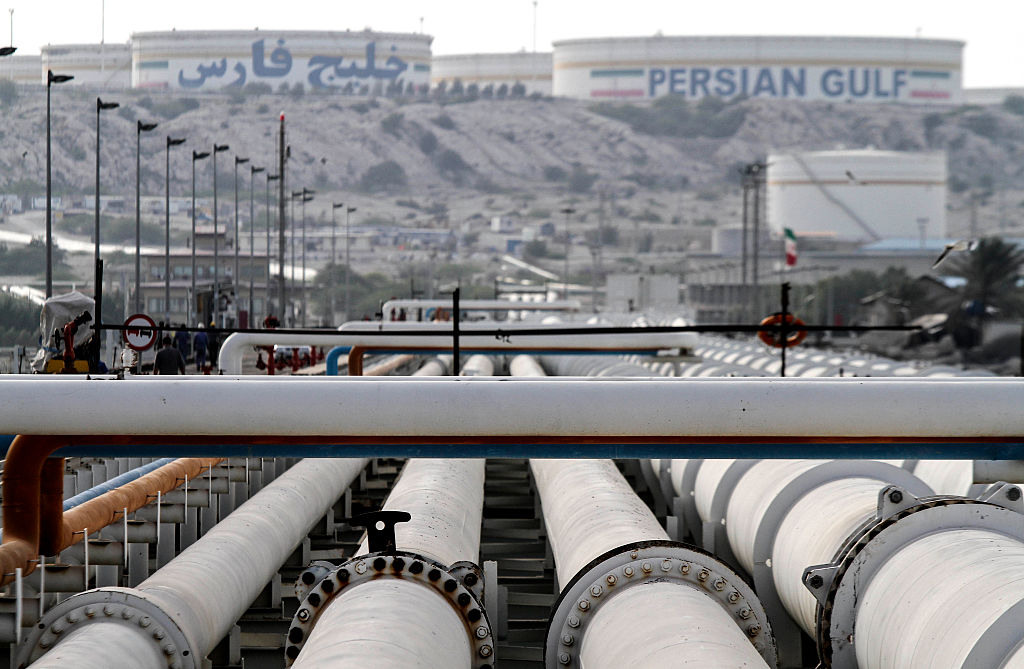
Shale oil and the illusion of US energy independence
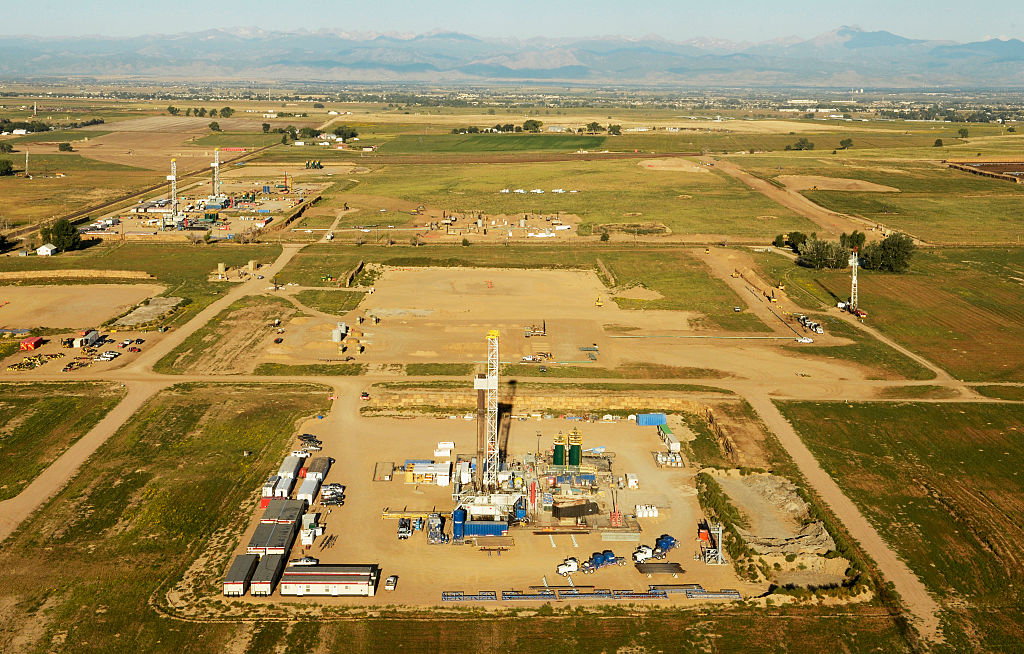
U.S. crude oil and energy product exports surged to an all-time high in the third week of June, making the country a net exporter of oil and products for the third time since November 2018. This change lends credence to American officials’ presumption that amid growing U.S.-Iran tensions in the Persian Gulf, Washington is less compelled to police oil transit routes in the region, especially the Strait of Hormuz, than it was during the 1980s. However, while the U.S. is less reliant on oil imports than in the past, it still remains dependent on Gulf producers, albeit in different ways.
The UAE drawdown in Yemen is a welcome step, but it needs to be reciprocated
Reports that the UAE, a key member of the Saudi-led coalition fighting in Yemen, has decided to draw down and reposition its troops should be welcomed and taken seriously. It is not a small or symbolic move, but rather a serious, strategic, and thoughtful military and political decision. If reciprocated by the Iranian-backed Houthi militia, it could serve as the long-awaited breakthrough in the five-year-old Yemen war.
Monday Briefing: Strengthening Egypt’s ties with Africa
In this week’s Monday Briefing, MEI experts Mirette F. Mabrouk, Charles Lister, Gonul Tol, and Alex Vatanka provide analysis on recent and upcoming events including Egypt’s engagement with Africa to boost trade and investment, the reshuffling of leadership of Syria’s security apparatus, the firing of Turkey’s central bank governor, and Russia’s positioning to act as mediator between Iran and the Gulf states.
Having earlier threatened Iran with “obliteration” in the event of war, U.S. President Donald Trump warned on July 2 that the Islamic Republic was “playing with fire” after it breached the 300-kg cap on the stockpile of low-enriched uranium set by the nuclear deal. Yet, despite reportedly engaging in suspected “sabotage attacks” on a number of oil tankers, Iran is very unlikely to initiate a direct conflict with the U.S., but the scale and scope of its response to potential U.S. military action is not clear. Will it resort to overwhelming strategic force in the hope of dissuading the “aggressor” from further escalation, thus risking a major confrontation, or respond surgically to potential U.S. “tactical” strikes?
In this week’s Monday Briefing, MEI experts Alex Vatanka, Gonul Tol, Gerald Feierstein, Marvin G. Weinbaum, Rauf Mammadov, and Robert S. Ford provide analysis on recent and upcoming events including Iran’s announcement that it has exceeded its enriched uranium limit, Turkey’s purchase of Russia’s S-400s missile defense system over American objections, an Emirati announcement that it will downsize military involvement in Yemen, the resumption of intra-Afghan peace talks, Russia’s continuing embrace of OPEC+ oil production cuts, and the emergence of potential threats to Tunisia’s democracy.
The Gulf State That Might Get Israel and Iran Talking
Despite the risks of war between the U.S. and Iran, a narrow diplomatic opportunity exists. But it is not between Washington and Tehran, but rather between Jerusalem and Tehran.
The oldest peer-reviewed publication dedicated to the study of the modern Middle East, MEI’s flagship journal covers politics, society, and culture in the region.