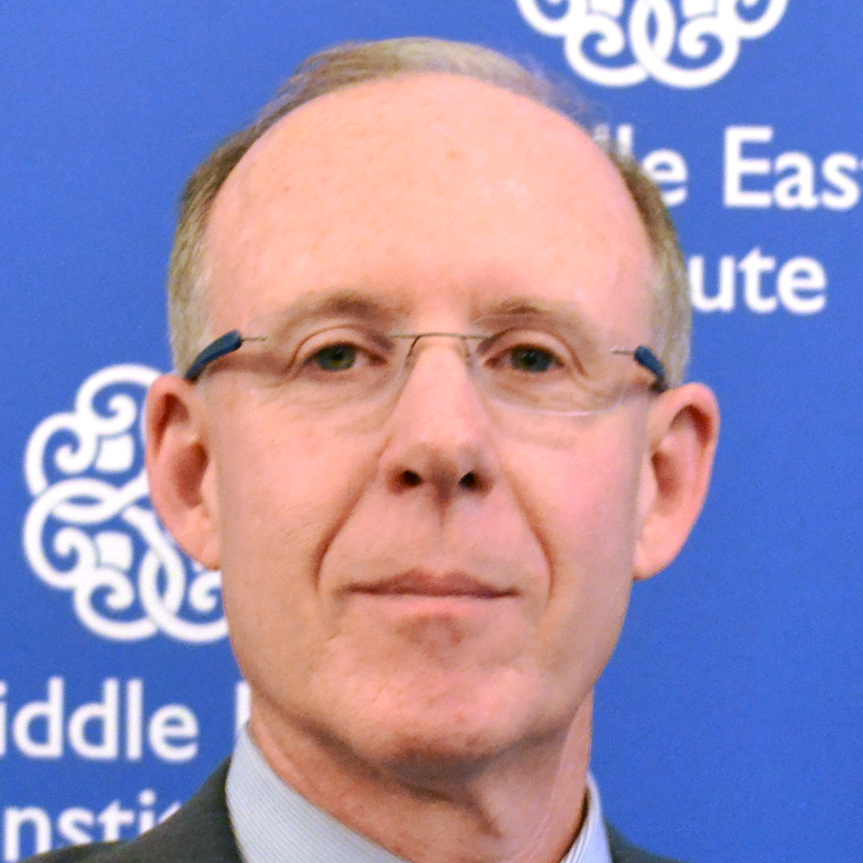
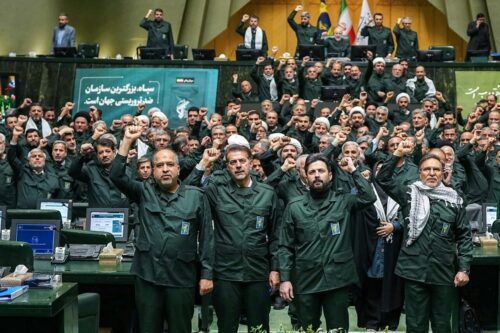
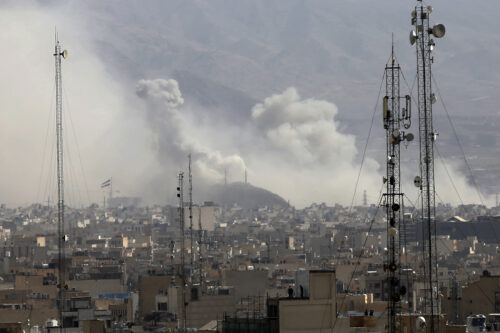
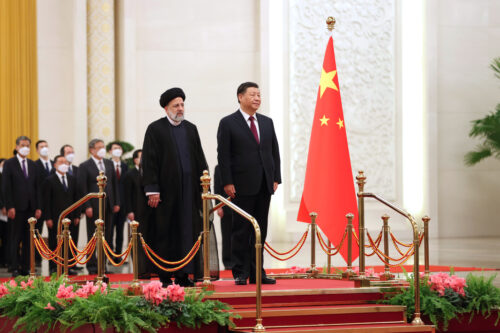
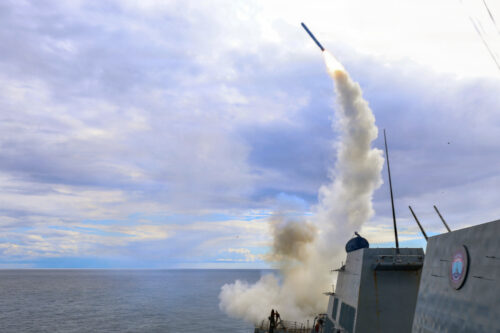
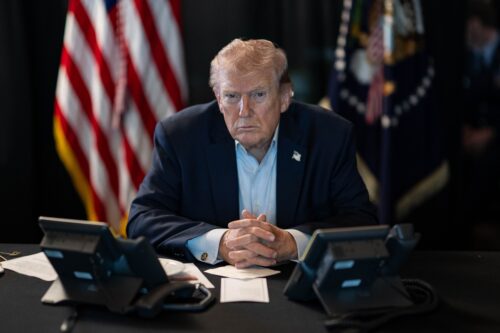
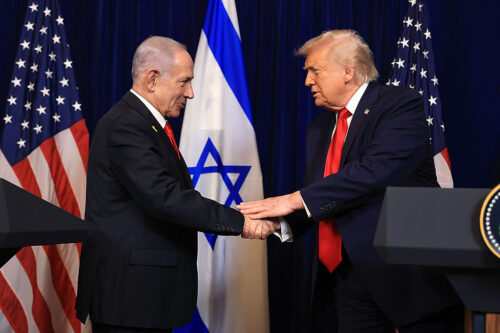
Washington says it doesn’t know who runs Iran. Tehran insists its leadership is united. MEI Senior Fellow Alex Vatanka joins hosts Alistair Taylor and Matthew Czekaj to sort out where the truth lies. They look at the small circle of political and military figures now steering the war effort in Tehran: who they are, how they make decisions, and how unified they really are. They also discuss the current state of US-Iran negotiations, the role of the upcoming midterm elections in the United States, and how the Islamic Republic is preparing for a potential renewal of conflict afterward.
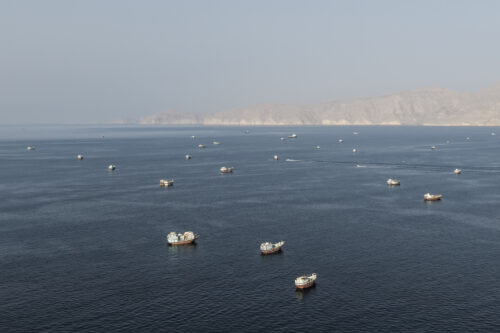
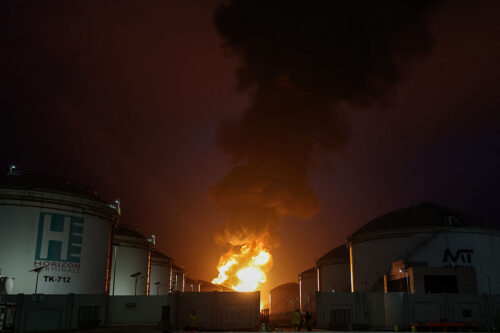
Crude oil is flowing out of the Gulf again, but the market is no better prepared for another disruption in the Strait of Hormuz. It has assembled a temporary system for managing one. Crude exports from the Gulf, excluding Iran, returned to pre-war levels in September, while total Gulf shipments reached 15.5 million barrels a day, more than 80% of the pre-conflict volume.
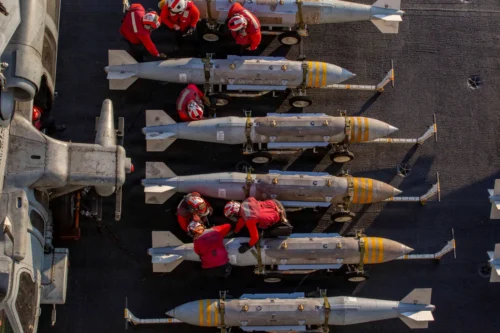
Many of the immediate consequences of the Israeli-American war with Iran are already clear. The further emergence of drones and missiles as dominant weapons of war; the danger to the global economy from the threats to vital chokepoints such as the Strait of Hormuz and the Bab el-Mandeb; and the inadequacy of US weapons procurement, among other issues, have garnered widespread and entirely merited attention.
Known Unknowns and Unknown Unknowns: The US-Israeli War on Iran
Modern wars are fought not only with weapons but with assumptions—and the most dangerous assumptions are often invisible to those making them. Donald Rumsfeld’s distinction between known unknowns (questions we recognize but cannot answer) and unknown unknowns (risks we have not even framed as questions) captures something essential about the current confrontation between the United States, Israel, and Iran.
Turkey caught in the vortex of a widening Iran war
After months of trying to head off a US-Israeli war with Iran, Turkey now finds itself caught in the middle of it — and deeply concerned that a prolonged, regionalized conflict could pose serious security, economic, and political risks.
Intelligence questions as the war with Iran enters a more uncertain phase
Following the tactical surprise of US-Israeli strikes on Iran, a crucial next step is the assessment of judgments about Iranian military sustainability, regime cohesion, escalation dynamics, regional spillover, allied responses, and plausible end states, and how those judgments interact with allied positioning, diplomatic activity, and economic constraints.
How to prevent the Iran war from becoming a vortex that draws in more countries
By attacking Iran without clear objectives or an exit strategy, the US and Israel turned what was the greatest strategic and chronic threat to regional security into an unpredictable set of imminent dangers. A fundamental task for US national security is to prevent this conflict from becoming a vortex that increasingly pulls in other powers.
Lebanon on the Brink: Hizballah, Iran, and the War’s Spillover
Hosts Alistair Taylor and Matthew Czekaj are joined by MEI Senior Fellow Fadi Nicholas Nassar to discuss Hizballah’s role in the escalating conflict in the Middle East and the implications for Lebanon. A day after the United States and Israel launched a joint military campaign against Iran, Tehran’s Lebanese proxy fired missiles at northern Israeli territory. Israel responded swiftly and forcefully, and Lebanon’s government and population now fear the Iranian-backed militia is dragging the country back into war. The conversation explores the broader repercussions of Hizballah’s actions against the backdrop of a widening war in Iran and Lebanon’s quickly evolving political climate. Nassar also outlines recommendations for how Lebanon can move forward as a sovereign and effective state.
China in the crossfire: Calculated moves amid the US-Iran showdown
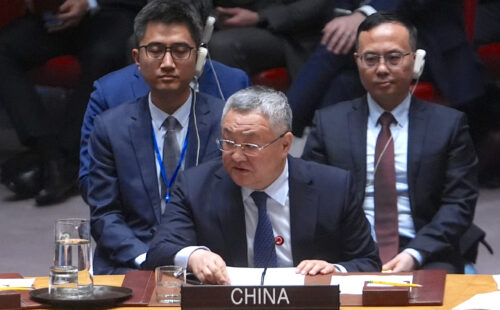
The launch of large-scale US and Israeli strikes against Iran places Beijing in a strategically uncomfortable position. This campaign is the most significant US military operation since the Iraq War, unfolding across a region central to China’s energy security and commercial ambitions.
The oldest peer-reviewed publication dedicated to the study of the modern Middle East, MEI’s flagship journal covers politics, society, and culture in the region.