Iran’s New Defense Minister Is a Missile Man, Not a Military Man
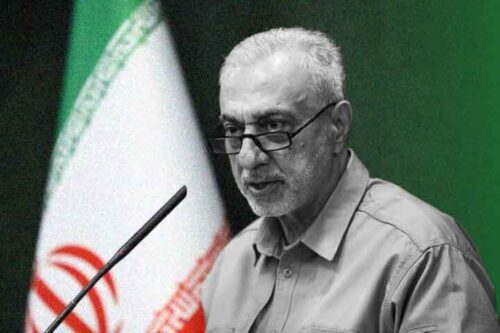
Mehrdad Akhlaghi was appointed defense minister in October 2026 by Iranian President Masoud Pezeshkian. He is an unusual choice, as, unlike most of his predecessors, he does not come from a uniformed military background. And his appointment comes arguably at the most sensitive time in the history of the Islamic Republic.
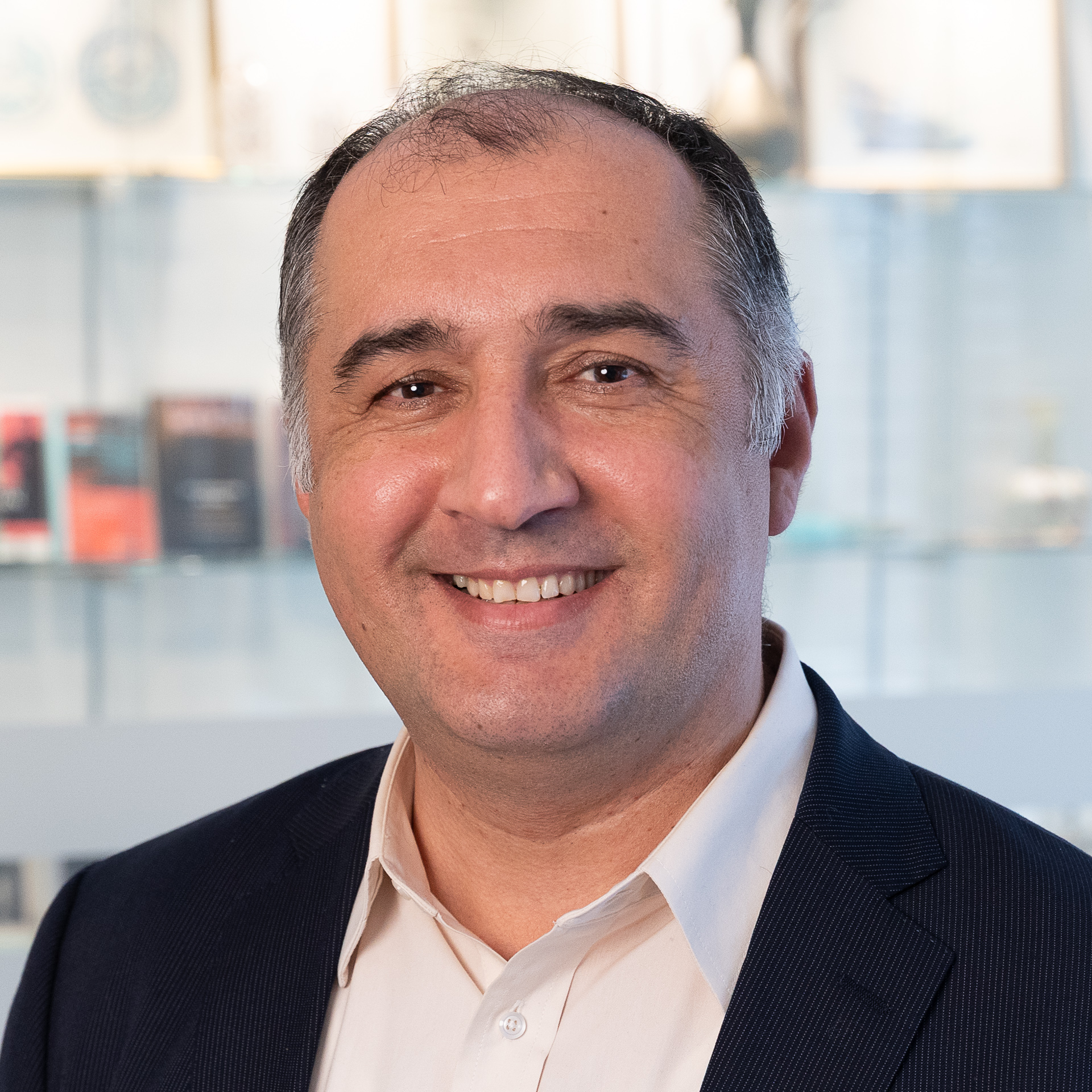
Washington says it doesn’t know who runs Iran. Tehran insists its leadership is united. MEI Senior Fellow Alex Vatanka joins hosts Alistair Taylor and Matthew Czekaj to sort out where the truth lies. They look at the small circle of political and military figures now steering the war effort in Tehran: who they are, how they make decisions, and how unified they really are. They also discuss the current state of US-Iran negotiations, the role of the upcoming midterm elections in the United States, and how the Islamic Republic is preparing for a potential renewal of conflict afterward.
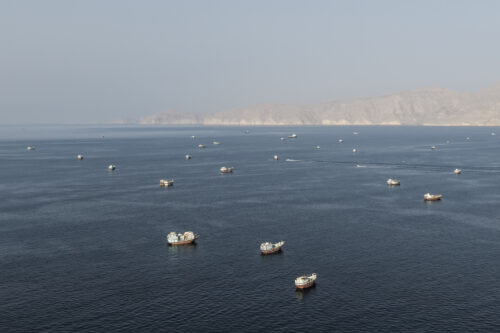
Crude oil is flowing out of the Gulf again, but the market is no better prepared for another disruption in the Strait of Hormuz. It has assembled a temporary system for managing one. Crude exports from the Gulf, excluding Iran, returned to pre-war levels in September, while total Gulf shipments reached 15.5 million barrels a day, more than 80% of the pre-conflict volume.
Iranian Military Provocations Threaten Commercial Aircraft Sales
Abbas Akhoundi, Iran’s Minister for Roads and Urban Development, has insisted that the Trump administration cannot cancel the 80 aircraft and $16.6 billion deal that Iran reached with the US company Boeing in December 2016.
Amnesty International Flags Iran's Inhumane Execution of Juveniles and Kangaroo Courts
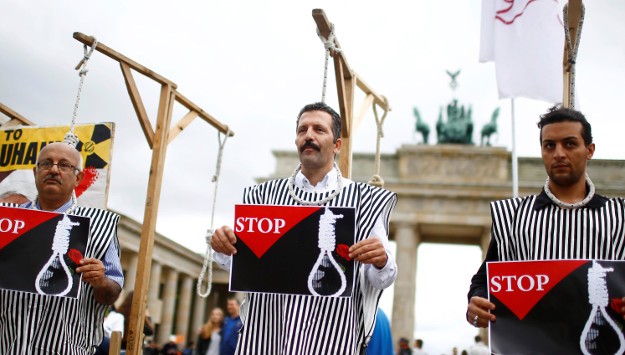
The Iranian regime is set to execute another man arrested as a juvenile, Amnesty International reports. According to the right group, Hamid Ahmadi has been placed in solitary confinement in Lakan prison in the capital of Gilan Province, and is awaiting his execution on February 4.
Since the Trump administration last week introduced a ban on Iranian travelers to the United States for a certain time period, hardliners in Tehran have been pressuring President Hassan Rouhani to retaliate.
Iran Confirms Ballistic Missile Test, Vows to Defy International Pressure
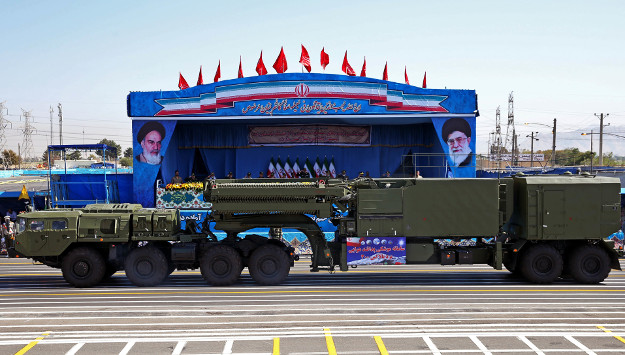
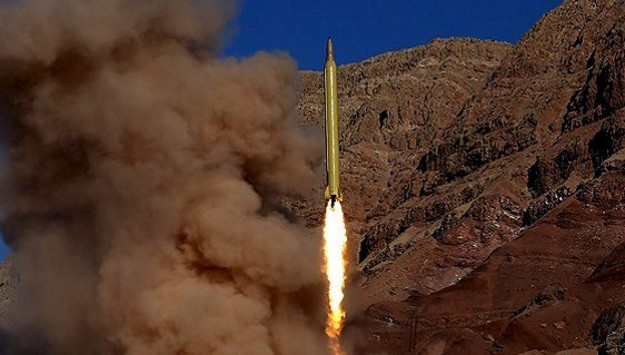
On February 1, the Iranian defense minister confirmed that the Islamic Republic had carried out a ballistic missile test and vowed to continue to enhance the country’s missile capabilities despite growing international concern.
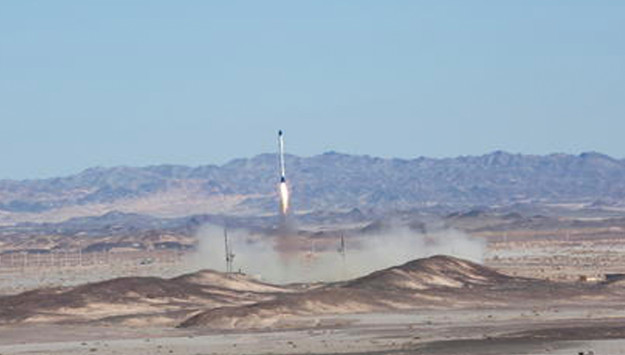
On Iran’s 9th National Day of Space Technology, President Hassan Rouhani unveiled the country’s latest communications satellite. “Nahid 1” was unveiled with “Payam,” a remote sensing satellite, and “Saman 1,” an orbital transfer system as reported by Iranian media.
Iran Paper Warns Israel about Hezbollah’s Missile Power
Kayhan newspaper, arguably Iran’s most reactionary paper whose editor-in-chief is appointed by Supreme Leader Ayatollah Ali Khamenei, ran an extensive background of what it claimed to be Israeli fears about Lebanese Hezbollah’s missile arsenal. “Zionists [Israel] are deeply worried about Hezbollah’s missile strength,” the paper said.
While the Trump administration is said already to have put Iran “on notice” for its latest ballistic missile test, the Iranians began to sense a new push by the United States for more punitive actions against Tehran even while President Obama was still in the White House. For example, in her last speech to the United Nations as the U.S. ambassador to that body, Samantha Power called for more international efforts to stop Iranian military exports and specifically to Hezbollah in Lebanon.
Iran Warns U.S. and Allied Navies to Stay out of Its Waters in Gulf
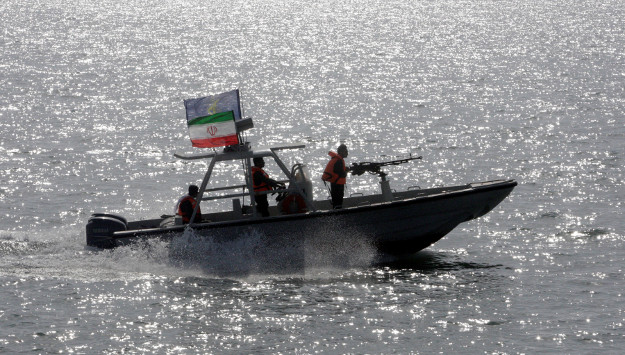
Earlier today, the U.S. and four other allied naval forces started a three-day maritime exercise in international waters close to the Iranian coastline.
Despite Pressure, Rouhani Sticks to Foreign Investment Plan
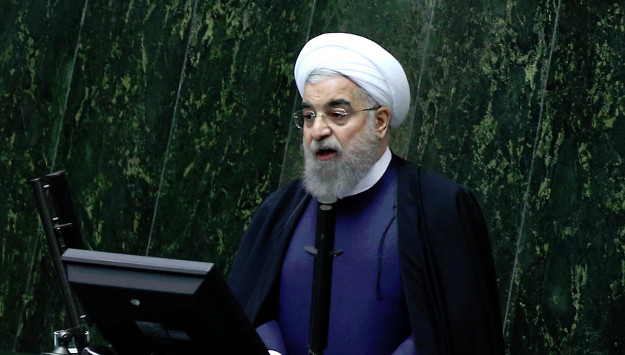
President Hassan Rouhani has again come out to strongly argue that his government’s bid to attract maximum foreign investment is to “promote national interests.” “We are Muslim and revolutionary Iranians. We neither idolize nor fear outsiders and will use constructive interaction with the world to advance public and national interests,” Rouhani was quoted as saying by Iranian media.
Iranian Foreign Minister Javad Zarif has warned the Trump administration against “politicizing” Iran’s military activities. “We hope that the issue of Iran’s defense program… does not turn into a pretext for political games,” Press TV quoted Zarif as saying. Zarif, who spoke alongside visiting French Foreign Minister Jean-Marc Ayrault, was specifically responding to the latest reports that Iranian forces have test launched a new ballistic missile.
The oldest peer-reviewed publication dedicated to the study of the modern Middle East, MEI’s flagship journal covers politics, society, and culture in the region.