Iran’s New Defense Minister Is a Missile Man, Not a Military Man
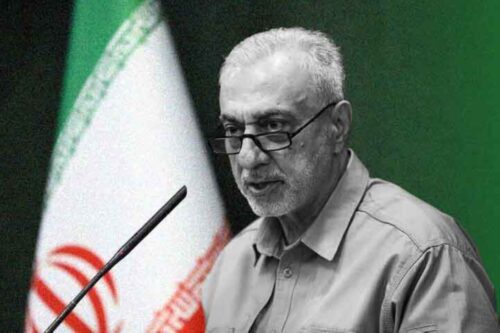
Mehrdad Akhlaghi was appointed defense minister in October 2026 by Iranian President Masoud Pezeshkian. He is an unusual choice, as, unlike most of his predecessors, he does not come from a uniformed military background. And his appointment comes arguably at the most sensitive time in the history of the Islamic Republic.
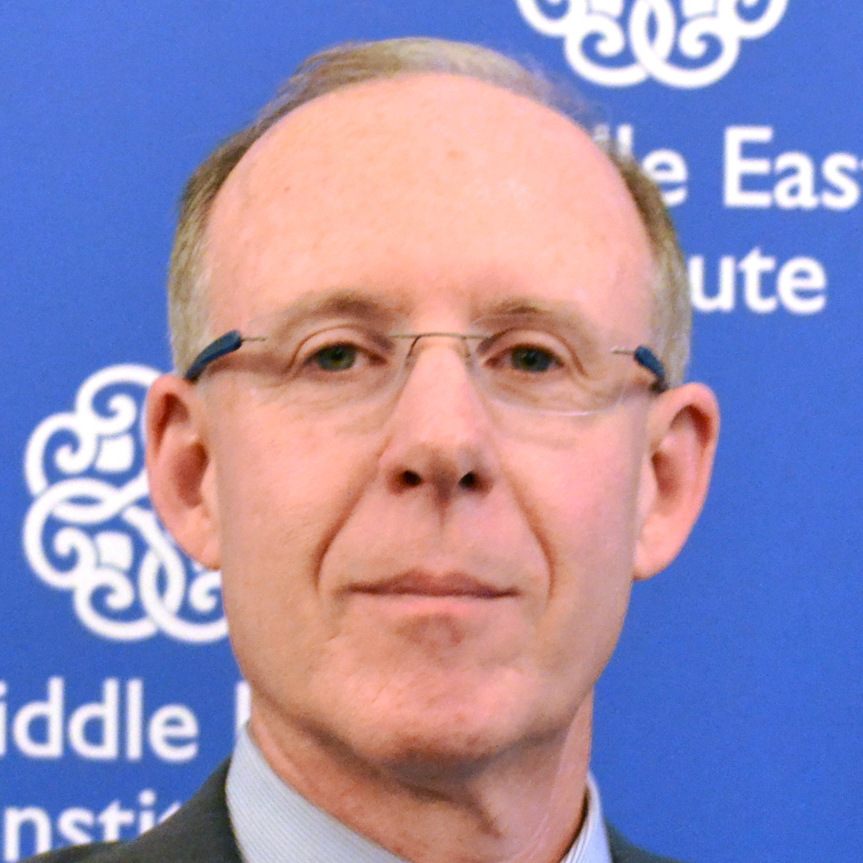
Washington says it doesn’t know who runs Iran. Tehran insists its leadership is united. MEI Senior Fellow Alex Vatanka joins hosts Alistair Taylor and Matthew Czekaj to sort out where the truth lies. They look at the small circle of political and military figures now steering the war effort in Tehran: who they are, how they make decisions, and how unified they really are. They also discuss the current state of US-Iran negotiations, the role of the upcoming midterm elections in the United States, and how the Islamic Republic is preparing for a potential renewal of conflict afterward.
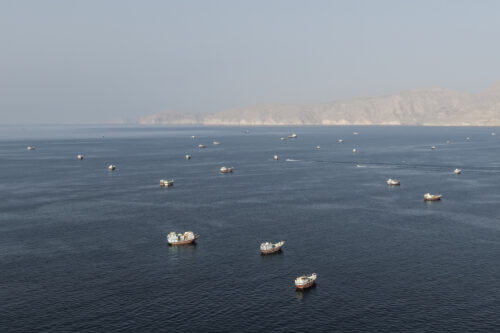
Crude oil is flowing out of the Gulf again, but the market is no better prepared for another disruption in the Strait of Hormuz. It has assembled a temporary system for managing one. Crude exports from the Gulf, excluding Iran, returned to pre-war levels in September, while total Gulf shipments reached 15.5 million barrels a day, more than 80% of the pre-conflict volume.
Prospects for U.S.-Iran Relations on the Nuclear Issue in the Year Ahead
Principal Authors: Allen Keiswetter and Roby Barrett
Contributing MEI Scholars and Guests:
Geneive Abdo, Reza Akbari, Roby Barrett, Charles Dunne,Philip Frayne, George Harris, Mark N. Katz (George Mason University), Allen Keiswetter, David Mack, Melissa Mahle (C&O Resources), Richard Murphy, Greg Myre, Michael Ryan, Paul Scham, Daniel Serwer, Alex Vatanka, Marvin Weinbaum, Wayne White, Philip Wilcox, Molly Williamson
America's Catch-22: The Iran Question in Afghanistan
This Opinion first appeared in Frontline.com’s Tehran Bureau on June 13, 2012 and was co-authored by Christina Lin
As U.S. and other NATO troops prepare to leave Afghanistan in 2014, a geopolitical realignment will be under way in Southwest Asia. One possible scenario would outright undermine a principle U.S. policy objective in the region: the containment of Iran.
This Opinion first appeared on CNN.com on May 21, 2012
Iran is set for nuclear talks Wednesday with members of the U.N. Security Council, and the Obama administration, as well as some Iranian and European Union officials, expressed optimism that a compromise will be reached. But it is useful to examine Israel’s long-term objectives for a bit of a reality check.
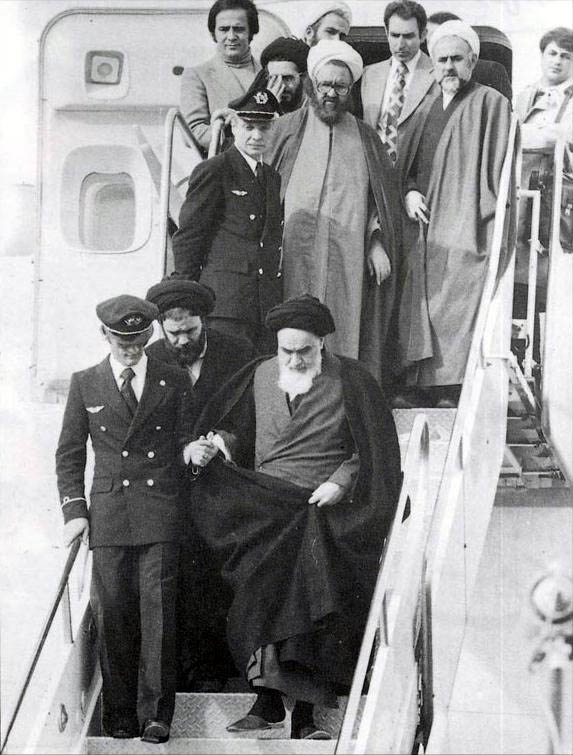
Understanding Iran’s foreign policy is the key to crafting sensible and effective policies toward Iran and requires, above all, a close analysis of the profound cultural and psychological contexts of Iranian foreign policy behavior.
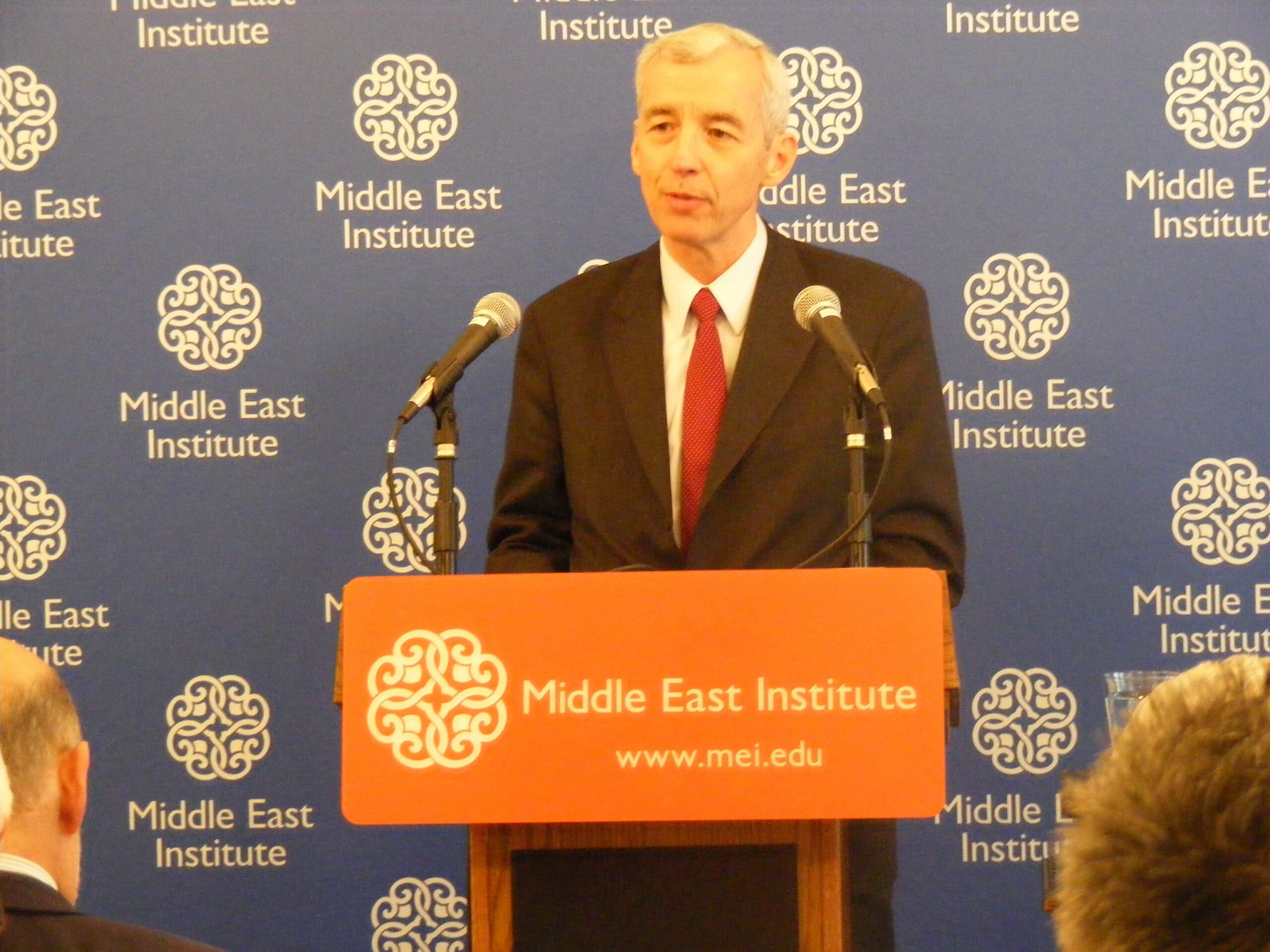
The Middle East Institute is proud to host Georgetown University professor Paul Pillar for a discussion about Iran and how best to address its nuclear ambitions. Pillar argues that the acceptable range of opinion on Iran has narrowed around the idea that all options, including a military strike, must be pursued to prevent the country from acquiring nuclear weapons. And yet, Pillar argues, if the combination of nuclear talks and sanctions do not yield the outcome the West and Israel seek, containment is preferable to war.
The oldest peer-reviewed publication dedicated to the study of the modern Middle East, MEI’s flagship journal covers politics, society, and culture in the region.