This article is part of a collection of short essays written by the Fellows of the Middle East Institute to explore aspects of the ongoing war with Iran. The intent of the collection is to help readers see new and unexpected elements of the dynamics and impact of the ongoing hostilities and to think harder, deeper, and broader about the implications of the conflict.
Turkey: Ankara’s Nuclear Ambitions in the Post-Iran War Environment
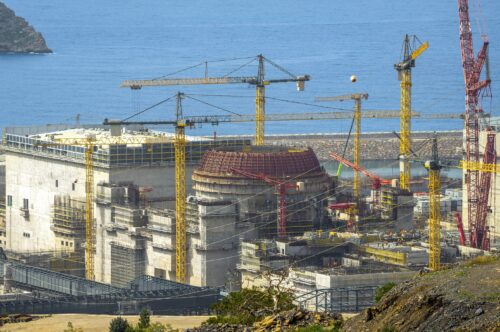
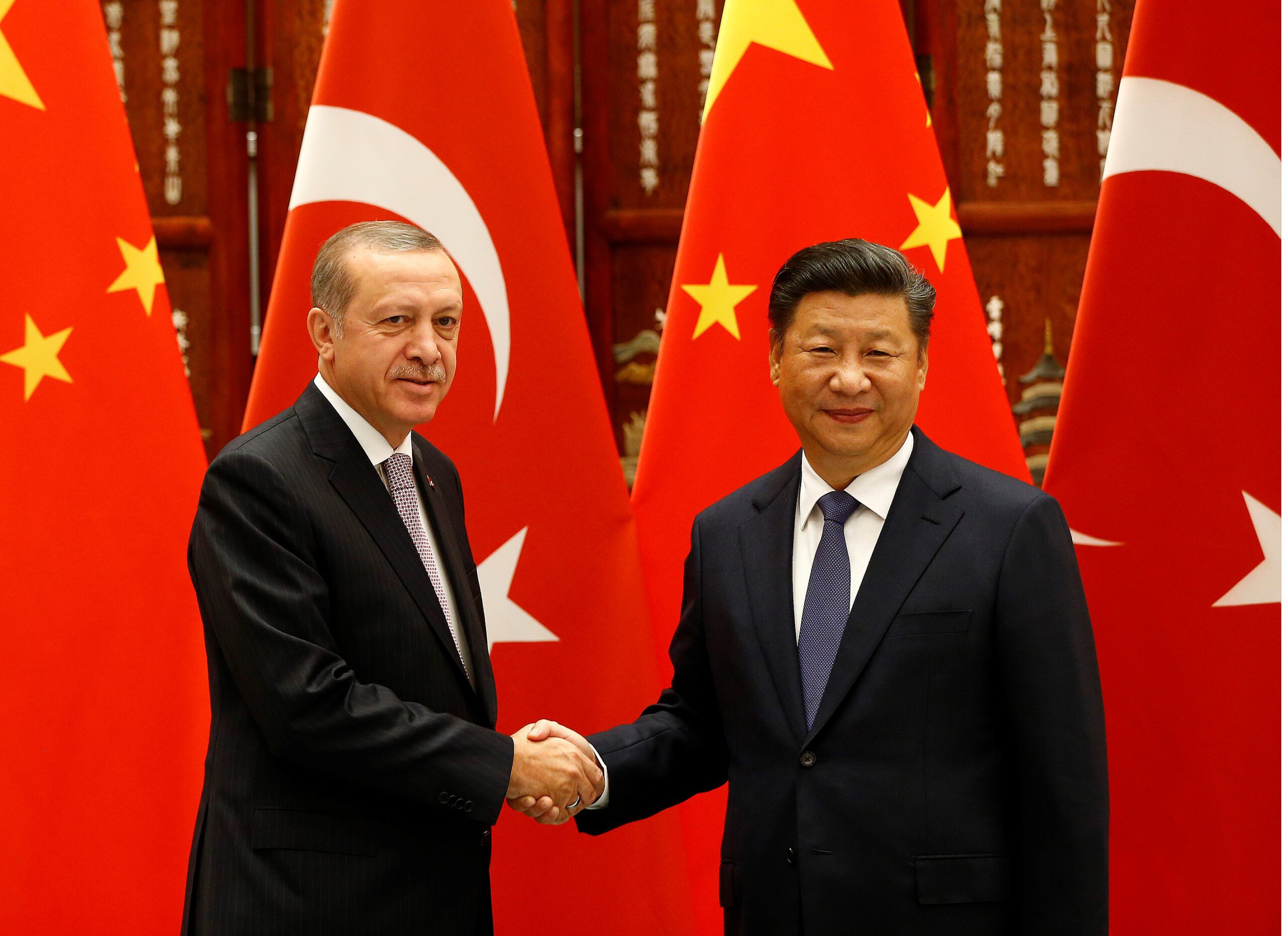
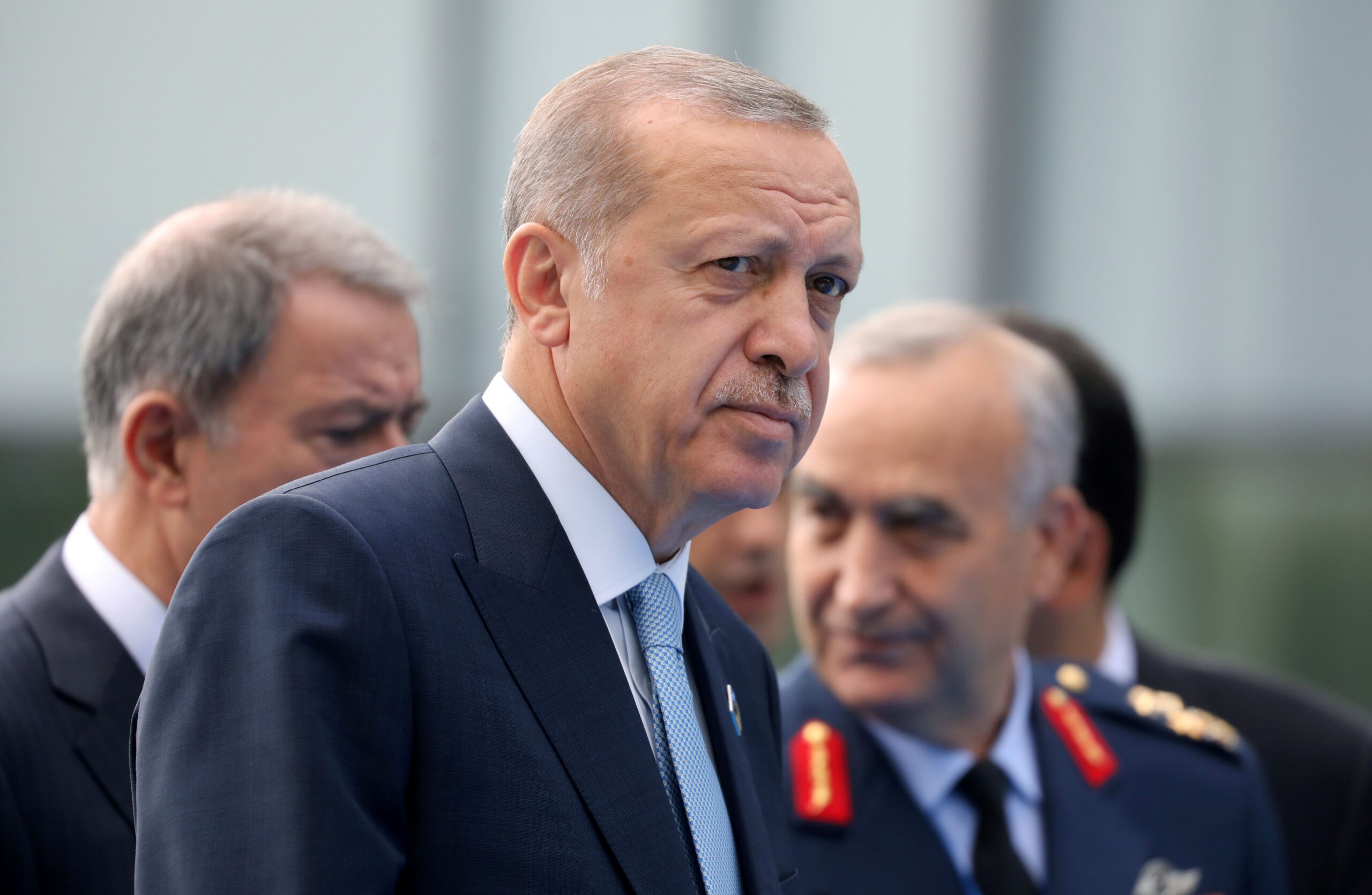
In February 2026, Turkish Foreign Minister Hakan Fidan suggested that shifting international dynamics could push Turkey to acquire nuclear weapons. That rhetoric, combined with Turkey’s civilian nuclear energy and research programs and its indigenous surface-to-surface missile development projects, has fueled concerns that these capabilities could eventually form the backbone of a Turkish nuclear weapons program.
When the US and Israel launched military action against Iran on February 28, 2026, it set in motion a chain of events that saw violence spread across the Middle East. Yet as the region found itself engulfed in conflict, Syria has experienced its most peaceful months in 15 years, and the government in Damascus appears determined to stay its course toward recovery.
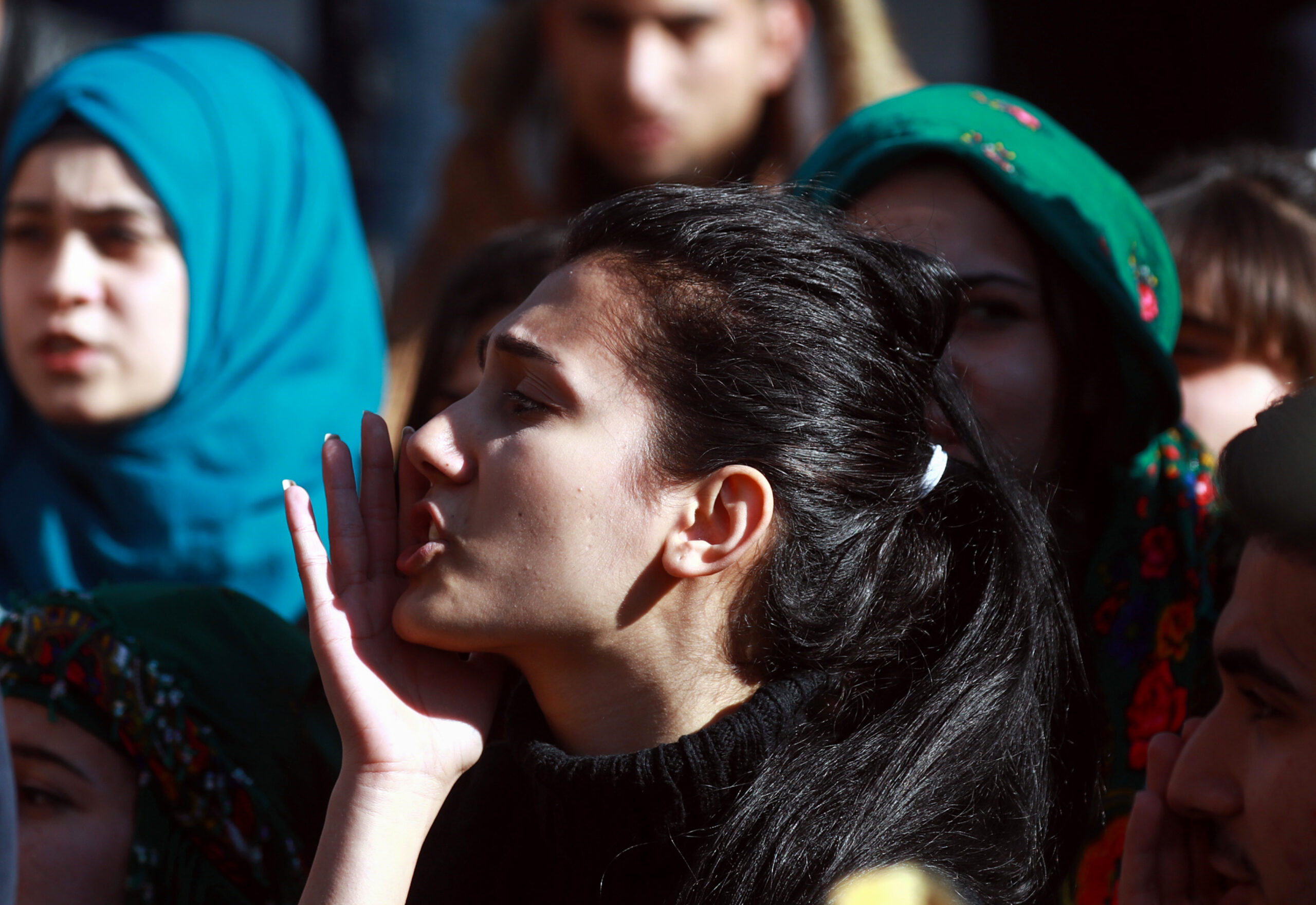
President Donald Trump’s announcement that he would withdraw U.S. troops from Syria came as a surprise to all parties involved, sparking particular concern among America’s Syrian Kurdish allies. This sudden and unexpected decision has been widely criticized not only by allies but also those inside the White House, with many analysts arguing that the U.S. withdrawal will expose the Syrian Kurds to an attack by Turkey. This move may push the YPG to seek the protection of Moscow following the US’s withdrawal in order to secure stability and dialogue with the government in Damascus.
Hariri announces another flawed government, but don’t walk away from Lebanon
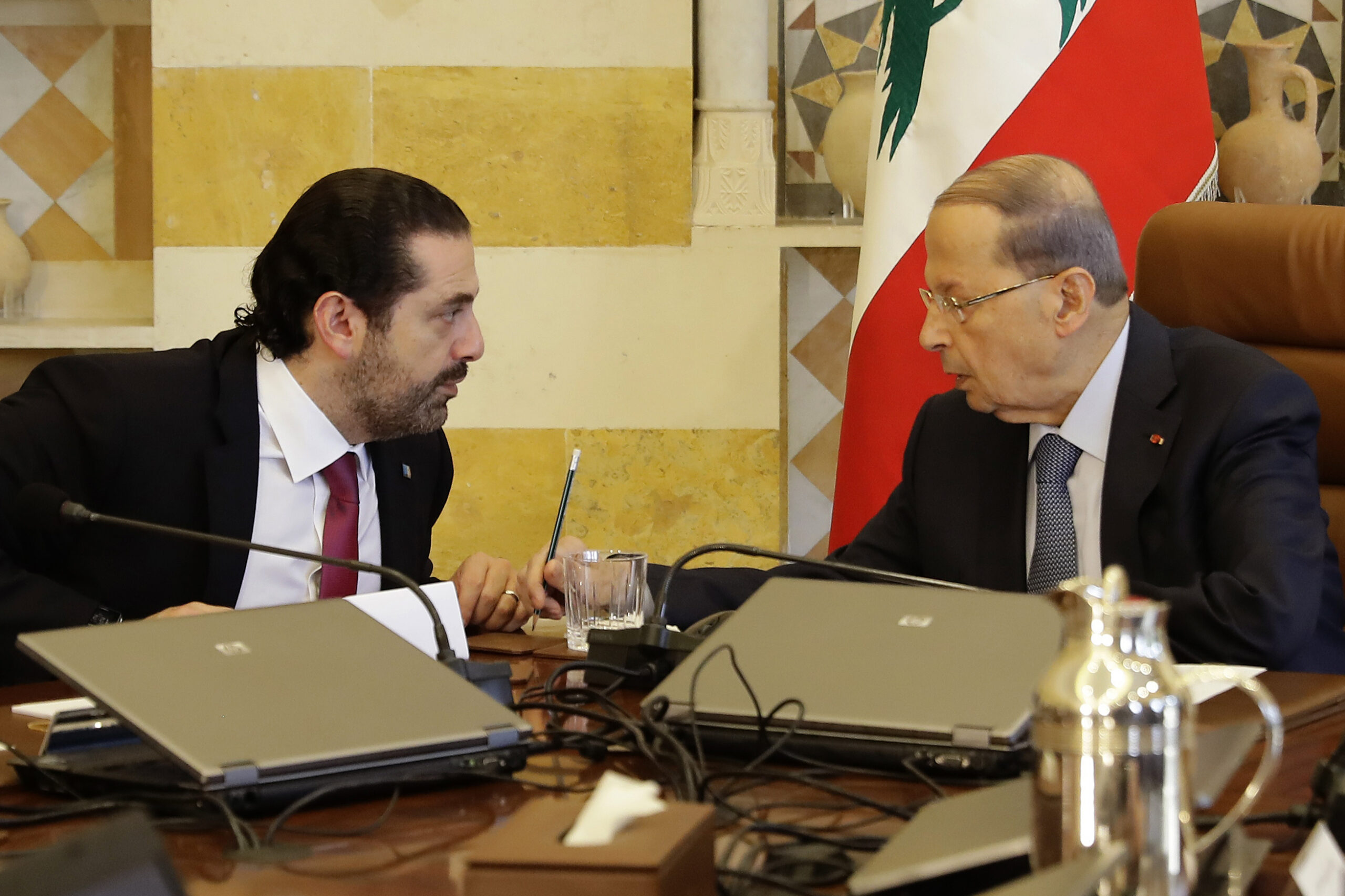
After nine months of deadlock, Prime Minister-designate Saad Hariri announced the formation of a new government of 30 ministers. The composition of the government is reflective of Lebanon’s power-sharing system and of the results of the last parliamentary elections.
Lifting the veil: Israel’s new military strategy in Syria
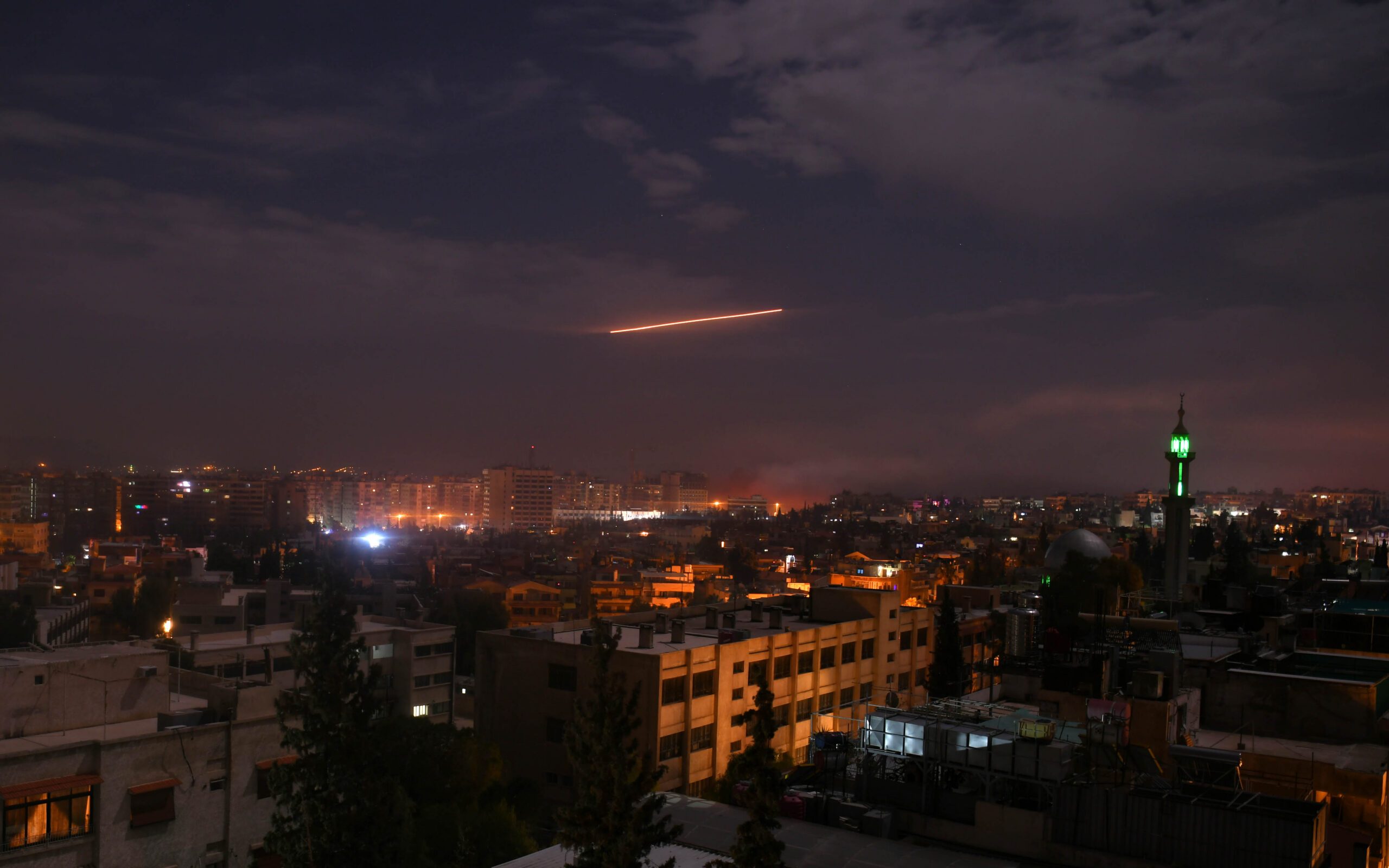
After years of ambiguity, Israel is increasingly going public with its strikes on Syria. Retaliatory attacks carried out last week were conducted in broad daylight, and in contrast to prior strikes, the IDF immediately took responsibility for them and announced them in real time on twitter.
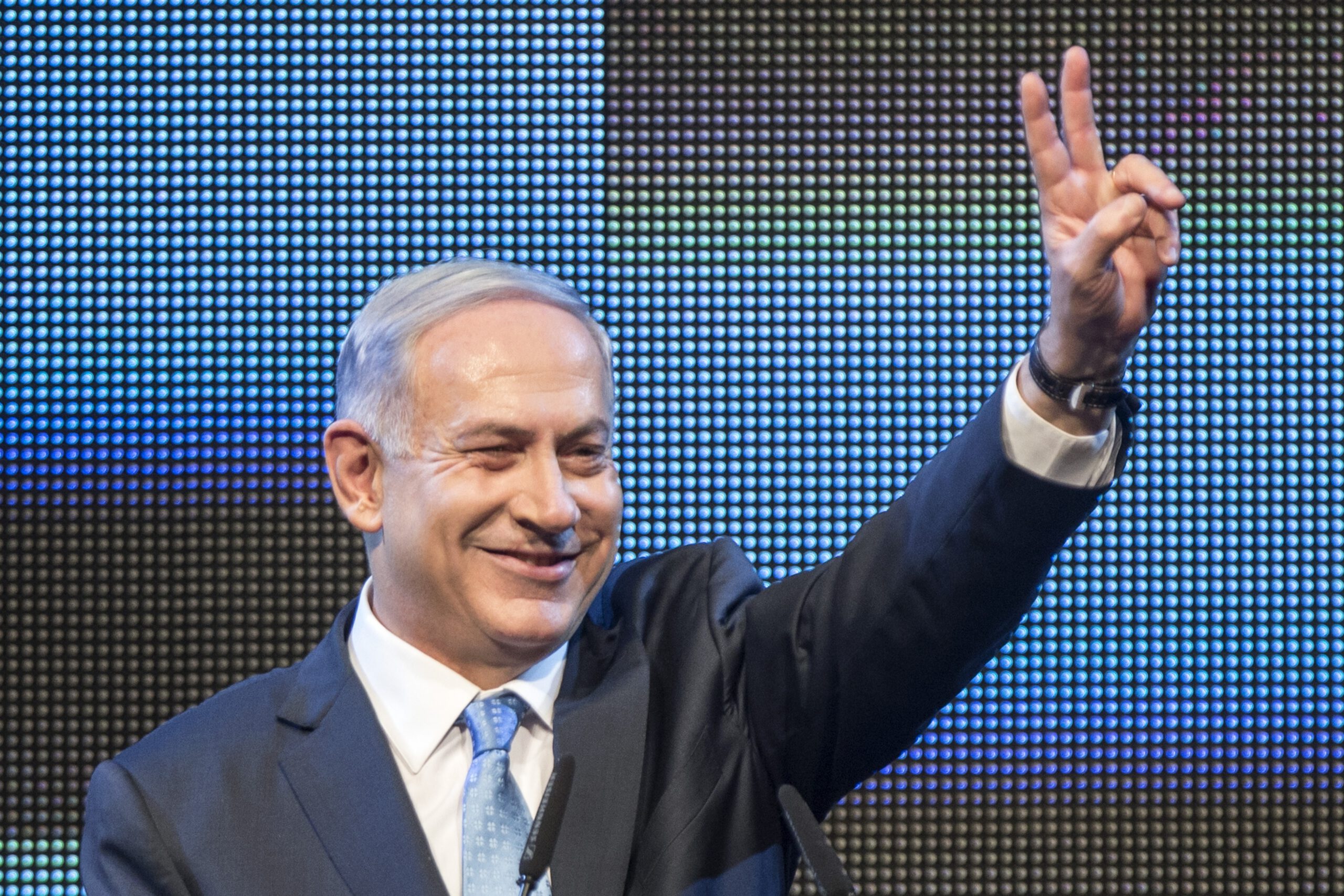
Israel is set to hold national elections in early April, and all indications suggest that the contest is Prime Minister Benjamin Netanyahu’s to lose. Current polls indicate that he will form the next government, leading a coalition spearheaded by his Likud Party with 30 seats in the 120-member Knesset.
China’s Belt and Road Initiative and Turkey’s Middle Corridor: A Question of Compatibility
Turkey’s “Middle Corridor” (MC) and China’s “Belt Road initiative” (BRI) are two grand schemes that envisage trans-continental integration. These two ambitious initiatives have been developed independently of one another. However, are they compatible?
Monday Briefing: US-Taliban talks progress, but major obstacles remain
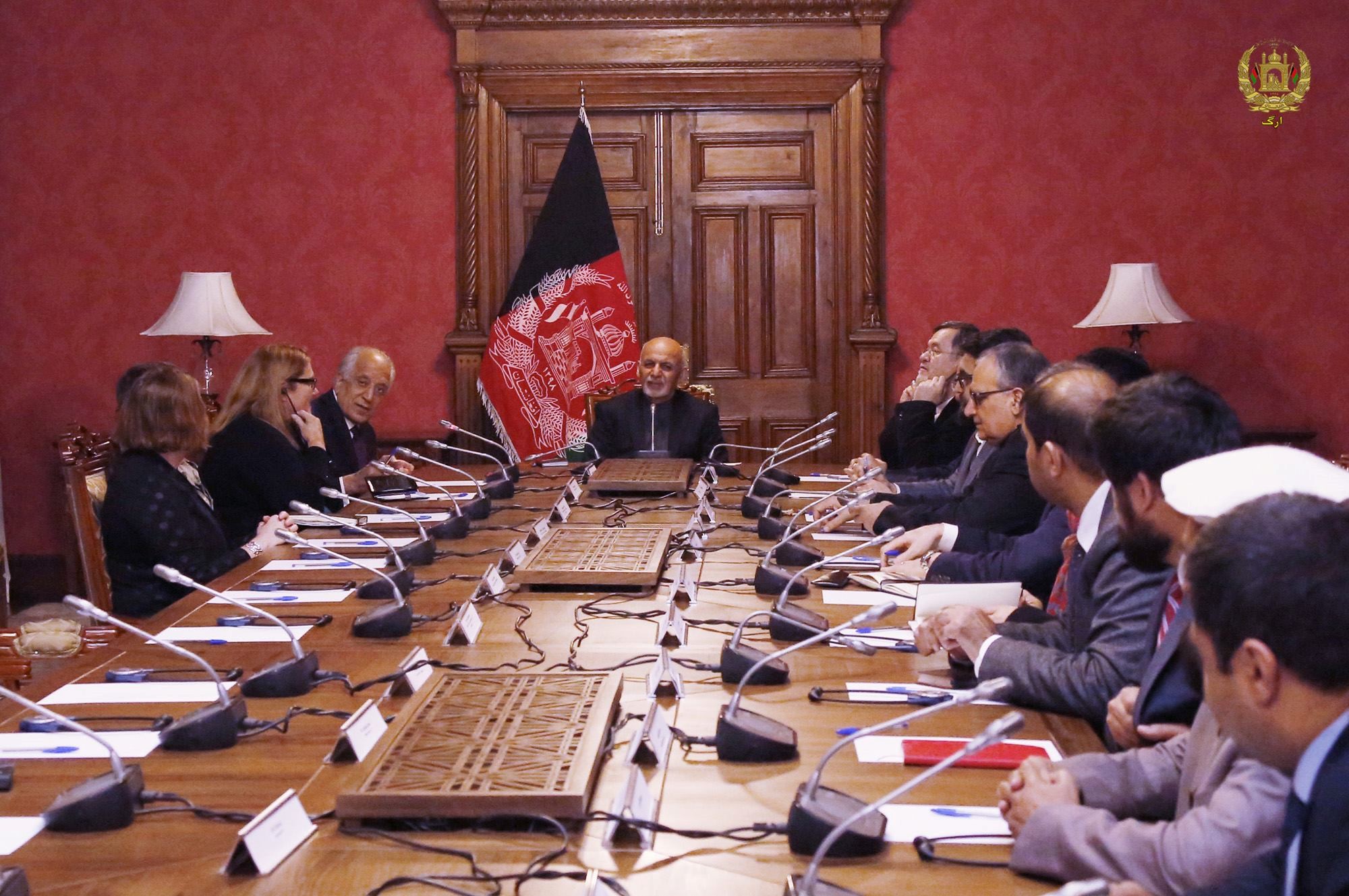
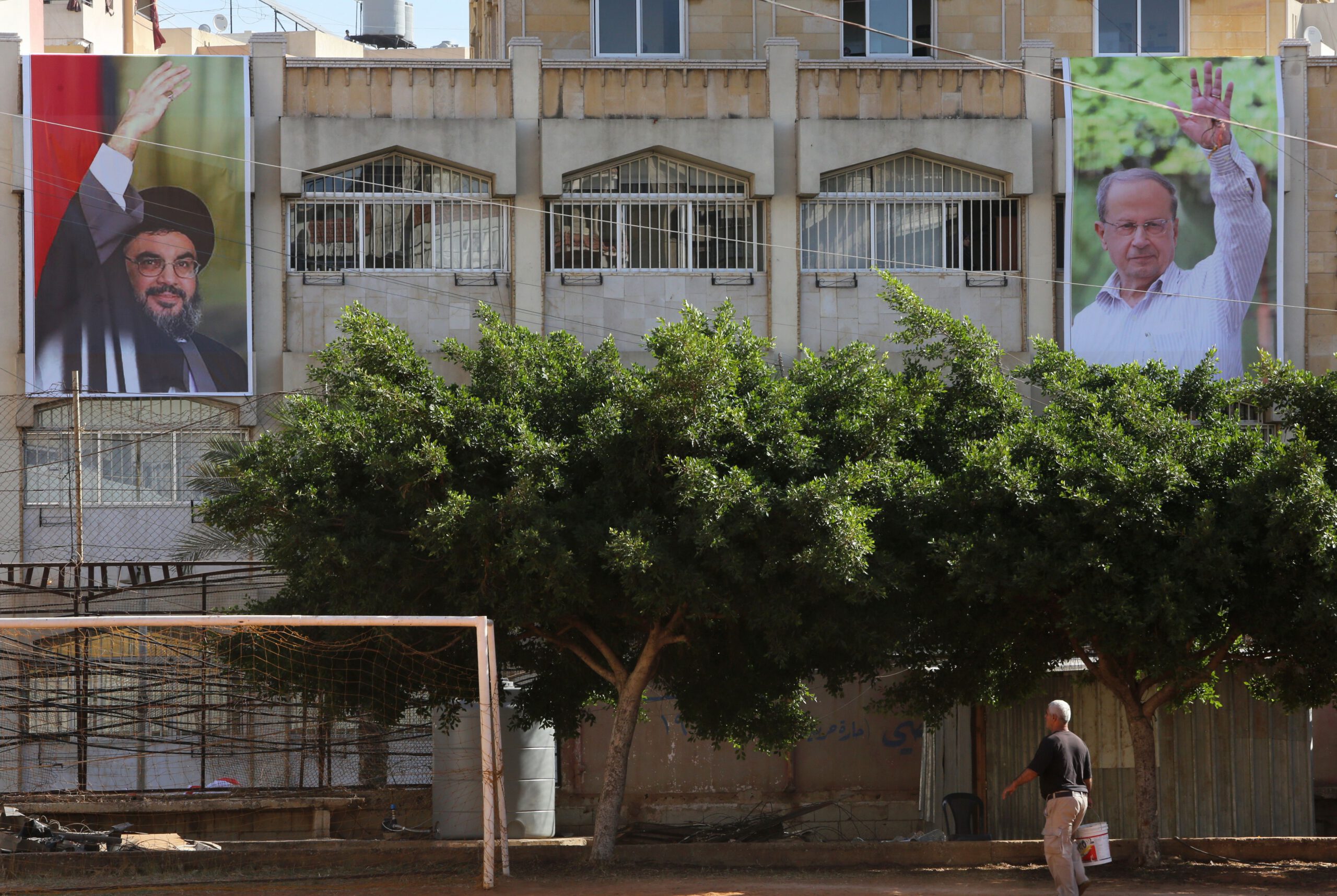
In this week’s Monday Briefing, MEI experts Ahmad Majidyar, Marvin G. Weinbaum, Randa Slim, Paul Salem, and Guney Yildiz provide analysis on recent and upcoming events including U.S. negotiations with the Taliban in Afghanistan, a warning sent to Israel by Hezbollah leader Hassan Nasrallah, the Sudanese president’s appeal for external support, Turkish-Syrian diplomacy, and Pakistan’s acceptance of Gulf aid.
Zmkin Ali and Mac Skelton of the Institute of Regional and International Studies (IRIS) at the American University of Iraq Sulaimani, join host Alistair Taylor for a discussion on Iraq’s political climate, Baghdad’s relations with Erbil in the aftermath of the 2017 referendum, and other regional dynamics.
Feud between Turks and Kurds only adds to Syrian quagmire
This article was published by The Hill on January 23, 2019.
Once again, Turks and Kurds are squaring off to fight. Turks and Kurds have clashed with one another for nearly 1,000 years. The Kurds were in the Middle East first, with roots stretching back millennia. The Turks arrived in historical times and absorbed most Kurds into the Ottoman Empire.
Security sector reform and the Internal Security Forces in Lebanon
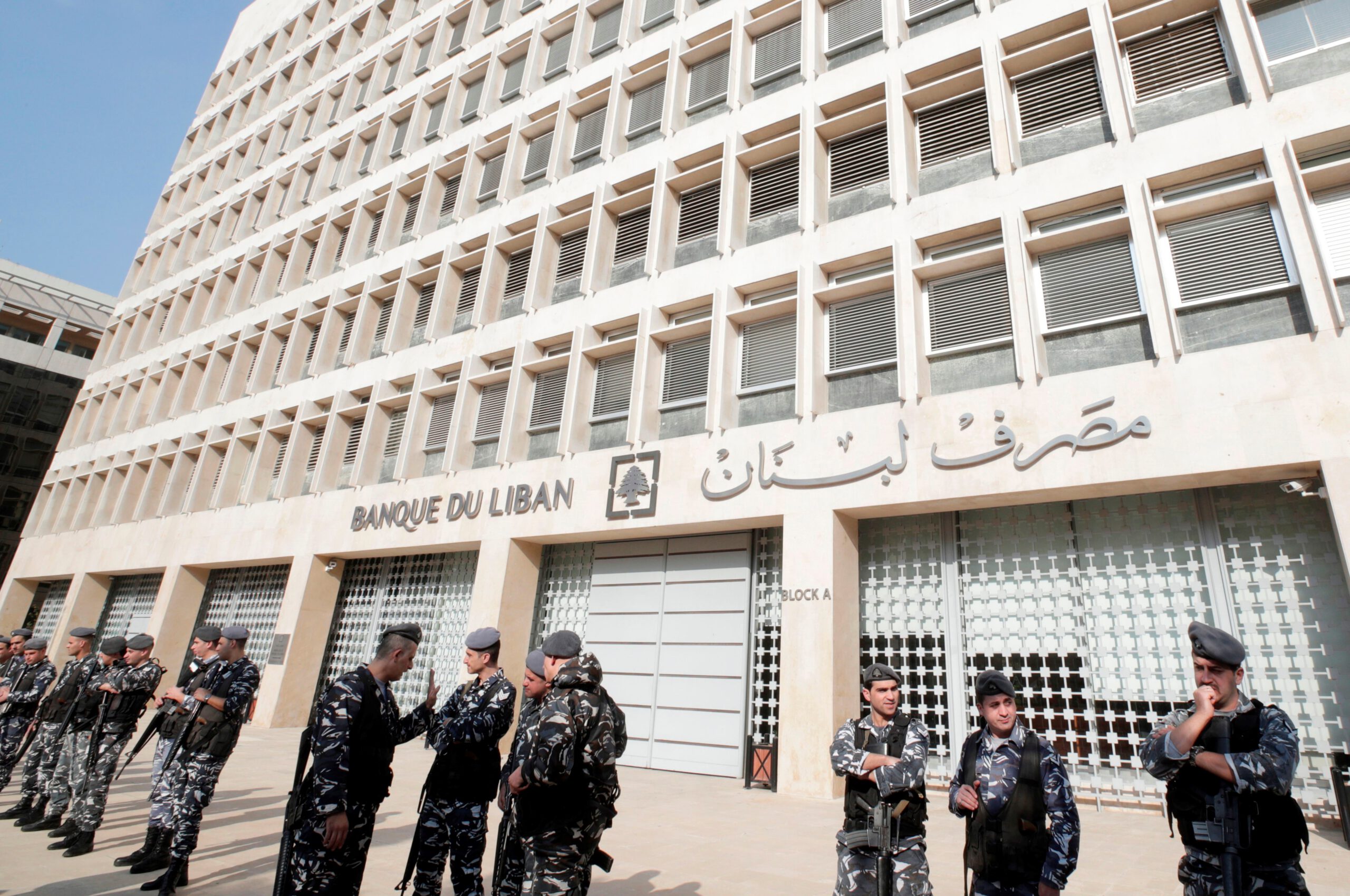
Donor-backed reform efforts in the Lebanese Internal Security Forces have shown good results in a jurisdiction in Beirut. While imperfect and limited in scope, these results are encouraging, as obstacles to the provision of fair and effective policing in Lebanon are myriad.
Weekly Briefing: Failed Arab Economic Summit in Beirut underscores divisions
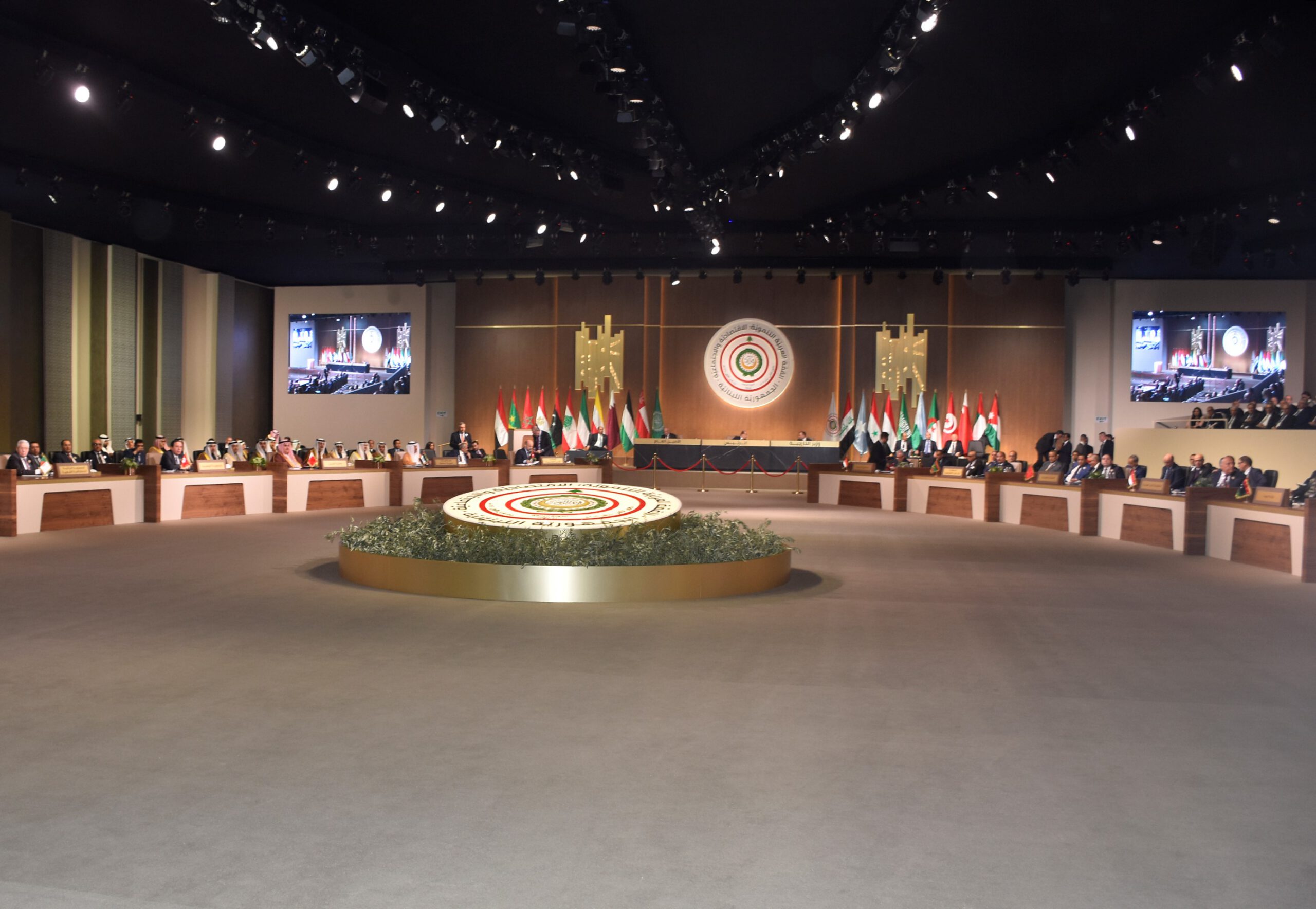
In this week’s Weekly Briefing, contributors Paul Salem, Marvin G. Weinbaum, William Lawrence, Ruba Husari, and Jean-François Seznec provide analysis on recent and upcoming events including the Arab Economic Summit held in Beirut this weekend, Afghanistan’s upcoming presidential elections, strikes in Tunisia, the Trump administration’s next steps on Iranian oil policy, and Saudi Aramco’s $10B bond issue.
Lebanese President Michel Aoun and Hezbollah remain at loggerheads over the formation of a new government. The dispute has now entered its eighth month and the country is slowly tiptoeing towards a financial crisis.
After Syria, Russia vies for influence in the Palestinian sphere
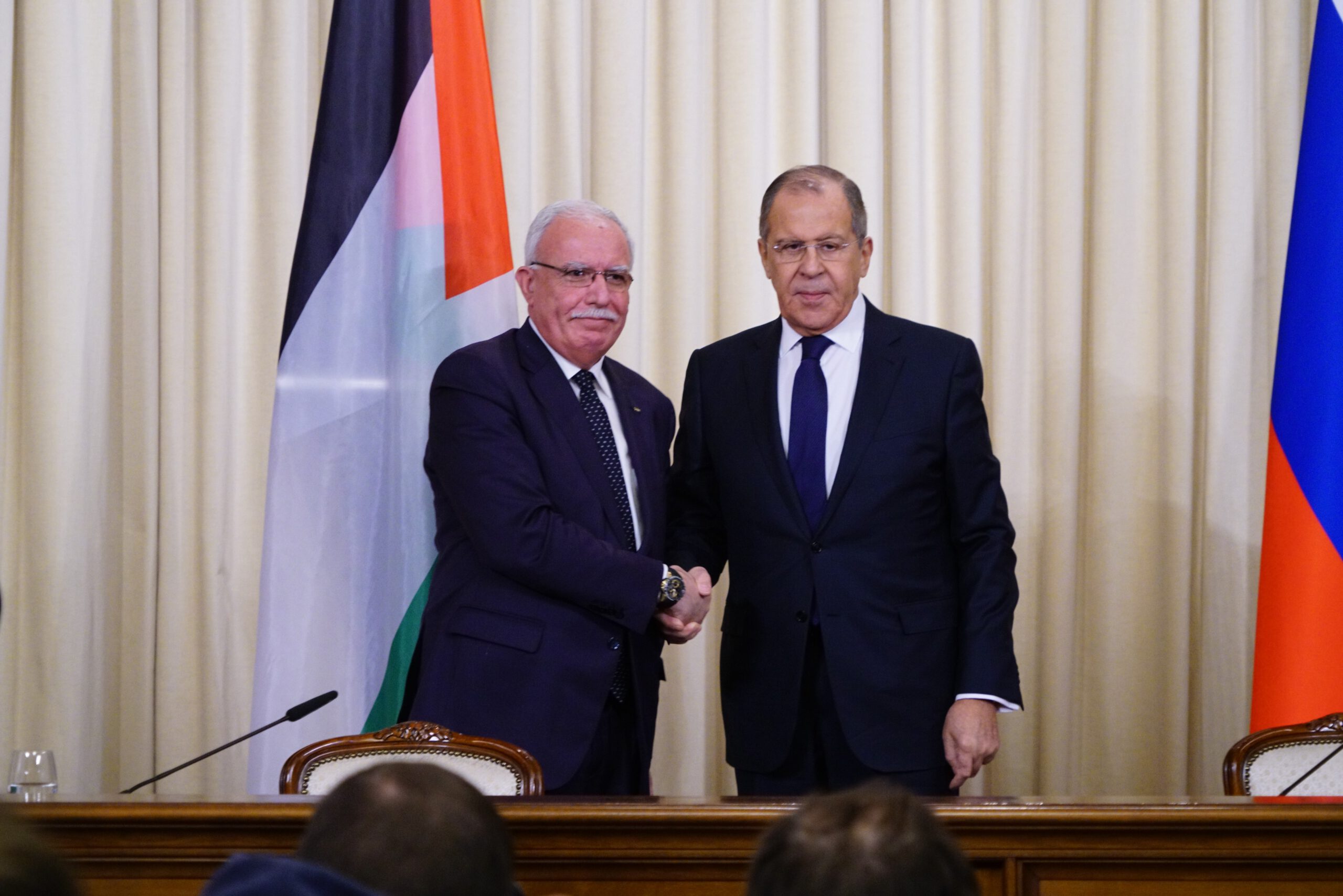
Moscow has renewed its offer to act as an independent, third-party mediator between Israel and the Palestinians as Palestinians grow wary of the Trump administration and question Washington’s traditional role as Mideast peace broker following President Donald Trump’s recognition of Jerusalem as Israel’s capital in December 2017.
The fight over the spoils of war in Deir ez-Zor heats up
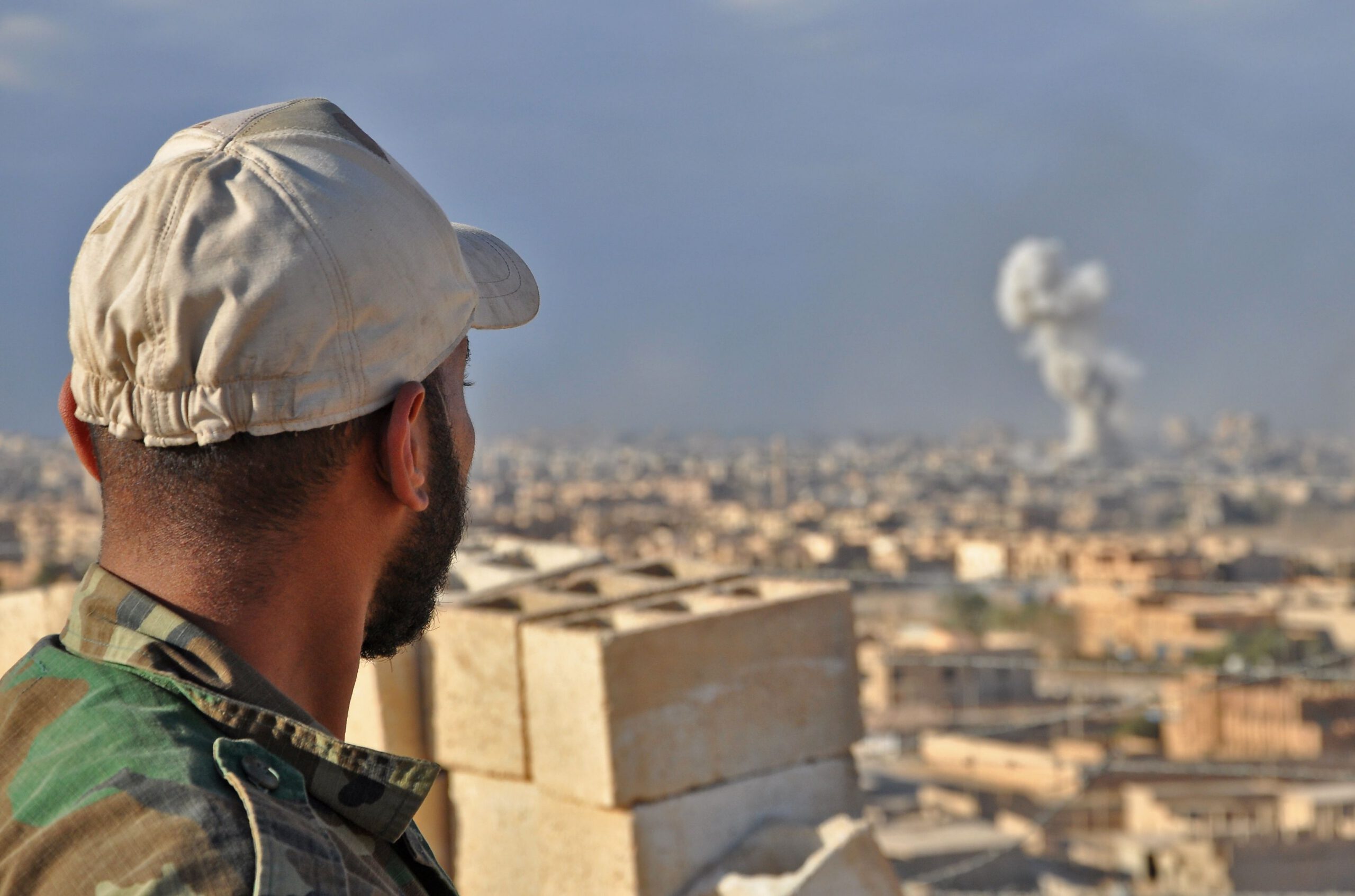
In recent months fighting has repeatedly broken out between Syrian and Iranian-backed militias around Deir ez-Zor, initially over control of taxes and smuggling routes, but increasingly the conflict has taken on a strategic dimension as well.
Weekly Briefing: Pompeo’s visit raises more questions than it answers
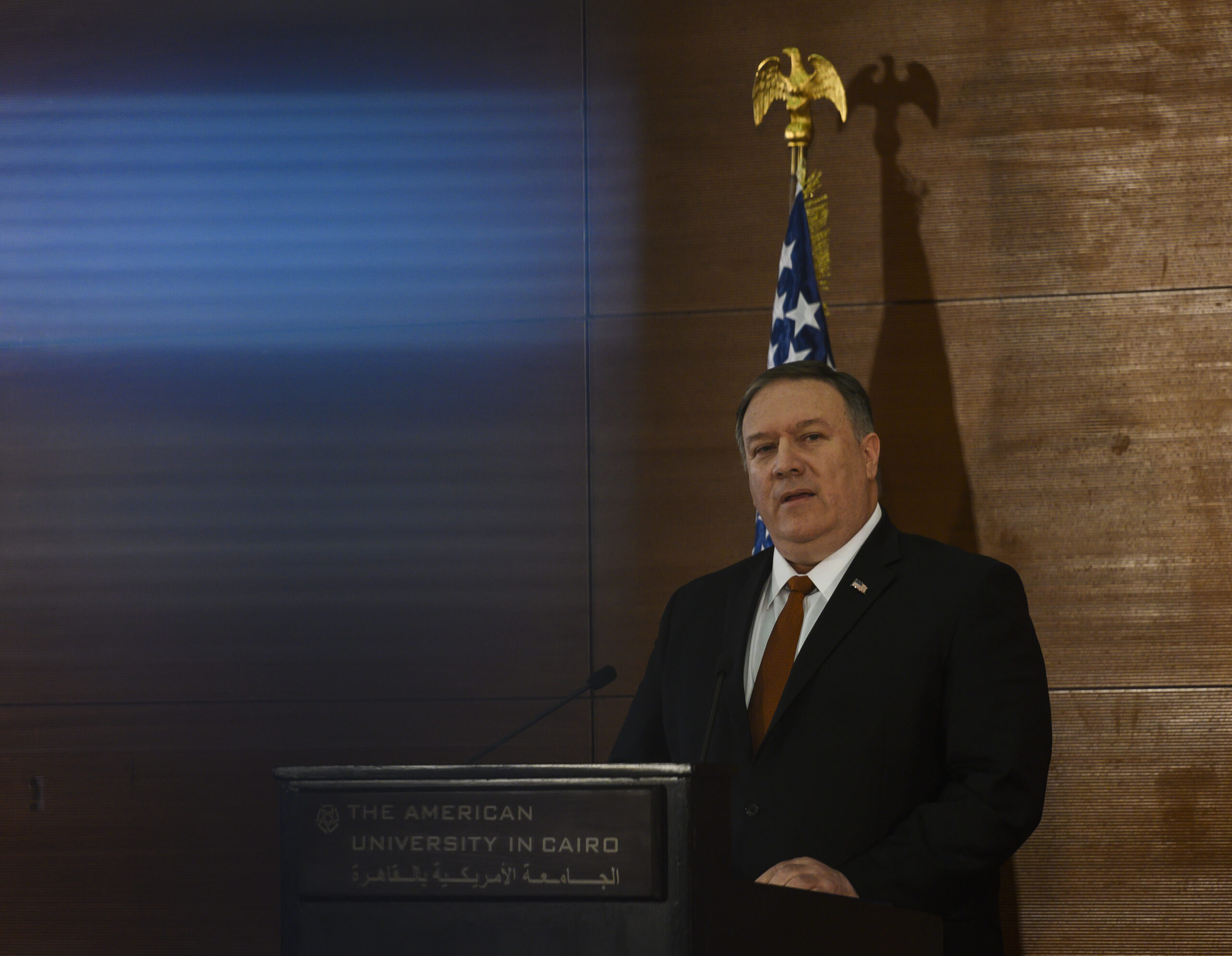
In this week’s Monday Briefing, MEI experts Gerald Feierstein, Paul Salem, Alex Vatanka, W. Robert Pearson, and Mirette F. Mabrouk provide analysis on recent and upcoming events including Secretary of State Mike Pompeo’s recent visit to the Middle East, recent protests in Sudan, Iranian outreach to Baghdad, President Trump’s discussion with President Erdogan on treatment of the Kurds, and the first meeting of the East Mediterranean Gas Forum.
The oldest peer-reviewed publication dedicated to the study of the modern Middle East, MEI’s flagship journal covers politics, society, and culture in the region.