This article is part of a collection of short essays written by the Fellows of the Middle East Institute to explore aspects of the ongoing war with Iran. The intent of the collection is to help readers see new and unexpected elements of the dynamics and impact of the ongoing hostilities and to think harder, deeper, and broader about the implications of the conflict.
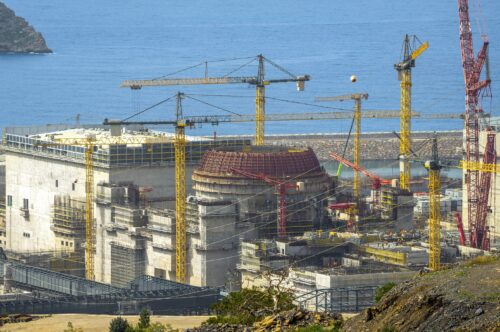
Turkey: Ankara’s Nuclear Ambitions in the Post-Iran War Environment
In February 2026, Turkish Foreign Minister Hakan Fidan suggested that shifting international dynamics could push Turkey to acquire nuclear weapons. That rhetoric, combined with Turkey’s civilian nuclear energy and research programs and its indigenous surface-to-surface missile development projects, has fueled concerns that these capabilities could eventually form the backbone of a Turkish nuclear weapons program.
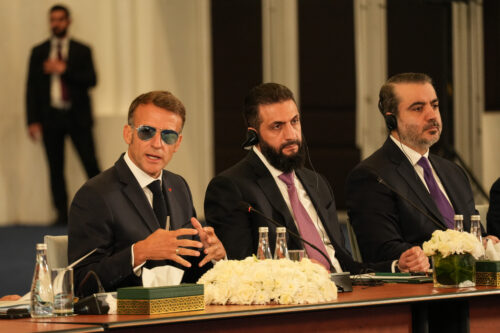
When the US and Israel launched military action against Iran on February 28, 2026, it set in motion a chain of events that saw violence spread across the Middle East. Yet as the region found itself engulfed in conflict, Syria has experienced its most peaceful months in 15 years, and the government in Damascus appears determined to stay its course toward recovery.
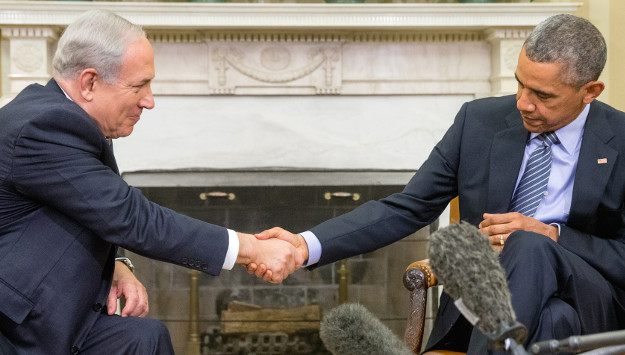
The White House recently acknowledged that it was out of ideas on how to pursue Israeli-Palestinian peace talks in the final year of Barack Obama’s presidency, raising — for the first time — the prospect that Israel’s occupation of East Jerusalem and the rest of the West Bank is permanent.
This piece was co-authored by Chester Crocker, the James R. Schlesinger Professor of Strategic Studies at Georgetown University’s Walsh School of Foreign Service. Read the full article at The National Interest.
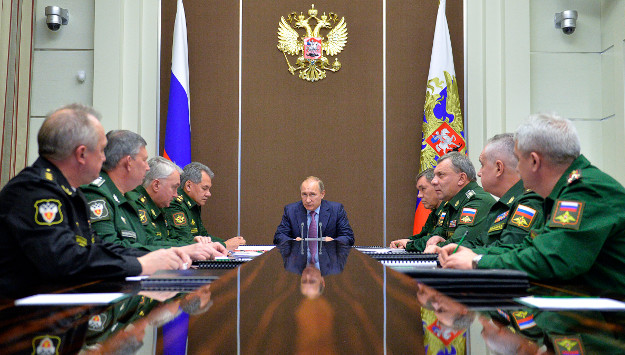
There is a debate within U.S. policy circles about Russian president Vladimir Putin’s strategy in Syria. While all agree that Putin intervened to shore up the faltering regime of Bashar al-Assad, there are at least two interpretations of what Putin’s ultimate objective is.
Lebanon’s Uprisings—Bringing the Political Back In
The #YouStink movement and its various associate movements have denounced “the system,” “confessionalism,” and “the political class” of all orientations, including the parliament, the cabinet of minister, the prime minister, and so on, without really showing an understanding of how all these institutional positions relate to one another, and to the problem of corruption and of the poor public sector. By looking at the recent protests in Lebanon, this article proposes ways to avoid this slippery slope and demonstrates how to think of genuine change––and recognize its limits––given the prevailing political context.
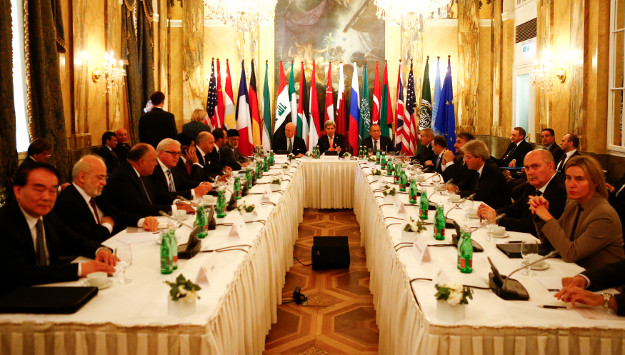
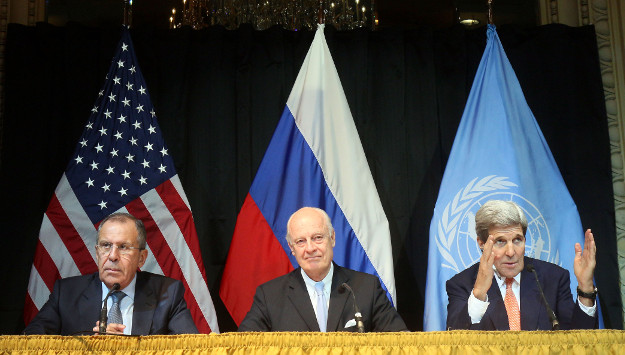
Ten days ago 17 countries called for “credible, inclusive, nonsectarian governance” in Syria followed by a new constitution and elections. It sounds good on paper. However, the key element is not elections, nor is it a new constitution; it is the rule of law. Syria has had no rule of law to speak of under Baath and Assad family rule, and in its absence the Constitution is worth little and fair elections are impossible. Thus, the governance reference in the Vienna statement is the vital element. Only after serious governance changes are made can a new constitution come into real effect
According to the UN’s World Urbanization Prospects 2014, there are 28 “megacities” worldwide (i.e., urban agglomerations with populations in excess of 10 million). By 2030 another dozen will likely be added to their ranks.
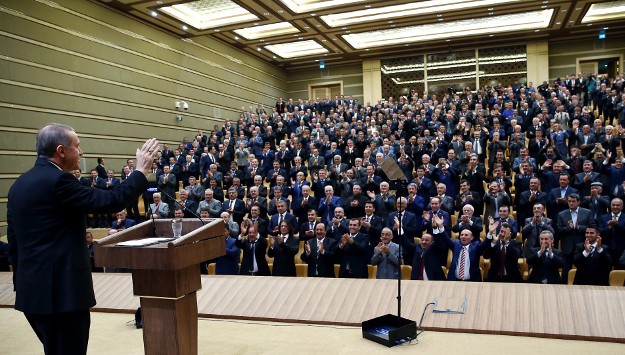
Since the early days of the republic, Turkey’s deep state has been seen as the clandestine defender of the Turkish establishment and the secular and nationalist ideology established by Turkey’s founder, Mustafa Kemal Ataturk.
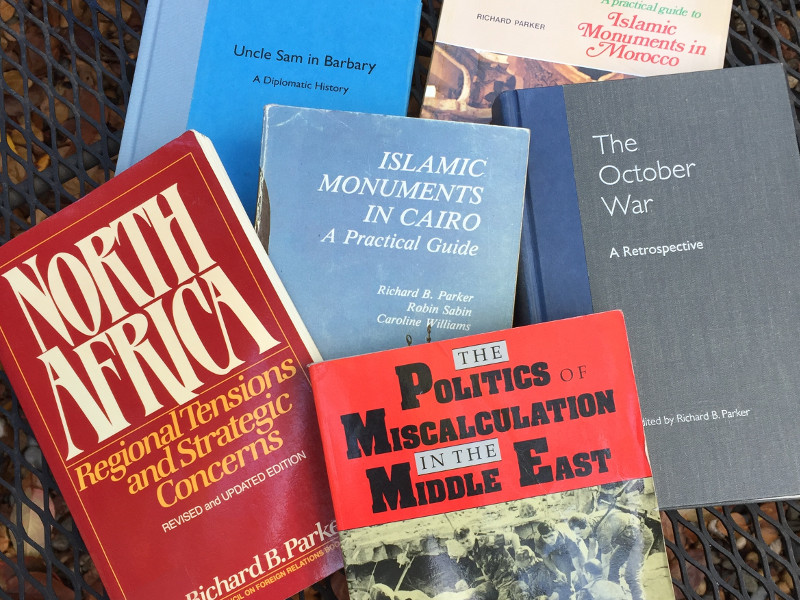
Only a few authors have works that can be found on both floors of the Oman Library at The Middle East Institute, and fewer still that have a personal connection to both the institute and the history of the region. The late Ambassador Richard B. Parker can claim this status, having served 31 years in the Foreign Service and as the third editor of The Middle East Journal. He was also a longtime MEI scholar-in-residence.
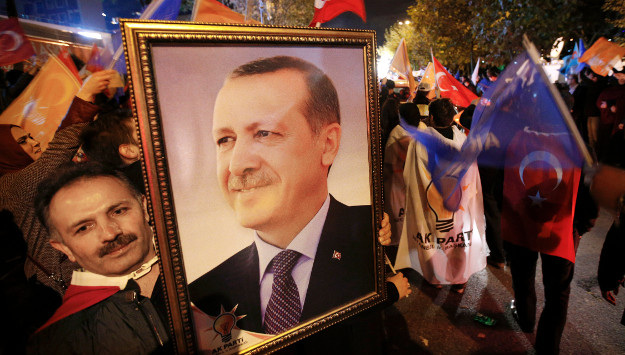
In a stunning electoral comeback that has surprised everyone, including its own legislators, Turkey’s ruling Justice and Development Party (AKP) captured almost 50 percent of the votes, but well over 50 percent of parliamentary seats, in Sunday’s elections. There are many lingering questions. Considering that even the pro-government pollsters did not foresee such a victory, many have asked whether the elections were free and fair. If so, how did the AKP manage to reverse its electoral fortunes in just five months in a country that has been mired in chaos and violence during that time?
Critics of the July 14 nuclear deal with Iran railed against it on the grounds that it would embolden what they argue is Tehran’s destabilizing behavior in the Middle East. The reasoning goes like this: lifting sanctions gives Iran access to tens of billions of dollars that will flow to fund disruptive activities and lets Iran freely pursue its regional ambitions without fear of reprisals.
The Turkish electorate is going to the polls on Sunday for the second time in just over five months. After 13 years in power, the ruling Justice and Development Party (AKP) failed to secure enough votes in June to form a majority government. In the hope another vote could deliver a parliamentary majority to his party, President Recep Tayyip Erdogan called for snap elections. But polls indicate that Erdogan might not get what he wants.
The oldest peer-reviewed publication dedicated to the study of the modern Middle East, MEI’s flagship journal covers politics, society, and culture in the region.