This article is part of a collection of short essays written by the Fellows of the Middle East Institute to explore aspects of the ongoing war with Iran. The intent of the collection is to help readers see new and unexpected elements of the dynamics and impact of the ongoing hostilities and to think harder, deeper, and broader about the implications of the conflict.
Turkey: Ankara’s Nuclear Ambitions in the Post-Iran War Environment
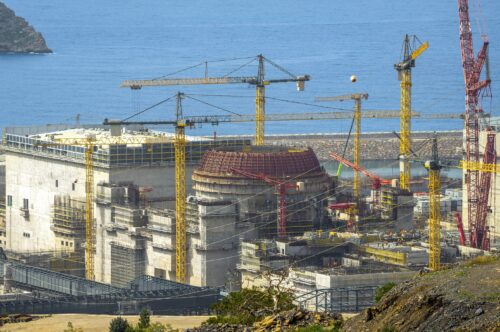
In February 2026, Turkish Foreign Minister Hakan Fidan suggested that shifting international dynamics could push Turkey to acquire nuclear weapons. That rhetoric, combined with Turkey’s civilian nuclear energy and research programs and its indigenous surface-to-surface missile development projects, has fueled concerns that these capabilities could eventually form the backbone of a Turkish nuclear weapons program.
When the US and Israel launched military action against Iran on February 28, 2026, it set in motion a chain of events that saw violence spread across the Middle East. Yet as the region found itself engulfed in conflict, Syria has experienced its most peaceful months in 15 years, and the government in Damascus appears determined to stay its course toward recovery.
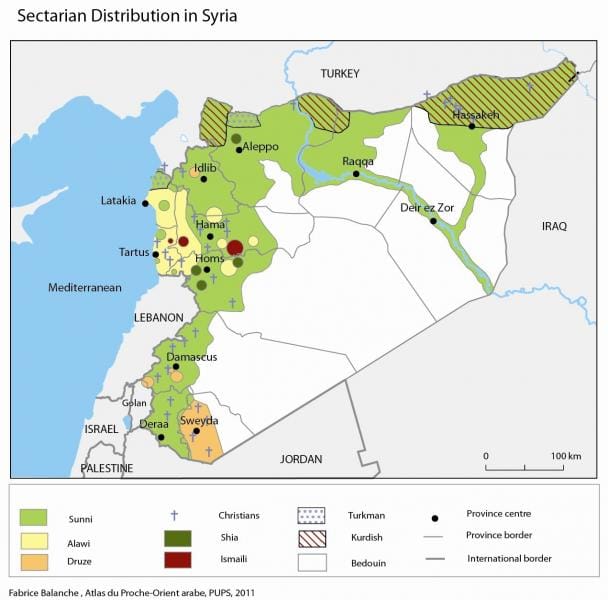
After more than four years of war, former U.S. Ambassador to Syria Robert Ford sees a fragmented country emerging, with six or more fluid and shifting zones of control:
**An Alawi/Hezbollah-controlled area along the Lebanese border and the Mediterranean coast, backed by Iran and Russia;
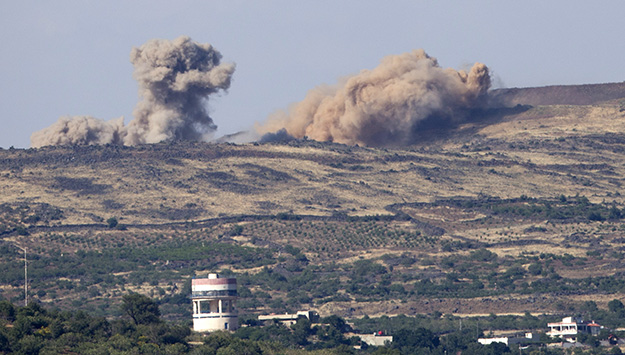
On June 22, members of the Druse minority in the Israeli town of Hurfeish threw rocks at an ambulance believed to be transporting wounded Syrian Jabhat al-Nusra rebels to medical care in Israel. The following day, a similar incident in the occupied Golan Heights resulted in the killing of one wounded rebel, also of Nusra.
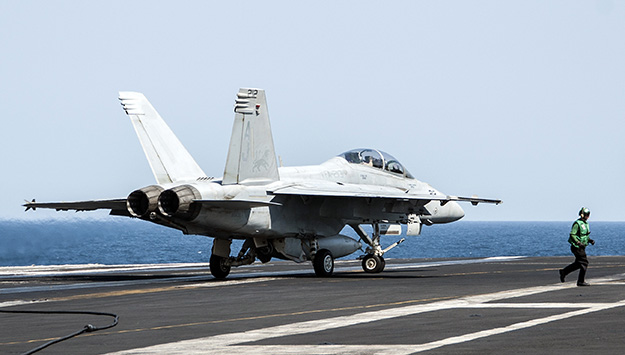
Wringing Our Hands and Endless Bombing Won’t Help Us in Syria
Three months ago CIA Director John Brennan told a Congressional panel that the administration fears the fall of the Assad government in Damascus, as it could lead to “Islamist extremists, including the Islamic State, Jabhat al-Nusra, and al-Qa‘ida elements within Syria to seize power from a collapsed regime.” I heard similar fears during a Congressional hearing I attended June 17.
June 8, 2015 – Gonul Tol, director of the Center for Turkish Studies at The Middle East Institute, discusses the reactions to Turkey’s June 7 elections, and what the setback for the ruling AK party and President Erdogan means for Turkey’s domestic policy agenda and its relations with the United States.
Be Careful What You Wish For: A Security Council Resolution on Palestine Might Come True
For the first time in decades absolutely nothing is happening on the Israeli-Palestinian diplomatic front. There is no agreed-upon structure for diplomatic engagement under U.S.—or anyone’s—guidance. Moreover, there is an international consensus that includes the United States that doubts, with good reason, Prime Minister Benjamin Netanyahu’s commitment to a two-state solution.
On June 7, Turks will choose a new parliament. This decision will be the most important one for Turkey in 70 years, since the advent of multi-party elections in 1945. The election at heart is about religion, as it brings Turkey to the brink of becoming a republic dominated by the religious convictions of its current leadership. If the ruling Justice and Development Party (AKP) wins a 60 percent majority of parliamentary seats, democratic choice will likely yield to the dogma of faith.
Turkey’s General Elections 2015: High Stakes at Home and Abroad
Turkish citizens are going to the polls on June 7 to elect the next government that will rule the country until 2019. With an ongoing peace process with the Kurds, a stumbling democracy, an economic recession on the horizon, the prospect of constitutional reform, a stalled EU accession process, tension in Turkey-U.S. relations, and a region engulfed in chaos, the stakes have not been higher.
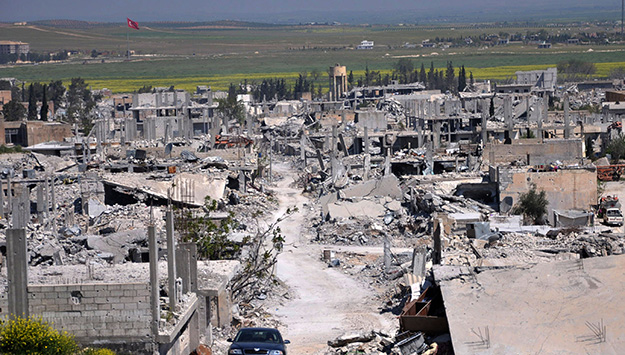
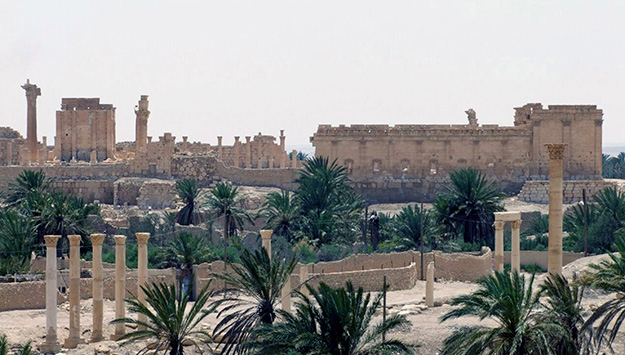
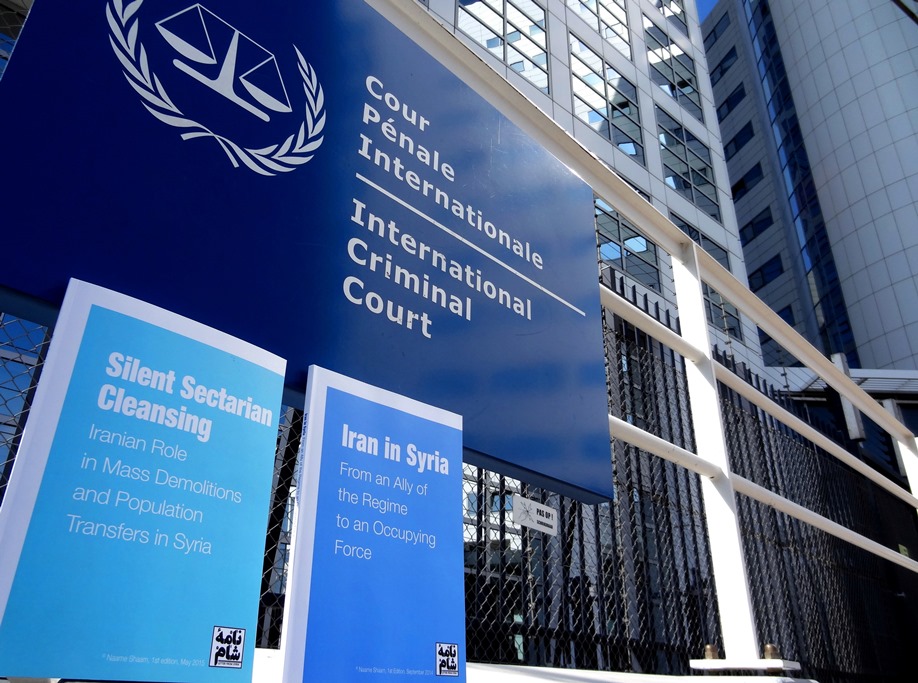
Since March 2011 Syria has gone through a traumatic process that has strained the ethnic, sectarian, and social fabric of the country—almost all that makes Syria a unified state with a people who share a common history, goals, and aspirations—to beyond the breaking point. Much of the country lies in ruins today, and its cultural heritage has been a deliberate casualty of the conflict from its earliest days.
“Alawis to the grave and Christians to Beirut!” This troubling slogan was chanted during demonstrations against the Assad regime in spring 2011, and who was behind the chanting remains a controversial question. The Syrian opposition claimed that the slogan’s authors were members of the intelligence services who had infiltrated the demonstrations. According to this view, Syrian government agents were seeking to portray the opposition as primarily motivated by sectarianism and dominated by Salafis in order to frighten minorities and those wishing to live in a secular Syria.
U.S.-Russian Cooperation on Syria: The Fear Factor
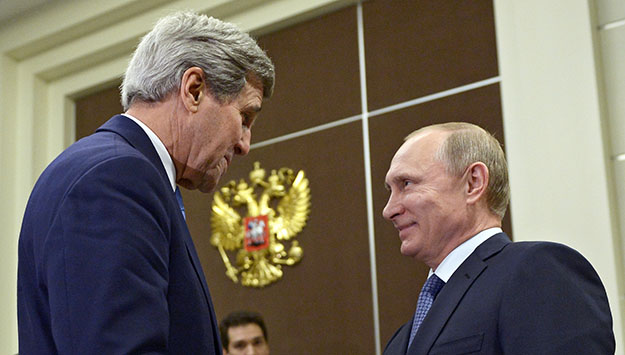
The announcement of a meeting between Vladimir Putin and John Kerry related to Syria, as well as the subsequent visit to Moscow of Daniel Rubinstein of the State Department’s Near East Bureau, may have stunned some pundits on the outside, but for those who have been following the evolution of leadership opinions on Syria in both countries, the surprise is that these official meetings have not come sooner.
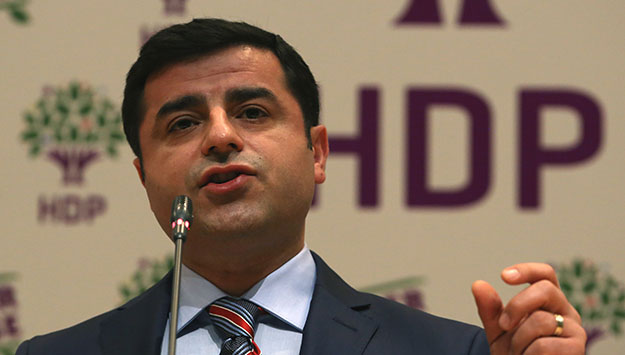
Turkey’s Pro-Kurdish People’s Democratic Party: Gaining Ground but Facing Challenges
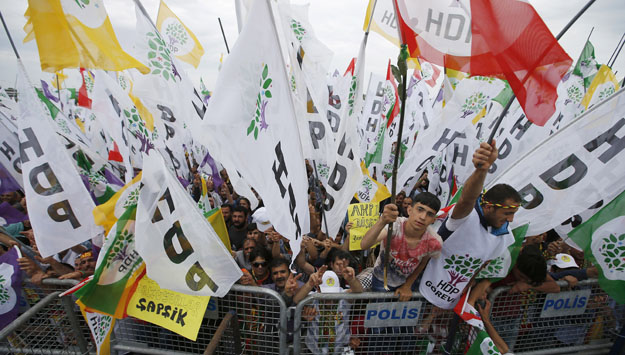
With an ongoing peace process with the Kurds and a stumbling democracy, the stakes for Turkey’s parliamentary elections next month have not been higher. The opposition parties—the People’s Democratic Party (HDP), the Republican People’s Party (CHP), and the Nationalist Movement Party (MHP)—need all the help they can get to deny an outright victory to the Justice and Development Party (AKP), which has ruled Turkey since 2002. The growing popularity of the pro-Kurdish HDP, along with signs of declining support for the AKP, point to the possibility of a significant shift in Turkish politics.
The oldest peer-reviewed publication dedicated to the study of the modern Middle East, MEI’s flagship journal covers politics, society, and culture in the region.