Unlocking the Levant: Why the United States and Syria Must Pursue a Bilateral Trade and Investment Agreement
Apart from the brief honeymoon period between 1961 and 1963 under President John F. Kennedy and President Nazim al-Qudsi, US-Syria relations have never held such optimistic potential as they do today. Today, following the fall of Bashar al-Assad regime and the rise of a new government under President Ahmad al-Sharaa at the end of 2024, a new geopolitical window has opened.
Consolidating Sovereignty, Security and Peace: Time to Step up the Game
Although it has been a frustrating summer, Lebanon remains on the right track. My observation after a ten-day visit to Beirut and Jerusalem this month is that leaders in both capitals remain strongly committed to a shared objective.
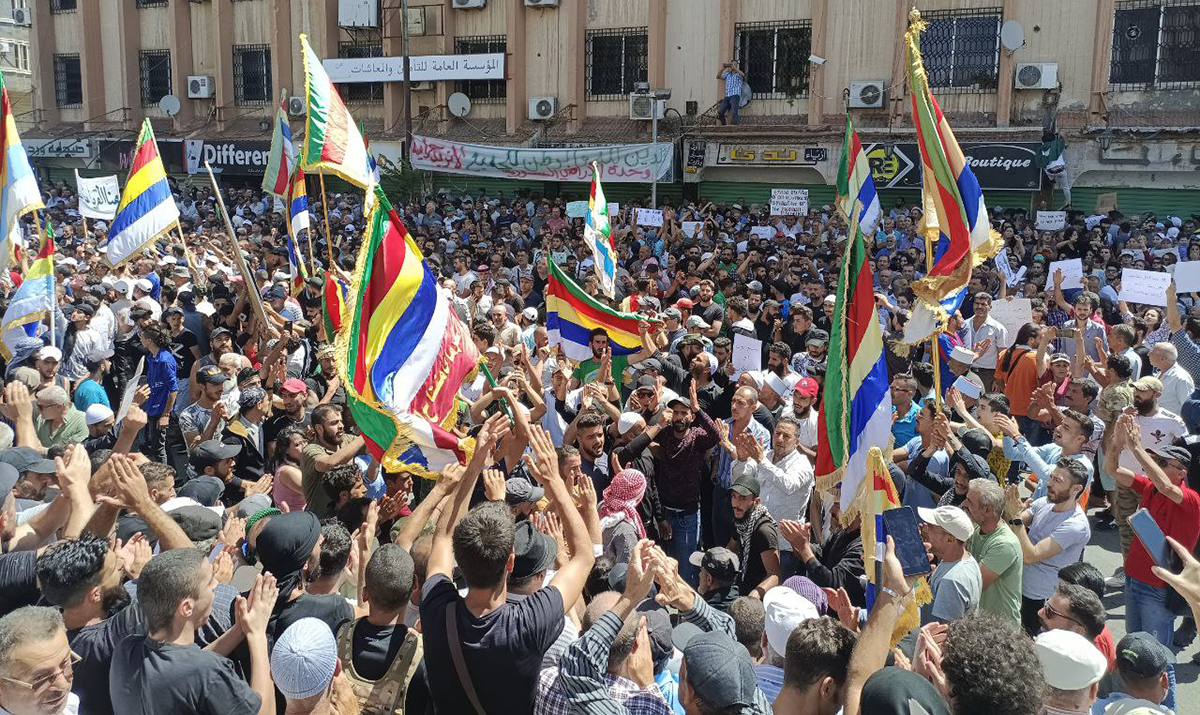
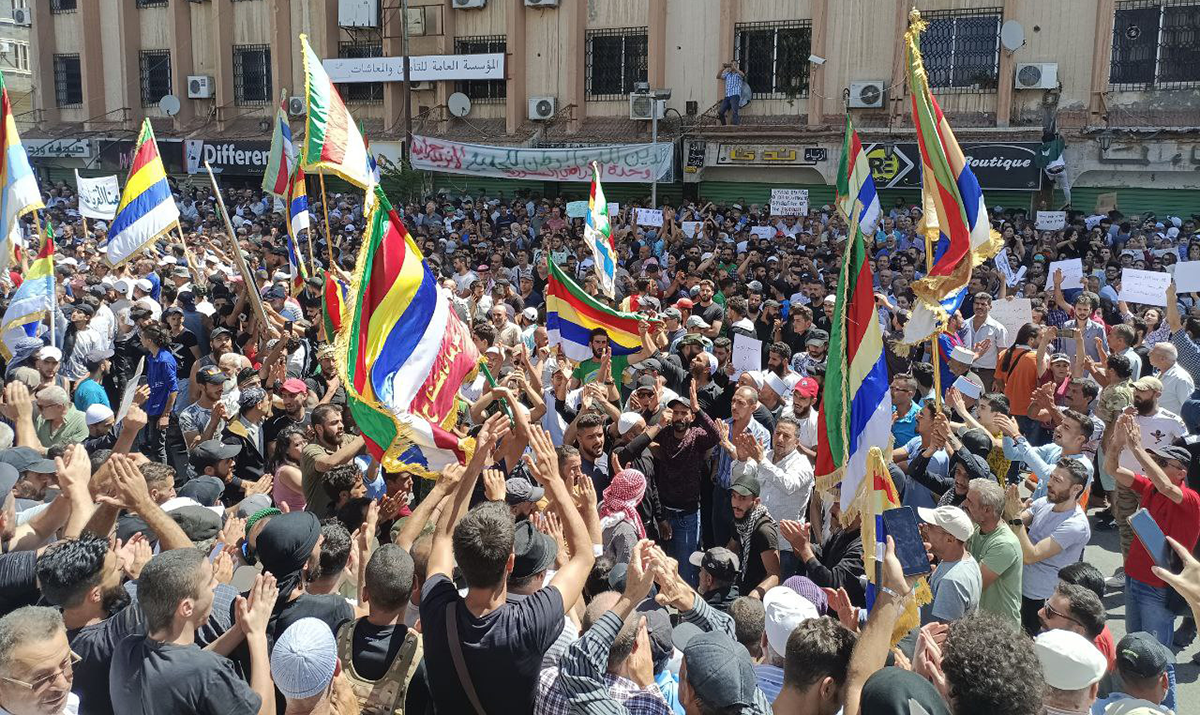
Syria’s Suwayda protests underscore pressing need for a political solution
Despite the great magnitude of the disaster that has befallen Syria over the past 12 years, Syrians have not wavered in their perseverance and belief in their right to a free and dignified life. In the city of Suwayda in the south, for the seventh consecutive week now, peaceful popular demonstrations continue with diverse participation from all segments of the Syrian people.
مظاهرات السويداء في سوريا تؤكد الضرورة الملحّة الى الحل السياسي
فمن مدينة السويداء في الجنوب ، وللأسبوع السابع على التوالي، تستمر مظاهراتها الشعبية السلمية وبمشاركة متنوعة لكل أطياف الشعب السوري ممن تمكن من الوصول لساحاتها، وتتجاوب معها بعض من المدن السورية، معيدة احياء مسيرة الثورة السورية التي انطلقت في أذار 2011.
Fires of Damascus: Protecting Syria’s homes and heritage from the failed and rapacious state
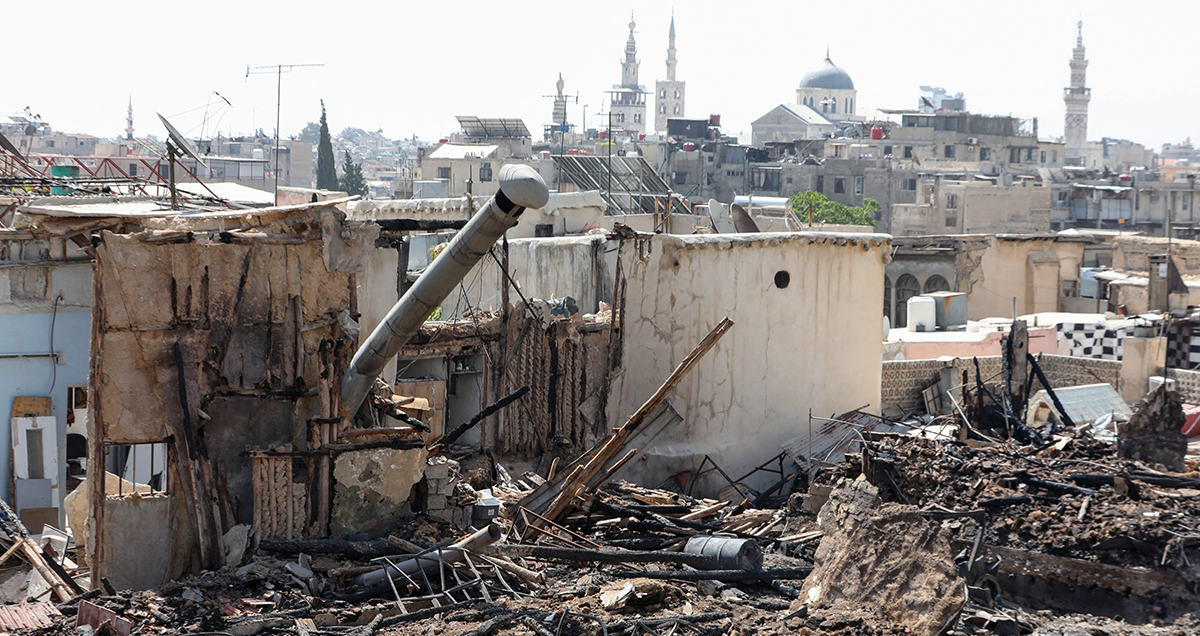
July 16, 2023, was a dark day for the ancient city of Damascus. A fire raged through the historic Sarouja neighborhood, reducing a number of heritage homes to ashes. Two months later, in September 2023, a residential building in the Syrian capital’s Malki neighborhood partially collapsed as a result of unauthorized excavation for a basement. While these events might not seem connected, they underscore an overarching issue: the vulnerability of Damascus properties in the face of natural and man-made crises, exacerbated by corruption, greed, and failed and vicious state policies.
Human rights to counter terrorism: Now is the time for a Global Humanitarian Coalition to Defeat ISIS
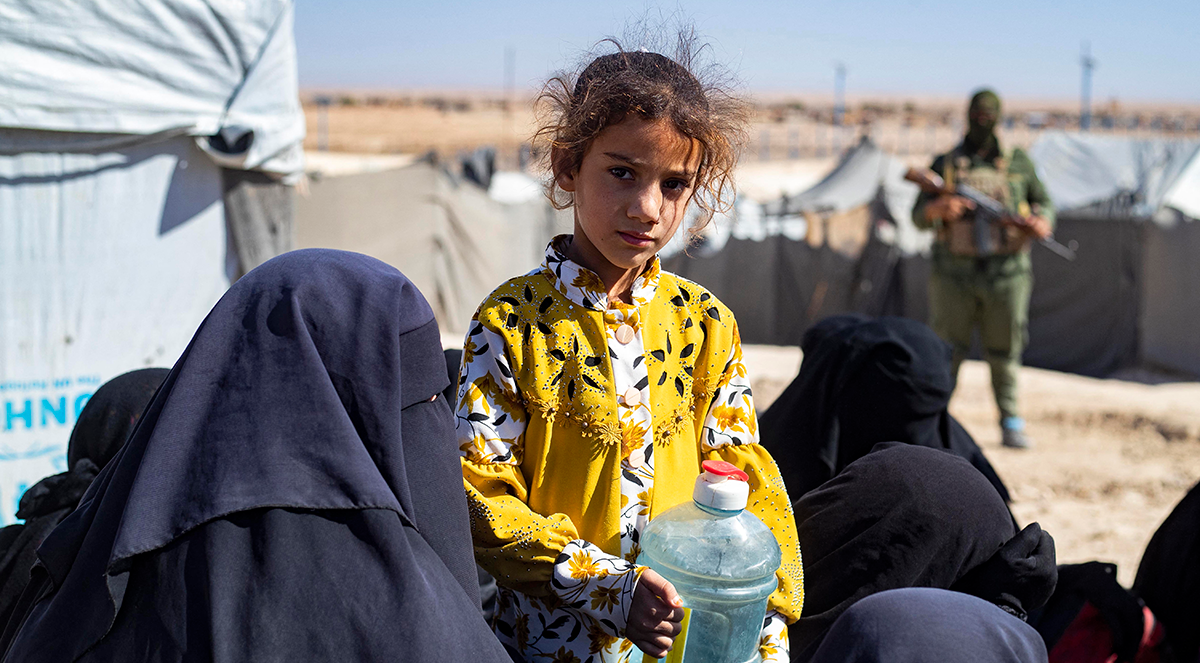
There is an urgent need for a Global Humanitarian Coalition to Defeat ISIS to conduct human rights-centered action and build upon hard-fought military gains in the campaign against ISIS. Repatriation of all third-country nationals in the squalid detention camps and prisons in northeast Syria must be the first joint task in order to ease the burden of the local administration and to accomplish long-sought security, justice, and stabilization goals.
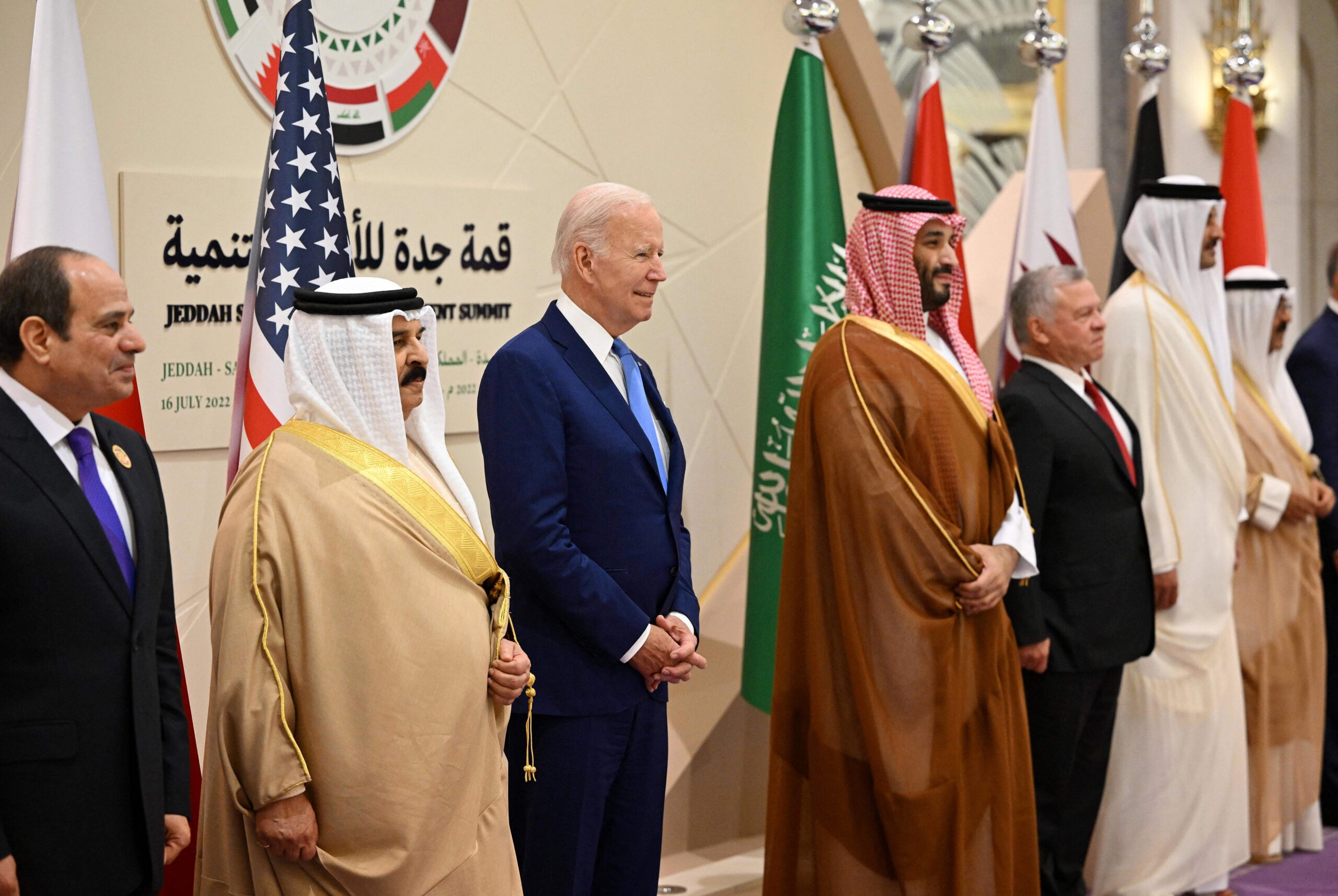
Treading Cautiously on Shifting Sands: An Assessment of Biden’s Middle East Policy Approach, 2021-2023
This report provides an interim assessment of the Biden administration’s overall Middle East strategy and examines the strategic opportunities and risks for U.S. policy in the broader region.
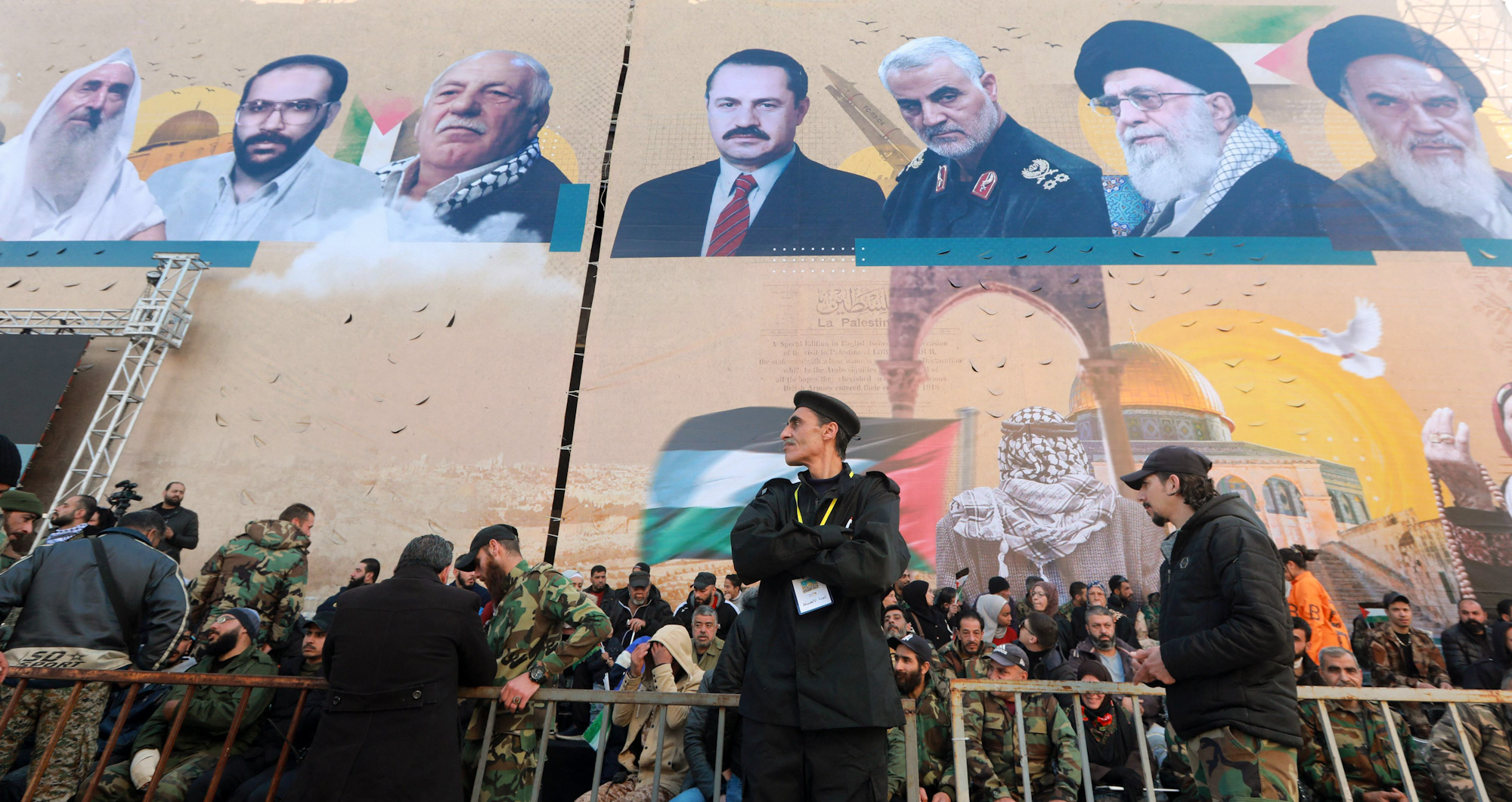
Iran’s unification of the arenas campaign against Israel: Foundations and prospects
As Israel faces a relentless, unprecedentedly severe political crisis at home, in the regional theater Iran has amplified its anti-Israeli activities, undermining the efforts Israel undertook during 2020-22 to build up a common security front with neighboring Arab states against Tehran as well as to intensify various military operations against Iranian interests.
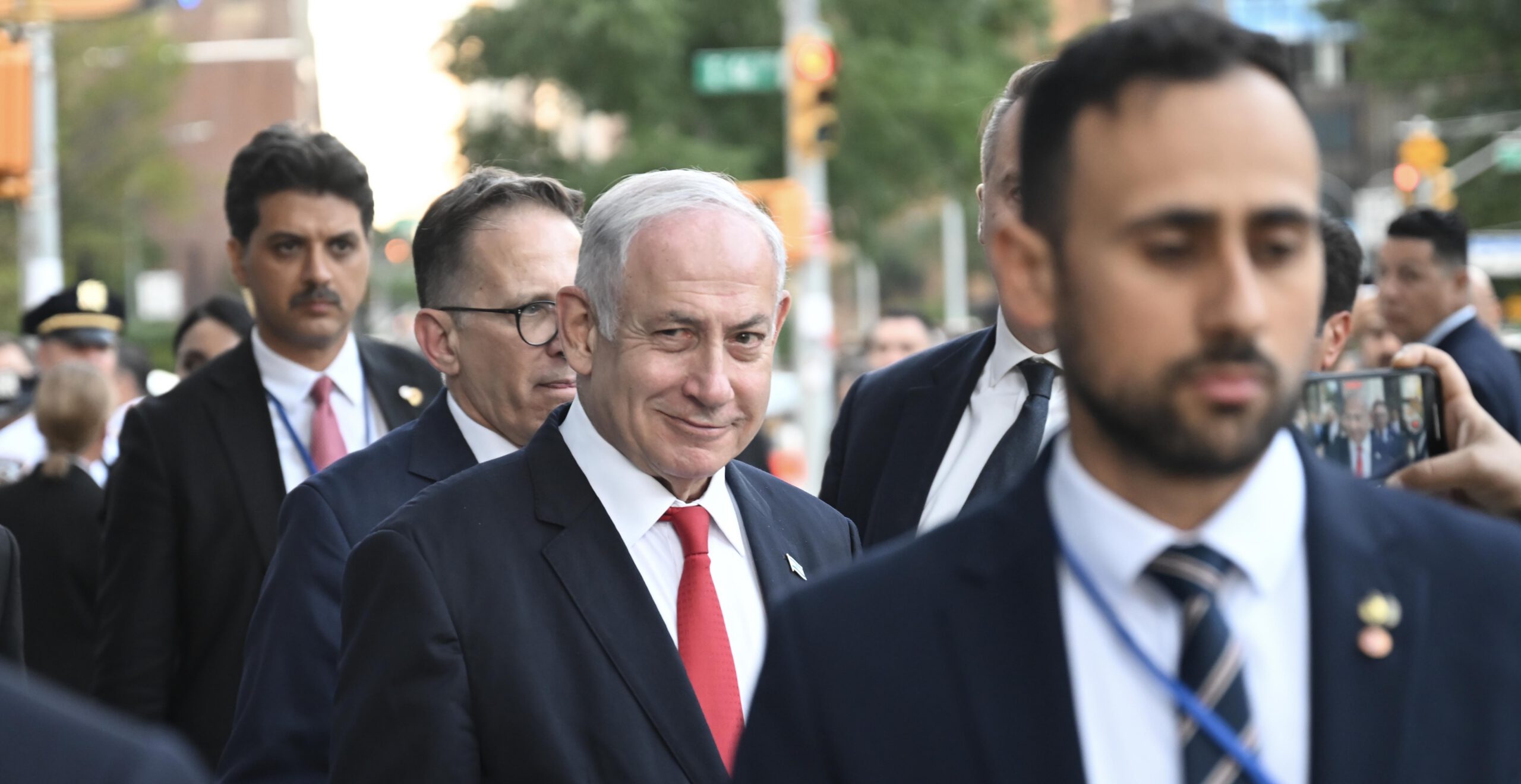
When assessing the Netanyahu government's foreign policy, Israelis do not like what they see
When Netanyahu takes the stage in this year’s UNGA, much fewer Israelis will see him as their country’s diplomatic savior. Rather, he will be met with unprecedented demonstrations in the streets of New York, showcasing once again the extent to which Israelis are concerned about the damage the current far-right government is causing to their country’s democracy and standing in the world.
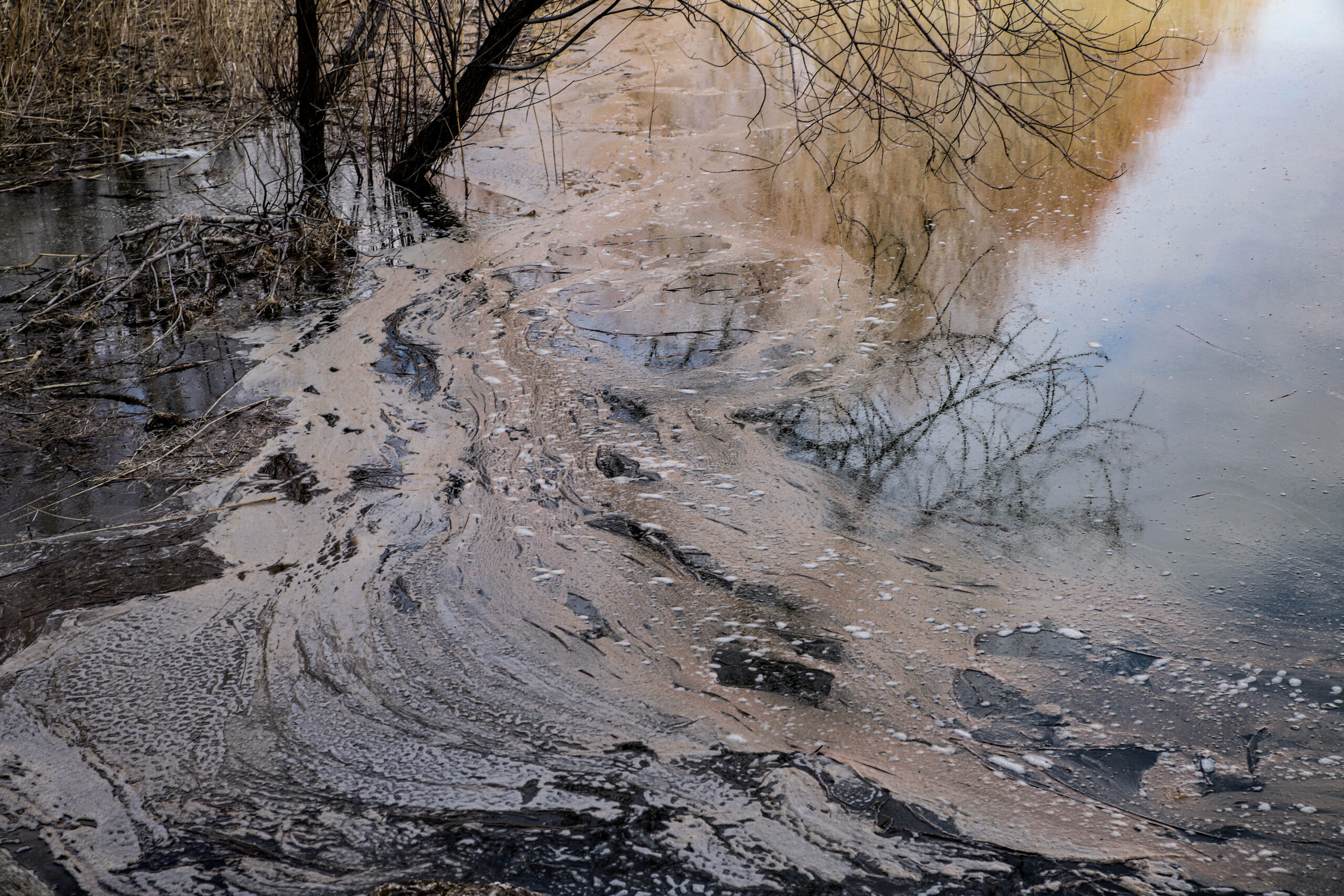
How northern Syria’s triple water crisis is exacerbating its people’s woes
As the humanitarian, political, and economic challenges in Syria are occurring simultaneously with increasingly hot and dry summers, conflict- and climate-related factors have compounded, resulting in the emergence of a so-called “triple water crisis.”
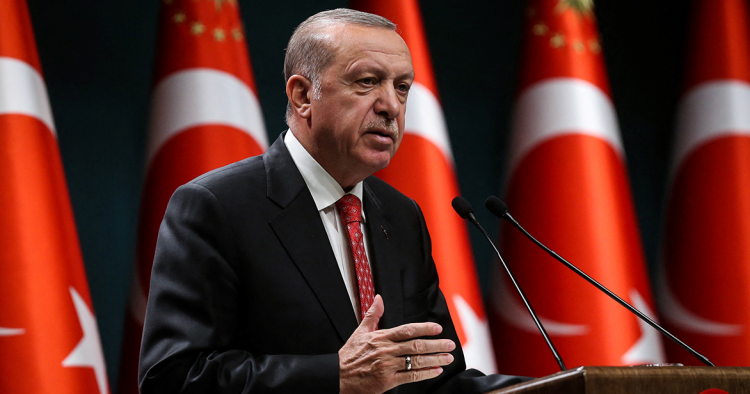
Autocracy not reform remains Erdoğan’s recipe for Turkey
Since Turkey’s presidential election in May, western analysts have held out hope that Recep Tayyip Erdoğan will moderate his strongman style of rule. Feeding their optimism are several steps Erdoğan has taken, including appointing market-friendly technocrats to his economic team, replacing the hardline interior minister, dialling down anti-western rhetoric and voicing support for Sweden’s Nato membership. All these moves, however, are aimed at strengthening Erdoğan’s one-man rule, and the west is helping him.
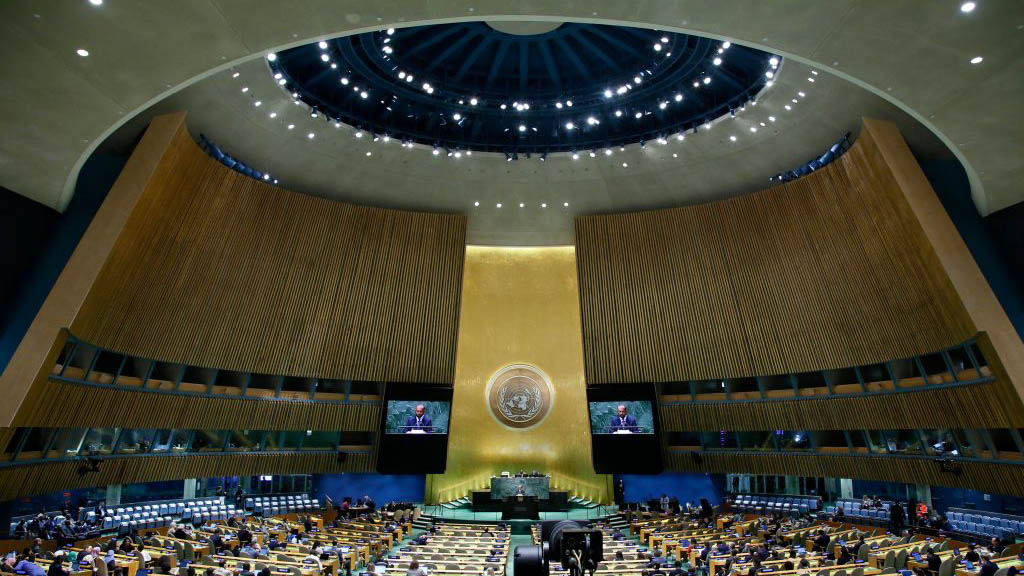
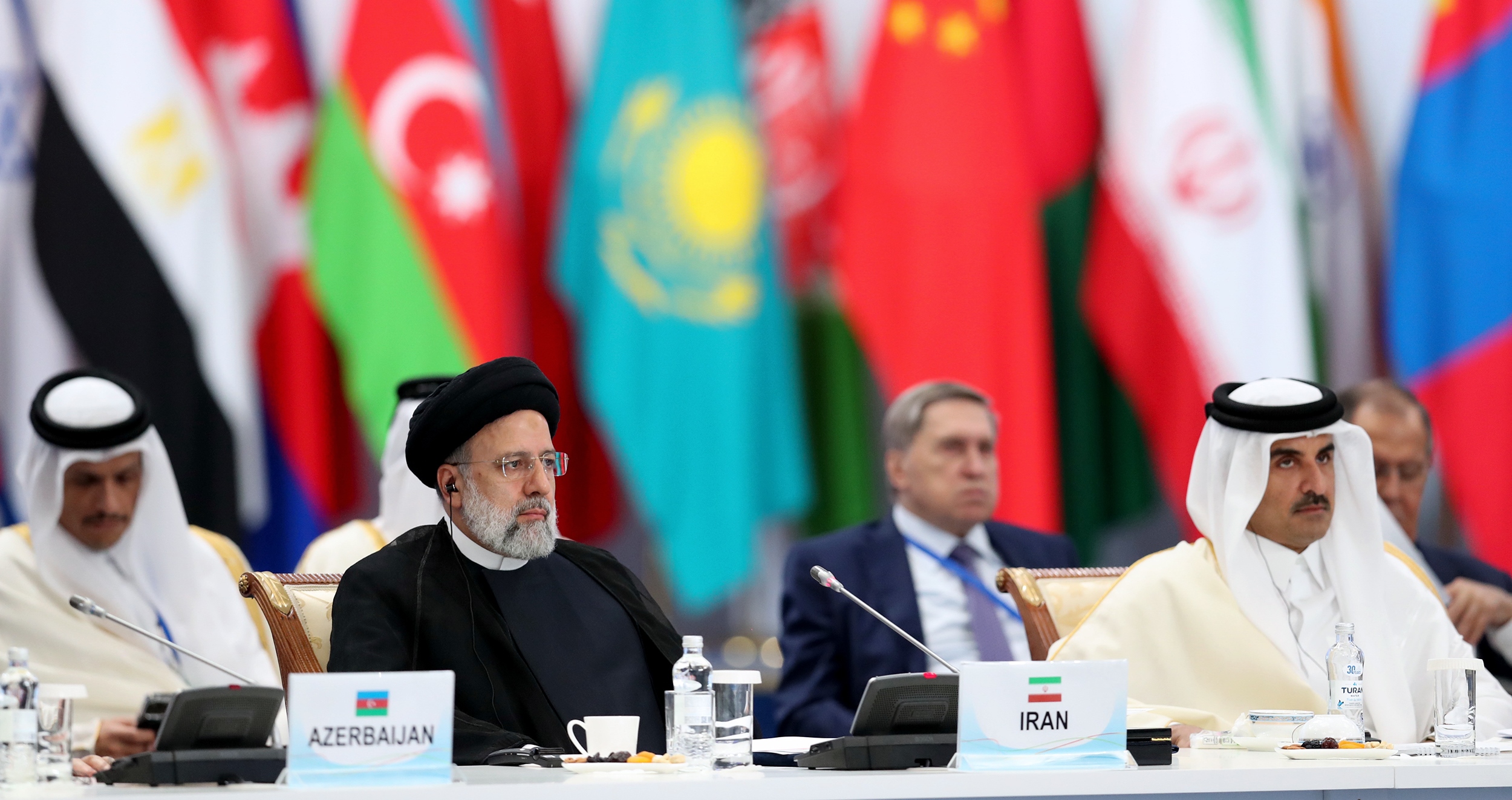
Deciphering Iran’s UNGA agenda: Lessons learned from past CICA summits
When the Iran’s President Ebrahim Raisi, visits New York for the opening of the UNGA this week, he will try to project a sense of confidence and argue that the Iranian regime is purportedly committed to building ties with its neighborhood by promoting and referring to its membership in various regional dialogue forums. Yet their existence has historically not moderated Iranian behavior.
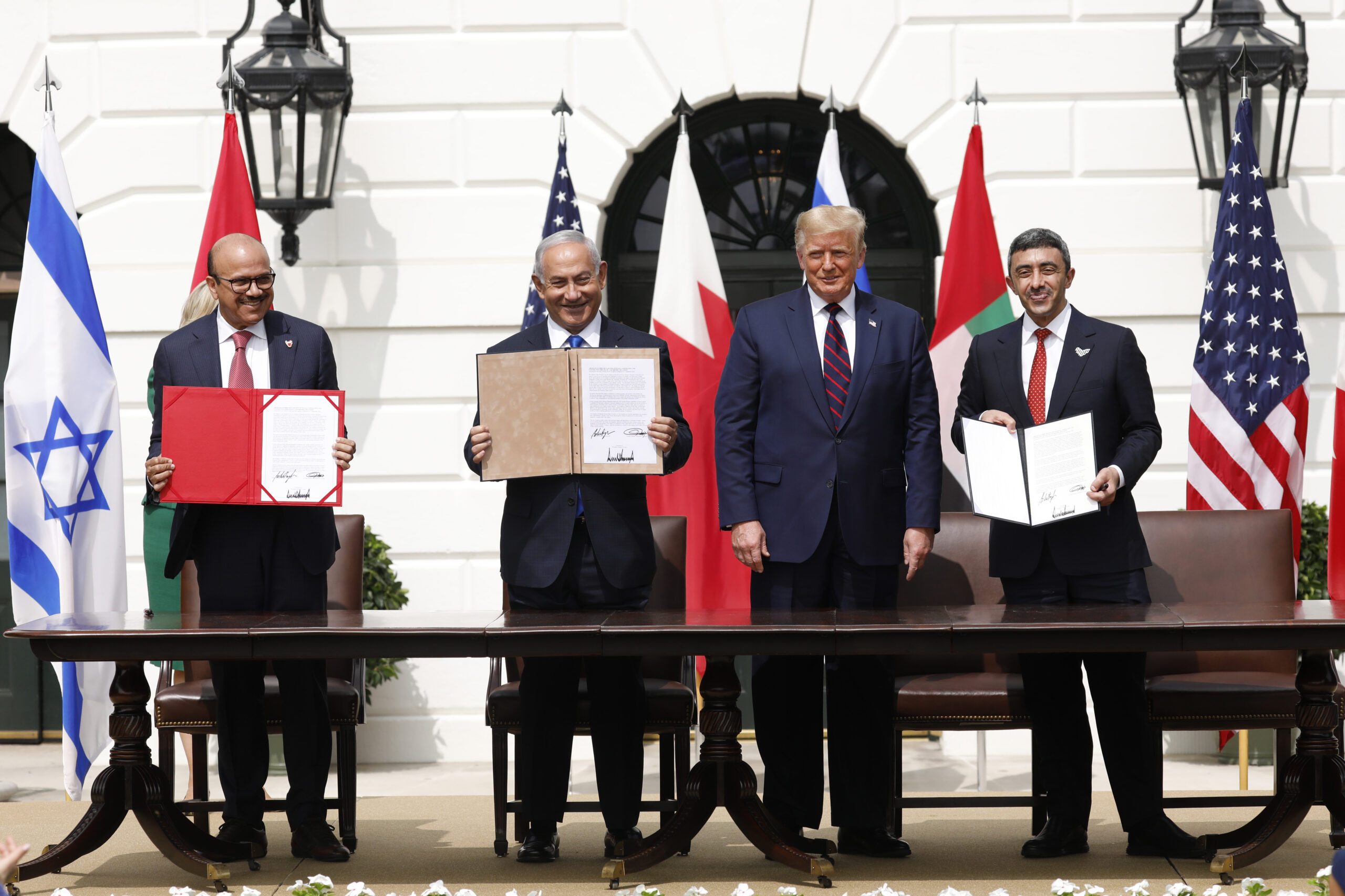
As the original Abraham Accords signatories — Israel, the United Arab Emirates, and Bahrain — observe the third anniversary of their September 2020 agreement, there is a sufficient basis to evaluate whether the Abraham Accords are real, hype, or something in-between. Much like the case a year ago, the results so far remain mixed.
The oldest peer-reviewed publication dedicated to the study of the modern Middle East, MEI’s flagship journal covers politics, society, and culture in the region.