Unlocking the Levant: Why the United States and Syria Must Pursue a Bilateral Trade and Investment Agreement
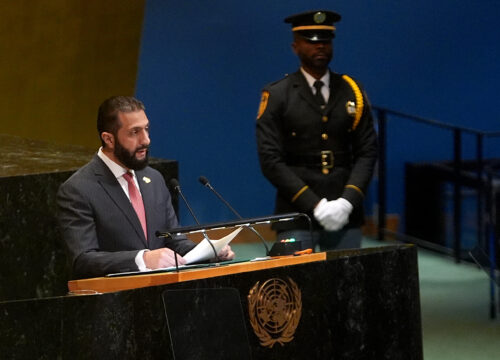
Apart from the brief honeymoon period between 1961 and 1963 under President John F. Kennedy and President Nazim al-Qudsi, US-Syria relations have never held such optimistic potential as they do today. Today, following the fall of Bashar al-Assad regime and the rise of a new government under President Ahmad al-Sharaa at the end of 2024, a new geopolitical window has opened.
Consolidating Sovereignty, Security and Peace: Time to Step up the Game
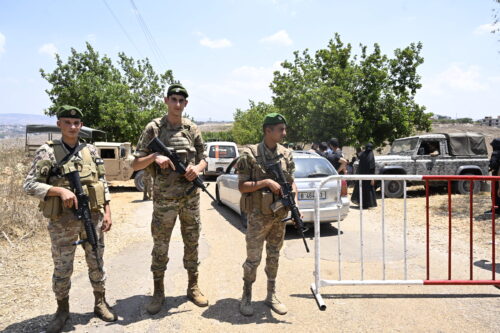
Although it has been a frustrating summer, Lebanon remains on the right track. My observation after a ten-day visit to Beirut and Jerusalem this month is that leaders in both capitals remain strongly committed to a shared objective.
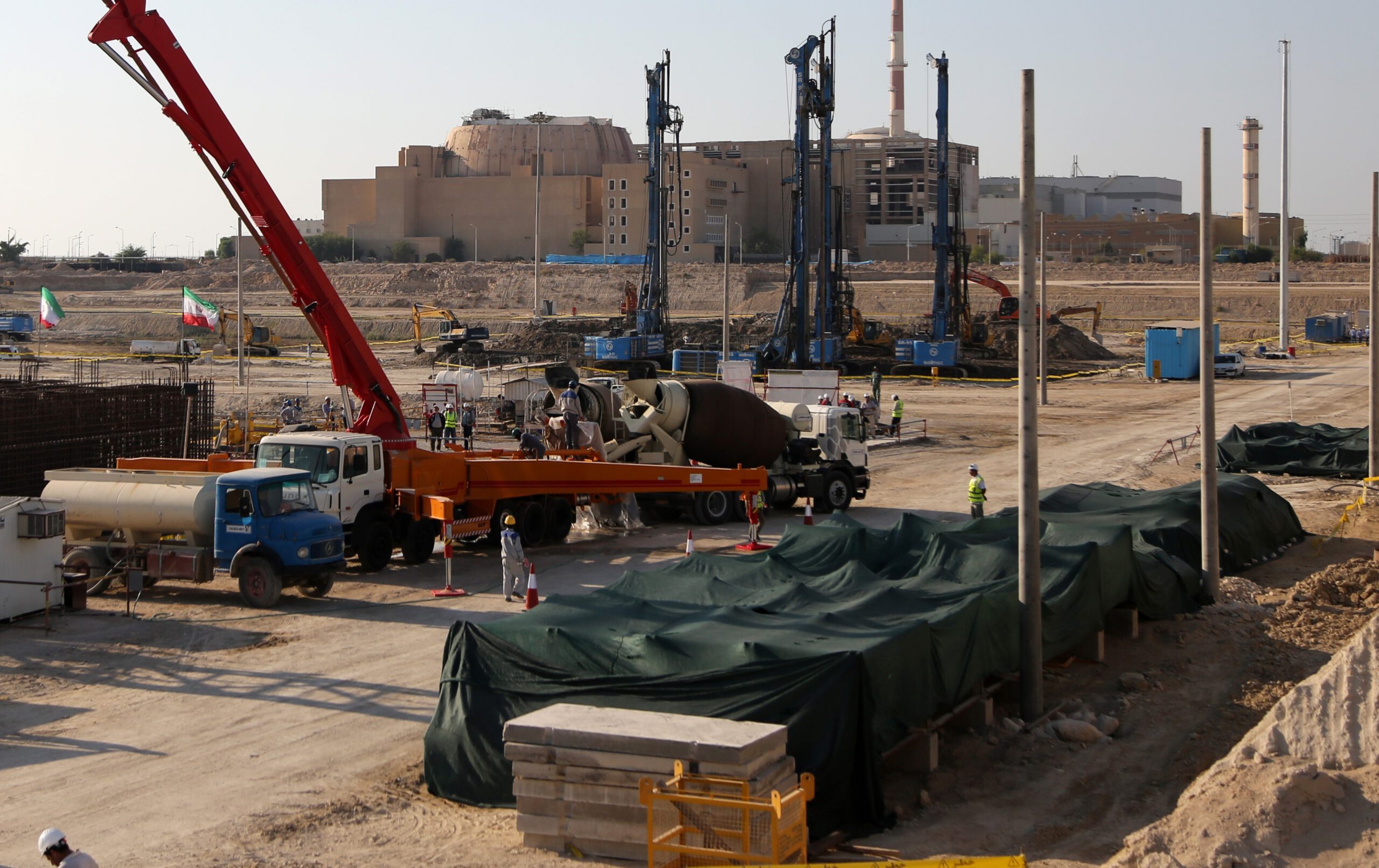
The renewal of the international agreement on Iran’s nuclear program does not undermine Israeli national security per se but rather a longstanding tenet of Israel’s strategic thinking: that it must be able to fully eradicate any challenge to its military superiority deep inside enemy territory.
Syrian foreign policy in the Caucasus and Ukraine: An unbalanced, Russia-centered approach
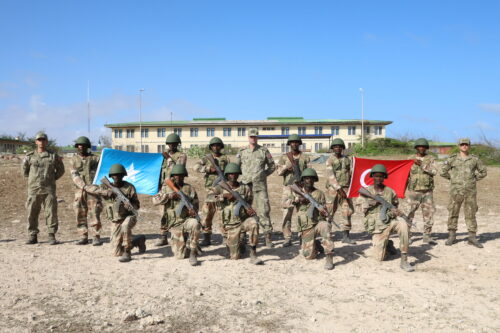
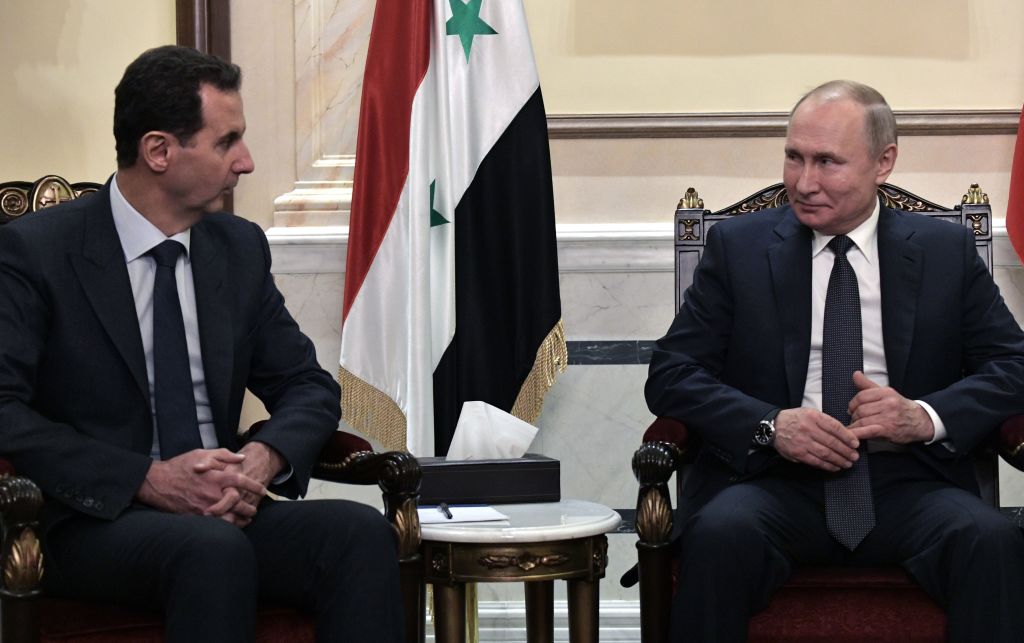
The embattled Syrian regime’s need to preserve Russian military and political support has compelled Damascus to adopt the Kremlin line in its foreign policy positions toward the former Soviet space.
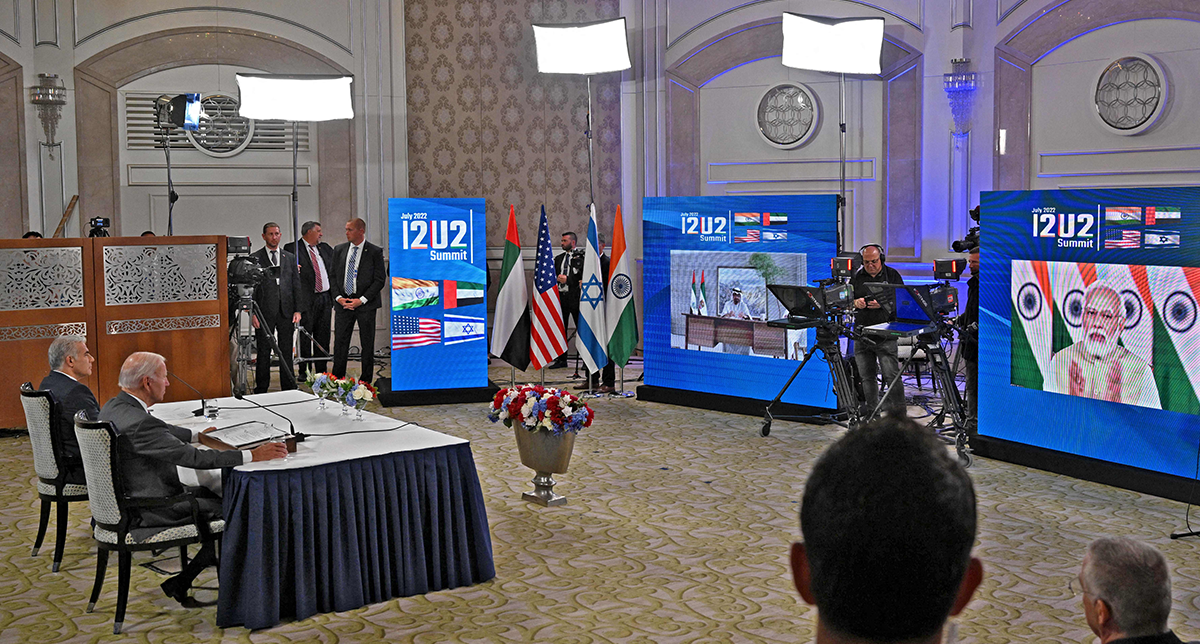
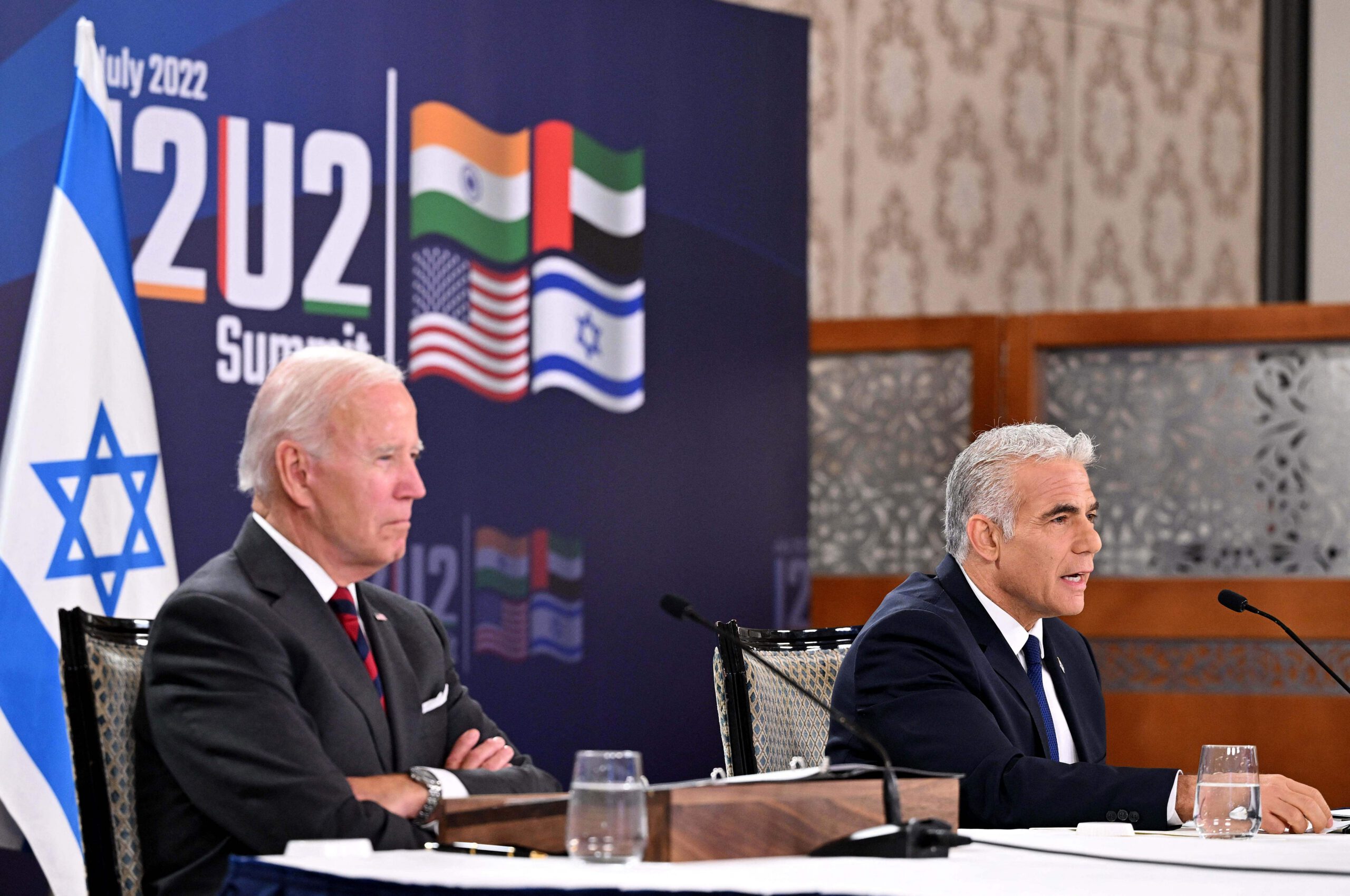
The July 2022 leaders’ meeting took good steps on energy and food security, but Egypt and Saudi Arabia can help take the I2U2 to the next level when it comes to regional security.
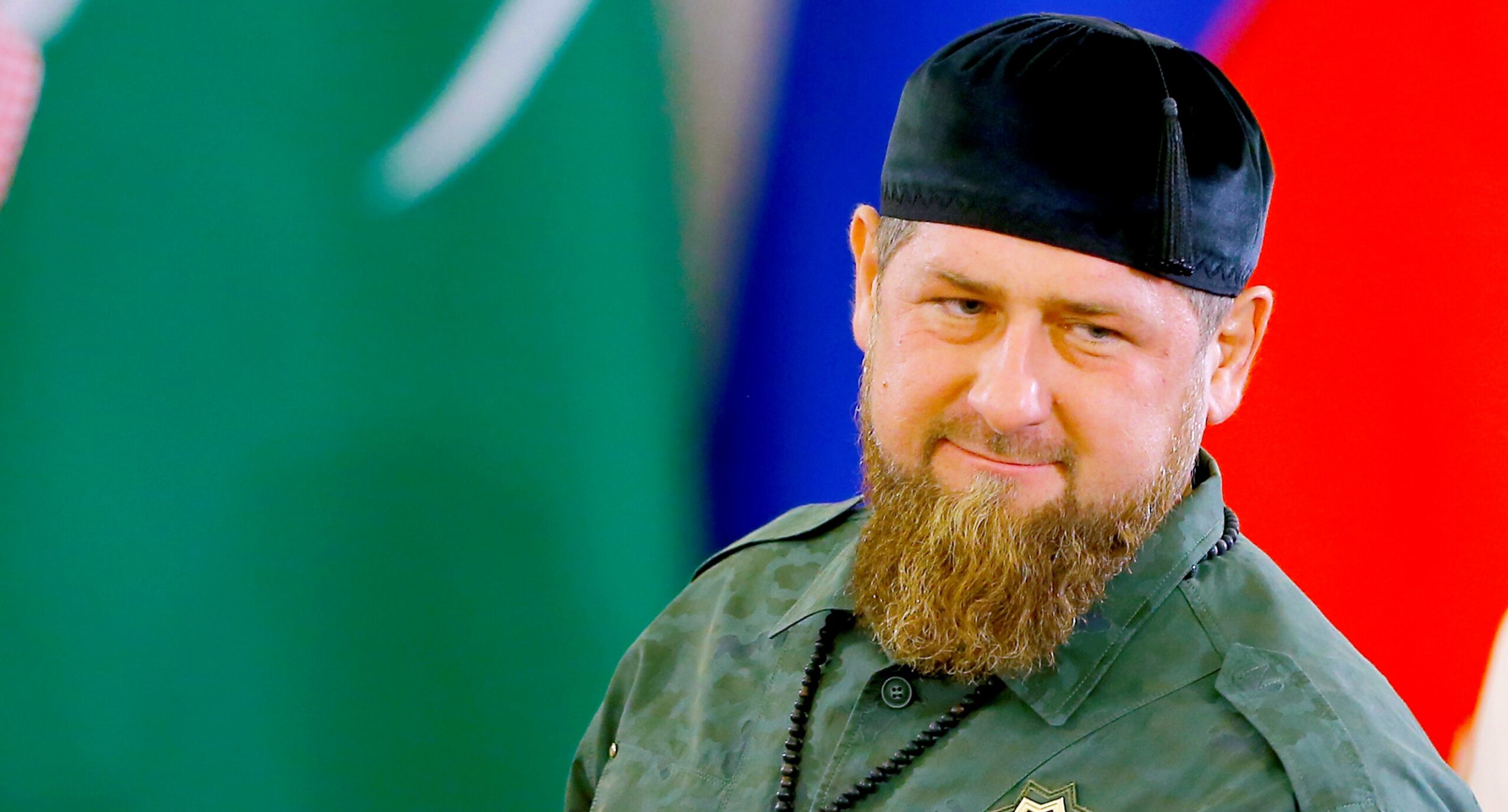
Is Chechnya’s leader a ticking time-bomb for Russian-Turkish relations?
Chechen strongman and close Putin ally Ramzan Kadyrov claims he met with Turkish officials to discuss cooperation. If true, the claim would signify Turkey’s possible backsliding on some of its previous commitments as well as trigger a negative reaction from Ukraine.
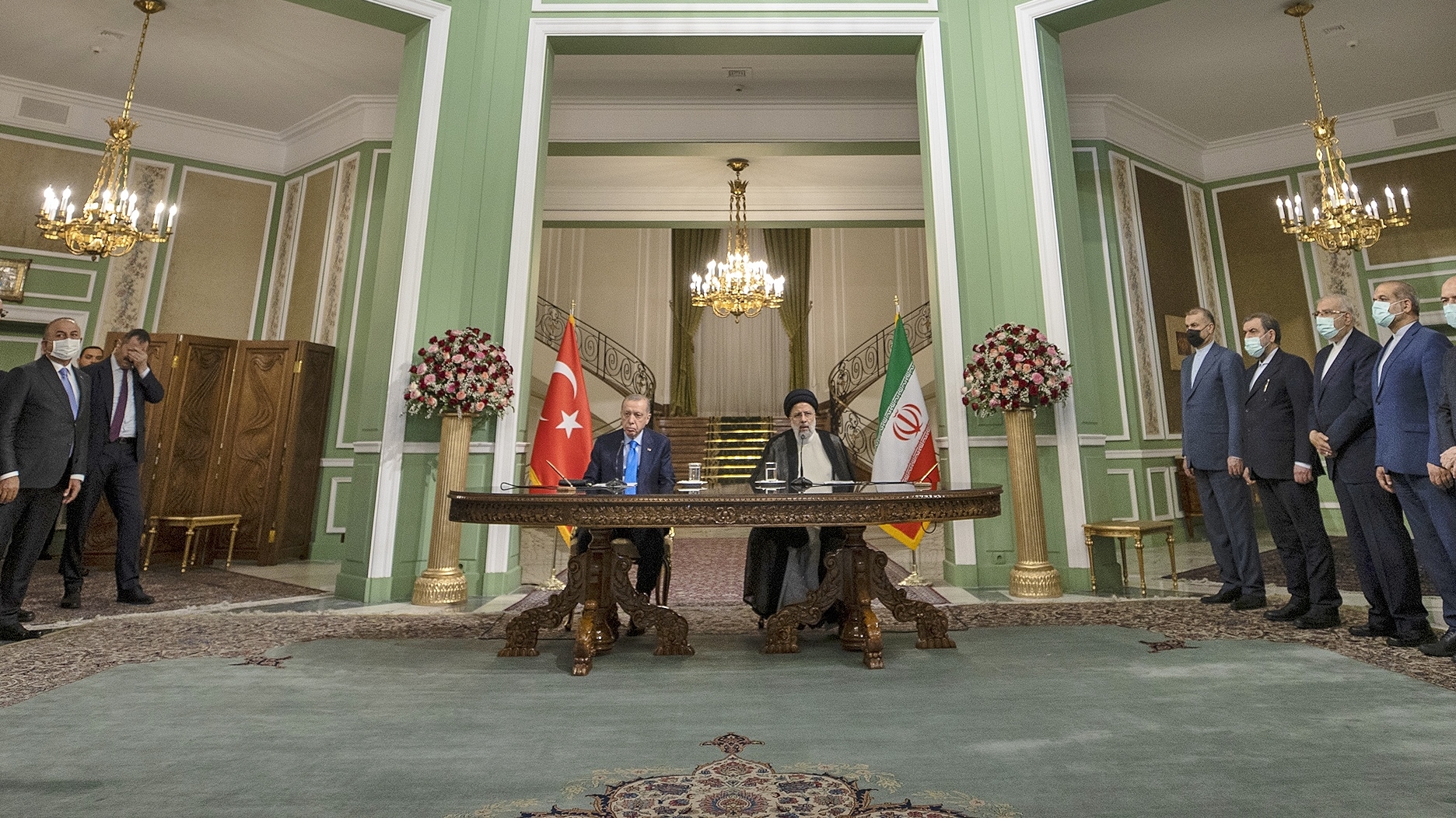
Erdoğan in Tehran, but Turkey and Iran have plenty of mistrust to overcome
Iranian-Turkish trade and economic cooperation has been the all-important platform on which otherwise often tense bilateral relations could survive. With trade and economic ties now weakening, their geopolitical rivalry could sharply re-intensify.
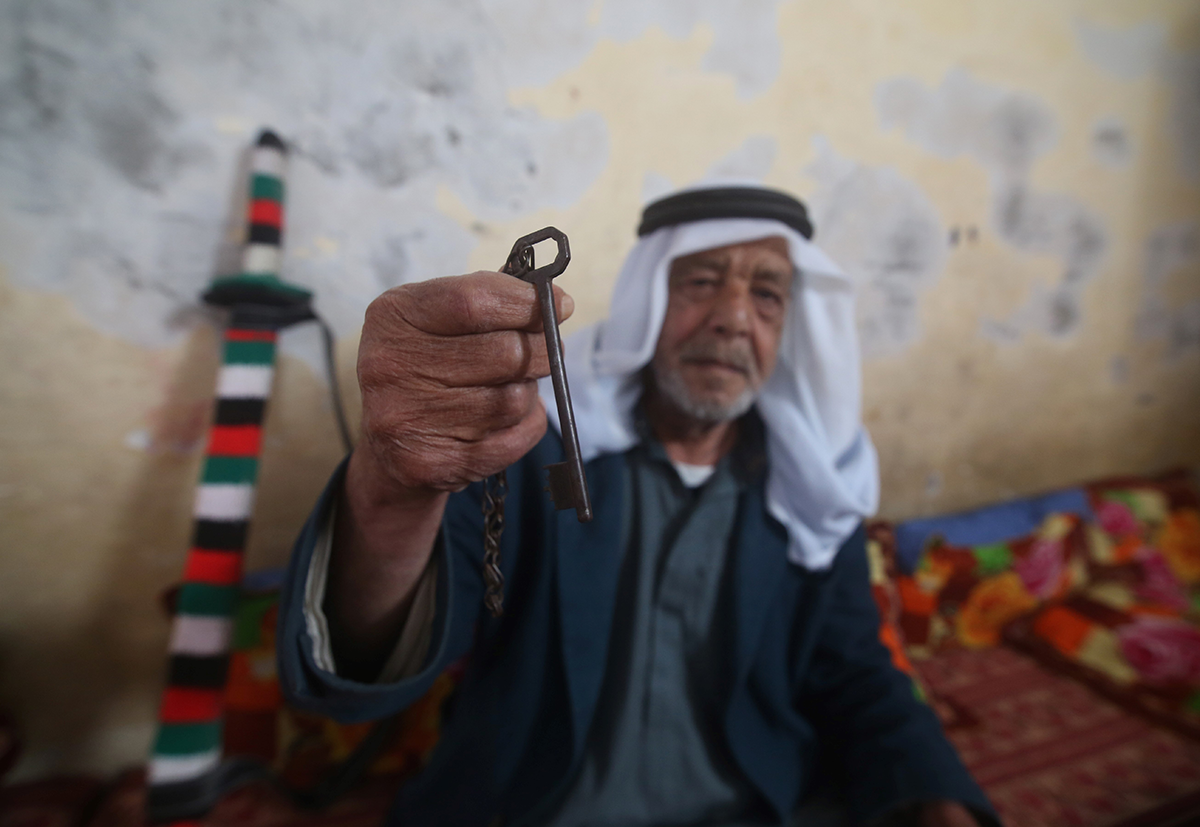
Refugees First: A New Approach to Middle East Peace
According to UNRWA, there are approximately 6.3 million registered Palestinian refugees across the Arab world. The majority of these are the descendants of the 750,000 Palestinians who were displaced between 1947 and 1949 over the course of Israel’s creation, an event known among Palestinians as the Nakba or “catastrophe.” This paper aims to evaluate past proposals on the refugee question and promote a new refugee-first framework that could produce tangible solutions for Palestinian refugees and for the conflict at large.
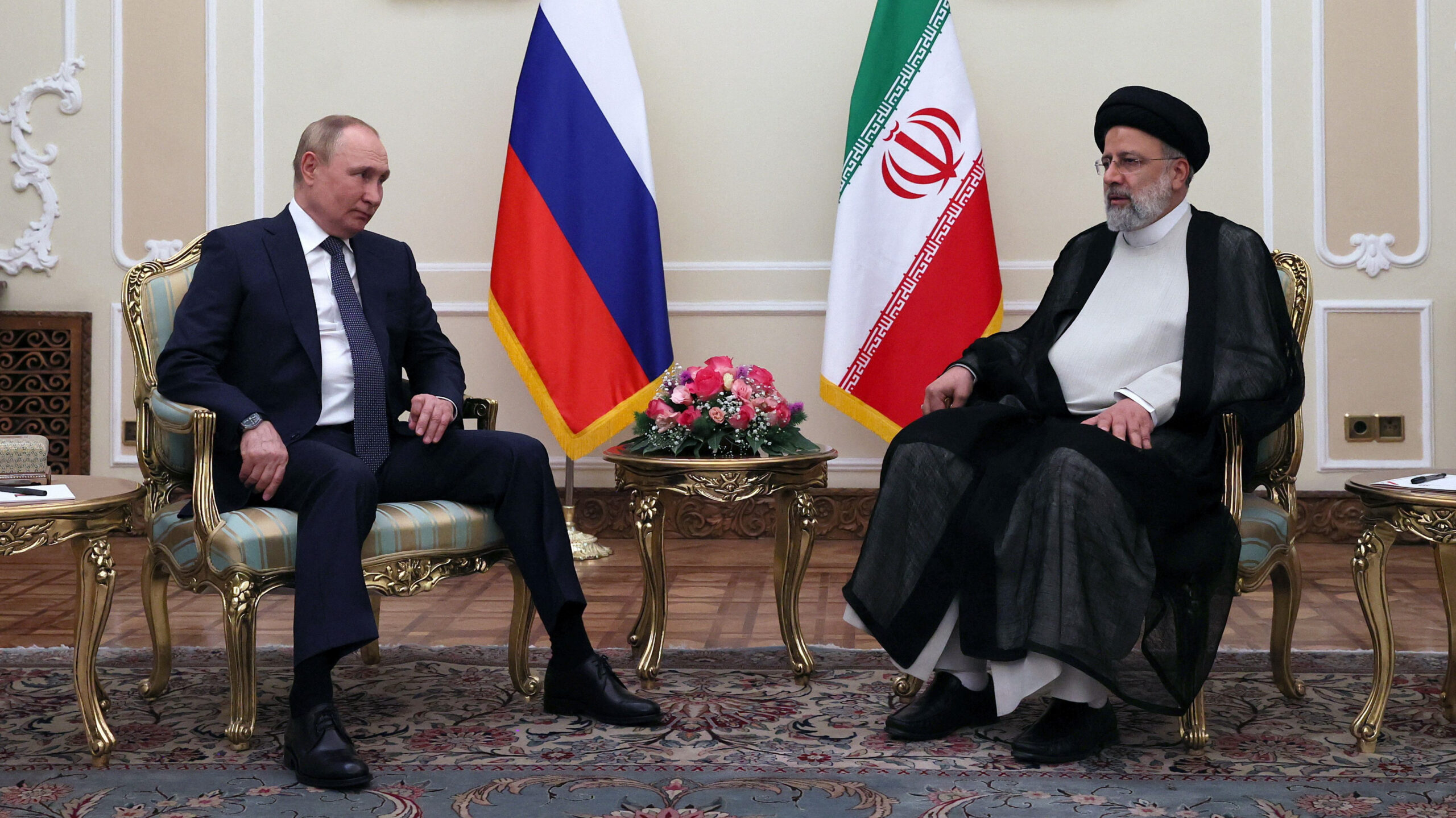
Putin’s visit to the Islamic Republic: Bringing Iran closer to Russia while building long-term leverage over Tehran
Russian President Vladimir Putin’s July 19 visit to Tehran will have important repercussions for the region’s evolving security environment as well as the trajectory of Iranian-Russian relations more specifically. Although officially billed as seeking to revive the “Astana peace process” on Syria, the significance of the trip has less to do with the trilateral meeting between Iran, Russia, and Turkey and more with the deepening of ties between Moscow and Tehran.
Israel’s new Iran strategy complicates regional security
The decades-long confrontation between Israel and Iran is now arguably becoming more dangerous. Amid a lack of consensus among Israeli leaders on how to address this perceived existential threat, calls for applying greater pressure are gaining momentum. The two countries have been engaged in a shadow war for years that includes assassinations, sabotage, kidnappings, and cyber operations, but a new phase of tensions may only bring them closer to a full-scale conflict.
The India-Middle East Food Corridor: How the UAE, Israel, and India are forging a new inter-regional supply chain
The India-Middle East Food Corridor developed organically among the three Asian countries themselves, through private sector, joint venture investments carefully cultivated via bilateral public-private partnerships. The United States’ participation in the corridor could prove beneficial as the U.S. seeks to bolster its presence in the strategic architecture of the Indo-Pacific.
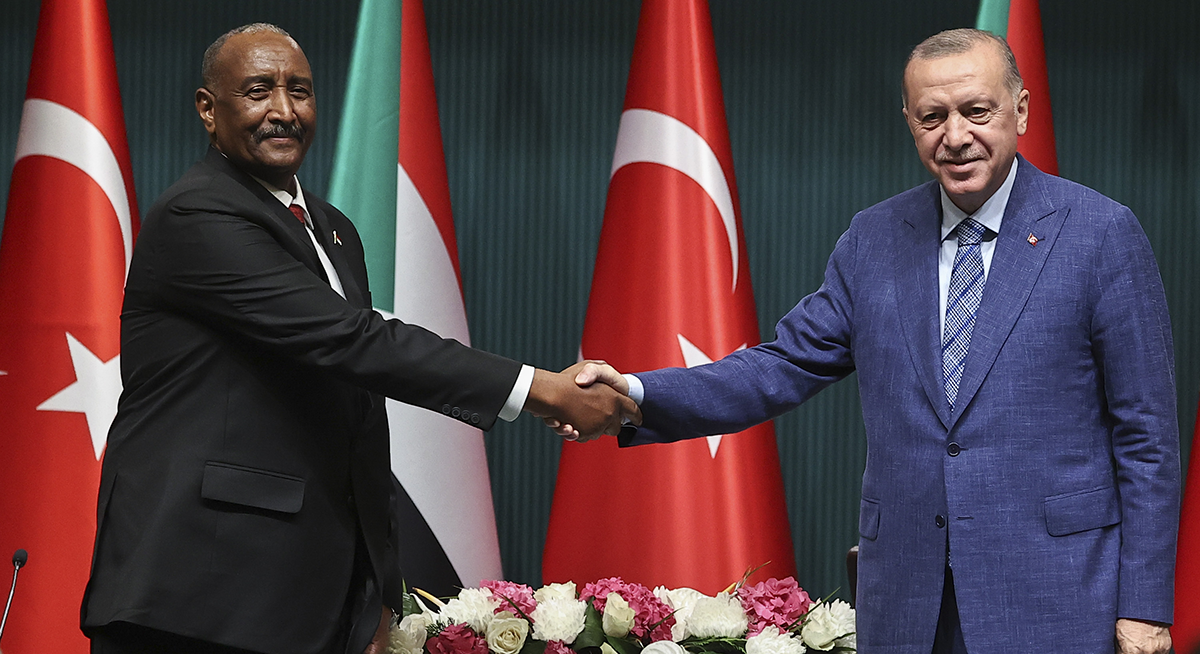
Sudan has a longstanding strategic partnership with Turkey, forged on the basis of shared ideology and fostered by growing economic and political ties, that has proven resilient to regime change. Khartoum has not abandoned its relationship with Ankara despite the ouster of former President Omar al-Bashir in 2019 or the opposition of Saudi Arabia, the UAE, and Egypt, Turkey’s former regional rivals and more recent cautious partners.
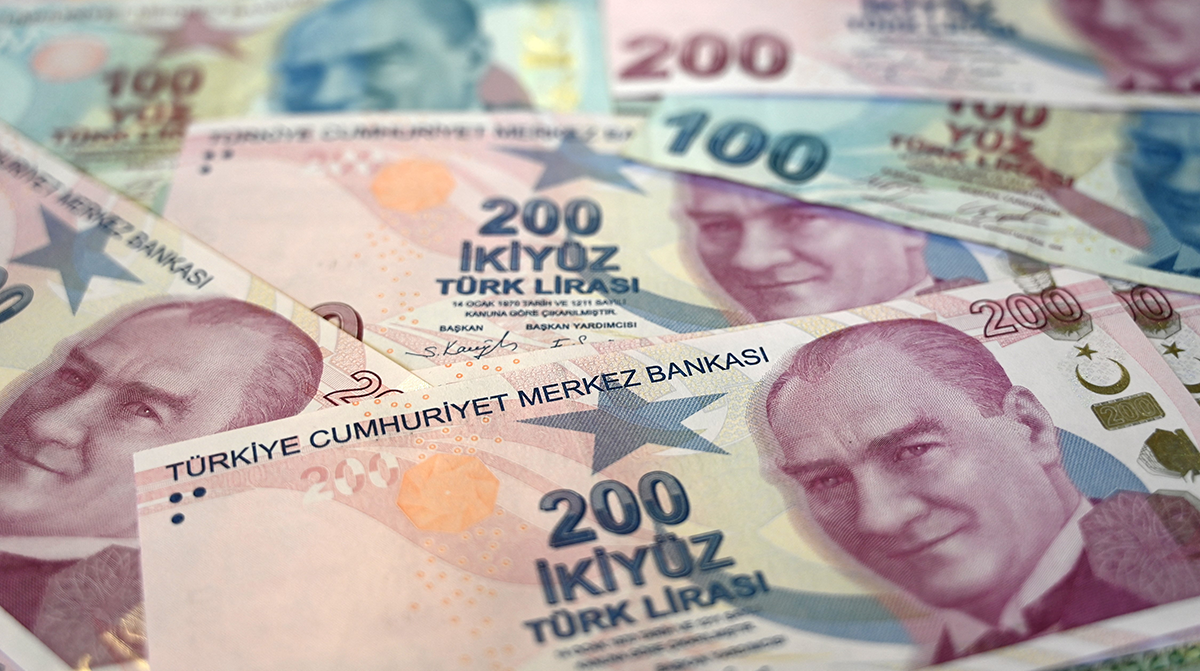
As Turkey’s economic woes worsen, a new currency crisis is approaching
Turkey’s economic problems continue to go from bad to worse. Its foreign trade deficit has reached a monthly average of $8 billion this year. Amid the sharp rise in global energy prices this spring following Russia’s invasion of Ukraine, the country’s average gross energy imports shot up from $3-4 billion per month to $7-8 billion. A reduction in energy imports and the recovery of tourism this summer have not offset this, and the current account deficit continues to widen.
When elections don’t matter? How new parliamentarians can improve the politics of power-sharing arrangements
Power-sharing arrangements remain a paradoxical phenomenon. As a powerful tool to stop the guns of conflict, they tend to kill the ingredients for peace by preventing politics from changing. Three countries with such arrangements have recently held elections in which outcomes have — ostensibly — led to such political change. Change, however, has yet to materialize and so far the elections have brought more of a perennial companion of power-sharing arrangements: political gridlock.
The oldest peer-reviewed publication dedicated to the study of the modern Middle East, MEI’s flagship journal covers politics, society, and culture in the region.