
Reflections on a Diplomatic Career in the Middle East: A Conversation With Ambassador Yael Lempert
Brian is joined by Amb. (ret.) Yael Lempert, Vice President for Outreach at MEI, to discuss her career in diplomacy and the importance of US diplomatic efforts abroad. She shares stories from postings across the Middle East in Baghdad, Cairo, Tripoli, Jerusalem, and Amman and examines how her personal and professional experiences shaped her approach to the work. Together, Brian and Yael discuss the realities of life in the Foreign Service, the core tenets of American diplomacy, and why it matters in today’s Middle East.
The New Old Middle East
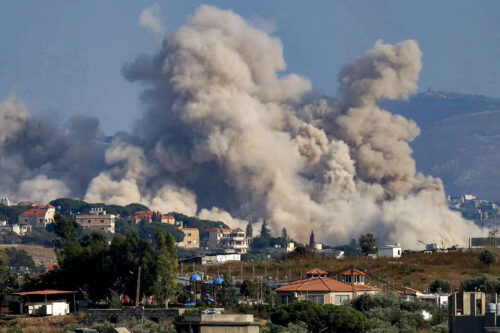
In many ways, the U.S.-Israeli war against Iran and the war in Gaza that preceded it seem transformative. After decades of shadow warfare, Iran and Israel have now attacked each other’s homelands directly. And Israel and the United States have joined forces in a genuinely novel way to wage war against Iran.
Get updates from the Middle East Institute
Featured Experts





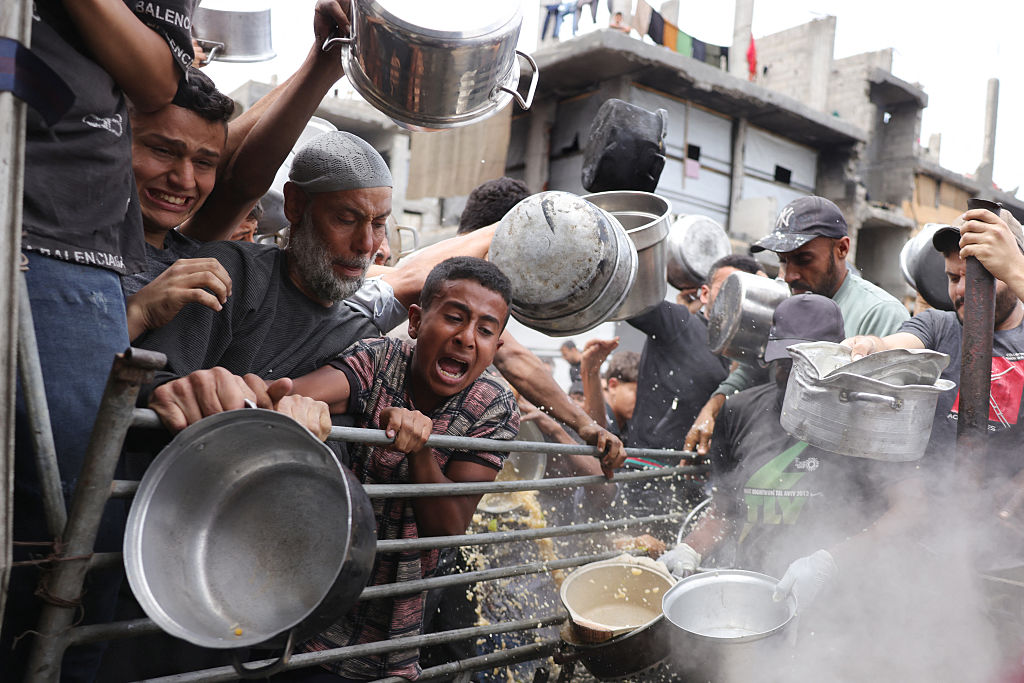
A devastating crisis for Palestinians in Gaza worsens
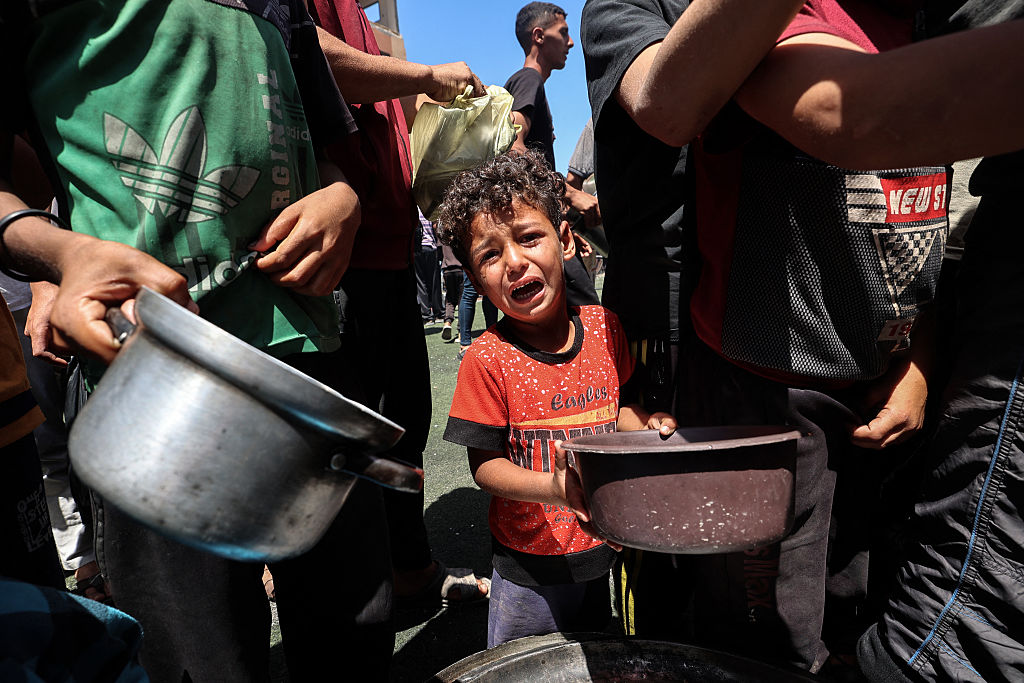
What has been unfolding in the Gaza Strip for millions of Palestinians is the direct consequence of the failures of political leaders who are ignoring best practices for the delivery of aid to innocent people caught in the crosshairs of a complicated war. Without a major shift in the current approach, the already dire conditions are only likely to deteriorate further going forward.
Back to reality: Gravity remains in place after Trump’s trip
The harsh realities of the region’s threats and challenges, like Iran and the Gaza war, stubbornly persist following the pomp and circumstance of Trump’s “spring bling” tour, which featured eye-popping dollar figures and an offer of a luxury jumbo jet from Qatar.

Trump's Middle East Approach, the Israeli-Palestinian Conflict, and the Future of US Statecraft – with Amb. Dennis Ross
Ambassador Dennis Ross joins host Brian Katulis to break down what President Trump’s recent trip through Saudi Arabia, the UAE, and Qatar revealed about the administration’s approach to foreign policy in the Middle East—and what it means for the future of the region. They discuss the significance and substance behind the announced mega-deals, what’s really going on with Iran and the Houthi ceasefire, and how Trump is handling relations with Israel amid the ongoing war in Gaza.
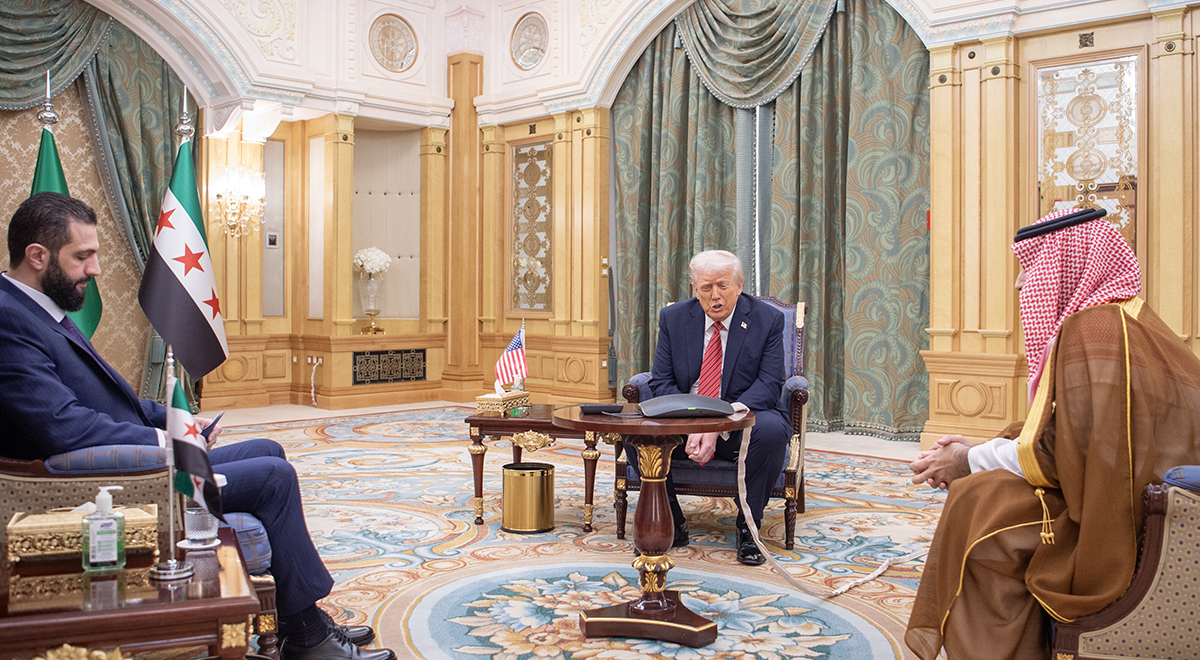
Trump should build on the momentum with Syria and help prevent a Turkey-Israel clash
Two recent developments present the new Syrian government with a critical opportunity to stabilize the country. First, US President Donald Trump announced plans to lift sanctions on Syria. Second, the Kurdistan Workers’ Party declared it would disband and dissolve itself — a move that will help Damascus to finalize a deal with the Syrian Democratic Forces and integrate it into the new Syrian national army. President Trump should build on this momentum and seize the opportunity to address one of the most complex remaining challenges facing Syria: the risk of a military confrontation between Turkey and Israel inside the country.
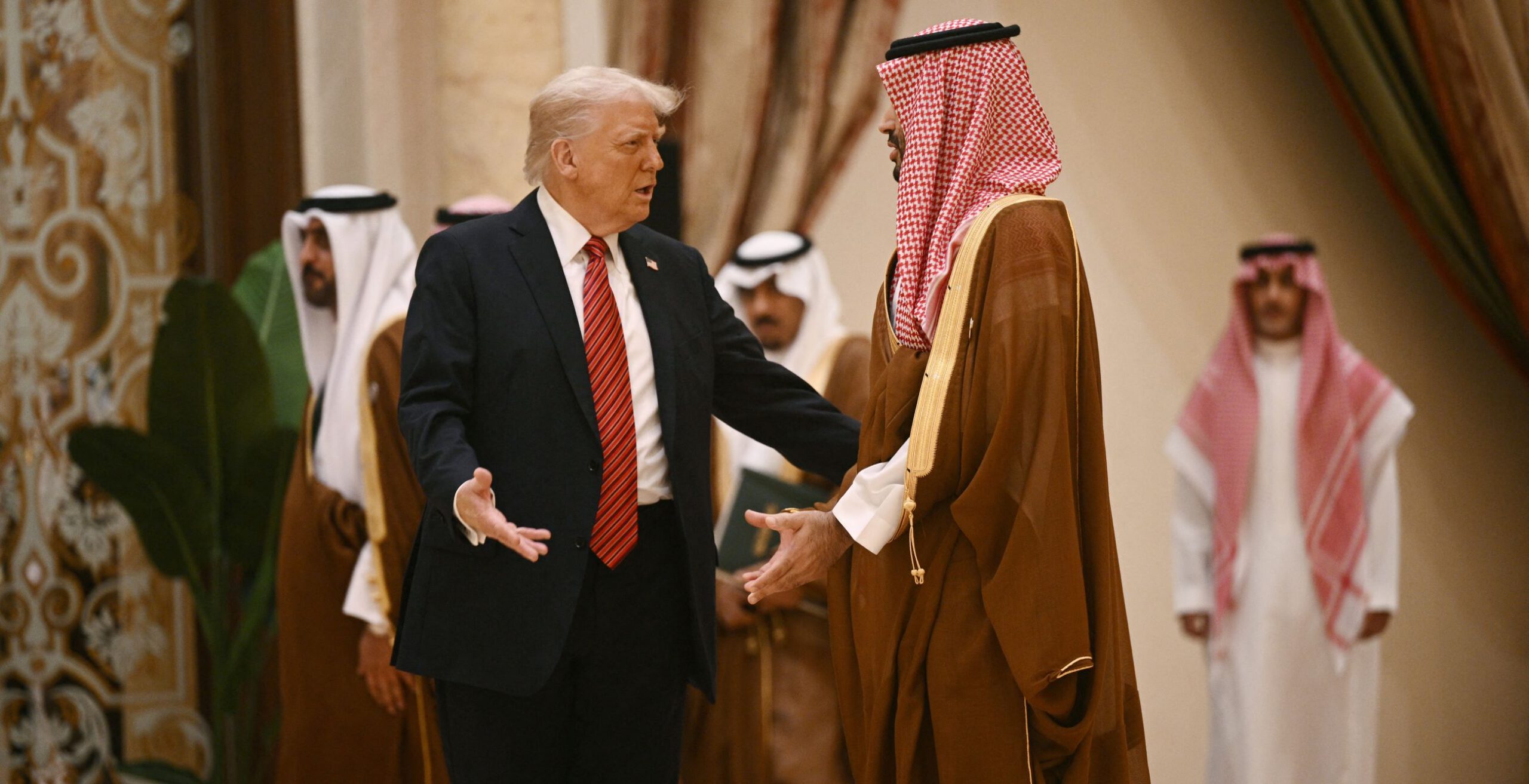
A midstream appraisal of Trump’s historic Middle East trip
One of the strategic thrusts of the opening months of Trump’s second terms has been aimed at deepening America’s economic engagement with the leading economies of the Gulf. Thus, the first leg of his trip to the region resulted in a template for deeper US-Saudi ties.

Illiberal Hegemony? Trump’s Foreign Policy and the GOP’s Identity Crisis – with Bill Kristol
Neoconservatives and MAGA isolationists are locked in a battle for the soul of Republican strategy. Nowhere is the split more glaring than over the Middle East: hawks view it as a proving ground for American power and allegiance to Israel, while isolationists see only endless wars that have bled America dry. Where does Trump fall in this tug-of-war?
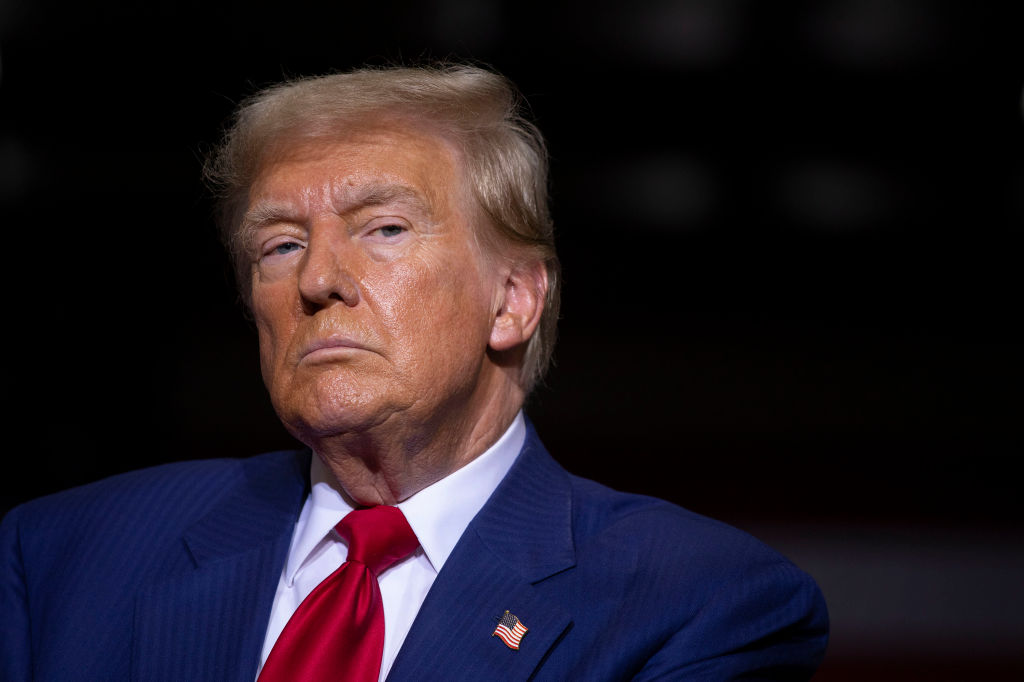
Trump’s domestic political support craters at the 100-day mark before his Middle East trip
President Donald Trump reached the 100-day mark in his second term this week seeing a sharp drop in his domestic political standing. This comes less than two weeks before Trump embarks on a key Middle East trip to the Gulf. The administration may be looking to the presidential visit as a chance to achieve some progress, but the region remains fraught with uncertainty and US policy in the Middle East rarely provides domestic political dividends.
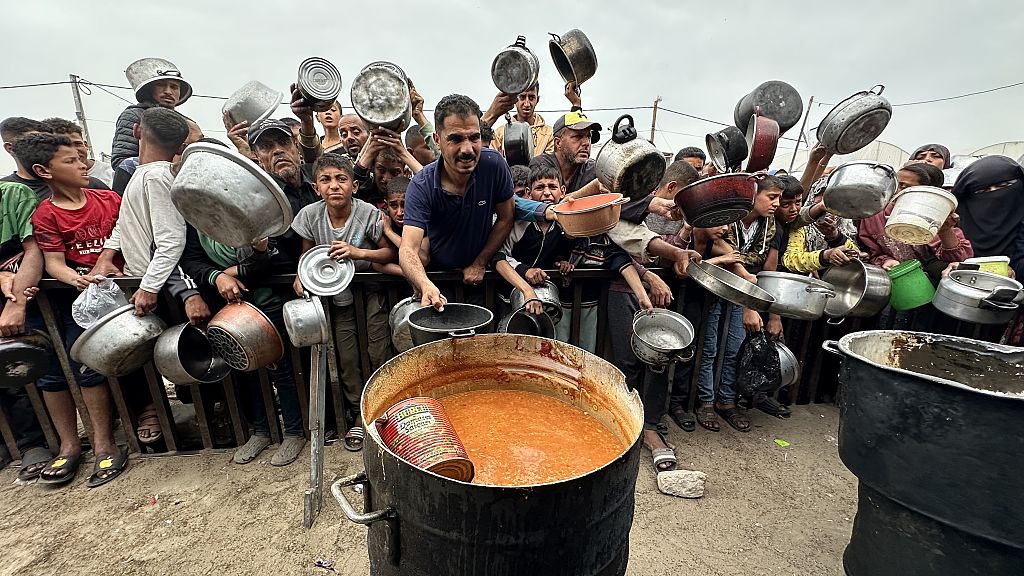
Deteriorating human security in Gaza will limit Trump’s Middle East aspirations
The spotlight on US policy in the Middle East remains focused on talks with Iran, with a third round set for Oman this coming weekend after discussions in Rome on April 19 offered some signs of progress. But a growing humanitarian crisis in the Gaza Strip and the stalled efforts to safely return hostages held by Hamas remain the biggest challenges that President Donald Trump’s administration has yet to address successfully.
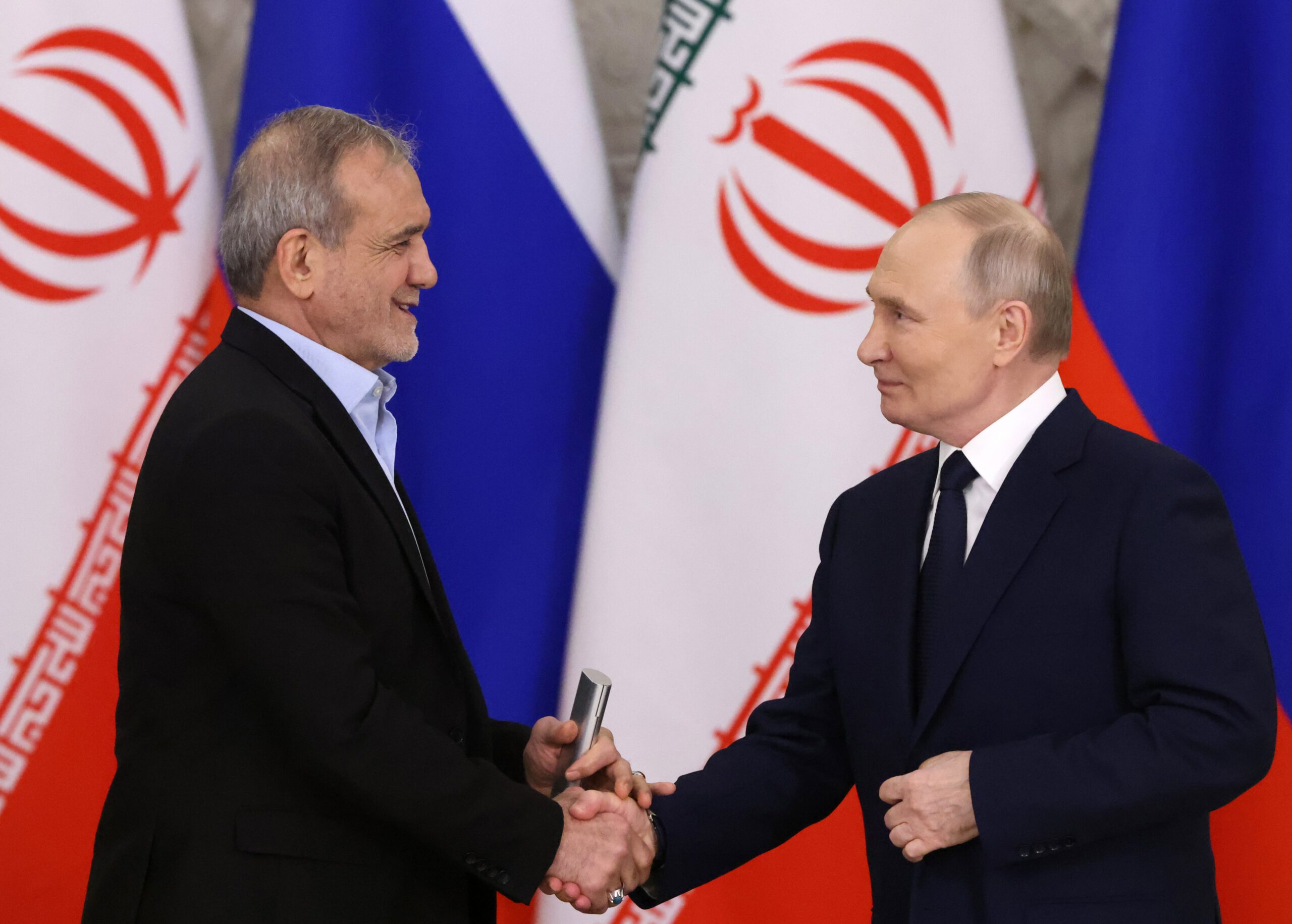
Could Russia support US-Iran negotiations? An indirect opportunity worth exploring.
On April 12, the United States and Iran wrapped up their first round of renewed diplomatic talks in Muscat, with round two set for April 19, in Rome. In the interim, Iranian Foreign Minister Abbas Araghchi is in Moscow to coordinate with the Russians. But the real breakthrough will not come from nuclear talks alone — it will require confronting the region’s most explosive fault line: the Iranian-Israeli standoff. Russia claims it can help.
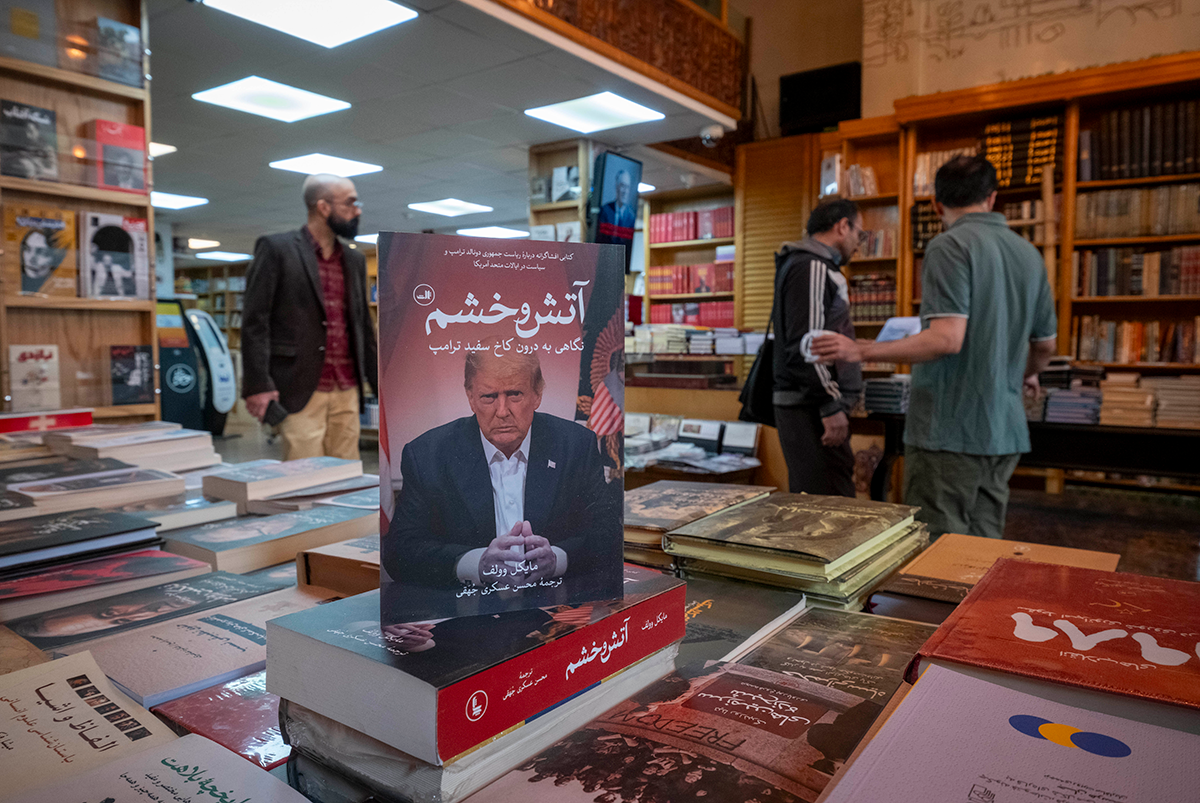
Thinking the unthinkable: Improved US-Iran relations under Trump?
It is no surprise that both Iran and the United States have approached their first diplomatic engagement in four years with wariness. There are plenty of reasons to be skeptical about the probability of the negotiations culminating in a deal. But it would be a mistake to assume that the conditions in 2025 are the same as existed in 2015. Time is not on the Iranians’ side now and changes afoot in the Middle East and the broader global community give Iran an incentive to move toward an agreement, assuming that Washington is sincere and realistic in its negotiations with Tehran.

Turkey’s strategic tangle
For months, Turkey’s government has been trying to accomplish three major tasks simultaneously or nearly so to solidify its hold on power at home and enhance its influence in the broader region. Its three-pronged approach to fulfilling that goal consists of seeking to 1) crush democracy and destroy the political opposition in Turkey by bringing serious criminal charges against Ekrem İmamoğlu, the popular mayor of Istanbul; 2) bring Turkey’s pro-Kurdish party into a coalition to win the next national election with current President Recep Tayyip Erdoğan continuing his 22-year rule; and 3) leverage its new and powerful influence in Syria to neutralize Kurdish power in the northeast and in the Syrian national government.
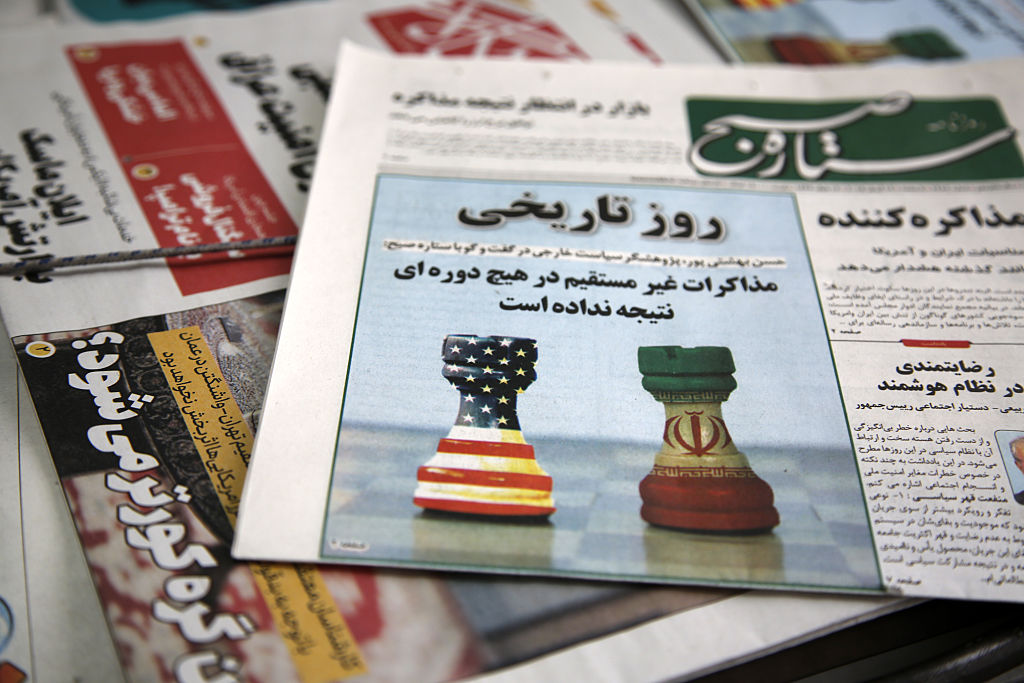
Three issues to watch in Trump’s emerging Iran policy approach
The biggest development this past week in the Middle East policy of Trump’s second administration was the initiation of talks between the United States and Iran. This small sign of hope for diplomatic progress comes at a time when the administration continues to implement an assertive and unpredictable economic unilateralism that has roiled global markets and reduced trust and confidence between the United States and most close international partners. Brian Katulis unpacks three things to watch closely as Trump’s Iran policy evolves and his broader national security approach unfolds.

Netanyahu and Israel at War
(This episode was recorded on Monday, April 7).
In this episode of Middle East Focus, hosts Alistair Taylor and Matthew Czekaj are joined by Eran Etzion, former deputy head of the Israeli National Security Council, for a revealing look inside Israel’s most pressing challenges.
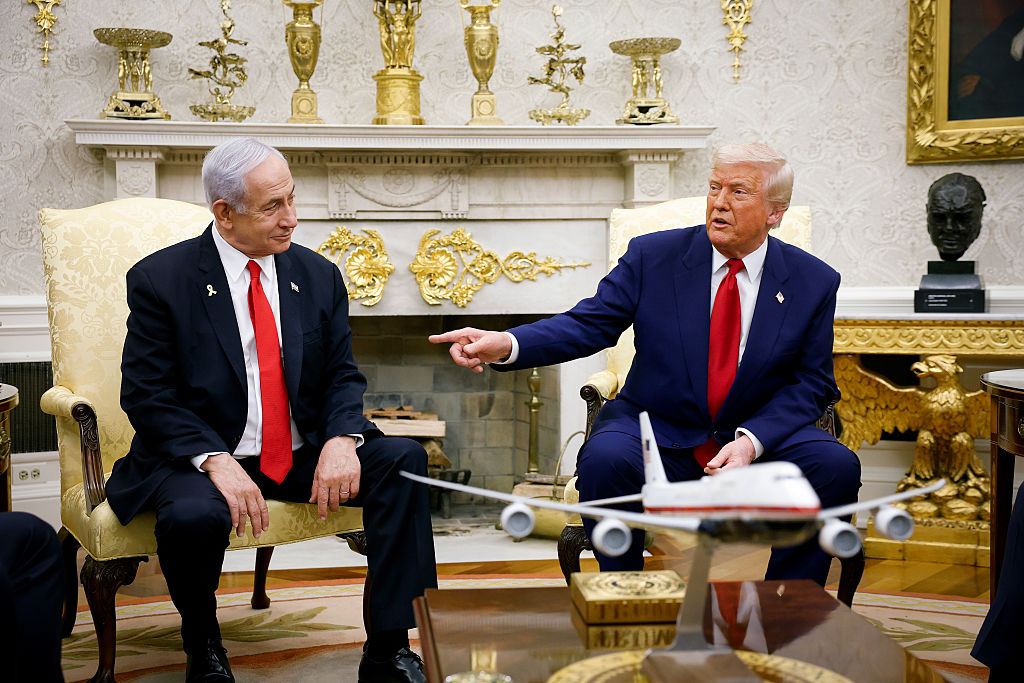
Trump’s whirlwind of uncertainty and chaos hits the global economy and the Middle East
US President Donald Trump surprised Israeli Prime Minister Benjamin Netanyahu by publicly announcing “direct” talks between the United States and Iran set to take place later this week. The American president also unleashed global economic uncertainty by announcing simultaneous, unexpectedly high tariffs on dozens of countries around the world — including a 17% duty on Israel — and kicking off an escalating global trade war.
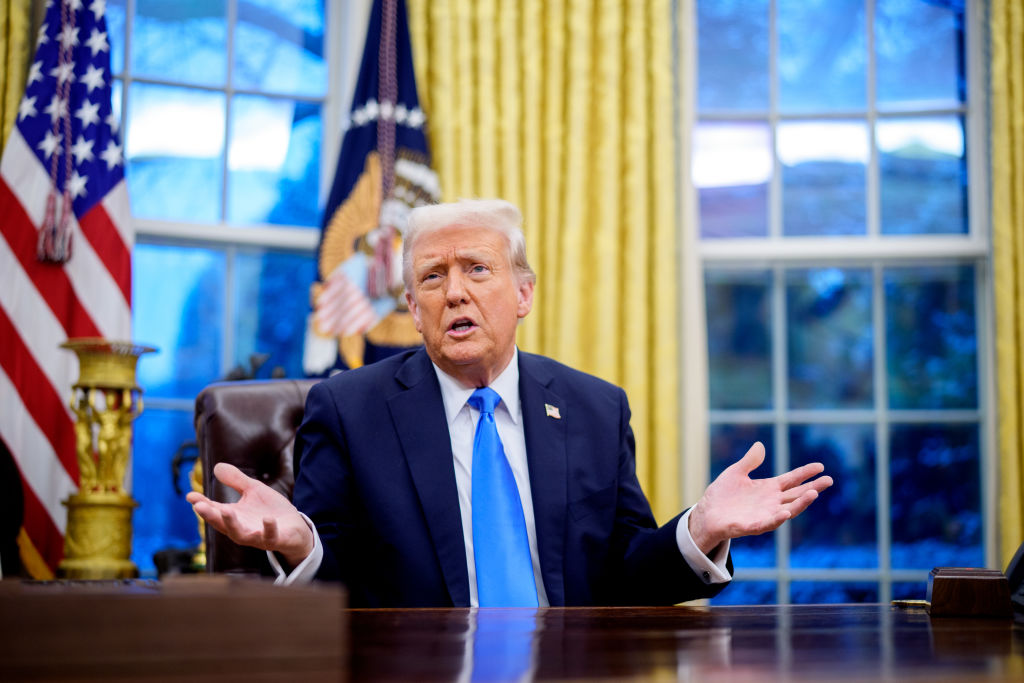
Trump’s upcoming Middle East trip presents opportunities at a time of increased risks
President Donald Trump confirmed this week that he plans to travel to Saudi Arabia and other Middle East countries later this spring. This visit will bring the region into sharper focus at a time when Trump’s priorities have focused closer to home and on his unique brand of economic warfare.
Read the Middle East Journal
The oldest peer-reviewed publication dedicated to the study of the modern Middle East, MEI’s flagship journal covers politics, society, and culture in the region.