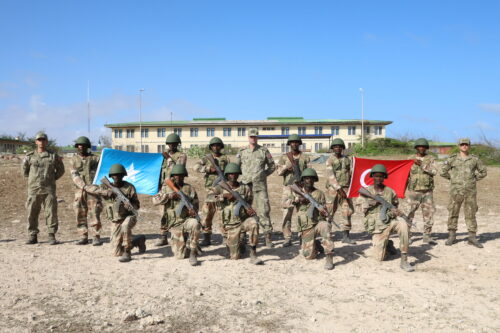

Reflections on a Diplomatic Career in the Middle East: A Conversation With Ambassador Yael Lempert
Brian is joined by Amb. (ret.) Yael Lempert, Vice President for Outreach at MEI, to discuss her career in diplomacy and the importance of US diplomatic efforts abroad. She shares stories from postings across the Middle East in Baghdad, Cairo, Tripoli, Jerusalem, and Amman and examines how her personal and professional experiences shaped her approach to the work. Together, Brian and Yael discuss the realities of life in the Foreign Service, the core tenets of American diplomacy, and why it matters in today’s Middle East.
The New Old Middle East
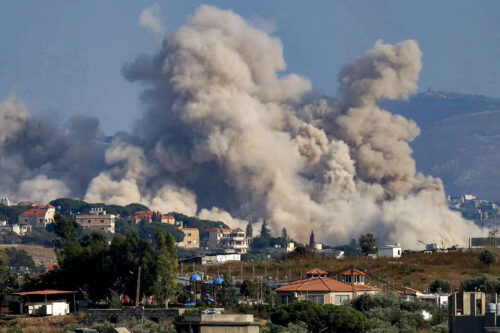
In many ways, the U.S.-Israeli war against Iran and the war in Gaza that preceded it seem transformative. After decades of shadow warfare, Iran and Israel have now attacked each other’s homelands directly. And Israel and the United States have joined forces in a genuinely novel way to wage war against Iran.
Get updates from the Middle East Institute
Featured Experts






War and Uncertainty in the Middle East: Assessing the Next Phase

The Iran War: Escalation, Energy, and the Uncertain Endgame
Five Fundamental Questions for US Foreign Policy as the Iran War Enters Its Fourth Week
The US and Israeli conflict with Iran is currently just past the halfway mark, according to US President Donald Trump’s initial estimate that it would take four to six weeks to achieve his objectives, but for now there is no end in sight. Here are five fundamental, strategic questions that require more attention as the media and political debates fixate on the day-to-day breaking news and tactics of this war.
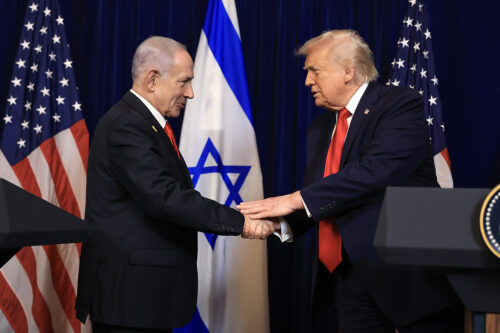
If the Regime Survives: Iran War Raises the Ante for US, Israel
The United States and Israel both hope for the grand prize: the emergence of a new regime in Iran to replace the Islamic Republic. For the US, this would close the chapter on a hostile and at times violent relationship that has endured since 1979. For Israel, this would see the end not only of a regime with a deep ideological commitment against it but also the foe that Israel sees as behind all fronts of the war it has fought since October 7, 2023.
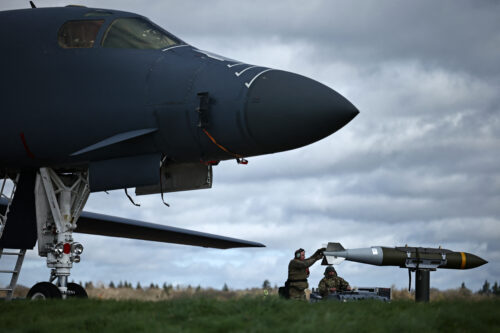
How the US and Israel Can Stave off Strategic Failure in Iran
Despite a dazzling military onslaught, an Iranian regime that faces a threat to its very existence is demonstrating an entirely predictable willingness to stay the course at all costs. As things stand now, the joint US-Israeli war risks ending in military victory but becoming a strategic failure.
Surviving October 7th: Amir Tibon on Trauma, War, and Israel’s Future
Brian is joined by Amir Tibon, a journalist for Haaretz and the author of The Gates of Gaza: A Story of Betrayal, Survival, and Hope in Israel’s Borderlands and The Last Palestinian: The Rise and Reign of Mahmoud Abbas. On October 7, 2023, the Tibon family’s lives were changed forever when Hamas militants invaded Nahal Oz kibbutz, destroying their community, brutally killing their neighbors, and taking others hostage. Together, Brian and Amir examine the fallout from the events of October 7th, how public opinion in Israel and the United States has shifted over the past two and a half years, Israeli Prime Minister Benjamin Netanyahu’s political strategy, and what this all means for the future of Israel and its relationship with Palestinians and the broader region.
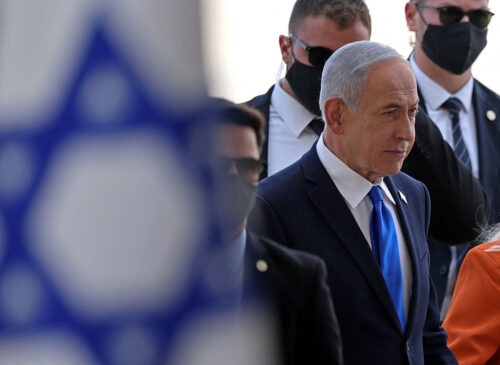
War with Iran: A view from Israel

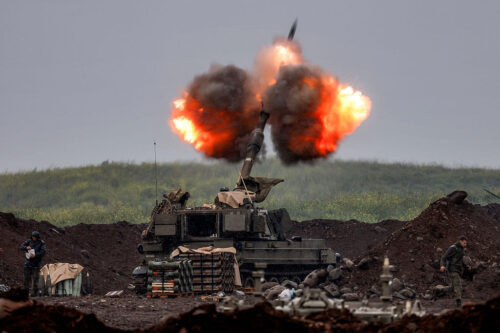
The Broadening Conflict: Security Developments and Regional Escalation
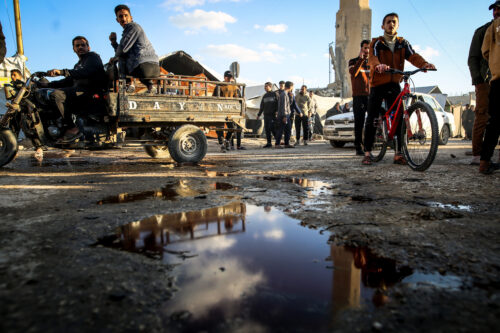
Why we must talk about Gaza now
As the war with Iran consumes regional attention, Gaza is again being pushed aside. That is not just a humanitarian failure. It is a strategic mistake that could squander a rare opening for political transition while allowing Hamas to weaponize abandonment once more.
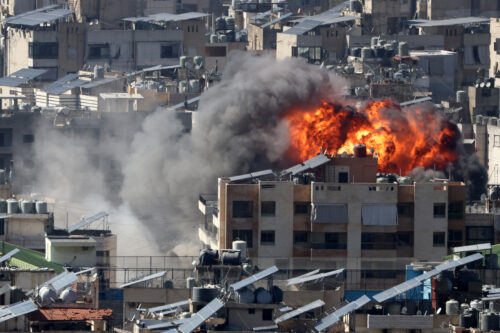
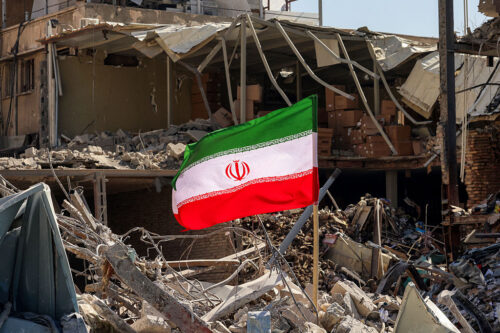
Escalation, Deterrence, and Iran’s Strategic Calculus
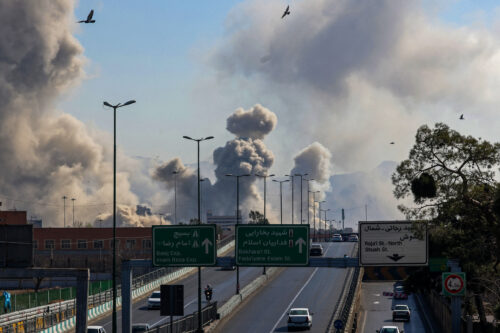

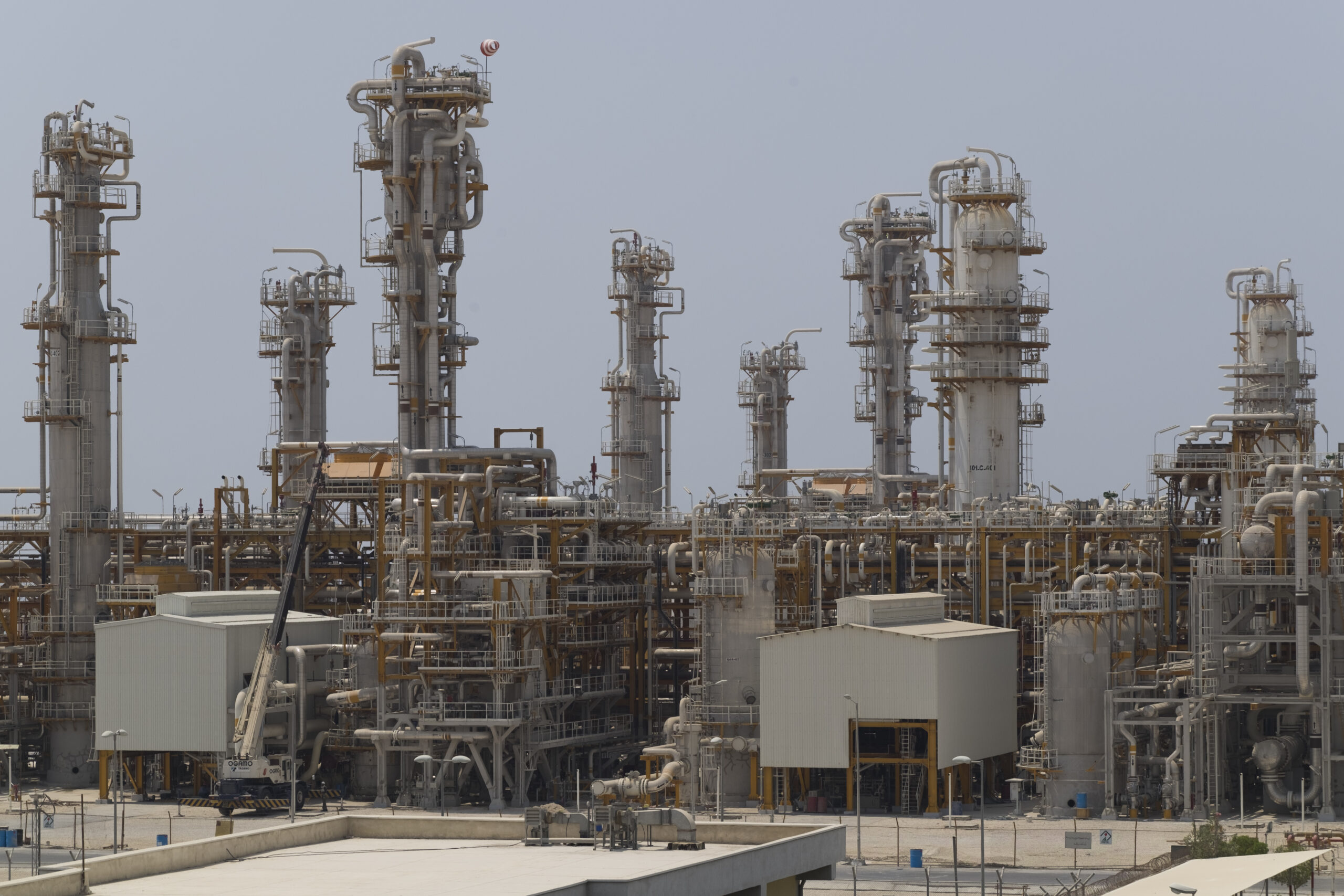
The Gulf Under Fire: War, Markets, and the Cost of Escalation
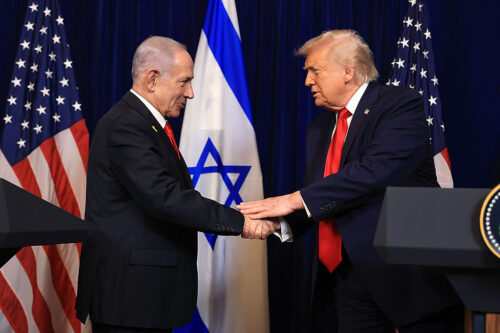
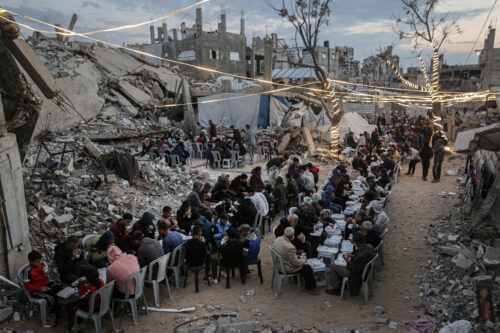
Disarmament as a Means, Not an End: A Practical Strategy for Gaza’s Governing Transition
Disarmament is necessary in Gaza. It is the only way to realize the goals articulated in the internationally endorsed 20-point plan laid out by the Trump administration. But a policy approach that makes disarmament a prerequisite for action on governance, recovery, freedom of movement for Gazans, and any credible political horizon is structurally and strategically counterproductive.
Read the Middle East Journal
The oldest peer-reviewed publication dedicated to the study of the modern Middle East, MEI’s flagship journal covers politics, society, and culture in the region.