Israel/Palestine: What the Iran War Broke and What May Yet Be Salvaged
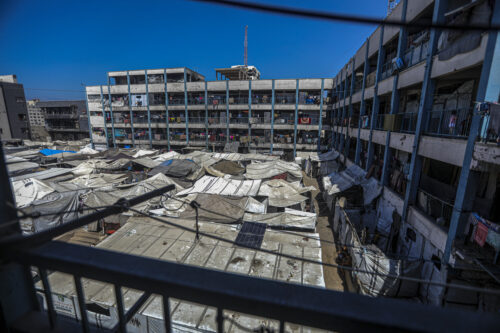
The 20-point plan for Gaza introduced before the war with Iran began has languished, with no meaningful recovery, reconstruction, Hamas disarmament, governance transition, or Israeli withdrawal. The diplomatic pivot back to Gaza in late July and early August suggests that the Iran war’s stubborn persistence may be causing the US and regional actors to seek wins on other fronts.
Reflections on a Diplomatic Career in the Middle East: A Conversation With Ambassador Yael Lempert
Brian is joined by Amb. (ret.) Yael Lempert, Vice President for Outreach at MEI, to discuss her career in diplomacy and the importance of US diplomatic efforts abroad. She shares stories from postings across the Middle East in Baghdad, Cairo, Tripoli, Jerusalem, and Amman and examines how her personal and professional experiences shaped her approach to the work. Together, Brian and Yael discuss the realities of life in the Foreign Service, the core tenets of American diplomacy, and why it matters in today’s Middle East.
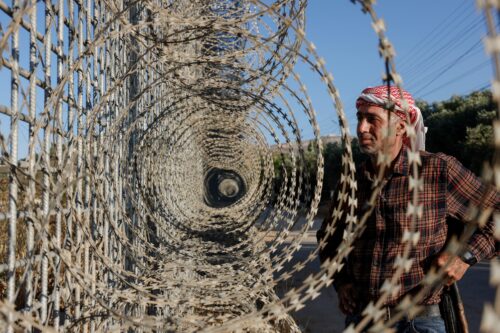
This report considers the lack of Palestinian political agency as a driver of regional insecurity that must be resolved before wider conflicts can be settled. The author analyses the conditions that contributed to the destruction of Palestinian political capacity, including Israeli policies, Palestinian shortcomings, and exploitation by Iran, and makes recommendations for an Arab strategic initiative.
Walls and Goals: The Israeli-Palestinian Encounter in Football
Dedicated to the memory of Israel Tzvi Raab Z”L, a true lover of the game
The long, complex encounter between the Israeli and Palestinian people has been examined in many cinematic and literary creations. In this essay, I will explore several that use football as a lens to read opposing political agendas and as a means to resolve conflict.
A Step on the Path to Peace: How Basketball is Uniting Arab and Jewish Youth in Jerusalem
Basketball is a game where all five players need to share the ball. If it is played with great teamwork, the sum of the parts is greater than the individual. It’s a great forum for building trust. A lot of the game happens with things you can’t see. Communication and trust with teammates is the key. It seems to me that the same can be said of peacemaking.
–R.C. Buford, General Manager of the NBA’s San Antonio Spurs[1]
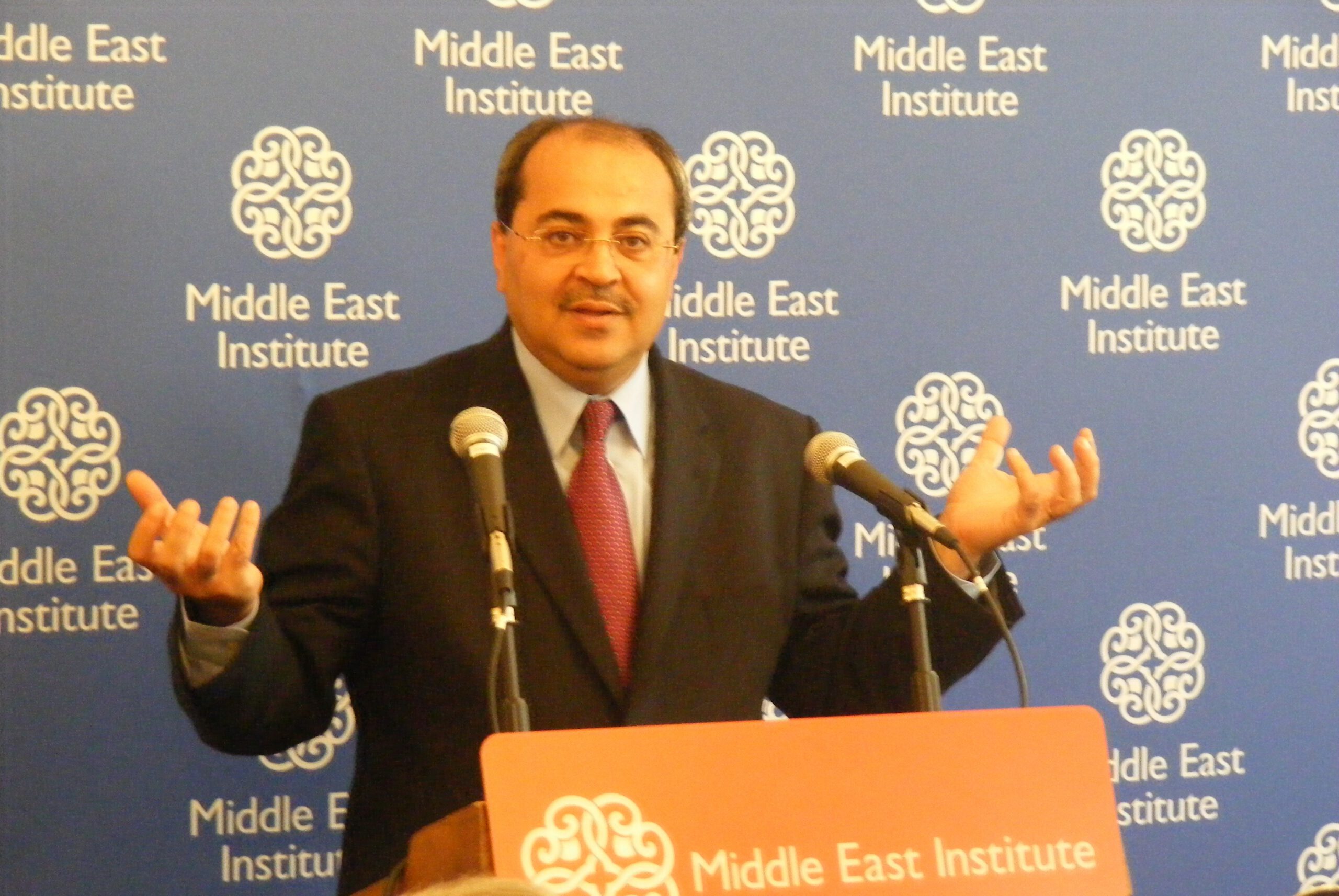
The Israel-Palestine Conflict: Views of a Palestinian-Israeli member of the Israeli Knesset
Dr. Ahmad Tibi is a member of the Arab Movement for Change and was first elected to the Israeli Knesset in 1999. He currently serves as Deputy Speaker of the Knesset and head of the parliamentary committee of inquiry, which seeks to accommodate Palestinians through integration into jobs in the public sector. He has played a key role in the politics of the Palestinian-Israeli community, which constitutes approximately one fifth of Israel's population. He has also played a key role in relations between Palestinian-Israelis and Palestinians in the occupied territories and Dr.
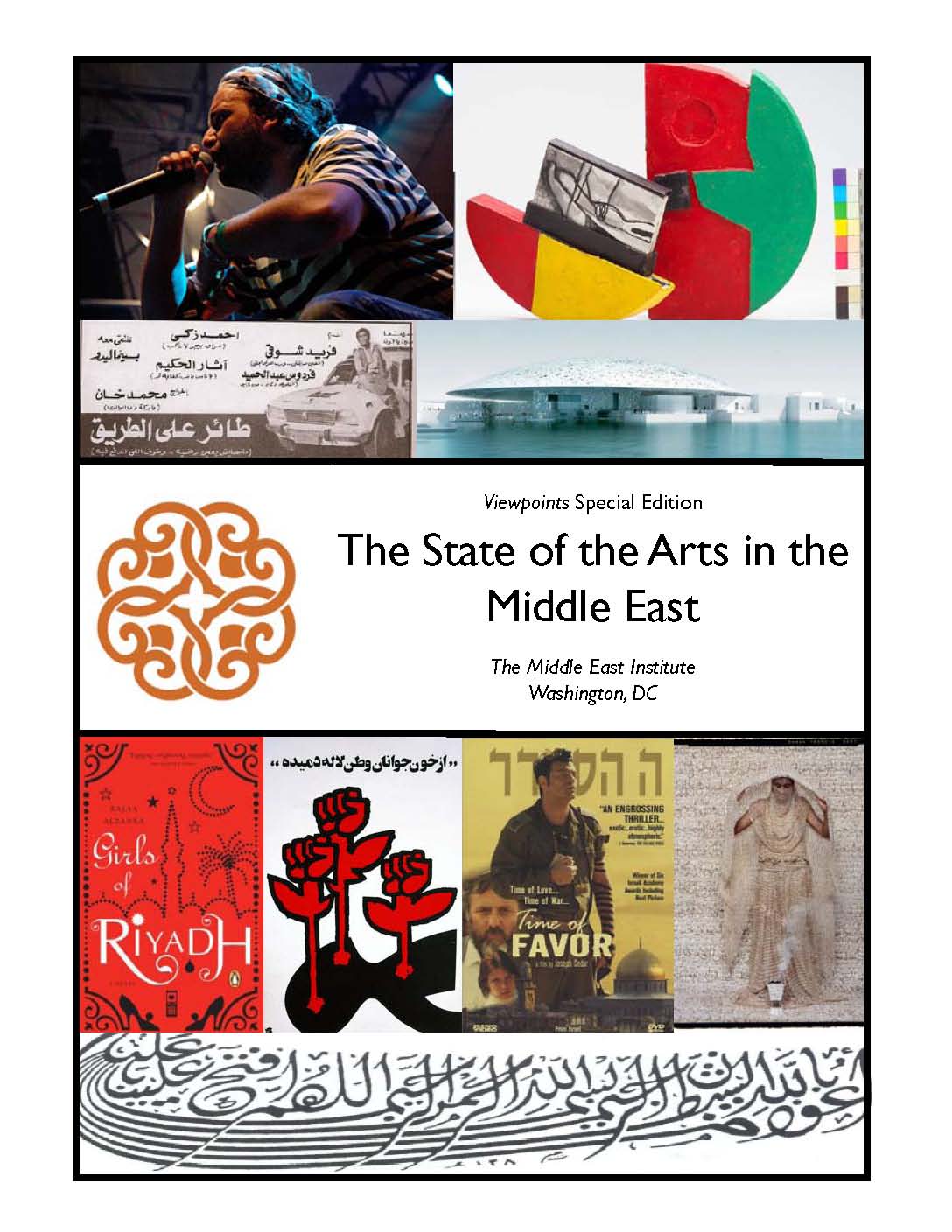
Introduction to The State of the Arts in the Middle East: Volume IV
Literature, visual art, and photography not only serve an aesthetic purpose, but often act as mediums through which their creators explore deeply personal experiences and their broader social implications. In this, the fourth volume of MEI’s “The State of the Arts in the Middle East,” Najat Rahman considers the works of the Palestinian artists Emily Jacir and Eman Haram, and W. Scott Chahanovich (with Pauline Pannier) discusses the memoirs of the Moroccan-born writer Abdellah Taïa.
Economic Peace in the West Bank and the Fayyad Plan: Are They Working?
There can be a democratic, de facto Palestinian state by 2011, according to Salam Fayyad, the Prime Minister of the Palestinian Authority (PA). The goal was outlined in an eloquent two-year plan entitled “Ending the Occupation, Establishing the State,”[1] published in August 2009, which called for the formation of the institutional foundations of statehood prior to, and independent of, an agreement with Israel.
Introduction to The Legacy of Camp David: 1979-2009
Since the “Six Day War” in June 1967, countless American and other diplomats have sought almost continuously to broker peace between Israel and its surrounding Arab enemies. From that tangled history, one achievement stands tallest in a forest of scrub: the Egypt-Israel Treaty signed on March 26, 1979 on the White House front lawn by President Anwar Sadat, Prime Minister Menachem Begin, and President Jimmy Carter.
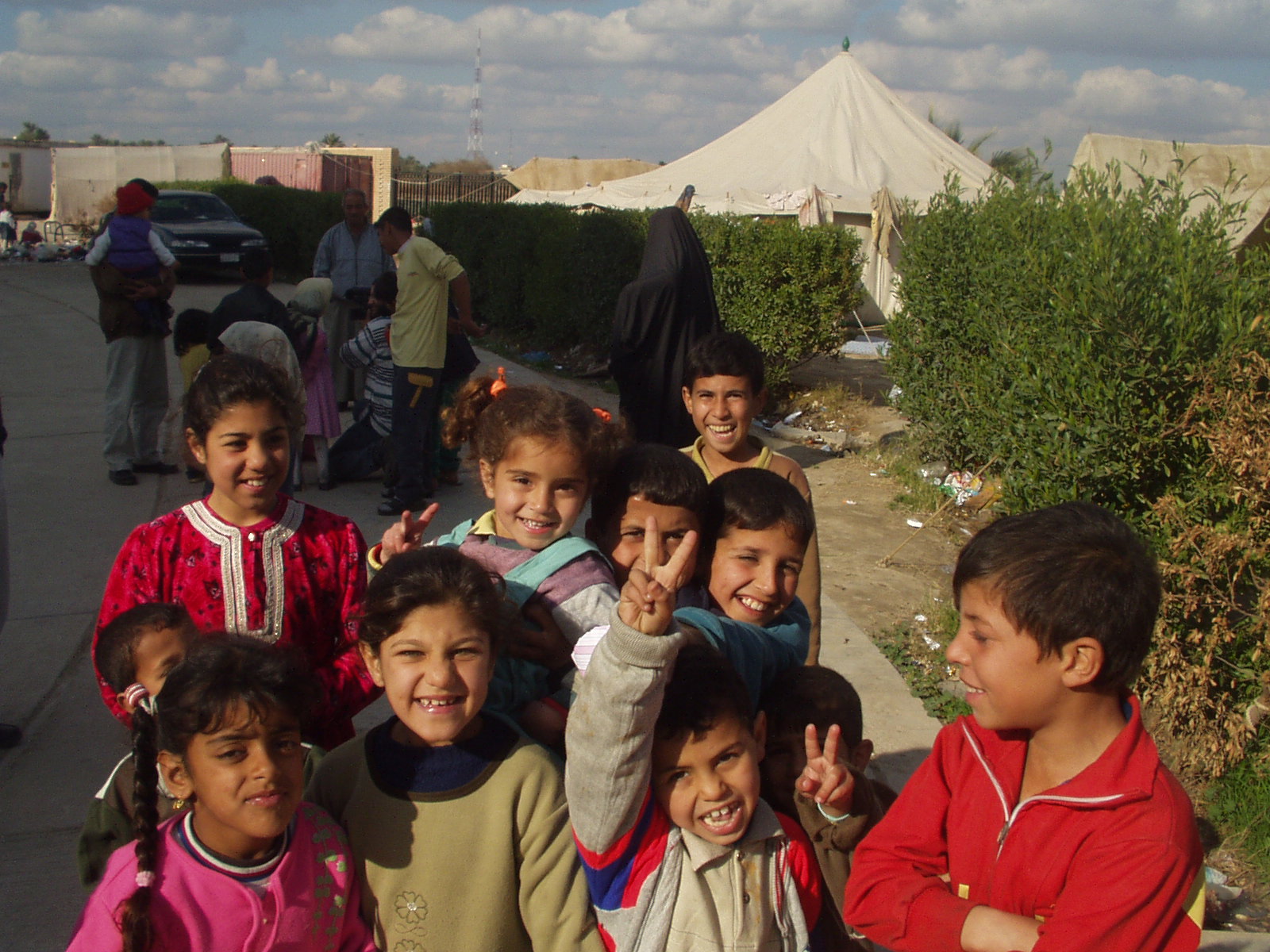
Palestinian Refugees from Iraq in Critical Need of Protection
Originally posted July 2008
“The twice-displaced Palestinian refugees are one of the worst-off groups in a country full of desperate people. … They have no country to go to, no valid travel documents, no protectors inside Iraq, and hardly anyone prepared to support them outside either. … It is to everyone’s dishonor that these human beings are still rotting [in border camps] and — worst of all — in Baghdad where one or more is being murdered virtually every day.”1
The Jordan Valley is a lush, wetland ecosystem that is the biological heart of the Middle East region at large. As the meeting point of the Asian, African, and European continents, the valley is at the crossroads of biodiversity. In addition to the unique flora and fauna, the valley is one of the world’s most important migratory pathways for birds. Over 500 million birds migrate from Europe to Africa twice a year, dependent on the Jordan Valley as a stopping ground on their long journey.
The oldest peer-reviewed publication dedicated to the study of the modern Middle East, MEI’s flagship journal covers politics, society, and culture in the region.