The Schism of Jihadism in the Sahel: How Al-Qaeda and the Islamic State are Battling for Legitimacy in the Sahelian Context
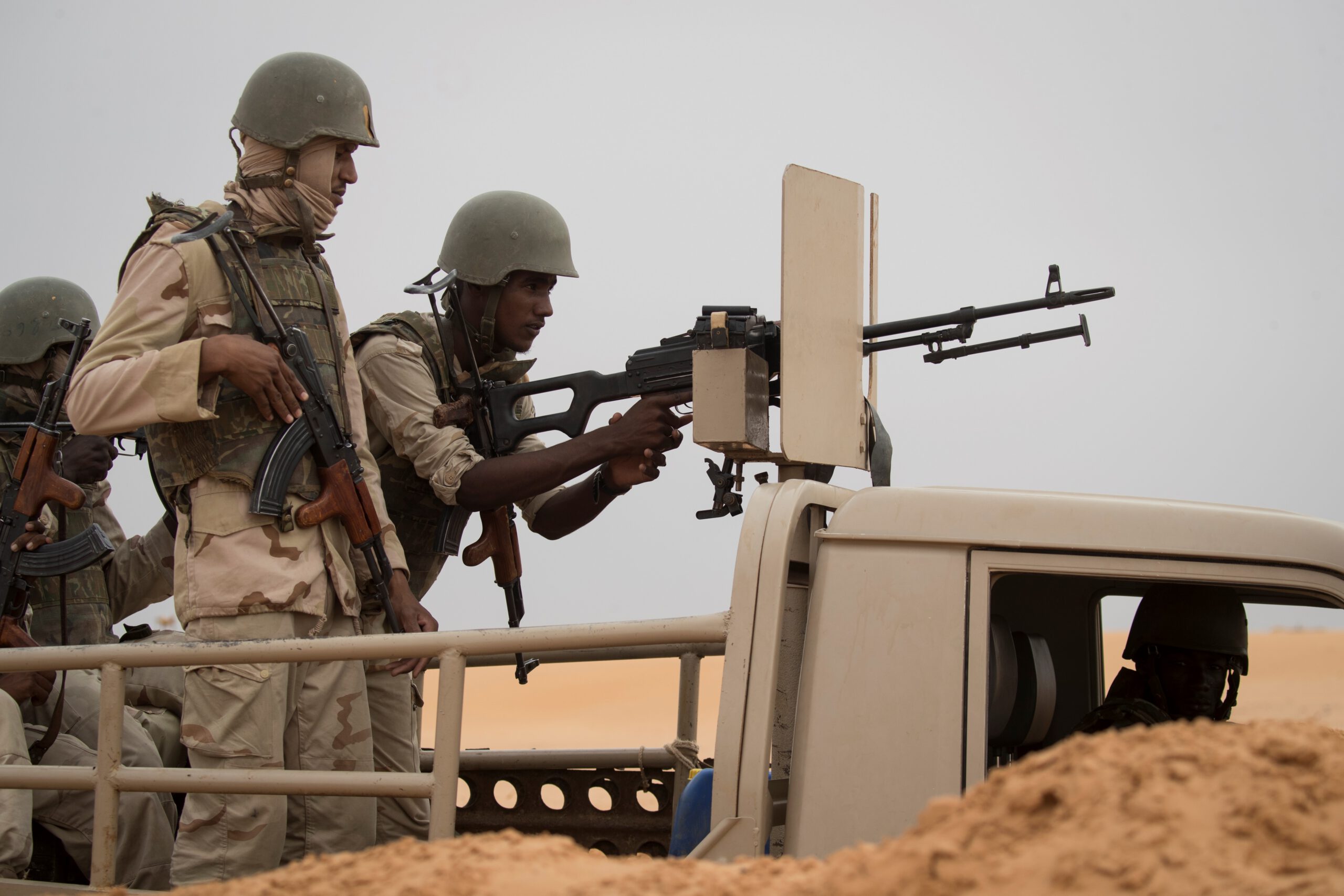
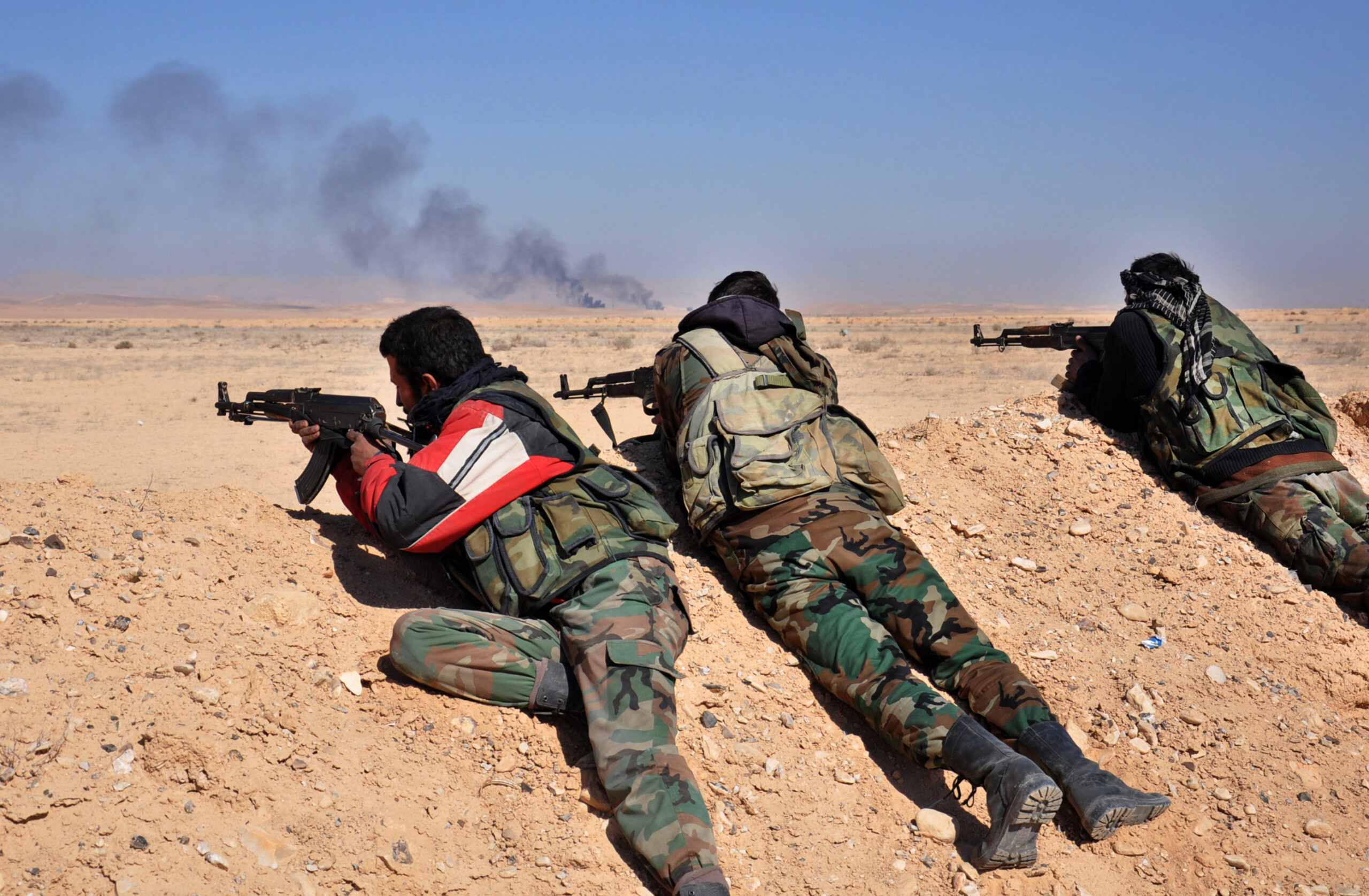
This paper examines the prospects of jihadist expansion in the Sahel region and its implications for security actors and civilian populations alike. It investigates the role of propaganda and public discourse narratives in bolstering jihadist group legitimacy and advancing attempts by groups seeking to generate local embeddedness and mass support. It offers a nuanced perspective of inter-jihadist contestation, one that goes beyond mere focusing on security operations and clashes and delves more deeply into group framing and identity.
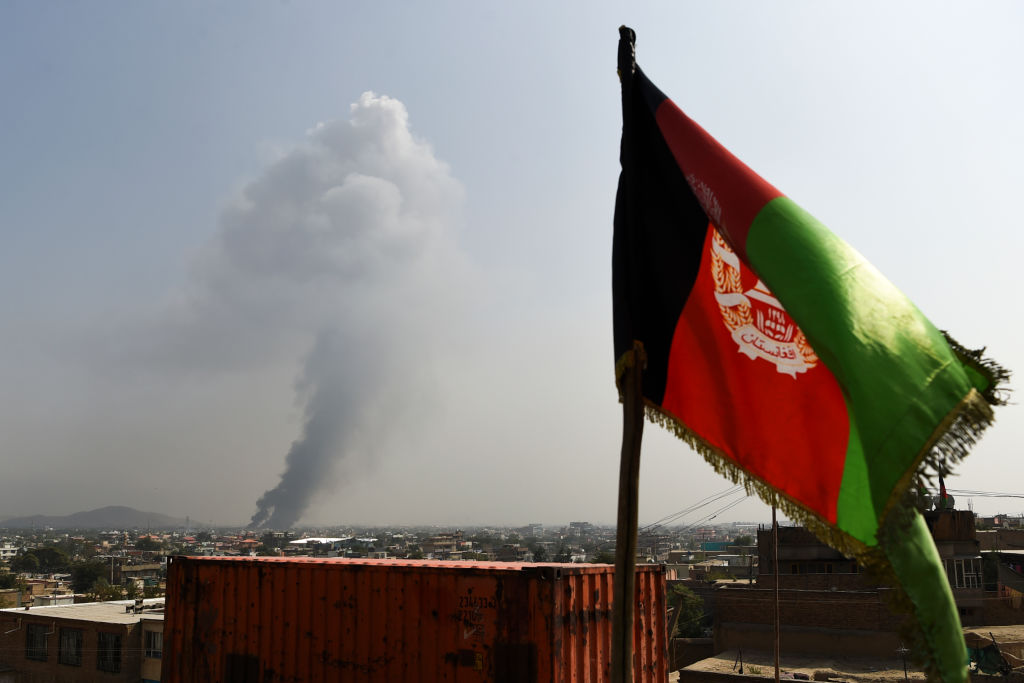
How digital rights are key to protecting Afghans under the Taliban
Like the rest of the world during the past 20 years, Afghanistan has lived much of its life online and via networked technology; a multifaceted understanding of how digital rights are foundational to protecting Afghans in the face of an uncertain future must be key to any humanitarian or policy strategy undertaken by the U.S. or the international community.
Thinking MENA Futures: The Next Five Years and Beyond
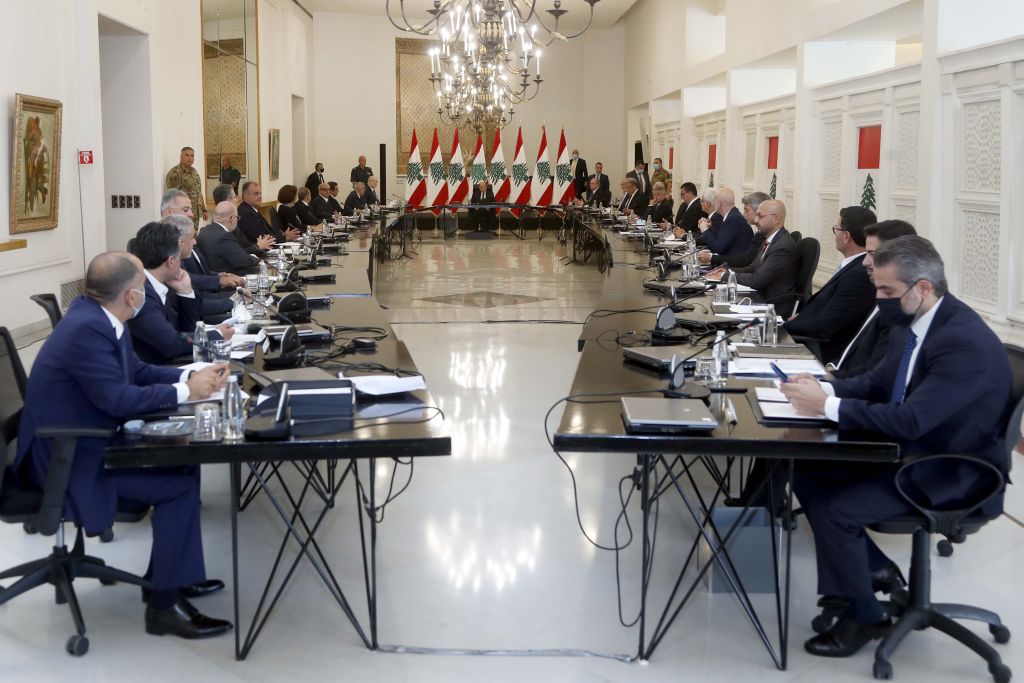
The Middle East and North Africa (MENA), for a variety of reasons, are unrivaled in their need for bold, creative thinking about their future. But that is precisely why creative thinking about the future of the region — why strategic foresight — is essential. Produced in conjunction with MEI’s Strategic Foresight Initiative, Thinking MENA Futures aims to map out some of the possible futures for the region, as envisioned by thoughtful innovators working today to realize them.
Twenty years ago, on September 11, 2001, al-Qaeda attacked New York and Washington, killing nearly 3,000 people. The terrorist attacks and their aftermath transformed U.S. policy, giving rise to the war on terror and the military intervention in Afghanistan. On the 20th anniversary of 9/11, scholars and Advisory Council members of MEI’s Countering Terrorism and Extremism Program offer their reflections.
Russia and the digital Middle East: An old game made new?
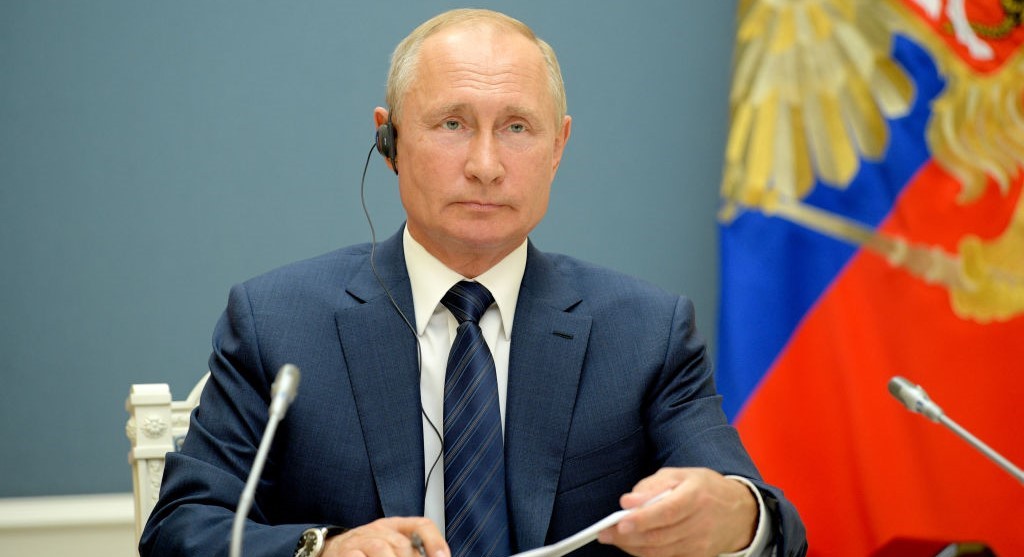
For over a decade, Russia’s immediate neighborhood has been subject to the vagaries of the Kremlin’s cyber operations. Russia has effectively used cyberspace to advance its adversarial goals, be it through combining cyberattacks with military action during its war with Georgia, or targeting essential power grids in Ukraine. Advancing its cyber capabilities has enabled Russia to reassert its status as a superpower and hit targets anywhere in the world. In recent years, as the use of social media grew, the information war in cyberspace became the Kremlin’s primary tool for discrediting its perceived archenemy: “The West.” The Middle East, with its increasing dependence on social media for news, has also fallen prey to Moscow’s disinformation campaigns. Russia’s main disinformation narratives in the region stem from its Soviet-inherited superpower complex and its broader strategic imperatives on the international stage.
Elisabeth Kendall and Nadwa al-Dawsari join Charles Lister to discuss Al-Qaeda in the Arabian Peninsula (AQAP) and its place in Yemen’s persistent internal conflict.
Islamic State Under-Reporting in Central Syria: Misdirection, Misinformation, or Miscommunication?
The central media apparatus of the Islamic State group is mis-reporting on the activities of its cells in central Syria. Rather than exaggerating their capabilities, something that it is conventionally assumed to be doing all the time, its Central Media Diwan appears either to be deliberately under-playing them, or, less likely, to be unaware of their full extent, possibly due to communication issues.
Al Qaeda and lessons from the past 20 years of counterterrorism
Peter Bergen and Colin Clarke join guest host Charles Lister to discuss Bergen’s new book, The Rise and Fall of Osama Bin Laden, as well as the Biden administration’s handling of the US withdrawal from Afghanistan and concerns about the country once again becoming a safe haven for Al Qaeda under the Taliban.
Content moderation trends in the MENA region: Censorship, discrimination by design, and linguistic challenges
Over the past decade, social media and communications platforms such as Facebook, Twitter, and WhatsApp have emerged as important spaces for civil society, journalists, and everyday people in the Middle East to express themselves and organize. However, users’ experiences on these platforms often differ as platforms’ enforcement of their content policies varies by geography, language of use, and context. These flaws in the content moderation system can harm users residing in and around the Middle East, as well as those who use Middle Eastern languages such as Arabic.
The Taliban and the formation of a new Afghan government
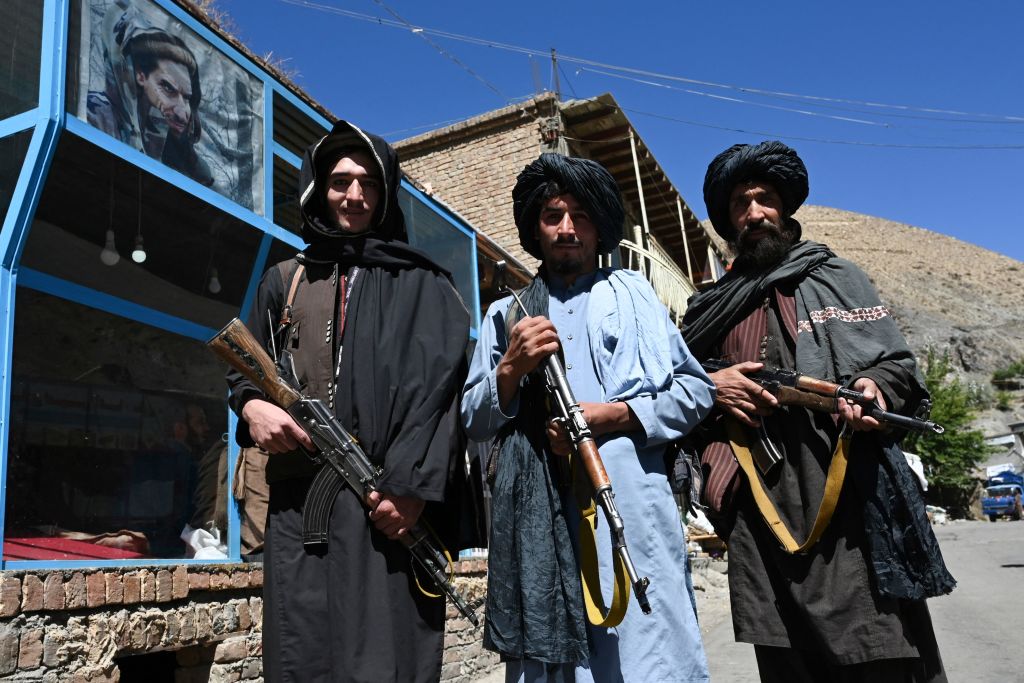
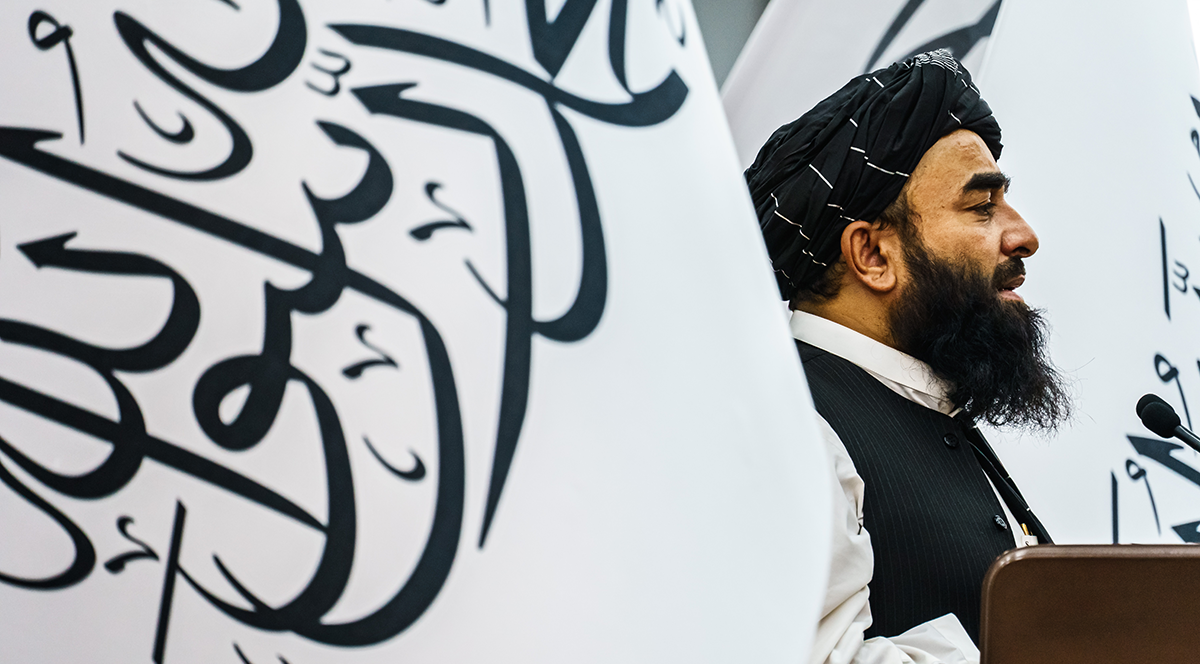
A week and a half after the fall of Kabul, the world has yet to fully recover from the shock of how quickly the Ghani regime collapsed. As U.S. and international forces continue their evacuations and many Afghans struggle to leave for Western countries, the formation of a new government in Kabul has picked up pace. The Taliban have been consulting all stakeholders to form a government that has broad support from a variety of Afghan populations — one they say will be “inclusive” and “Islamic” — but what that will actually mean or look like in practice is as yet unclear.