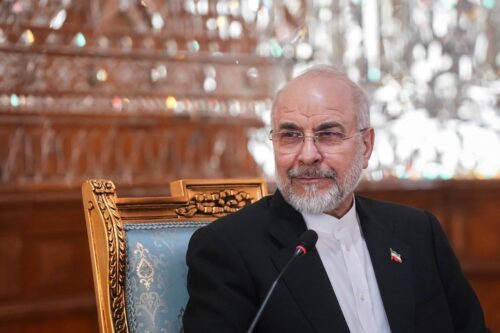

Attacked by All Sides Iraq’s New Government Faces Old Problems
After months of deadlock following the November 2025 elections, Iraq’s parliament approved a new government under Prime Minister Ali al-Zaidi on May 14, 2026 — just as the country has become a battleground in the US-Israel-Iran war. Zaidi inherits a daunting brief: reviving a struggling economy, reining in armed factions, and steering Iraq through a perilous regional landscape. Dr. Renad Mansour, deputy director of the Middle East and North Africa Programme and director of the Iraq Initiative at Chatham House, joins host Alistair Taylor to discuss the war’s impact on Iraq — from Iran’s militia networks to the surge of attacks on the Kurdistan region — and how it’s reshaping Baghdad’s ties with Tehran and Washington.
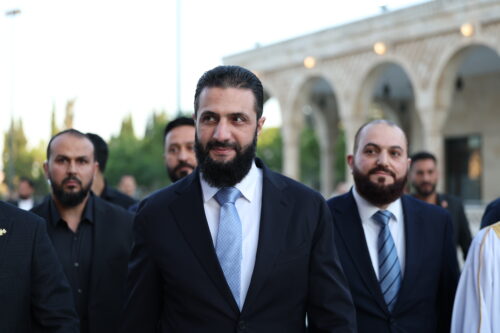
Syria’s State Sponsor of Terrorism Designation Is Blocking Its Recovery

Can Turkey’s Opposition Fight Back?
A Turkish court has taken a dramatic step that could reshape the country’s political landscape. It annulled the results of the CHP’s 2023 party congress, effectively overturning the election of Özgür Özel as leader of Turkey’s main opposition party and potentially paving the way for former chairman Kemal Kılıçdaroğlu to return.

Can the Latest US Plan Bridge Libya’s Divide?
Can Hamas Be Disarmed?

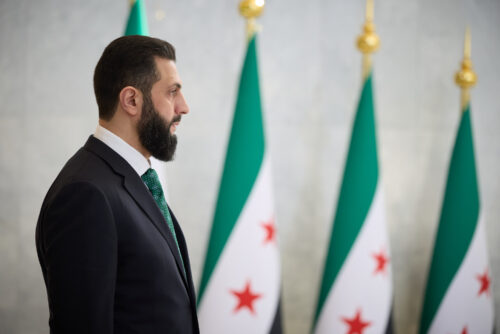
Syria’s New Investment Law and the Return of State-Mediated Market Access
As Syria moves toward reconstruction, the country’s new authorities have already made a consequential decision about who will control the postwar economy. Last June, President Ahmed al-Sharaa enacted Investment Law 114 by presidential decree, granting sweeping and permanent concessions to investors. Yet rather than make those incentives broadly accessible, the law preserves the country’s longstanding model of state-mediated market access.
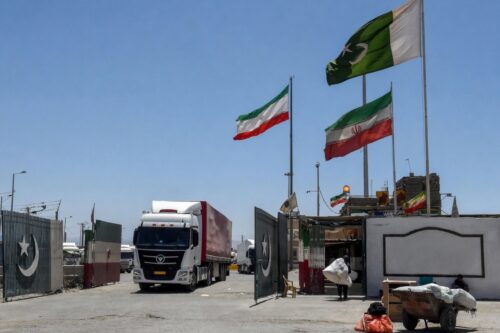
Beyond the Strait of Hormuz: How War Is Redrawing Trade Routes—and Elevating Pakistan
Pakistan is not merely reacting to the current phase of the 2026 Iran war; it is functioning as a system-adjusting intermediary within a rapidly reordering regional landscape. As established channels of diplomacy, trade, and financial coordination have fractured under wartime pressure, Islamabad has emerged as a critical node through which regional and extra-regional actors are progressively rerouting engagement, commerce, and influence.
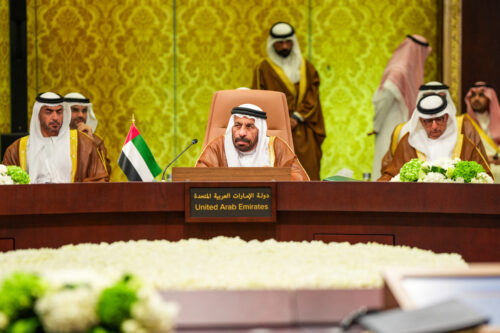
Agile Power: The UAE’s External Policy in an Era of Fragmentation
The external policy of the United Arab Emirates (UAE) is increasingly shaped by systemic fragmentation, regional insecurity, and shifting patterns of great-power engagement. In response, Abu Dhabi has moved away from reliance on fixed alignments toward a strategy of strategic diversification across security, economic, and technological domains.
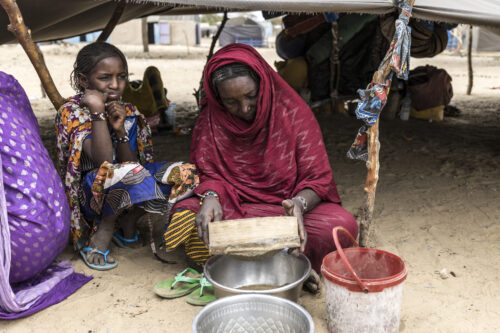
The Far Reach of the Iran War: Food Insecurity from North Africa to the Sahel
Within weeks of the Strait of Hormuz closure, fertilizer prices began to rise sharply. Tanker traffic through the strait, which handles one-third of the global fertilizer trade, fell by 90%. Across North Africa the impacts are multiplying, and this is having ripple effects for the Sahel in the south, adding to food price inflation, migration pressures, and the erosion of state legitimacy. The situation underscores how food security is a governance issue compounded by geopolitical crisis.
Will the PKK Really Disarm?
In 2025, jailed PKK leader Abdullah Öcalan made a historic call for the group to disarm and dissolve, raising hopes of ending a 40-year conflict that has shaped Turkey and the wider region. Months later, the PKK symbolically laid down arms in what many viewed as a breakthrough moment for the peace process.
How to Wrest Lebanon From Iran’s Grip
Despite efforts to extend the cease-fire in Lebanon and disarm Iranian proxy Hizballah, fighting continues between the militant group and Israeli forces. Hosts Alistair Taylor and Matthew Czekaj are joined by MEI Senior Fellow Fadi Nicholas Nassar to examine what the renewed fighting means for attempts to counter Iranian influence in Lebanon and what could lie ahead. They discuss the prospects for a lasting agreement, Iran’s broader proxy strategy, and how Washington can help strengthen the sovereignty of the Lebanese state.
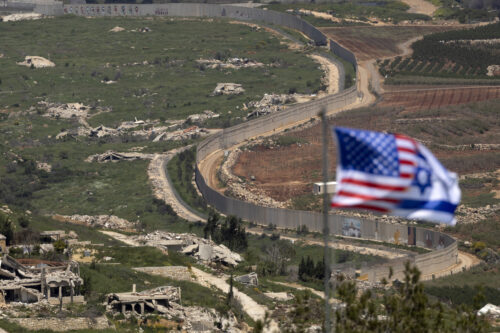
America Cannot Afford to Miss This Opening in Lebanon
President Donald Trump has an opportunity to do something no American president has managed in nearly half a century: end the war between Israel and Lebanon for good.