Iran’s Axis of Resistance After the 12-day War: Adaptation, Restructuring, and Reconstitution
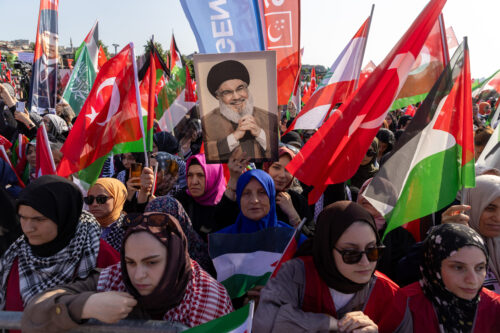
Since Israel’s 12-day war against Iran, Tehran and its network of regional proxies and non-state allies, the so-called Axis of Resistance, have entered a phase of strategic dormancy — an outward calm concealing rearmament, financial adaptation, and ideological renewal.
Soft Power in Hard Times: Pope Leo XIV’s Visit to Lebanon
MEI Senior Fellow Fadi Nicholas Nassar joins host Matthew Czekaj to share expert insights and personal reflections on Pope Leo XIV’s trip to Lebanon from November 30 to December 2. Nassar unpacks the significance of the visit, part of the pontiff’s first overseas tour since assuming office, and its potential impact on Lebanon’s untenable status quo. The conversation explores key questions, including the ability of spiritual and moral authority to compensate for the shortcomings of political leadership as well as whether Lebanon’s government will be able to capitalize on the momentum generated by this visit as the possible return of conflict looms on the horizon.
Ambassador Ryan Crocker reports on his visit to Lebanon and Syria on October 12-17 as part of a small delegation organized by the Washington office of the United Nations High Commissioner for Refugees (UNHCR).
A realistic, step-by-step approach to restoring Lebanese sovereignty
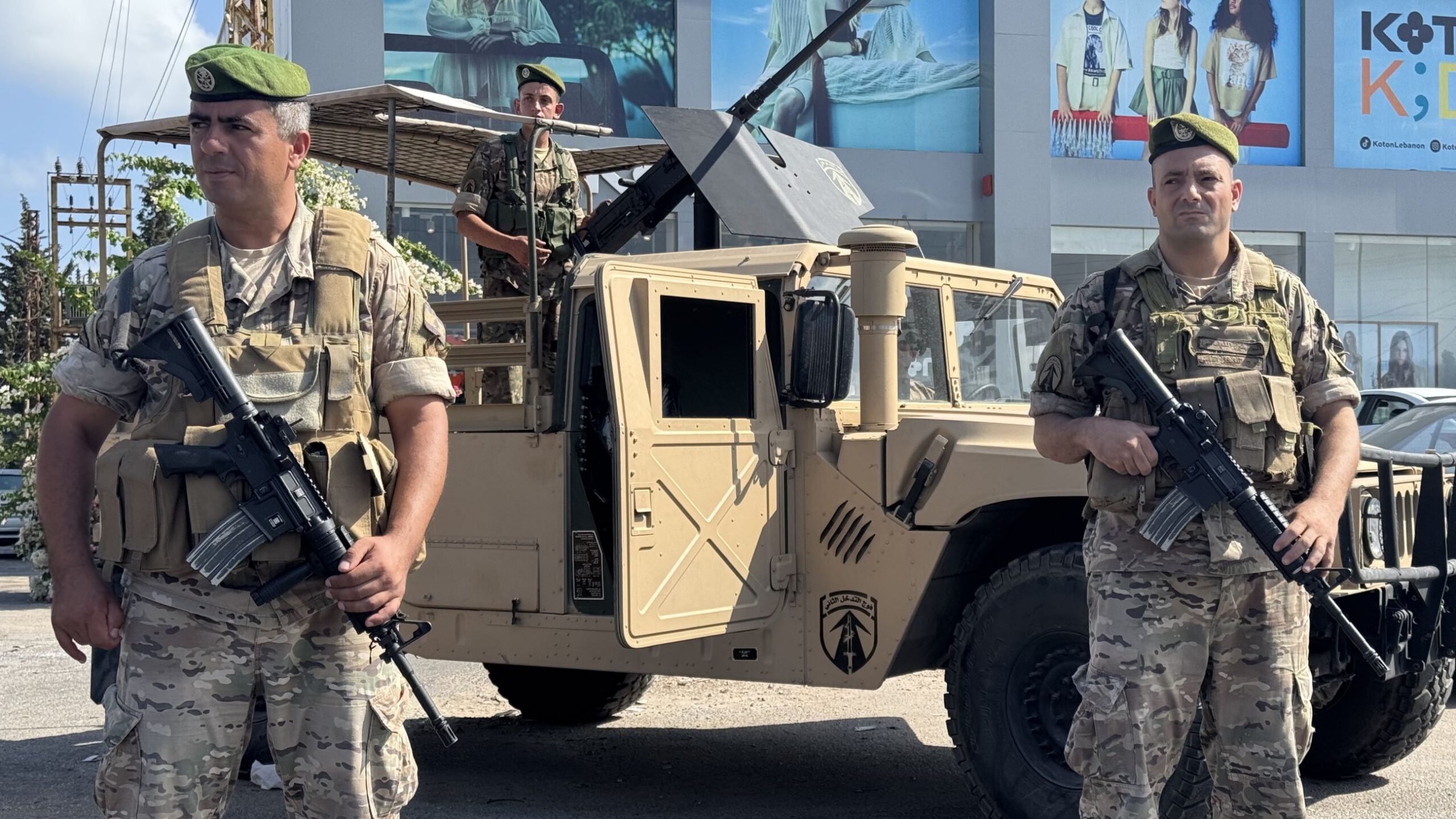
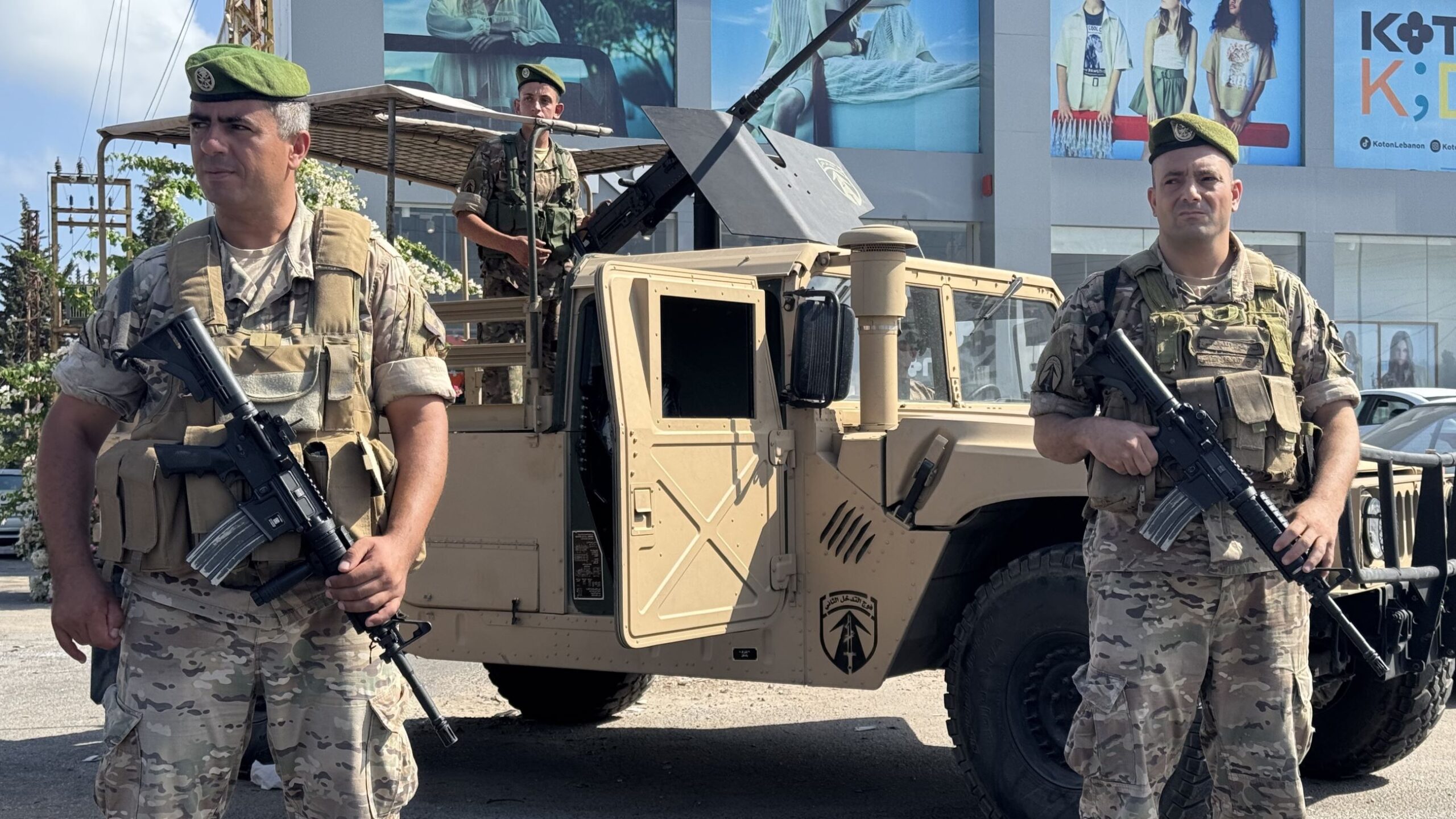
Seizing Lebanon’s once-in-a-generation opportunity hinges on its ability to resolve its core dysfunction: reclaiming the state’s monopoly on force and its exclusive authority to determine matters of war and peace. Beirut, backed by deepening US support, must focus on achieving tangible milestones and strategic victories that momentum, making Hizballah’s disarmament unstoppable and the state’s reassertion of authority irreversible.
Lebanon’s judicial independence and the end of impunity
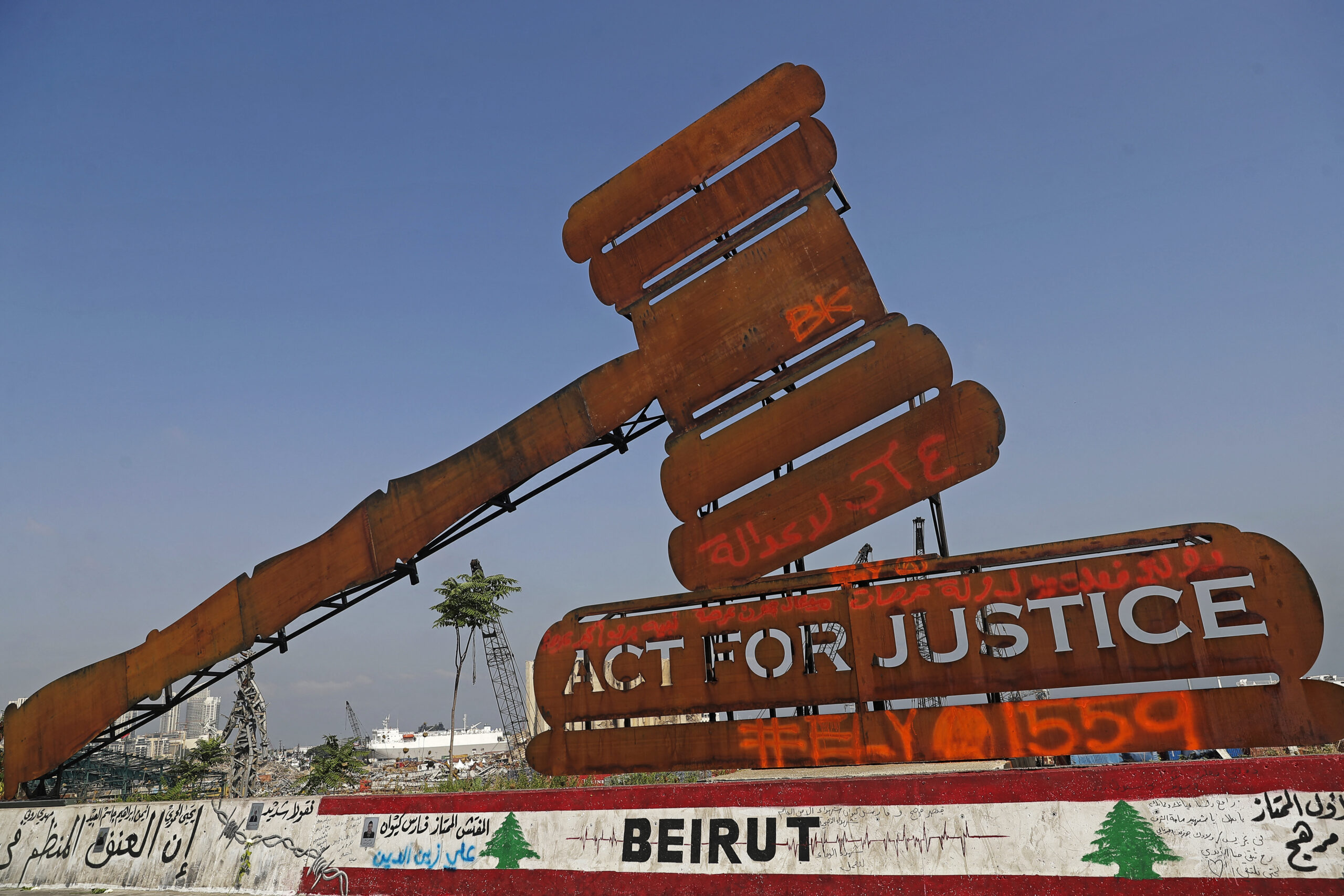
Judicial independence is at the core of any successful democracy, and for decades, this issue has been a matter of public concern in Lebanon. At a time when a credible window of opportunity for change has opened in Lebanon, restoring judicial independence is both a necessity and a prerequisite to enable the judiciary to carry out its duties and end the impunity under which it has historically operated.
Priority policies for an economic recovery in Lebanon
The current government in Lebanon is keen to encourage financial recovery and find a new path to economic growth. A thorough understanding of the causes behind the country’s recession and the factors constraining a recovery are necessary to shape policy priorities. These are also important as an input into the discussions of the 2026 budget and to the ongoing negotiations with the International Monetary Fund (IMF). Using the wrong framework for these decisions could yield low economic growth, which would be harmful for a quick and decisive economic recovery. Conversely, improved economic outcomes and broad buy-in, following public consultations, will ease the implementation of politically difficult reforms. Thus, policymakers must take great care to develop a narrative about how to achieve progress in the short and medium terms that is adjusted to local circumstances.
Restoring both domestic and international confidence in the Lebanese government will ultimately depend on taking tangible steps towards economic revival. This article presents key policy options to achieve this result, including rebuilding trust through improved governance and judicial reforms, investing in digital infrastructure, driving sustainable growth via regional integration and innovation, and balancing economic revival with sovereign debt restructuring.
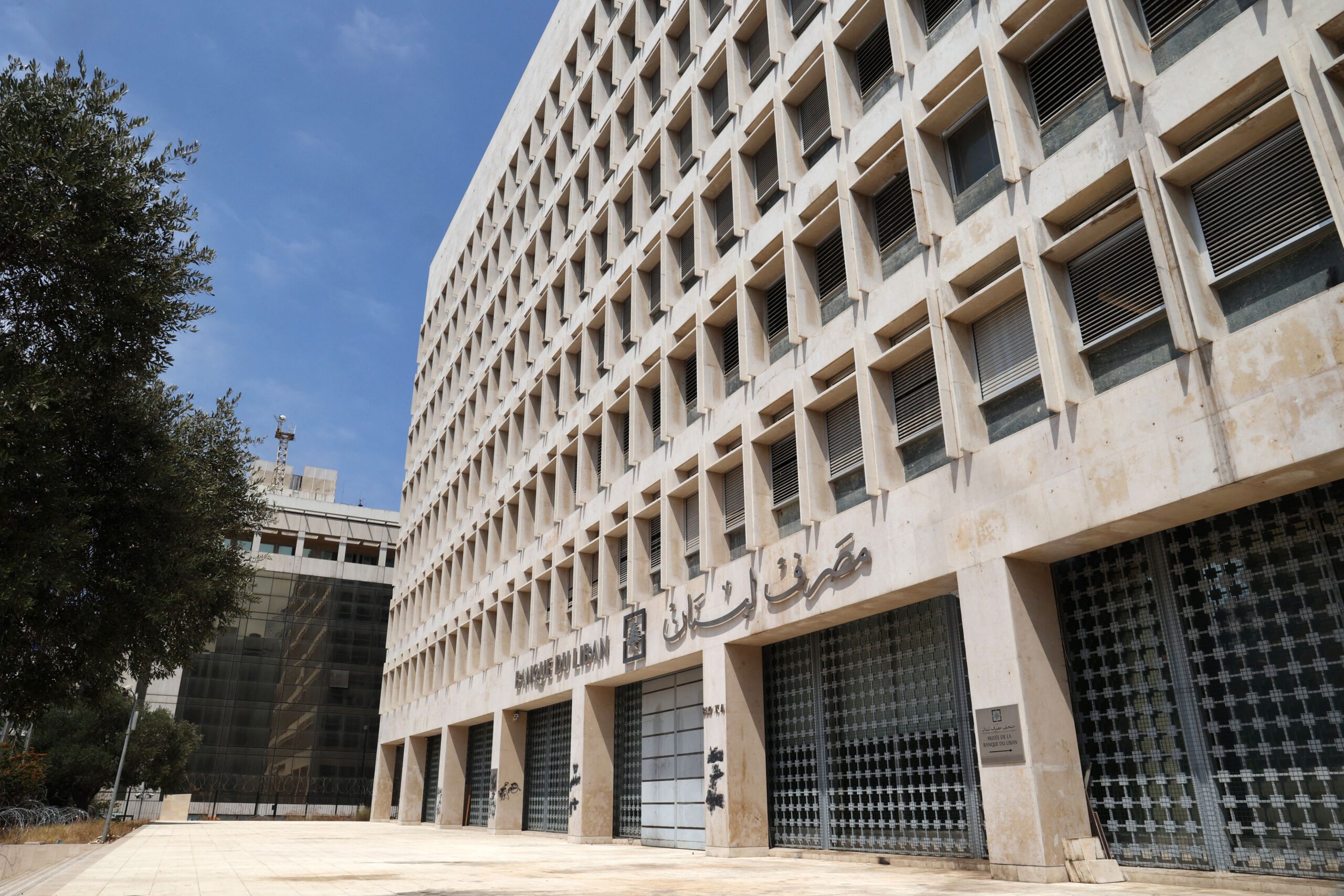
Lebanon’s monetary crisis and the future of the Central Bank
While the banking crisis remains unresolved, there is still ample scope for Lebanon’s central bank to advance reforms and set the stage for a sustainable economic recovery even without a comprehensive reform program supported by the IMF.
A realistic, step-by-step approach to restoring Lebanese sovereignty
Seizing Lebanon’s once-in-a-generation opportunity hinges on its ability to resolve its core dysfunction: reclaiming the state’s monopoly on force and its exclusive authority to determine matters of war and peace. Beirut, backed by deepening US support, must focus on achieving tangible milestones and strategic victories that momentum, making Hizballah’s disarmament unstoppable and the state’s reassertion of authority irreversible.
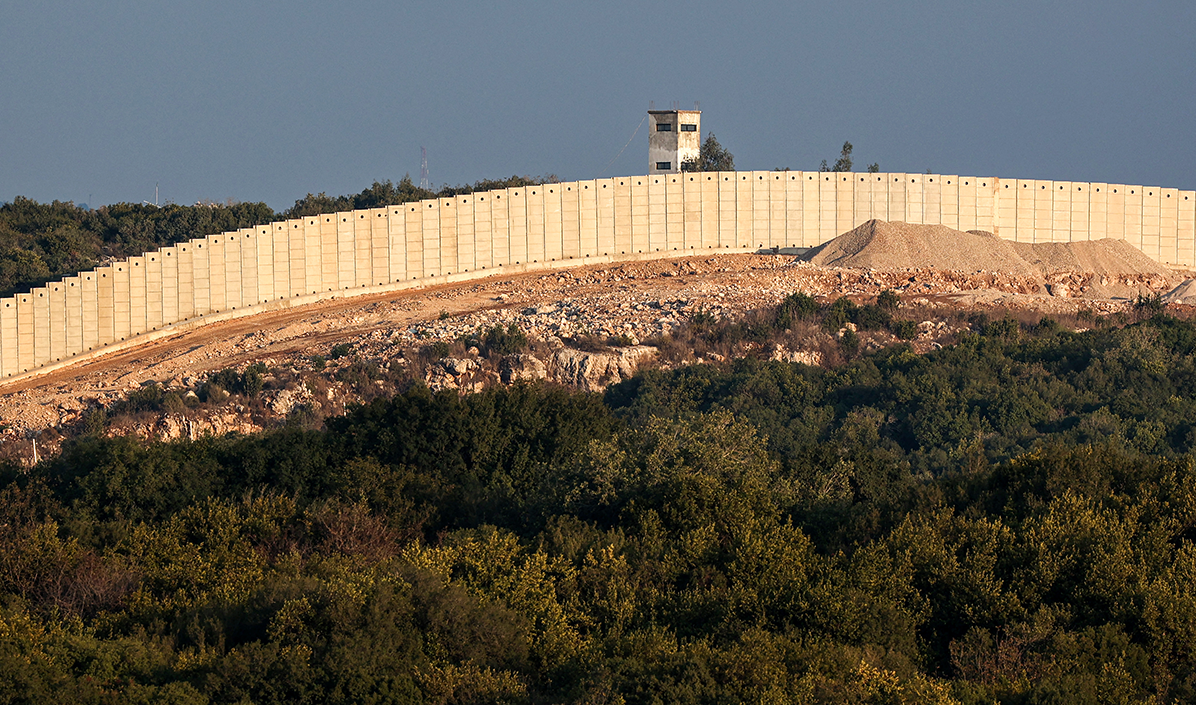
The central challenge facing Lebanon today is whether the country will graduate to functional statehood or continue struggling to survive. Yet with Lebanese officials now insisting that the state “monopolize arms” and become the decisive arbiter on matters of war and peace, a relevant question arises: Where, territorially, does Lebanon begin and end?
To encourage and incentivize long-overdue structural reforms, the European Union and the broader international community should adopt a more proactive, hands-on approach to Lebanon. The current context calls for an approach that balances assistance delivery with active support to the Lebanese government in its quest to reform and rebuild the state.
Once hailed as a rare democracy in the Middle East, Lebanon has now slipped into the ranks of closed autocracies. Decades of corruption, sectarian rule, and foreign meddling have left the country reeling — and the past year brought assassinations, mass displacement, and Israel’s full-scale war against Hezbollah in the south. With its economy in free fall and its political system on life support, Lebanon stands at a crossroads: could shifts in regional power, efforts to disarm Hezbollah, and a change in leadership pave the way for recovery, or will instability deepen?
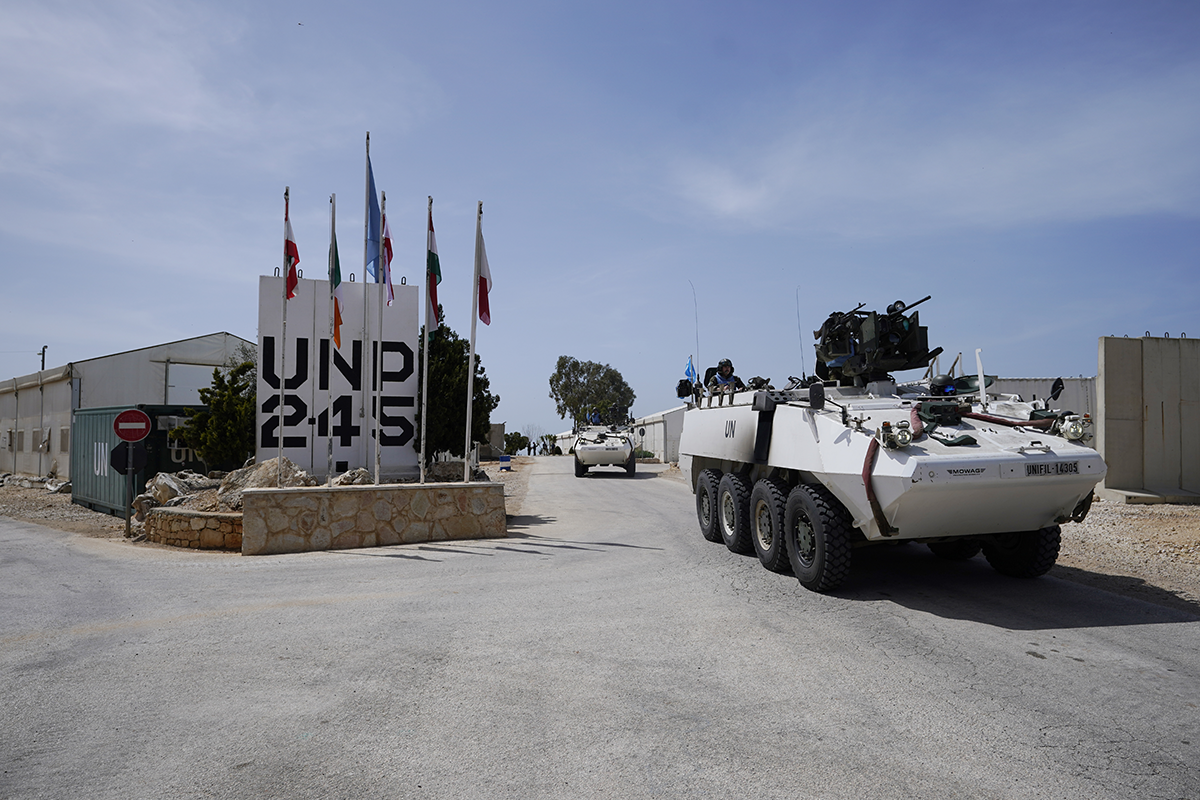
At the end of August, the future of the United Nations Interim Force in Lebanon (UNIFIL), established nearly 50 years ago, goes on trial in New York, where the Security Council will debate the renewal of its mandate. Nearly two decades after its transformation under UN Security Council Resolution 1701, UNIFIL is now part of the problem it was created to solve. Ten thousand blue helmets from almost 50 countries, including major North Atlantic Treaty Organization (NATO) members, failed to stop the latest conflict between Israel and Hizballah, and, if business continues as usual, will fail to prevent the next.
Lebanon and the UNIFIL Mandate: Disarming Hizballah and Reclaiming Sovereignty
With its new government at the half-year mark and the UNIFIL international peacekeeping force’s mandate due for reauthorization at month’s end, Lebanon stands at a pivotal moment. In this episode of Middle East Focus, hosts Alistair Taylor and Matthew Czekaj are joined by MEI Senior Fellow Fadi Nicholas Nassar to evaluate whether the Lebanese state can reclaim its sovereignty, starting with the disarmament of Hizballah and the enforcement of a cease-fire.