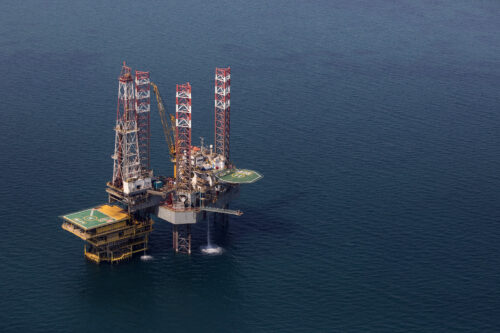
Iraq’s oil paralysis: A self-inflicted wound and a gift to Tehran
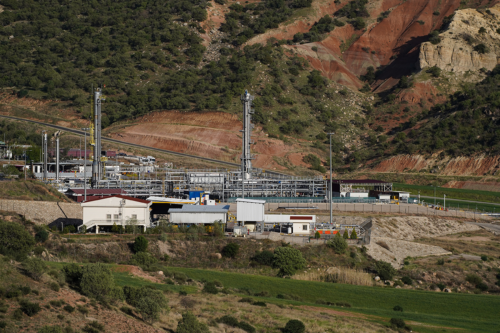
With the Strait of Hormuz closed and oil production from Iraq’s south in free fall, Baghdad’s failure to maximize the Iraq-Turkey Pipeline is no longer a policy dispute. It is a national emergency.
Shockwaves Across Asia: The Iran War’s Strategic Fallout
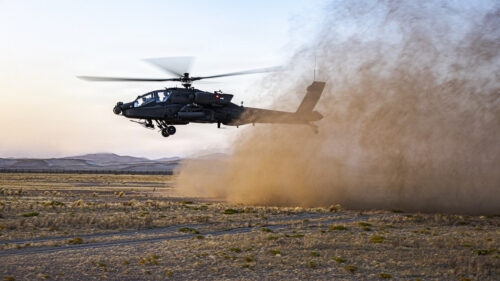
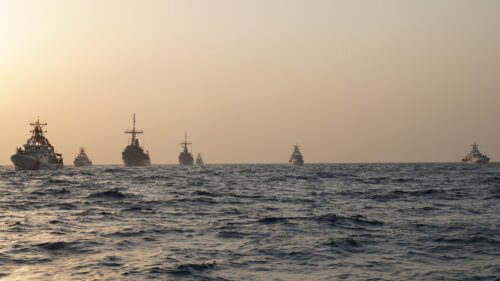
The Israeli-U.S. military strikes on Iran that began on February 28 have done more than ignite a Middle Eastern war. They have sent shockwaves rolling across Asia, from the Strait of Hormuz to the Sea of Japan, exposing the brittle underpinnings of regional energy systems, straining diplomatic balancing acts, and forcing governments to make hard choices they have long deferred.
Lebanon on the Brink: Hizballah, Iran, and the War’s Spillover
Hosts Alistair Taylor and Matthew Czekaj are joined by MEI Senior Fellow Fadi Nicholas Nassar to discuss Hizballah’s role in the escalating conflict in the Middle East and the implications for Lebanon. A day after the United States and Israel launched a joint military campaign against Iran, Tehran’s Lebanese proxy fired missiles at northern Israeli territory. Israel responded swiftly and forcefully, and Lebanon’s government and population now fear the Iranian-backed militia is dragging the country back into war. The conversation explores the broader repercussions of Hizballah’s actions against the backdrop of a widening war in Iran and Lebanon’s quickly evolving political climate. Nassar also outlines recommendations for how Lebanon can move forward as a sovereign and effective state.
How Lebanon’s authorities can keep the Iran war from engulfing the country
Today’s decision taken by the Lebanese government — to declare all of Hizballah’s security and military activities illegal — is a landmark development. But how the government and the Lebanese Armed Forces implement this directive now that a new round of attacks has actually taken place will be the ultimate test of their credibility.
How Iran, China, and Russia Use the Shadow Fleet to Evade US Sanctions
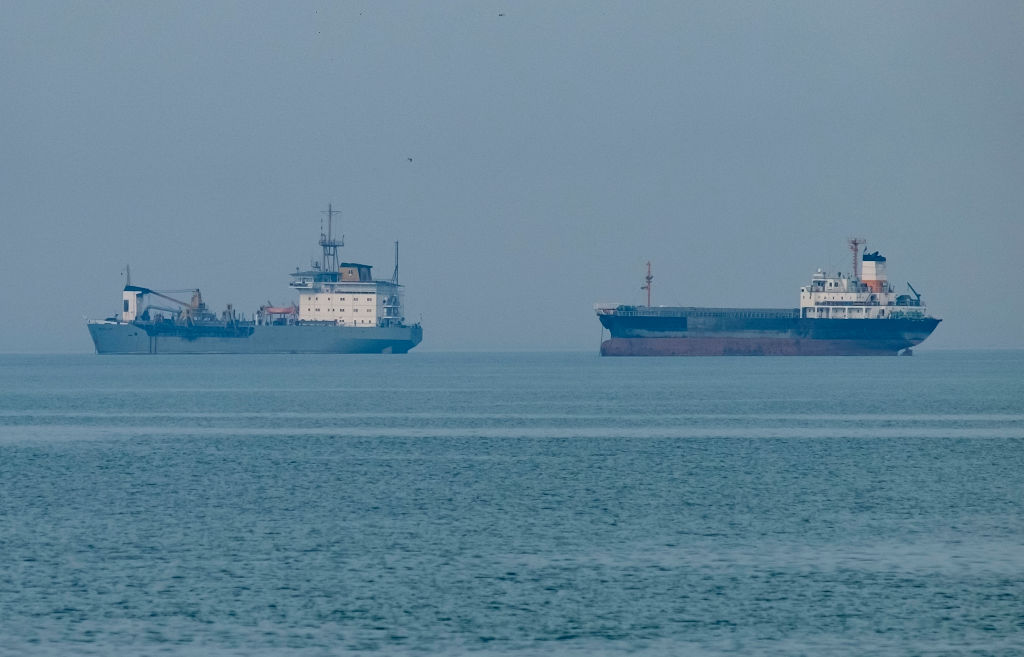
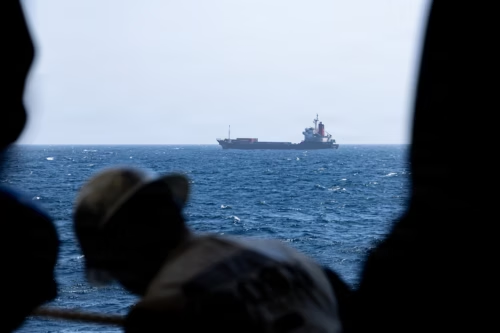
Crude oil legally sanctioned by the United States and its allies today makes up an estimated 18% of global tanker capacity, or 6-7% of total unrefined petroleum flows — shares that have been growing. Increased pressure on Russian exports and US intervention in Venezuela have further constrained Russian flows and temporarily removed Venezuela, the smallest sanctioned producer, from the market. Iranian exports, however, remain largely untouched.
Ambiguous Uncertainties: Phase Two of Trump’s Plan for Gaza
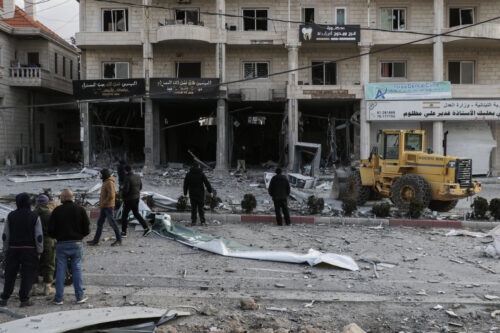
MEI Senior Fellow Lucy Kurtzer-Ellenbogen joins hosts Alistair Taylor and Matthew Czekaj to discuss the latest developments in Gaza. Nearly four months after the Israeli government and Hamas agreed to President Donald Trump’s 20-point plan, Washington has announced that phase two of the process is now underway. Kurtzer-Ellenbogen, Taylor, and Czekaj examine the humanitarian situation in the devastated coastal strip, assess what phase two could entail, break down how international actors are responding, and explore what would need to happen to realize the plan’s aspirations.
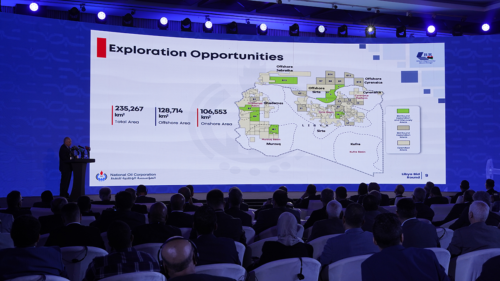
The question facing international oil companies is not whether Libya has oil and gas to develop. It does. The question is whether the country’s current political, economic, and security conditions allow that potential to be converted into reliable returns — and whether near-term changes could alter that calculation.
Despite escalating conflicts, sanctions, and strategic rivalry across key producing regions, the global oil market increasingly behaves less like a system gripped by scarcity fears and more like one struggling to absorb abundance.
Iran’s Axis of Resistance After the 12-day War: Adaptation, Restructuring, and Reconstitution
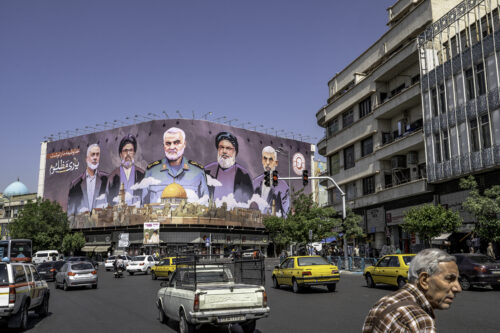
Since Israel’s 12-day war against Iran, Tehran and its network of regional proxies and non-state allies, the so-called Axis of Resistance, have entered a phase of strategic dormancy — an outward calm concealing rearmament, financial adaptation, and ideological renewal.
The Methods and Means of Greenfield Direct Investment Between China and the GCC States
This article examines the changing volume and allocations of investment flows between China and the Gulf Cooperation Council (GCC) states over the last two decades, roughly from 2003 to the present.
This backgrounder provides an overview of the Axis of Resistance, a loosely aligned network of armed groups and state actors led and supported by Iran to project its influence and military strength across the Middle East.
This backgrounder provides an overview of the Organization of Petroleum Exporting Countries (OPEC), including its history, structure, and function, and the US government’s approach to the organization.
MENA Energy Recap, Q3-2025: Gulf Giants Abroad, Fragile Deals at Home
The MENA Energy Recap is a quarterly review of key energy developments that took place in the region from July through September of 2025 and what they signal in the months ahead. The Recap views these developments through the lens of policy and strategy, energy security, and markets.