Skip to Content

Research & Commentary Results

Filter by
340 Results
An International Stabilization Force for Gaza
  • Policy Memo
  • An International Stabilization Force for Gaza

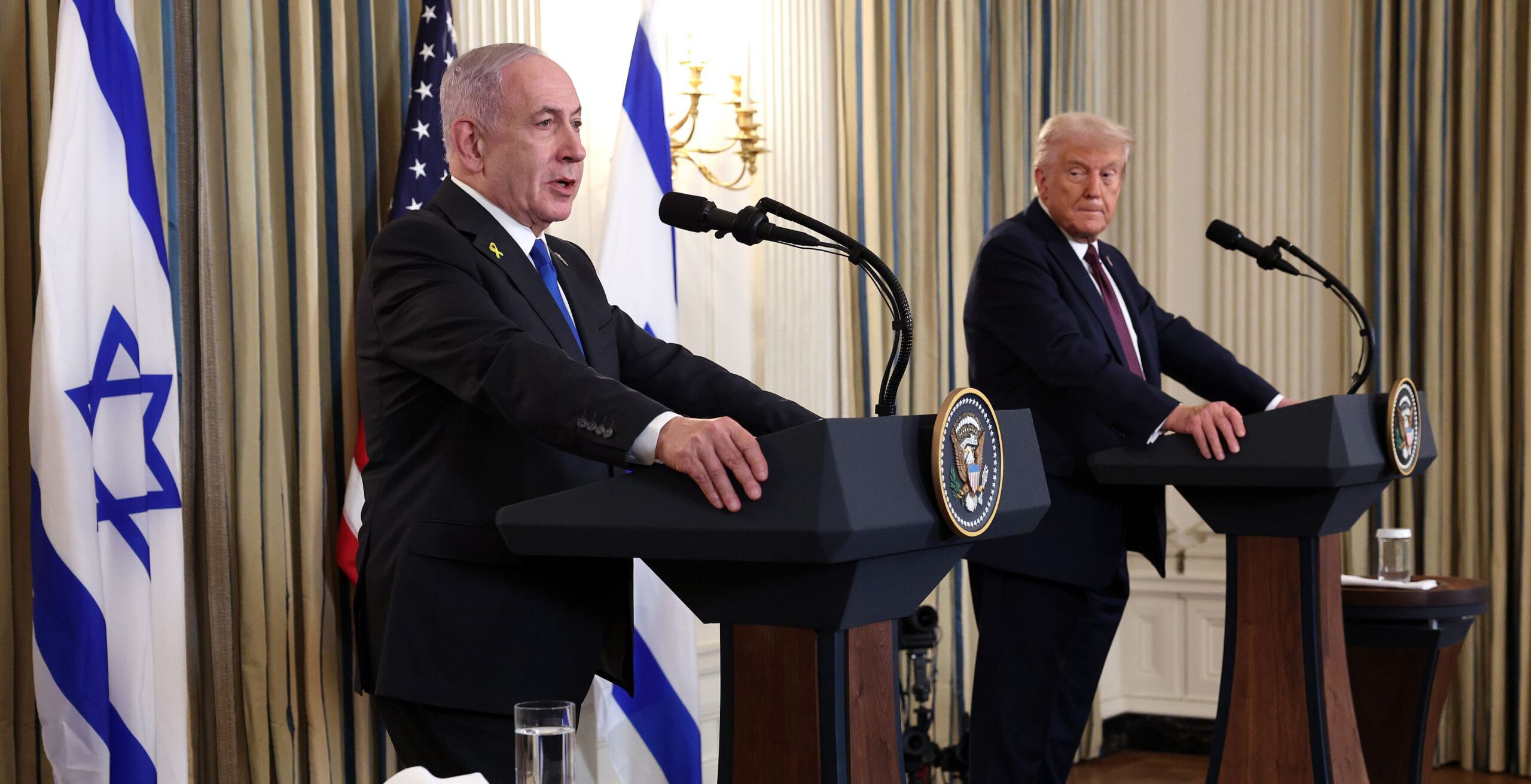
    The United States plans to submit a resolution on Gaza to the United Nations Security Council (UNSC) by the end of November. Reportedly, the latest draft endorses President Donald Trump’s 20-point plan, recognizes the Board of Peace (BoP) as a “transitional governance administration,” and authorizes the BoP to establish an International Stabilization Force (ISF). The UN resolution is a first step to achieving buy-in from potential ISF contributors. In turn, a viable ISF will be one key to moving beyond the cease-fire to securing the 20-point plan’s envisioned Hamas disarmament, further Israeli military withdrawal, and a path to Palestinian governance. The US faces several dilemmas as it seeks to transition from cease-fire to stabilization and beyond.  
    Help Syria move forward — Repeal the Caesar Act sanctions
    Photo by Rami Alsayed/NurPhoto via Getty Images
  • Commentary
  • Help Syria move forward — Repeal the Caesar Act sanctions

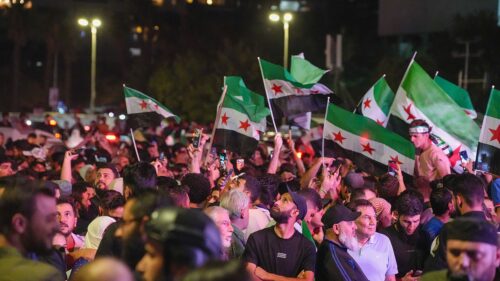
    By repealing the 2019 Caesar Act sanctions, the United States today can take a meaningful, achievable step to reverse the Assads’ damaging legacy, supporting the emergence of a unified and integrated Syria that engenders peace and prosperity both at home and in the wider region.

    From Protest to War: How October 7 Reshaped Israeli Democracy
  • Podcast
  • From Protest to War: How October 7 Reshaped Israeli Democracy

    For years, Israeli populist politicians have chipped away at the country’s democratic guardrails. But the Hamas attacks of October 7, 2023 accelerated Prime Minister Benjamin Netanyahu’s drive to consolidate power. The kind of societal pushback that once blocked his efforts to expand executive authority is now under severe strain. Israel’s multi-front conflict with Iran, Hamas, and other Iranian proxies has blunted protest movements and sidelined those who once filled the streets in defense of democracy. Defending checks and balances has been eclipsed by wartime priorities.

    A realistic, step-by-step approach to restoring Lebanese sovereignty
    Photo by Ahmad Kaddoura/Anadolu via Getty Images
  • Analysis
  • A realistic, step-by-step approach to restoring Lebanese sovereignty

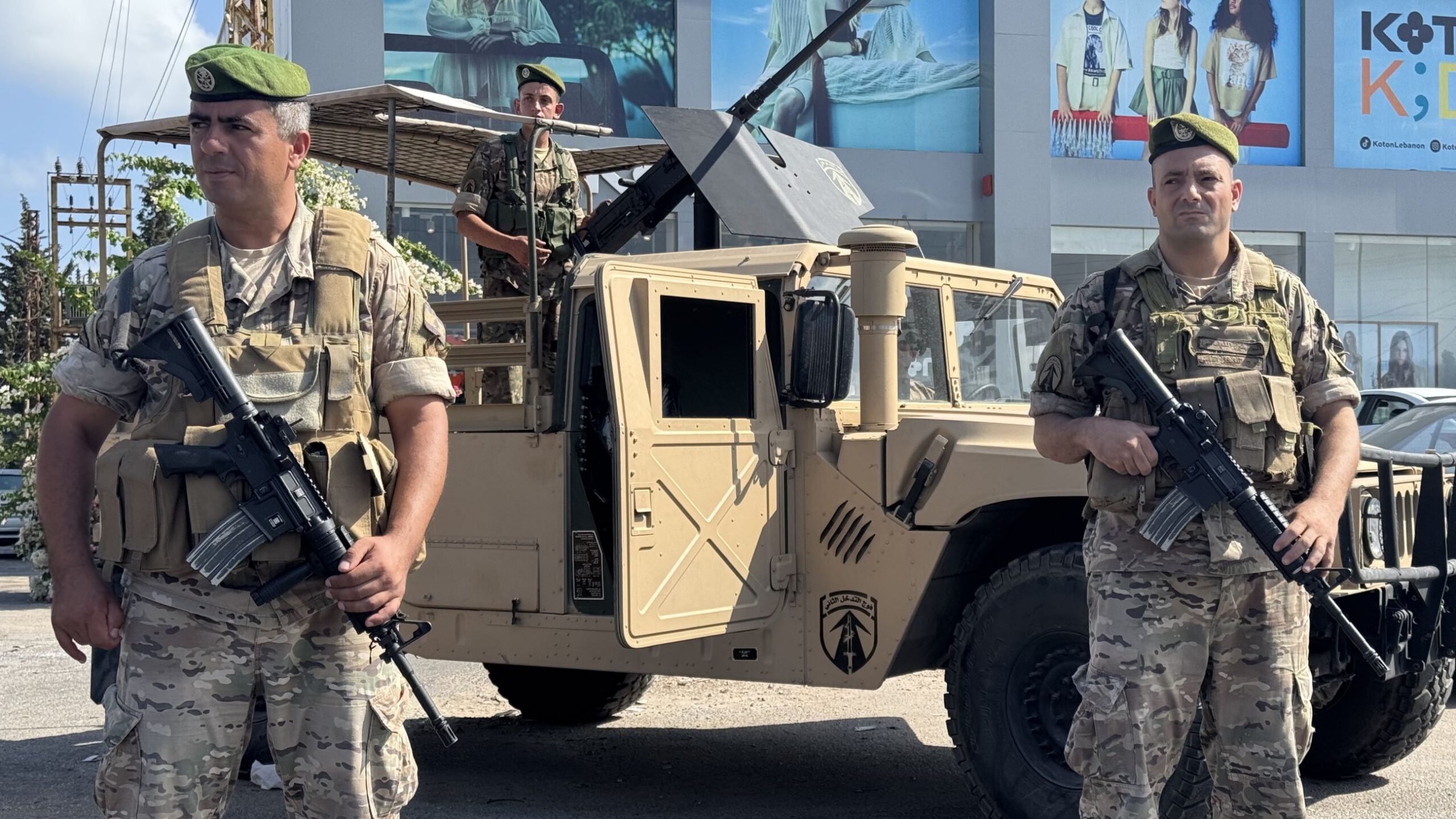
    Seizing Lebanon’s once-in-a-generation opportunity hinges on its ability to resolve its core dysfunction: reclaiming the state’s monopoly on force and its exclusive authority to determine matters of war and peace. Beirut, backed by deepening US support, must focus on achieving tangible milestones and strategic victories that momentum, making Hizballah’s disarmament unstoppable and the state’s reassertion of authority irreversible.

    Lebanon’s judicial independence and the end of impunity
    Photo by Joseph Eid/AFP via Getty Images
  • Analysis
  • Lebanon’s judicial independence and the end of impunity

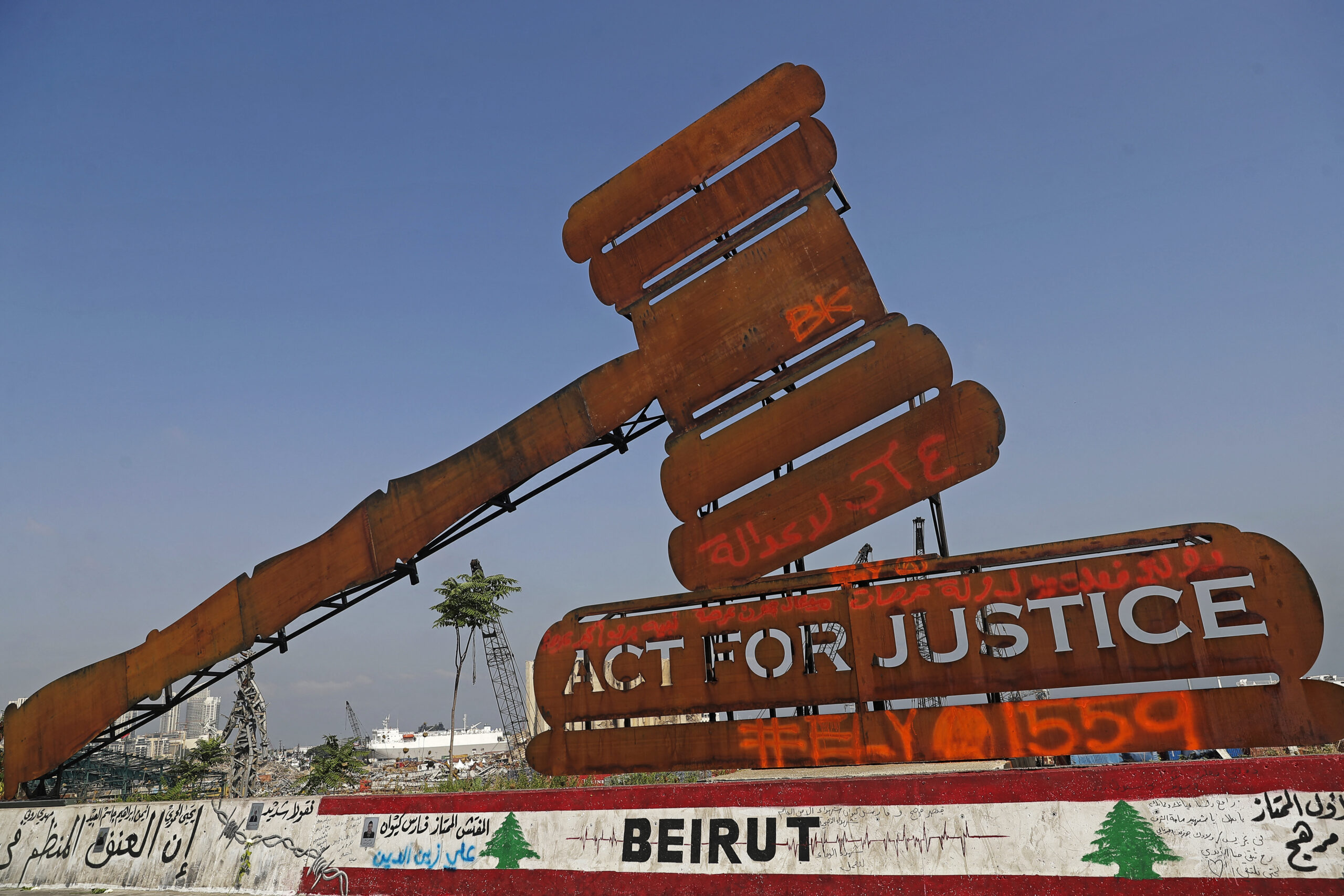
    Judicial independence is at the core of any successful democracy, and for decades, this issue has been a matter of public concern in Lebanon. At a time when a credible window of opportunity for change has opened in Lebanon, restoring judicial independence is both a necessity and a prerequisite to enable the judiciary to carry out its duties and end the impunity under which it has historically operated.

    October 20, 2025

    Priority policies for an economic recovery in Lebanon
    Photo by Golden_Brown via Getty Images
  • Analysis
  • Priority policies for an economic recovery in Lebanon

    The current government in Lebanon is keen to encourage financial recovery and find a new path to economic growth. A thorough understanding of the causes behind the country’s recession and the factors constraining a recovery are necessary to shape policy priorities. These are also important as an input into the discussions of the 2026 budget and to the ongoing negotiations with the International Monetary Fund (IMF). Using the wrong framework for these decisions could yield low economic growth, which would be harmful for a quick and decisive economic recovery. Conversely, improved economic outcomes and broad buy-in, following public consultations, will ease the implementation of politically difficult reforms. Thus, policymakers must take great care to develop a narrative about how to achieve progress in the short and medium terms that is adjusted to local circumstances.

    October 20, 2025

    Lebanon’s monetary crisis and the future of the Central Bank
    Photo by Anwar Amro/AFP via Getty Images
  • Analysis
  • Lebanon’s monetary crisis and the future of the Central Bank

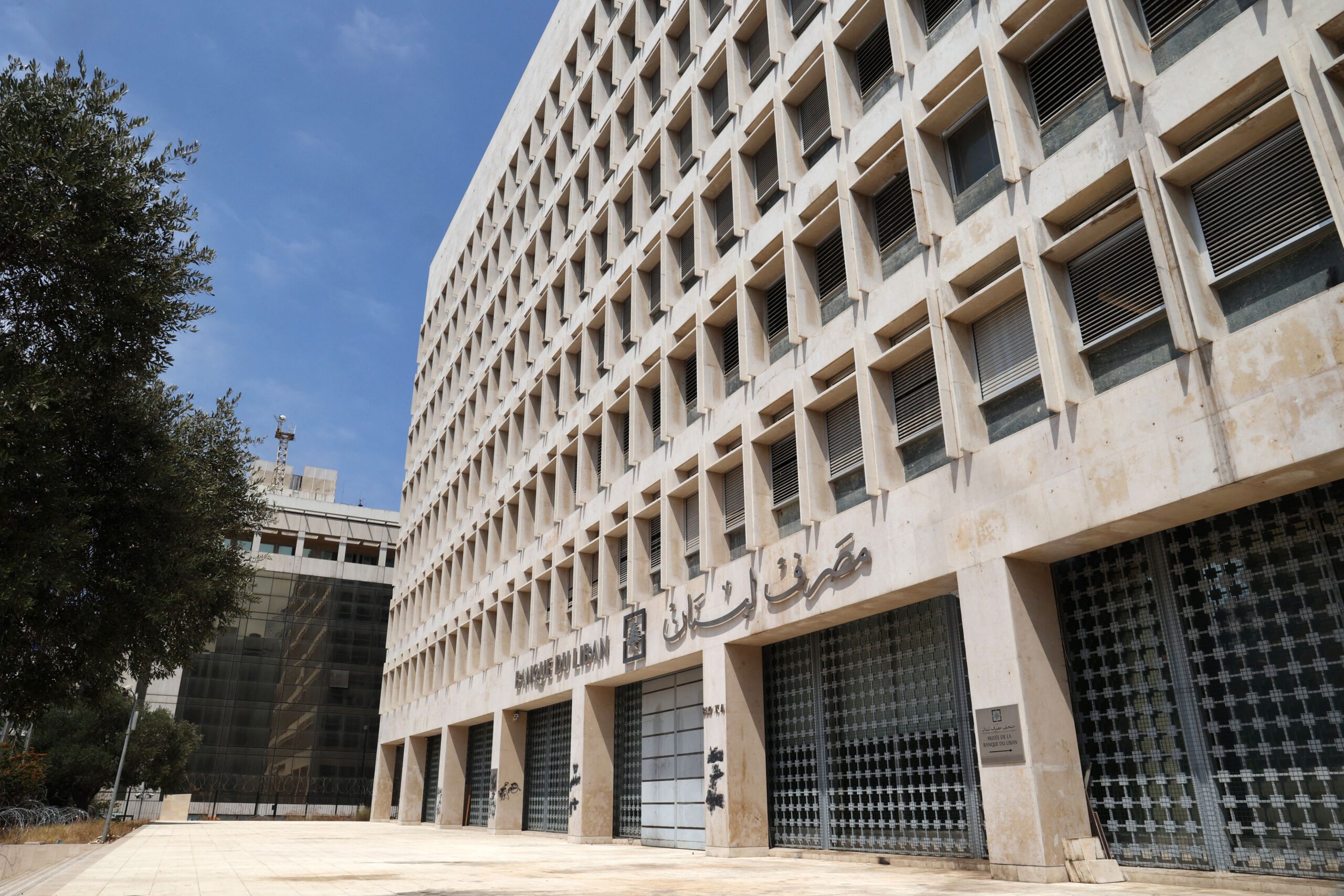
    While the banking crisis remains unresolved, there is still ample scope for Lebanon’s central bank to advance reforms and set the stage for a sustainable economic recovery even without a comprehensive reform program supported by the IMF.

    October 20, 2025

    A realistic, step-by-step approach to restoring Lebanese sovereignty
  • Analysis
  • A realistic, step-by-step approach to restoring Lebanese sovereignty

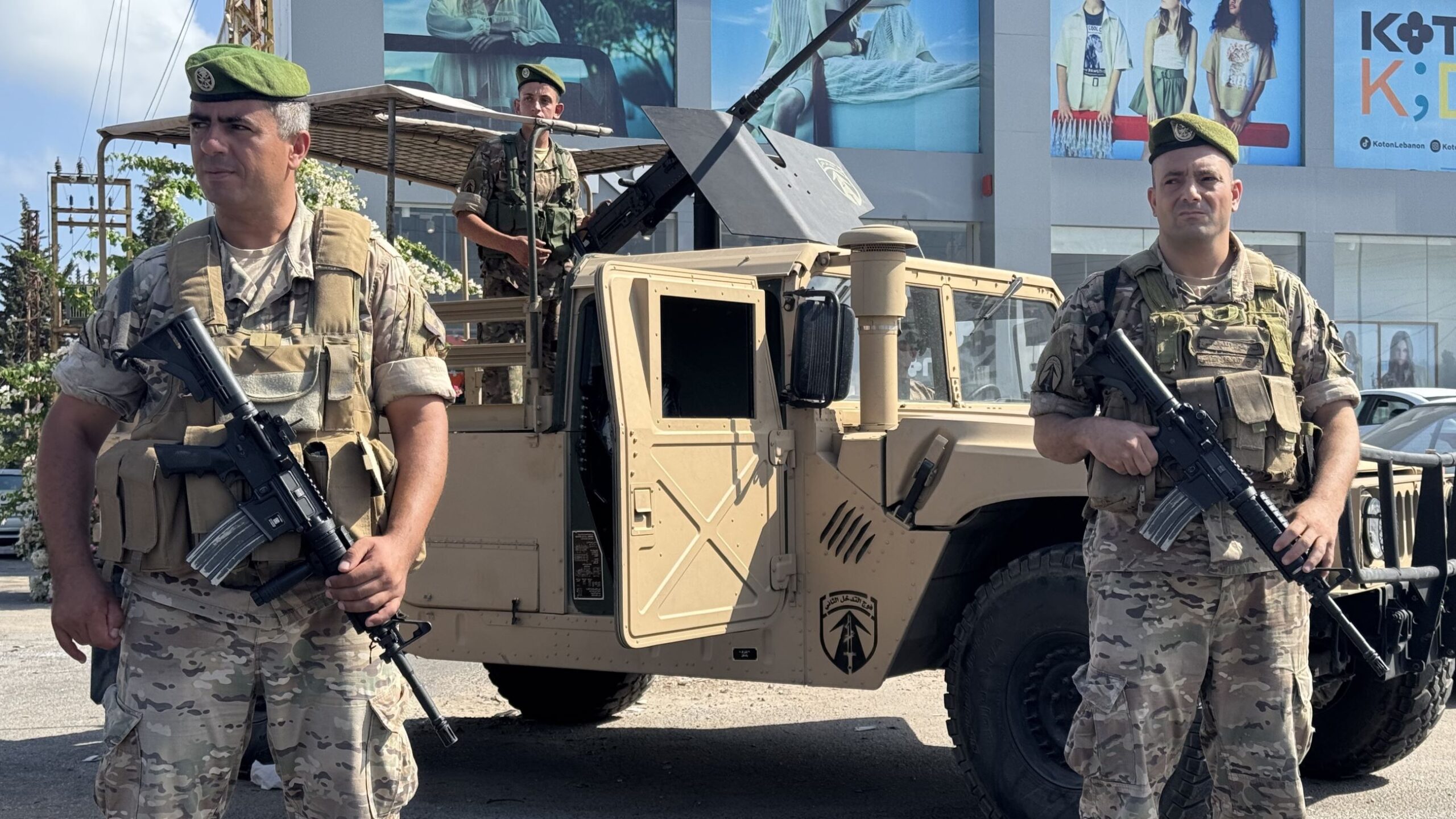
    Seizing Lebanon’s once-in-a-generation opportunity hinges on its ability to resolve its core dysfunction: reclaiming the state’s monopoly on force and its exclusive authority to determine matters of war and peace. Beirut, backed by deepening US support, must focus on achieving tangible milestones and strategic victories that momentum, making Hizballah’s disarmament unstoppable and the state’s reassertion of authority irreversible.

    October 20, 2025

    Defining and stabilizing Lebanon’s borders
    Photo by Christina Assi/AFP via Getty Images
  • Analysis
  • Defining and stabilizing Lebanon’s borders

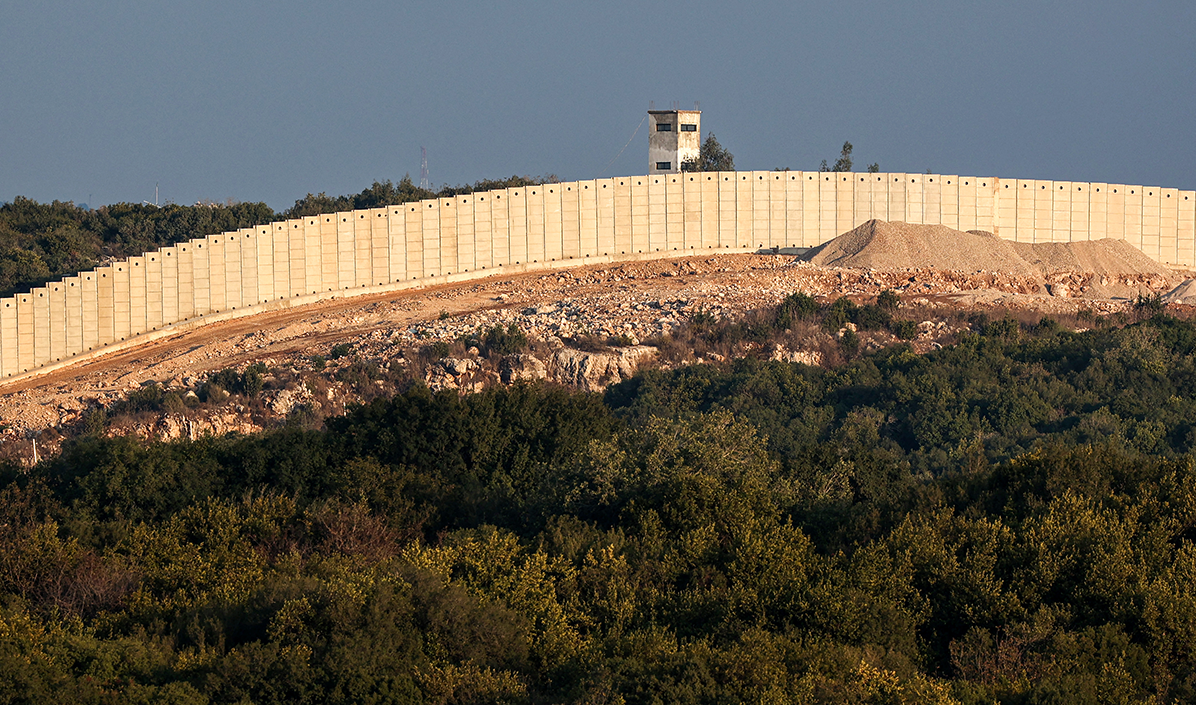
    The central challenge facing Lebanon today is whether the country will graduate to functional statehood or continue struggling to survive. Yet with Lebanese officials now insisting that the state “monopolize arms” and become the decisive arbiter on matters of war and peace, a relevant question arises: Where, territorially, does Lebanon begin and end?

    October 20, 2025

    An international hands-on approach to Lebanon
    Photo by Houssam Shbaro/Anadolu via Getty Images
  • Analysis
  • An international hands-on approach to Lebanon

    To encourage and incentivize long-overdue structural reforms, the European Union and the broader international community should adopt a more proactive, hands-on approach to Lebanon. The current context calls for an approach that balances assistance delivery with active support to the Lebanese government in its quest to reform and rebuild the state.

    October 20, 2025

    From Gaza Cease-fire to Middle East Peace?
  • Policy Memo
  • From Gaza Cease-fire to Middle East Peace?

    The October 2025 cease-fire and hostage-release deal that ended the Israel-Hamas conflict marks the beginning of a complicated post-war phase. The agreement has created important opportunities to advance stability in the Middle East and build a lasting and sustainable peace marked by enhanced regional security and integration, but there are considerable risks to manage. Achieving these goals will require coordinated international action along multiple lines of effort: security, rule of law, recovery and reconstruction, responsive governance, and steady and focused diplomacy to build confidence among key parties. 

    Peace in the Middle East — or constructive ambiguity in reverse
    Photo by Win McNamee/Getty Images
  • Analysis
  • Peace in the Middle East — or constructive ambiguity in reverse

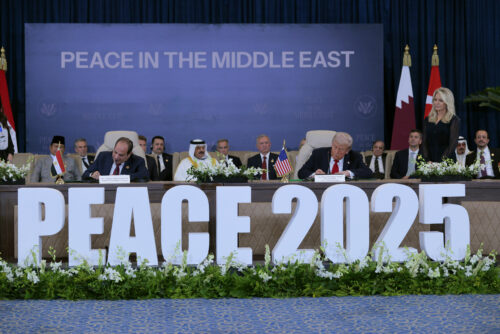
    After two terrible years — beginning on the horrific morning of October 7, 2023 — there is now a chance the Gaza war could end. This chance exists not because the 20-point proposal released by the United States on September 29, 2025, is a model of diplomatic detail or nuance. It exists because its patron, President Donald Trump, appears determined not to take “no” for an answer.

    Moroccan youth angrily protest government’s failed development promises
    Photo by Abdel Majid Bziouat/AFP via Getty Images
  • Analysis
  • Moroccan youth angrily protest government’s failed development promises

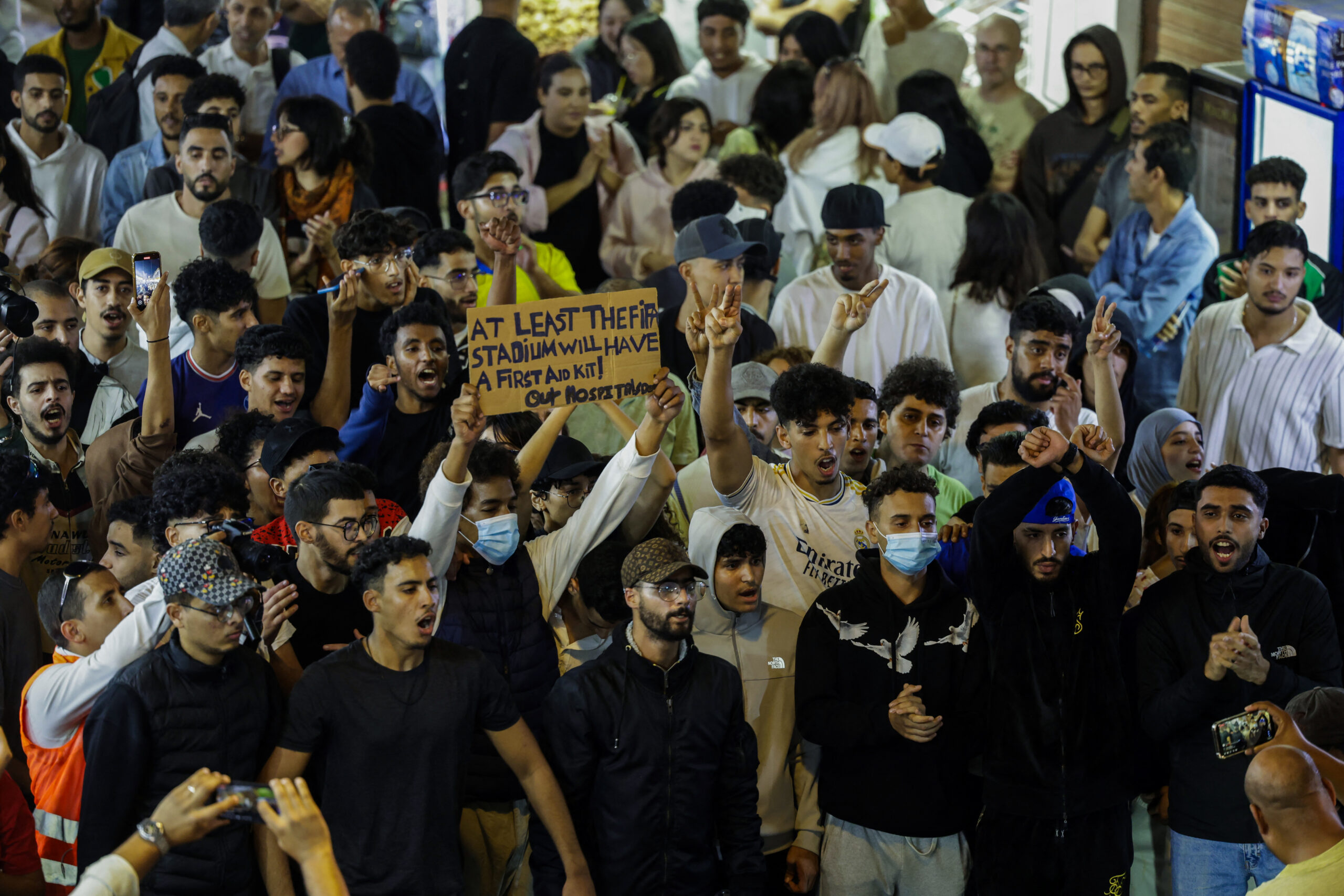
    Hundreds of young Moroccans are protesting across 11 cities since September 27 under the banner “GenZ 212.” The central trigger behind the demonstrations has been a deep popular frustration with Morocco’s persistent inability to deliver on its development plans and promises. This sort of broad disaffection will be challenging for the government to address quickly and credibly.

    Can Lebanese Democracy Be Saved?
  • Podcast
  • Can Lebanese Democracy Be Saved?

    Once hailed as a rare democracy in the Middle East, Lebanon has now slipped into the ranks of closed autocracies. Decades of corruption, sectarian rule, and foreign meddling have left the country reeling — and the past year brought assassinations, mass displacement, and Israel’s full-scale war against Hezbollah in the south. With its economy in free fall and its political system on life support, Lebanon stands at a crossroads: could shifts in regional power, efforts to disarm Hezbollah, and a change in leadership pave the way for recovery, or will instability deepen?

    Why is the European Union Sanctioning Israel?
  • Video
  • Why is the European Union Sanctioning Israel?

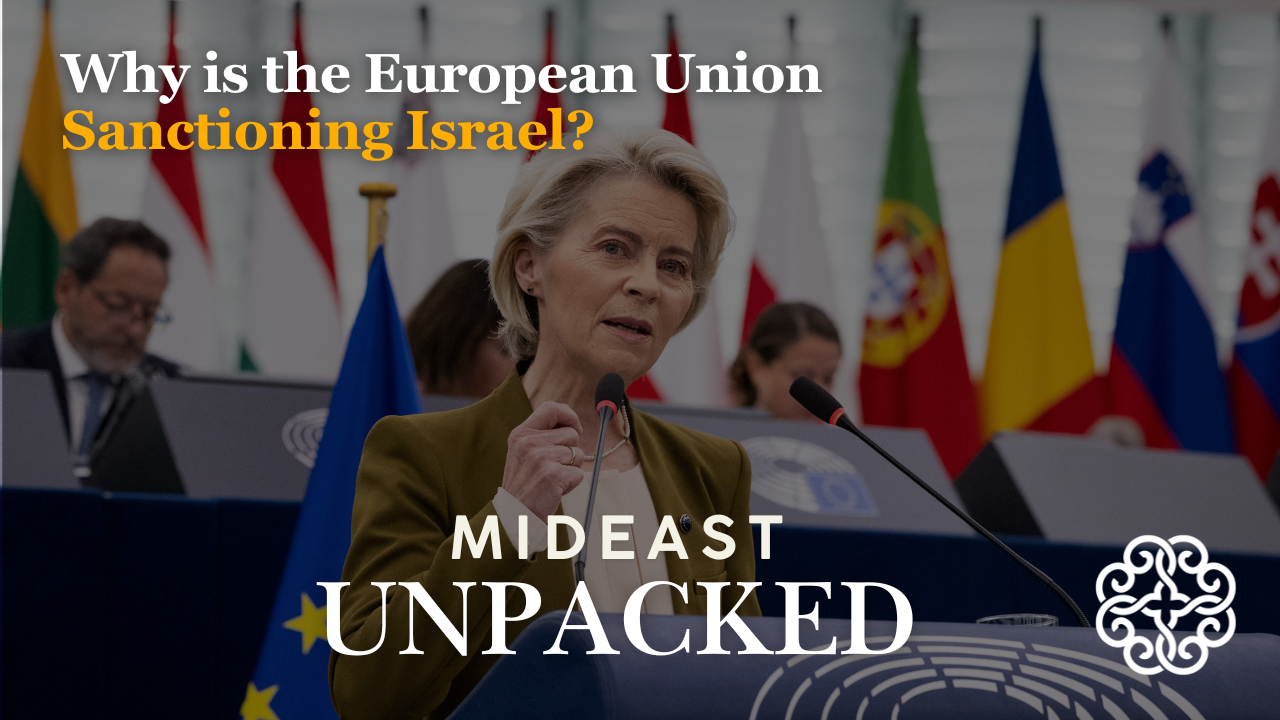
    The European Union has announced plans to sanction Israel over the humanitarian crisis in Gaza. If adopted, the move would mark a historic shift in EU-Israel relations. MEI’s Iulia Joja unpacks the proposal’s background, what the sanctions would entail, and their potential impact on the EU’s position in the Middle East.

    September 20, 2025