In 2025, jailed PKK leader Abdullah Öcalan made a historic call for the group to disarm and dissolve, raising hopes of ending a 40-year conflict that has shaped Turkey and the wider region. Months later, the PKK symbolically laid down arms in what many viewed as a breakthrough moment for the peace process.
Fixing America’s Failed Strategies in the Middle East
The Middle East is both central to key United States interests and prone to instability. Yet US national security and defense strategic guidance has struggled to account for the unique demands of the region. Calls for strategic divestiture from the region have grown in prominence among analysts and policymakers alike in recent years.
America Cannot Afford to Miss This Opening in Lebanon
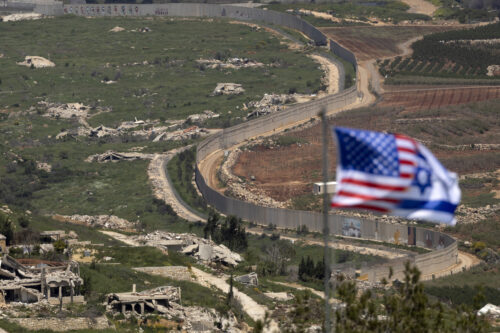
President Donald Trump has an opportunity to do something no American president has managed in nearly half a century: end the war between Israel and Lebanon for good.
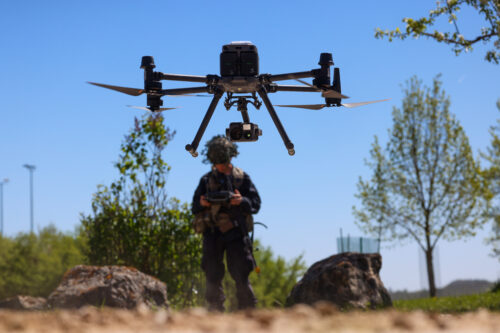
For two decades, US drones hunting terrorists across the mountains of South Asia were the symbol of American military power: precise, lethal, and unmatched. That era is now over. Drones are no longer exquisite tools of counterterrorism and have evolved into something far more common and destabilizing: cheap, expendable, and mass-produced tools of attrition.
Why Some Gen Z Protests Succeeded as Others Stumbled
In 2025, youth protests over corruption, precarity and broken promises by government officials swept across multiple regions around the world. Demonstrations in Nepal forced early elections, while unrest in Peru toppled a president. In Morocco, Kenya, Indonesia and Serbia, young people mobilized around similar grievances, with widely varying effect.
Nearly two months into the Iran war, US President Donald Trump has announced an indefinite extension of the cease-fire between Washington and Tehran, even as control of the Strait of Hormuz remains contested. Hosts Alistair Taylor and Matthew Czekaj are joined by MEI Senior Fellow Alex Vatanka to explore where the conflict may be headed and unpack the factors at play. They discuss how Iran’s internal power structures have shifted since February 28, the prospects for a deal between Washington and Tehran, and what form a resumption of hostilities could take.
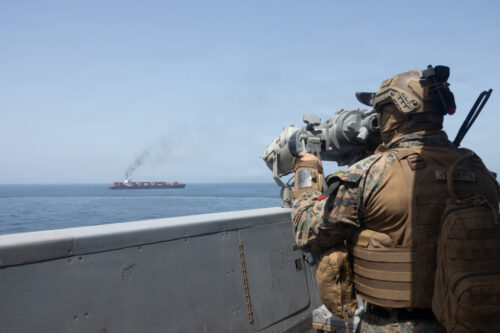
Operation Epic Fury has delivered tactical gains without a viable strategic end state. The Strait of Hormuz remains effectively closed, Iran’s leadership has reorganized, and the diplomatic track has fractured.
The US Has Secured a Cease-Fire in Lebanon. But Its Role Shouldn’t End There
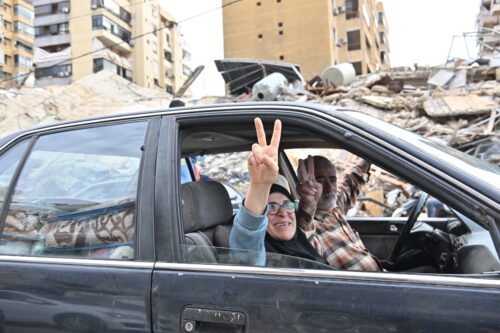
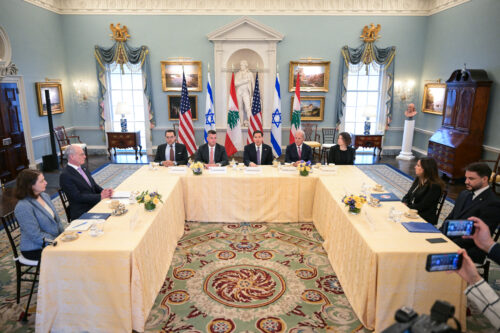
Last Thursday, the US announced a 10-day cease-fire “to enable peace negotiations between Israel and Lebanon”. The State Department statement – reportedly agreed to by both governments – marked a significant diplomatic shift. It included an affirmation that “the two countries are not at war,” a commitment to work toward “full recognition of each other’s sovereignty and territorial integrity,” as well as “achieving a permanent agreement that ensures lasting security, stability, and peace.”
As Lebanese, Israeli, and American teams prepare for their first-ever trilateral leaders summit, it is time to reflect on this opportunity and lessons from the past.
Bonus Episode: Stalled Talks and Next Steps for the US and Iran
This bonus episode of Middle East Focus features a recent MEI Virtual Briefing. Director of Communications Zeina Al-Shaib is joined by MEI Distinguished Diplomatic Fellows Alan Eyre and Daniel Benaim to discuss the historic talks held in Pakistan last weekend between the United States and Iran. Tehran insists the US failed to gain its trust, while the US made its red lines clear and declared it would blockade Iranian ports in the Persian Gulf. What happens next? Eyre and Benaim offer insights into what goes on behind the scenes at such negotiations; identify the core issues at play; explore potential incentives to end the war; analyze the weaponization of energy; as well as assess the role of other regional players in this conflict.
As the international community focuses on the regional and economic reverberations of the US-Israel-Iran war, the wartime experiences of ordinary Iranians and their aspirations for the future have received much less attention. Arash Azizi, a postdoctoral associate at Yale University and contributing writer at The Atlantic, joins hosts Alistair Taylor and Matthew Czekaj to discuss the war’s repercussions for the Iranian population and how the outcome of the conflict may shape the peoples’ lives going forward. Together, they explore Iran’s internal politics, the viability of the opposition, and the conditions needed to achieve democracy in Iran.
In the midst of a fragile cease-fire to the US-Israeli war on Iran, European leaders remain reluctant to get involved in another Middle Eastern war and are bristling under threats and insults from the US. As the NATO alliance frays and Russian attacks on Ukraine continue, the moment for Europe to take action has arrived, and is fleeting.
American Bases in the Gulf: Targets or Deterrents?
Did the presence of American military bases in the Gulf monarchies draw those states into the American-Israeli war against Iran, a war they had no say in initiating and no voice in prosecuting? That is certainly the feeling among some citizens of those states.
Nazanin Boniadi: How the World Can Help Iran’s Democratic Struggle
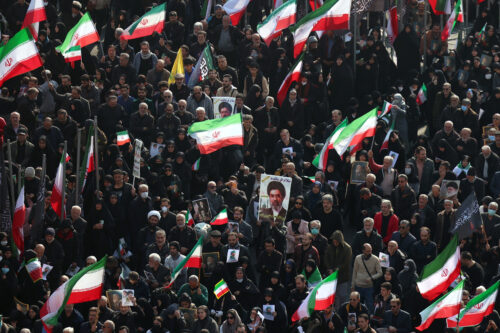
Just weeks before President Trump’s war began, Iran was in the midst of a powerful wave of anti-regime protests spreading across the country. But once the war started, that momentum largely came to a halt. The conflict shifted the focus from dissent to survival and gave the regime an opening to crack down harder. With tighter controls, heightened fear, and everyday life suddenly more precarious, people pulled back from the streets. The protests may have paused, but the resentments that fueled them haven’t gone anywhere.