Skip to Content

Research & Commentary Results

Filter by
1785 Results
The Abraham Accords
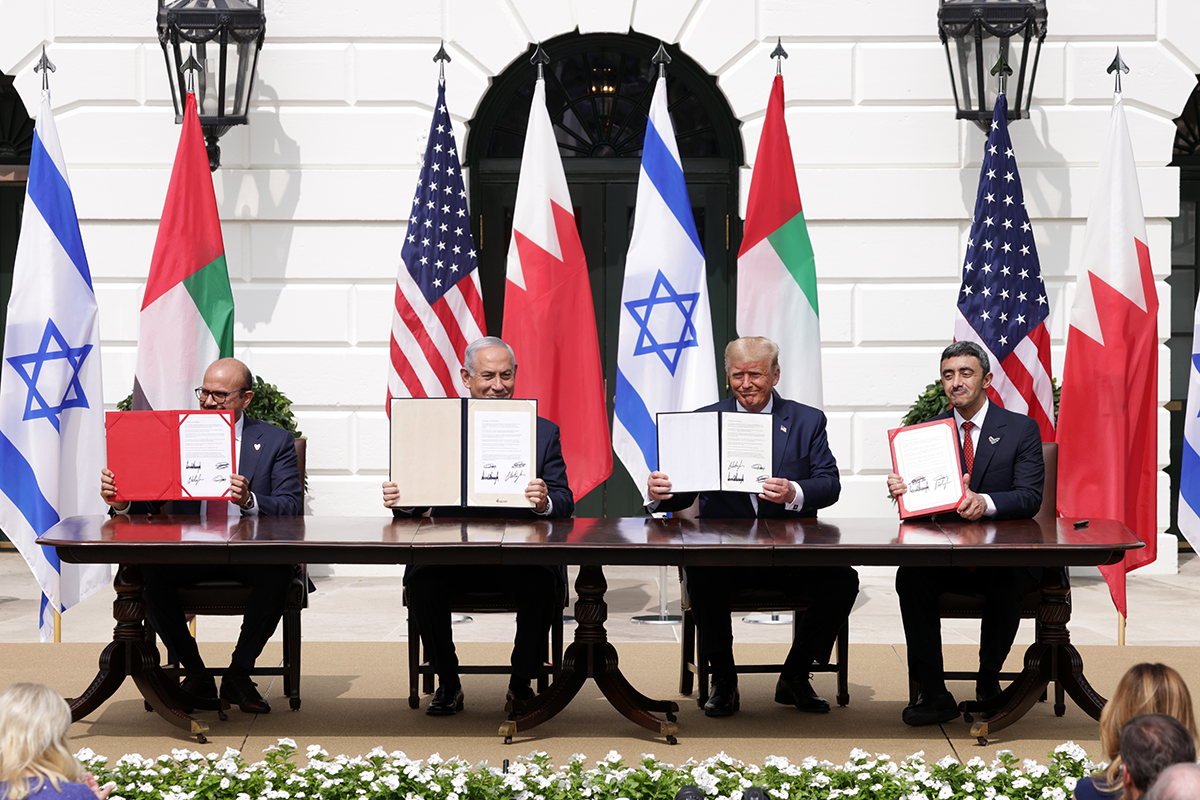
Photo by Alex Wong/Getty Images
  • Backgrounder
  • The Abraham Accords

    This backgrounder provides an overview of how the Abraham Accords came about, the US interests involved, their economic and strategic consequences, and the prospects for further enlargement going forward.

    November 17, 2025

    An International Stabilization Force for Gaza
    Photo by Alexander ShcherbakTASS via Getty Images
  • Analysis
  • An International Stabilization Force for Gaza

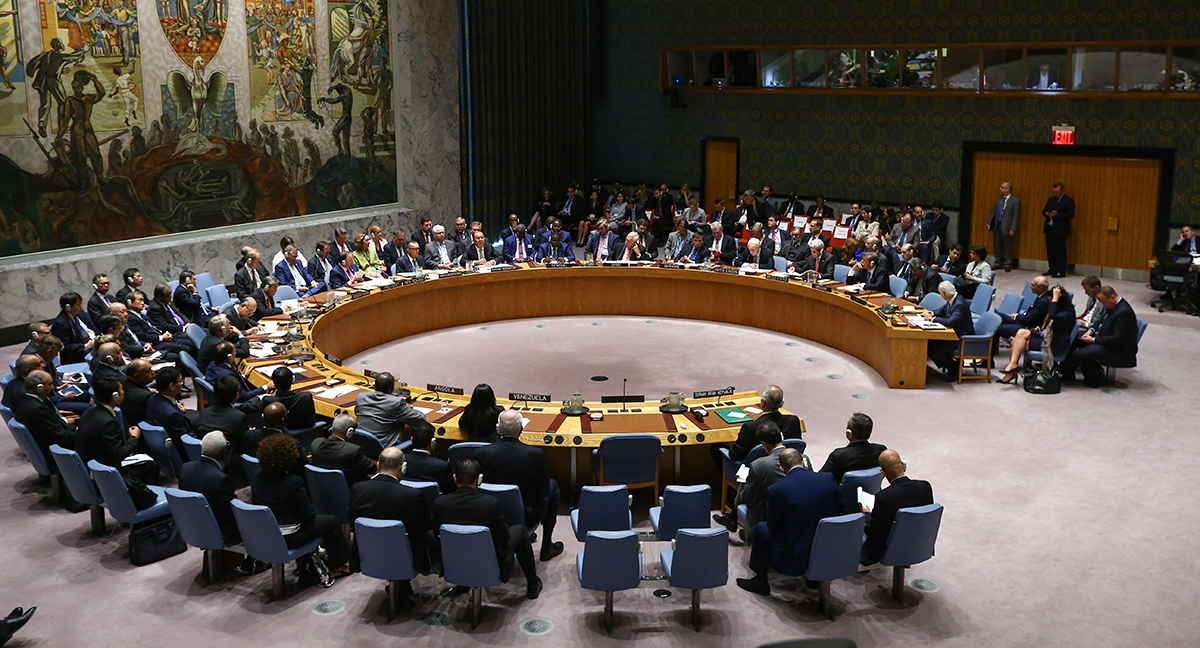
    The United States plans to submit a resolution on Gaza to the United Nations Security Council by the end of November. Reportedly, the latest draft endorses President Donald Trump’s 20-point plan, recognizes the Board of Peace as a “transitional governance administration,” and authorizes the BoP to establish an International Stabilization Force. In a new MEI Policy Memo, Lucy Kurtzer-Ellenbogen breaks down why it matters for the US and the relevant policy considerations.

    An International Stabilization Force for Gaza
  • Policy Memo
  • An International Stabilization Force for Gaza

    The United States plans to submit a resolution on Gaza to the United Nations Security Council (UNSC) by the end of November. Reportedly, the latest draft endorses President Donald Trump’s 20-point plan, recognizes the Board of Peace (BoP) as a “transitional governance administration,” and authorizes the BoP to establish an International Stabilization Force (ISF). The UN resolution is a first step to achieving buy-in from potential ISF contributors. In turn, a viable ISF will be one key to moving beyond the cease-fire to securing the 20-point plan’s envisioned Hamas disarmament, further Israeli military withdrawal, and a path to Palestinian governance. The US faces several dilemmas as it seeks to transition from cease-fire to stabilization and beyond.  
    MBS Comes to Washington
    Photo by Win McNamee/Getty Images
  • Analysis
  • MBS Comes to Washington

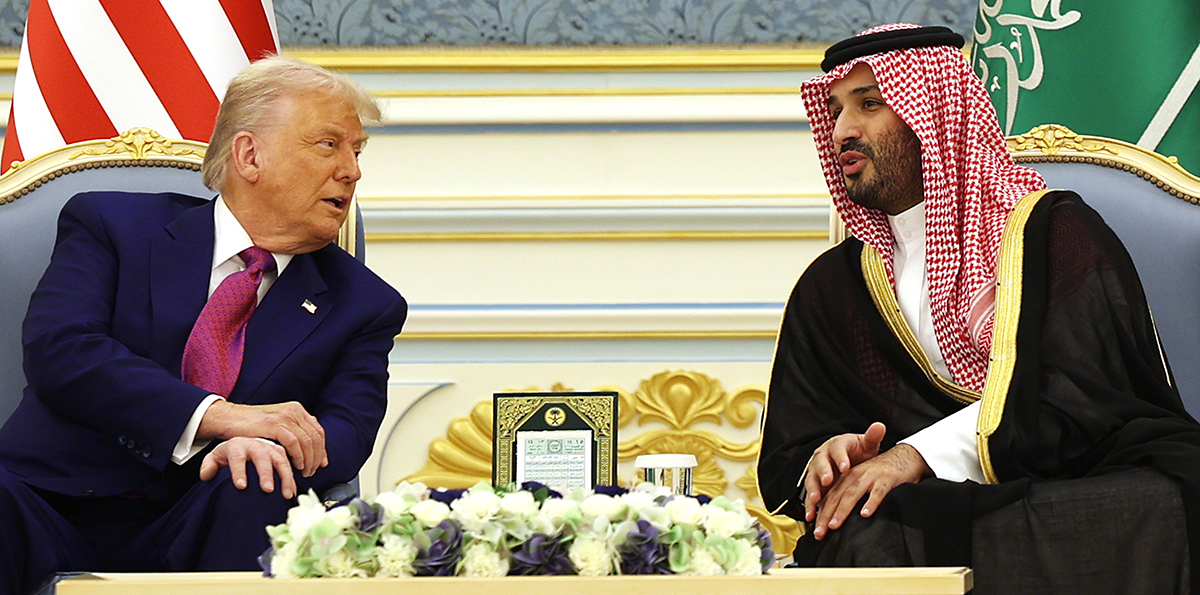
    On November 18, Saudi Crown Prince Mohammed bin Salman is scheduled to make his first trip to Washington since 2018. In a new MEI Policy Memo, Daniel Benaim breaks down why it matters for the US and the relevant policy considerations.

    Divisions at home hinder America’s ambitions abroad
    Photo by BRENDAN SMIALOWSKI/AFP via Getty Images
  • Analysis
  • Divisions at home hinder America’s ambitions abroad

    Over the past week, US President Donald Trump made an extended trip to Asia and threatened military actions against Latin American and African countries. But despite his administration’s continuing ambitions in the Middle East region, few major breakthroughs are expected there in the immediate future due to the government shutdown and unilateral cuts to national security infrastructure.

    From Protest to War: How October 7 Reshaped Israeli Democracy
  • Podcast
  • From Protest to War: How October 7 Reshaped Israeli Democracy

    For years, Israeli populist politicians have chipped away at the country’s democratic guardrails. But the Hamas attacks of October 7, 2023 accelerated Prime Minister Benjamin Netanyahu’s drive to consolidate power. The kind of societal pushback that once blocked his efforts to expand executive authority is now under severe strain. Israel’s multi-front conflict with Iran, Hamas, and other Iranian proxies has blunted protest movements and sidelined those who once filled the streets in defense of democracy. Defending checks and balances has been eclipsed by wartime priorities.

    The legitimacy trap: How international institutions sustain the Houthis’ hold on Yemen
    Photo by MOHAMMED HUWAIS/AFP via Getty Images
  • Analysis
  • The legitimacy trap: How international institutions sustain the Houthis’ hold on Yemen

    For years, the prevailing assumption was that the Houthis’ survival depended on battlefield victories and Iranian support. Both are essential, but there is a third critical and often overlooked factor: the weaponization of international engagement. In a pattern that continues to repeat itself, engagement without accountability strengthens rather than moderates Houthi behavior.

    November 3, 2025

    The taboo of regret: Iranian reflections on the seizure of the US embassy in 1979
    Photo credit BEHROUZ MEHRI/AFP via Getty Images
  • Analysis
  • The taboo of regret: Iranian reflections on the seizure of the US embassy in 1979

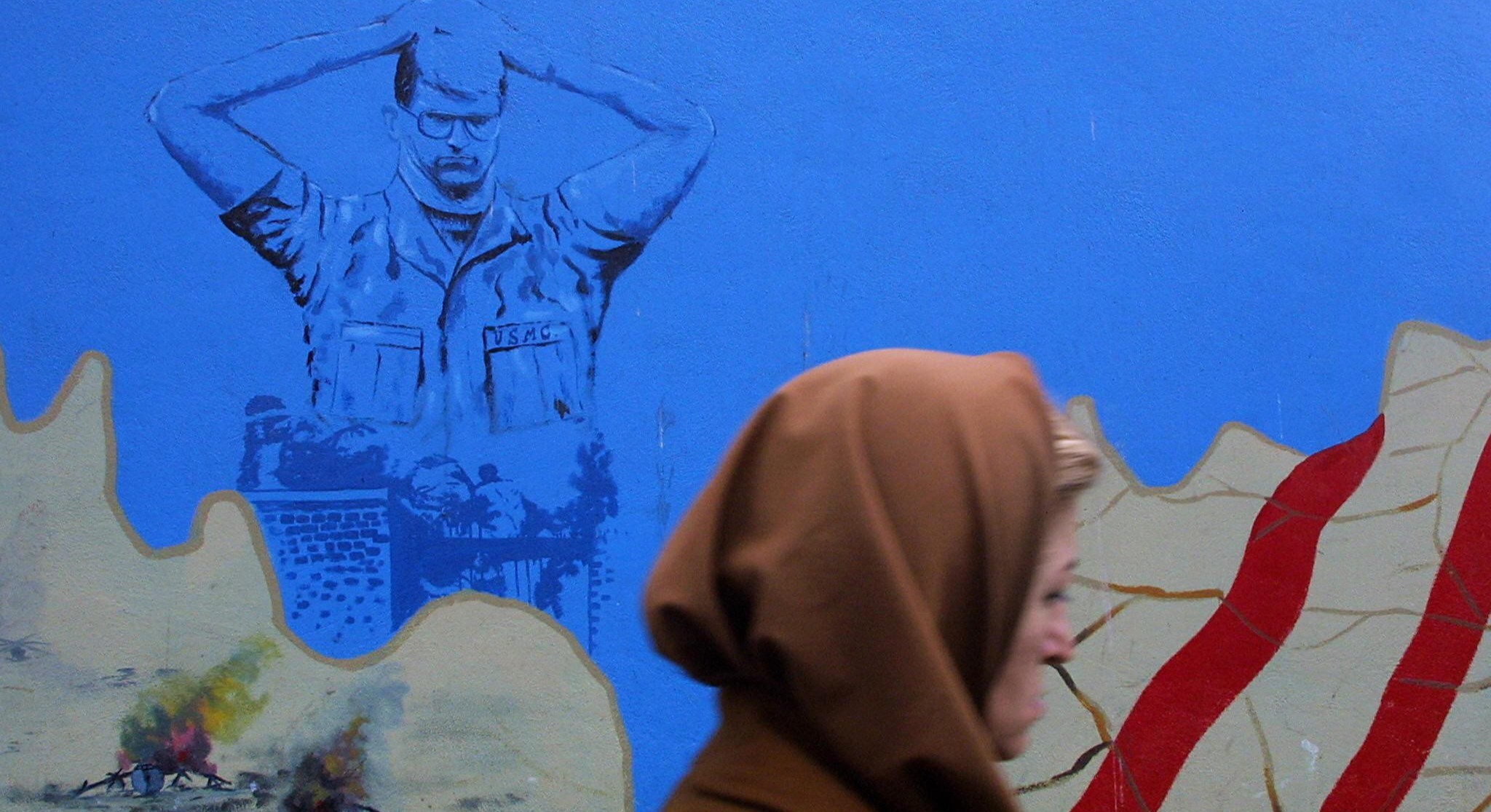
    For decades, the 1979 takeover of the US Embassy in Tehran has symbolized the righteousness of the Islamic Republic of Iran’s revolutionary defiance and the legitimacy of “resistance” as state ideology. To question it is to pry open the logic of the entire enterprise.

    US Policy in the Middle East: Third Quarter 2025 Report Card
    Photo by Chip Somodevilla/Getty Images
  • Report
  • US Policy in the Middle East: Third Quarter 2025 Report Card

    President Donald Trump continued to rewrite the playbook of US foreign policy this summer and early fall, with mixed results on the global stage but producing some important openings for progress in the Middle East due to a negotiated Gaza cease-fire and hostage-release deal.

    A realistic, step-by-step approach to restoring Lebanese sovereignty
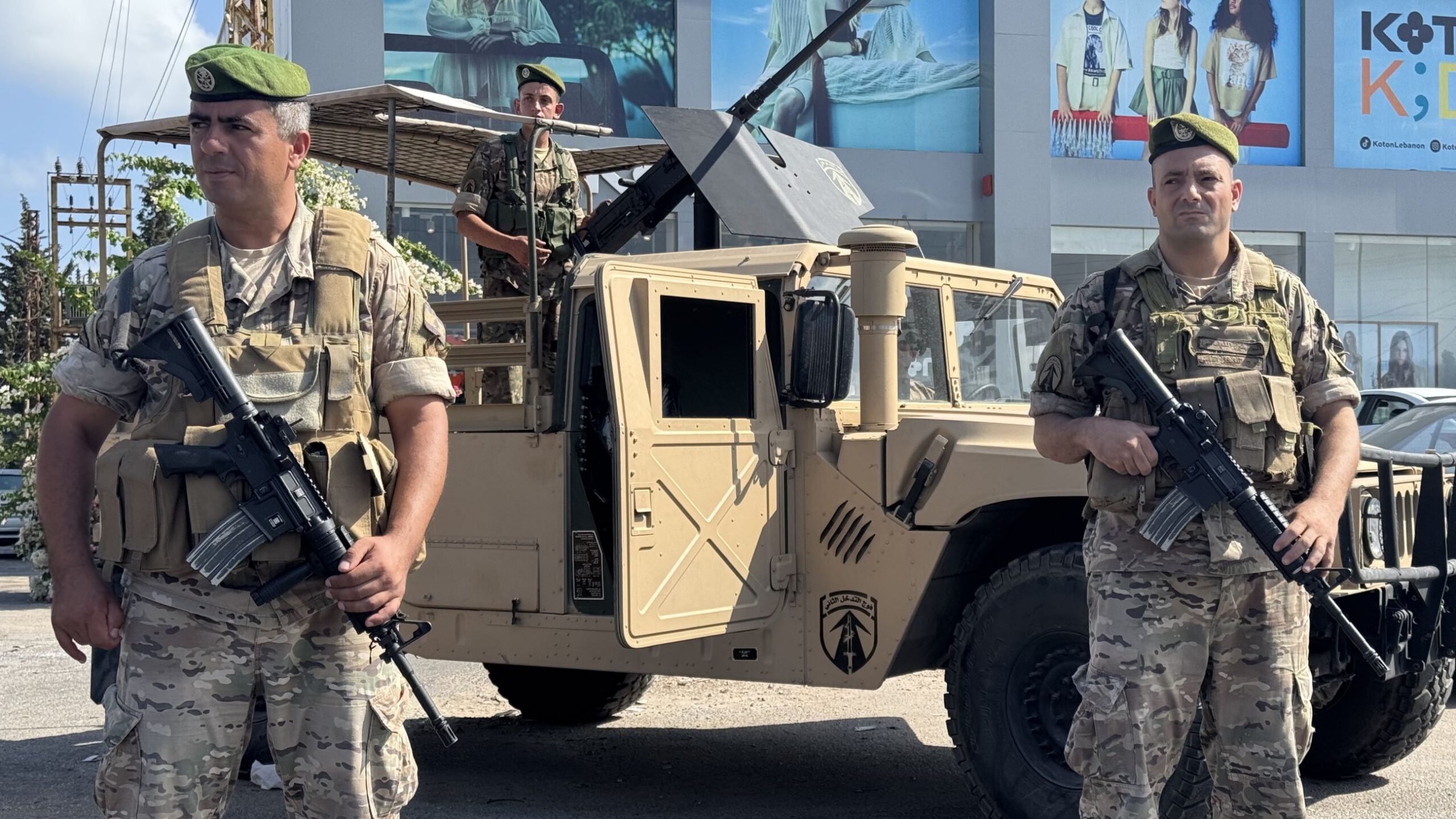
    Photo by Ahmad Kaddoura/Anadolu via Getty Images
  • Analysis
  • A realistic, step-by-step approach to restoring Lebanese sovereignty

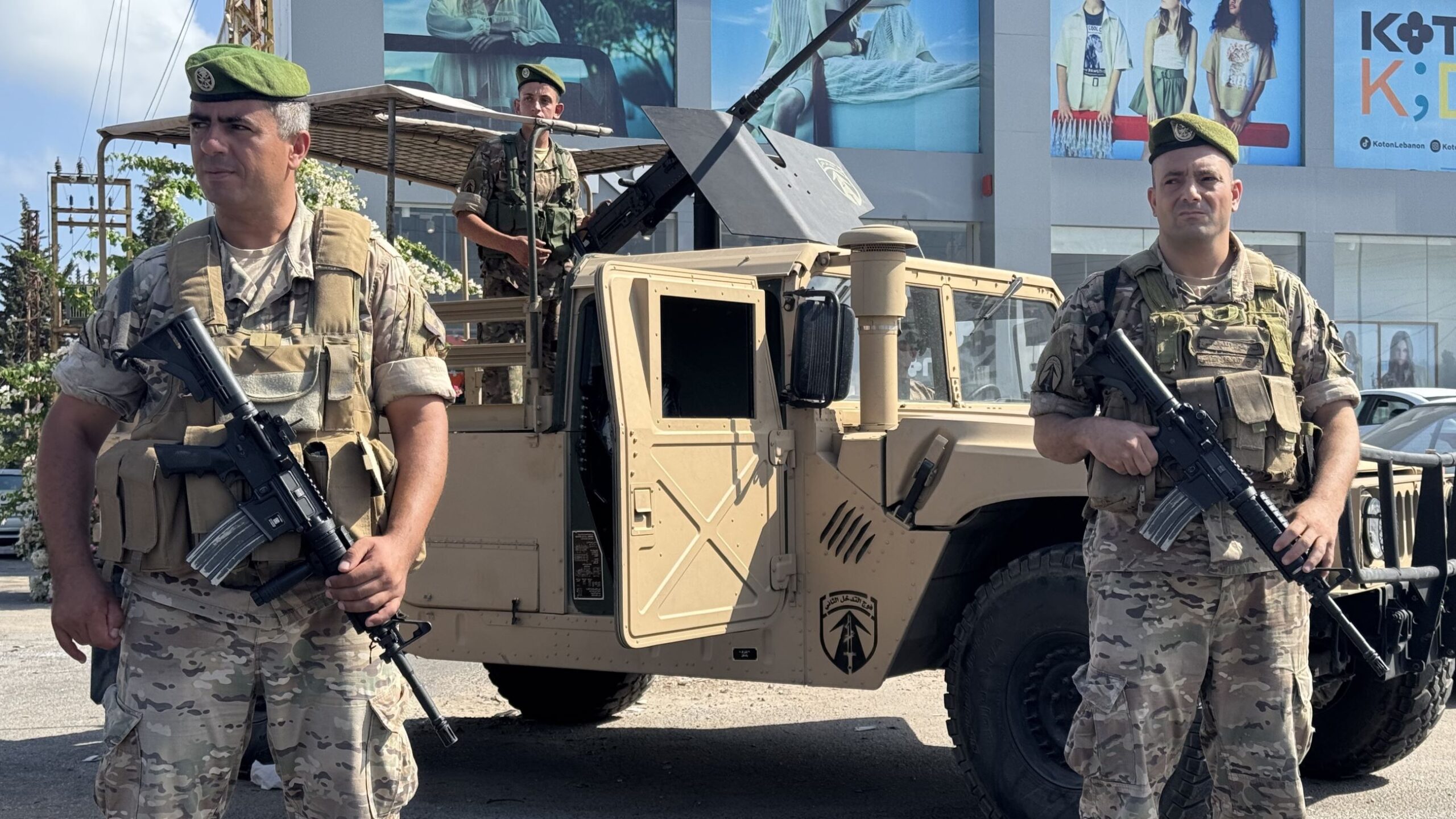
    Seizing Lebanon’s once-in-a-generation opportunity hinges on its ability to resolve its core dysfunction: reclaiming the state’s monopoly on force and its exclusive authority to determine matters of war and peace. Beirut, backed by deepening US support, must focus on achieving tangible milestones and strategic victories that momentum, making Hizballah’s disarmament unstoppable and the state’s reassertion of authority irreversible.

    A realistic, step-by-step approach to restoring Lebanese sovereignty
  • Analysis
  • A realistic, step-by-step approach to restoring Lebanese sovereignty

    Seizing Lebanon’s once-in-a-generation opportunity hinges on its ability to resolve its core dysfunction: reclaiming the state’s monopoly on force and its exclusive authority to determine matters of war and peace. Beirut, backed by deepening US support, must focus on achieving tangible milestones and strategic victories that momentum, making Hizballah’s disarmament unstoppable and the state’s reassertion of authority irreversible.

    October 20, 2025

    Defining and stabilizing Lebanon’s borders
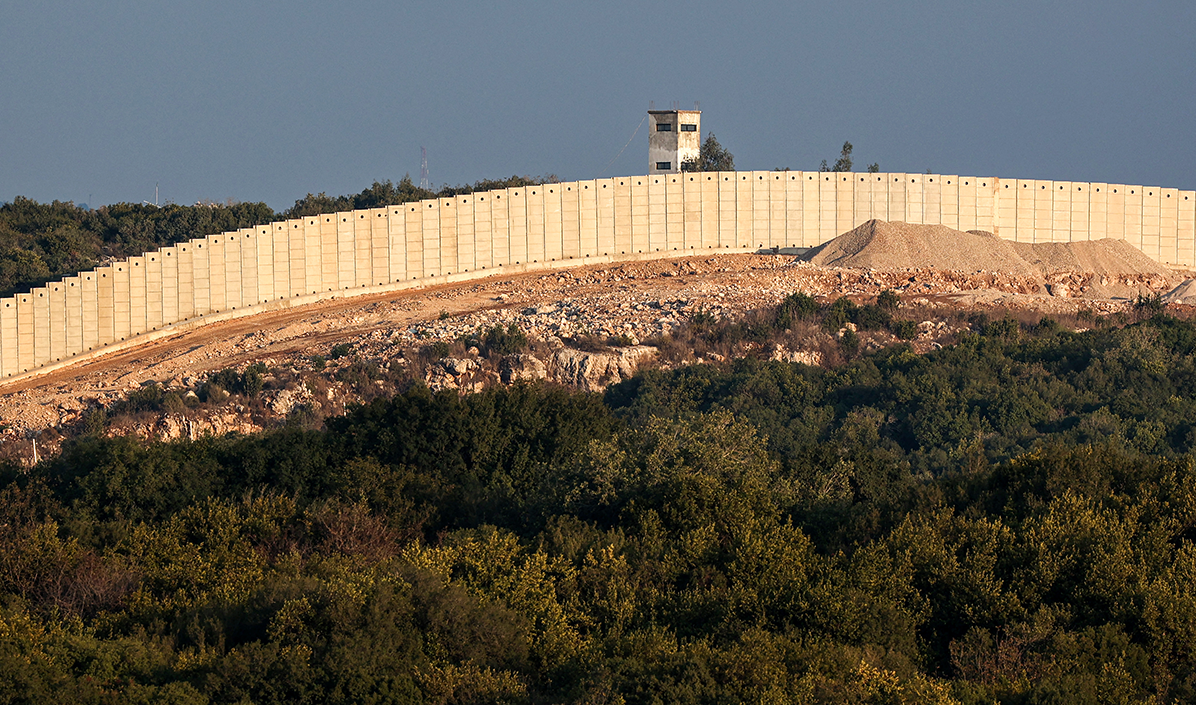
    Photo by Christina Assi/AFP via Getty Images
  • Analysis
  • Defining and stabilizing Lebanon’s borders

    The central challenge facing Lebanon today is whether the country will graduate to functional statehood or continue struggling to survive. Yet with Lebanese officials now insisting that the state “monopolize arms” and become the decisive arbiter on matters of war and peace, a relevant question arises: Where, territorially, does Lebanon begin and end?

    October 20, 2025

    Trump’s big week in the Middle East weighed down by troubles on other fronts
    Photo by Suzanne Plunkett - Pool / Getty Images
  • Analysis
  • Trump’s big week in the Middle East weighed down by troubles on other fronts

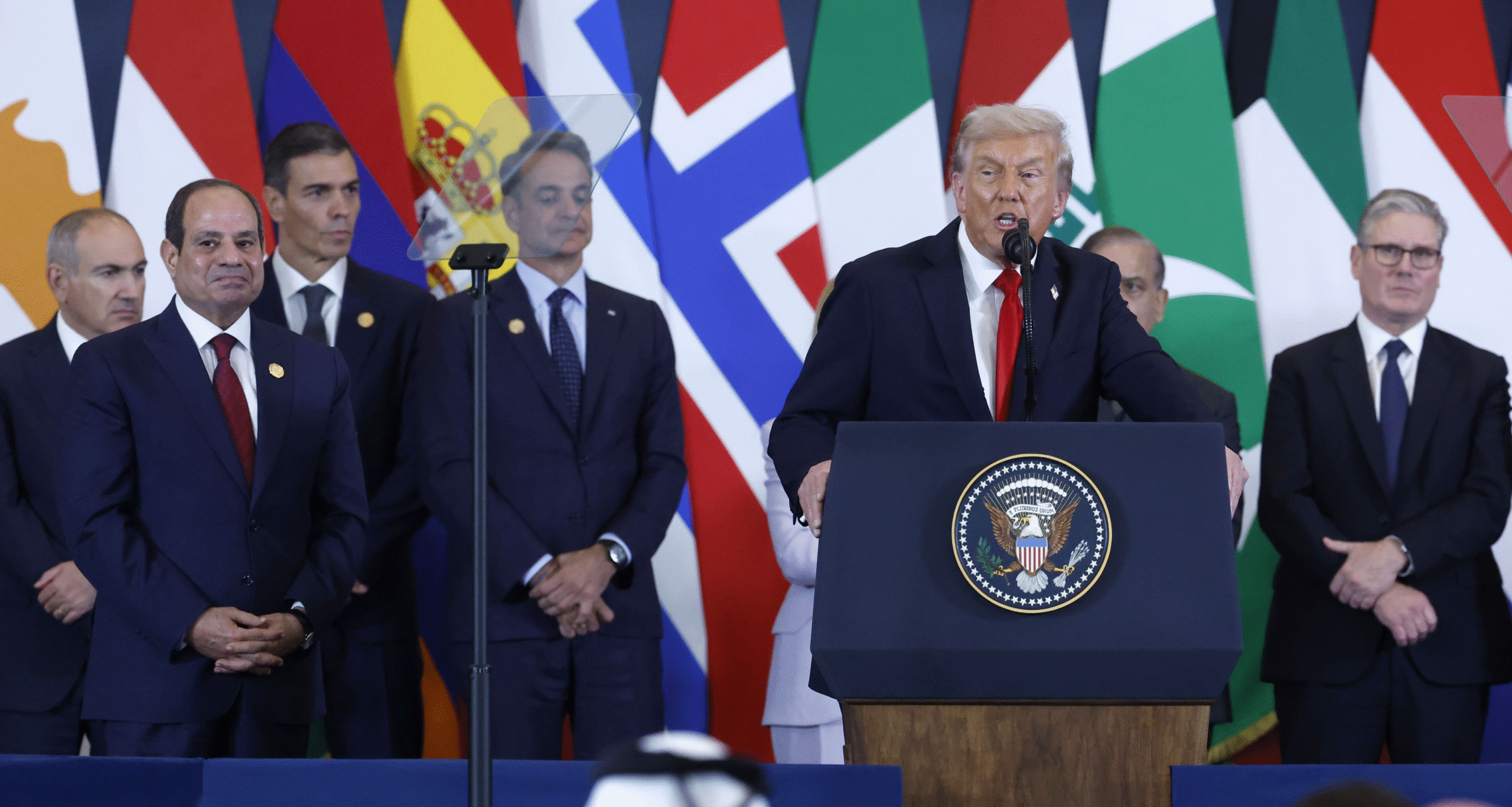
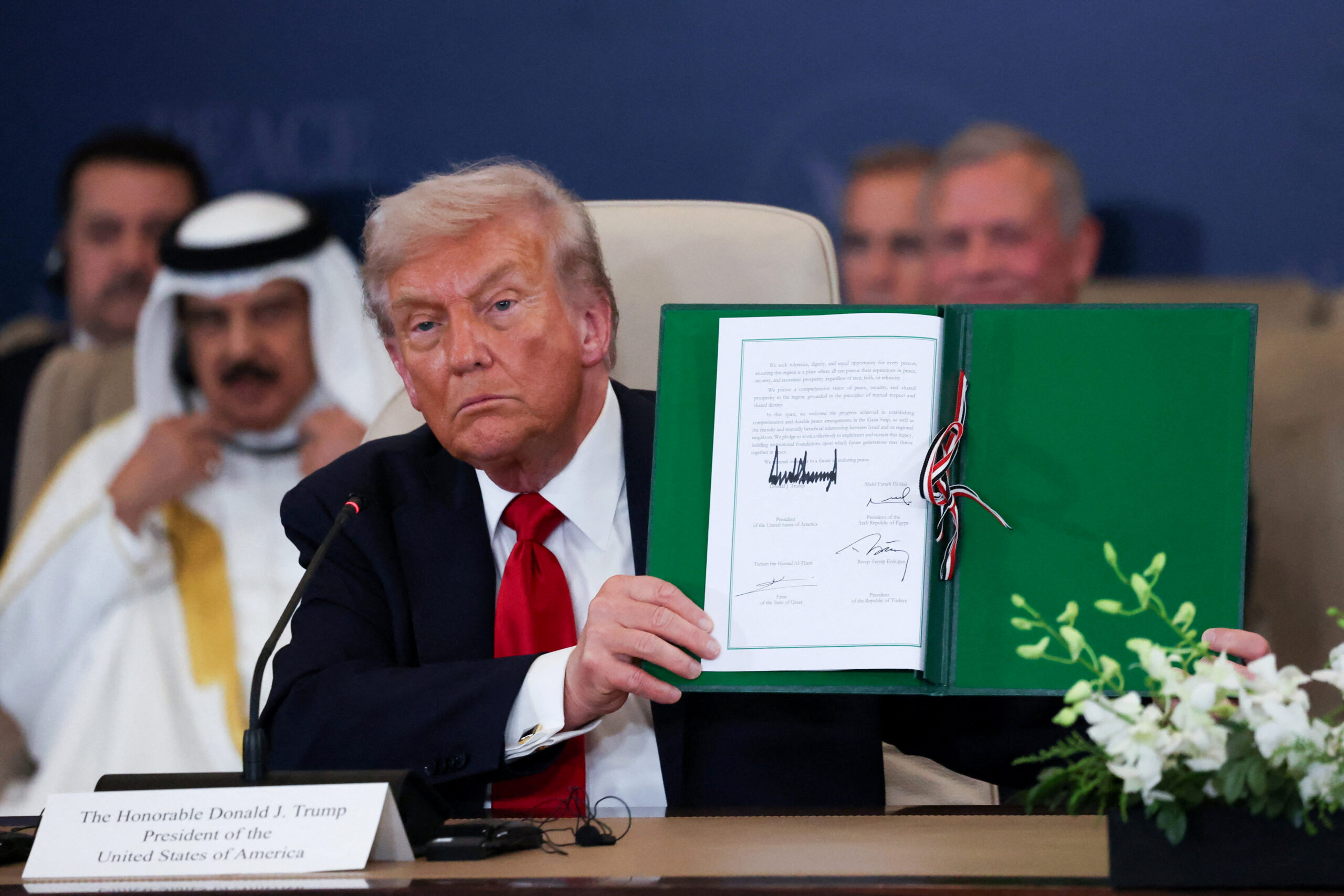
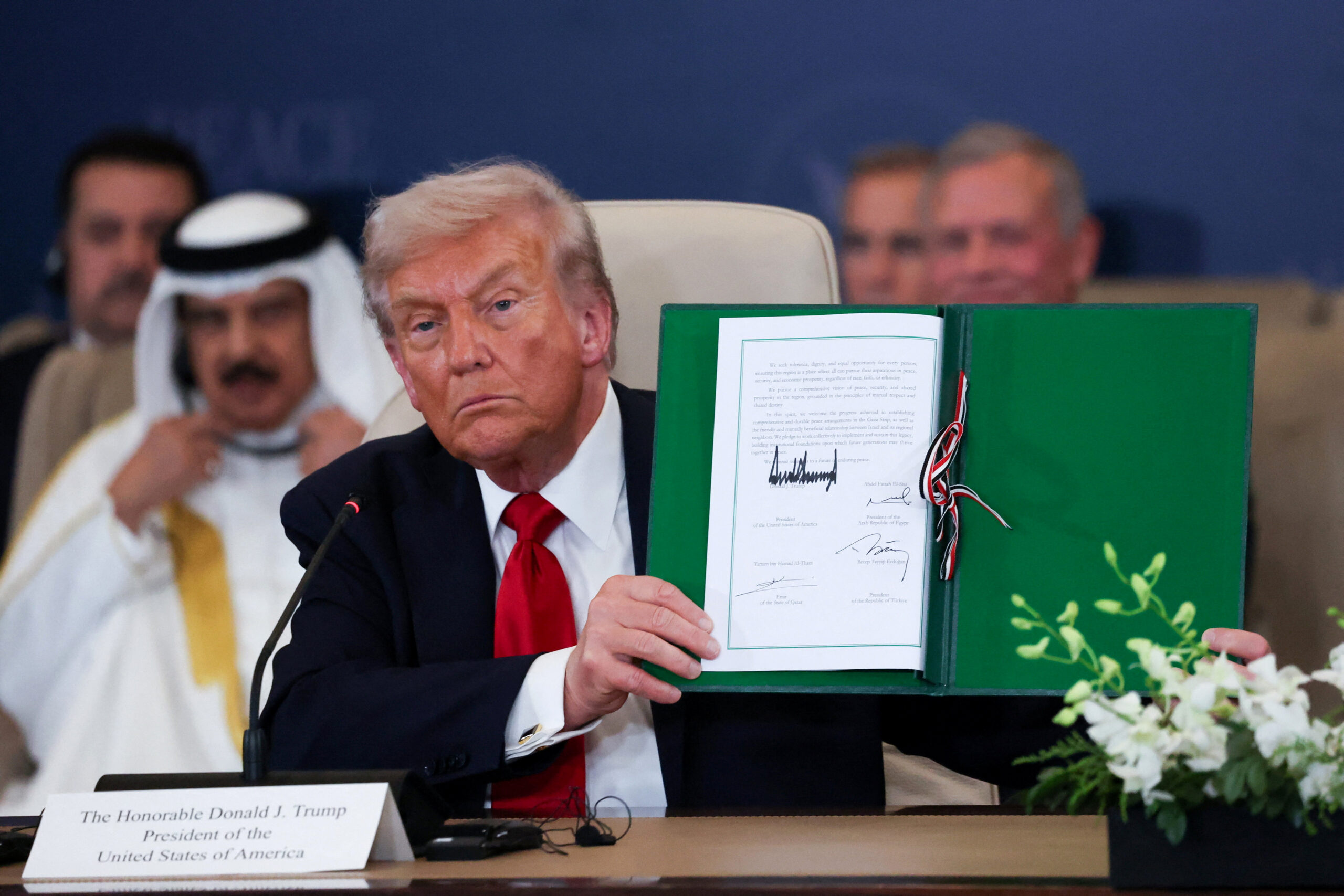
    US President Donald Trump started off his week by flying to Israel and Egypt to mark the Gaza cease-fire and release of the last remaining Israeli hostages. But as these positive developments unfolded in the Middle East, the Trump administration’s overall agenda remained weighed down on other fronts.

    From Gaza Cease-fire to Middle East Peace?
    Photo by Suzanne Plunkett - Pool / Getty Images
  • Analysis
  • From Gaza Cease-fire to Middle East Peace?

    The October 2025 cease-fire and hostage-release deal that ended the Israel-Hamas conflict marks the beginning of a complicated post-war phase. In a new MEI Policy Memo, Brian Katulis breaks down why it matters for the US and the relevant policy considerations.

    From Gaza Cease-fire to Middle East Peace?
  • Policy Memo
  • From Gaza Cease-fire to Middle East Peace?

    The October 2025 cease-fire and hostage-release deal that ended the Israel-Hamas conflict marks the beginning of a complicated post-war phase. The agreement has created important opportunities to advance stability in the Middle East and build a lasting and sustainable peace marked by enhanced regional security and integration, but there are considerable risks to manage. Achieving these goals will require coordinated international action along multiple lines of effort: security, rule of law, recovery and reconstruction, responsive governance, and steady and focused diplomacy to build confidence among key parties.