Shockwaves Across Asia: The Iran War’s Strategic Fallout
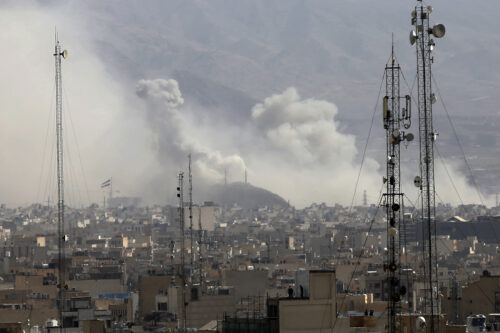
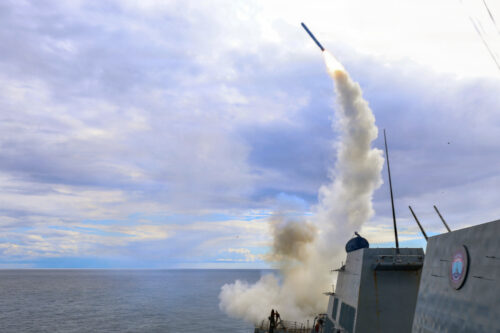
The Israeli-U.S. military strikes on Iran that began on February 28 have done more than ignite a Middle Eastern war. They have sent shockwaves rolling across Asia, from the Strait of Hormuz to the Sea of Japan, exposing the brittle underpinnings of regional energy systems, straining diplomatic balancing acts, and forcing governments to make hard choices they have long deferred.
Iran’s Insurance Policy: Why the Houthis Have Stayed out of the Fight
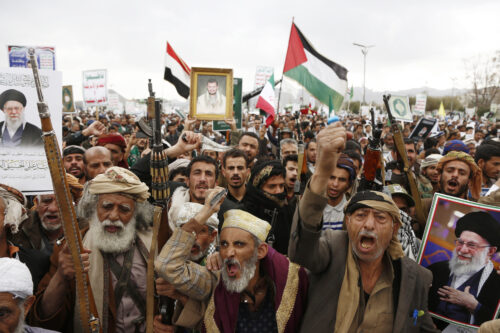
Nearly two weeks into the Iran war, one of Tehran’s most capable and disruptive regional allies, Yemen’s Houthi movement, has not entered the fight. The Houthis’ restraint reflects a strategic calculation by Iran’s Islamic Revolutionary Guard Corps.
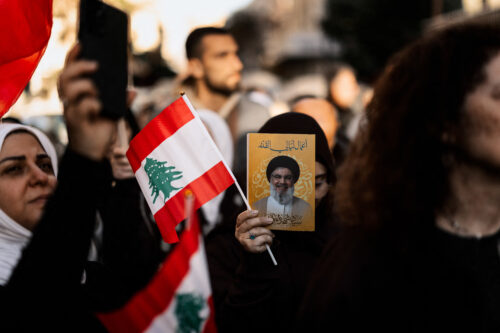
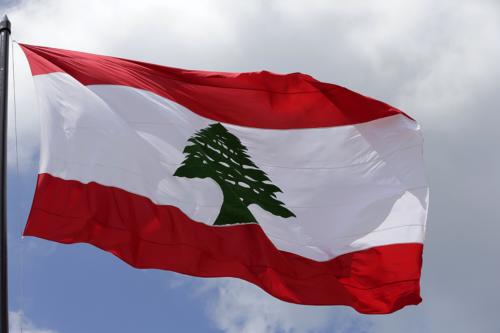
Operation Epic Fury has created a dramatic opportunity in Lebanon that the US cannot afford to miss. Sustained leadership and support for the Lebanese Armed Forces can result in real disarmament, eliminating Hizballah as an Iranian proxy, and dealing Tehran another massive defeat that would further undermine the Iranian regime and help bring about its collapse.
Turkey caught in the vortex of a widening Iran war
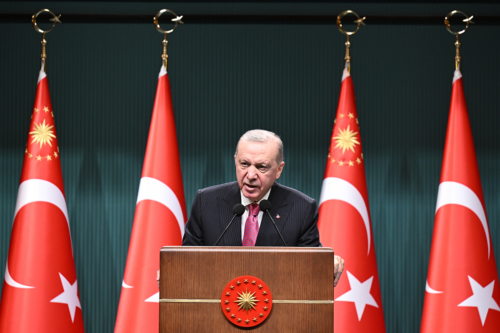
After months of trying to head off a US-Israeli war with Iran, Turkey now finds itself caught in the middle of it — and deeply concerned that a prolonged, regionalized conflict could pose serious security, economic, and political risks.
Intelligence questions as the war with Iran enters a more uncertain phase
Following the tactical surprise of US-Israeli strikes on Iran, a crucial next step is the assessment of judgments about Iranian military sustainability, regime cohesion, escalation dynamics, regional spillover, allied responses, and plausible end states, and how those judgments interact with allied positioning, diplomatic activity, and economic constraints.
How to prevent the Iran war from becoming a vortex that draws in more countries
By attacking Iran without clear objectives or an exit strategy, the US and Israel turned what was the greatest strategic and chronic threat to regional security into an unpredictable set of imminent dangers. A fundamental task for US national security is to prevent this conflict from becoming a vortex that increasingly pulls in other powers.
Lebanon on the Brink: Hizballah, Iran, and the War’s Spillover
Hosts Alistair Taylor and Matthew Czekaj are joined by MEI Senior Fellow Fadi Nicholas Nassar to discuss Hizballah’s role in the escalating conflict in the Middle East and the implications for Lebanon. A day after the United States and Israel launched a joint military campaign against Iran, Tehran’s Lebanese proxy fired missiles at northern Israeli territory. Israel responded swiftly and forcefully, and Lebanon’s government and population now fear the Iranian-backed militia is dragging the country back into war. The conversation explores the broader repercussions of Hizballah’s actions against the backdrop of a widening war in Iran and Lebanon’s quickly evolving political climate. Nassar also outlines recommendations for how Lebanon can move forward as a sovereign and effective state.
Disarmament as a Means, Not an End: A Practical Strategy for Gaza’s Governing Transition
Disarmament is necessary in Gaza. It is the only way to realize the goals articulated in the internationally endorsed 20-point plan laid out by the Trump administration. But a policy approach that makes disarmament a prerequisite for action on governance, recovery, freedom of movement for Gazans, and any credible political horizon is structurally and strategically counterproductive.
After the Iran War: What Is America’s Long Game in the Middle East?
Brian is joined by Dana Stroul, Director of Research and Shelly and Michael Kassen Senior Fellow at the Washington Institute for Near East Policy, to examine US objectives in the Middle East in the midst of the ongoing war between the US, Israel, and Iran. Drawing on her extensive experience in US policymaking, most notably as the Pentagon’s top civilian official responsible for the Middle East from 2021 to 2023, Dana offers an insider’s perspective on this strategic moment. Together, Dana and Brian unpack the rapidly developing situation in Iran, the fragility of the ceasefires in Gaza and Lebanon, the shifting landscape in Syria after Assad, and the United States’ role in a region that may be on the cusp of transformation.
After Khamenei: Iran enters its most uncertain transition since 1979
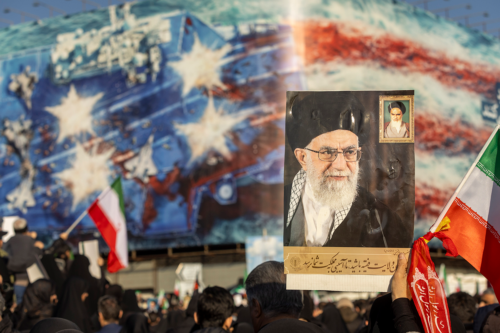
For nearly four decades, Ayatollah Ali Khamenei embodied the Islamic Republic’s certainty: a singular authority who shaped every major decision on war and peace, repression and reform, economics and ideology. His death, in a coordinated US-Israeli strike on his Tehran command compound on February 28, has ripped that certainty away in the most violent fashion imaginable.
On February 28, the US and Israel launched coordinated military strikes on Iran. MEI defense experts weigh in on the military and regional consequences.
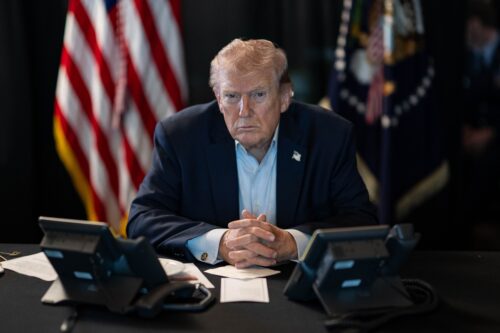
Against the backdrop of one of the largest US military deployments to the Middle East since 2003, MEI Senior Fellow Alex Vatanka joins hosts Alistair Taylor and Matthew Czekaj to assess the situation inside Iran on the eve of potential war. Weeks after the Islamic Republic’s brutal crackdown on anti-government protesters and as negotiations with the US fail to find common ground, Donald Trump is reportedly weighing options for military action against Iran. Vatanka breaks down the regime’s strategic calculus, the current dynamics of Iran’s opposition movement, and the likely domestic political consequences of a military strike.
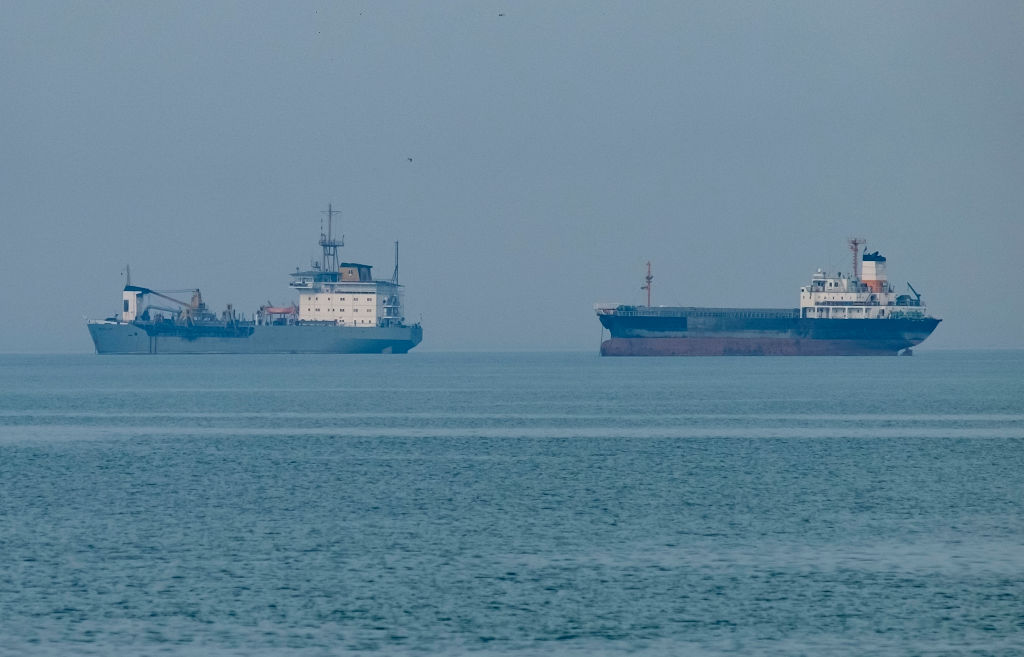
How Iran, China, and Russia Use the Shadow Fleet to Evade US Sanctions
Crude oil legally sanctioned by the United States and its allies today makes up an estimated 18% of global tanker capacity, or 6-7% of total unrefined petroleum flows — shares that have been growing. Increased pressure on Russian exports and US intervention in Venezuela have further constrained Russian flows and temporarily removed Venezuela, the smallest sanctioned producer, from the market. Iranian exports, however, remain largely untouched.