The Impact of the Iran War on the Gulf’s Grand AI Plans
When Iranian drone strikes hit two of Amazon’s data centers in the United Arab Emirates and Bahrain in early March, amid the ongoing US-Israeli war with Iran, much of the media’s reflex was to declare it the end of the Gulf’s artificial intelligence (AI) ambitions. That read is misguided, and it misses why what Iran was trying to accomplish failed.
The Gulf states are betting big on artificial intelligence (AI). Their motive is simple: While hydrocarbons will remain part of the energy mix for the foreseeable future, the revenue and influence tied to crude are already beginning to diminish. AI is not just about technology; it is a hedge, and potentially a new foundation for sustaining and even increasing their power in the rapidly shifting world order.
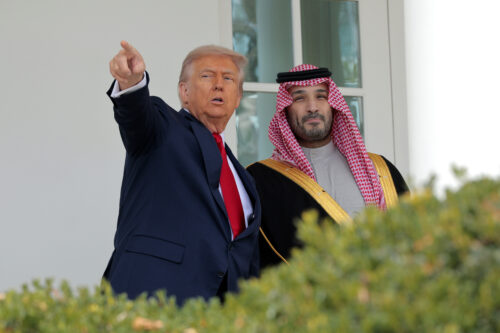
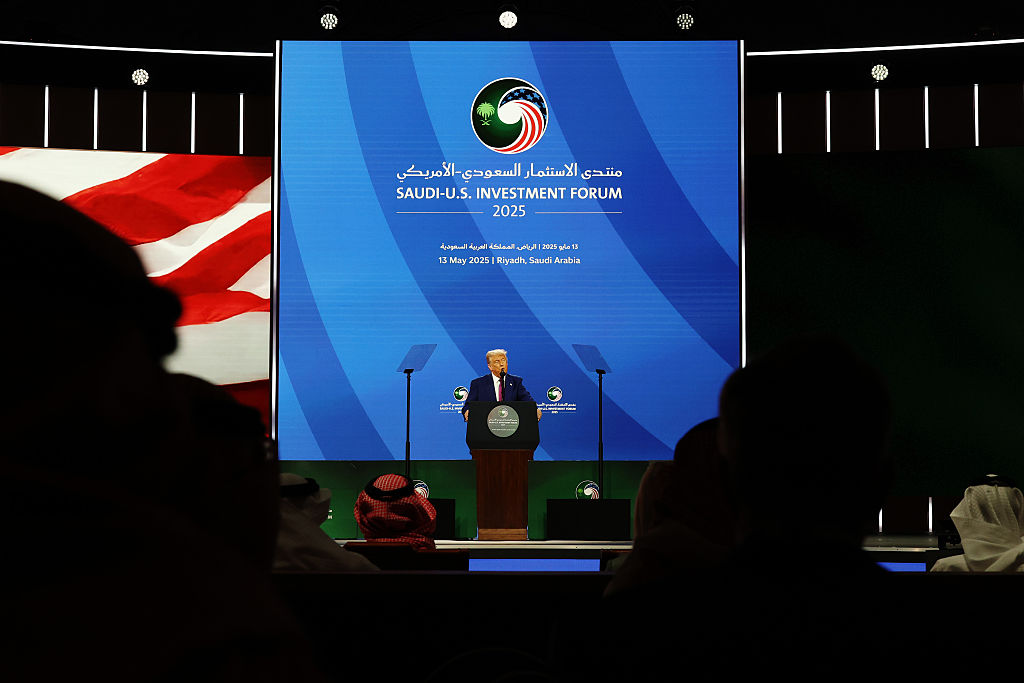
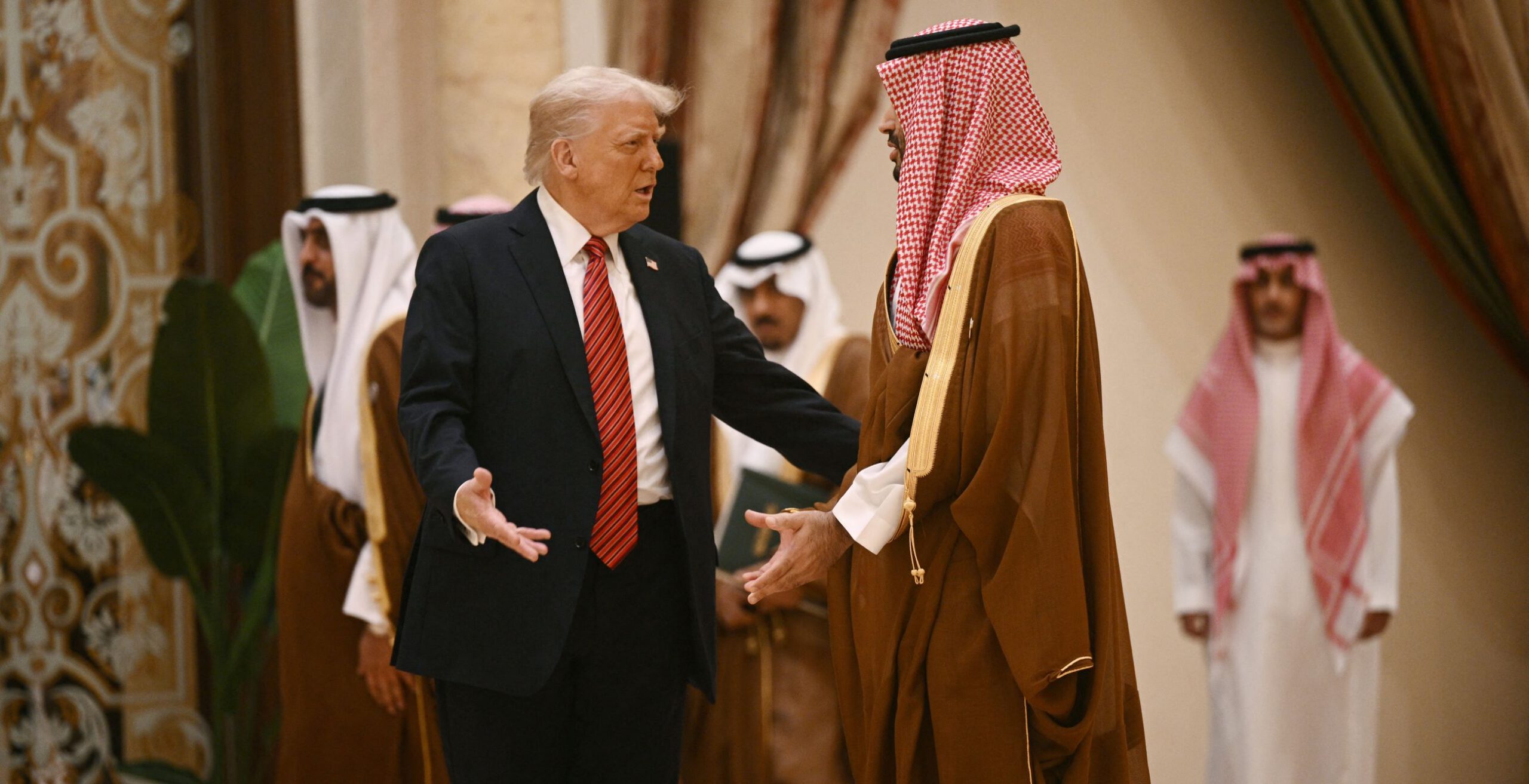
The US Commerce Department announced on November 19, 2025, that it had authorized the export of advanced American semiconductor chips to HUMAIN of Saudi Arabia and G42 of the United Arab Emirates. The approval enables both companies to purchase up to 35,000 Blackwell chips (GB300s). This sale is a core component of a broader “Compute Diplomacy” approach under the second administration of President Donald J. Trump, which was solidified following his May 2025 visit to the Gulf, where a series of multibillion-dollar artificial intelligence (AI) infrastructure agreements were signed.
Trump-MBS summit: Good feelings, real commitments, and unresolved questions
Mohammed bin Salman, the crown prince, prime minister, and main decision-maker in Saudi Arabia, left Washington and his summit with President Donald Trump with a number of promises made and commitments received. But several questions, including on shared diplomatic agenda items, the extent of civilian nuclear cooperation, and the nature of the American defense commitment to Saudi Arabia, remain unanswered.
On November 18, Saudi Crown Prince Mohammed
bin Salman (MBS) is scheduled to make his first trip to Washington since 2018. President Donald Trump has doubled down on the Gulf from the outset of his second term, making Riyadh his first planned overseas trip and reorienting ties around major artificial intelligence (AI) and investment deals. MBS’s visit will test whether both sides can translate ambitious pledges into concrete outcomes. Significant upgrades in defense and security are expected, with movement possible on semiconductor sales and nuclear cooperation. Behind the ambitions, harder questions about Saudi-Israeli normalization and alignment in a rapidly changing region loom as important Oval Office topics.
Digital frontlines: What the 12-day war revealed about the evolution of Iran’s cyber strategy
During June’s Israel-Iran war, a quieter but significant battle played out in cyberspace, highlighting how Tehran has refined its use of digital tools to shape the battlespace, control domestic narratives, and project influence abroad. While largely ineffective in operational terms, Iran’s cyber response marked a new phase in its strategic evolution.
Saudi Arabia’s AI ambition, and what it means for the United States
A day before Air Force One touched down in Riyadh to kick off US President Donald Trump’s three-country tour of the Gulf, Saudi Arabia made a pivotal announcement. The kingdom, long synonymous with oil, revealed a major investment in artificial intelligence (AI) through its newly launched company, HumAIn. This pivot, explicitly timed to coincide with Trump’s visit starting on May 13, and in anticipation of the signing of multiple tech deals between US and Gulf firms during the trip, signaled a profound shift in US-Saudi relations — from a traditional oil-for-security alliance to a partnership centered on AI and digital infrastructure.
Hosts Alistair Taylor and Matthew Czekaj speak with MEI Senior Fellow Mohammed Soliman about President Donald Trump’s recent trip to Saudi Arabia, the UAE, and Qatar, which yielded a wave of major US-Gulf tech and AI deals. Soliman explains how these partnerships mark a shift in the relationship—from oil and arms to compute power and data infrastructure—and what it means for the Gulf’s strategic role in the global AI ecosystem.
A midstream appraisal of Trump’s historic Middle East trip
One of the strategic thrusts of the opening months of Trump’s second terms has been aimed at deepening America’s economic engagement with the leading economies of the Gulf. Thus, the first leg of his trip to the region resulted in a template for deeper US-Saudi ties.
As Saudi Arabia accelerates its transformation into a global technology powerhouse, the United States has a pivotal opportunity to redefine its partnership with the kingdom. Moving beyond the traditional oil-for-security framework, a new partnership centered on artificial intelligence and digital infrastructure can anchor US-Saudi relations in the 21st century.
Sheikh Tahnoon in Washington: UAE-US relations reimagined for the 21st century with technology at the core
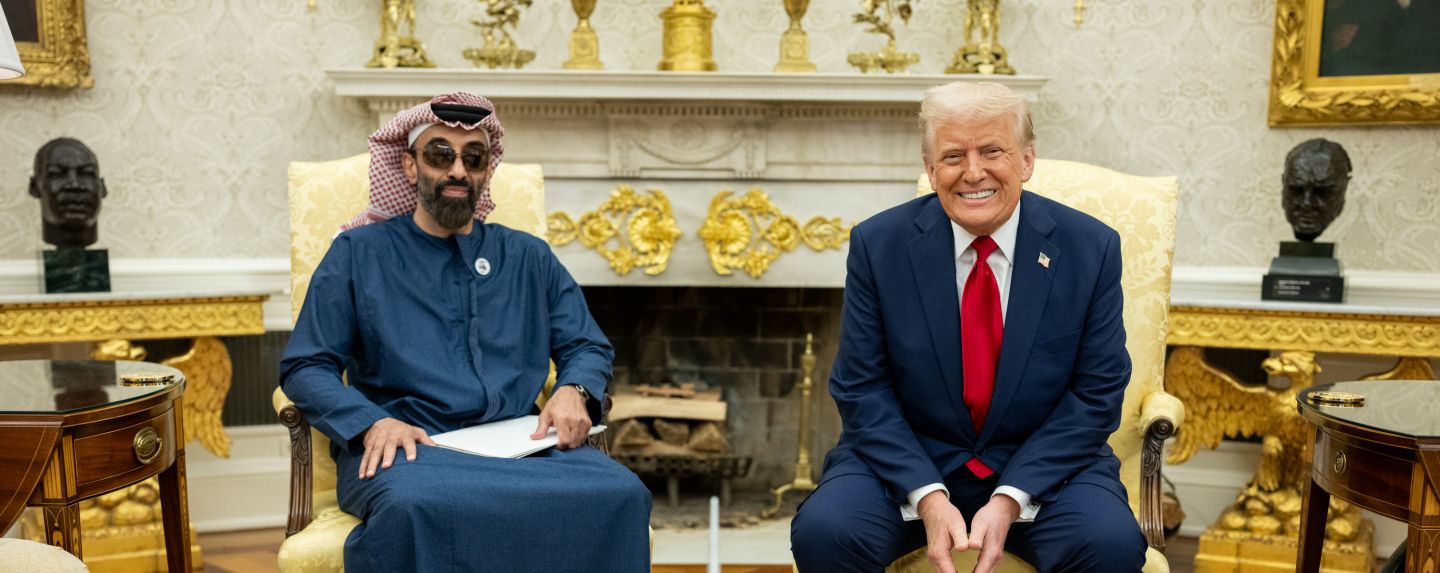
Sheikh Tahnoon bin Zayed, the United Arab Emirates’ national security adviser and a central figure in its tech and security landscape, visited Washington for high-level engagement with President Donald Trump’s team late last month, signaling a transformative shift in UAE-US relations.
Roadmap for America’s Leadership in AI Action Plan
In response to the request for information (RFI) from the National Science Foundation (NSF) and the Office of Science and Technology Policy (OSTP) regarding the “Development of an Artificial Intelligence Action Plan” in support of the objectives set forth in Executive Order (EO) 14179, the Middle East Institute (MEI) offers five recommendations to solidify the United States’ position as the global leader in AI innovation while addressing critical ethical, regulatory, and infrastructural imperatives.
To counter China, Trump’s administration should build on Biden AI memo
Across both the Biden and Trump administrations, the US has consistently viewed China as the primary global rival, particularly in the fast-evolving field of artificial intelligence. President Biden’s administration recently underscored this stance with the first-ever National Security Memorandum (NSM) on AI, which set a firm foundation for addressing the AI challenge posed by Beijing.