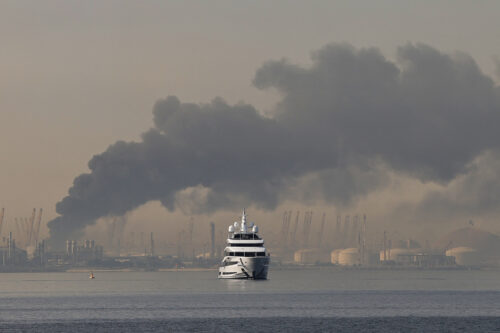
Geopolitical influence over trade increasingly rests on controlling the systems that make them work. The Middle East illustrates the stakes. US ports, cable corridors, cloud facilities, artificial intelligence (AI) investments, and maritime routes connect regional economies to global commerce while exposing them to external decisions and disruptions. For the United States, the challenge is to translate technological advantage into resilient networks rather than rely on centrality that can itself become a source of vulnerability and coercion.
Bonus Episode: Previewing Israel’s First Post-October 7 Election
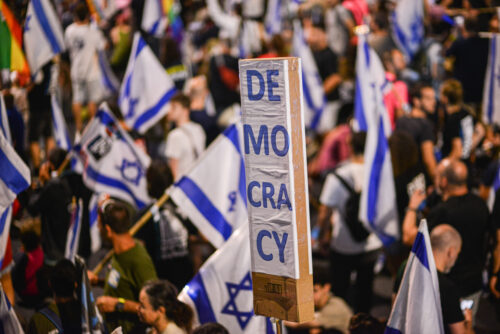
Israel is preparing to hold what may be its most consequential election in decades. On October 27, Prime Minister Benjamin Netanyahu will face his first electoral test since October 7, 2023. In this bonus episode of Middle East Focus, we present the audio from a recent MEI webinar, hosted in Israel on the eve of the vote. Senior Fellow Natan Sachs is joined by Dr. Shira Efron, Distinguished Chair for Israel Policy and senior fellow at the RAND Corporation, and Neri Zilber, veteran journalist and Financial Times correspondent. They explore what’s at stake in this historic election and how different outcomes could reshape Israel’s domestic politics and the wider region.
Israel Was Built on Hope. This Election May Be Our Last Chance to Save It
Israel’s national anthem, Hatikva, means “the hope.” Israel is not just another country, but the culmination of a 2,000-year-old dream of national redemption. The rebirth of the Jewish people’s ancestral homeland, just three years after the Holocaust, was a miraculous triumph of hope over all odds.
Today, that hope has been shattered and the elections on October 27 have become the most consequential in Israel’s history.
Since 1967, Israeli settlements in the West Bank have been a contested feature of the Israeli-Palestinian conflict. The ultimate disposition of the settlements and ongoing activity related to their growth have repeatedly defied agreement in negotiations over a resolution to the conflict.
The Houthis are a political-military faction and Zaydi religious movement founded in northwestern Yemen in the 1980s. A key member of Iran’s Axis of Resistance with links to other militant organizations in the Arabian Peninsula and the Horn of Africa, the group has continued to pose a threat to Western interests on a global scale.
The India-Middle East-Europe Economic Corridor (IMEC) is a proposed multinational infrastructure initiative aimed at upgrading connectivity between the three regions through integrated trade, energy, and digital networks. Announced at the G20 summit in New Delhi in September 2023, IMEC is envisioned partially as a counterweight to China’s international infrastructure project, the Belt and Road Initiative.
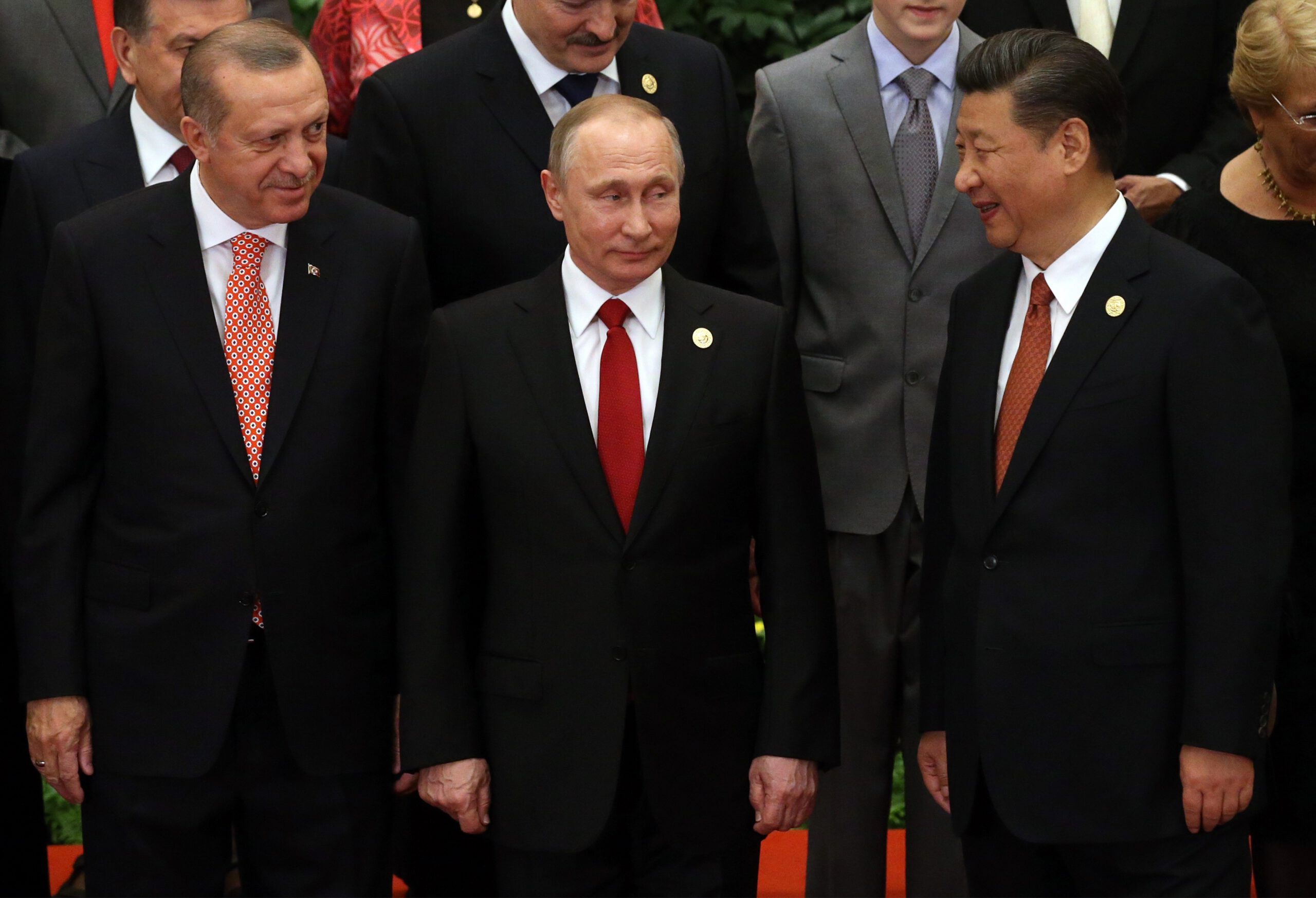
After a decade of post-Arab Spring isolation, Turkey’s leaders have recognized that their ambition to position the country as an agenda-setter on the world stage requires active engagement in all directions. President Recep Tayyip Erdoğan’s consolidation of executive authority has centralized foreign policy decision-making and tied it to his domestic political priorities, transforming the country’s revisionist approach to one shaped primarily by personal and pragmatic interests.
MEI Senior Fellow Brian Katulis engages friends, colleagues, and policy experts in casual conversations on the most important happenings in the Middle East.
Turkey, which lies at the crossroads of Europe and Asia, has emerged in recent years as an important geopolitical actor not just within the surrounding region but in the global arena as well. Turkey’s foreign and economic policy horizons today extend to the Far East. These essays explore the development of cultural, political, and economic links between Turkey and Asia.
What does Brexit mean for EU and UK Middle East policy?
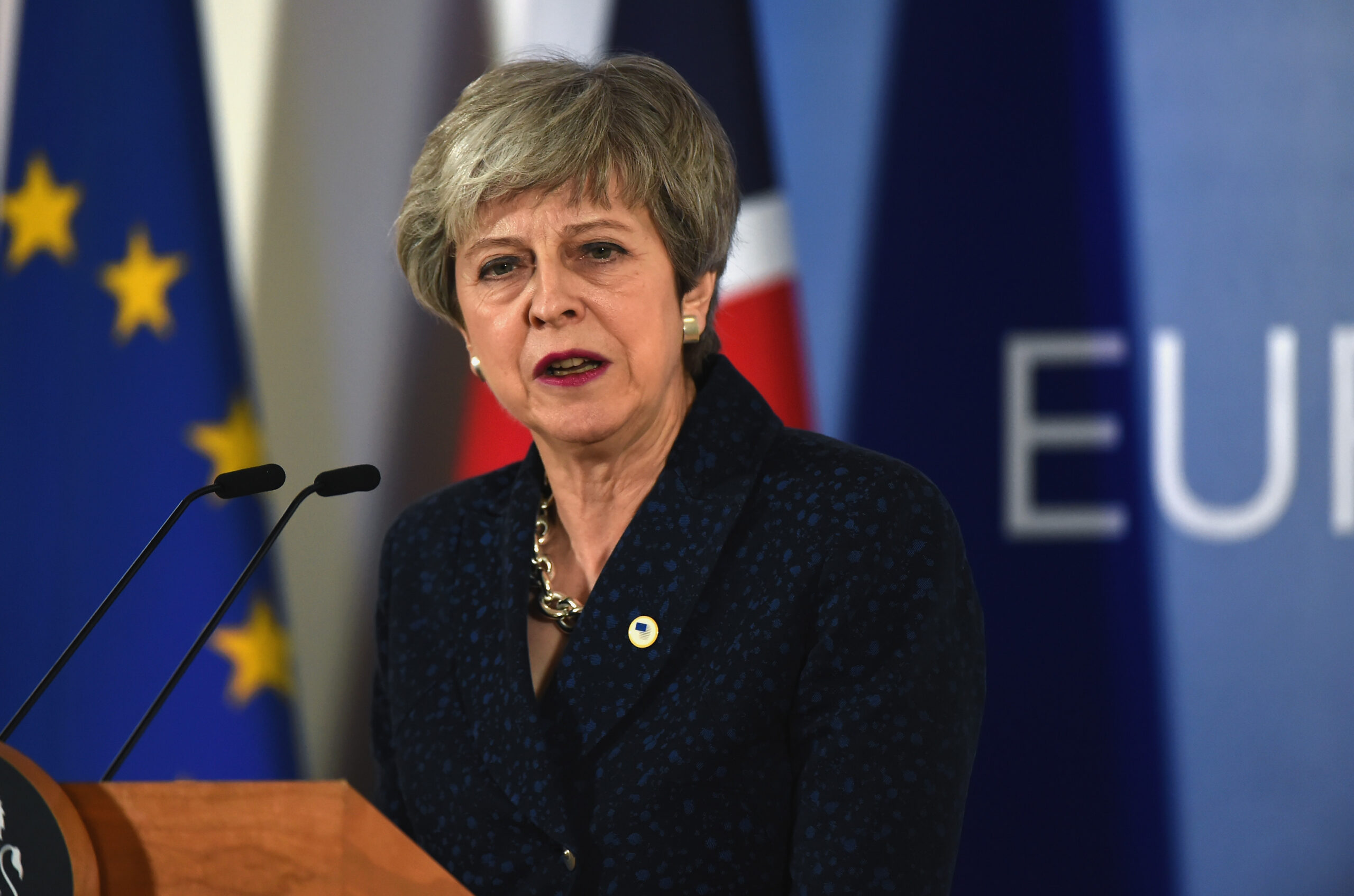
While the UK’s drawn-out withdrawal from the EU poses an internal challenge for Europeans, Brexit will likely have an impact that extends well beyond Europe, affecting the bloc’s foreign policy toward other regions of the world as well, including the Middle East. When it comes to Brexit’s influence on European Middle East policy, the main question is not if, but to what extent.
The Rise of Eurasianism in Turkish Foreign Policy: Can Turkey Change its pro-Western Orientation?
The Eurasianist (Ulusalcı in Turkish) ideology, which originated from the far-left movement in Turkey, espouses an anti-Western approach in foreign policy and ultranationalist sentiment in domestic politics. They contend that Turkey’s interests lie outside the Western world and that Turkey should join the Russia- and China-led “anti-imperialist” camp. This article examines the rise, shortcomings and failures of the Eurasianist approach in Turkish foreign policy.
Monday Briefing: New Arab uprisings echo earlier revolts
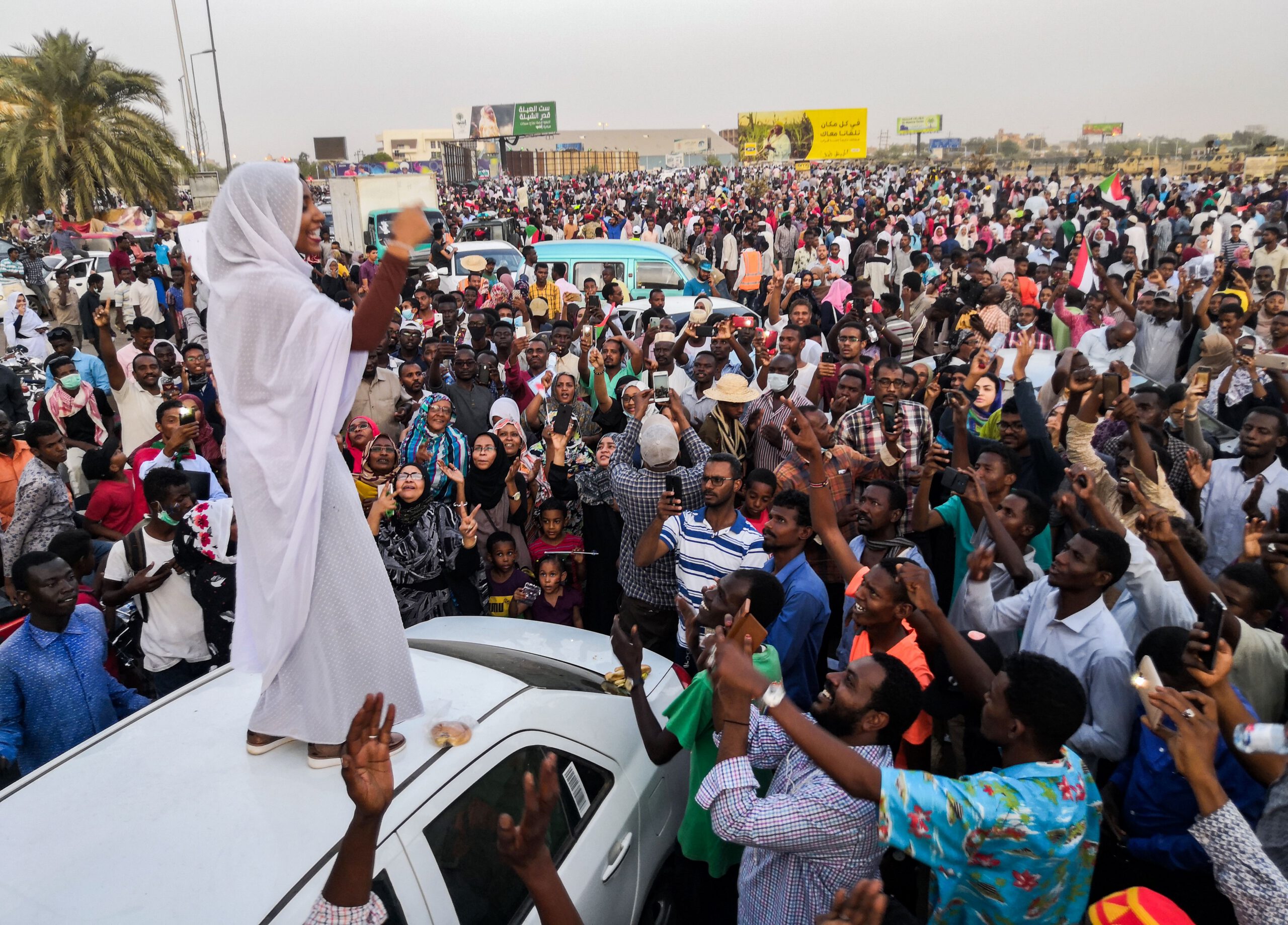
In this week’s Monday Briefing, MEI experts Paul Salem, Jonathan M. Winer, Robert S. Ford, Mirette F. Mabrouk, and Charles Schmitz provide analysis on recent and upcoming events including the current uprisings in Algeria and Sudan, General Hifter’s effort to take Tripoli, the hirak protest movement in Algeria, the strategic partnership between Egypt and the U.S., and cracks in the coalition of President Hadi in Yemen.
MEI Senior Fellow Alex Vatanka and Omar Al-Nidawi, a Middle East analyst focusing on Iraqi political, security and energy affairs, join host Alistair Taylor to discuss what the designation means in practical terms, how Tehran has responded, and its implications for the region going forward.
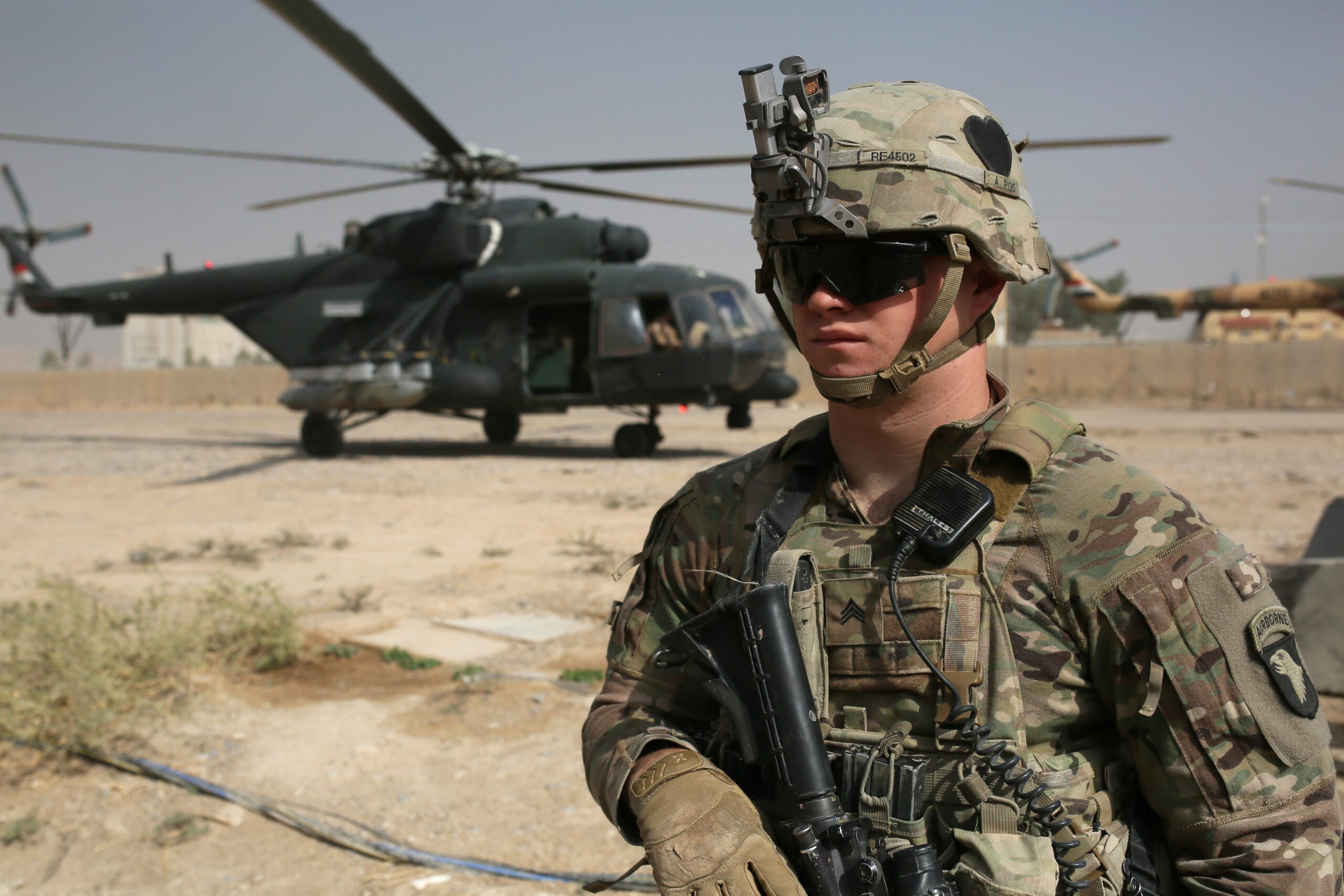
Despite the many obstacles, the U.S. and Iraq continue to work together to combat the threat of ISIS, and security elites in Baghdad and Washington understand the importance and value of the relationship. Yet, populists on both sides have repeatedly tested the others’ will in a dangerous game of chicken.
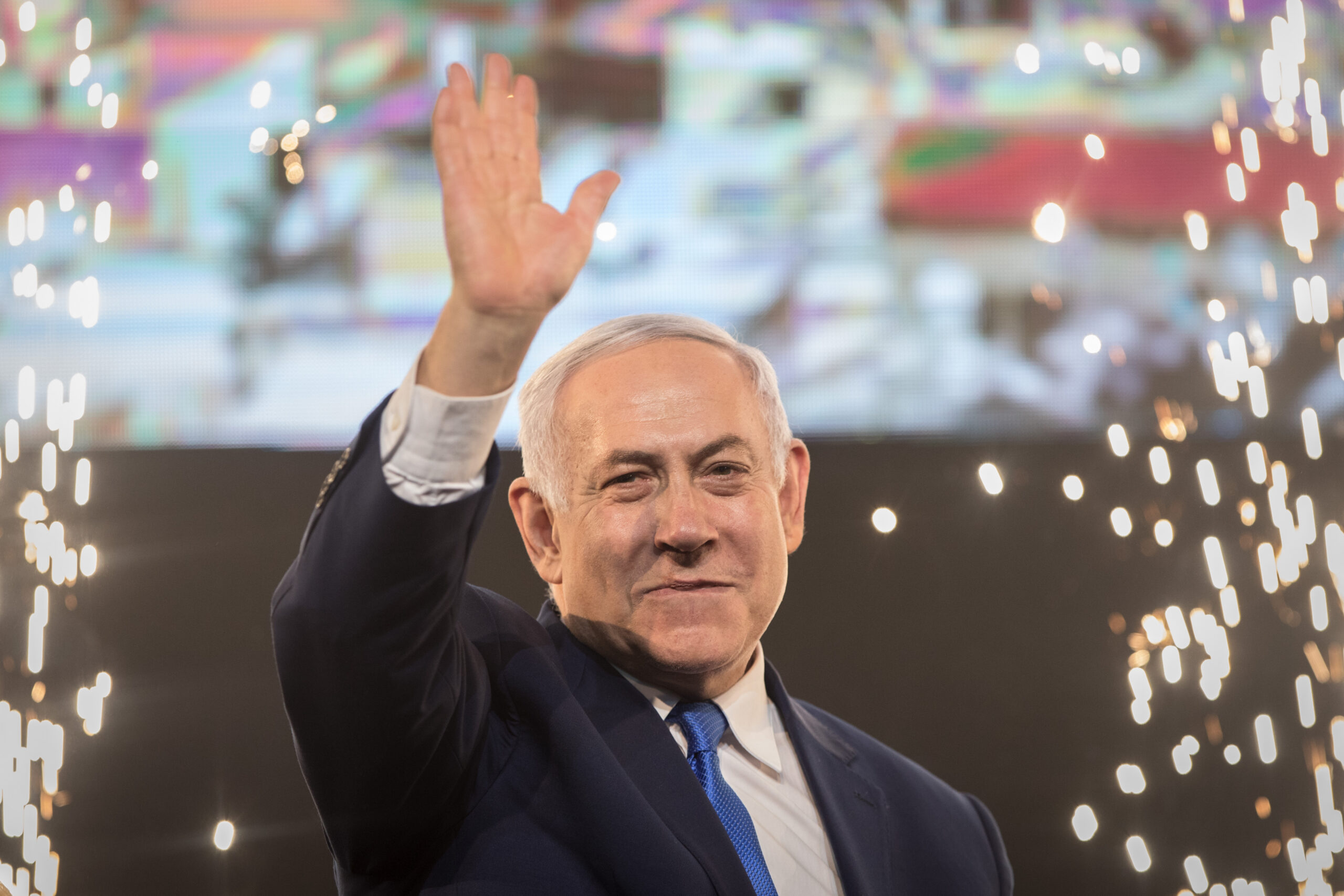
Benjamin Netanyahu will undoubtedly succeed himself as Israel’s prime minister after his recent electoral success and, in July, surpass David Ben-Gurion as Israel’s longest-serving prime minister. But, unlike most genuinely successful leaders of democracies, his first priority will have to be avoiding indictment for corruption and going to prison.
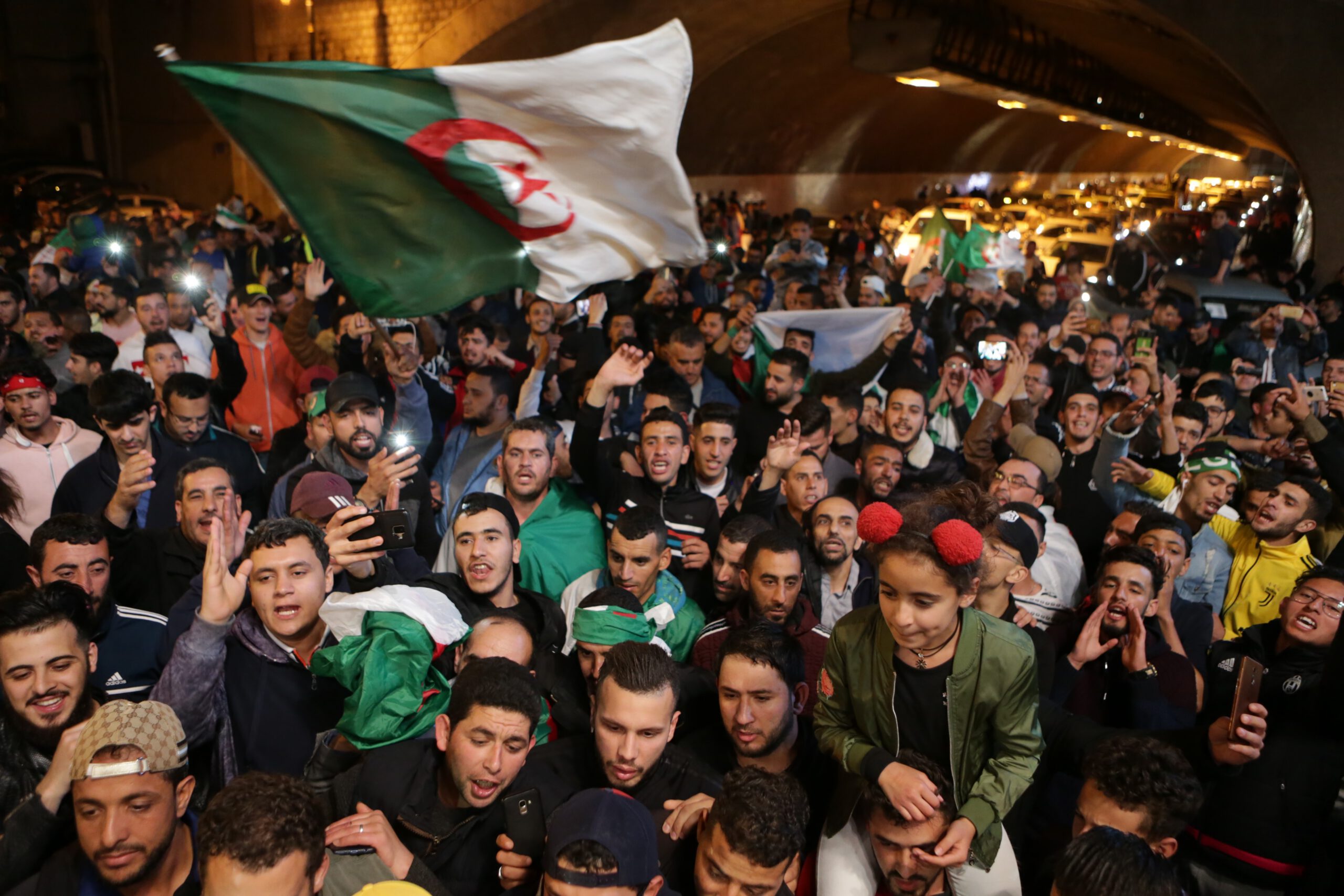
Following the resignation of 82-year-old President Abdelaziz Bouteflika in early April after weeks of mass demonstrations, the dispute between Algerian protesters and the country’s entrenched power structure has entered a new phase. The protest movement has viewed Bouteflika’s peaceful removal as an initial victory in the longer struggle to overhaul Algeria’s political edifice. But any attempt to fundamentally change the governance system and introduce a new relationship between rulers and ruled is likely to quickly come up against the will of established power-brokers, especially the military, and the ongoing dispute has the potential to escalate into violence.
Car Bombs as Weapons of War: ISIS's Development of SVBIEDs, 2014-19
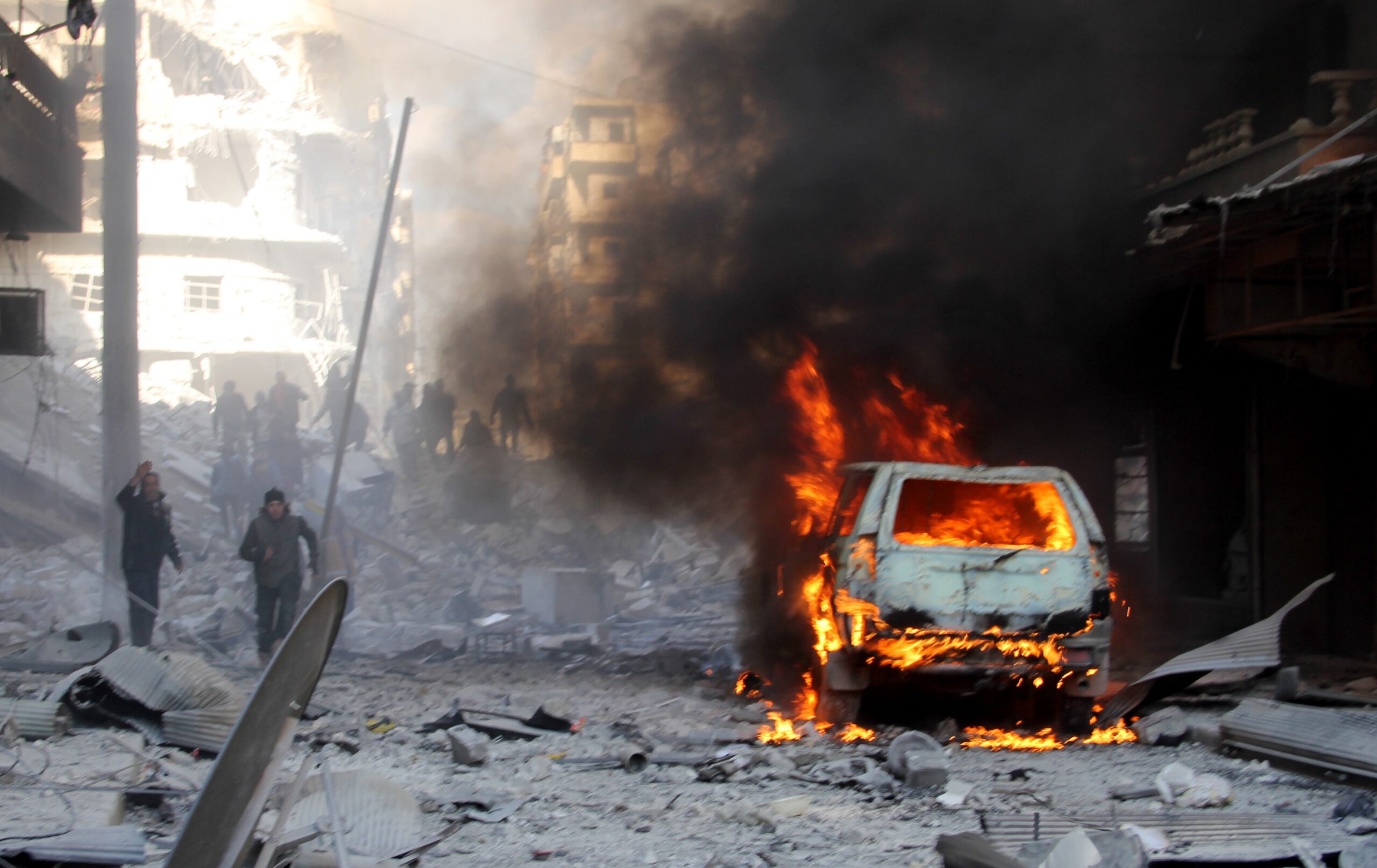
The suicide vehicle-borne improvised explosive device (SVBIED) has been one of ISIS’s most powerful and versatile weapons. The group consistently adapted its SVBIED designs based on operational environment and other factors, with modifications in armor, payload organization, color, and detonation technology. ISIS’s research and development of SVBIED technology presents a continued threat, even after the collapse of the territorial caliphate, due to the group’s ability to share and export its designs, enabling nascent ISIS provinces halfway around the world to launch powerful attacks on unsuspecting communities.
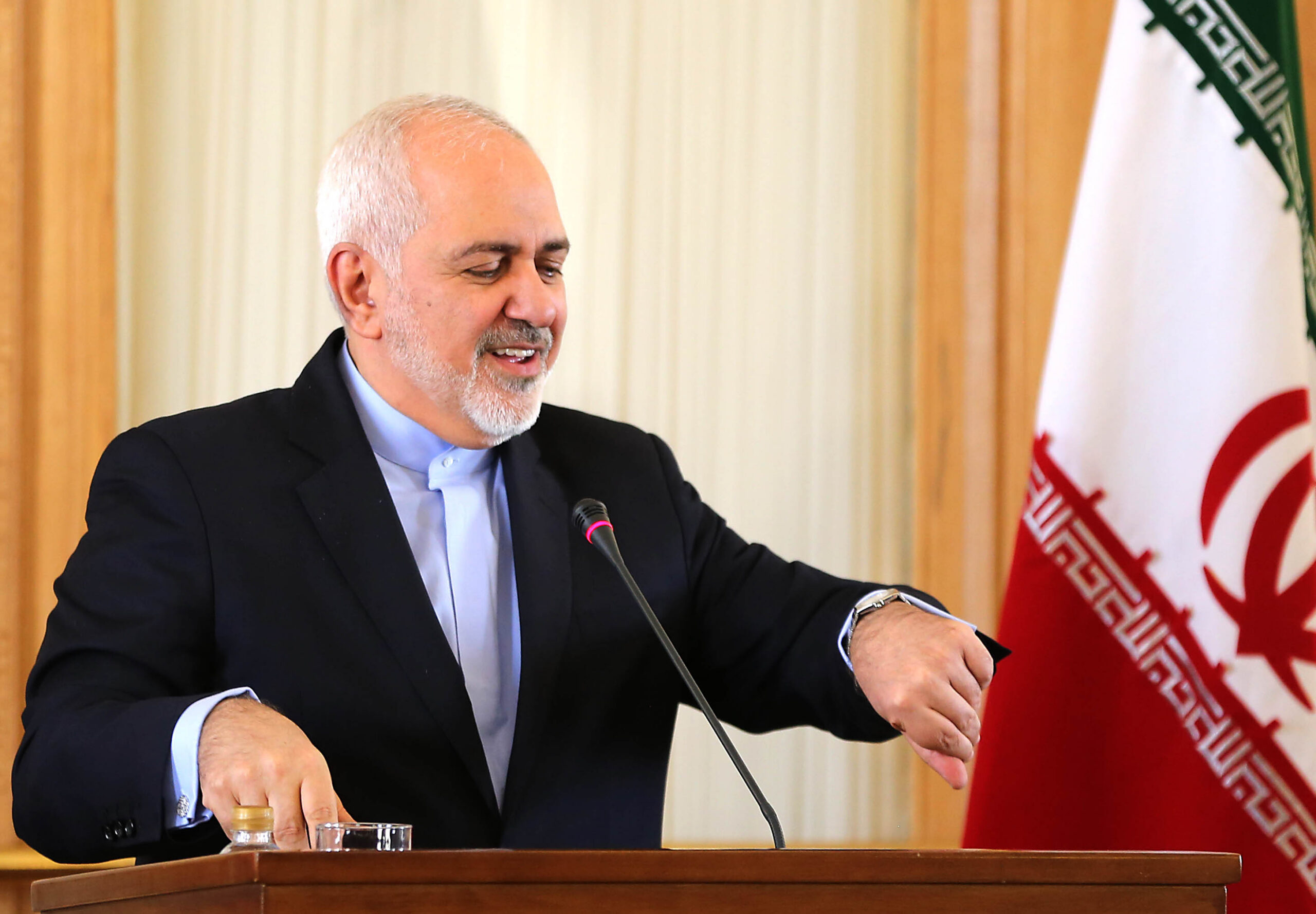
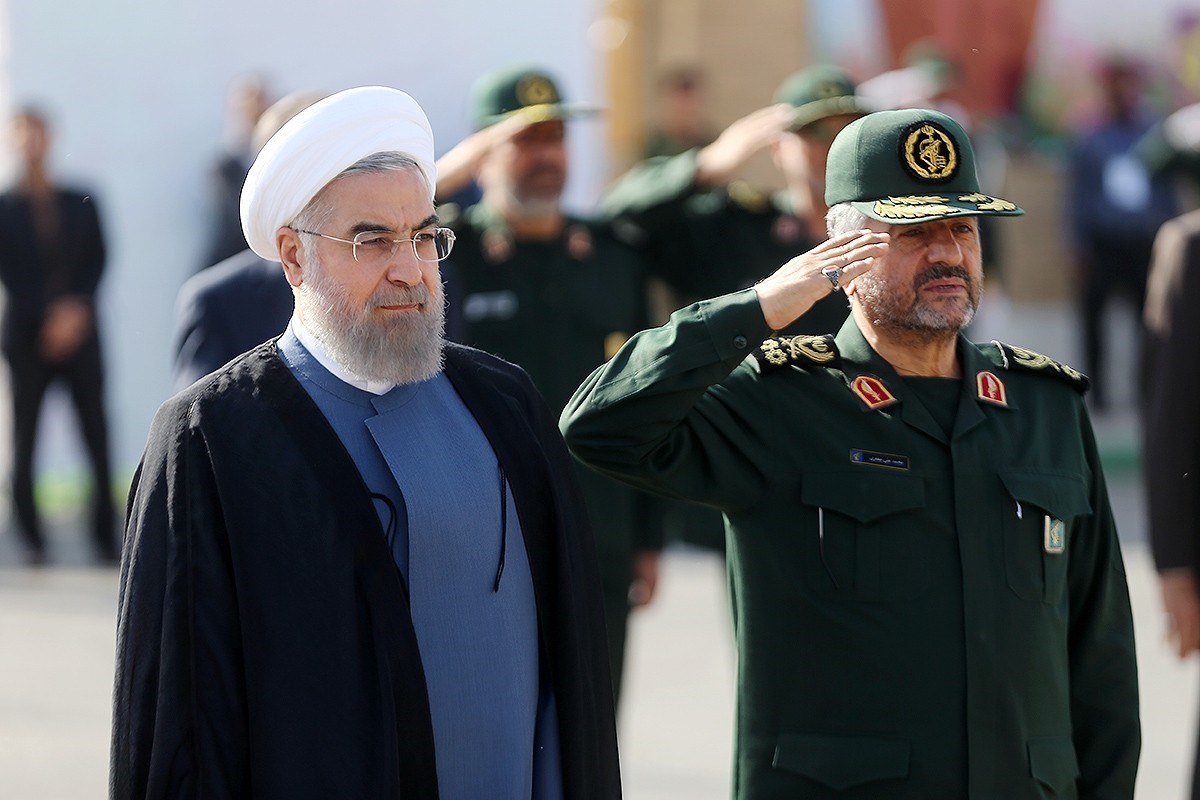
On April 8, the Trump administration designated the Islamic Revolutionary Guard Corps (IRGC), Iran’s elite military force, as a foreign terrorist organization. The reaction in Tehran was stern and swift.
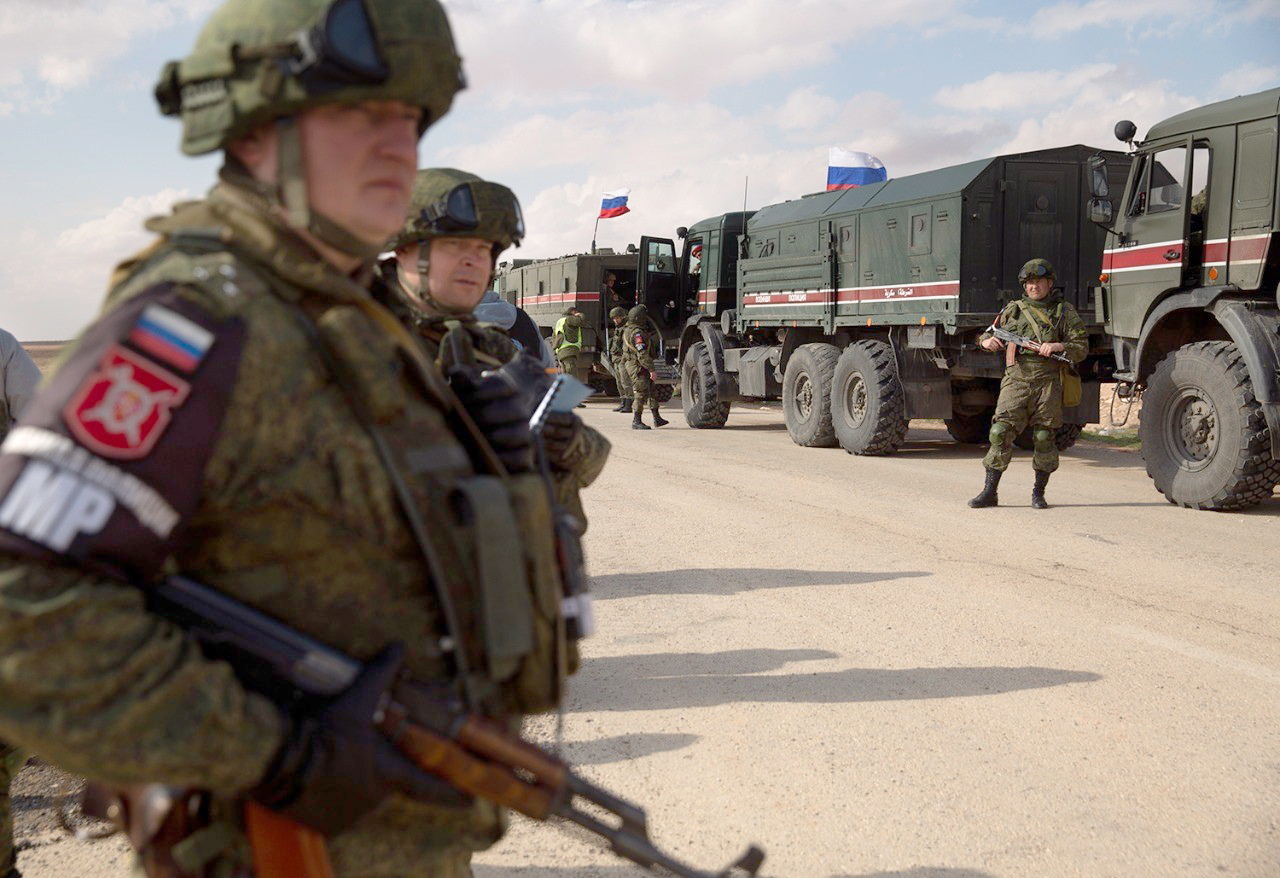
Russia has a new focus in Syria. Intractable stalemates characterize most of the regions that remain outside of the Syrian government’s control. In discussions with Turkey, the other primary player in Syria’s north, little progress has been made on either Manbij or Idlib. Half a year of deadlocked negotiations appears to have made Moscow anxious. With this in mind, Kremlin officials have recently turned their attention to another target: The Rukban refugee camp.
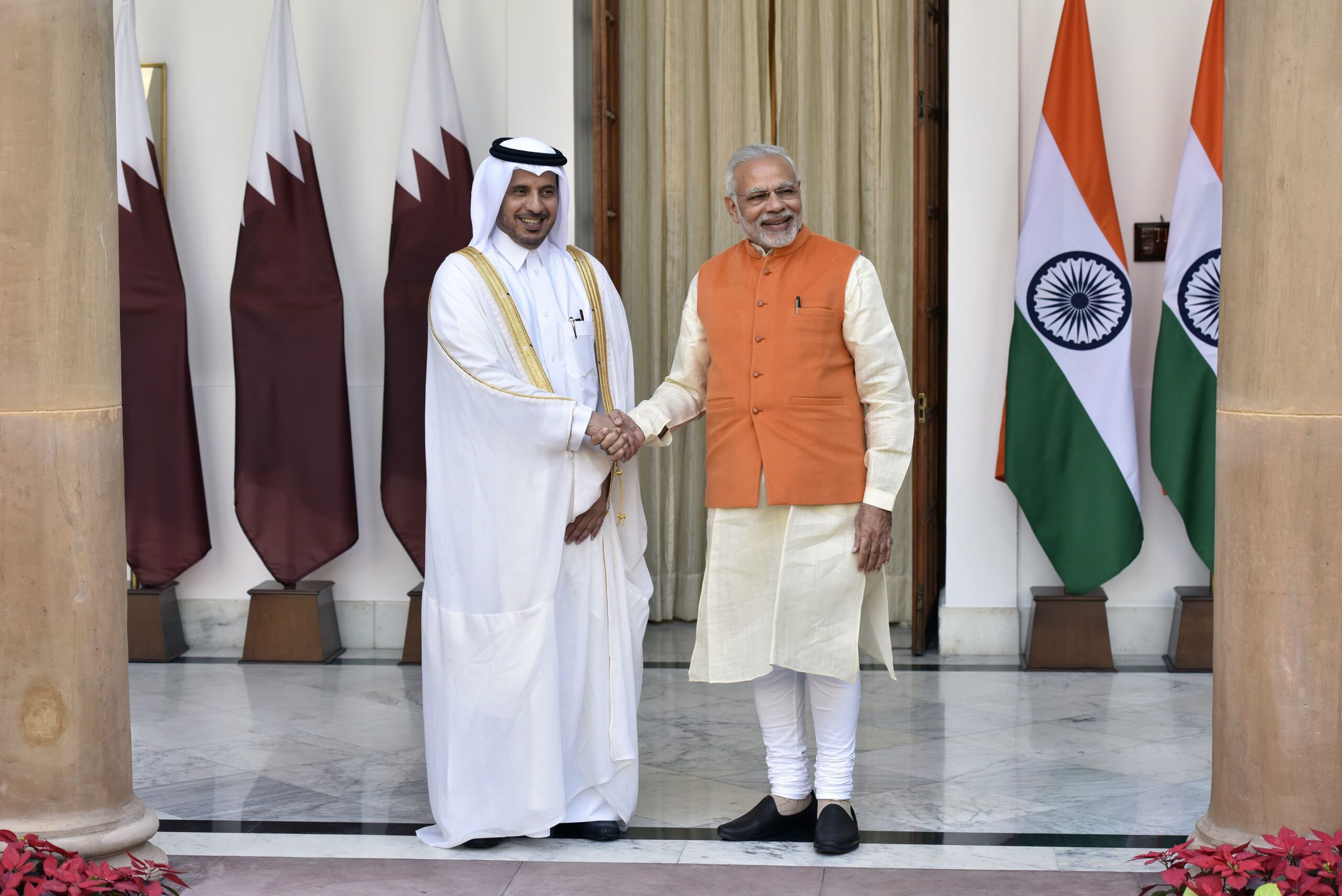
Examining India’s relations with Qatar provides a lens through which to illuminate Delhi’s goals and approach to West Asia at a time when the Gulf countries are mired in tensions and controversies.
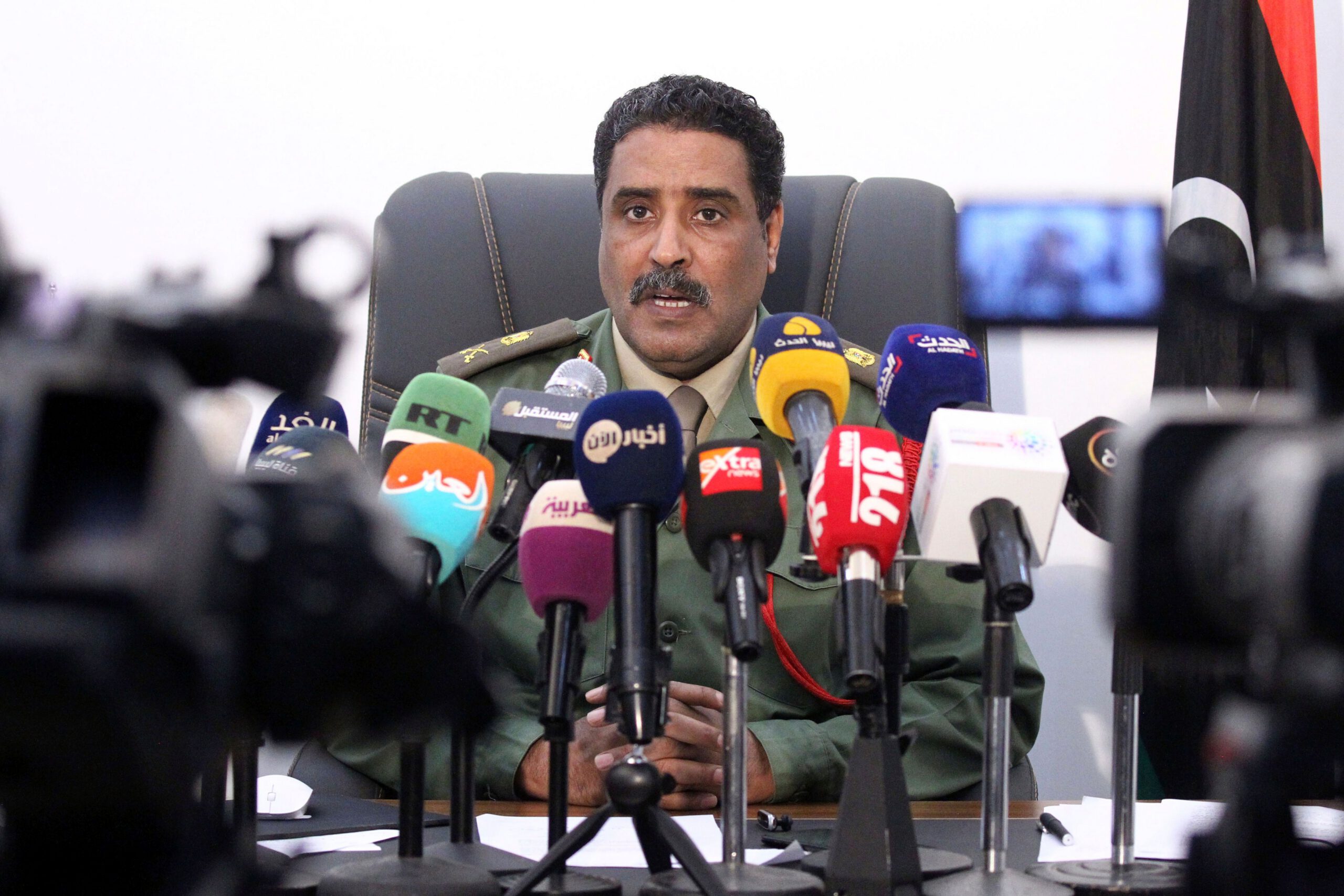
The fluid and chaotic situation in Libya is confusing and predicting how the ongoing violence in Tripoli will play out and impact the broader trajectory of the civil war is difficult. Nonetheless, Hifter’s campaign appears to be connected to several international and regional developments, the alignment of which seems to have prompted him to determine that this was an opportune time to move forward, dealing a harsh blow to the UN-led peace process.
Monday Briefing: US IRGC terrorist designation and the view from Tehran
In this week’s Monday Briefing, MEI experts Alex Vatanka, Emadeddin Badi, Yousef Munayyer, Randa Slim, and Shahrokh Fardoust provide analysis on recent and upcoming events including the IRGC’s designation as a terrorist group, the battle for control of Tripoli in Libya, the impact of Israel’s elections on the Palestinian crisis, Iraqi PM Abdul-Mahdi’s first official visit to Iran, and the spring meetings of the World Bank and IMF in DC.
The oldest peer-reviewed publication dedicated to the study of the modern Middle East, MEI’s flagship journal covers politics, society, and culture in the region.