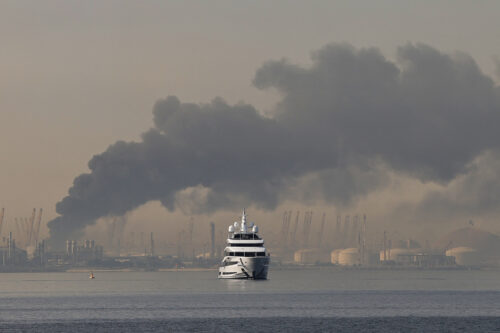
Geopolitical influence over trade increasingly rests on controlling the systems that make them work. The Middle East illustrates the stakes. US ports, cable corridors, cloud facilities, artificial intelligence (AI) investments, and maritime routes connect regional economies to global commerce while exposing them to external decisions and disruptions. For the United States, the challenge is to translate technological advantage into resilient networks rather than rely on centrality that can itself become a source of vulnerability and coercion.
Bonus Episode: Previewing Israel’s First Post-October 7 Election
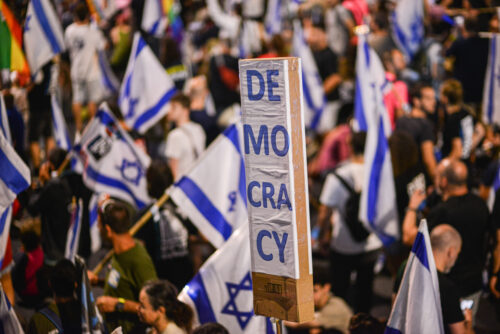
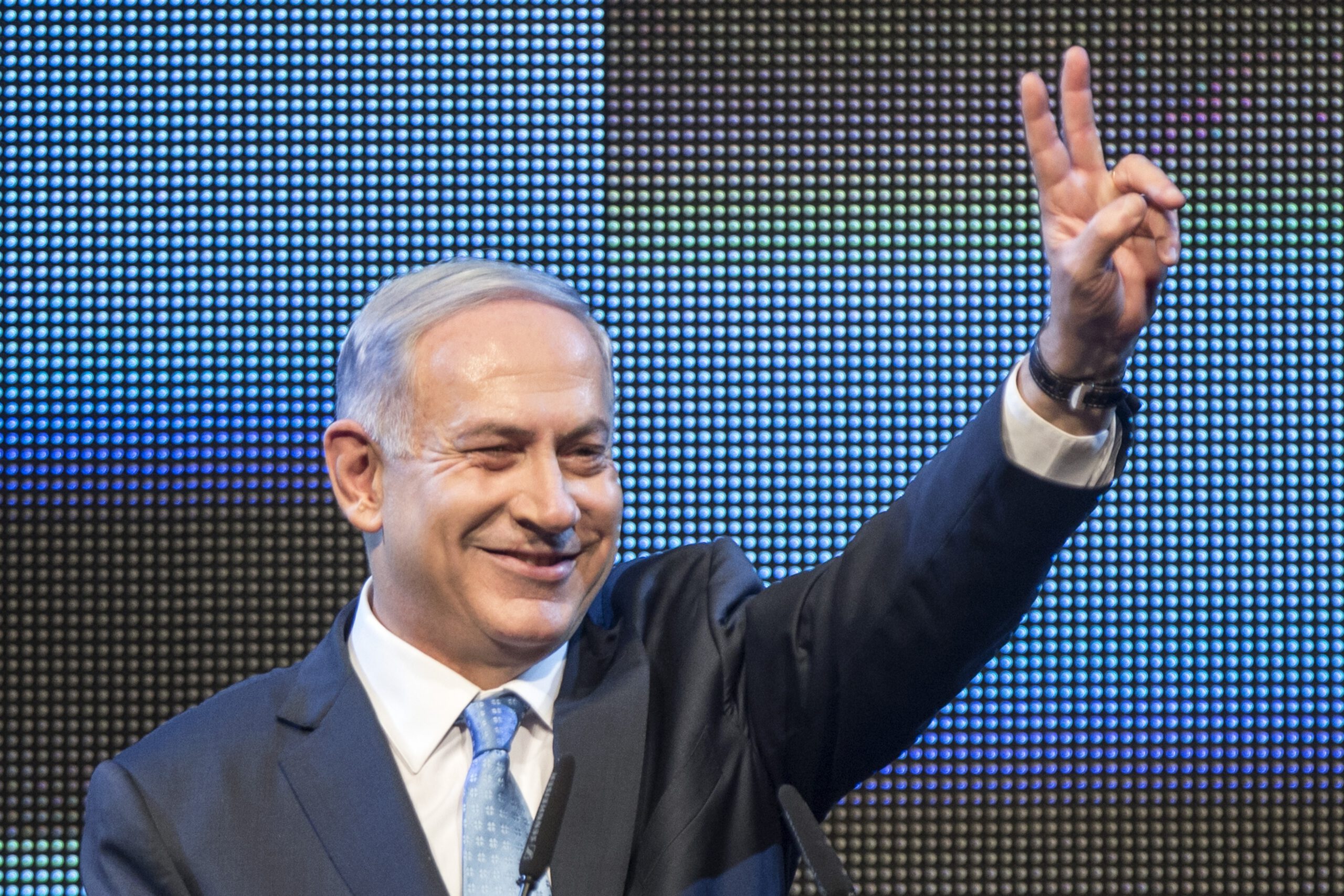
Israel is preparing to hold what may be its most consequential election in decades. On October 27, Prime Minister Benjamin Netanyahu will face his first electoral test since October 7, 2023. In this bonus episode of Middle East Focus, we present the audio from a recent MEI webinar, hosted in Israel on the eve of the vote. Senior Fellow Natan Sachs is joined by Dr. Shira Efron, Distinguished Chair for Israel Policy and senior fellow at the RAND Corporation, and Neri Zilber, veteran journalist and Financial Times correspondent. They explore what’s at stake in this historic election and how different outcomes could reshape Israel’s domestic politics and the wider region.
Israel Was Built on Hope. This Election May Be Our Last Chance to Save It
Israel’s national anthem, Hatikva, means “the hope.” Israel is not just another country, but the culmination of a 2,000-year-old dream of national redemption. The rebirth of the Jewish people’s ancestral homeland, just three years after the Holocaust, was a miraculous triumph of hope over all odds.
Today, that hope has been shattered and the elections on October 27 have become the most consequential in Israel’s history.
Since 1967, Israeli settlements in the West Bank have been a contested feature of the Israeli-Palestinian conflict. The ultimate disposition of the settlements and ongoing activity related to their growth have repeatedly defied agreement in negotiations over a resolution to the conflict.
The Houthis are a political-military faction and Zaydi religious movement founded in northwestern Yemen in the 1980s. A key member of Iran’s Axis of Resistance with links to other militant organizations in the Arabian Peninsula and the Horn of Africa, the group has continued to pose a threat to Western interests on a global scale.
The India-Middle East-Europe Economic Corridor (IMEC) is a proposed multinational infrastructure initiative aimed at upgrading connectivity between the three regions through integrated trade, energy, and digital networks. Announced at the G20 summit in New Delhi in September 2023, IMEC is envisioned partially as a counterweight to China’s international infrastructure project, the Belt and Road Initiative.
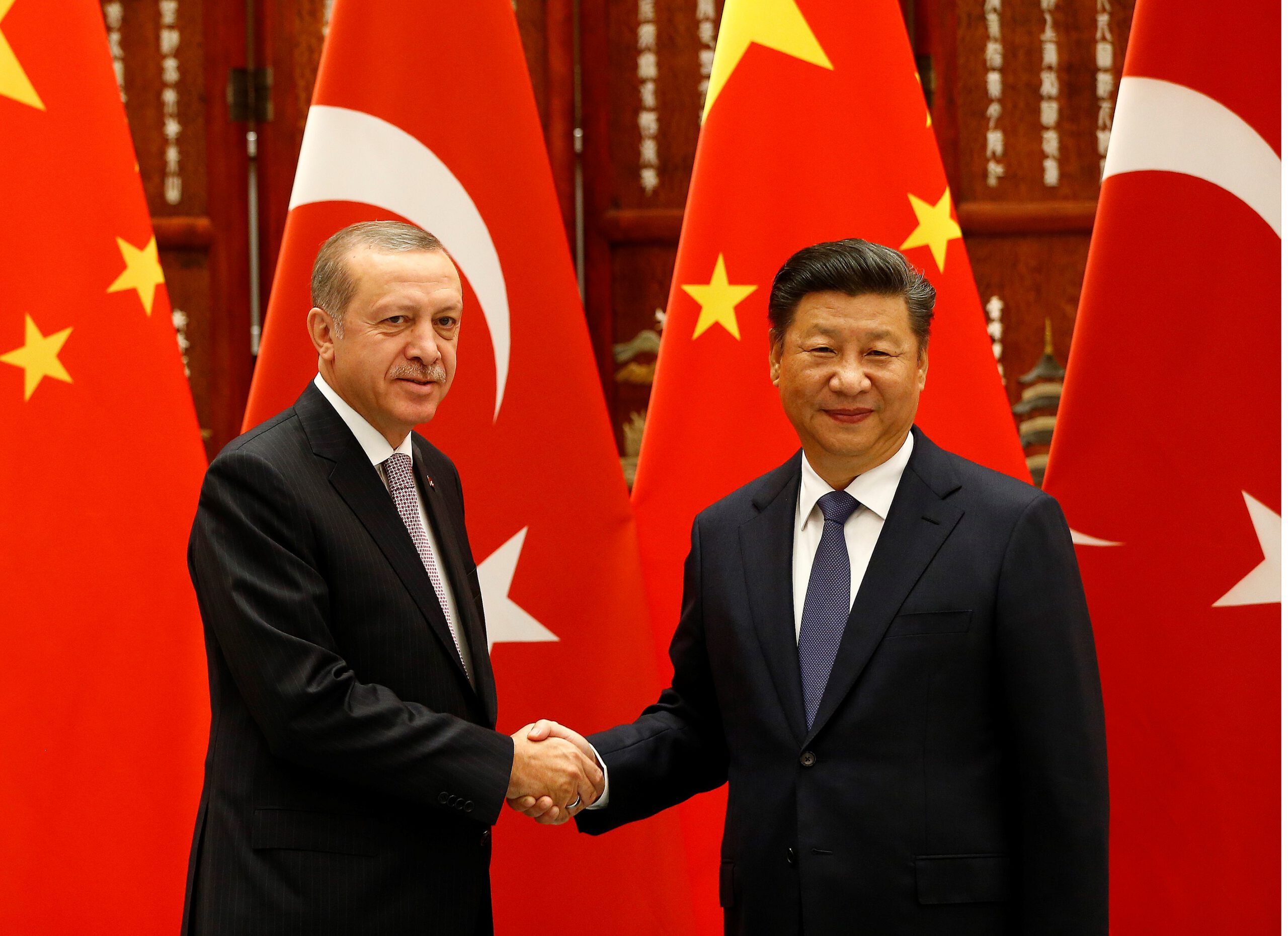
After a decade of post-Arab Spring isolation, Turkey’s leaders have recognized that their ambition to position the country as an agenda-setter on the world stage requires active engagement in all directions. President Recep Tayyip Erdoğan’s consolidation of executive authority has centralized foreign policy decision-making and tied it to his domestic political priorities, transforming the country’s revisionist approach to one shaped primarily by personal and pragmatic interests.
MEI Senior Fellow Brian Katulis engages friends, colleagues, and policy experts in casual conversations on the most important happenings in the Middle East.
Hariri announces another flawed government, but don’t walk away from Lebanon
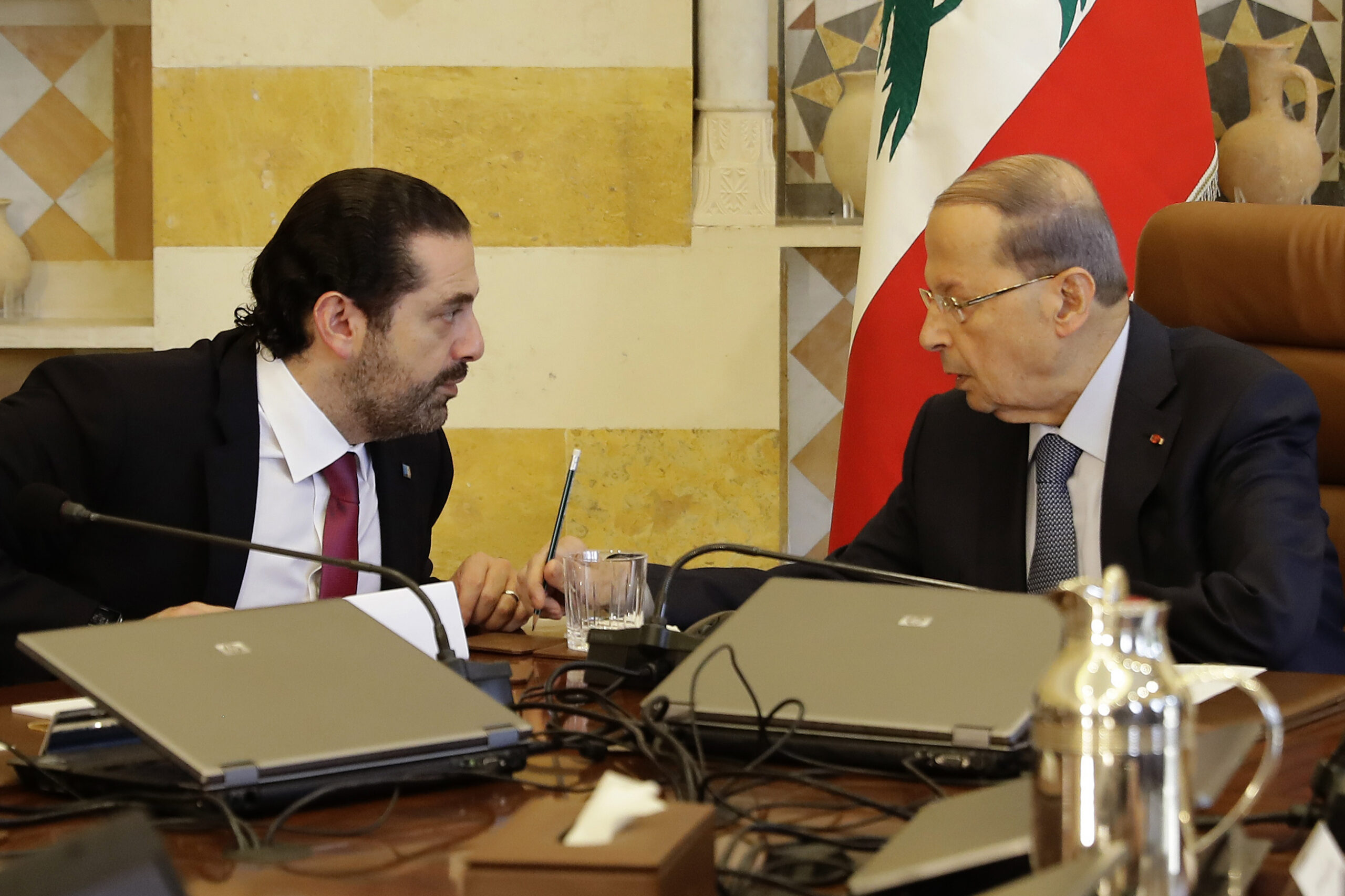
After nine months of deadlock, Prime Minister-designate Saad Hariri announced the formation of a new government of 30 ministers. The composition of the government is reflective of Lebanon’s power-sharing system and of the results of the last parliamentary elections.
Lifting the veil: Israel’s new military strategy in Syria
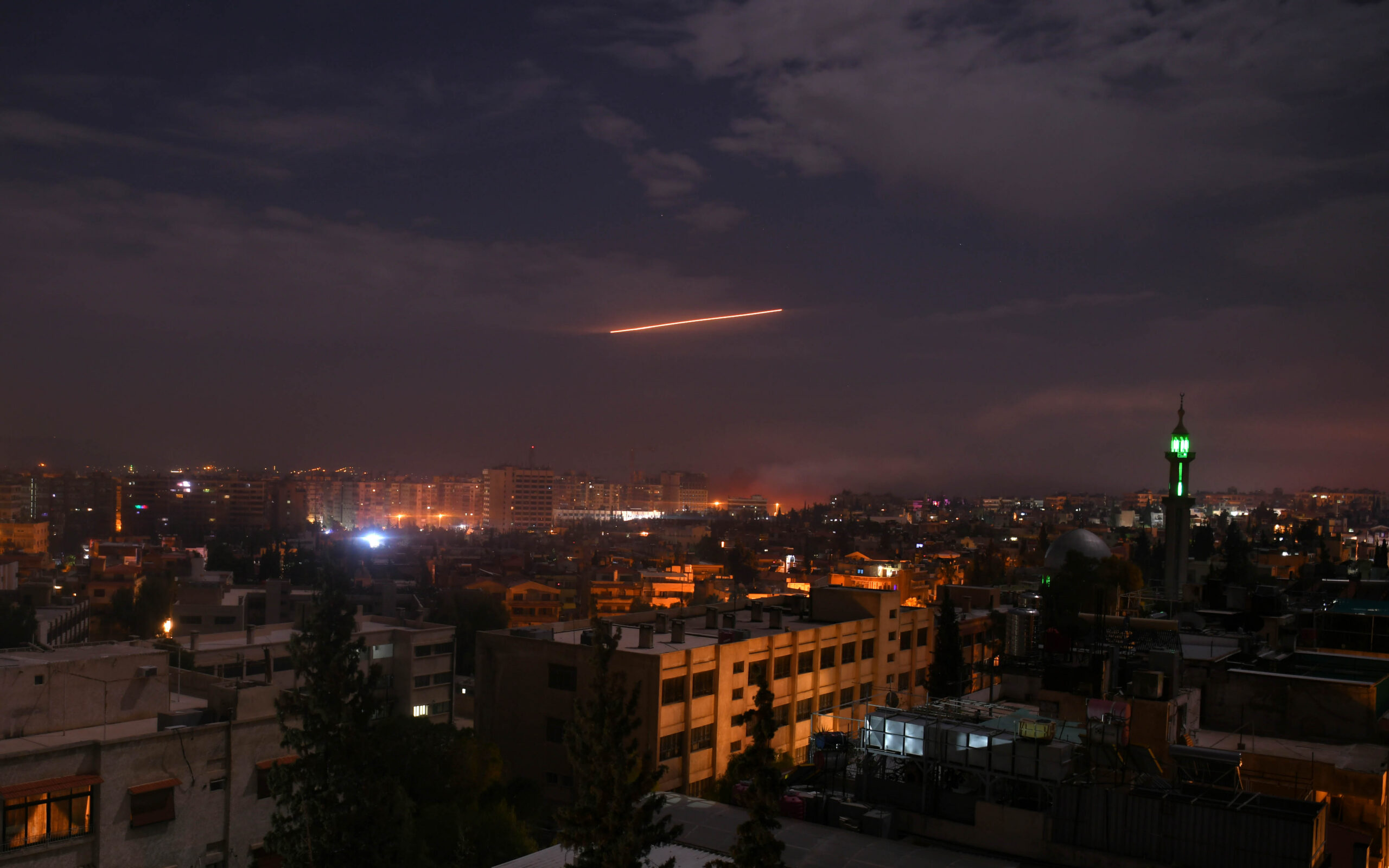
After years of ambiguity, Israel is increasingly going public with its strikes on Syria. Retaliatory attacks carried out last week were conducted in broad daylight, and in contrast to prior strikes, the IDF immediately took responsibility for them and announced them in real time on twitter.
Israel is set to hold national elections in early April, and all indications suggest that the contest is Prime Minister Benjamin Netanyahu’s to lose. Current polls indicate that he will form the next government, leading a coalition spearheaded by his Likud Party with 30 seats in the 120-member Knesset.
China’s Belt and Road Initiative and Turkey’s Middle Corridor: A Question of Compatibility
Turkey’s “Middle Corridor” (MC) and China’s “Belt Road initiative” (BRI) are two grand schemes that envisage trans-continental integration. These two ambitious initiatives have been developed independently of one another. However, are they compatible?
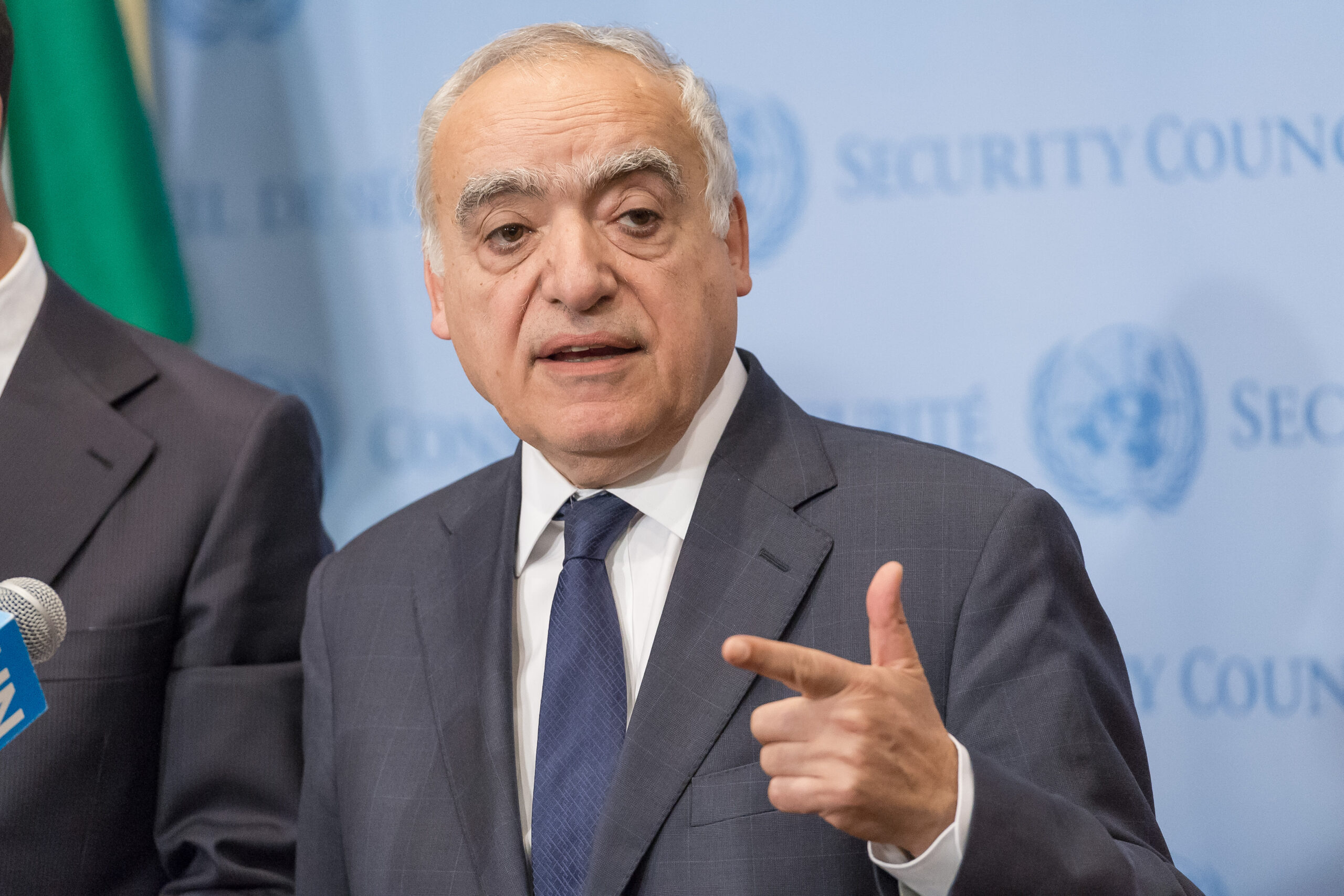
If all goes to according to plan, in the coming months Libya will hold a National Conference, an event that could serve as an inflection point for the country and has the potential to right the course of its political trajectory. In order for this to work, however, Special Representative of the Secretary-General (SRSG) to Libya Ghassan Salamé must simultaneously plan for both the conference and its aftermath, capitalizing on America’s increasing, behind-the-scenes involvement in Libya.
Monday Briefing: US-Taliban talks progress, but major obstacles remain
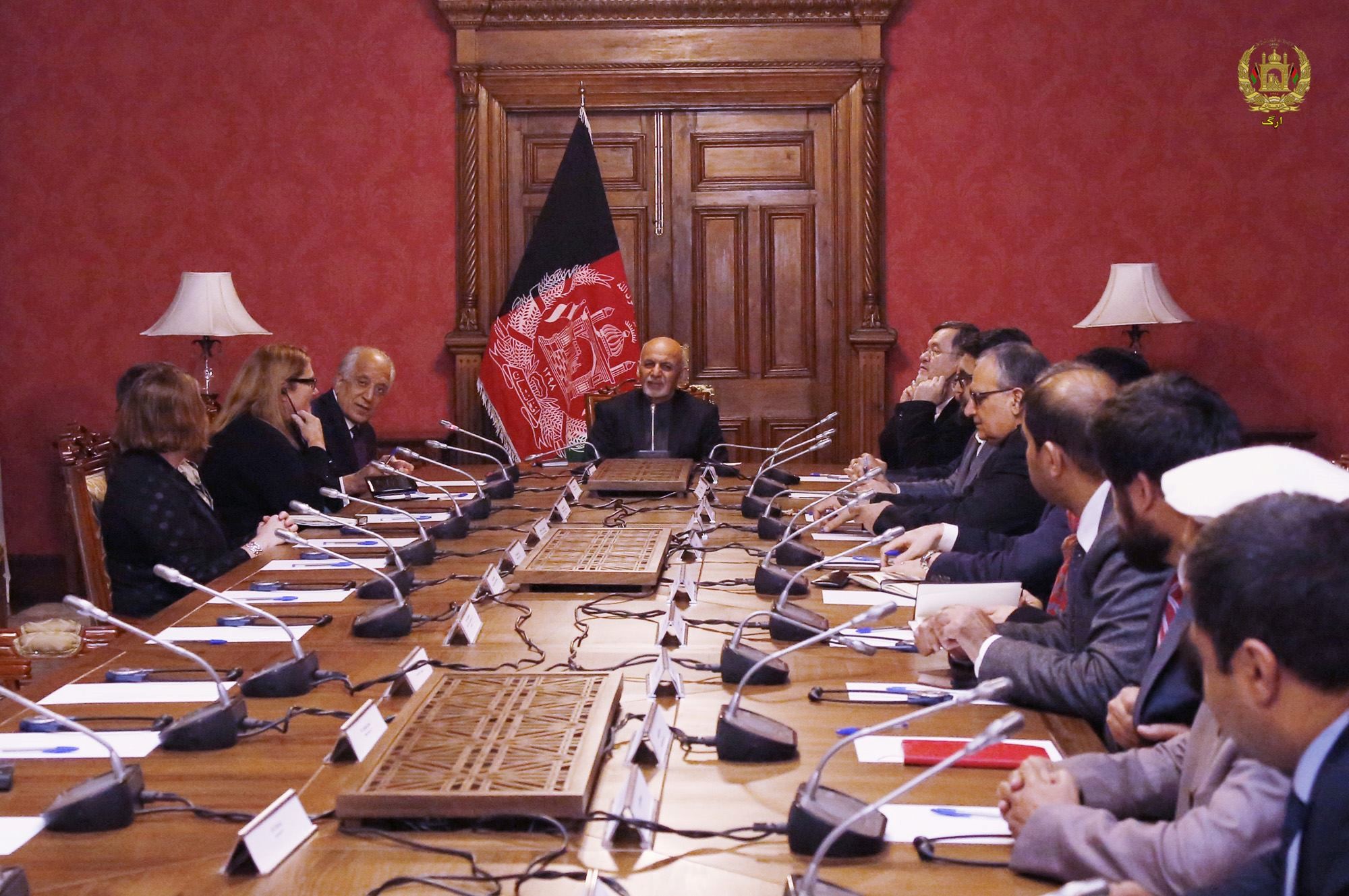
In this week’s Monday Briefing, MEI experts Ahmad Majidyar, Marvin G. Weinbaum, Randa Slim, Paul Salem, and Guney Yildiz provide analysis on recent and upcoming events including U.S. negotiations with the Taliban in Afghanistan, a warning sent to Israel by Hezbollah leader Hassan Nasrallah, the Sudanese president’s appeal for external support, Turkish-Syrian diplomacy, and Pakistan’s acceptance of Gulf aid.
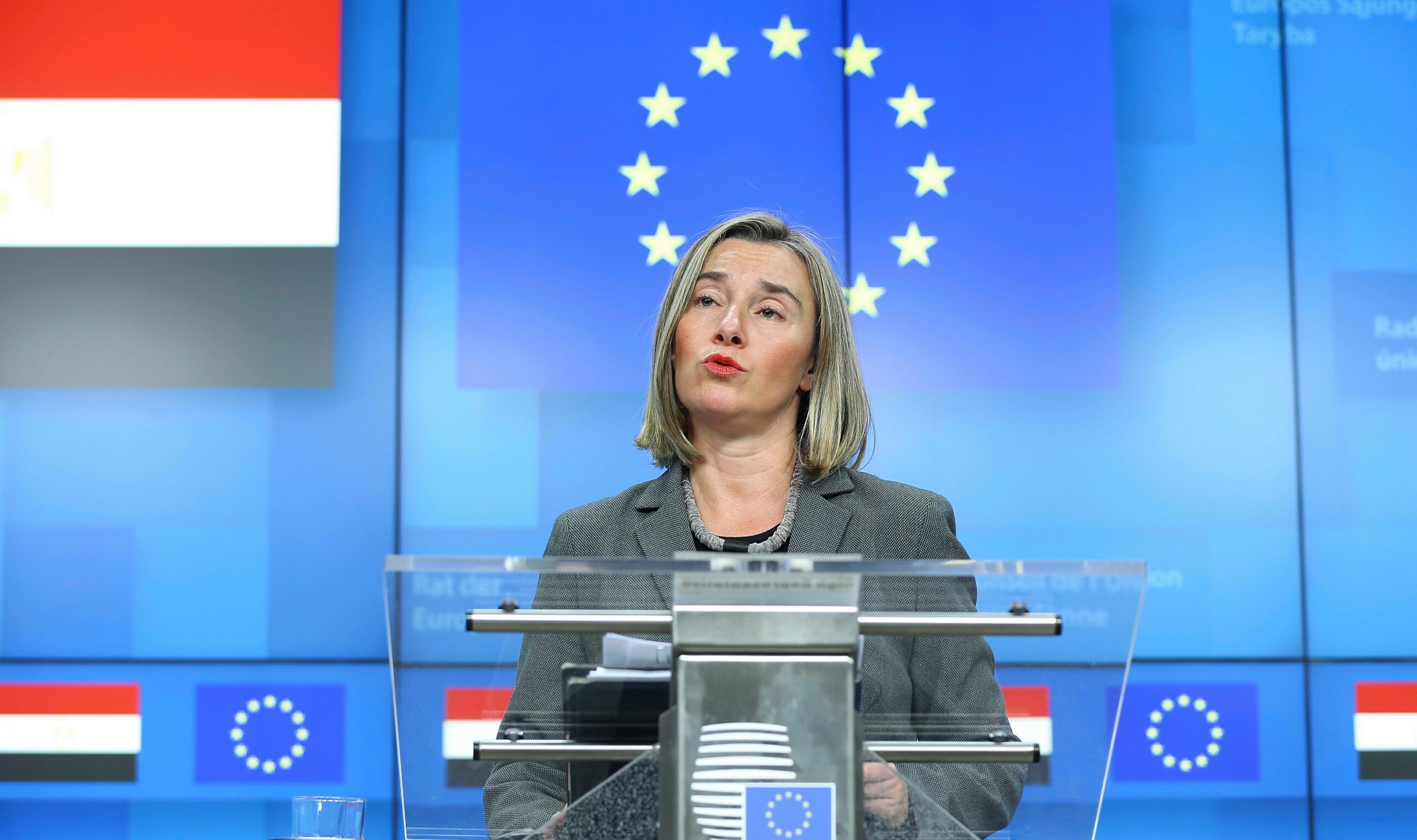
The EU and the Middle East: In Search of a Strategy
Since 1993, the EU has not adopted any comprehensive document to form the basis for its diplomatic and economic actions toward the Middle East, rendering the union less influential in the region today. The question remains, however, as to whether this attitude is in line with the bloc’s global ambitions.
Zmkin Ali and Mac Skelton of the Institute of Regional and International Studies (IRIS) at the American University of Iraq Sulaimani, join host Alistair Taylor for a discussion on Iraq’s political climate, Baghdad’s relations with Erbil in the aftermath of the 2017 referendum, and other regional dynamics.
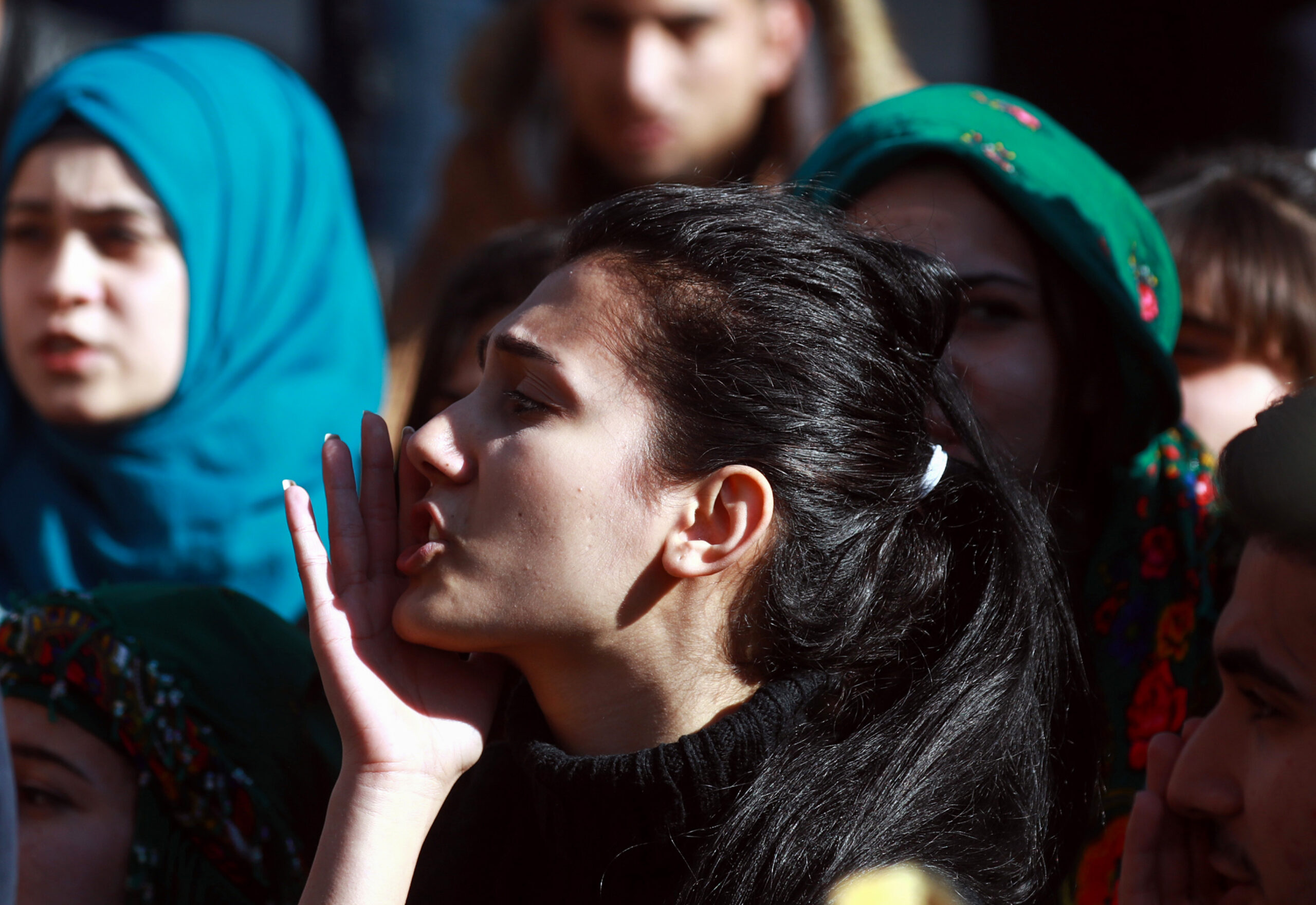
Feud between Turks and Kurds only adds to Syrian quagmire
This article was published by The Hill on January 23, 2019.
Once again, Turks and Kurds are squaring off to fight. Turks and Kurds have clashed with one another for nearly 1,000 years. The Kurds were in the Middle East first, with roots stretching back millennia. The Turks arrived in historical times and absorbed most Kurds into the Ottoman Empire.
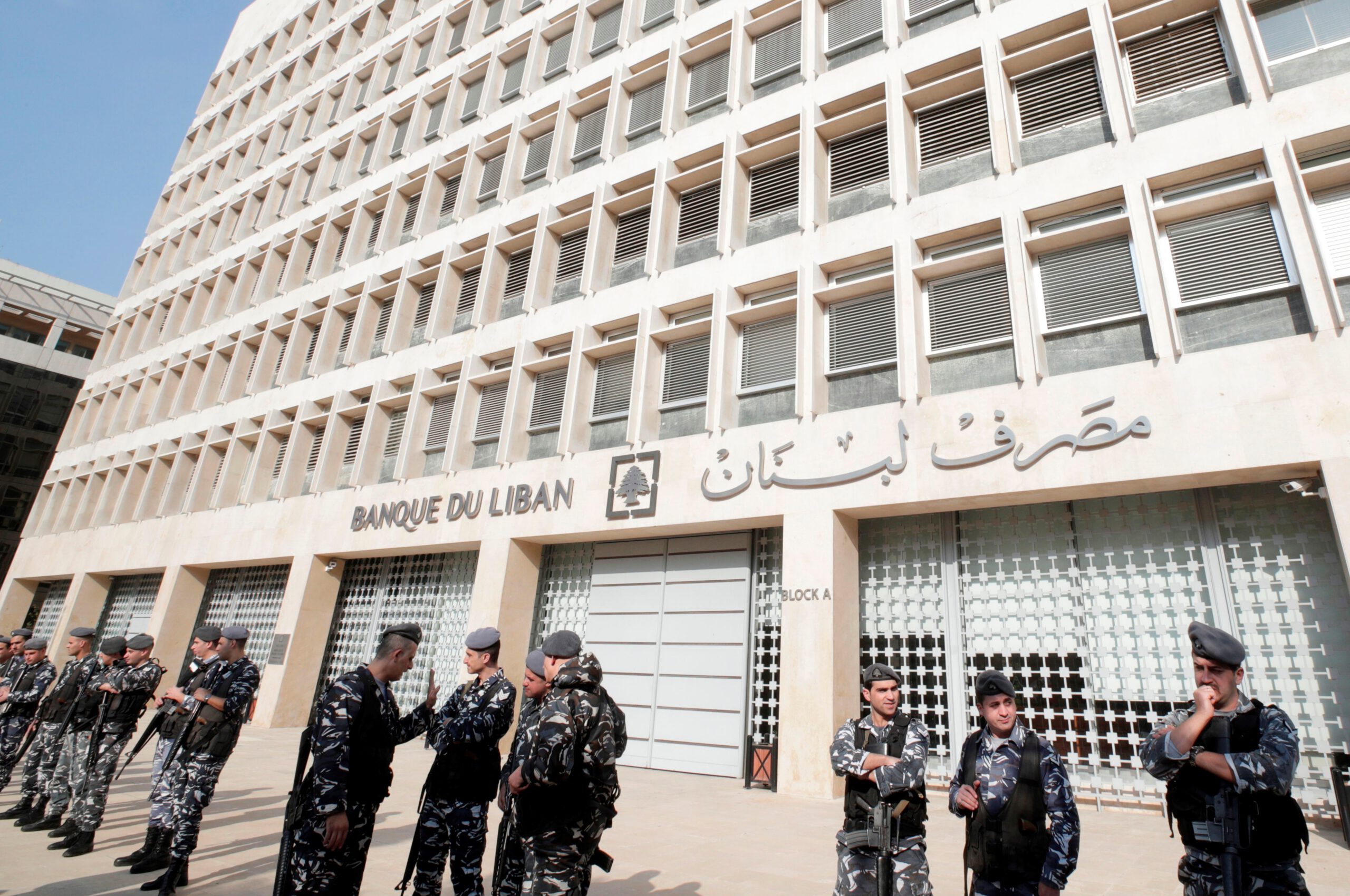
Security sector reform and the Internal Security Forces in Lebanon
Donor-backed reform efforts in the Lebanese Internal Security Forces have shown good results in a jurisdiction in Beirut. While imperfect and limited in scope, these results are encouraging, as obstacles to the provision of fair and effective policing in Lebanon are myriad.
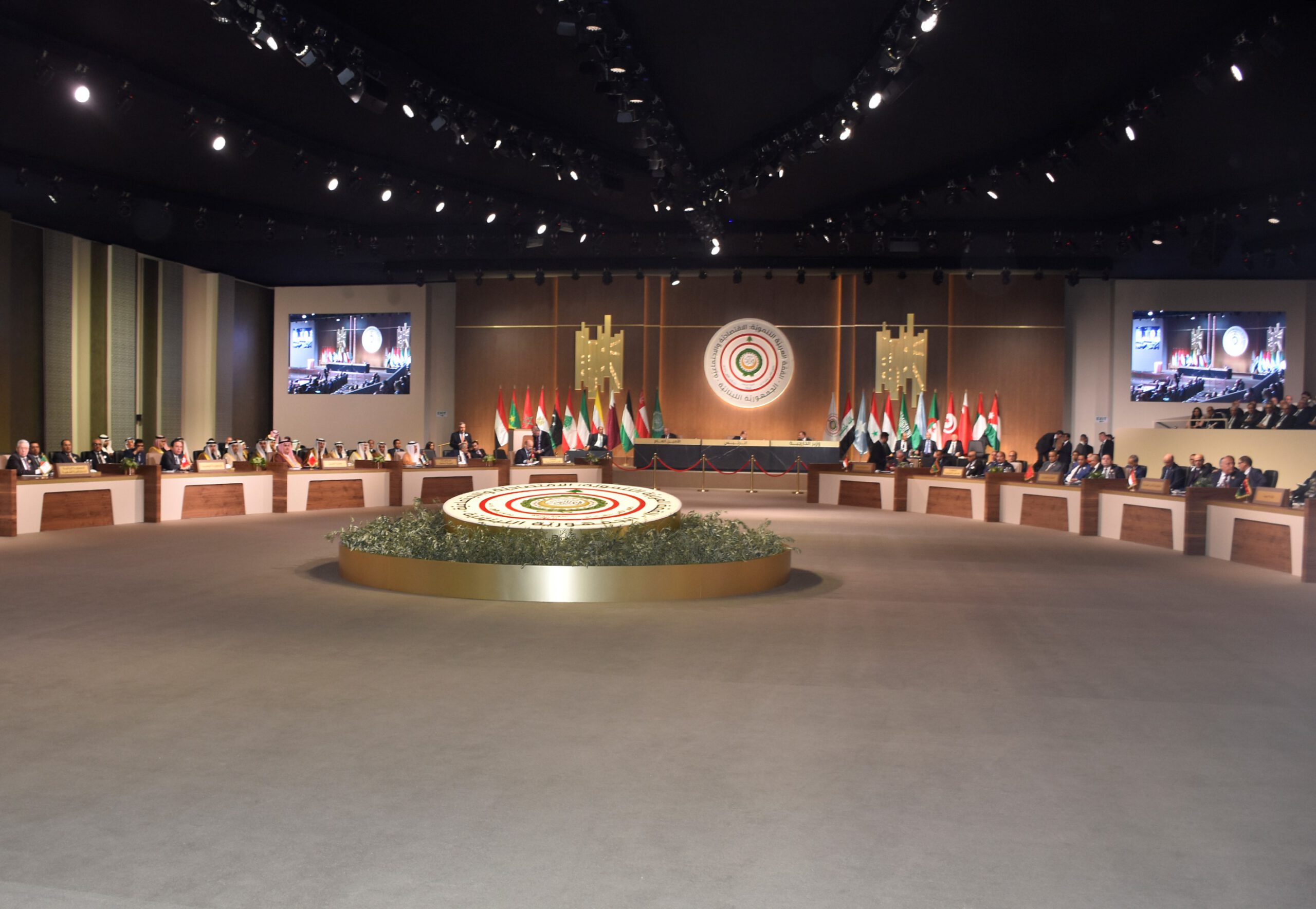
Weekly Briefing: Failed Arab Economic Summit in Beirut underscores divisions
In this week’s Weekly Briefing, contributors Paul Salem, Marvin G. Weinbaum, William Lawrence, Ruba Husari, and Jean-François Seznec provide analysis on recent and upcoming events including the Arab Economic Summit held in Beirut this weekend, Afghanistan’s upcoming presidential elections, strikes in Tunisia, the Trump administration’s next steps on Iranian oil policy, and Saudi Aramco’s $10B bond issue.
The Politics of Combating Infectious Diseases in Southeast Asia and the Middle East
This article compares the local responses to the 2012-2018 outbreak of Middle East Respiratory Syndrome (MERS) to that of the Avian Influenza outbreak in Southeast Asia from 2003-2015. How well do countries cope with the spread of new and deadly diseases? Why are some countries better at addressing the problem than others? And, what does this tell us about larger questions concerning states’ abilities to provide public goods (in this case health security) to their citizens and about global systems to prevent pandemics? What this comparison demonstrates is that countries with the ‘strongest’ state capacity to make and implement policy are best able to confront disease outbreaks.
Arab Gulf states silent on China’s Xinjiang crackdown
Unlike other cases of repression against Muslims around the world, such as Myanmar, the Gulf monarchies have been silent about the “cultural cleansing” taking place in China’s Xinjiang Province.
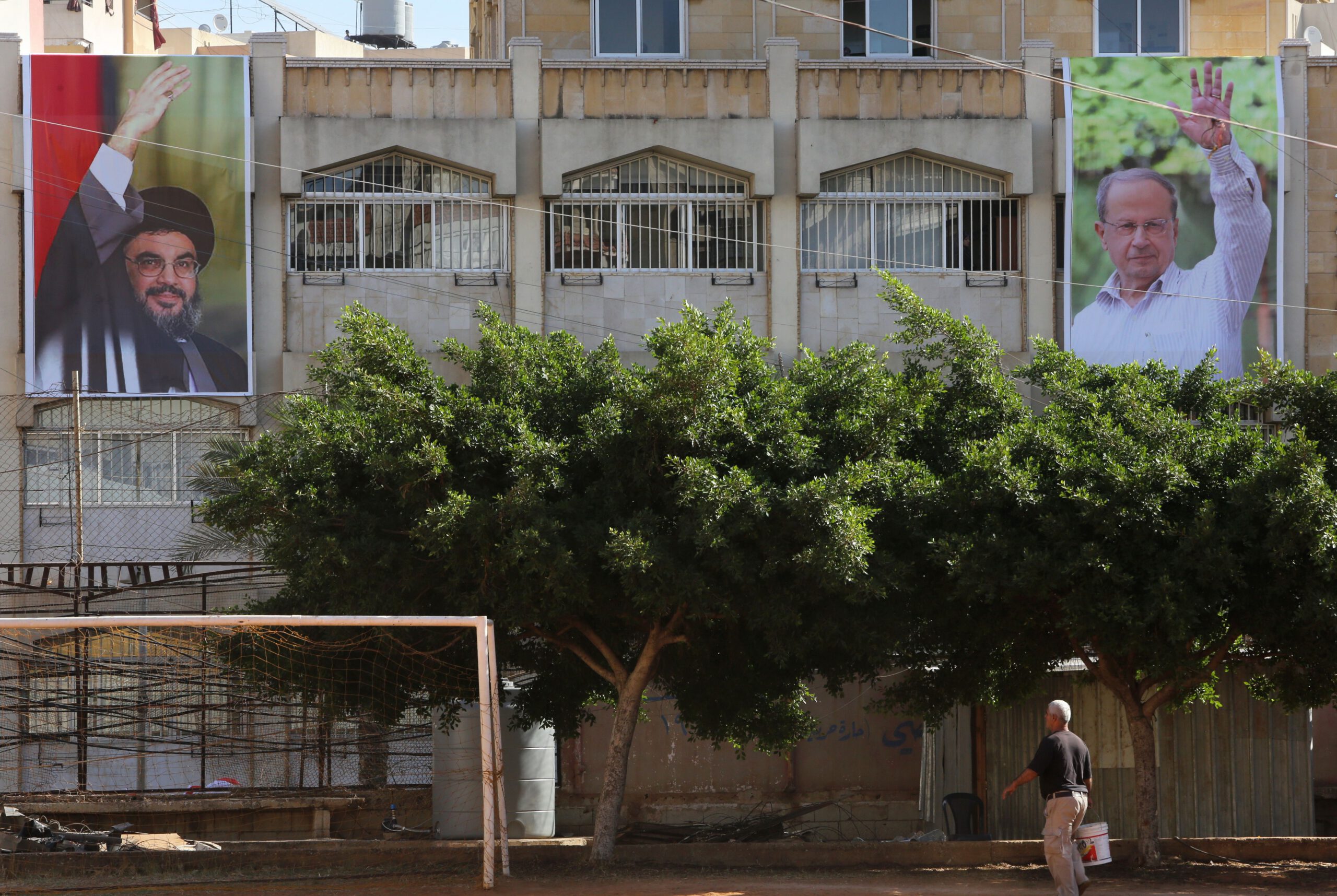
Lebanese President Michel Aoun and Hezbollah remain at loggerheads over the formation of a new government. The dispute has now entered its eighth month and the country is slowly tiptoeing towards a financial crisis.
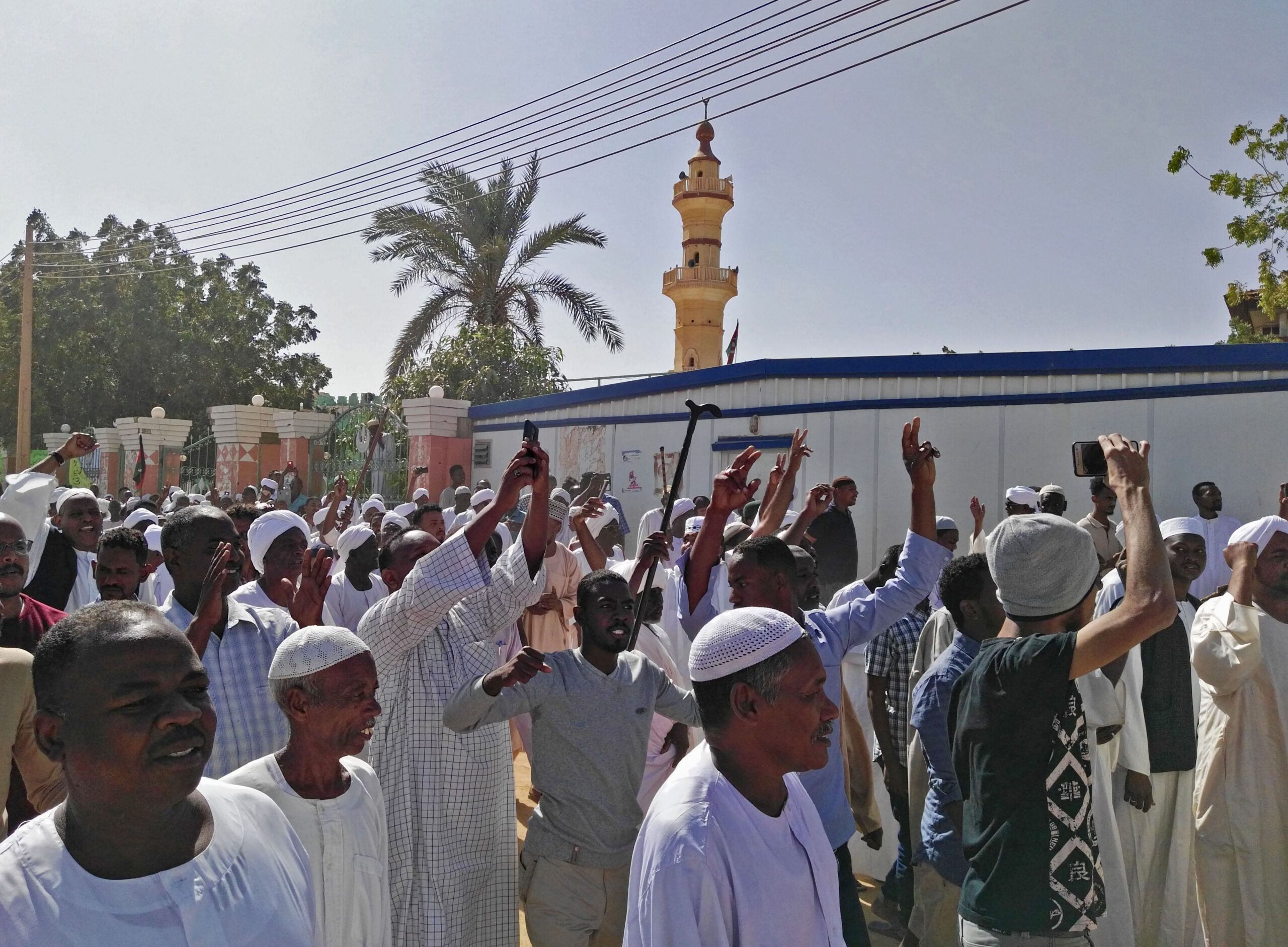
Sudan has faced a wave of protests in recent weeks amid an economic crisis and calls for a change in leadership. Nisrin Elamin, a doctoral candidate in anthropology at Stanford, and Rania Biraq, a Sudanese activist who has been participating in the protests, join host Alistair Taylor to discuss the situation, its parallels to the Arab Spring, and scenarios going forward.
The oldest peer-reviewed publication dedicated to the study of the modern Middle East, MEI’s flagship journal covers politics, society, and culture in the region.