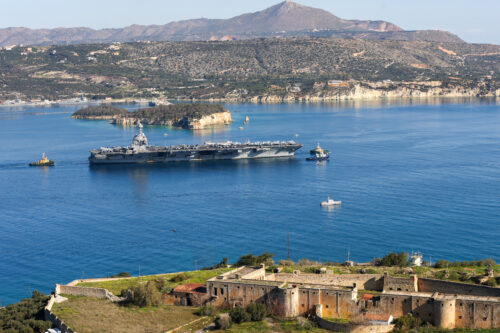
This report explores maritime security conditions in the Mediterranean and the evolving US engagement in the region. As critical infrastructure becomes increasingly vulnerable to sabotage, freedom of navigation is undermined by conflict, and energy disputes generate tension, US policy focus on the region has become fragmented and disengaged. The authors call for a sustained American role to strengthen maritime domain awareness, allied coordination, infrastructure protection, and the capacity to respond when Mediterranean crises affect US and transatlantic interests.
Curb Your Enthusiasm: Why the Midterms Might Not Change Much in US Middle East Policy
With less than a week before the midterm elections in the United States, the spotlight is on the economy and cultural divides. US foreign policy remains mostly on the sidelines, but this year’s inconclusive Iran war and its effect on America’s economy have shaped the broader political environment in this electoral cycle.
The Multiple Costs of the US–Iran War – From Hormuz to Europe and South Asia: The Widening Economic and Political Geography of the Conflict
Wars are decided by those who hold military power, but their costs are increasingly borne by those who have little or no voice in the decisions that start them. The US–Iran war shows this imbalance very clearly. Its economic consequences have gone far beyond the battlefield and have disrupted energy markets, trade routes, food supplies, public finances and investment in the Gulf, Europe, Africa and Asia. The most striking feature of the conflict, however, is not only the size of the damage but its very unequal distribution.
Since 1967, Israeli settlements in the West Bank have been a contested feature of the Israeli-Palestinian conflict. The ultimate disposition of the settlements and ongoing activity related to their growth have repeatedly defied agreement in negotiations over a resolution to the conflict.
The Houthis are a political-military faction and Zaydi religious movement founded in northwestern Yemen in the 1980s. A key member of Iran’s Axis of Resistance with links to other militant organizations in the Arabian Peninsula and the Horn of Africa, the group has continued to pose a threat to Western interests on a global scale.
The India-Middle East-Europe Economic Corridor (IMEC) is a proposed multinational infrastructure initiative aimed at upgrading connectivity between the three regions through integrated trade, energy, and digital networks. Announced at the G20 summit in New Delhi in September 2023, IMEC is envisioned partially as a counterweight to China’s international infrastructure project, the Belt and Road Initiative.
After a decade of post-Arab Spring isolation, Turkey’s leaders have recognized that their ambition to position the country as an agenda-setter on the world stage requires active engagement in all directions. President Recep Tayyip Erdoğan’s consolidation of executive authority has centralized foreign policy decision-making and tied it to his domestic political priorities, transforming the country’s revisionist approach to one shaped primarily by personal and pragmatic interests.
MEI Senior Fellow Brian Katulis engages friends, colleagues, and policy experts in casual conversations on the most important happenings in the Middle East.
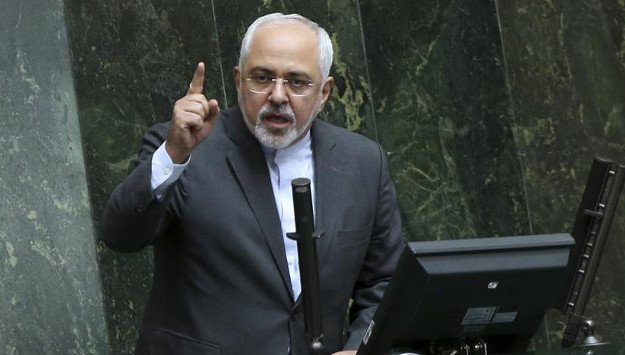
Iran’s Intelligence Minister: Plots to Carry out Attacks and Disrupt Elections Foiled
Iran’s Intelligence Minister Mahmoud Alavi said today that his agency had foiled plots by several groups that wanted to disrupt the country’s security during the presidentia
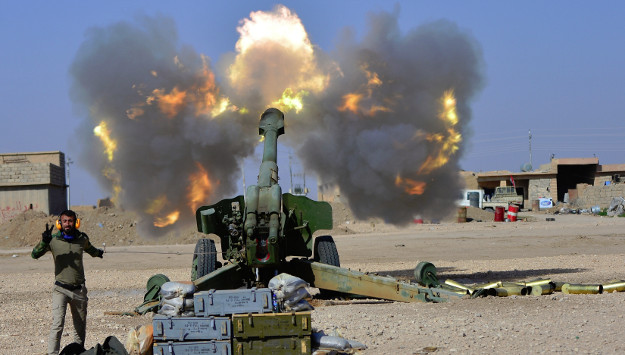
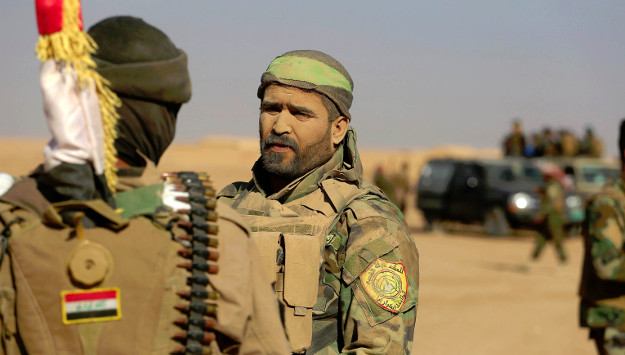
Iran-Backed Iraqi Militia Groups Seize Strategic Air Base in Western Mosul
The Hashd al-Shaabi – Iraqi paramilitary forces known as the Popular Mobilization Forces – captured an air base from the Islamic State on Thursday, the Iranian media reports.
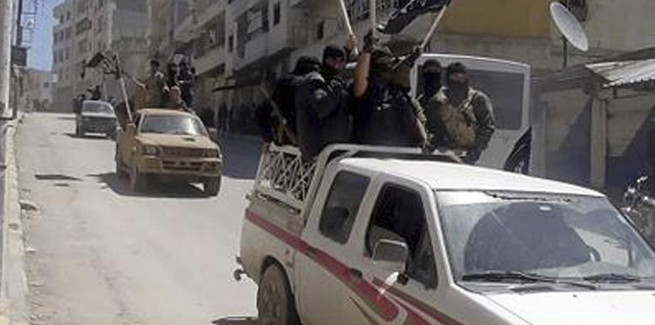
“There are really big problems right now,” a conservative Islamist cleric close to Syria’s armed opposition told me – “al-Qaeda is trying to create a new loyal faction in Idlib, but that’s being prevented by al-Hayat.” As this influential cleric and four other similarly well-connected Islamist opposition figures have described to me in recent days, al-Qaeda’s central leadership is growing increasingly exasperated at its former Syrian affiliate – now named Hayat Tahrir al-Sham (H.T.S.), after a second rebrand in January 2017 – and is now actively seeking to build a rival movement more loyal
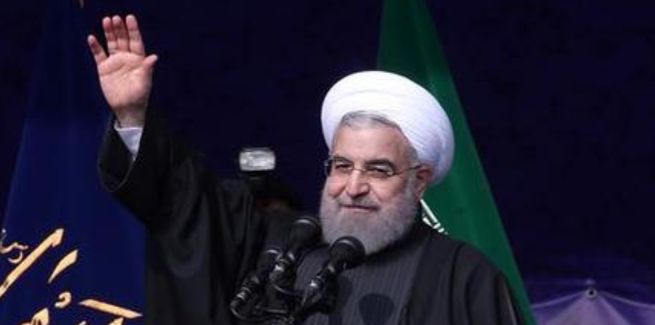
Four years ago, Hassan Rouhani assumed the Iranian presidency on the back of a campaign pledge to alleviate Iran’s economic hardship by striving for the removal of sanctions. With nuclear-related sanctions removed, blame for Iran’s continued economic misery has either been put on remaining U.S. unilateral sanctions that present a hurdle to large-scale European involvement in the country, or Iran’s hardliners blocking the president’s economic reforms. Yet, Rouhani’s own economic doctrine has significantly contributed to his administration’s failure to improve the lives of Iranians.
Heightening Tension between U.S.-led Coalition and Iran-led Forces in Syria
Just hours before the news of U.S. airstrikes in Syria broke out, Iran’s Fars News Agency (F.N.A.) reported that the Lebanese Hezbollah had dispatched 3,000 fighters near the border-crossing al-Tanf passageway along Syria’s borders with Iraq and Jordan to “thwart the U.S. plots” and take the control of the Palmyra-Baghdad road.
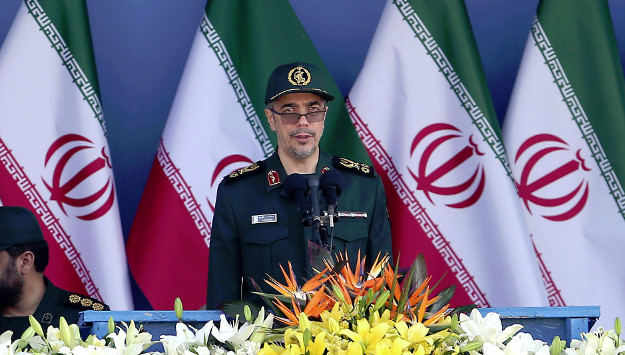
I.R.G.C. Outlet: Iran’s “Military Diplomacy” Forced Pakistan to Take Action against Terrorists
An article in Tasnim News Agency says Iran’s “military diplomacy” was instrumental in compelling Pakistan to take concrete actions against terrorist groups. “After the attack by terrorist groups that martyred 10 Iranian border guards, it was the powerful words of Major General [Mohammad] Bagheri that made Pakistani political leaders to take practical actions to control the borders,” wrote the outlet, which is affiliated with the Islamic Revolution Guards Corps (I.R.G.C.).
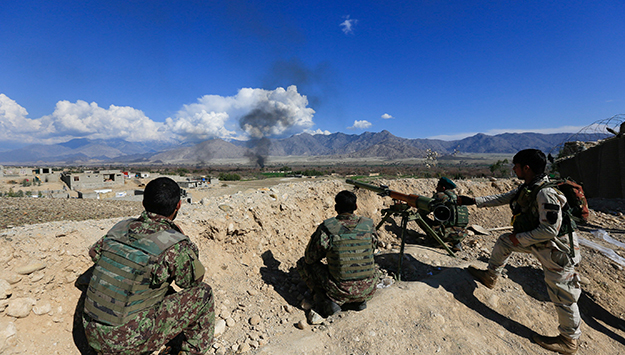
Accusations are mounting that Iran is ramping up its engagement with the Taliban in Afghanistan. Like a lot of Iran’s murky foreign policy, it is difficult to separate the wheat from the chaff. The three questions that need to be answered to clear up the murky relationship between Iran and the Taliban are: why the change in Iran’s policy; when did this policy change occur; and what is the level of support afforded to the Taliban?
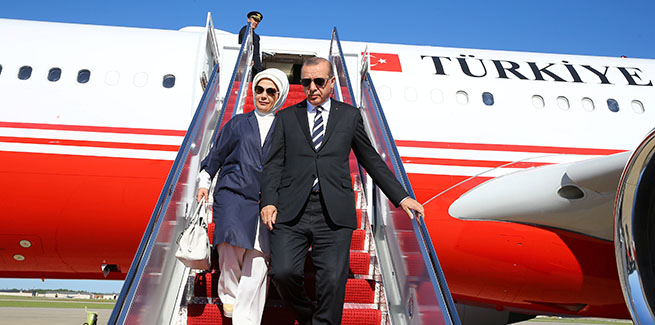
President Recep Tayyip Erdogan will meet President Donald Trump as a frustrated and disappointed man. His hopes for a clean slate after strained relations with President Barack Obama have been dashed as Trump has endorsed his predecessor’s policies against key Turkish demands. Importantly, Trump last week approved an Obama era plan to arm Syrian Kurds in preparation for the upcoming battle to retake Raqqa from ISIS.
The India-U.A.E. Strategic Partnership in Regional Context: A Zero-Sum Game?
Since the government of Narendra Modi took office in 2014, India and the U.A.E. have moved relatively quickly to consolidate their existing ties and to explore new areas of cooperation. During this time, they have elevated the relationship to a comprehensive strategic partnership, with the expressed intention of extending their cooperation to the security and defense spheres. This essay discusses these recent developments, with particular attention to the role of Pakistan as a constraining factor in India-U.A.E. relations going forward.
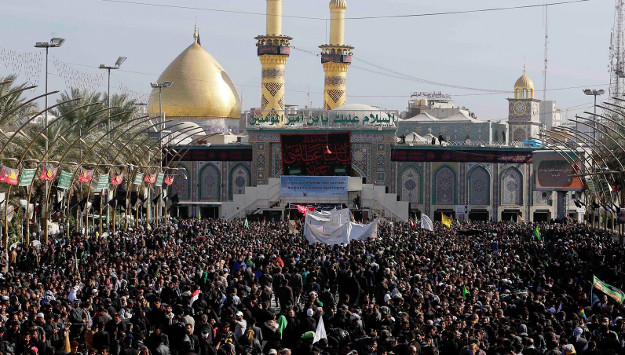
Iran’s Envoy to Iraq Meets with Senior Religious and Political Leaders in Karbala
On Monday, Iranian Ambassador to Baghdad Iraj Masjedi traveled to the holy city of Karbala and held meetings with senior Iraqi government officials and religious leaders, the
The oldest peer-reviewed publication dedicated to the study of the modern Middle East, MEI’s flagship journal covers politics, society, and culture in the region.