Curb Your Enthusiasm: Why the Midterms Might Not Change Much in US Middle East Policy
With less than a week before the midterm elections in the United States, the spotlight is on the economy and cultural divides. US foreign policy remains mostly on the sidelines, but this year’s inconclusive Iran war and its effect on America’s economy have shaped the broader political environment in this electoral cycle.
The Multiple Costs of the US–Iran War – From Hormuz to Europe and South Asia: The Widening Economic and Political Geography of the Conflict
Wars are decided by those who hold military power, but their costs are increasingly borne by those who have little or no voice in the decisions that start them. The US–Iran war shows this imbalance very clearly. Its economic consequences have gone far beyond the battlefield and have disrupted energy markets, trade routes, food supplies, public finances and investment in the Gulf, Europe, Africa and Asia. The most striking feature of the conflict, however, is not only the size of the damage but its very unequal distribution.
In recent weeks, the Iran-backed Houthis have fired missiles and drones deep into Saudi Arabia, striking high-profile targets, including Riyadh’s airport and Aramco’s headquarters. The attacks follow a rapid Houthi offensive in September to seize key parts of Yemen’s Red Sea coast, which Saudi-backed government forces are now trying to roll back. Fatima Abo Alasrar, an affiliated scholar at MEI and non-resident scholar at the Arab Gulf States Institute, joins hosts Alistair Taylor and Matthew Czekaj to unpack the latest phase of the conflict. They discuss what the Houthis want, Riyadh’s calculus and search for allies, and how this campaign ties into Iran’s confrontation with the United States.
Since 1967, Israeli settlements in the West Bank have been a contested feature of the Israeli-Palestinian conflict. The ultimate disposition of the settlements and ongoing activity related to their growth have repeatedly defied agreement in negotiations over a resolution to the conflict.
The Houthis are a political-military faction and Zaydi religious movement founded in northwestern Yemen in the 1980s. A key member of Iran’s Axis of Resistance with links to other militant organizations in the Arabian Peninsula and the Horn of Africa, the group has continued to pose a threat to Western interests on a global scale.
The India-Middle East-Europe Economic Corridor (IMEC) is a proposed multinational infrastructure initiative aimed at upgrading connectivity between the three regions through integrated trade, energy, and digital networks. Announced at the G20 summit in New Delhi in September 2023, IMEC is envisioned partially as a counterweight to China’s international infrastructure project, the Belt and Road Initiative.
After a decade of post-Arab Spring isolation, Turkey’s leaders have recognized that their ambition to position the country as an agenda-setter on the world stage requires active engagement in all directions. President Recep Tayyip Erdoğan’s consolidation of executive authority has centralized foreign policy decision-making and tied it to his domestic political priorities, transforming the country’s revisionist approach to one shaped primarily by personal and pragmatic interests.
MEI Senior Fellow Brian Katulis engages friends, colleagues, and policy experts in casual conversations on the most important happenings in the Middle East.
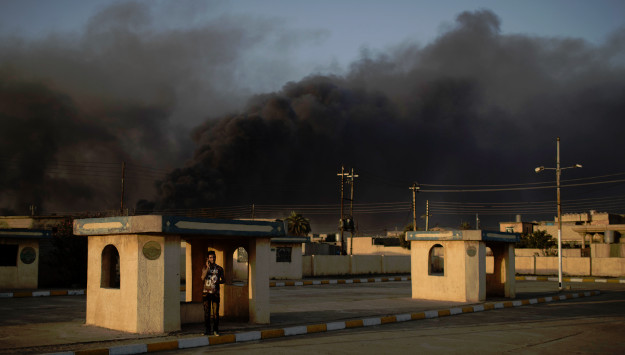
With ISIS Losing Ground in Mosul, Iran-Backed Militias Turn Attention to Iraqi Rivals
A prominent Iran-backed Iraqi militia commander has warned peshmerga forces loyal to the Kurdish Regional Government (KRG) to withdraw from the northern Iraqi town of Sinjar and stressed that the Popular Mobilization Forces (PMF) will not allow any parts of Nineveh Province to be incorporated into the Iraqi
Kayhan Editor: U.S. and Allies Trying to Weaken Iran's Regime by Empowering "Moderates"
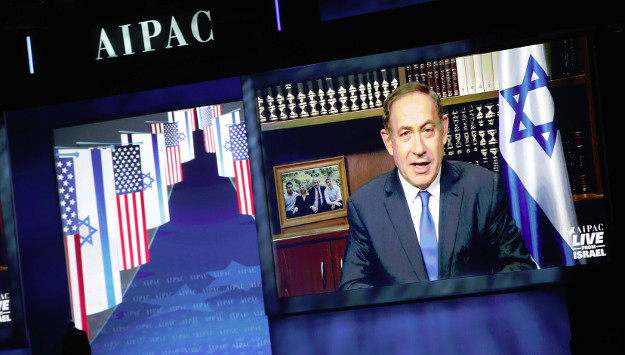
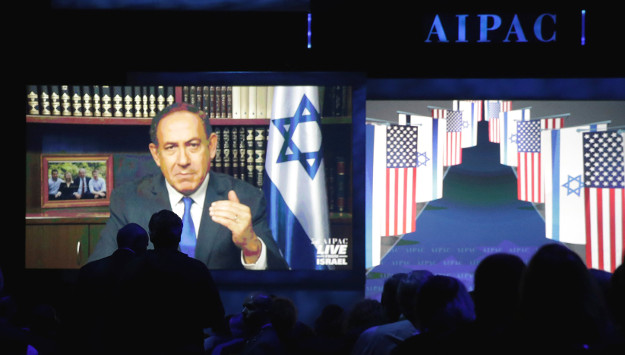
Hossein Shariatmadari, the editor-in-chief of hardline Kayhan newspaper, claims that an assessment of speeches by U.S. politicians at the annual policy conference of the American Israel Public Affairs Committee (AIPAC) this week shows America and its allies are afraid of the Islamic Republic’s power.
Renewal U.N. Special Rights Rapporteur’s Mandate Unnerves Iran’s Judiciary Chief
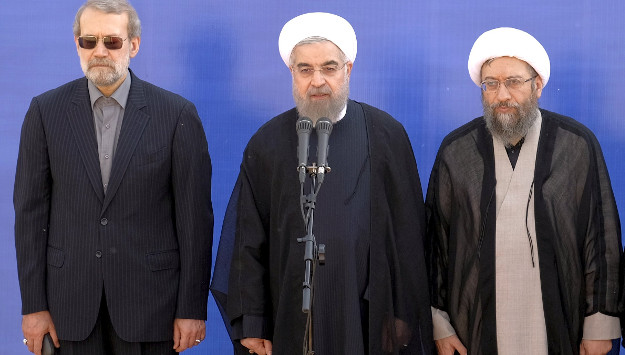
Iran’s Judiciary Chief Ayatollah Sadeqh Larijani has criticized the U.N. Human Rights Council for renewing the mandate of the Special Rapporteur on the human rights situation in Iran for another year. “Unfortunately, the United Nations’ human rights bodies have become a tool to pressure independent states,” Larijani said in a meeting with high-ranking judiciary officials in Tehran.
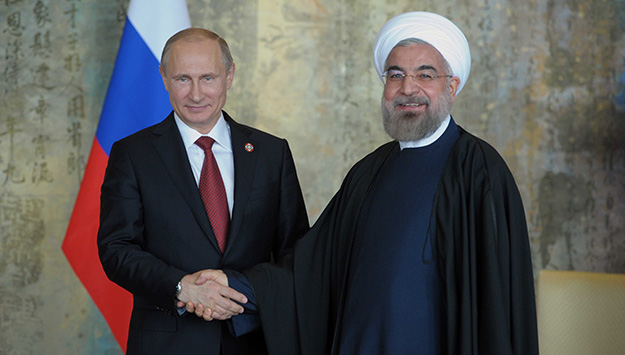
In this week’s Monday Briefing, MEI experts Yousef Munayyer, Eran Etzion, and Alex Vatanka provide analysis on recent and upcoming events including the evident partisan divide at this year’s AIPAC Conference, the surprise that the Trump administration’s lack of support for settlement building has caused for Israel’s right wing, and Iranian President Rouhani’s trip to Moscow.
Bahrain Says Busted another Iran-Backed “Terror Cell” Plotting Assassinations
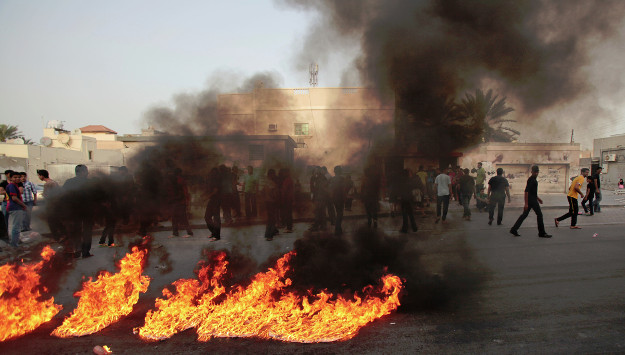
Bahrain’s Ministry of Interior said on Sunday that it has dismantled an Iran-backed group that planned terrorist attacks in the island kingdom, including assassination of high-profile government officials.
Iran’s Intelligence Ministry Denies Medical Treatment to Elderly Baha'i Languishing in Jail
Iran’s Intelligence Ministry is refusing necessary medical treatment to Jamaloddin Khanjani, an 83-year-old former community leader of the Baha’i minority who has spent more than nine years in an Iranian jail.
Arab Leaders Accuse Iran of Sharing Missile Technology with Houthi Rebels in Yemen
Major General Ahmed al-Assiri, the spokesperson of the Saudi-led coalition forces, has accused Iran of intensifying and prolonging the Yemeni conflict by supporting Houthi rebels, including sharing missile technology with the militants.
Iran and Russia Team up with Taliban to Undermine U.S.-led Mission in Afghanistan
Afghan and U.S. officials say Iran and Russia have teamed up to undermine the U.S.-led stabilization efforts in Afghanistan by sheltering, training, funding and arming Taliban insurgents. They claim that the two countries have not only expanded their diplomatic engagement with the Taliban leadership, but are also providing advanced weapons to the insurgents that are fighting the Afghan government and the U.S.-led coalition forces in the country.
Renewal of U.N. Special Rights Rapporteur’s Mandate Angers Iran
Iran’s Foreign Ministry has denounced as “selective and spiteful” the U.N. Human Rights Council’s resolution to renew the mandate of a U.N. special rapporteur to investigate human rights situation in Iran, the Press TV reports.
Top Iranian Cleric Warns of Plot by “Secular” Iranians and “Foreigners” to Topple Regime
A top aide to Supreme Leader Ali Khamenei has warned that “a number of opportunists” intend to wage a “political expedition” to empower “secular” movements in order to seize power in the country.
India and Egypt: Economic Reconstruction and Stabilization
Six years after the fossilized authoritarian regime of Hosni Mubarak was swept from power by a tide of popular discontent, Egypt continues to face a multitude of economic and other challenges. This essay discusses the role that India has played, and could play in helping set Egypt’s economy on a more stable footing while broadening and deepening the bilateral relationship.
The oldest peer-reviewed publication dedicated to the study of the modern Middle East, MEI’s flagship journal covers politics, society, and culture in the region.