After decades of political setbacks, Iran’s former Revolutionary Guards commander has returned to the center of power. Is he an incidental beneficiary of war, or have observers underestimated him all along?
The Human Story Behind Gaza: Jaser AbuMousa on the Costs of Survival for Palestinians
Brian sits down with MEI Senior Fellow Jaser AbuMousa to assess the situation on the ground in Gaza three years after October 7 and a year into the ceasefire. Drawing on his own personal experience, Jaser explores the toll that the war and continued destruction have taken on Gaza’s residents, the implications of the recent Israeli and US elections, and the difficult path forward.
The Unavoidable Neighbor: Managing Iran Beyond the War
Gulf states and their partners are increasingly looking beyond their most immediate interests of containing the war with Iran. While recent talks between Saudi Arabia, Turkey, Pakistan, and Iran have kept de-escalation on the agenda, a broader regional security framework and non-aggression pact has also emerged, envisioning a longer-lasting solution to regional conflicts. The talks have yet to produce a settlement, but they reflect a growing recognition that Gulf security cannot depend entirely on Washington. Iran will still be there, and its neighbors will have to find ways of living with it.
Since 1967, Israeli settlements in the West Bank have been a contested feature of the Israeli-Palestinian conflict. The ultimate disposition of the settlements and ongoing activity related to their growth have repeatedly defied agreement in negotiations over a resolution to the conflict.
The Houthis are a political-military faction and Zaydi religious movement founded in northwestern Yemen in the 1980s. A key member of Iran’s Axis of Resistance with links to other militant organizations in the Arabian Peninsula and the Horn of Africa, the group has continued to pose a threat to Western interests on a global scale.
The India-Middle East-Europe Economic Corridor (IMEC) is a proposed multinational infrastructure initiative aimed at upgrading connectivity between the three regions through integrated trade, energy, and digital networks. Announced at the G20 summit in New Delhi in September 2023, IMEC is envisioned partially as a counterweight to China’s international infrastructure project, the Belt and Road Initiative.
After a decade of post-Arab Spring isolation, Turkey’s leaders have recognized that their ambition to position the country as an agenda-setter on the world stage requires active engagement in all directions. President Recep Tayyip Erdoğan’s consolidation of executive authority has centralized foreign policy decision-making and tied it to his domestic political priorities, transforming the country’s revisionist approach to one shaped primarily by personal and pragmatic interests.
MEI Senior Fellow Brian Katulis engages friends, colleagues, and policy experts in casual conversations on the most important happenings in the Middle East.
The Plucky Little King Reconsidered: King Husayn of Jordan and the First Gulf War
The late King Husayn of Jordan, charismatic, compelling, idolized, was regarded, in his mature years, as the West’s best friend in the Arab world. A perspective assessment over the length of his reign, and particularly during the first Gulf War, however, reveals a far more complex figure: courageous, often wise and far-sighted, but preoccupied with lineage, haunted by ambition, and often plagued by poor judgment. During the first Gulf crisis, Husayn’s demonization of his resource-poor country’s traditional financiers, the Gulf States and Saudi Arabia, cost Jordan dearly.
Social Change Amidst Terror and Discrimination: Yezidis in the New Iraq
Originally posted August 2008
On August 14, 2007, in the largest single terror attack during the war in Iraq, over 350 Yezidis were killed and two entire villages completely destroyed, leaving over 1,000 families homeless. The two villages, Qahtaniya and Jazeera are located in the Sinjar Mountains, an area in northwestern Iraq that is hotly contested by Sunni Arab insurgents, Kurdish peshmergas, US-led coalition forces, and several minority groups.
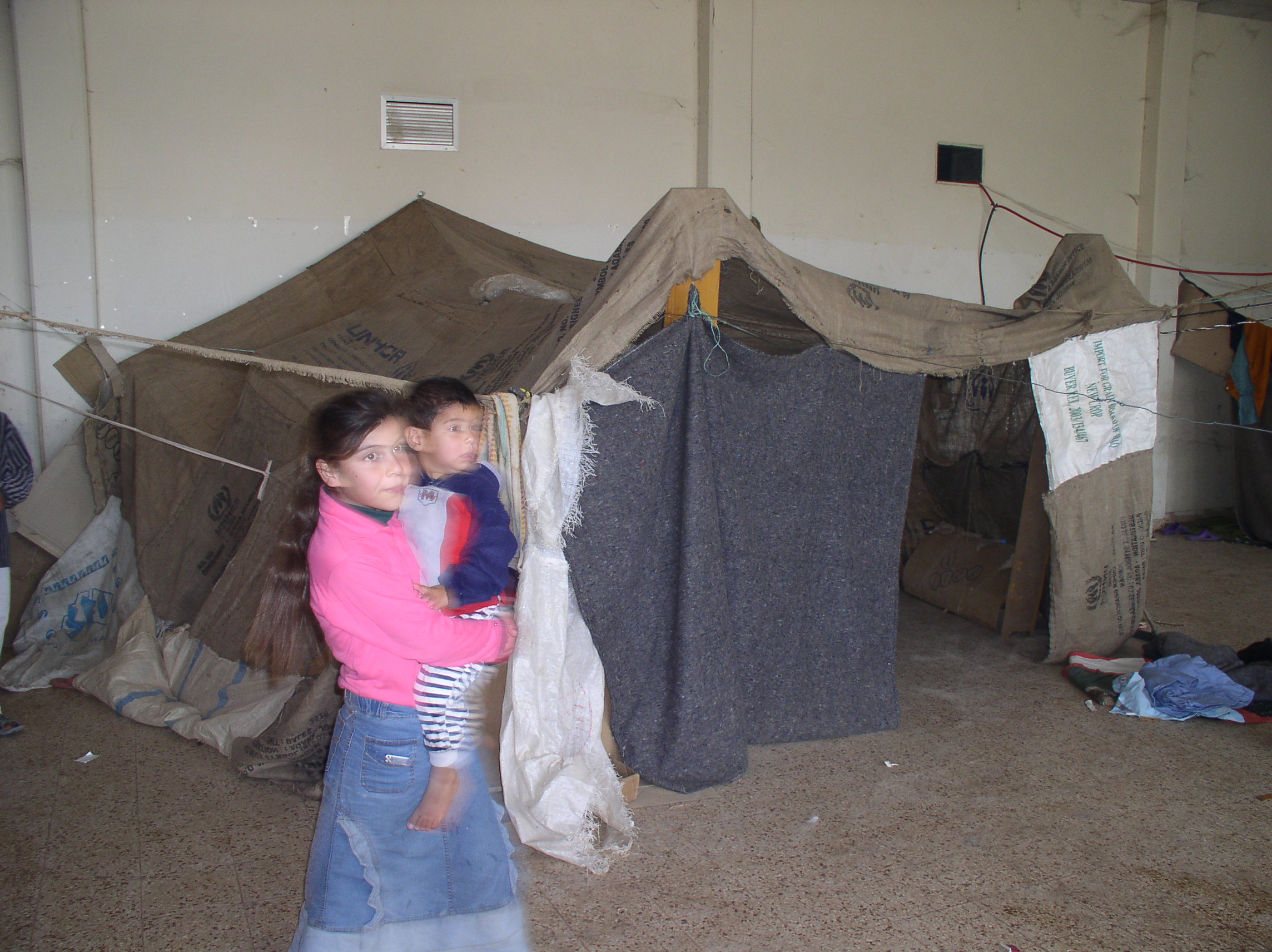
Palestinian Refugees from Iraq in Critical Need of Protection
Originally posted July 2008
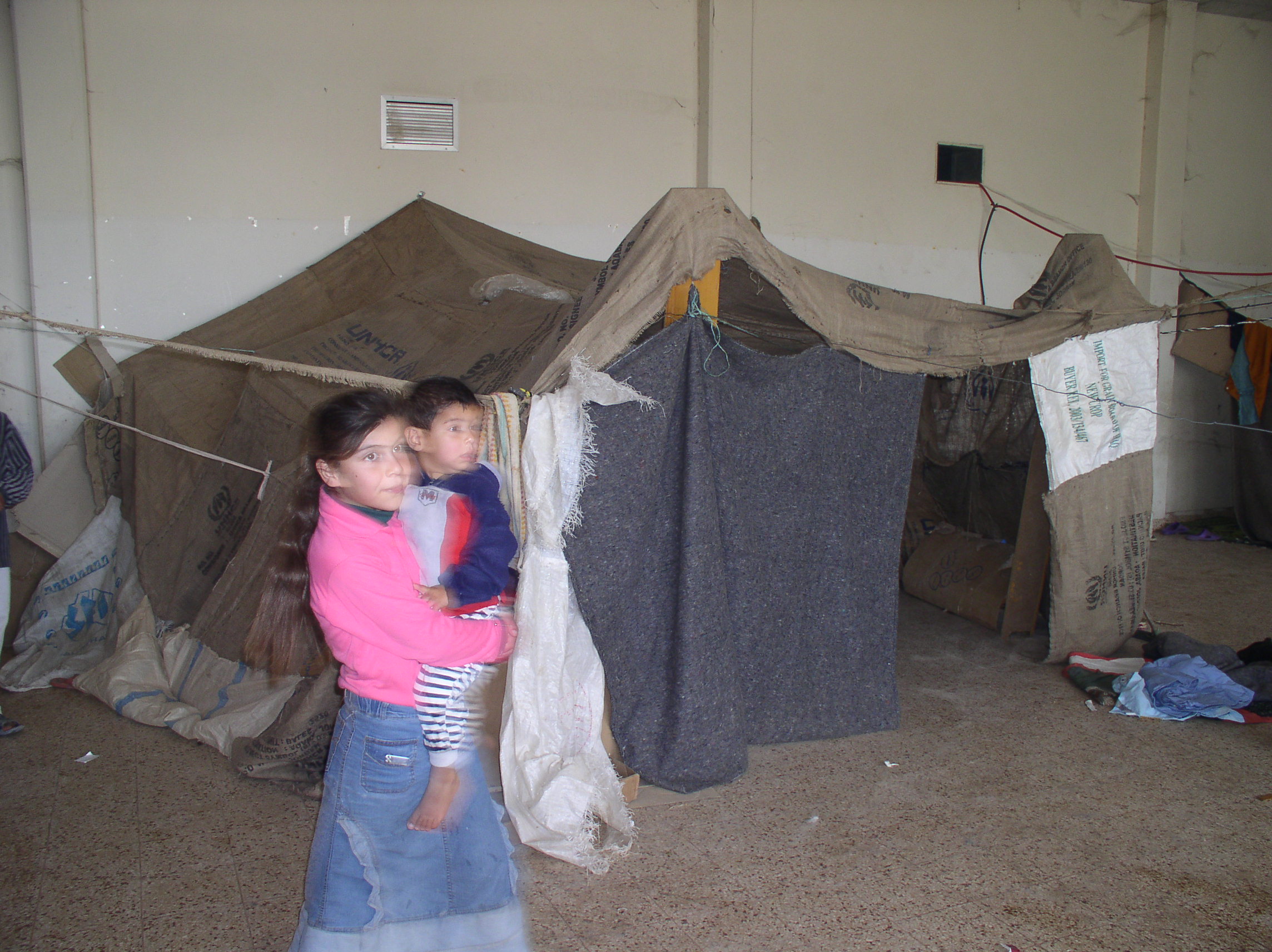
“The twice-displaced Palestinian refugees are one of the worst-off groups in a country full of desperate people. … They have no country to go to, no valid travel documents, no protectors inside Iraq, and hardly anyone prepared to support them outside either. … It is to everyone’s dishonor that these human beings are still rotting [in border camps] and — worst of all — in Baghdad where one or more is being murdered virtually every day.”1
Kirkuk: Constitutional Promises of Normalization, Census, and Referendum Still Unfulfilled
Originally posted July 2008
Many people view Kirkuk as a microcosm of all of Iraq. The ancient city counts among its inhabitants significant numbers of almost all of Iraq’s ethnic and religious groups — Arabs, Kurds, Turkmen, Assyrians, Chaldeans, Sunnis, and Shi‘ites. The last semi-reliable census of Kirkuk’s population, from 1957, indicated a slight majority of Turkmen in Kirkuk City and a majority of Kurds, followed by Arabs, in the province as a whole.
Nur, an Iraqi refugee who has been in the States for four days, is dipping parsley in a china cup of salt water in Bethesda, Maryland. The salt water signifies tears shed over slavery and displacement; the parsley stands for spring and hope. Another interpretation likens the act in the Passover Seder to a biblical moment of betrayal: Joseph’s brothers sold him into slavery and dipped his striped garment in blood to feign his death.
Preface to Iraq's Refugee and IDP Crisis: Human Toll and Implications
Originally posted July 2008
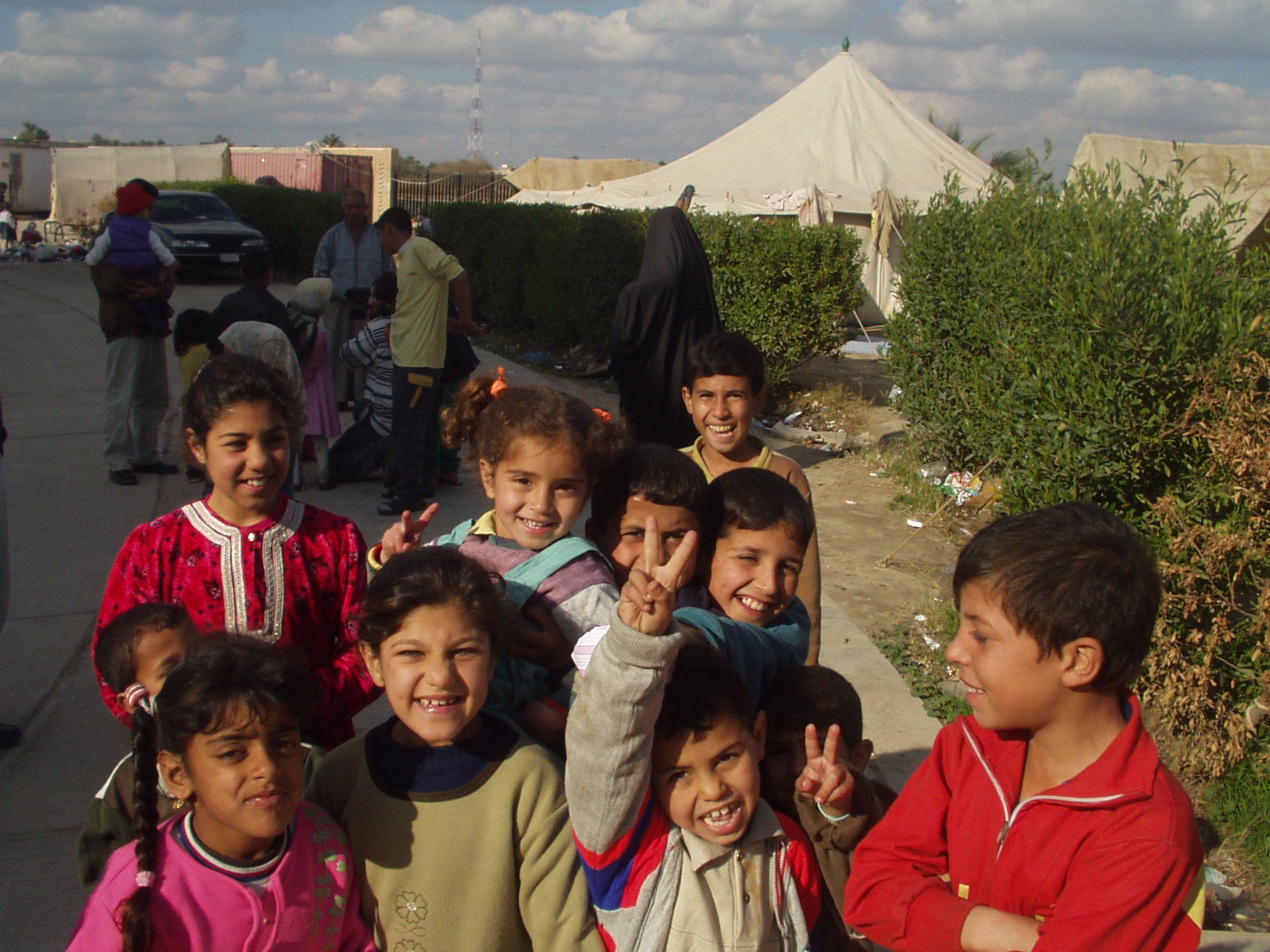
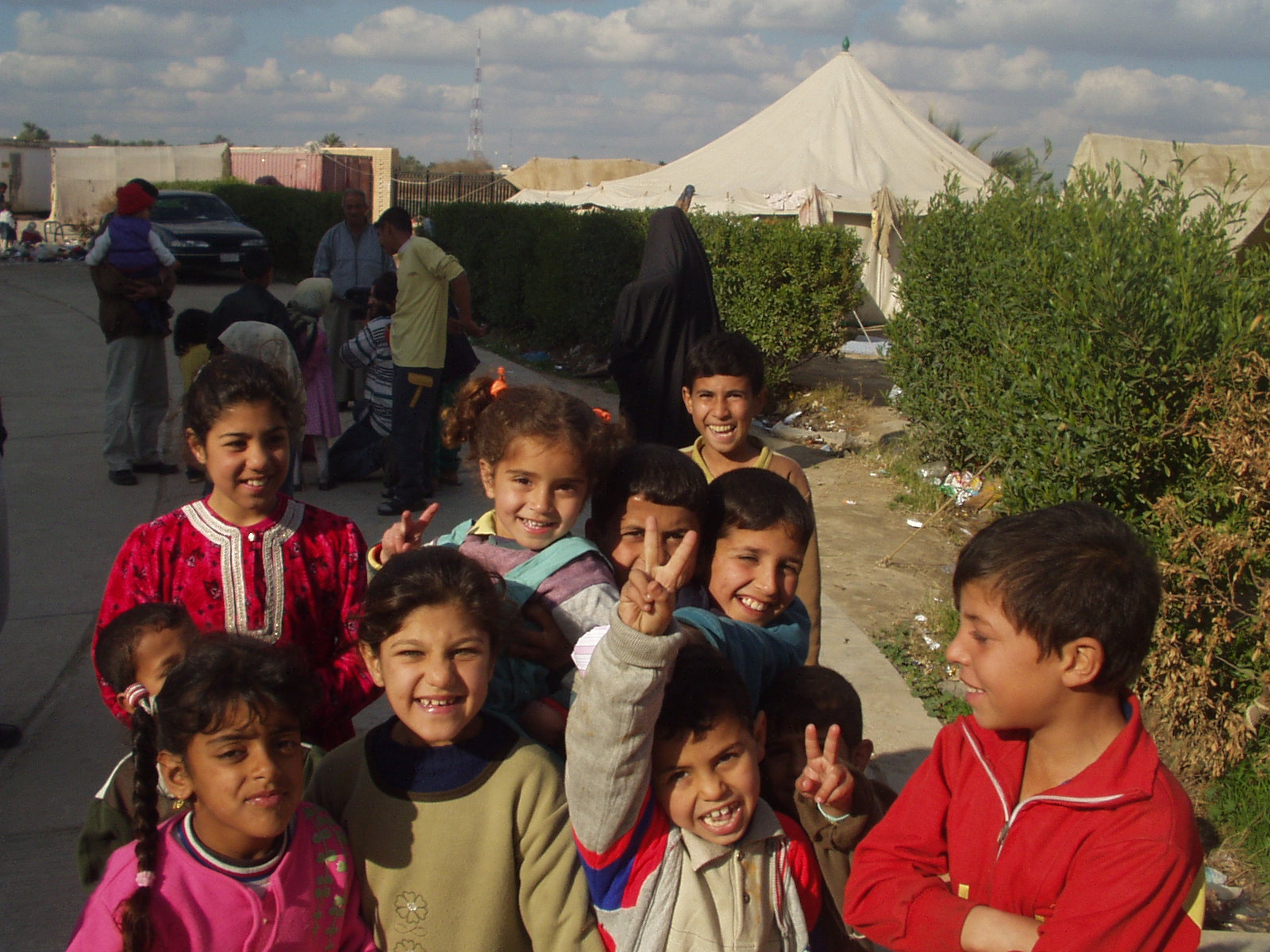
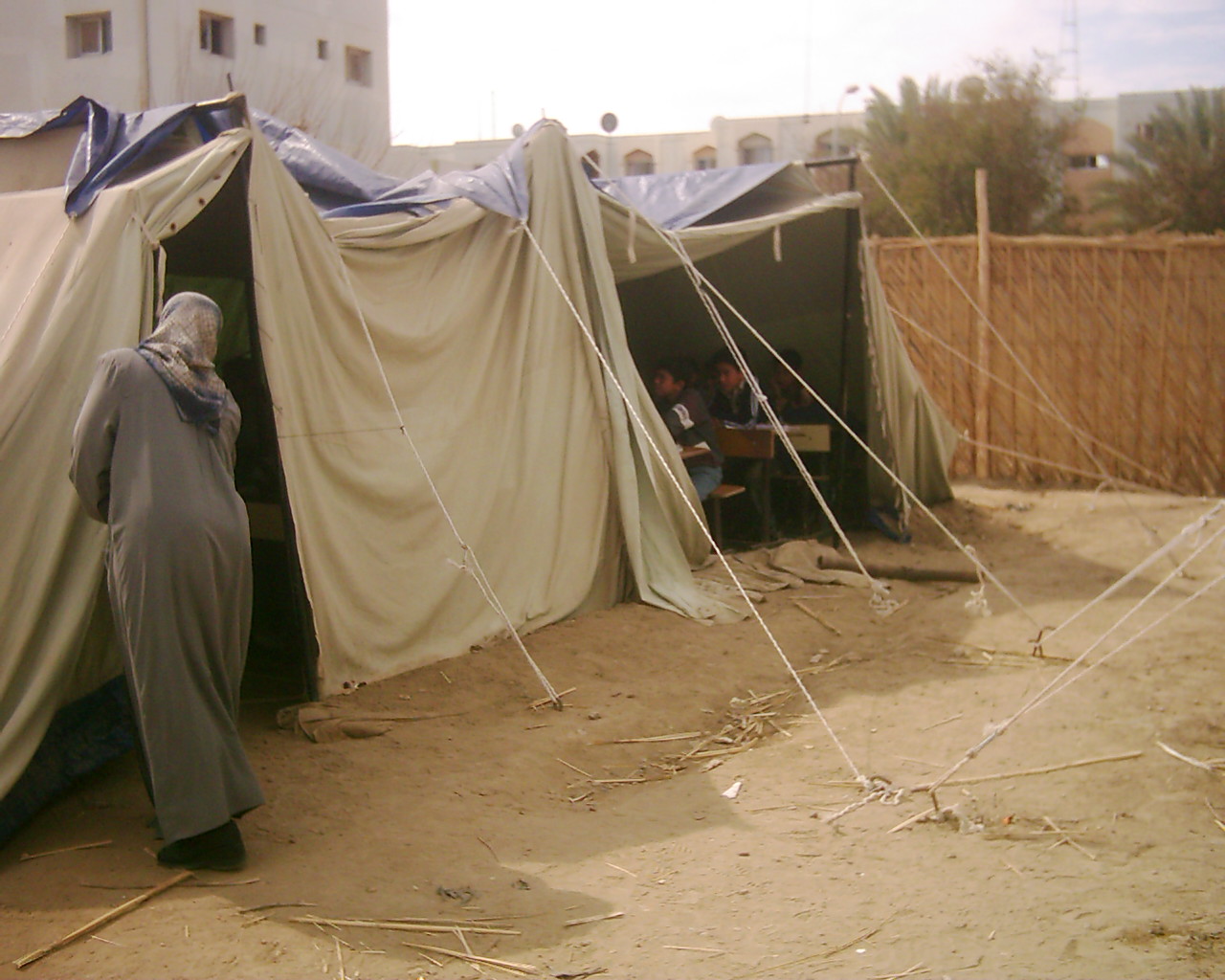
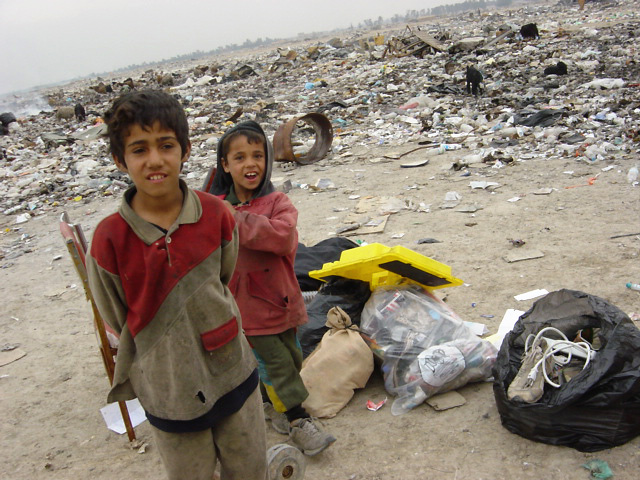
In the comparatively short time since the establishment of the Iraqi state in 1920, the country has experienced successive waves of forced migration. Yet the magnitude of the forced displacement of Iraqis from their homes since 2003 is unprecedented. In addition to the still dire humanitarian situation are the potentially far-reaching negative implications of the refugee/IDP crisis for the future of Iraq and the Middle East as a whole.
The oldest peer-reviewed publication dedicated to the study of the modern Middle East, MEI’s flagship journal covers politics, society, and culture in the region.