After decades of political setbacks, Iran’s former Revolutionary Guards commander has returned to the center of power. Is he an incidental beneficiary of war, or have observers underestimated him all along?
The Human Story Behind Gaza: Jaser AbuMousa on the Costs of Survival for Palestinians
Brian sits down with MEI Senior Fellow Jaser AbuMousa to assess the situation on the ground in Gaza three years after October 7 and a year into the ceasefire. Drawing on his own personal experience, Jaser explores the toll that the war and continued destruction have taken on Gaza’s residents, the implications of the recent Israeli and US elections, and the difficult path forward.
The Unavoidable Neighbor: Managing Iran Beyond the War
Gulf states and their partners are increasingly looking beyond their most immediate interests of containing the war with Iran. While recent talks between Saudi Arabia, Turkey, Pakistan, and Iran have kept de-escalation on the agenda, a broader regional security framework and non-aggression pact has also emerged, envisioning a longer-lasting solution to regional conflicts. The talks have yet to produce a settlement, but they reflect a growing recognition that Gulf security cannot depend entirely on Washington. Iran will still be there, and its neighbors will have to find ways of living with it.
Since 1967, Israeli settlements in the West Bank have been a contested feature of the Israeli-Palestinian conflict. The ultimate disposition of the settlements and ongoing activity related to their growth have repeatedly defied agreement in negotiations over a resolution to the conflict.
The Houthis are a political-military faction and Zaydi religious movement founded in northwestern Yemen in the 1980s. A key member of Iran’s Axis of Resistance with links to other militant organizations in the Arabian Peninsula and the Horn of Africa, the group has continued to pose a threat to Western interests on a global scale.
The India-Middle East-Europe Economic Corridor (IMEC) is a proposed multinational infrastructure initiative aimed at upgrading connectivity between the three regions through integrated trade, energy, and digital networks. Announced at the G20 summit in New Delhi in September 2023, IMEC is envisioned partially as a counterweight to China’s international infrastructure project, the Belt and Road Initiative.
After a decade of post-Arab Spring isolation, Turkey’s leaders have recognized that their ambition to position the country as an agenda-setter on the world stage requires active engagement in all directions. President Recep Tayyip Erdoğan’s consolidation of executive authority has centralized foreign policy decision-making and tied it to his domestic political priorities, transforming the country’s revisionist approach to one shaped primarily by personal and pragmatic interests.
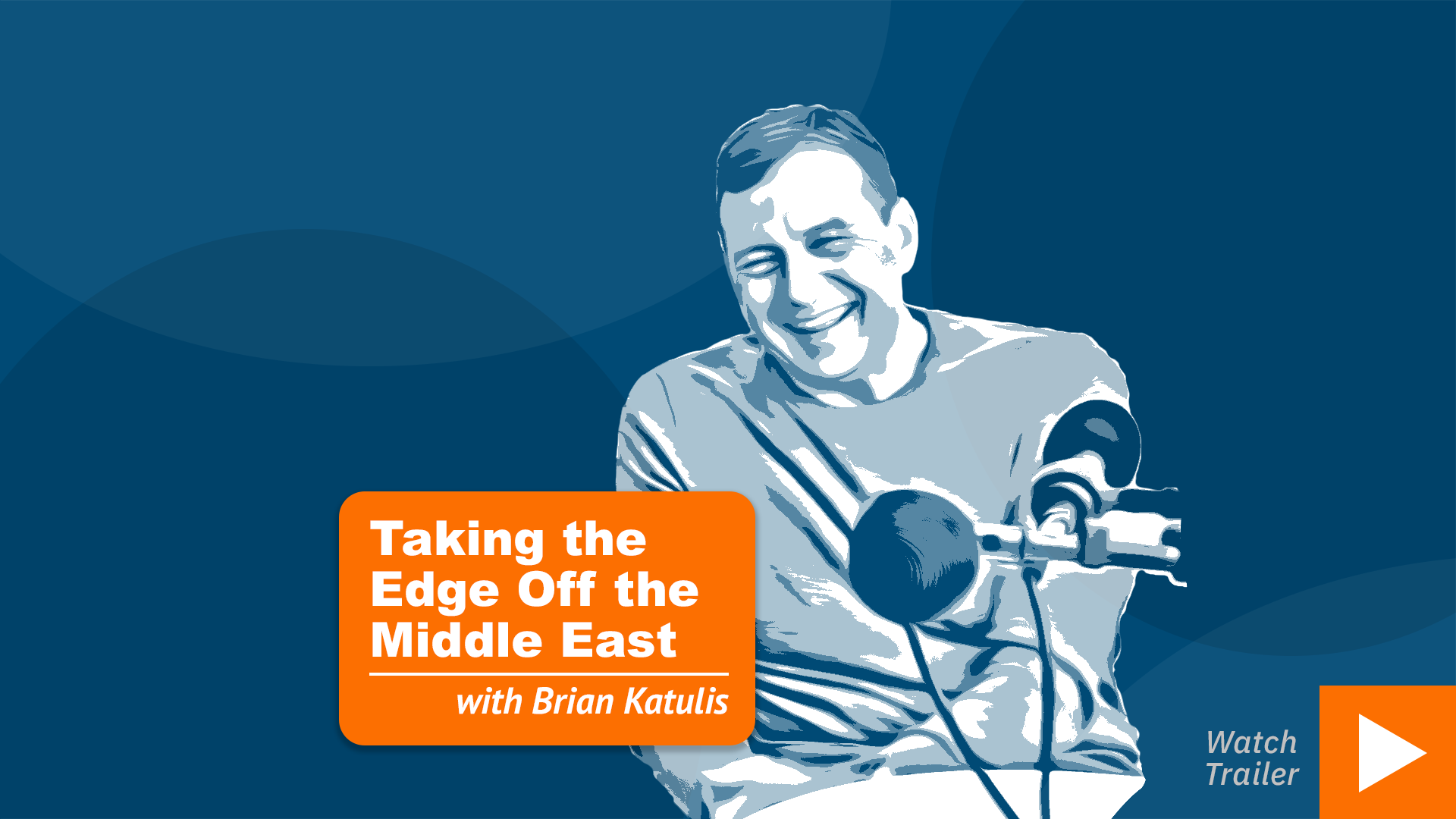
MEI Senior Fellow Brian Katulis engages friends, colleagues, and policy experts in casual conversations on the most important happenings in the Middle East.
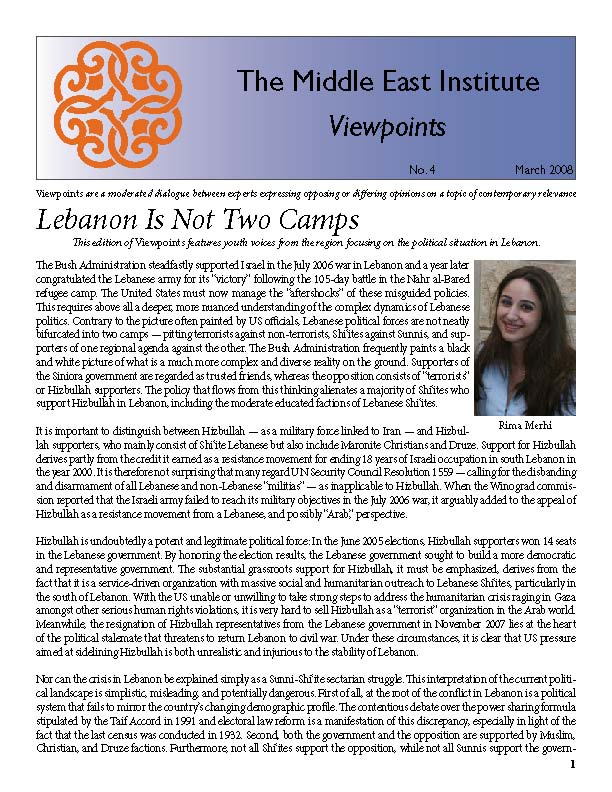
Ever since the assassination of Prime Minister Rafiq Hariri in February 2005, senior officials in the US have closely followed events in Lebanon. Given the number of official public statements made on Lebanon and the number of officials coming from all ranks (including high level security officials) who swarm in and out of Beirut on a regular basis, it would come as no surprise to learn that Lebanon is a priority on the agenda of this administration.
On January 3, 2008, Iran’s supreme leader, Ayatollah ‘Ali Khamene’i once again sought to remind domestic and foreign audiences about his stature in Tehran. Stating that “cutting off relations with the US” was one of the “principal policies” of the Iranian government, but that he would be the “first person to endorse these relations” if it benefited the Iranian people, Khamene’i secured news headlines.[1]
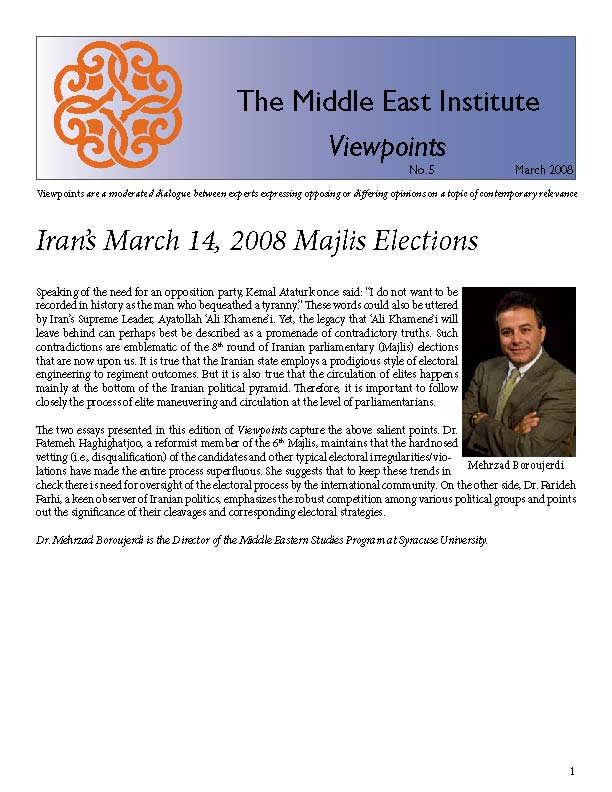
Introducation to Iran's March 14, 2008 Majlis Elections
Speaking of the need for an opposition party, Kemal Ataturk once said: “I do not want to be recorded in history as the man who bequeathed a tyranny.” These words could also be uttered by Iran’s Supreme Leader, Ayatollah ‘Ali Khamene’i. Yet, the legacy that ‘Ali Khamene’i will leave behind can perhaps best be described as a promenade of contradictory truths. Such contradictions are emblematic of the 8th round of Iranian parliamentary (Majlis) elections that are now upon us. It is true that the Iranian state employs a prodigious style of electoral engineering to regiment outcomes.
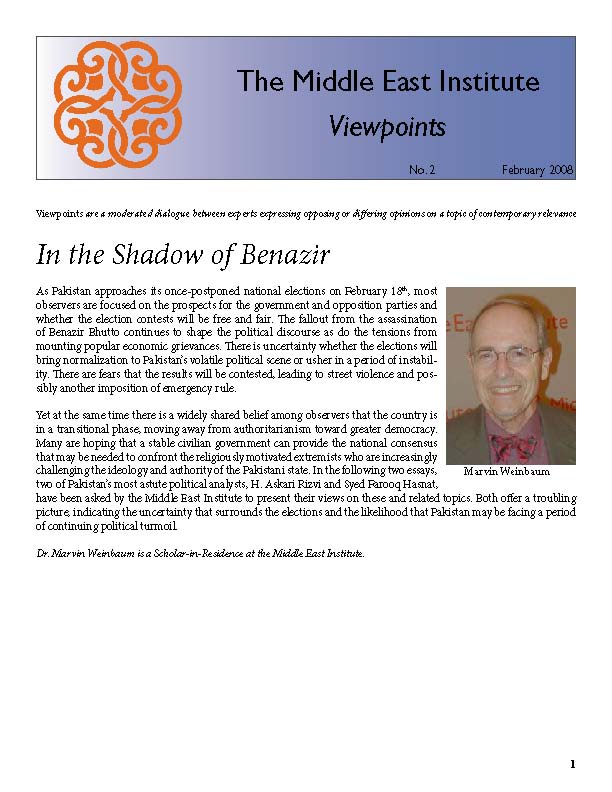
Pakistan has had so few national elections in its 60-year history that every exercise to elect the national Parliament is exceptional. These relatively rare events are not only a mechanism for effecting a change of government but are also a means for putting the political process back on the rails and redefining the provisions of the 1973 constitution, which has been shredded by four periods of martial law. General (retired) Pervez Musharraf has declared martial law twice, ironically once against his own government.
Pakistan faces a paradox. Most political observers believe that Pakistan urgently needs free, fair, and transparent elections, but none is convinced that the elections would usher in an era of participatory governance, internal harmony, and stability in the country.
Democratization in Morocco: Political Transition of a North African Kingdom
Mounia was in the midst of her PowerPoint presentation, held in the seminar room opposite the office of the Dean of the School of Humanities and Social Sciences (SHSS) at al-Akhawayn University in Ifrane (AUI). It was the last week of the Spring 2000 semester, the last meeting of the Capstone seminar on “Contemporary Morocco,” that Mounia, like all graduating seniors of the SHSS, had to pass in order to get her B.A.
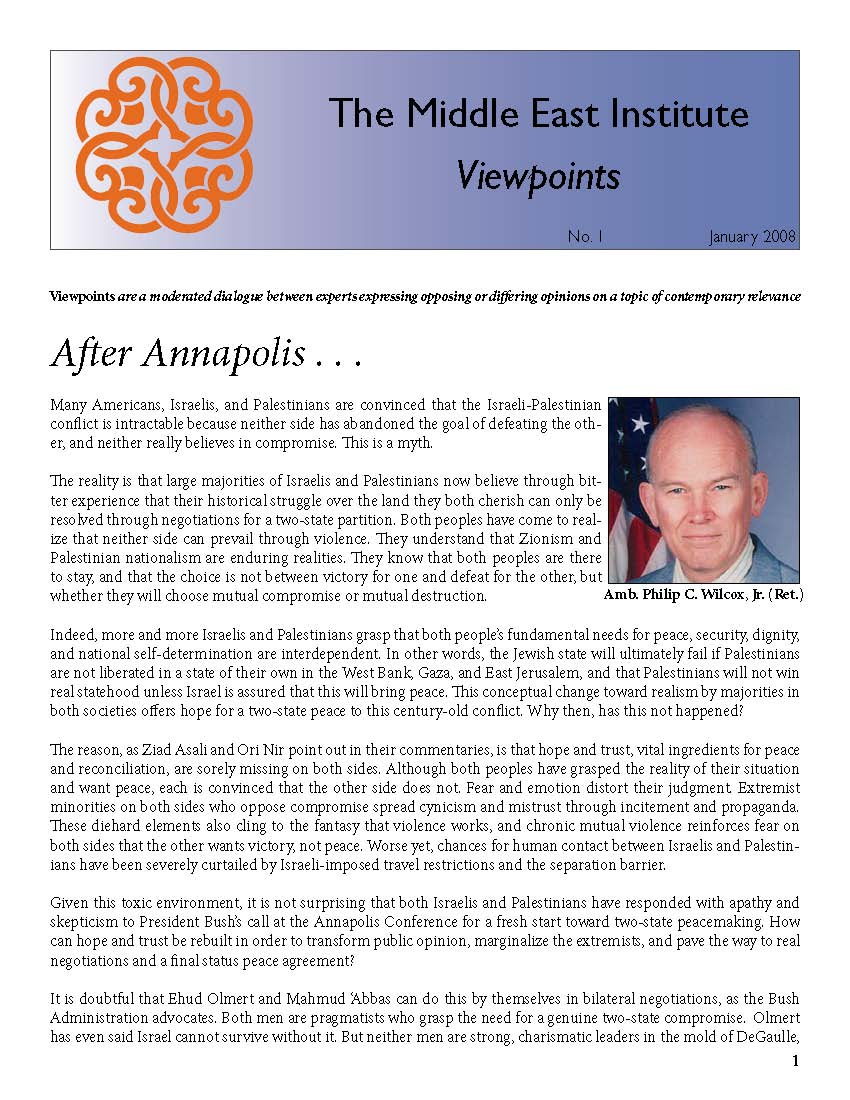
Many Americans, Israelis, and Palestinians are convinced that the Israeli-Palestinian conflict is intractable because neither side has abandoned the goal of defeating the other, and neither really believes in compromise. This is a myth.
Even the most skeptical of us would have to concede that things are better now than they were a few months ago, as they hasten to add that we have been here before and that this too shall pass.
Yes, things are better: Palestinian and Israeli officials are talking, and not about the weather. Final status issues are being discussed, though they are not being resolved.
Last month, I spent seven days in an Israeli living room, sitting “shiva” with my family to mourn the loss of a relative. Hundreds of people came to visit. Hundreds of conversations unfolded on almost any topic imaginable. One of the purposes of the shiva is to distract mourners from their loss through engagement with the living in conversations on the mundane.
The oldest peer-reviewed publication dedicated to the study of the modern Middle East, MEI’s flagship journal covers politics, society, and culture in the region.