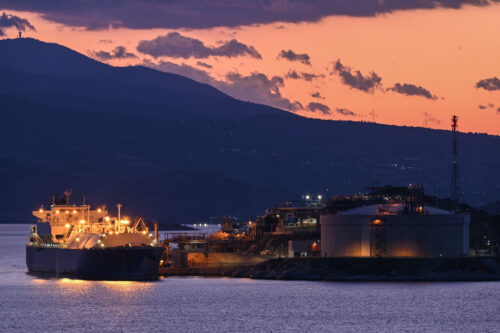
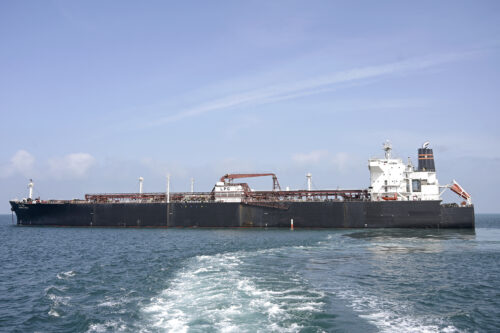
In less than two decades, a string of offshore discoveries has turned the Eastern Mediterranean into a significant gas-producing region, making Israel an exporter, twice lifting Egypt into the ranks of liquefied natural gas (LNG) exporters, and giving Cyprus finds it has yet to bring to market. This backgrounder explores the potential and challenges of exploiting and managing LNG resources in the region.
Deadlock in Gaza and the West Bank at a Breaking Point
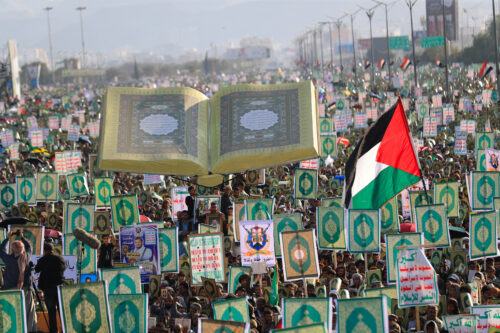
A year after world leaders gathered in Sharm el-Sheikh to mark the end of the war in Gaza, Israel controls about 70% of the Strip, Hamas retains its arms, and reconstruction has yet to begin. Meanwhile, in the West Bank, record settler violence and settlement expansion are colliding with a Palestinian Authority on the brink of fiscal collapse. Hosts Alistair Taylor and Matthew Czekaj are joined by MEI Associate Fellow Tahani Mustafa to discuss why the Gaza peace plan is deadlocked, an increasingly emboldened Israel in the West Bank, Mahmoud Abbas’s postponement of Palestinian elections, the Palestinian Authority’s deepening economic crisis, and what role the US could play.
MINURSO’s Future: What the Security Council’s Choice May Reveal
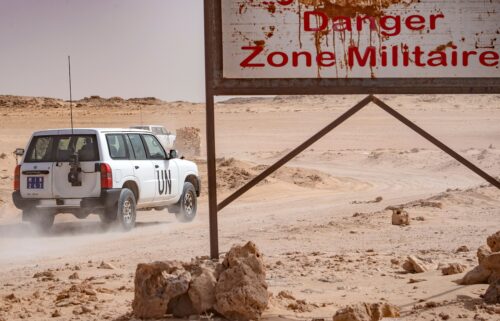
As the United Nations Security Council (UNSC) approaches the October 31 renewal deadline of the UN Monitoring Mission in Western Sahara (MINURSO), the mission’s longer-term future remains uncertain. Another largely unchanged renewal remains a likely immediate outcome. But beyond that holding pattern, three possible scenarios are also on the table.
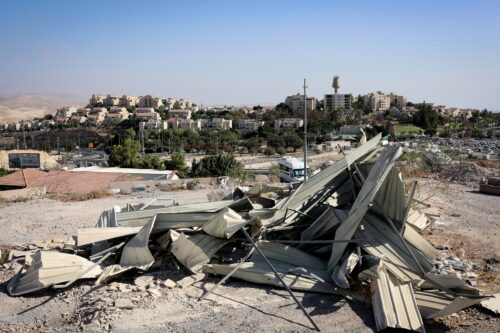
Since 1967, Israeli settlements in the West Bank have been a contested feature of the Israeli-Palestinian conflict. The ultimate disposition of the settlements and ongoing activity related to their growth have repeatedly defied agreement in negotiations over a resolution to the conflict.
The Houthis are a political-military faction and Zaydi religious movement founded in northwestern Yemen in the 1980s. A key member of Iran’s Axis of Resistance with links to other militant organizations in the Arabian Peninsula and the Horn of Africa, the group has continued to pose a threat to Western interests on a global scale.
The India-Middle East-Europe Economic Corridor (IMEC) is a proposed multinational infrastructure initiative aimed at upgrading connectivity between the three regions through integrated trade, energy, and digital networks. Announced at the G20 summit in New Delhi in September 2023, IMEC is envisioned partially as a counterweight to China’s international infrastructure project, the Belt and Road Initiative.
After a decade of post-Arab Spring isolation, Turkey’s leaders have recognized that their ambition to position the country as an agenda-setter on the world stage requires active engagement in all directions. President Recep Tayyip Erdoğan’s consolidation of executive authority has centralized foreign policy decision-making and tied it to his domestic political priorities, transforming the country’s revisionist approach to one shaped primarily by personal and pragmatic interests.
MEI Senior Fellow Brian Katulis engages friends, colleagues, and policy experts in casual conversations on the most important happenings in the Middle East.
Recently, the Iranian regime’s anti-Israel campaign scored an own goal when various hard- line regime news outlets targeted former Iranian national soccer team captain Mehdi Mahdavikia with severe criticism and condemnation. Mahdavikia’s crime? Wearing a jersey at an international exhibition soccer match arranged by FIFA in Qatar that featured the flags of all 211 FIFA members, including Israel.
In a volatile international environment, unpredictability reigns. Perhaps nowhere is this more true than in the Sahel, where myriad existing security challenges have only been exacerbated by the devastating impact of COVID-19. Despite significant stabilization efforts, the situation is growing increasingly complex and various interrelated vulnerabilities weigh heavily on the region’s security agenda, including the pandemic, terrorist threats, chronic economic instability, climate change, skyrocketing demographics, and weak governance systems, as well as unprecedented food insecurity and extreme poverty.
The Gulf has a 5G conundrum and Open RAN is the key to its tech sovereignty
Long-simmering economic and political tensions between the U.S. and China have continued to spill over into the technology sector, where the two superpowers have made this ever-more vital industry the site of a new Cold War. The acrimony looks poised to only get worse moving forward, potentially leading to a tech decoupling, and 5G is at the heart of it. Some third parties have sought to find a way to navigate this divide and the dilemma is particularly acute for the Gulf states. As they seek to balance their relationships with both Washington and Beijing, several have chosen to stake out their own territory by building an Open Radio Access Network (RAN). This initiative could be a potential solution to the current conundrum that would give states 5G sovereignty in an era of great power competition, with a digital twist.
زخم قوي في توجه السعودية نحو مصادر الطاقة المتجددة والبنية التحتية
إن استراتيجية المملكة العربية السعودية لزيادة محفظتها من الأصول النظيفة والمتجددة قد تم تعزيزها في عام 2021، حيث شهدت المملكة العديد من عمليات تمويل المشاريع في قطاع الطاقة الشمسية وأطلقت صندوق البنية التحتية الوطني لتنويع اقتصادها.
وضعت الحكومة المغربية الجديدة أولويات الميزانية، لكن هل يمكنها توفير مواردها؟
بعد شهرين في السلطة، أعطت الحكومة المغربية الجديدة إشارات إلى أنها تريد إعطاء الأولوية للتنمية الاجتماعية والتعافي من الآثار المطولة لكوفيد 19 على البلاد. ومع ذلك، فإن استقرار الاقتصاد الكلي، والموارد المالية المحدودة، وزيادة الإنفاق الدفاعي تحد من مدى قدرة الدولة على متابعة وتمويل خطط التنمية الاجتماعية التي تشتد الحاجة إليها.
In the face of Russian aggression, the West needs to strengthen European security and Black Sea partnerships
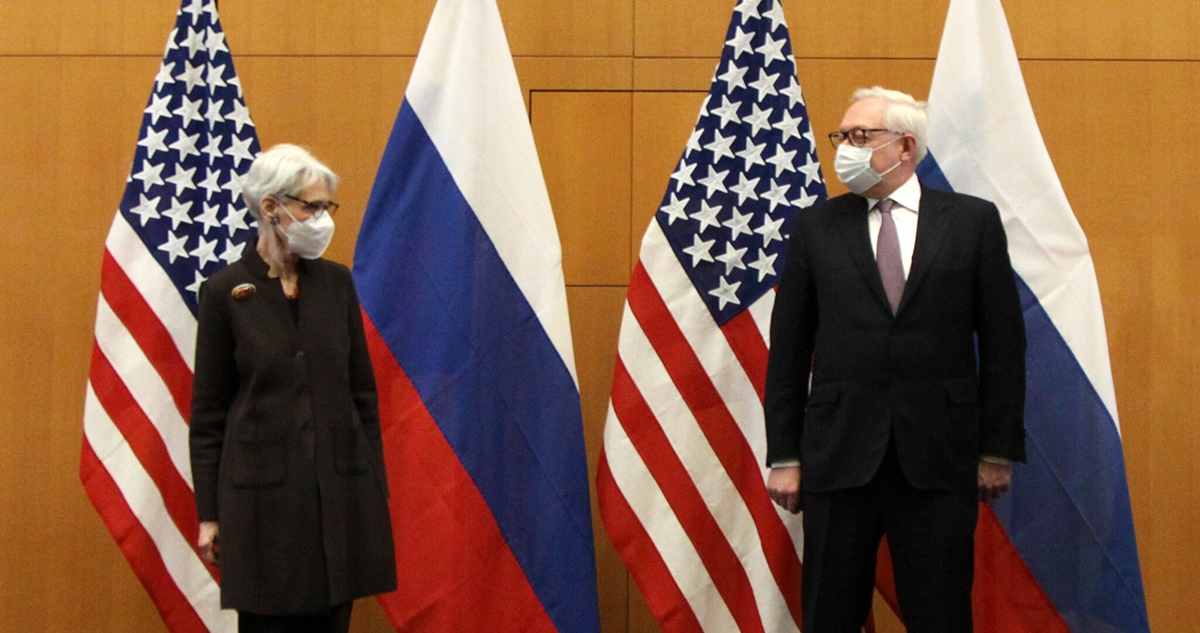
For months, Ukraine has been a central focus for Western foreign policy as Russia has continued its military buildup on the border, reaching 100,000 troops. Moscow has threatened to carry out a military attack and has now issued an ultimatum for the United States to bless a Russian sphere of influence over sovereign democratic countries such as Ukraine. But as consultations between the U.S. and Russia take place throughout the week, the West should bear in mind that Ukraine is only one part of the broader Russian problem. It is about all independent former Soviet states and essentially about the entire European security architecture. The U.S. and NATO cannot go over the heads of independent states and give into Russian demands; instead, they should buy time and invest in long-term European security, while refraining from rhetoric and ultimatums.
Competing over Islam: Turkey, Saudi Arabia, and Iran in the Balkans
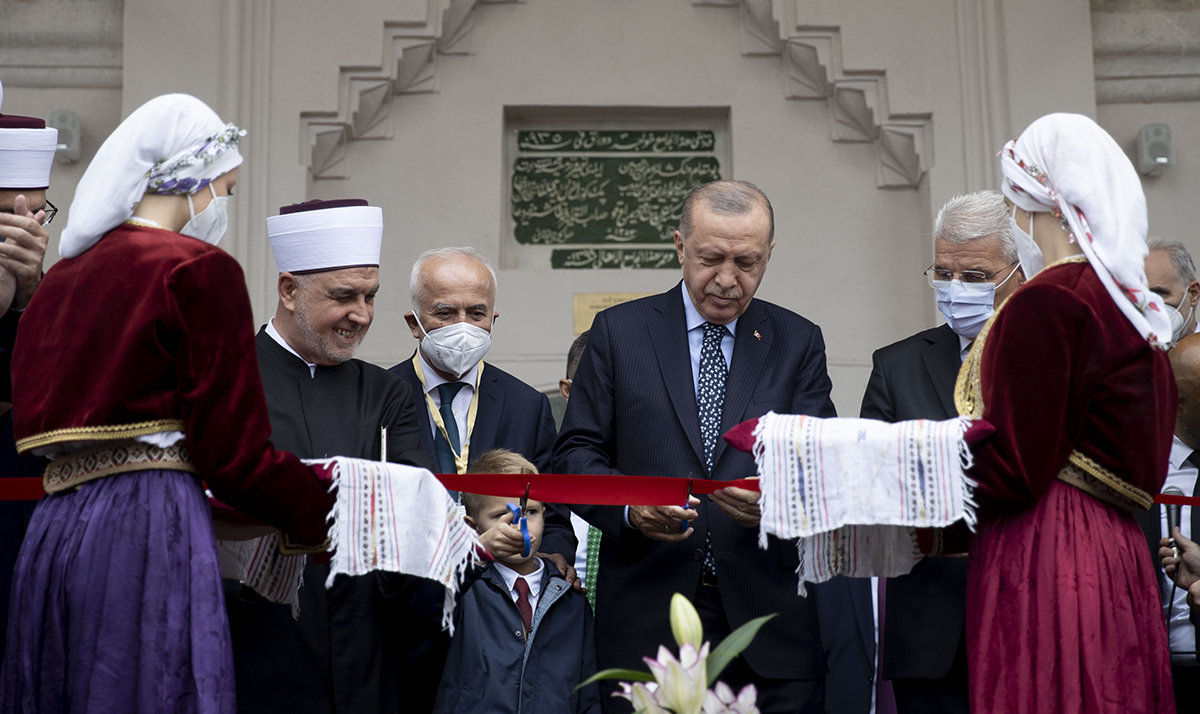
Turkey, Saudi Arabia, and Iran have been the main competitors in a struggle over who — and in what manner — should act as the patron of Muslims in the Balkans. These three countries are very different in terms of their historical footprint, economic and political presence, and local networks. What they share, however, is the use of Islam to exert soft power. This paper will discuss how they are seeking to wield influence, how regional actors respond to their overtures, and whether these three countries are meeting their objectives in the region.
Sinan al-Shabibi: Immortalizing the legacy of Iraq’s best
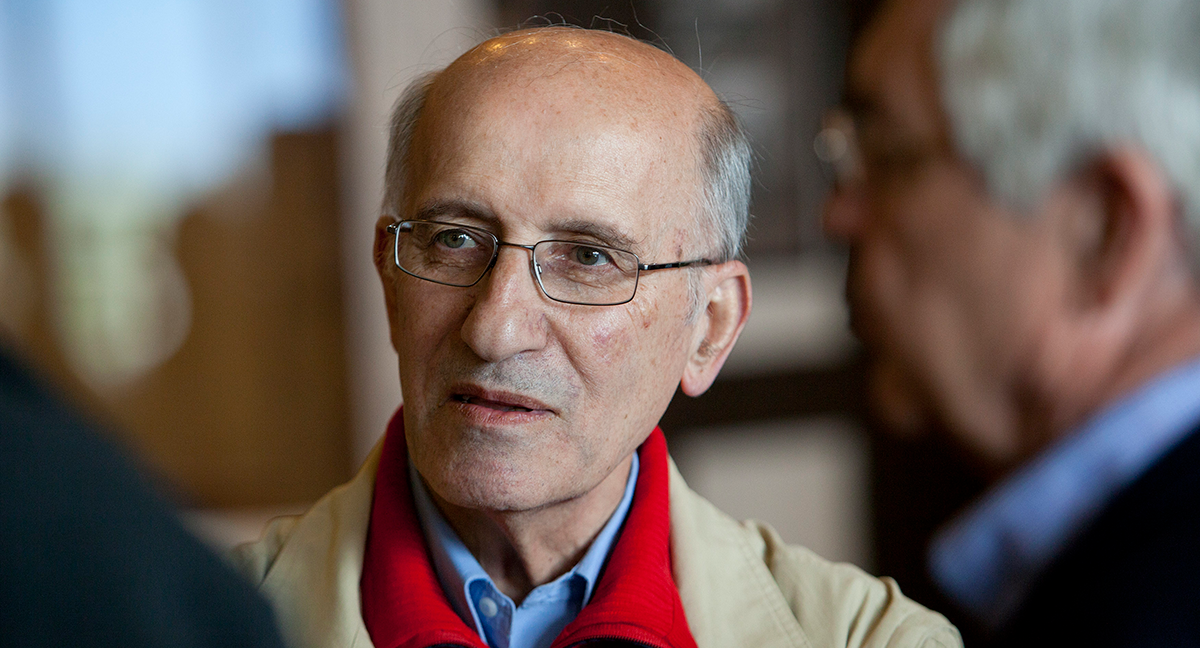
In Iraqi folklore, Saturday is both an ominous and auspicious day. Iraqis say it is Awwad —“repetitive” — and hence they prefer to postpone taking important decisions to other days of the week. For many Iraqis this week, the news of Dr. Sinan al-Shabibi’s unfortunate passing on Saturday, Jan. 8 could not have come on a worse day. While the loss of one of Iraq’s last firmly independent voices, a respected economist and former central bank governor and someone who genuinely sought the country’s economic transformation, was ominous, in time the day may also become auspicious if his memory and legacy help to inspire a new generation of Iraqis to realize his aspirations for the country.
ICYMI: 25 hidden gems you might have missed in 2021
In our extremely crowded and news-driven environment, not every article gets the attention it deserves. Below are 25 original publications from the past year that are worth another share, as selected by MEI’s editorial director.
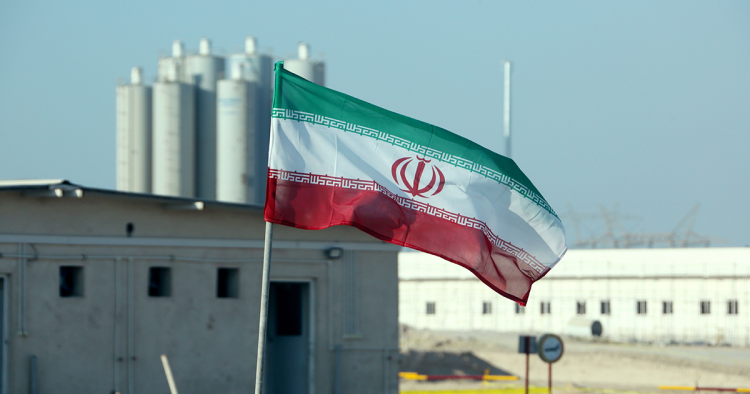
A military strike on Iran is the worst non-proliferation strategy
Debates on a military solution to Iran’s nuclear program are heavily polarized between those arguing that a threat of war and a preventive non-proliferation military strike can be a solution and those arguing that military action will only accelerate Iran’s nuclear program. The truth is that it is highly unlikely that Tehran would abandon its nuclear program after a military strike.
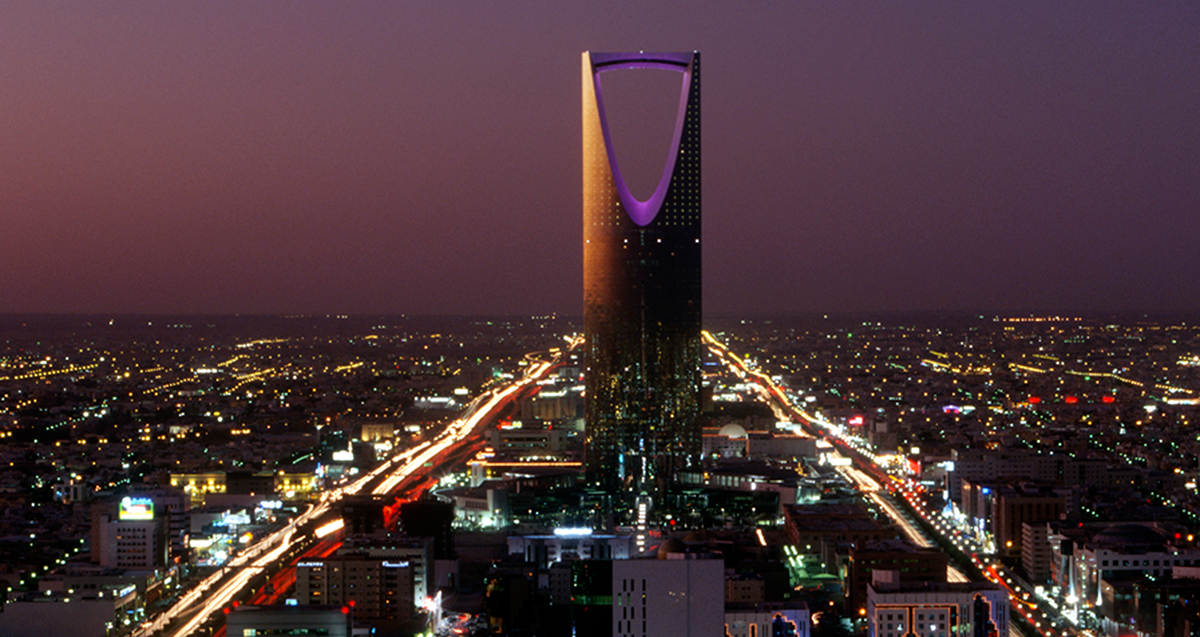
How Saudi Arabia is forging ahead with its privatization drive
Saudi Arabia’s leviathan sovereign wealth fund, the Public Investment Fund (PIF), has recently sold a 5% stake in the Saudi Telecom Company (STC). The firm is the largest and most profitable in the regional telecoms sector. The 3.2B USD sale, completed in early Dec. 2021, is yet another step in Riyadh’s privatization drive as part of its Vision 2030 agenda, and highlights the growing role of the Kingdom’s domestic financial sector.
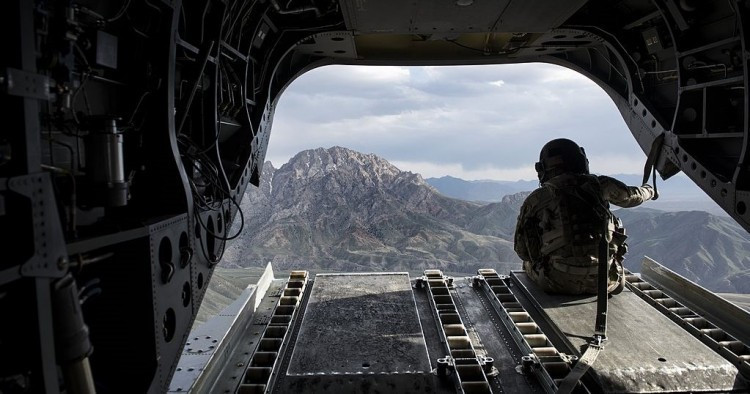
The right war fought the wrong way: Reflecting on the US withdrawal from Afghanistan
The initial success in Afghanistan was achieved with a limited number of forces from the CIA, the U.S. military (especially special operations), and our partners in the Northern Alliance. In the opinion of many military experts and historians, it was a model for how to conduct a large-scale military operation with limited casualties and expenditure of resources.
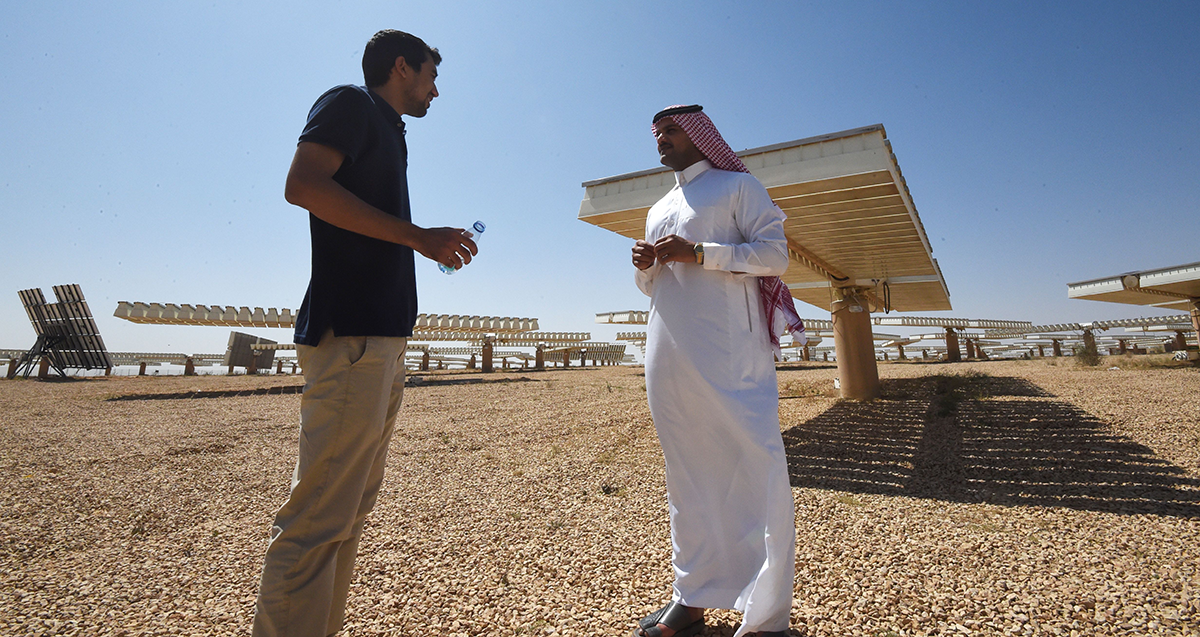
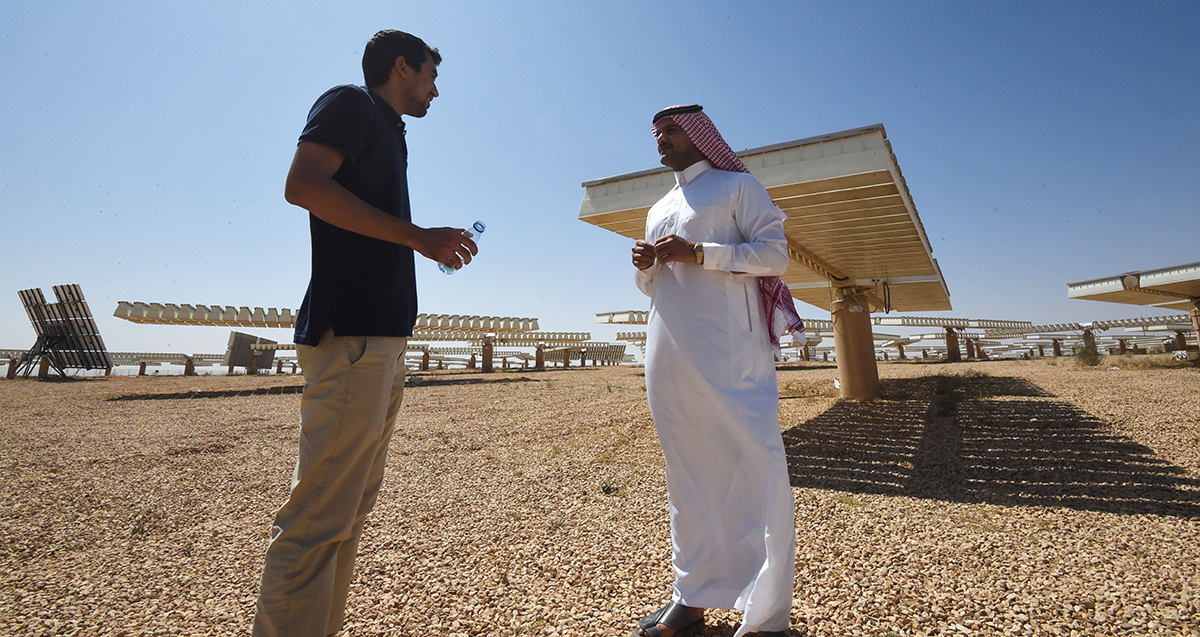
Strong momentum in Saudi Arabia’s drive toward renewables and infrastructure
Saudi Arabia’s strategy to push through its portfolio of clean and renewables assets was further strengthened in 2021 as the kingdom witnessed several project financings in the solar sector and launched the National Infrastructure Fund (NIF) to diversify its economy.
حلقة 55: ما بعد انتخابات العراق — مع مارسين الشمّري
ما الذي تعنيه نتائج انتخابات العراق وكيف ستؤثر على واقع ومستقبل حراك تشرين؟ يحاور إبراهيم الأصيل الباحثة مارسين الشمّري في هذه الحلقة. — Ibrahim Al-Assil Marsin Alshamary
The oldest peer-reviewed publication dedicated to the study of the modern Middle East, MEI’s flagship journal covers politics, society, and culture in the region.