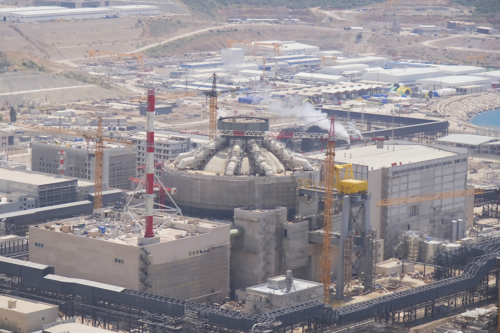
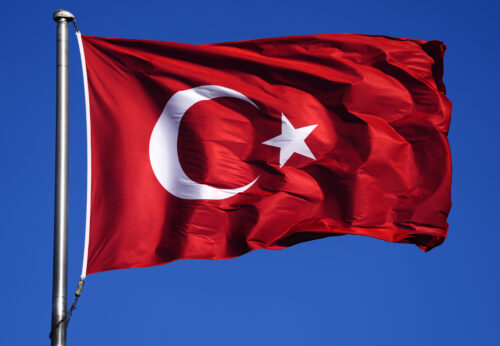
As a result of the Iran war, Turkish thinking about nuclear weapons appears to be shifting. Iran’s emergent ability to threaten regional states (and possible determination to acquire a nuclear weapon itself), growing concern about Israeli aggressiveness, doubts about US security guarantees, and greater Saudi nuclear autonomy are all pushing Ankara to consider a future nuclear option.
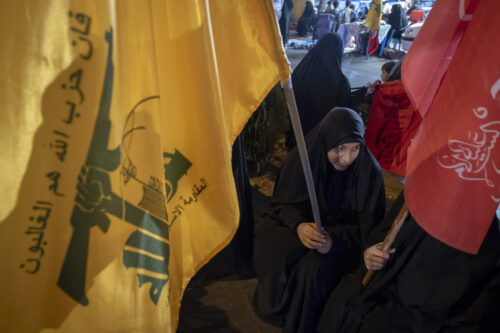
Hizballah: The murderers of elected Lebanese politicians, the killers of peacekeepers, the thugs of the streets they dominated because all other militias had disarmed, the agents of destruction of their own communities on behalf of foreign paymasters reigning 1,000 miles away from Beirut, the brainwashers of children into an ideology of “resistance” that only invited invasion. That’s the Hizballah that today is begging the Lebanese state to return to them the 1,000 pounds of explosives so rudely taken from them by Lebanese soldiers doing their job at a checkpoint in the Bekaa Valley.
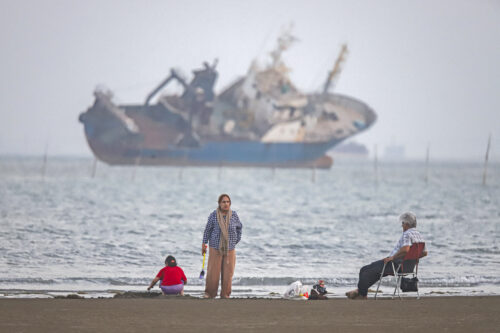
Many of the immediate consequences of the Israeli-American war with Iran are already clear. The further emergence of drones and missiles as dominant weapons of war; the danger to the global economy from the threats to vital chokepoints such as the Strait of Hormuz and the Bab el-Mandeb; and the inadequacy of US weapons procurement, among other issues, have garnered widespread and entirely merited attention.
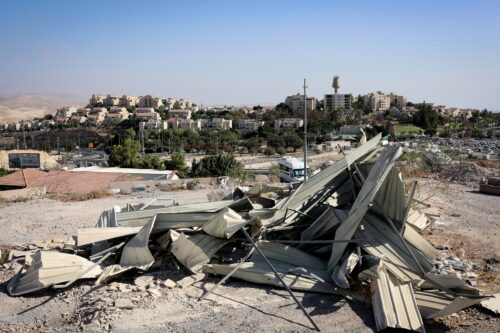
Since 1967, Israeli settlements in the West Bank have been a contested feature of the Israeli-Palestinian conflict. The ultimate disposition of the settlements and ongoing activity related to their growth have repeatedly defied agreement in negotiations over a resolution to the conflict.
The Houthis are a political-military faction and Zaydi religious movement founded in northwestern Yemen in the 1980s. A key member of Iran’s Axis of Resistance with links to other militant organizations in the Arabian Peninsula and the Horn of Africa, the group has continued to pose a threat to Western interests on a global scale.
The India-Middle East-Europe Economic Corridor (IMEC) is a proposed multinational infrastructure initiative aimed at upgrading connectivity between the three regions through integrated trade, energy, and digital networks. Announced at the G20 summit in New Delhi in September 2023, IMEC is envisioned partially as a counterweight to China’s international infrastructure project, the Belt and Road Initiative.
After a decade of post-Arab Spring isolation, Turkey’s leaders have recognized that their ambition to position the country as an agenda-setter on the world stage requires active engagement in all directions. President Recep Tayyip Erdoğan’s consolidation of executive authority has centralized foreign policy decision-making and tied it to his domestic political priorities, transforming the country’s revisionist approach to one shaped primarily by personal and pragmatic interests.
MEI Senior Fellow Brian Katulis engages friends, colleagues, and policy experts in casual conversations on the most important happenings in the Middle East.
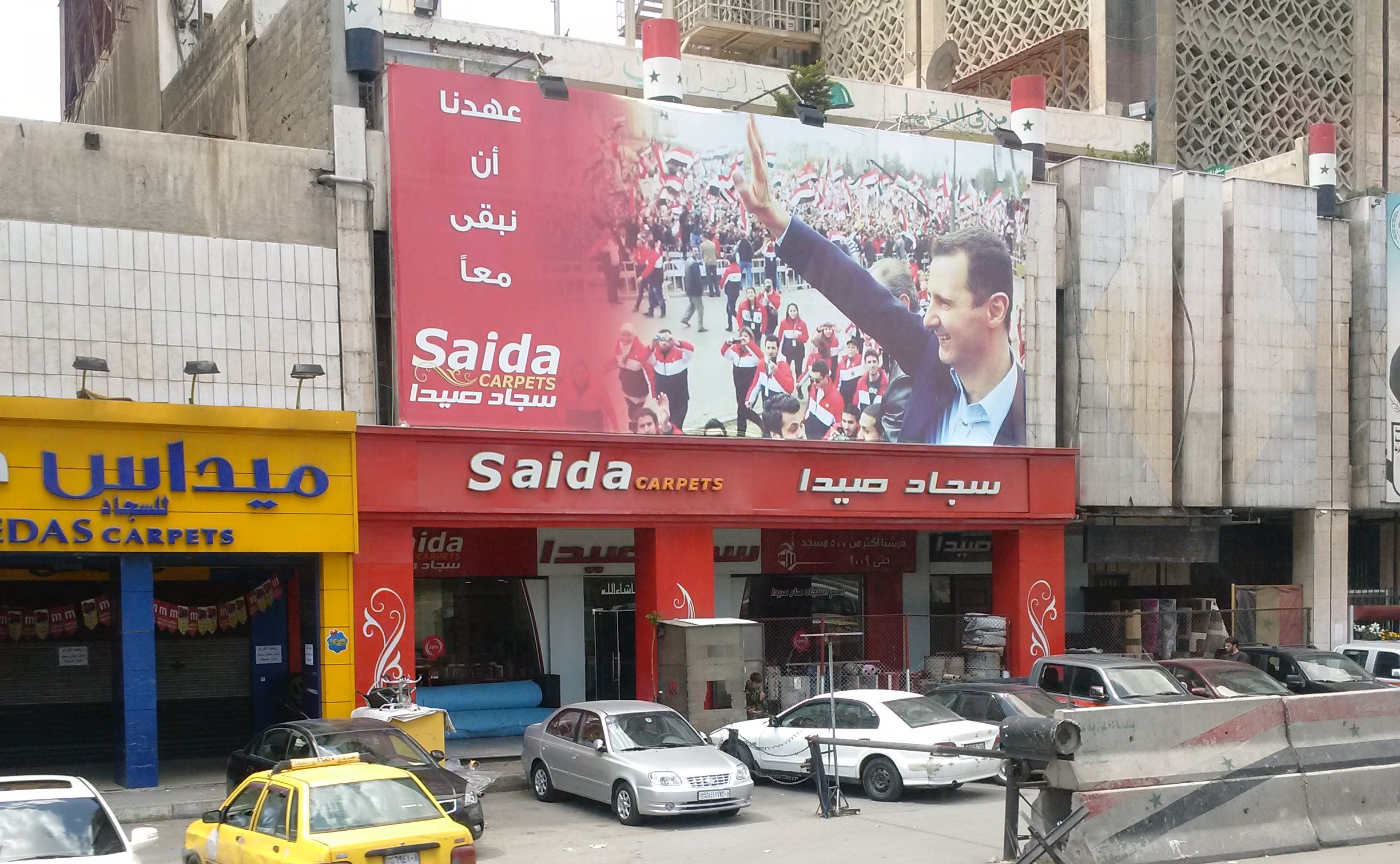
Can Syrian social cohesion survive “without Assad”?
“I have prepared the country for you for 20 years,” said Hafez al-Assad before his death in 2000, to his son Bashar. What did Hafez mean and what are the implications for the future of Syria, now that presidential elections loom once more?
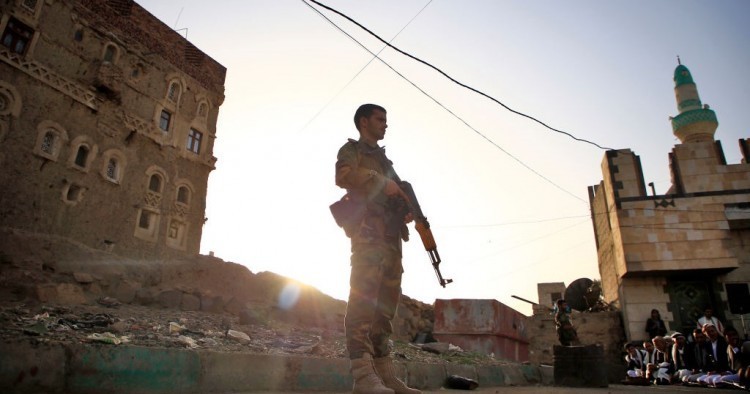
Opinion: Yemen's Arab Spring goals were lost. Here's how to bring them back
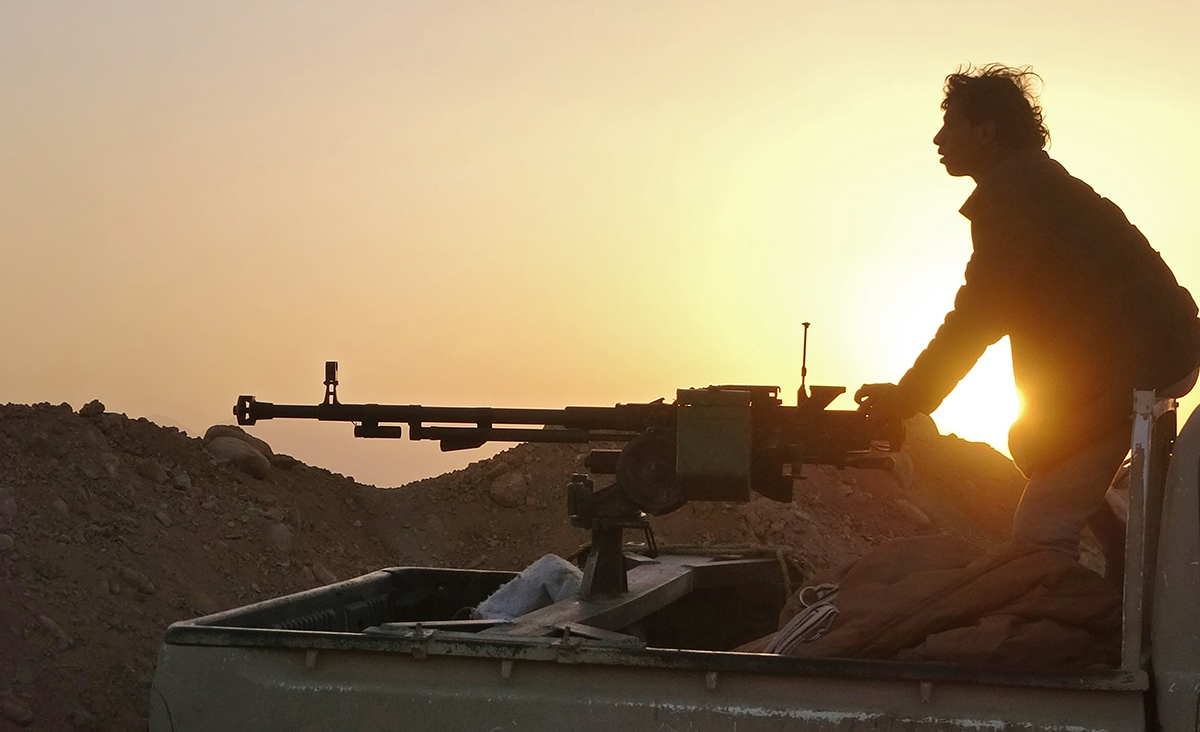
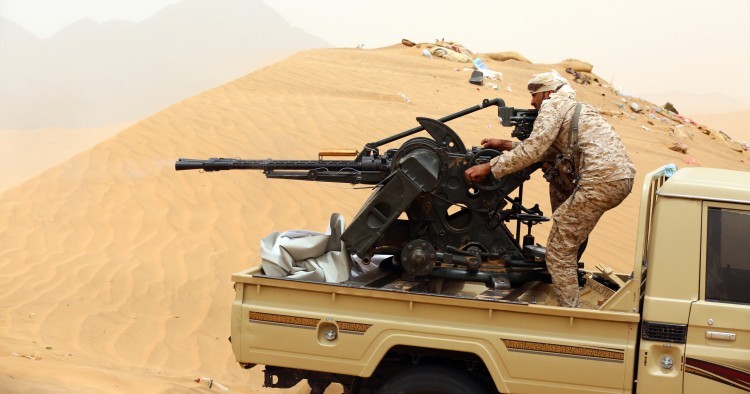
The president’s decision to end support for Saudi Arabia’s offensive operations in Yemen was certainly broadly anticipated. Nevertheless, it offers new hope for an end to more than six years of brutal conflict that has largely pitted Saudi-led coalition forces against Houthi rebels supported by Iran.
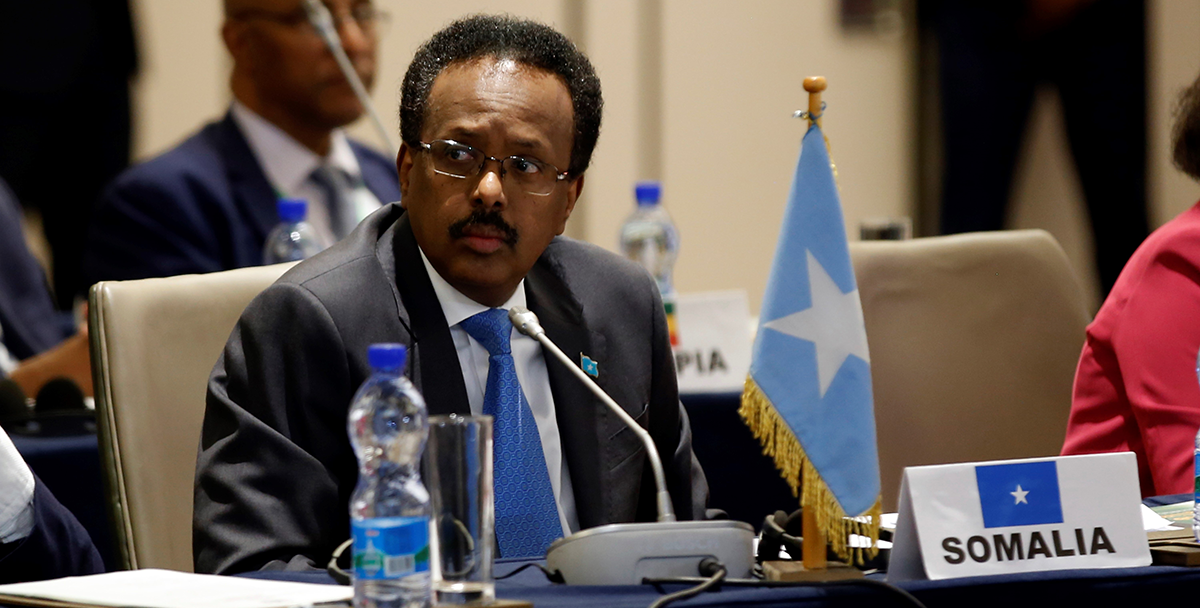
As Farmaajo digs in with Qatari backing, Somalia’s election crisis grows worse
Mohamed Abdullahi Farmaajo’s presidential term ended on Feb. 7, 2021, but he remains in office, determined to hold onto power. Backed by Qatar, the incumbent president has become increasingly dictatorial, waging wars against the country’s independent media, political opposition, and the federal member states.
Why the “end the Yemen war” narrative is problematic
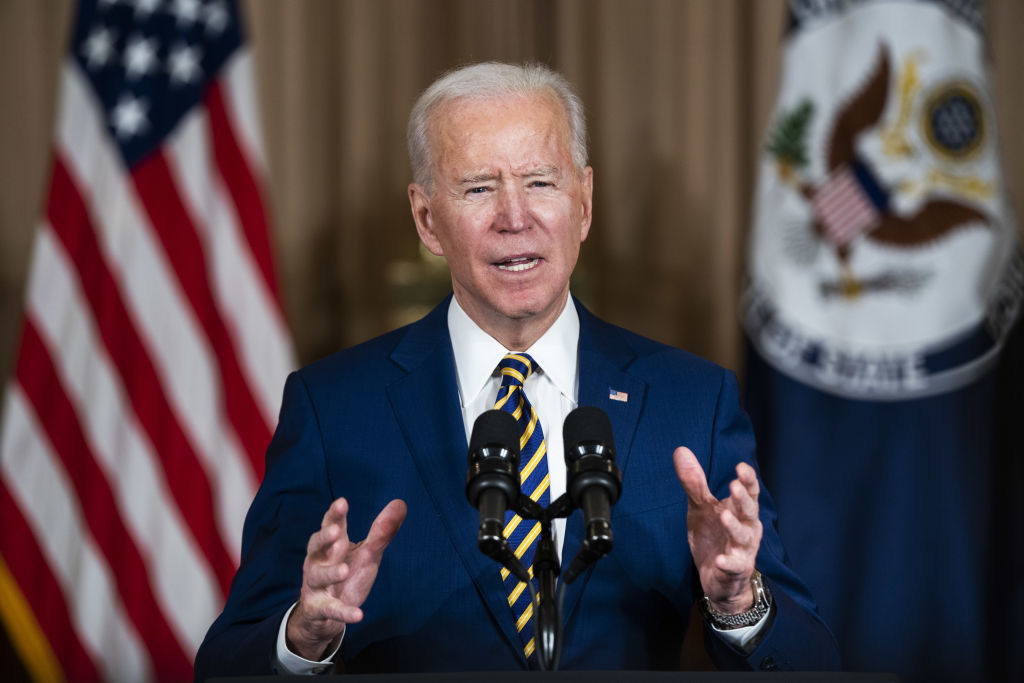
On Feb. 4, the Biden administration announced the appointment of Timothy Lenderking as the U.S. special envoy to Yemen. In a televised speech, President Joe Biden said that by appointing Lenderking, the U.S. is stepping up its diplomatic efforts to end the war in Yemen and by extension the humanitarian catastrophe the war has created. While Lenderking’s appointment is a much-needed step, the “end the Yemen war” discourse championed by Western policy analysts, diplomats, and peace advocates is highly problematic and disconnected from the reality on the ground.
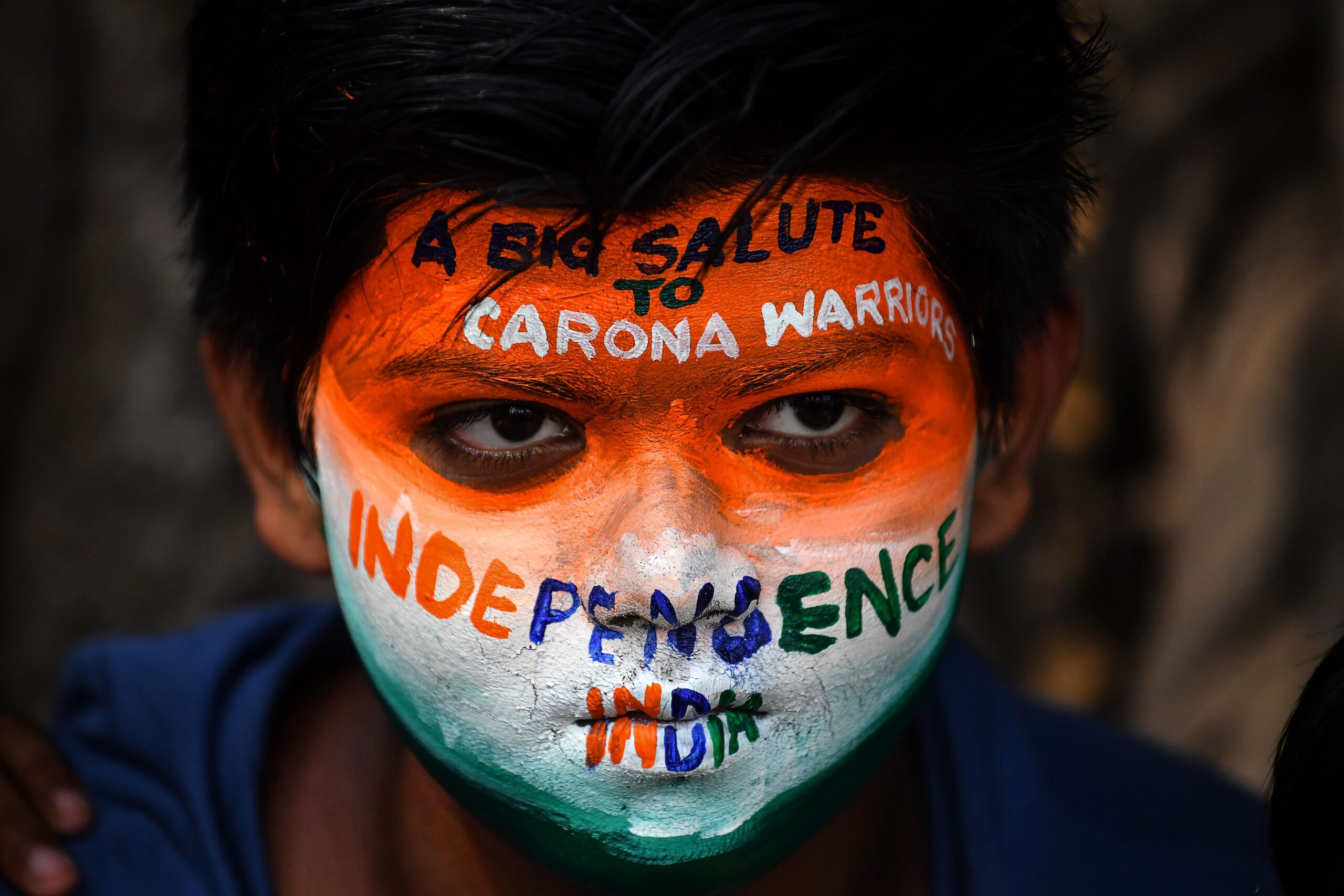
India’s Path to 10.8 Million Covid-19 Cases: Socio-Economic Impact and State Response
In a March 24, 2020 press conference in Geneva, Michael Ryan, Chief Executive Director of the WHO’s Health Emergencies Programme, remarked in a press conference in Geneva that India had “tremendous capacities” to deal with the coronavirus outbreak and that “it is exceptionally important that countries like India lead the way to show the world what can be done.” As governments continue to grapple with COVID-19, it is imperative to study which measures have been effective and which have not. This article takes a brief look at the actions the Indian government has taken to respond to the pandemic.
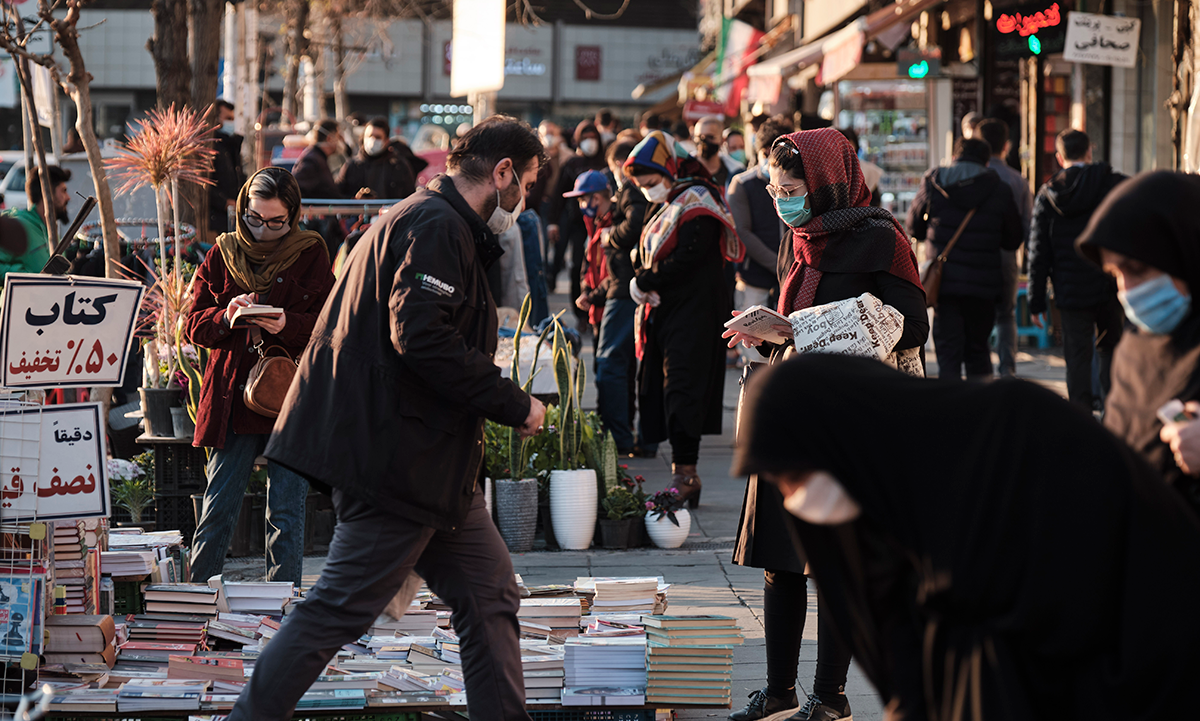
The news coming out of Iran does not paint a pretty picture of its economy. Economic mismanagement, widespread corruption, weak legal and institutional capacity, and unfavorable business regulations, alongside the unprecedented U.S. financial and economic sanctions and the coronavirus pandemic, have been choking the Iranian economy. However, with a population of 85 million, half under the age of 30 and highly educated, as well as a strategic location on the Persian Gulf and vast reserves of energy and other natural resources, including wind and solar energy, Iran’s economy has incredible potential waiting to be unlocked.
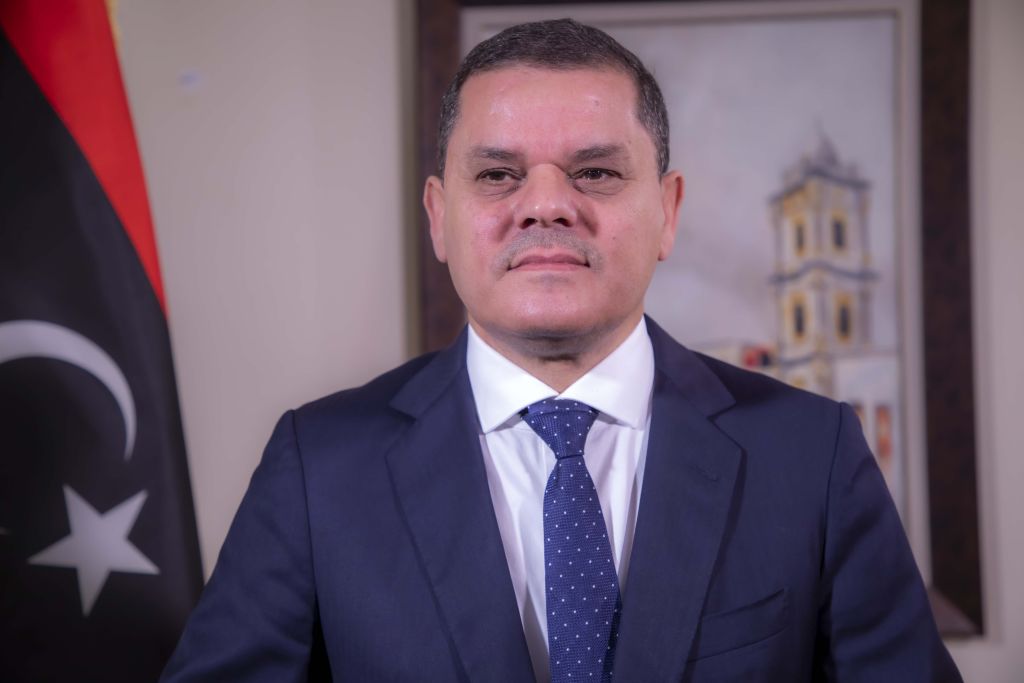
رئيس جديد للحكومة الليبية، ولكن تاريخ عائلته زاخر بالغموض والتعقيدات كمثل حال البلد نفسه
“يَدعي عبد الحميد الدبيبة أنه شعبوي وصل لمنصب سياسي لأنه أتى من خارج الأوساط السياسية، وأن مؤهلاته هي وعوده القائمة على ما أسماه تجفيف مستنقع الفساد. ولكن الحقيقة أن هذه مجرد شعارات.
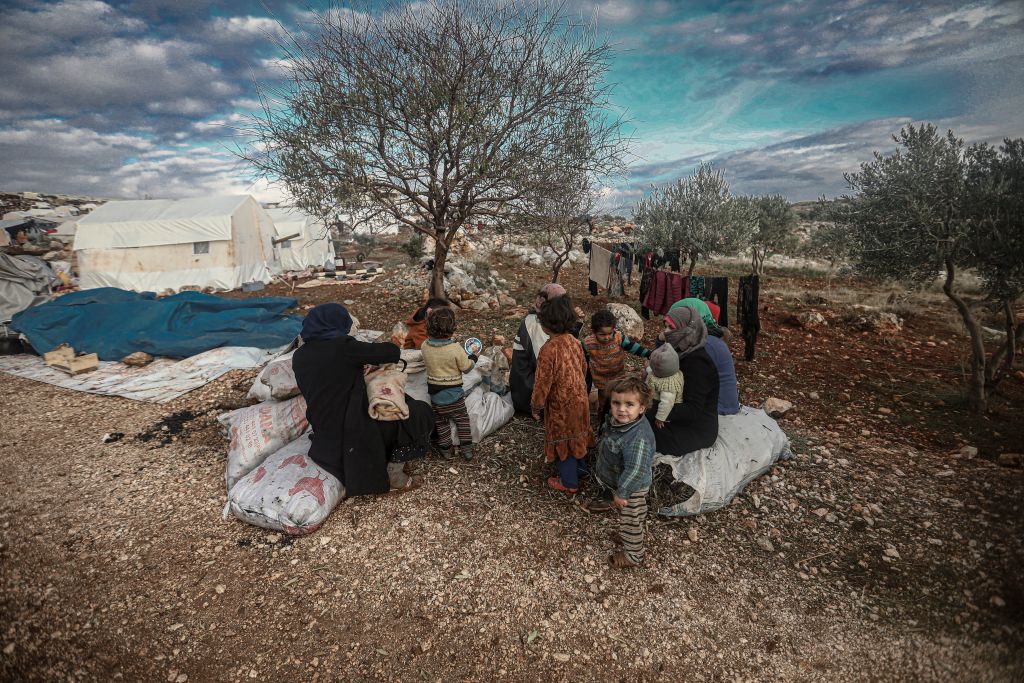
More destabilization and human suffering is certain unless the Biden administration is ready to respond to Russian efforts that would impede aid flows and reinforce Syrian President Bashar al-Assad.
Iran and Turkey: Power dynamics in the South Caucasus
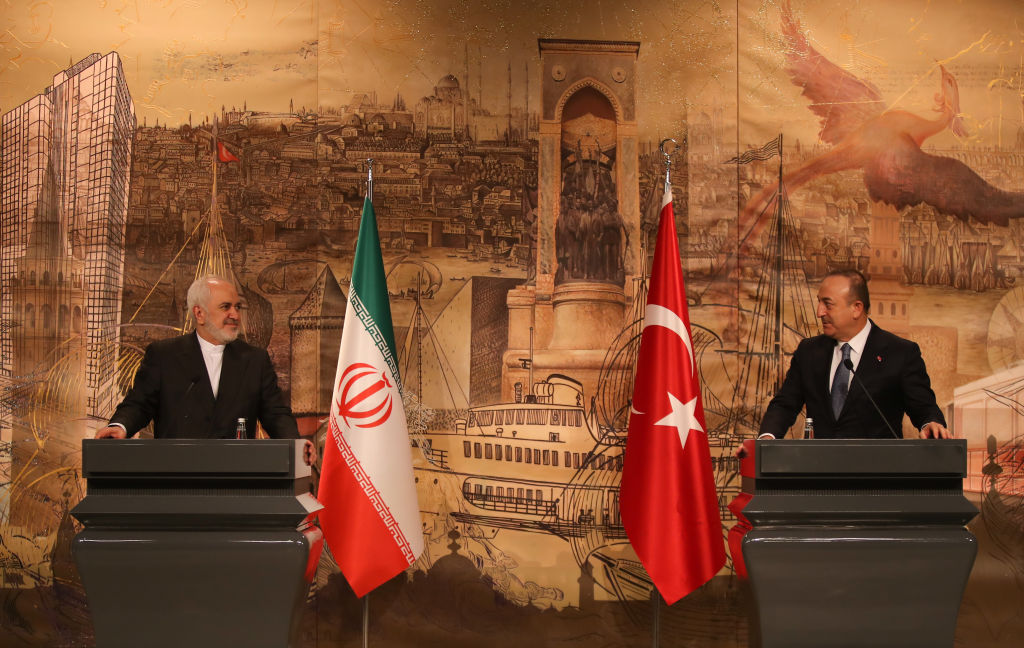
Iran was caught off guard by the July 2020 round of conflict between Armenia and Azerbaijan. Tehran was even more alarmed by the proactive role Moscow and Ankara played during and in the aftermath of the six-week war that ended with the Russian-brokered ceasefire on November 10. In fear of being kept on the sidelines, Iran’s Foreign Minister Javad Zarif embarked on a regional tour last month to Azerbaijan, Armenia, Russia, Georgia and Turkey.
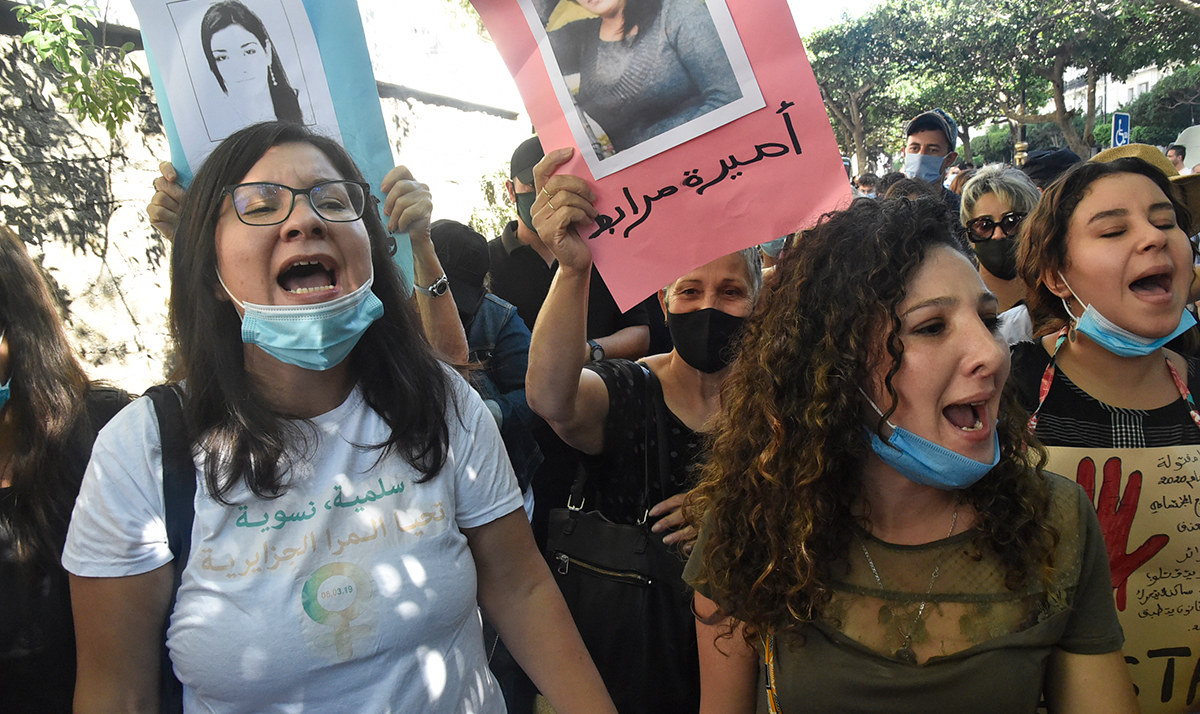
Femicide and other gender-based violence are turning into a real public-health crisis in Algeria. Recent killings have sparked outrage and many Algerians have expressed their anger on social media over this dangerous trend of violence against women, with the hashtag #WeLostOneOfUs trending on Twitter. In Algiers, Béjaïa, Constantine, and Oran, hundreds of women defied pandemic lockdown restrictions to protest and voice their anger over the increase in femicides in the country and the state’s inertia.
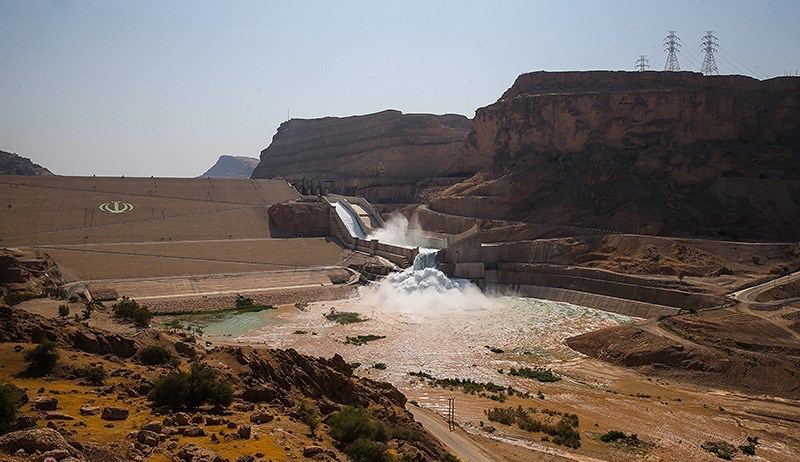
Since its founding the IRGC has evolved into a significant military and financial player in Iran. Khatam al-Anbiya, its construction arm, gets funding from the government for all kinds of major building projects. It is particularly actively in water management projects, like dam construction and water transfer schemes, and it forms a key part of Iran’s “Water Mafia.”
The oldest peer-reviewed publication dedicated to the study of the modern Middle East, MEI’s flagship journal covers politics, society, and culture in the region.