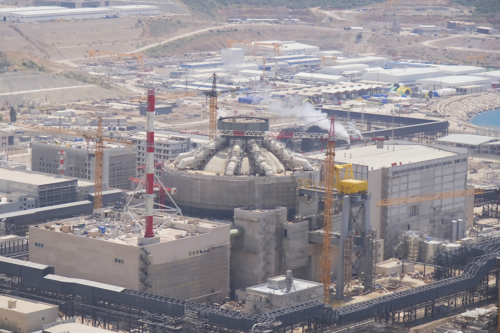
As a result of the Iran war, Turkish thinking about nuclear weapons appears to be shifting. Iran’s emergent ability to threaten regional states (and possible determination to acquire a nuclear weapon itself), growing concern about Israeli aggressiveness, doubts about US security guarantees, and greater Saudi nuclear autonomy are all pushing Ankara to consider a future nuclear option.
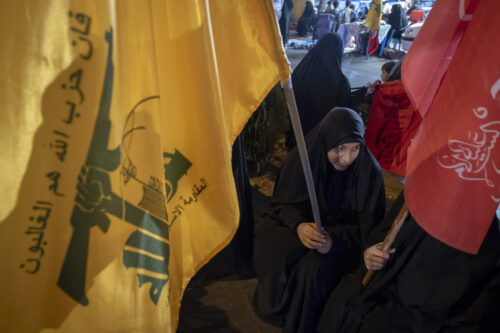
Hizballah: The murderers of elected Lebanese politicians, the killers of peacekeepers, the thugs of the streets they dominated because all other militias had disarmed, the agents of destruction of their own communities on behalf of foreign paymasters reigning 1,000 miles away from Beirut, the brainwashers of children into an ideology of “resistance” that only invited invasion. That’s the Hizballah that today is begging the Lebanese state to return to them the 1,000 pounds of explosives so rudely taken from them by Lebanese soldiers doing their job at a checkpoint in the Bekaa Valley.
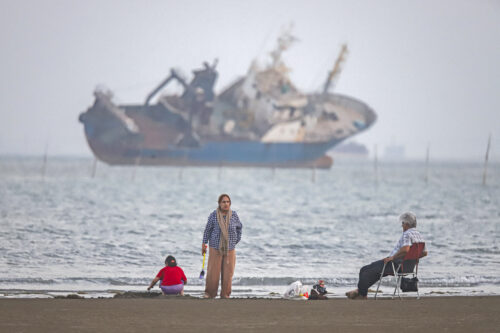
Many of the immediate consequences of the Israeli-American war with Iran are already clear. The further emergence of drones and missiles as dominant weapons of war; the danger to the global economy from the threats to vital chokepoints such as the Strait of Hormuz and the Bab el-Mandeb; and the inadequacy of US weapons procurement, among other issues, have garnered widespread and entirely merited attention.
Since 1967, Israeli settlements in the West Bank have been a contested feature of the Israeli-Palestinian conflict. The ultimate disposition of the settlements and ongoing activity related to their growth have repeatedly defied agreement in negotiations over a resolution to the conflict.
The Houthis are a political-military faction and Zaydi religious movement founded in northwestern Yemen in the 1980s. A key member of Iran’s Axis of Resistance with links to other militant organizations in the Arabian Peninsula and the Horn of Africa, the group has continued to pose a threat to Western interests on a global scale.
The India-Middle East-Europe Economic Corridor (IMEC) is a proposed multinational infrastructure initiative aimed at upgrading connectivity between the three regions through integrated trade, energy, and digital networks. Announced at the G20 summit in New Delhi in September 2023, IMEC is envisioned partially as a counterweight to China’s international infrastructure project, the Belt and Road Initiative.
After a decade of post-Arab Spring isolation, Turkey’s leaders have recognized that their ambition to position the country as an agenda-setter on the world stage requires active engagement in all directions. President Recep Tayyip Erdoğan’s consolidation of executive authority has centralized foreign policy decision-making and tied it to his domestic political priorities, transforming the country’s revisionist approach to one shaped primarily by personal and pragmatic interests.
MEI Senior Fellow Brian Katulis engages friends, colleagues, and policy experts in casual conversations on the most important happenings in the Middle East.
Brussels conference highlights tensions between Syria’s growing needs and political stalemate
The fourth Brussels Conference on Supporting the Future of Syria and the Region concluded last week with a drop in donations for 2020 for those affected by the decade-long war, a result which is disappointing but not surprising.
From Dependents To Allies: America's Gulf Relations Need Reform
During three major crises, each happening under a different administration, the U.S.-Gulf partnership failed to effectively address the security concerns of the Gulf states. While no partnership is perfect, such major and persistent breakdowns in coordination among longstanding security partners are uncommon, and can be deadly if left unresolved.
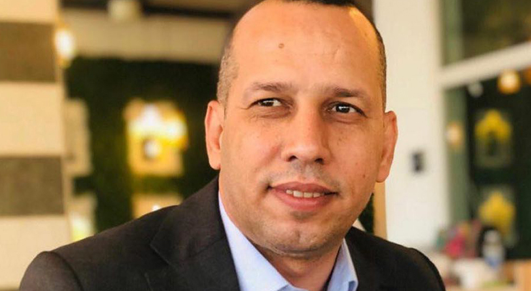
The Middle East Institute was shocked and deeply saddened to learn of the murder of the esteemed and admired Iraqi scholar Husham al-Hashimi outside his home in Baghdad on Monday, July 6.
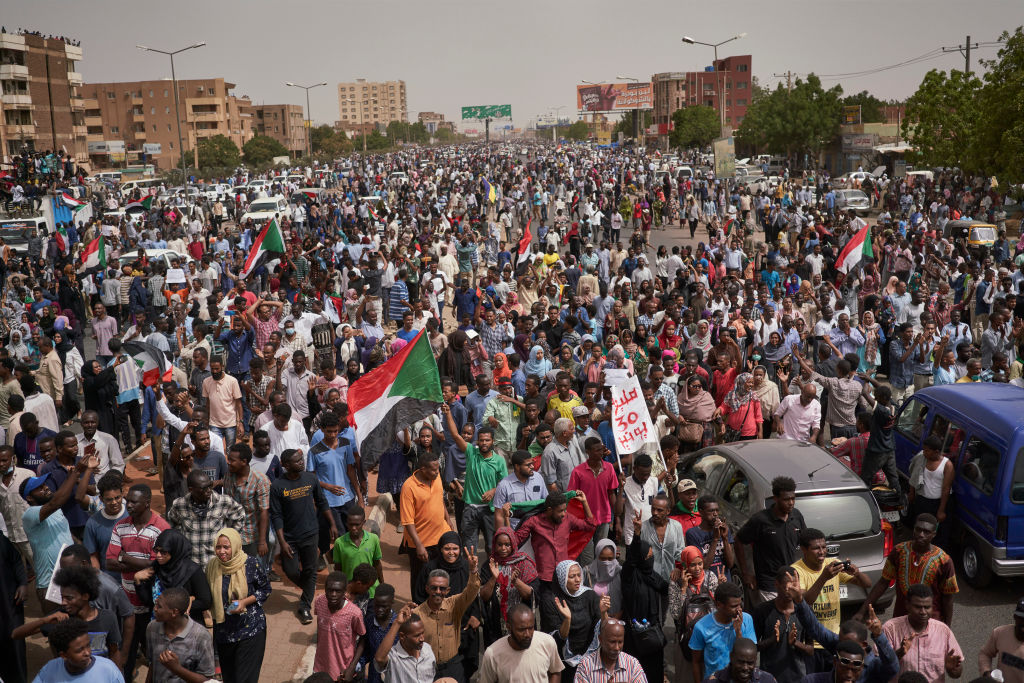
Sudan’s difficult transition to democracy, one year on
The double whammy of the economic fallout of COVID-19 and a lack of sufficient support from international donors is putting enormous pressure on PM Hamdok’s government.
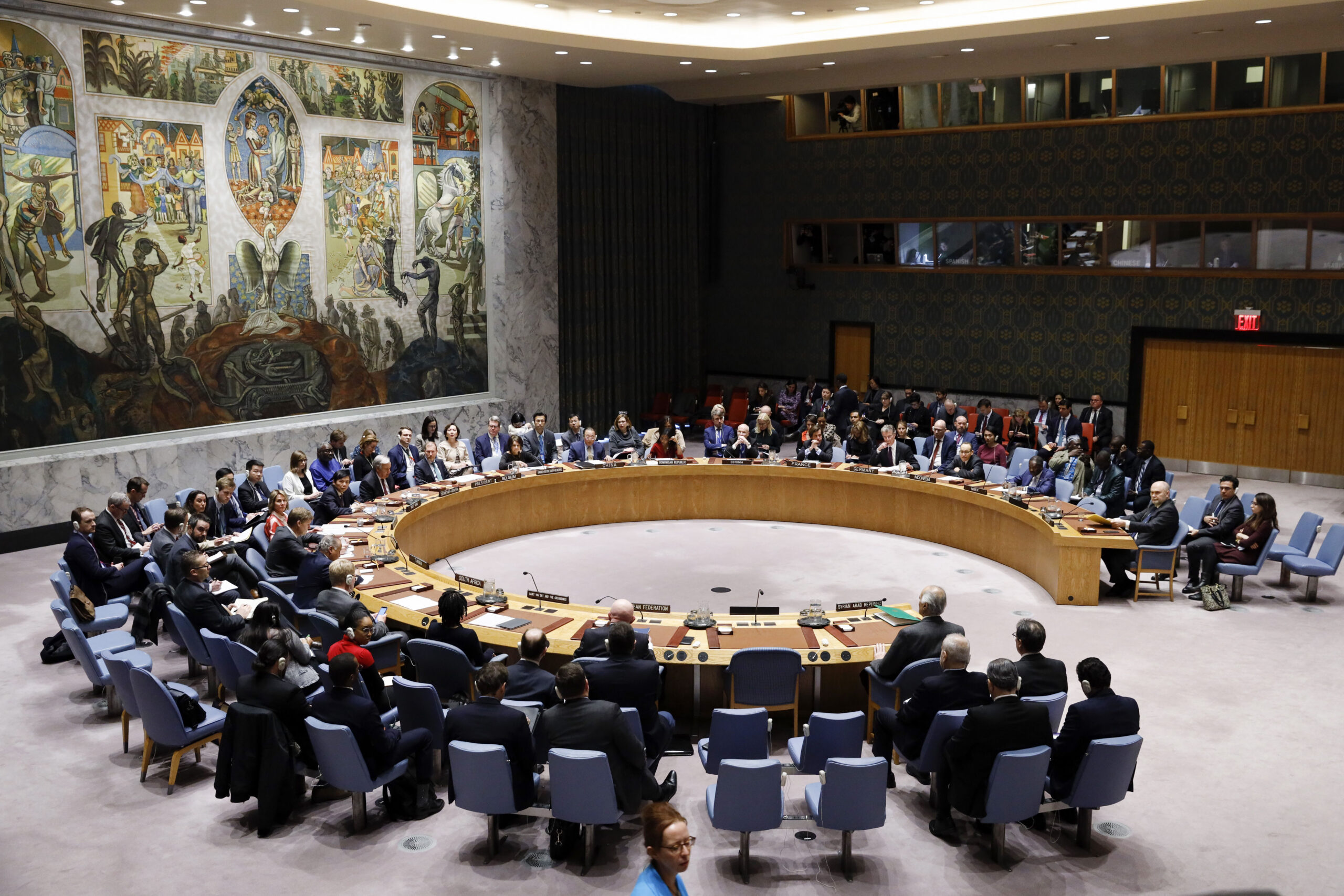
Monday Briefing: The UN Security Council must act now to save northwest Syria
This week’s briefing on recent news and upcoming events in the region featuring Dara Conduit, Marvin G. Weinbaum, Mark Heller, Syed Mohammad Ali, Gonul Tol, and Guled Ahmed.
The Islamic Republic's next generation of leaders: A profile of Alireza Arafi
Outside of clerical circles in Iran, the name of Alireza Arafi is hardly well known, but he deserves more attention. His entire career has been shaped by appointments given to him by Supreme Leader Ayatollah Ali Khamenei. In fact, Arafi may even be a candidate to succeed Khamenei when the day comes.
“إن قرار المحكمة التركية الصادر في 3 يوليو/تموز القاضي بإدانة عضوين سابقين بمنظمة العفو الدولية/
الفرع التركي، بتهم الإرهاب هو أحدث مؤشر على أن التعسف ربما يكون السمة البارزة لنظام أردوغان الجديد”
حاول المراقبون للشأن التركي منذ فترة طويلة العثور على مصطلح يصف بدقة “تركيا الجديدة” تحت فترة حكم الرئيس رجب طيب أردوغان.
Today’s landscape is dramatically different from that to which we awoke on Sept. 11, 2001. It’s a complex mix of foreign and domestic forces influenced by economic and social conditions that breed extremism which ebbs and flows across physical and cyber space often defined by great power competition. While terrorist groups like al-Qaeda and ISIS have innovated and adapted, U.S. counterterrorism strategy has remained unchanged, fighting yesterday’s war while neglecting present day threats as well as those over the near horizon. America is long overdue to update its counterterrorism strategy and, perhaps more importantly, how we measure success.
حلقة 1: الاتجاهات الكبرى في المنطقة وفي السياسة الخارجية الأمريكية — مع بول سالم
ضيف هذه الحلقة الدكتور بول سالم، رئيس معهد الشرق الأوسط في واشنطن. نناقش الاتجاهات والسمات الأساسية لما تمر به دول الشرق الأوسط ومجتمعاتها، وما تعنيه التقلّبات والاضطرابات التي نشهدها. وكذلك نناقش ثوابت السياسة الخارجية الأمريكية، وما يمكن أن يتغير بين إدارة وأخرى في السنوات القادمة.
Despite the collapse of the Soviet Union, the newly independent states of the Caspian and Russia are still deeply intertwined in each other’s economies, security, and cultures. Moscow has continued to wield considerable military, political, and economic influence in the region.
With the election of former IRGC commander Mohammad Bagher Ghalibaf as speaker of the Iranian Parliament, Ayatollah Ali Khamenei’s “Second Phase of the Revolution” is well under way in two of the three branches of government in the Islamic Republic. All eyes have now turned to the presidency, with elections less than one year away.
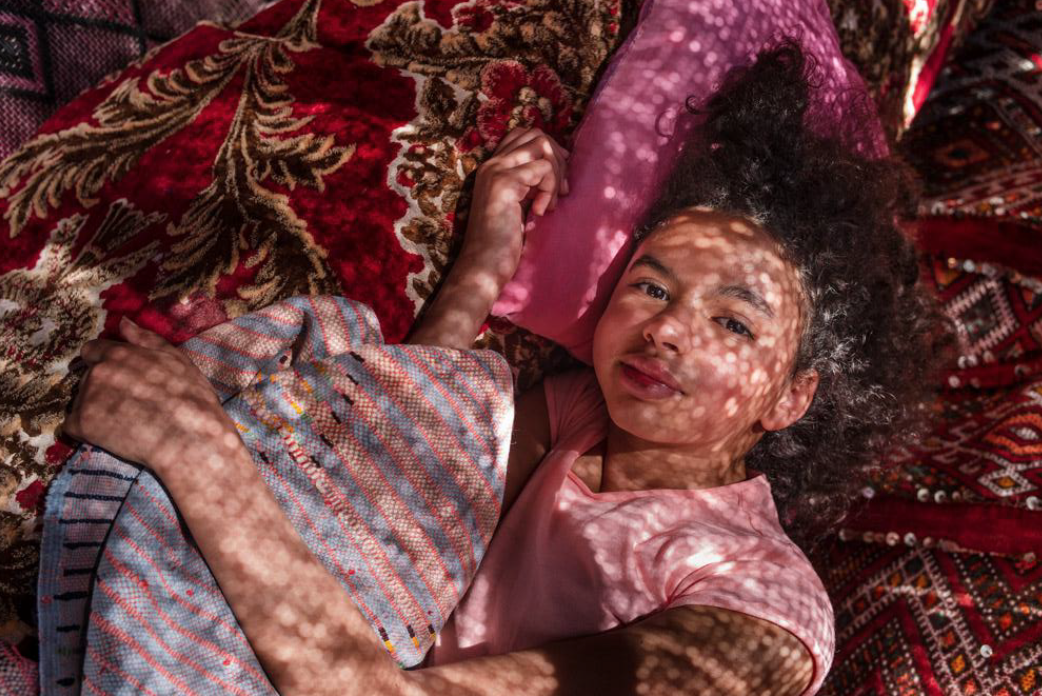
Weaving a new path: Meet the organization fighting to save Morocco’s carpet industry
One Square Meter Berber is a Dutch-Moroccan project with a dual mission: to protect the dying craft of traditional Berber carpet weaving and to fight the exploitation of the skilled craftswomen who keep the iconic industry from coming apart at the seams.https://www.onesquaremeterberber.com
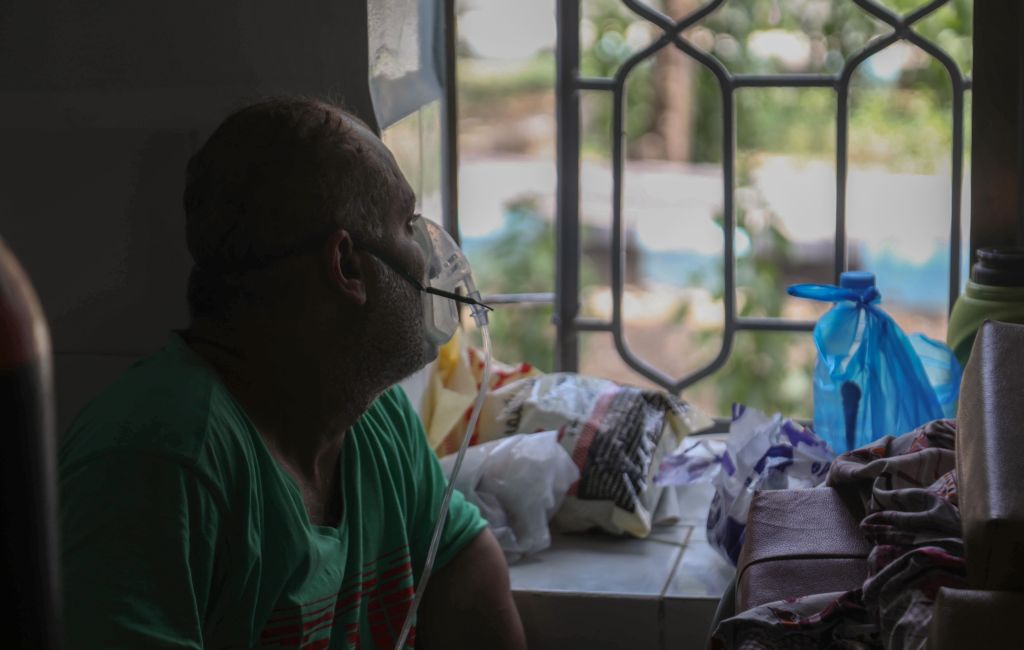
Yemen’s botched pandemic response and fragile conflict dynamics allow COVID-19 to spread undetected
On April 2, 2020, the Houthi version of Saba News Agency in Sanaa announced the first coronavirus case in Yemen, but shortly afterwards it retracted the news and the deputy chairman of the agency’s board of directors was fired. Many Yemenis had hoped the Saudi-led coalition’s blockade of the country and its resulting isolation might have helped to prevent an outbreak.
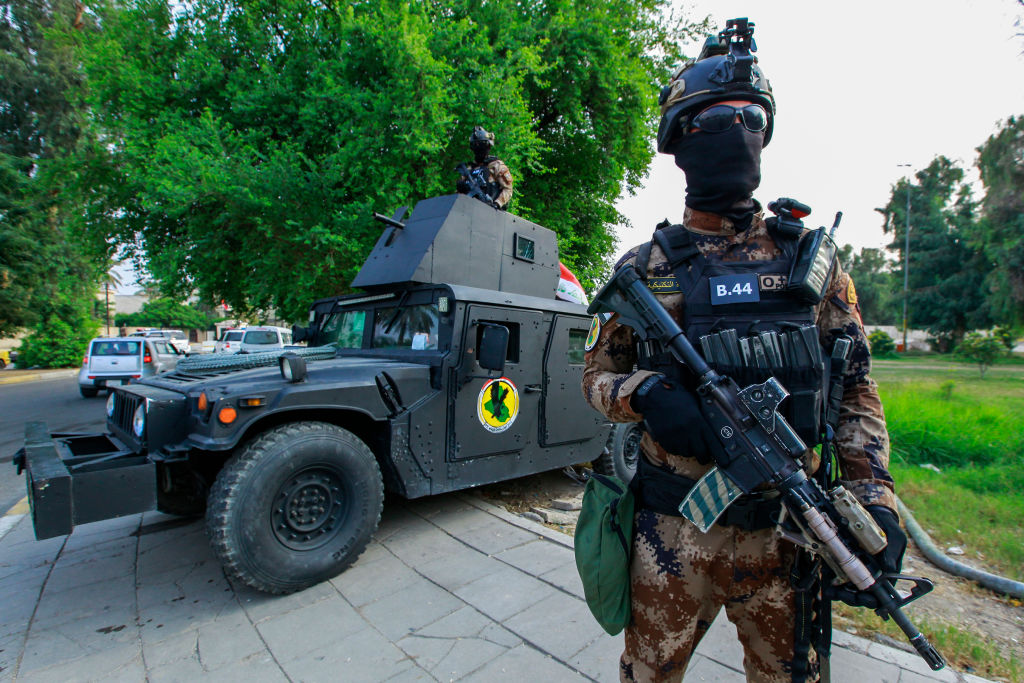
Late on June 25, the Iraqi Counter Terrorism Service carried out an operation against Kataib Hezbollah, a powerful Iran-backed militia, in the suburbs of Baghdad, detaining militiamen, confiscating mobile Katyusha rocket launchers, and accusing the group of plotting another round of rocket attacks targeting the Green Zone and Baghdad International Airport.
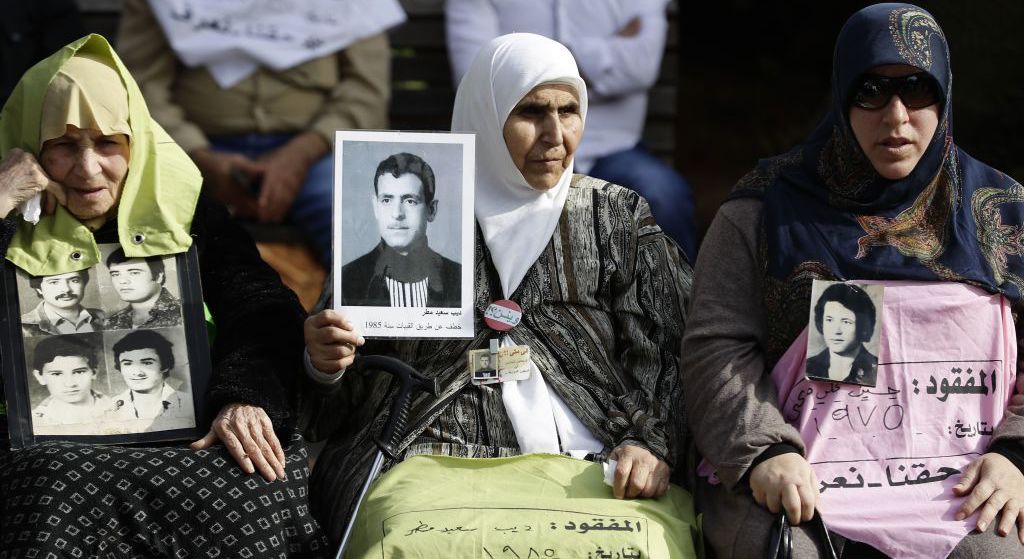
Finding Lebanon: Hope, dignity, and the right to know
As many as 17,000 people “disappeared” during the Lebanese civil war. From 1975 to 1990, Lebanese factions, Palestinian militias, and the Syrian and Israeli militaries waged war in Lebanon. In that time, they and associated actors — be they Syrian security services, or armed Lebanese gangs using the war to turn a profit — “disappeared” people. Now, 30 years after the war ended, Lebanon has finally created a national commission for the disappeared, and in doing so, has taken a small step toward helping families grapple with the consequences of a conflict that has never, really, ended — certainly not for them.
The oldest peer-reviewed publication dedicated to the study of the modern Middle East, MEI’s flagship journal covers politics, society, and culture in the region.