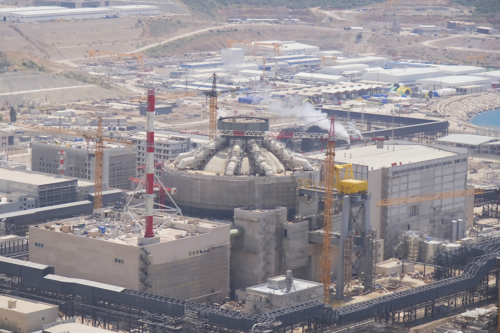
As a result of the Iran war, Turkish thinking about nuclear weapons appears to be shifting. Iran’s emergent ability to threaten regional states (and possible determination to acquire a nuclear weapon itself), growing concern about Israeli aggressiveness, doubts about US security guarantees, and greater Saudi nuclear autonomy are all pushing Ankara to consider a future nuclear option.
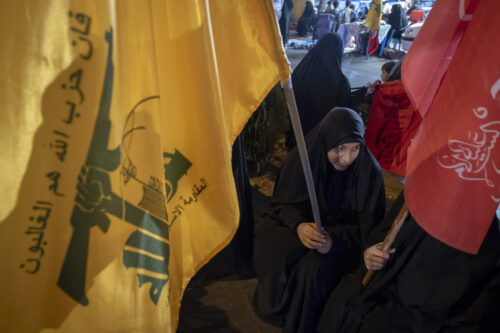
Hizballah: The murderers of elected Lebanese politicians, the killers of peacekeepers, the thugs of the streets they dominated because all other militias had disarmed, the agents of destruction of their own communities on behalf of foreign paymasters reigning 1,000 miles away from Beirut, the brainwashers of children into an ideology of “resistance” that only invited invasion. That’s the Hizballah that today is begging the Lebanese state to return to them the 1,000 pounds of explosives so rudely taken from them by Lebanese soldiers doing their job at a checkpoint in the Bekaa Valley.
Many of the immediate consequences of the Israeli-American war with Iran are already clear. The further emergence of drones and missiles as dominant weapons of war; the danger to the global economy from the threats to vital chokepoints such as the Strait of Hormuz and the Bab el-Mandeb; and the inadequacy of US weapons procurement, among other issues, have garnered widespread and entirely merited attention.
Since 1967, Israeli settlements in the West Bank have been a contested feature of the Israeli-Palestinian conflict. The ultimate disposition of the settlements and ongoing activity related to their growth have repeatedly defied agreement in negotiations over a resolution to the conflict.
The Houthis are a political-military faction and Zaydi religious movement founded in northwestern Yemen in the 1980s. A key member of Iran’s Axis of Resistance with links to other militant organizations in the Arabian Peninsula and the Horn of Africa, the group has continued to pose a threat to Western interests on a global scale.
The India-Middle East-Europe Economic Corridor (IMEC) is a proposed multinational infrastructure initiative aimed at upgrading connectivity between the three regions through integrated trade, energy, and digital networks. Announced at the G20 summit in New Delhi in September 2023, IMEC is envisioned partially as a counterweight to China’s international infrastructure project, the Belt and Road Initiative.
After a decade of post-Arab Spring isolation, Turkey’s leaders have recognized that their ambition to position the country as an agenda-setter on the world stage requires active engagement in all directions. President Recep Tayyip Erdoğan’s consolidation of executive authority has centralized foreign policy decision-making and tied it to his domestic political priorities, transforming the country’s revisionist approach to one shaped primarily by personal and pragmatic interests.
MEI Senior Fellow Brian Katulis engages friends, colleagues, and policy experts in casual conversations on the most important happenings in the Middle East.
The administration hopes additional economic pressure will compel Damascus to take a series of political gestures, including releasing political prisoners and establishing an accountability process for the atrocities its forces committed.
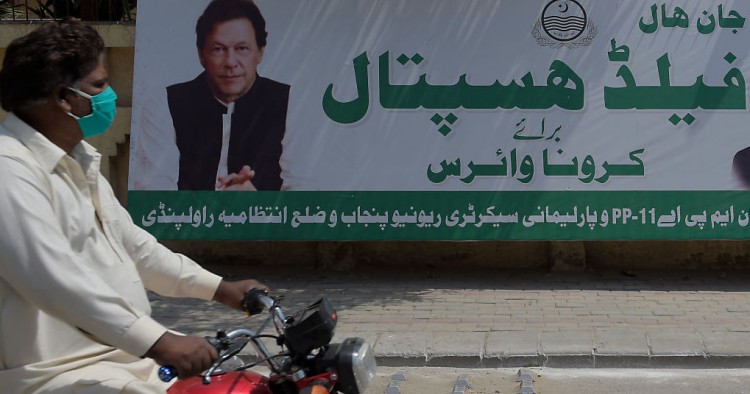
Mainly at issue for the country is the difficult choice of whether to prioritize saving lives or saving the economy for a Pakistan that can ill afford to ignore either.
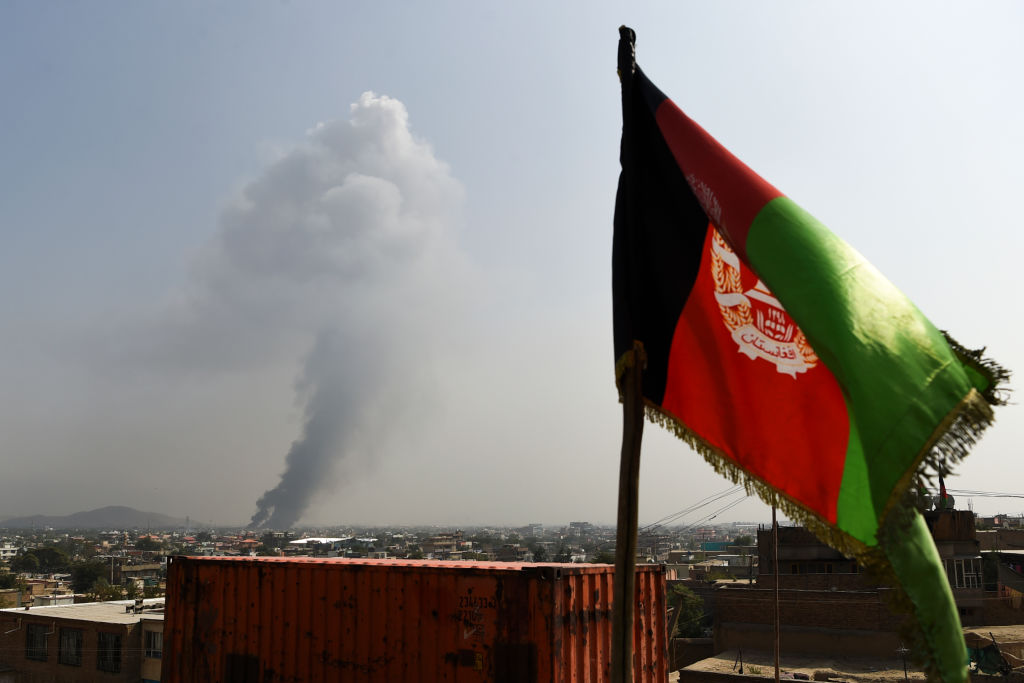
Intra-Afghan talks inch closer, but their launch is only the beginning
Frantic efforts are being made to clear the way for intra-Afghan talks, the logical next step forward in the implementation of the February U.S.-Taliban deal.
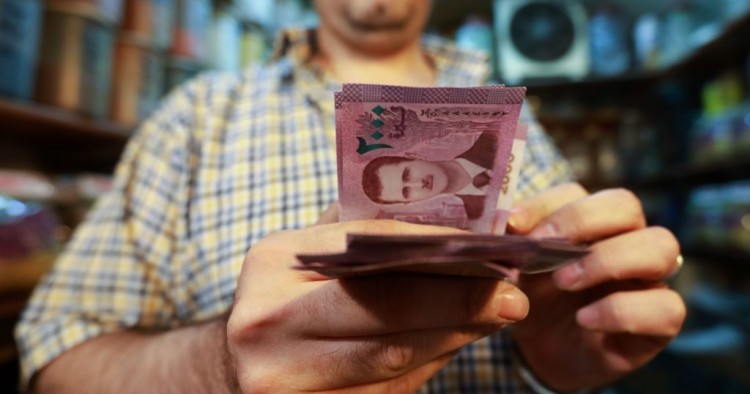
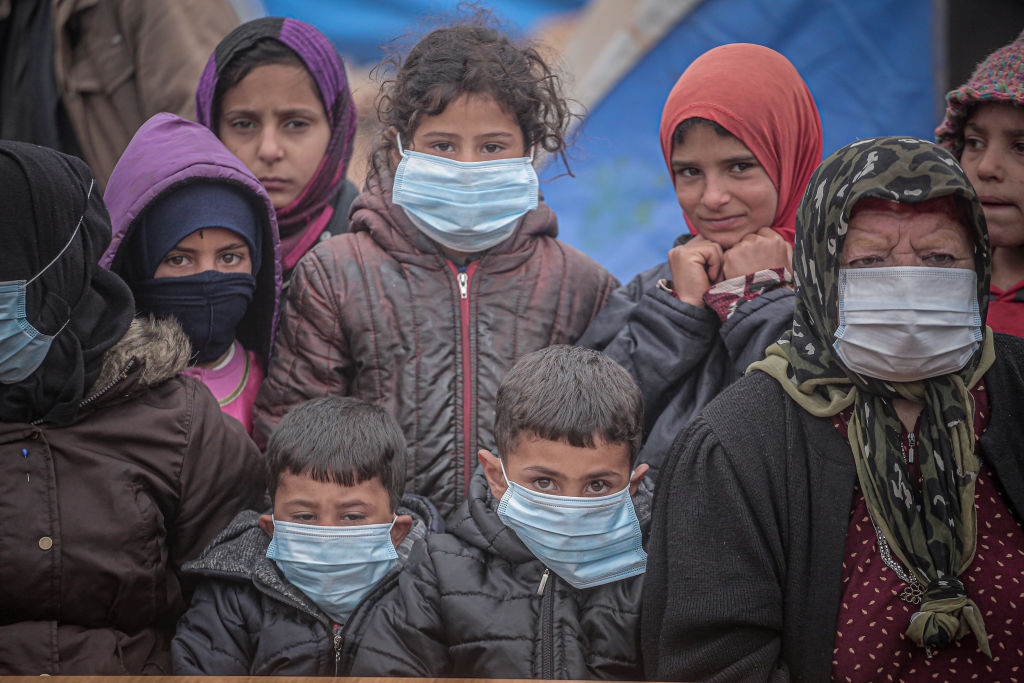
Sam Dagher, Danny Makki and Karam Shaar join guest host Charles Lister to discuss the recent deterioration of Syria’s economy and what it means for the country, the Assad regime, and the rest of the region moving forward. As aggressive new US economic sanctions targeting the regime are set to go into effect in a few days, 85% of Syrians are in poverty and the country faces a wheat supply crisis.
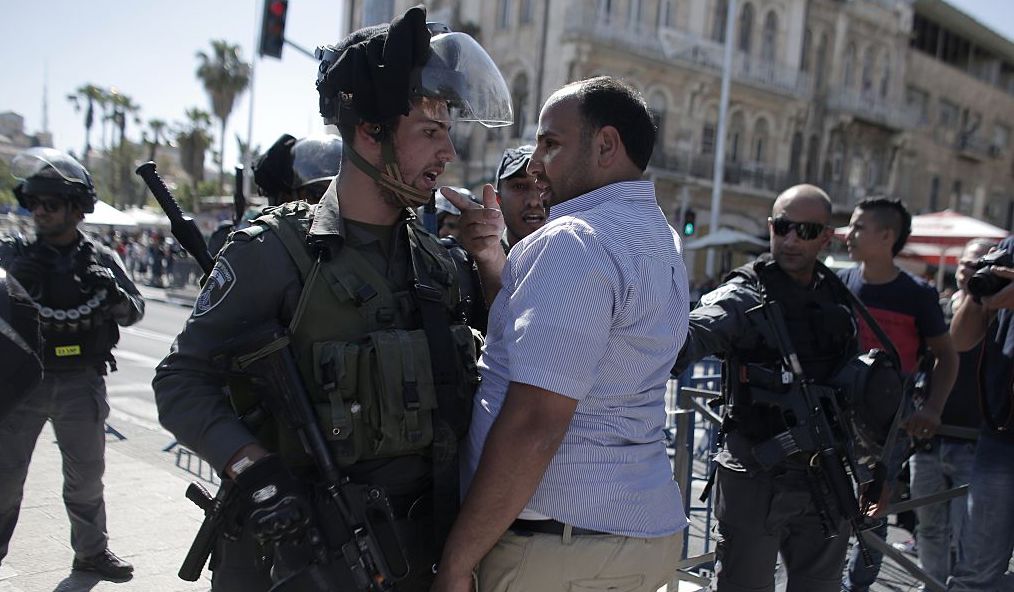
Why aren’t mainstream Israelis and American Jews supporting Palestinians?
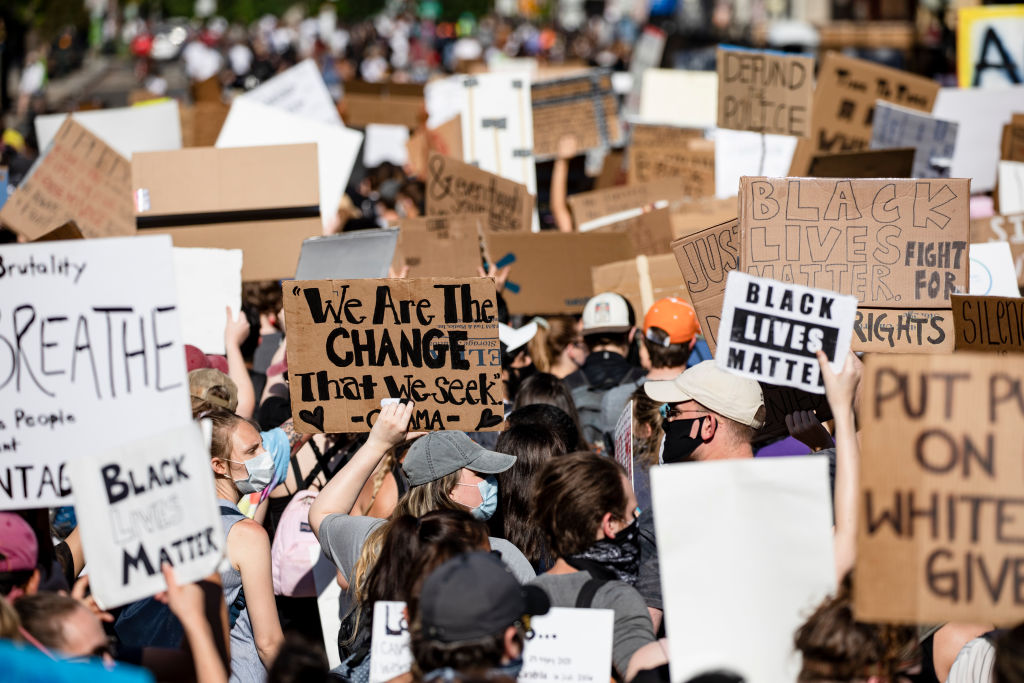
When the video emerged of a Minneapolis policeman pressing his knee on the neck of George Floyd as he lay on the ground, Palestinians were surprised by the image — the technique was all too familiar. But while hundreds of thousands of people have taken to the streets to protest the killing of George Floyd, an African-American male, by police across the U.S. and around the world, the response among Israelis and American Jews to violence against Palestinians is quite different. Many liberal Jewish leaders and thinkers who have spoken out forcefully against the killing of Floyd are silent when it comes to the atrocities committed by Israeli soldiers.
The Assad-Makhlouf spat: A complicated family affair
When Bashar’s father Hafez al-Assad started his regime, the Makhloufs became key allies. This alliance deepened with Bashar’s rise to power, and the Makhloufs became increasingly entrenched in the system until they became its economic pillar. The house of Assad was the political arm of the regime while the house of Makhlouf was the economic and financial arm. But then it all fell apart.
The gendered impact of COVID-19 in the Middle East
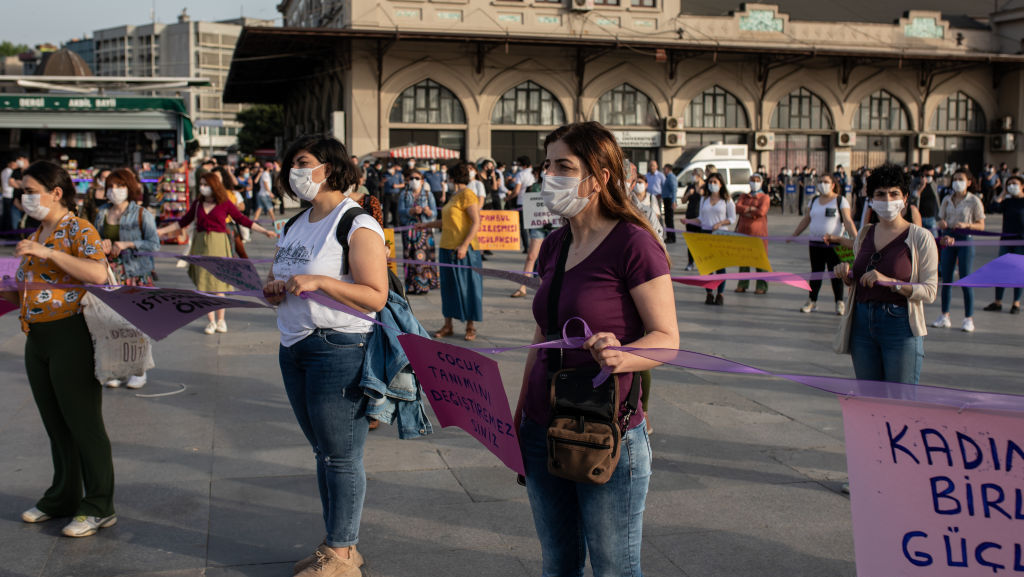
The COVID-19 pandemic has challenged the normative structures and behaviors of almost every country around the world. The fallout has put pressure on even the most developed countries and its effects across the Middle East have been significant and varied.
The U.S.-Iraq Strategic Dialogue that will be launched this week provides an opportunity for the two sides to put their relations, as Iraqi President Dr. Barham Salih said last April, “in the right context.”
Geopolitical and Geoeconomic Challenges to China’s Silk Road Strategy in the Middle East
Despite Beijing’s increasing engagement in the Middle East, it lacks a clear, consistent, and comprehensive strategy for the successful implementation of the new Silk Road. Although China’s Belt and Road Initiative (BRI) framework for cooperation with the Middle Eastern states is marked by strategic flexibility and maximizing opportunities, that may prove insufficient. As China and the countries of the region become more integrated, they will also share risks and face near-term geopolitical and geoeconomic challenges.
Like so many of you, I was horrified by the killing of George Floyd, and I share this message to reflect on the meaning of this crisis and what has become a pivotal moment for the United States in the world. Many of you have been deeply shaken by recent events, and spurred to action. This crisis heralds the need — and opportunity — for positive change.
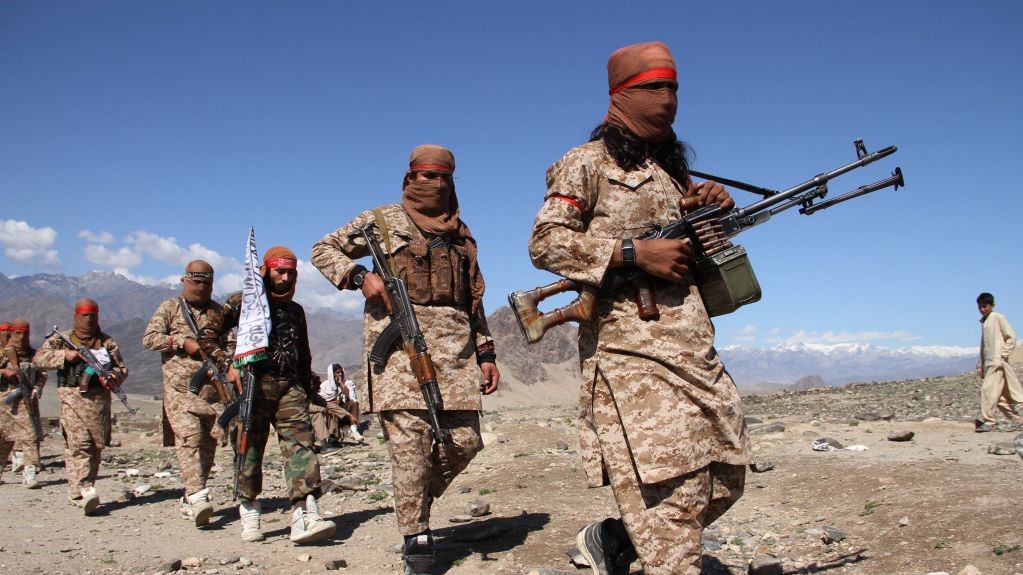
The Taliban’s military and diplomatic strategies are intended to work in tandem, one leveraging the other. Each has as its ultimate goal the Taliban’s recovery of an emirate lost in 2001.
The oldest peer-reviewed publication dedicated to the study of the modern Middle East, MEI’s flagship journal covers politics, society, and culture in the region.