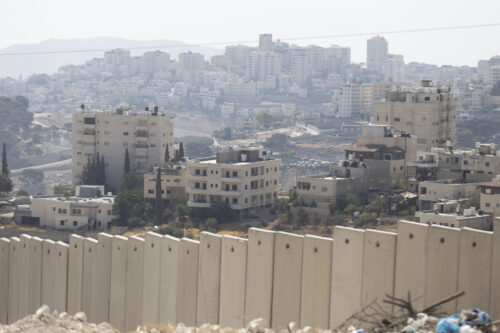
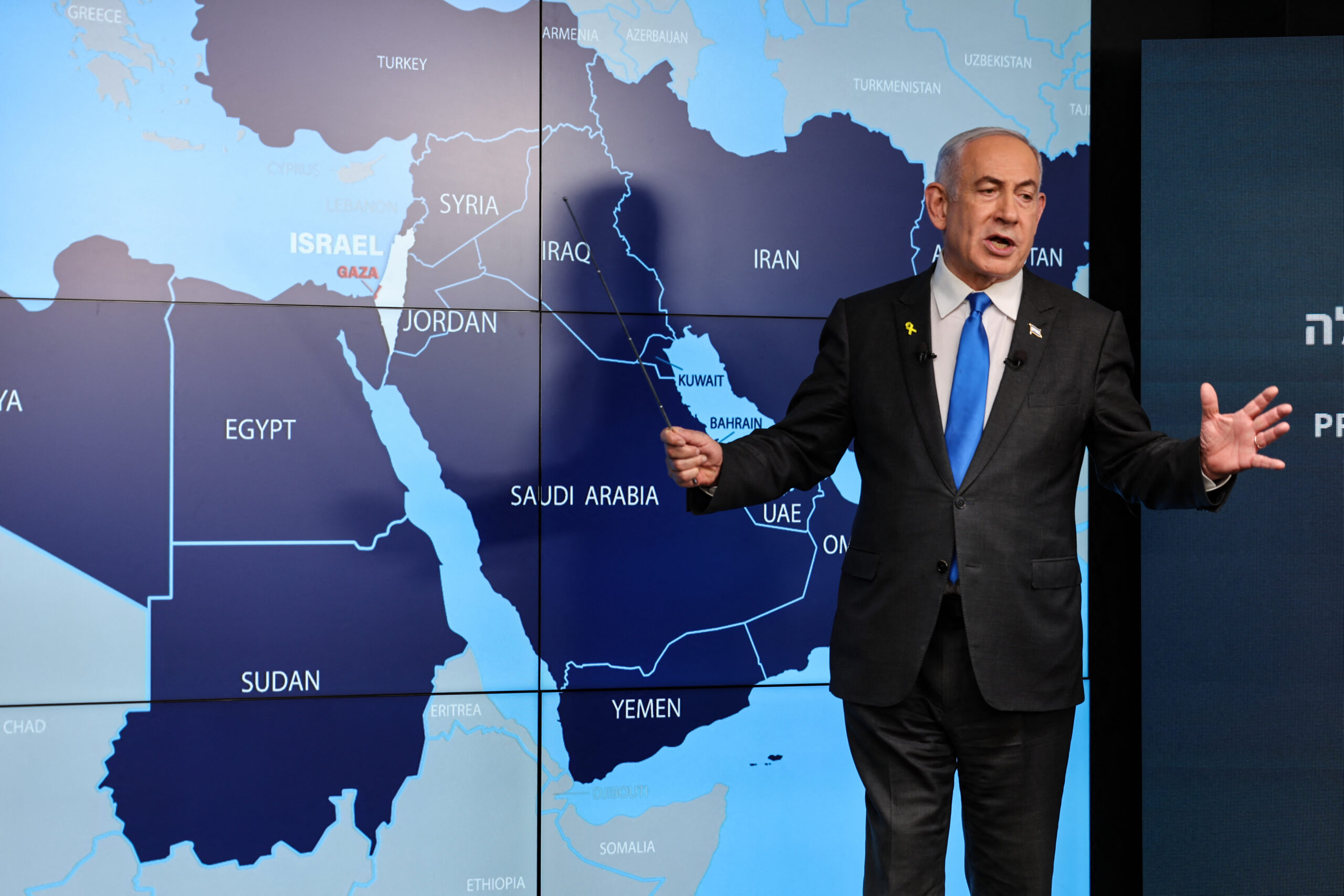
The Israeli government’s plan to build 3,401 housing units in the 12-square-kilometer E-1 corridor, between Jerusalem’s municipal boundary and the Israeli settlement of Ma’ale Adumim, would cut the West Bank in two. Israeli officials are under no illusion about the implications. Announcing the plan’s approval in August 2025, Finance Minister Bezalel Smotrich called it a “significant step that practically erases the two-state delusion.”
The Americans Are Gone. Will Iraq’s Militias Disarm?
On September 30, the US completed its military withdrawal from Iraq, ending a 12-year-long mission to combat ISIS that began in 2014. The date was also meant to be the deadline for disarming the largely Iranian-backed militias known as the Popular Mobilization Forces (PMF), but Prime Minister Ali al-Zaidi has now pushed that cutoff back to June 30, 2027. MEI Distinguished Diplomatic Fellow Amb. (ret.) Robert S. Ford joins hosts Alistair Taylor and Matthew Czekaj to discuss what the US military withdrawal means for Iraqi security and the nature of the bilateral relationship going forward. They also speak about what it will take for Baghdad to bring the PMF militias to heel, and how Iraq may navigate the post-Iran war era.
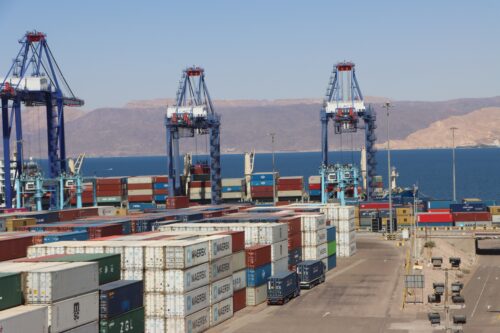
Jordan’s Economy Weathers Iran War’s Shocks and Finds New Opportunities
In the summer of 2003, King Abdullah II told Bloomberg Jordan sits “between Iraq and a hard place,” a play on words designed to describe the kingdom’s challenging environment to an American audience amid the US-led Iraq war to the east and the lingering Palestinian-Israeli conflict to the west. Jordan is grappling with a much “harder place” today.
Since 1967, Israeli settlements in the West Bank have been a contested feature of the Israeli-Palestinian conflict. The ultimate disposition of the settlements and ongoing activity related to their growth have repeatedly defied agreement in negotiations over a resolution to the conflict.
The Houthis are a political-military faction and Zaydi religious movement founded in northwestern Yemen in the 1980s. A key member of Iran’s Axis of Resistance with links to other militant organizations in the Arabian Peninsula and the Horn of Africa, the group has continued to pose a threat to Western interests on a global scale.
The India-Middle East-Europe Economic Corridor (IMEC) is a proposed multinational infrastructure initiative aimed at upgrading connectivity between the three regions through integrated trade, energy, and digital networks. Announced at the G20 summit in New Delhi in September 2023, IMEC is envisioned partially as a counterweight to China’s international infrastructure project, the Belt and Road Initiative.
After a decade of post-Arab Spring isolation, Turkey’s leaders have recognized that their ambition to position the country as an agenda-setter on the world stage requires active engagement in all directions. President Recep Tayyip Erdoğan’s consolidation of executive authority has centralized foreign policy decision-making and tied it to his domestic political priorities, transforming the country’s revisionist approach to one shaped primarily by personal and pragmatic interests.
MEI Senior Fellow Brian Katulis engages friends, colleagues, and policy experts in casual conversations on the most important happenings in the Middle East.
Gaza ceasefire takes off, but expect turbulence ahead
To use an analogy, if this Gaza ceasefire deal were an aeroplane, it is currently picking up speed on the runway and arrives at the crucial point of immediate takeoff when all hostages held in Gaza are released in exchange for 2,000 Palestinians in Israeli prisons. This moment of “takeoff” will mark the end of a war, but the beginning of what is sure to be a long and bumpy flight. Time will tell if the plane ascends to higher altitudes or comes crashing to the ground.
Has Pakistan agreed to use nuclear force to defend Saudi Arabia?
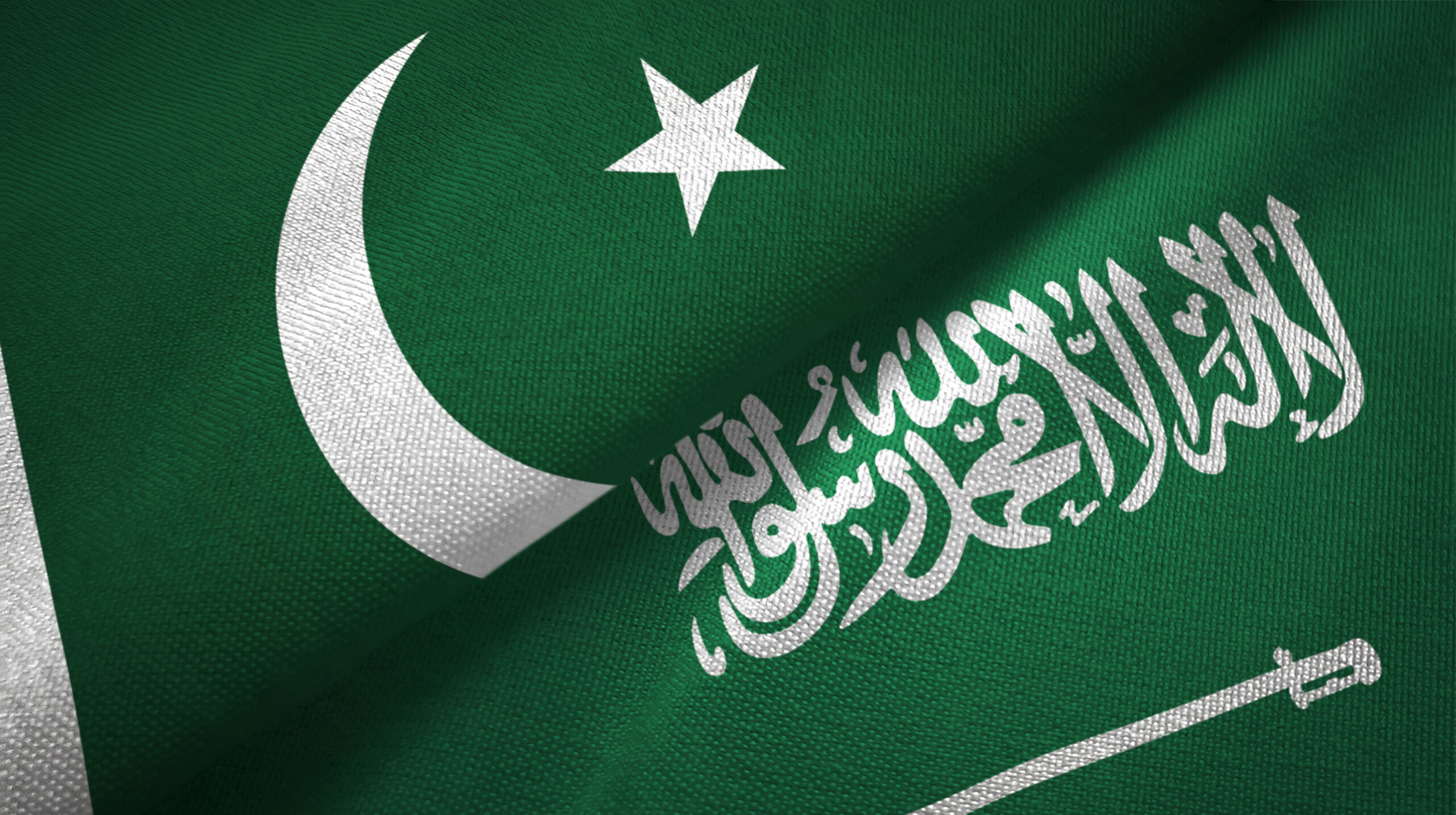
Saudi Arabia and Pakistan signed a mutual defense pact on September 17, 2025, declaring that “any aggression against either country shall be considered an aggression against both.” The wording of the agreement sparked speculation that Pakistan might use its nuclear capabilities to defend Saudi Arabia. MEI’s F. Gregory Gause contends otherwise, offering insight into the history and strategic calculations driving the deal. To learn more about the deal, visit our website.
After Two Years of War in Gaza, Can Trump’s Plan Deliver Peace?
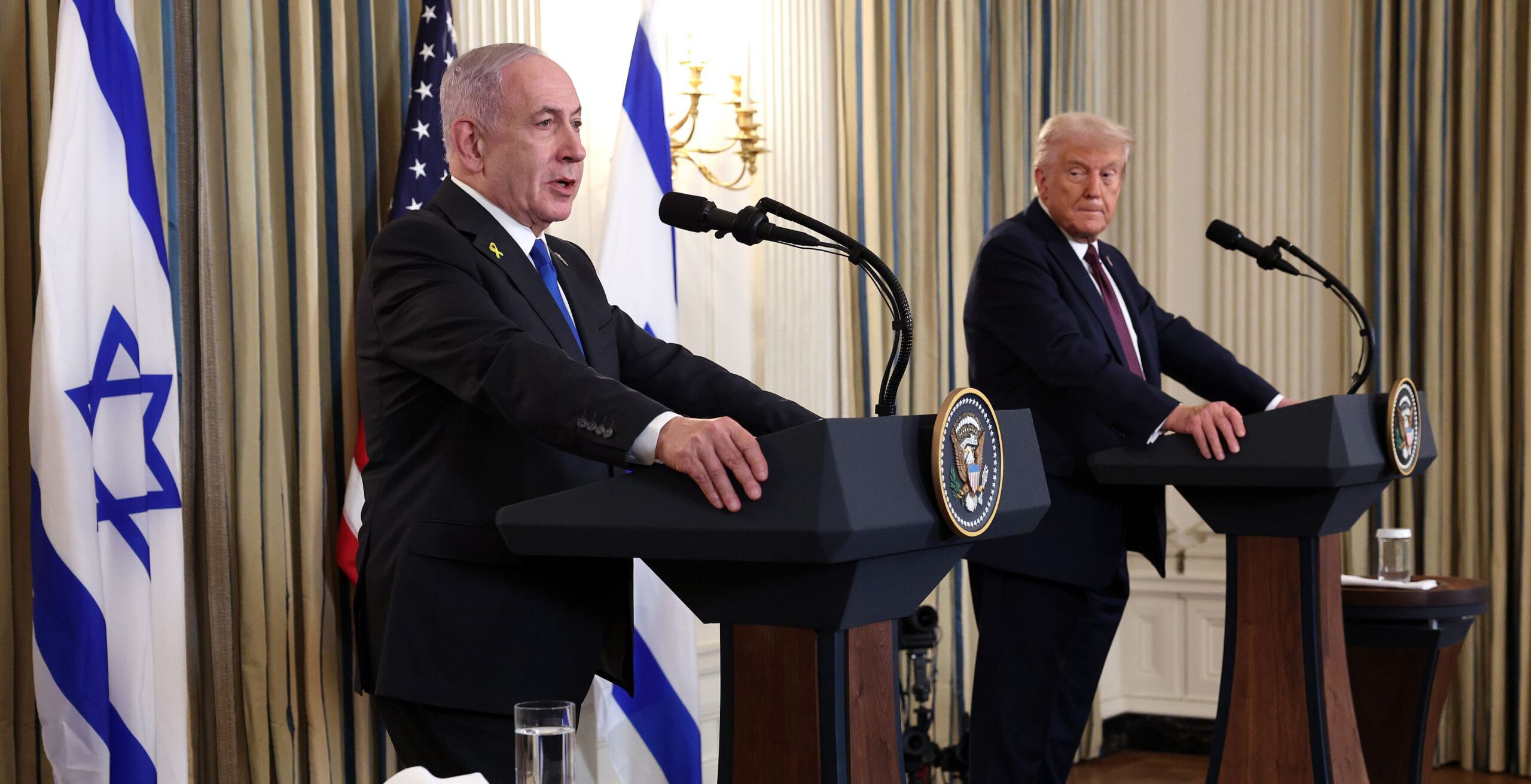
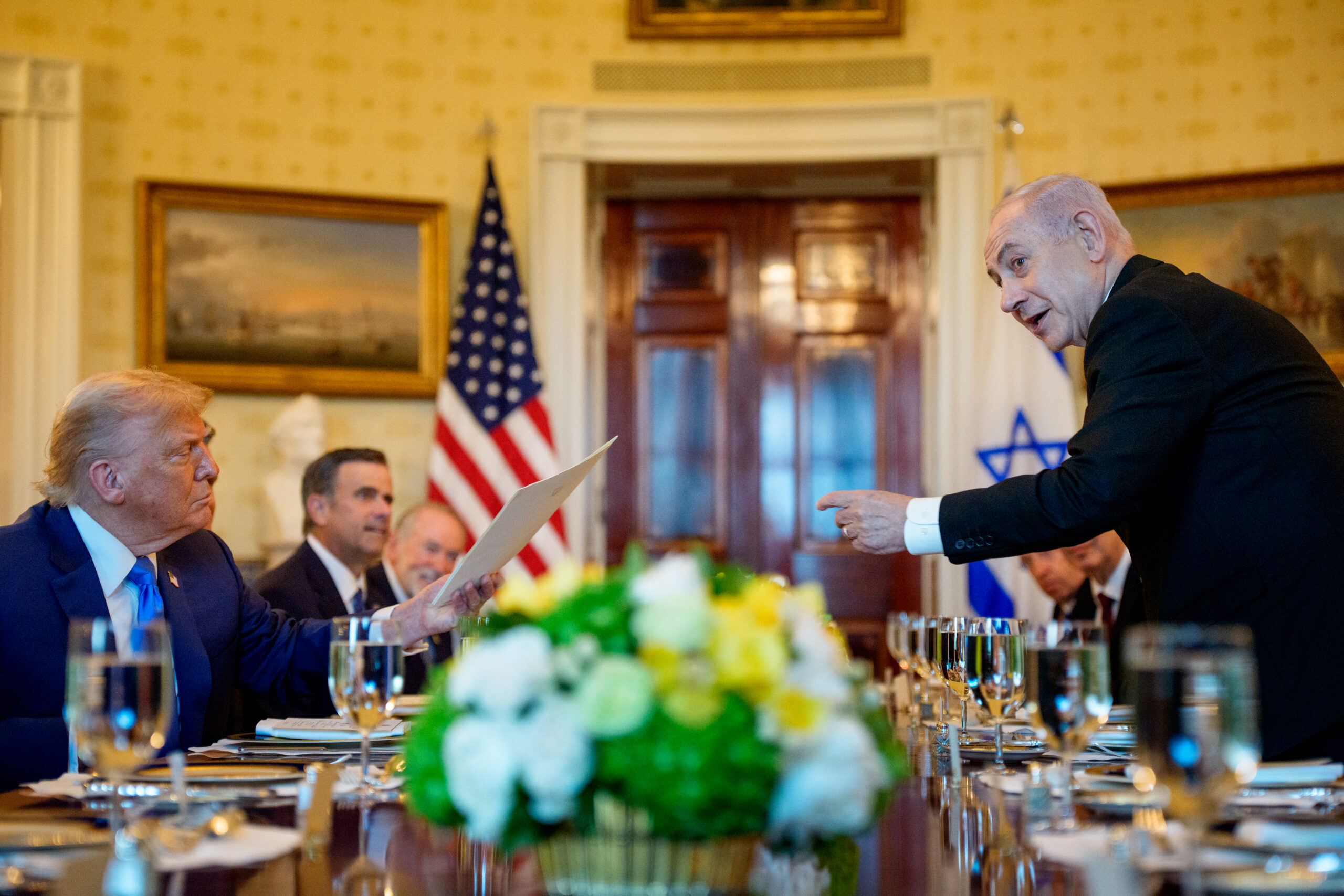
Two years after Hamas’ October 7 attack and Israel’s punishing response, both sides say they accept in principle President Donald Trump’s 20-point plan to halt the war and chart a path toward enduring peace. MEI Senior Fellow Lucy Kurtzer-Ellenbogen joins hosts Alistair Taylor and Matthew Czekaj to unpack what’s in the plan, how compatible it is with earlier Arab and European proposals, and whether its vague “credible pathway” to Palestinian statehood can withstand politics in Jerusalem, Ramallah, and Washington. They also explore the sticking points—Hamas disarmament, Israeli withdrawal, and Palestinian Authority reform—as well as what success would actually look like on the ground.
Light at the end of the tunnel in the Gaza war? Three questions about Trump’s 20-point plan
US President Donald Trump sent his top Middle East envoy Steve Witkoff and his son-in-law Jared Kushner to take part in Israel-Hamas talks hosted by Egypt this week aimed at ending the war in Gaza, securing the release of hostages, and producing progress toward a lasting and sustainable resolution to the conflict. Here are three things to watch for in US policy on this front in the coming days and weeks.
Pakistan’s strategic defense pact with Saudi Arabia: A new security architecture in the wider Middle East
Following Israel’s September 9 strike on Hamas targets in Qatar, Pakistan has taken swift and significant foreign policy steps in response and adopted an unusually assertive stance. This shift was largely influenced by Pakistan’s military chief, Field Marshal Asim Munir. The latter is determined to enhance his country’s strategic autonomy and diplomatic leverage in an increasingly complex international environment by positioning Pakistan as a key security actor and an emerging middle power on the global stage.
Silent leverage, quiet gains? China and the Saudi-Pakistan defense pact
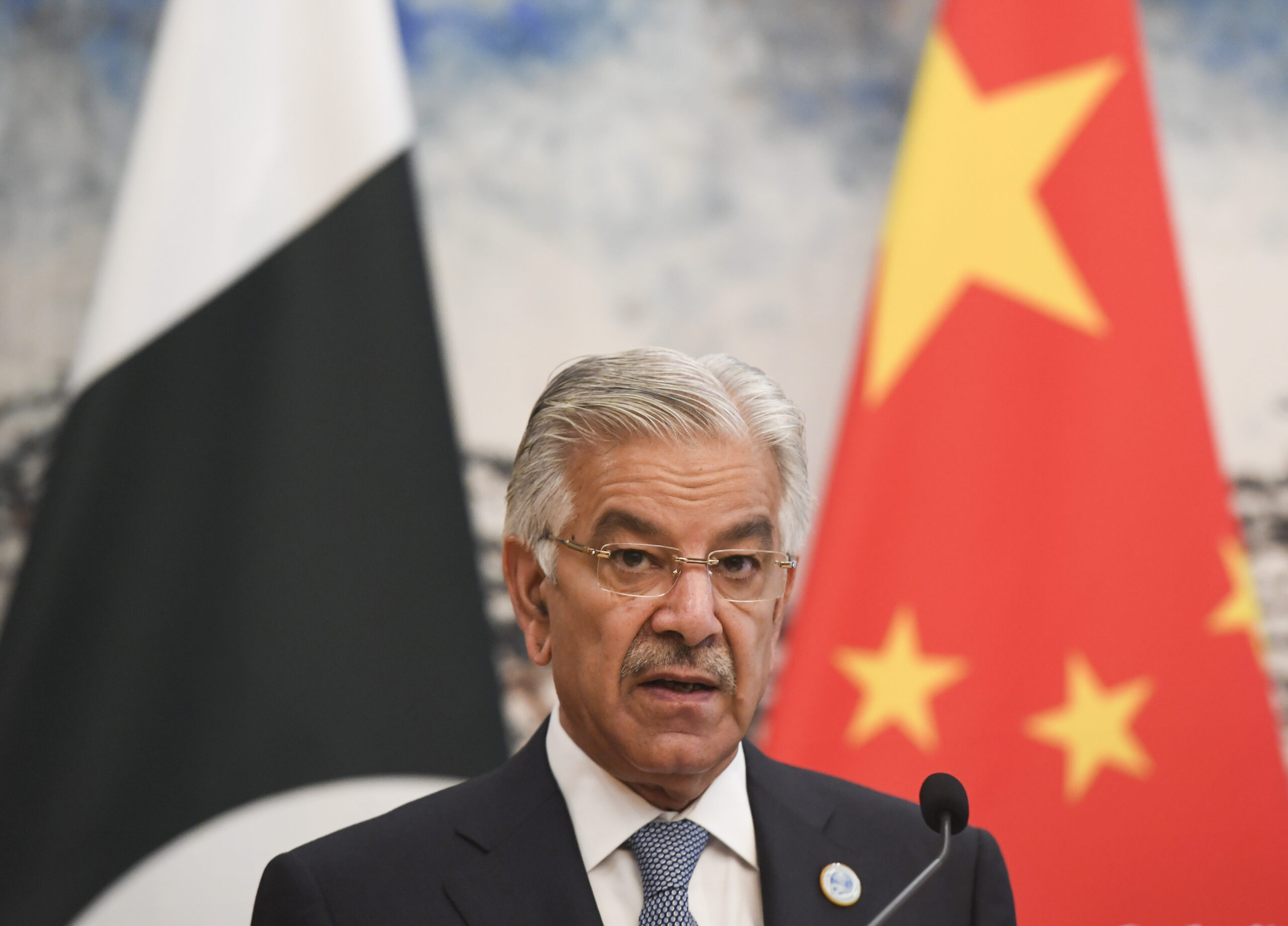
The Strategic Mutual Defense Agreement (SMDA) between Saudi Arabia and Pakistan, signed in Riyadh on September 17, is far more than a bilateral pledge. It represents a profound reordering of alignments in the Gulf and South Asia, reflecting and reinforcing the broader erosion of US preeminence in the Eurasian security architecture. While much of the initial commentary centered on the striking commitment of a wealthy Gulf monarchy to the defense of a nuclear-armed South Asian state, as well as the question of whether Pakistan had in fact extended its nuclear umbrella to Saudi Arabia, the deeper story is arguably China’s potential advance.
Don't believe the hype: The modest reality of the Saudi-Pakistani defense pact
The September 17 Saudi-Pakistani defense agreement generated a wave of overheated commentary about Saudi Arabia now residing under a Pakistani nuclear umbrella and how a new strategic reality was in the offing in the Persian Gulf and South Asian regions. Analysts need to slow their roll. Extended deterrence is an extremely difficult thing to pull off. The devil is in the details, about which we know nothing.
Peace in the Middle East — or constructive ambiguity in reverse
After two terrible years — beginning on the horrific morning of October 7, 2023 — there is now a chance the Gaza war could end. This chance exists not because the 20-point proposal released by the United States on September 29, 2025, is a model of diplomatic detail or nuance. It exists because its patron, President Donald Trump, appears determined not to take “no” for an answer.
Two years after October 7: A region between disorder and transition
As we approach the two-year mark of the region-wide conflict unleashed by the attacks of October 7, 2023, it is important to take stock of how this poly-crisis has transformed the Middle East—and how it might evolve in the months ahead.
Veteran US foreign policy official Elliott Abrams joins Brian for a sweeping conversation on America’s role in the world amid global upheaval. With nearly 50 years of experience under Presidents Reagan, George W. Bush, and Donald Trump, Abrams offers lessons from past crises— from Ukraine to Gaza. Abrams makes his case for why he doesn’t see a two-state solution as realistic and what his alternative vision is. The discussion explores the chaotic uncertainty of Trump’s second term, Israel’s security two years after October 7, and the future of Palestinian governance and regional integration. Abrams also shares insights from his decades in government, including his work with Ariel Sharon on Gaza disengagement, his reflections on the Iraq War, and what it was like briefing presidents in the Oval Office.
Moroccan youth angrily protest government’s failed development promises
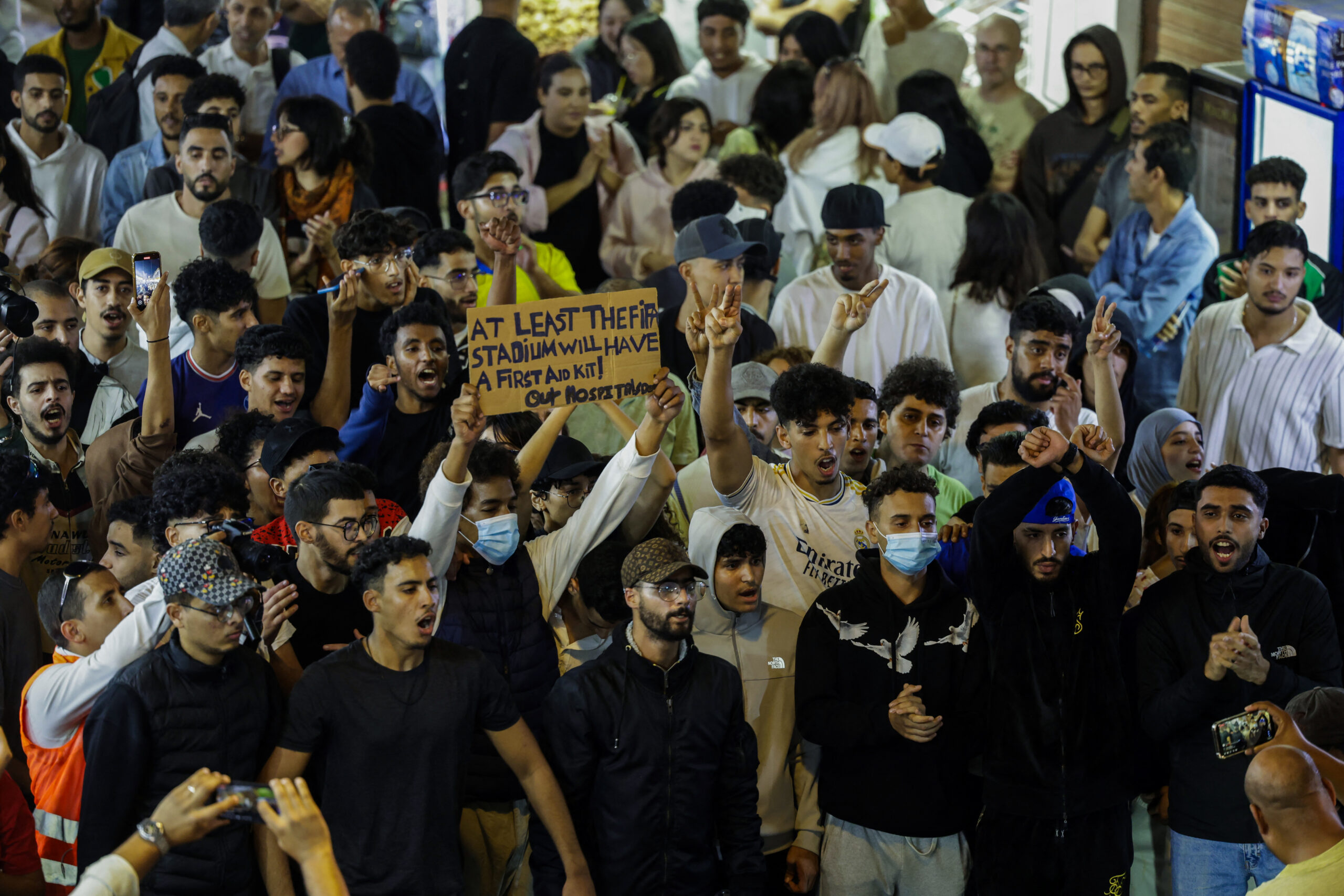
Hundreds of young Moroccans are protesting across 11 cities since September 27 under the banner “GenZ 212.” The central trigger behind the demonstrations has been a deep popular frustration with Morocco’s persistent inability to deliver on its development plans and promises. This sort of broad disaffection will be challenging for the government to address quickly and credibly.
Water and Power: Egypt, Sudan, and Ethiopia at Odds Over Africa’s Largest Dam
In this episode of Middle East Focus, hosts Alistair Taylor and Matthew Czekaj are joined by MEI Senior Fellow Mirette F. Mabrouk to unpack the growing tensions over the recently inaugurated Grand Ethiopian Renaissance Dam (GERD) on the Nile.
The Middle East Institute (MEI) is deeply saddened by the passing of George Hoguet, a distinguished former member of our Board of Governors and longtime supporter of our mission
The oldest peer-reviewed publication dedicated to the study of the modern Middle East, MEI’s flagship journal covers politics, society, and culture in the region.