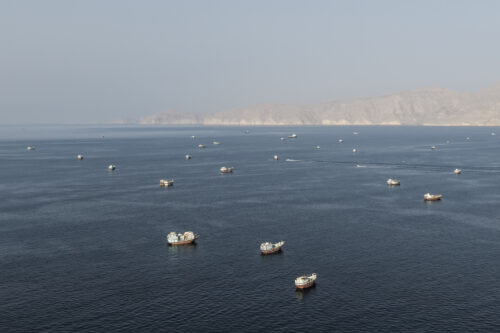
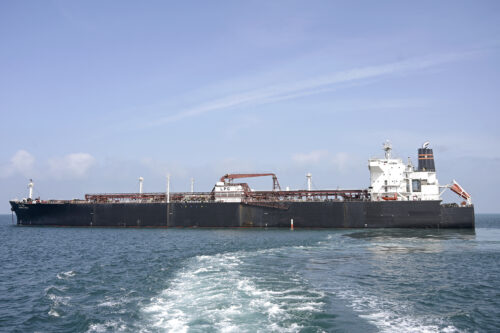
Crude oil is flowing out of the Gulf again, but the market is no better prepared for another disruption in the Strait of Hormuz. It has assembled a temporary system for managing one. Crude exports from the Gulf, excluding Iran, returned to pre-war levels in September, while total Gulf shipments reached 15.5 million barrels a day, more than 80% of the pre-conflict volume.
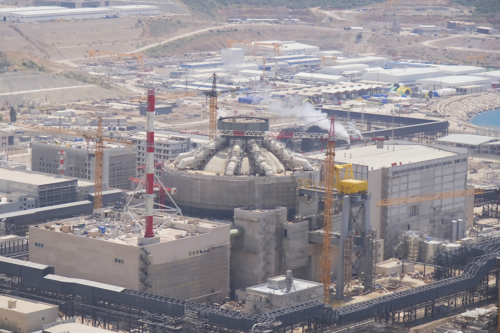
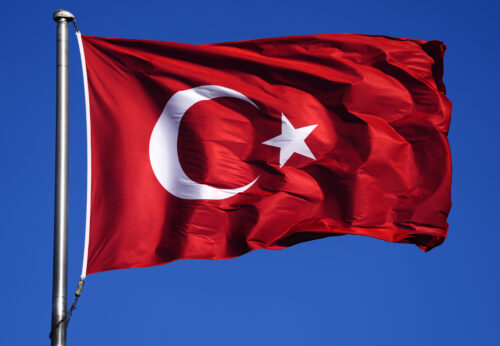
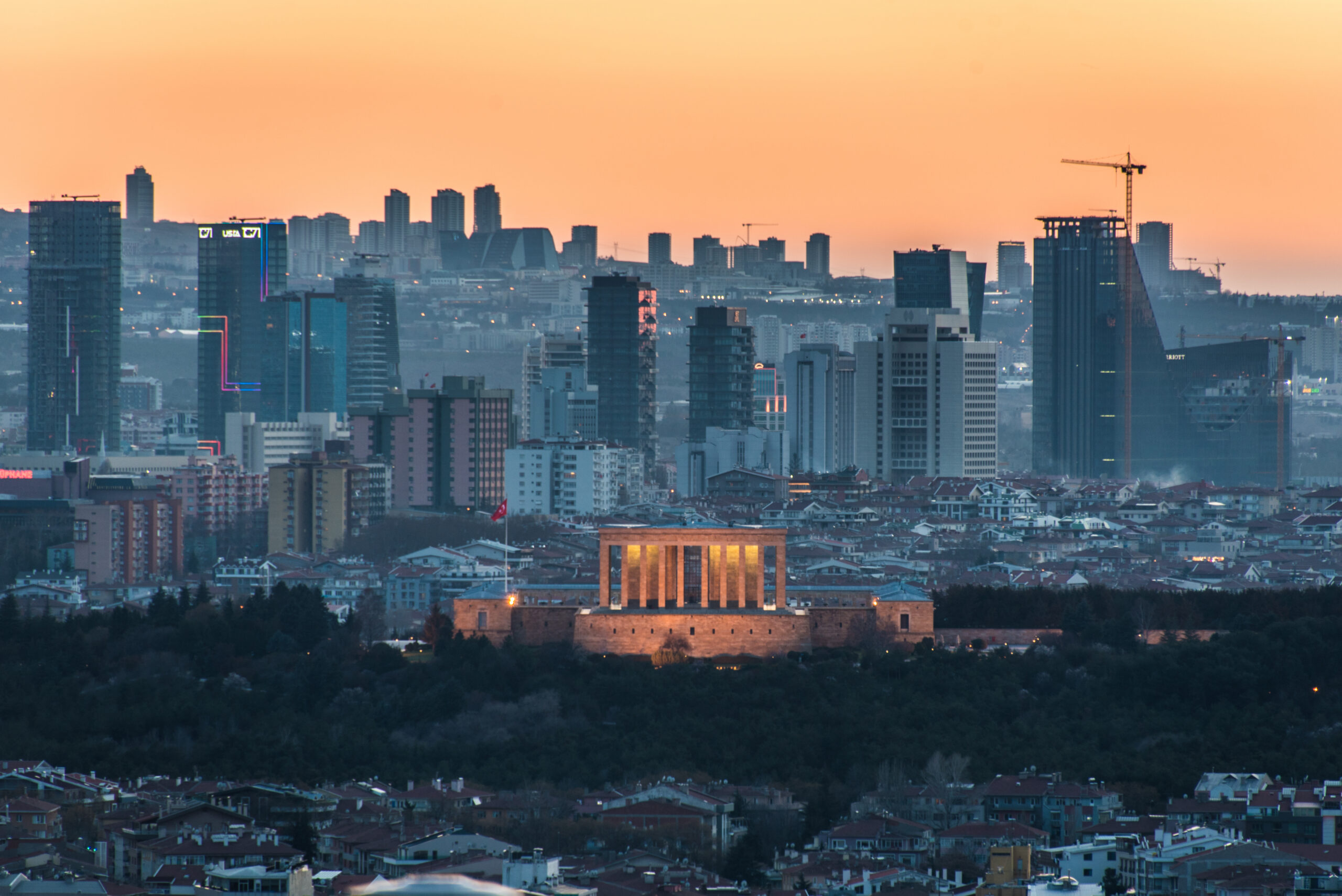
As a result of the Iran war, Turkish thinking about nuclear weapons appears to be shifting. Iran’s emergent ability to threaten regional states (and possible determination to acquire a nuclear weapon itself), growing concern about Israeli aggressiveness, doubts about US security guarantees, and greater Saudi nuclear autonomy are all pushing Ankara to consider a future nuclear option.
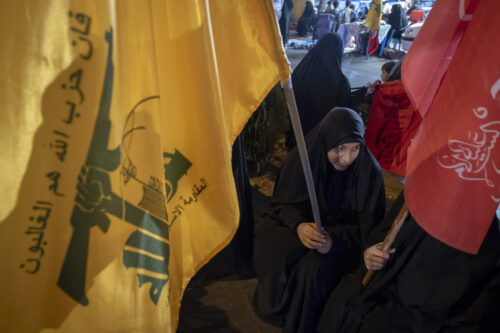
Hizballah: The murderers of elected Lebanese politicians, the killers of peacekeepers, the thugs of the streets they dominated because all other militias had disarmed, the agents of destruction of their own communities on behalf of foreign paymasters reigning 1,000 miles away from Beirut, the brainwashers of children into an ideology of “resistance” that only invited invasion. That’s the Hizballah that today is begging the Lebanese state to return to them the 1,000 pounds of explosives so rudely taken from them by Lebanese soldiers doing their job at a checkpoint in the Bekaa Valley.
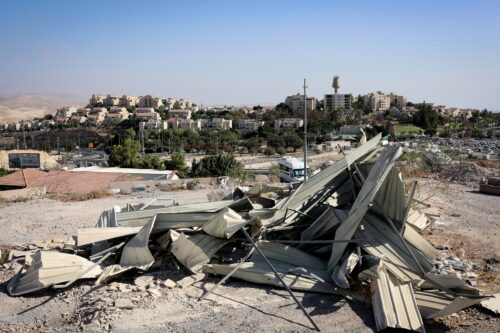
Since 1967, Israeli settlements in the West Bank have been a contested feature of the Israeli-Palestinian conflict. The ultimate disposition of the settlements and ongoing activity related to their growth have repeatedly defied agreement in negotiations over a resolution to the conflict.
The Houthis are a political-military faction and Zaydi religious movement founded in northwestern Yemen in the 1980s. A key member of Iran’s Axis of Resistance with links to other militant organizations in the Arabian Peninsula and the Horn of Africa, the group has continued to pose a threat to Western interests on a global scale.
The India-Middle East-Europe Economic Corridor (IMEC) is a proposed multinational infrastructure initiative aimed at upgrading connectivity between the three regions through integrated trade, energy, and digital networks. Announced at the G20 summit in New Delhi in September 2023, IMEC is envisioned partially as a counterweight to China’s international infrastructure project, the Belt and Road Initiative.
After a decade of post-Arab Spring isolation, Turkey’s leaders have recognized that their ambition to position the country as an agenda-setter on the world stage requires active engagement in all directions. President Recep Tayyip Erdoğan’s consolidation of executive authority has centralized foreign policy decision-making and tied it to his domestic political priorities, transforming the country’s revisionist approach to one shaped primarily by personal and pragmatic interests.
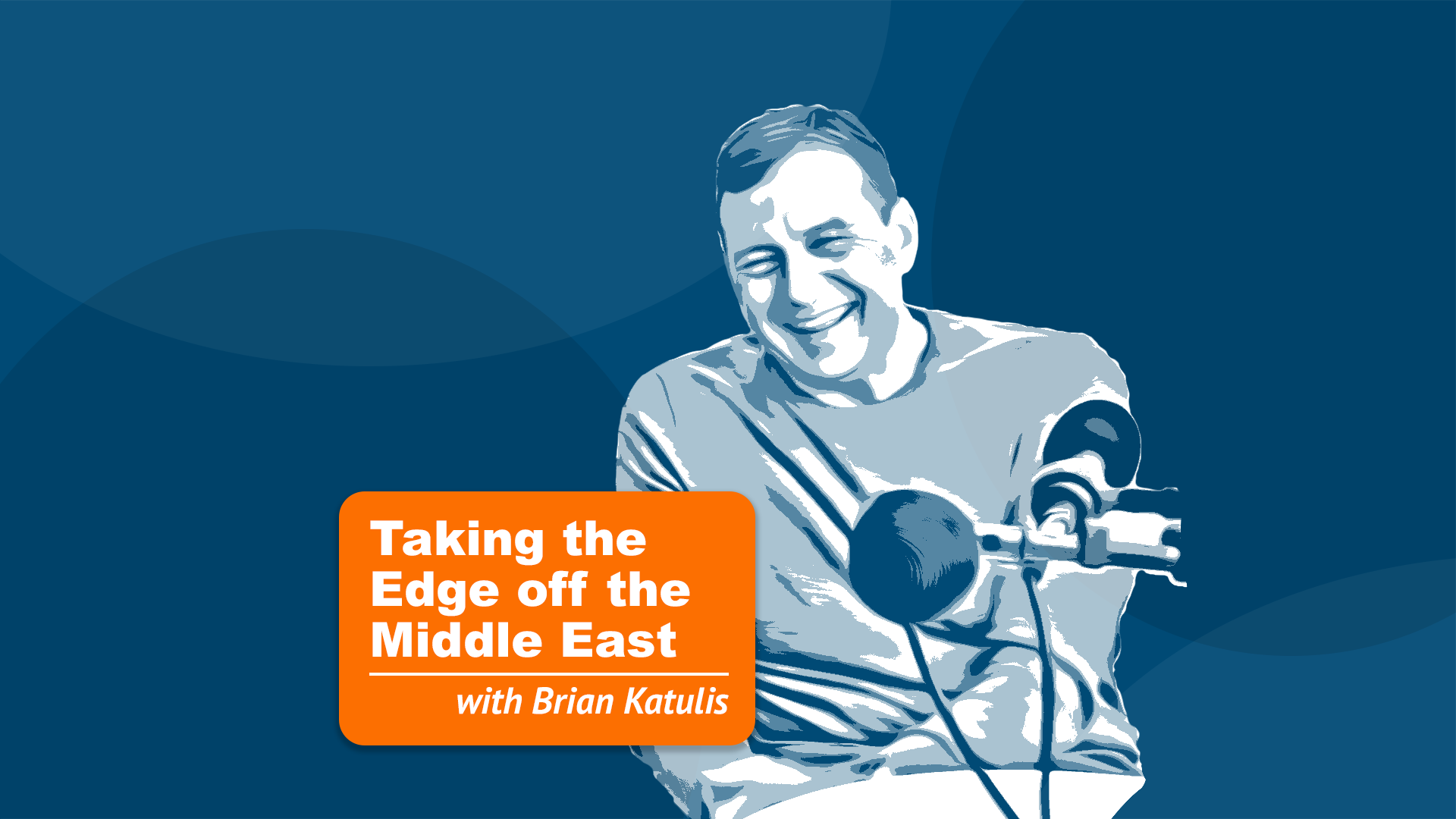
MEI Senior Fellow Brian Katulis engages friends, colleagues, and policy experts in casual conversations on the most important happenings in the Middle East.
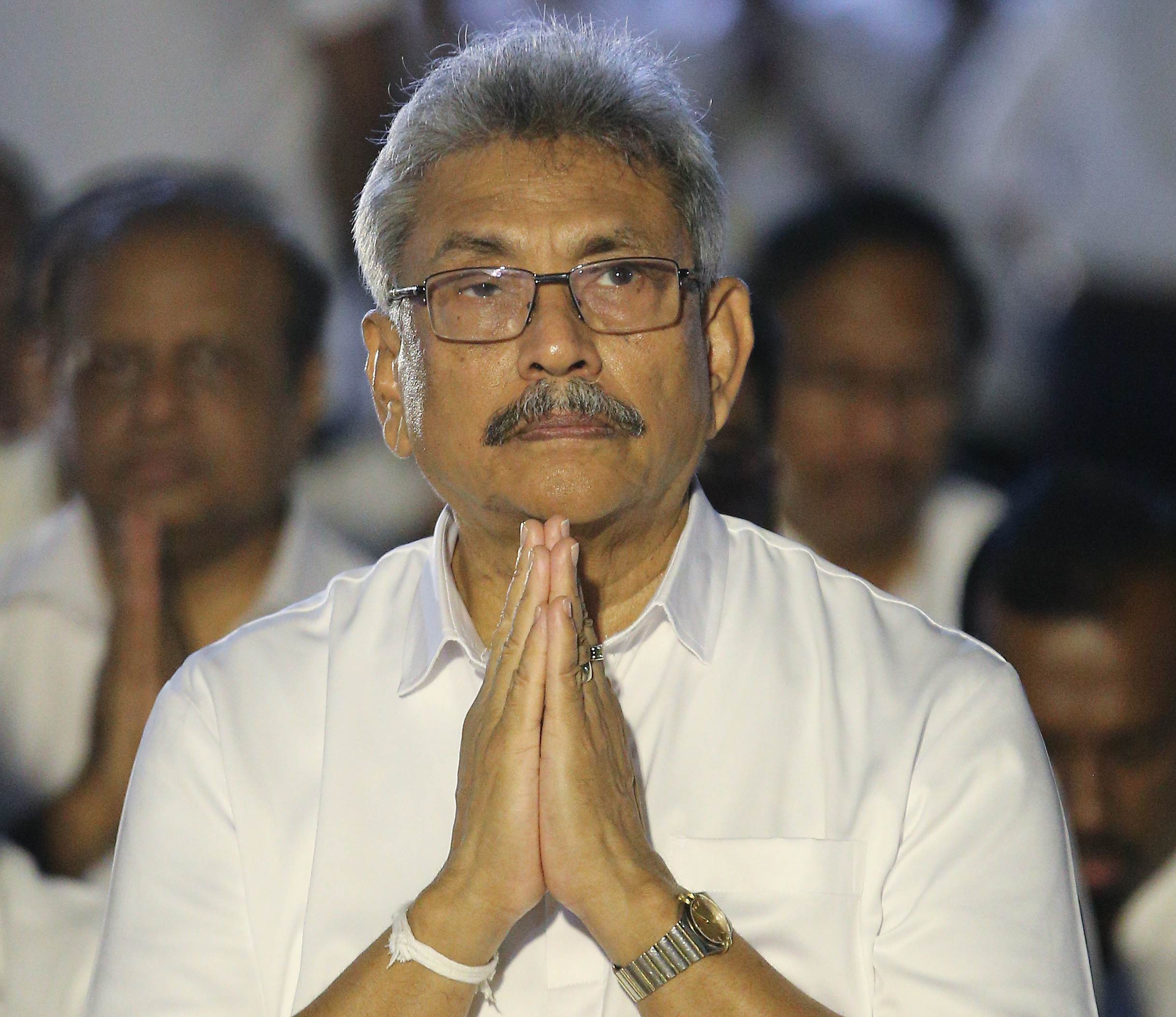
Post-Election Sri Lanka: Inter-Communal Relations in Gotabaya Rajapaksa’s Presidency
Gotabaya Rajapaksa won a decisive victory in the November 16 Sri Lankan presidential election. Although this election was not as polarized as the previous one, the voting patterns demonstrate the divergence in key priorities for the country’s majority and minority communities.
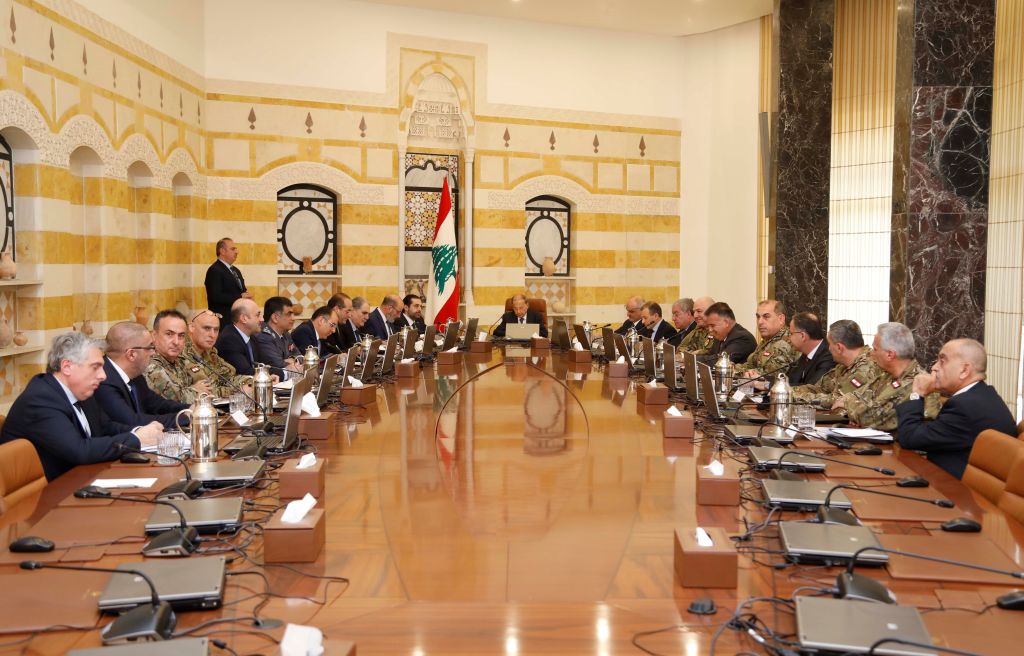
Introduced in August and subsequently delayed due to the country’s political upheaval, the National Lebanese Strategy for Cybersecurity is composed of two main sections: 1) preparation of a cybersecurity strategy and 2) establishment of a national cybersecurity agency.
In our annual year in review episode, MEI experts Paul Salem, Gonul Tol, Charles Lister, Alex Vatanka, Marvin Weinbaum, and Mirette Mabrouk sit with host Alistair Taylor to discuss the key events across the region in 2019, what surprised them, and where things stand as we head into 2020.
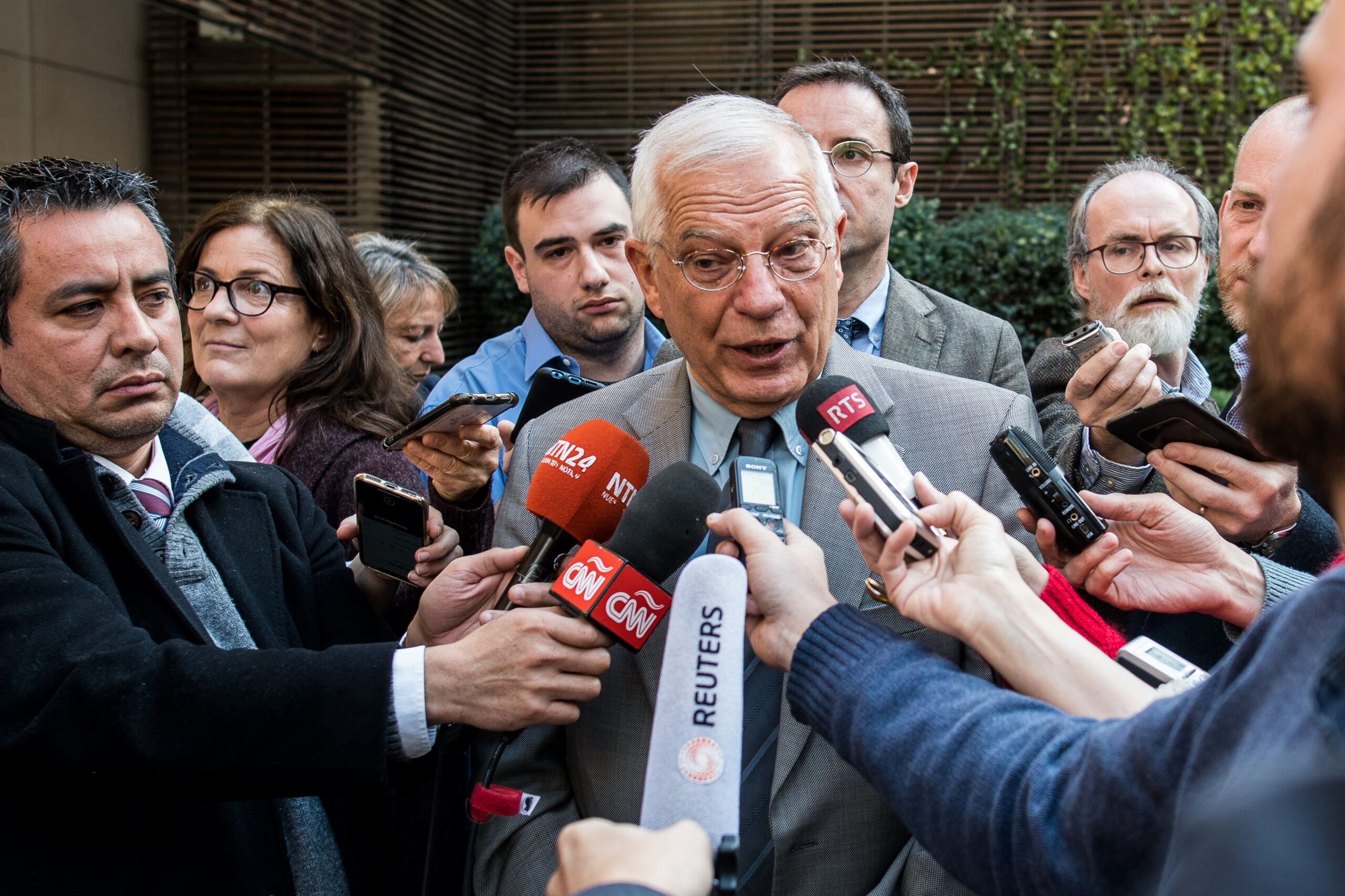
Expect the expected: The new EU high representative and the MENA region
Spain’s foreign minister, Josep Borrell Fontelles, became the EU’s high representative for foreign affairs and security policy on Dec. 1. Borrell’s comments on EU foreign policy have often been controversial, and he has been highly critical of the union’s diplomatic actions in the past. What might this mean for EU-MENA affairs? What are Borrell’s views on key regional issues, such as the Israeli-Palestinian conflict, relations with Iran, the situation in Syria, and migration?
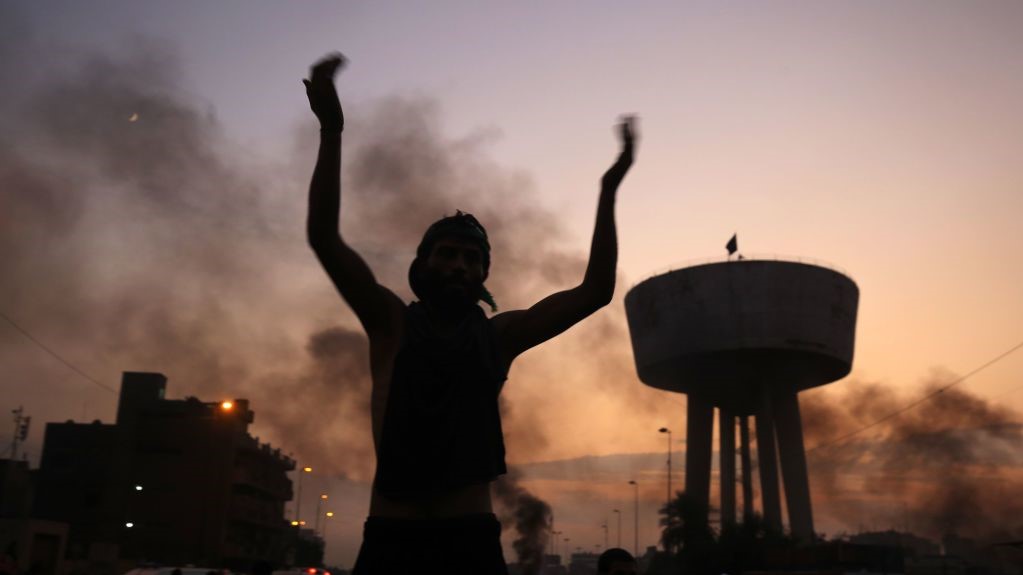
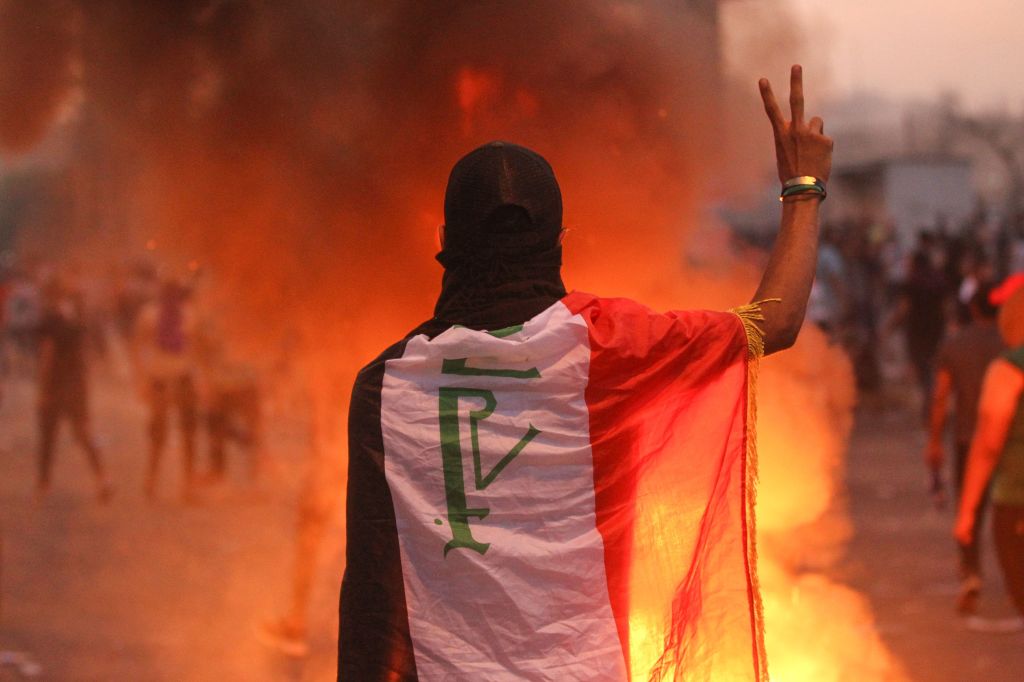
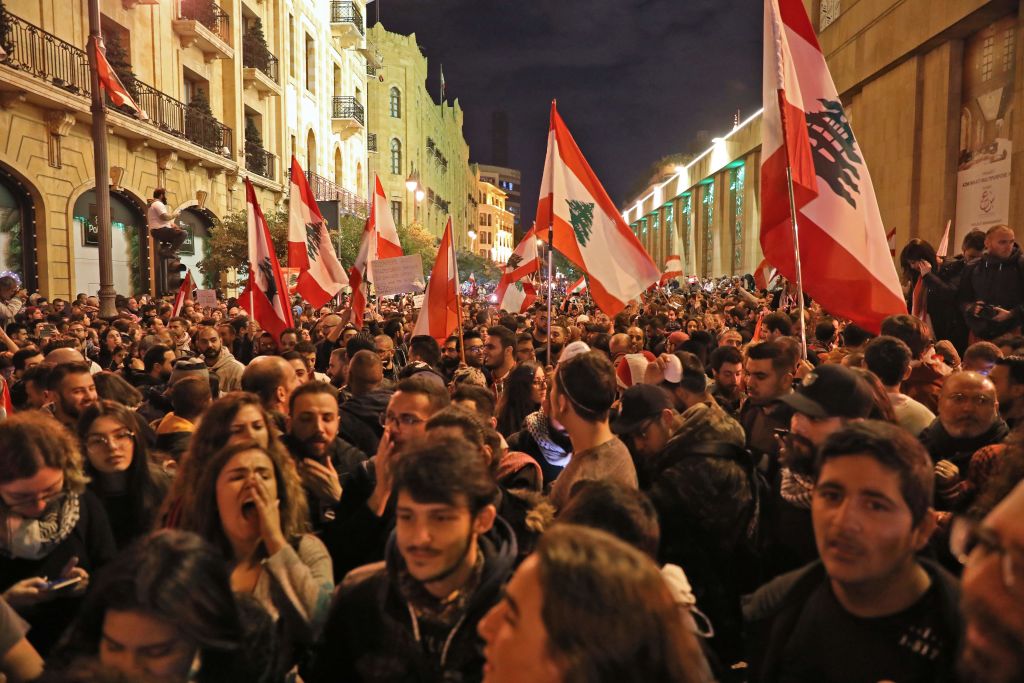
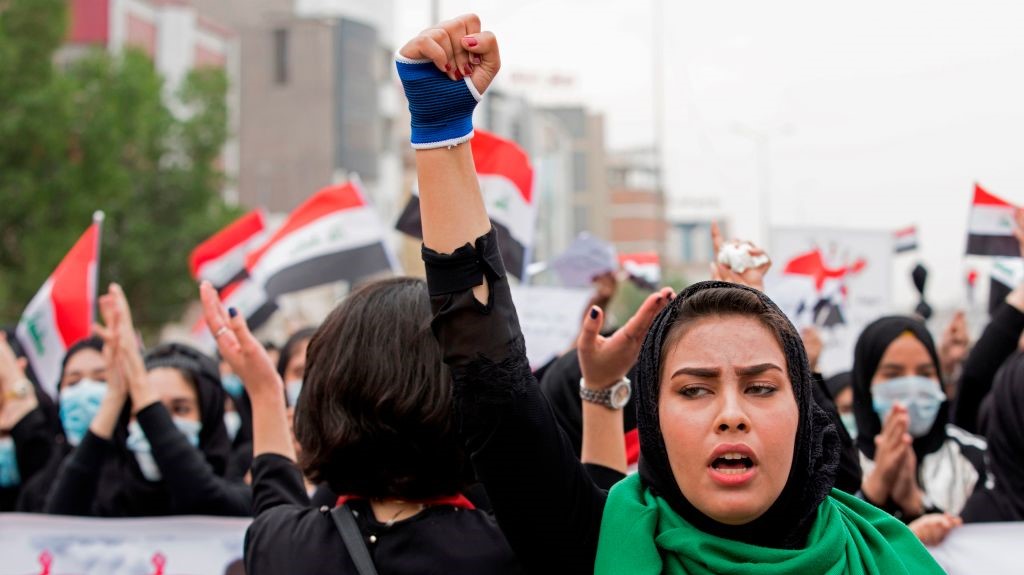
The three uprisings in Iran, Iraq, and Lebanon represent the revolt of a new generation seeking to build a better future for itself. Since 2011, there have been 11 uprisings in the Middle East and North Africa. All 11 uprisings have similar drivers: the explosive dysfunction of high demographic growth, low levels of economic development and job creation, poor government performance and services, and high levels of corruption and inequality.
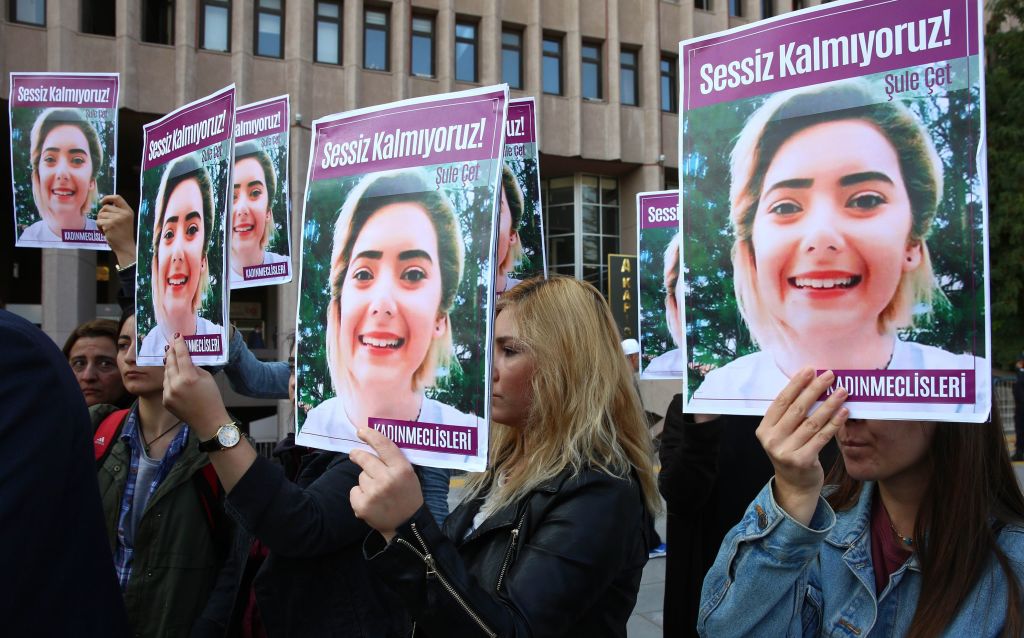
Femicide in Turkey: What’s lacking is political will
Women in Turkey are subjected to violence regardless of socio-economic status. Unlike many countries around the world, laws are in place to prevent and combat violence against women. But sadly, when it comes to implementing these laws, failures leave women unprotected against male violence. The government’s patriarchal approach is one of the main barriers to the implementation of legislation already on the books.
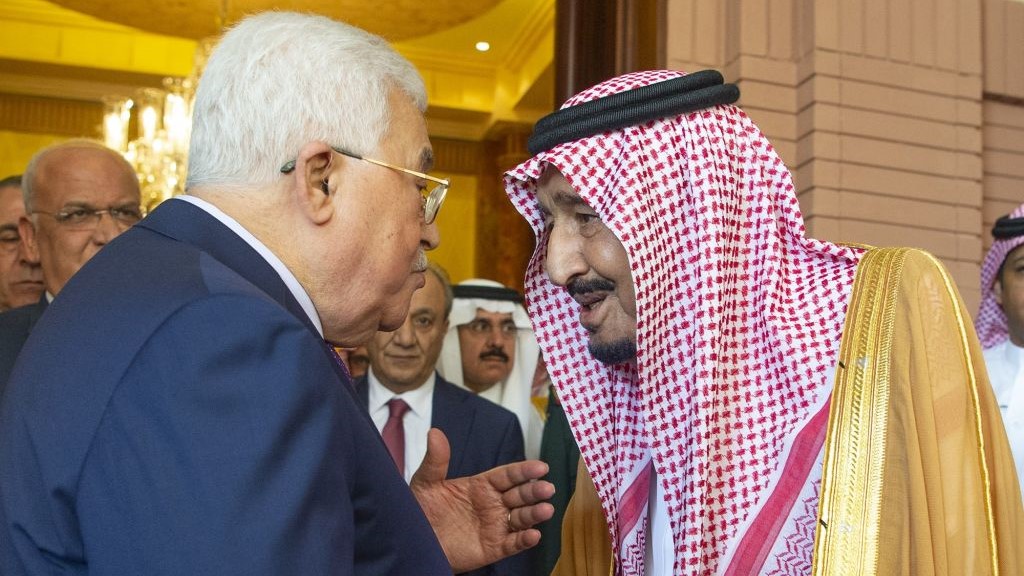
The intra-GCC competition over the Palestinian heart
Since 2017 three separate blocs have emerged within the Gulf. Driven by the region’s divisions, rival power centers, and conflicting interests, the Gulf states are playing an ever-greater role in Palestinian affairs.
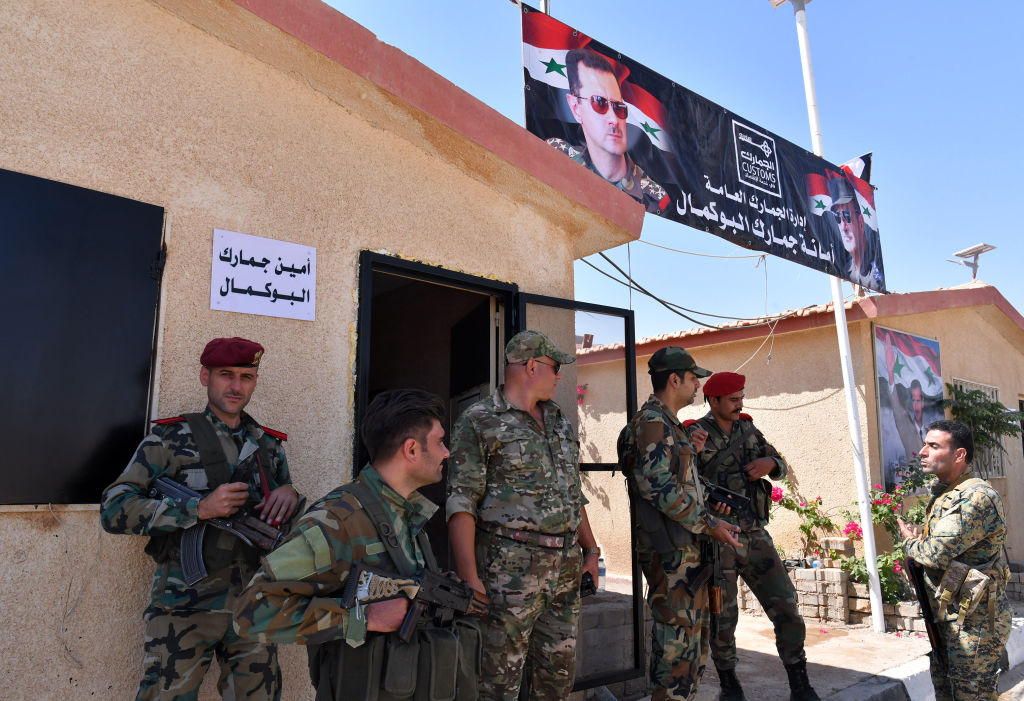
Caesar Bill could ratchet up US sanctions on the Syrian regime and its allies
After several years of behind-the-scenes efforts, the Caesar Syria Civilian Protection Act will be signed into law in Washington. It is an extraordinarily expansive and aggressive piece of legislation, allowing for a significant expansion of sanctions against Syrian regime figures and bodies, including the Central Bank and multiple sectors of the state economy. More significantly, the “Caesar Bill” will place an expectation on the U.S. government to sanction any individual or organization anywhere in the world who provides any form of financial support to the Syrian regime that furthers its ability to repress its people.
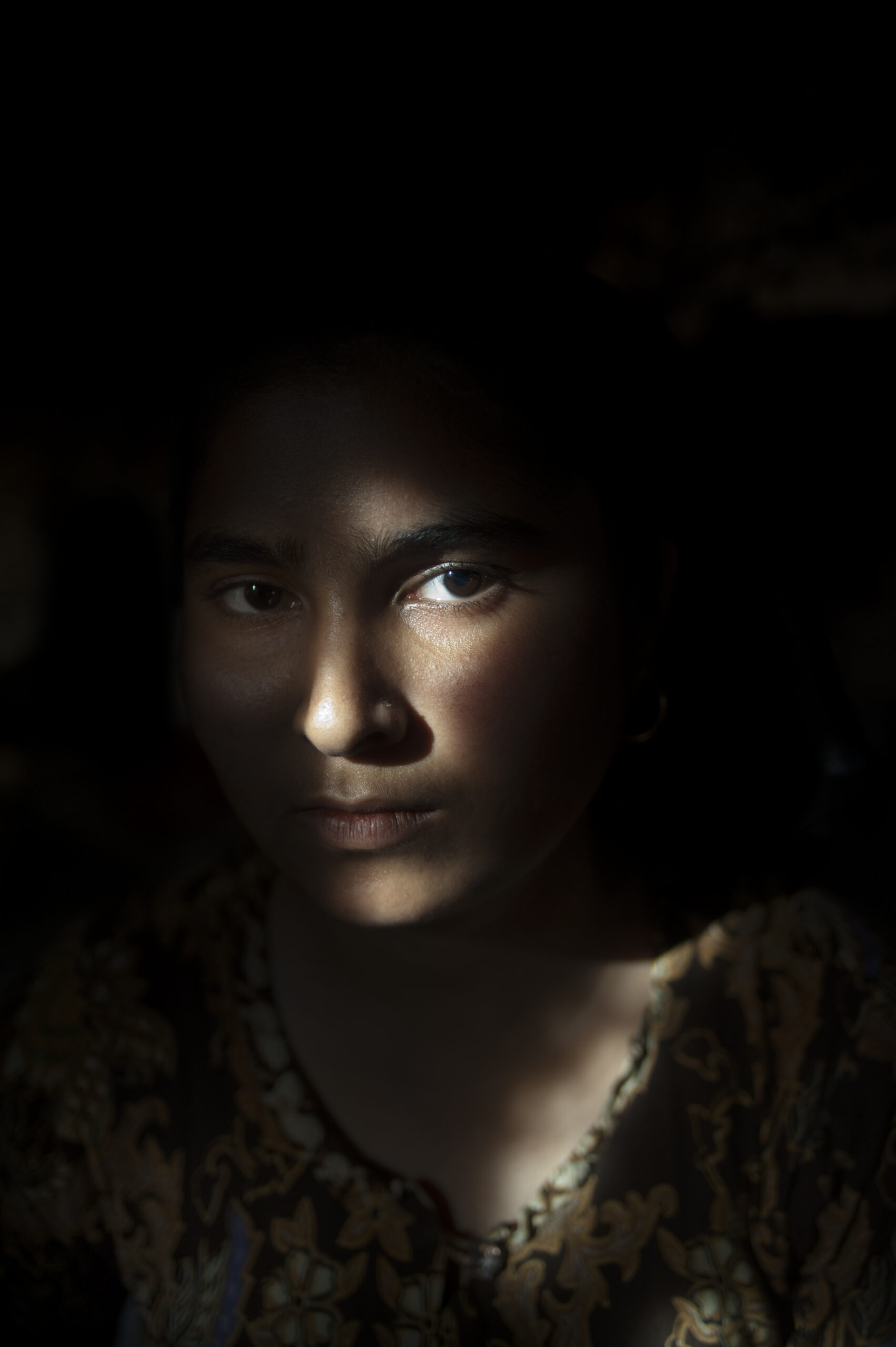
Myanmar’s Narratives Underlying the Rohingya Genocide Repeat Age-Old Tropes Regarding Control of Women
When we remember Myanmar’s Rohingya crisis of 2017, we must closely examine the social narratives which allowed this tragedy to take place. As this article shows, access to Buddhist women — with or without consent — is a rallying cry for power among hardliners in Myanmar’s staunchly Buddhist society.
Aspiring Powers, Regional Rivals: Turkey, Egypt, Saudi Arabia, and the New Middle East
Aspiring Powers, Regional Rivals examines relations between Turkey, Egypt, and Saudi Arabia, three key aspiring regional powers that have sought to take on a growing role in the Middle East in recent years at a time of declining U.S. influence and involvement.
The question as 2019 ends is whether foreign forces supporting the conflict will rethink their commitment to military victory and instead work to secure political solutions through compromise.
The oldest peer-reviewed publication dedicated to the study of the modern Middle East, MEI’s flagship journal covers politics, society, and culture in the region.