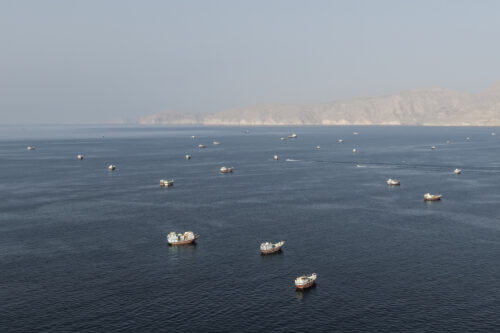
Crude oil is flowing out of the Gulf again, but the market is no better prepared for another disruption in the Strait of Hormuz. It has assembled a temporary system for managing one. Crude exports from the Gulf, excluding Iran, returned to pre-war levels in September, while total Gulf shipments reached 15.5 million barrels a day, more than 80% of the pre-conflict volume.
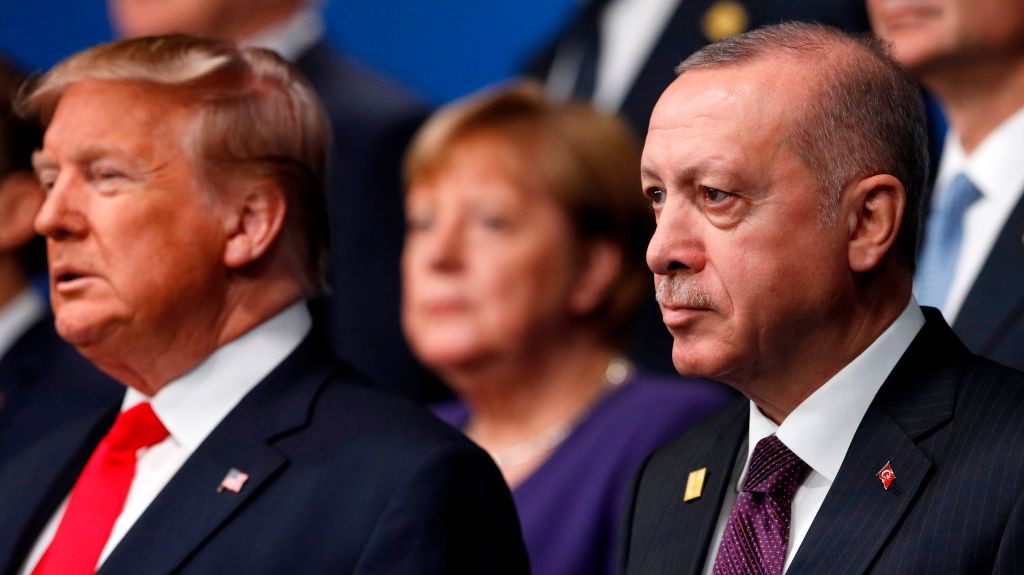
As a result of the Iran war, Turkish thinking about nuclear weapons appears to be shifting. Iran’s emergent ability to threaten regional states (and possible determination to acquire a nuclear weapon itself), growing concern about Israeli aggressiveness, doubts about US security guarantees, and greater Saudi nuclear autonomy are all pushing Ankara to consider a future nuclear option.
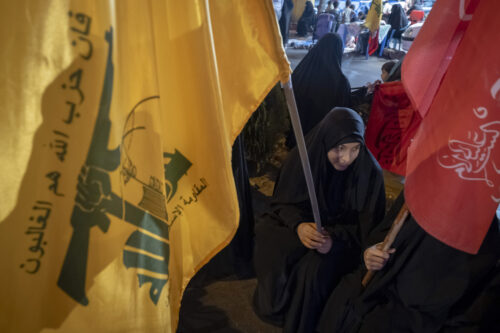
Hizballah: The murderers of elected Lebanese politicians, the killers of peacekeepers, the thugs of the streets they dominated because all other militias had disarmed, the agents of destruction of their own communities on behalf of foreign paymasters reigning 1,000 miles away from Beirut, the brainwashers of children into an ideology of “resistance” that only invited invasion. That’s the Hizballah that today is begging the Lebanese state to return to them the 1,000 pounds of explosives so rudely taken from them by Lebanese soldiers doing their job at a checkpoint in the Bekaa Valley.
Since 1967, Israeli settlements in the West Bank have been a contested feature of the Israeli-Palestinian conflict. The ultimate disposition of the settlements and ongoing activity related to their growth have repeatedly defied agreement in negotiations over a resolution to the conflict.
The Houthis are a political-military faction and Zaydi religious movement founded in northwestern Yemen in the 1980s. A key member of Iran’s Axis of Resistance with links to other militant organizations in the Arabian Peninsula and the Horn of Africa, the group has continued to pose a threat to Western interests on a global scale.
The India-Middle East-Europe Economic Corridor (IMEC) is a proposed multinational infrastructure initiative aimed at upgrading connectivity between the three regions through integrated trade, energy, and digital networks. Announced at the G20 summit in New Delhi in September 2023, IMEC is envisioned partially as a counterweight to China’s international infrastructure project, the Belt and Road Initiative.
After a decade of post-Arab Spring isolation, Turkey’s leaders have recognized that their ambition to position the country as an agenda-setter on the world stage requires active engagement in all directions. President Recep Tayyip Erdoğan’s consolidation of executive authority has centralized foreign policy decision-making and tied it to his domestic political priorities, transforming the country’s revisionist approach to one shaped primarily by personal and pragmatic interests.
MEI Senior Fellow Brian Katulis engages friends, colleagues, and policy experts in casual conversations on the most important happenings in the Middle East.
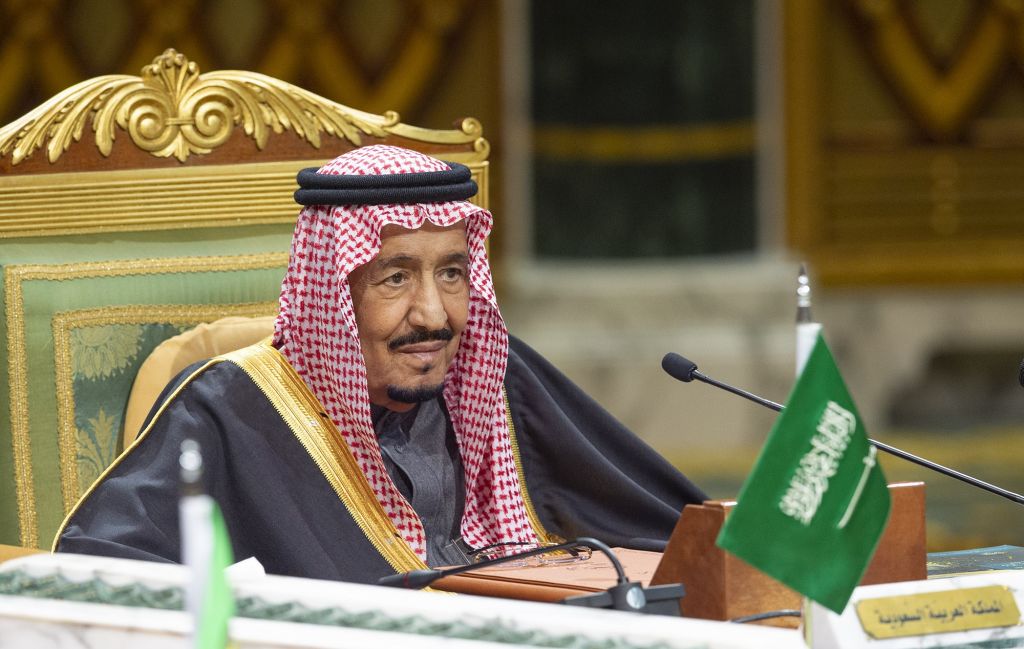
The steps the Saudis have taken in 2019 may help to ease international pressure on the kingdom’s leadership and restore its image as a constructive player in the world.
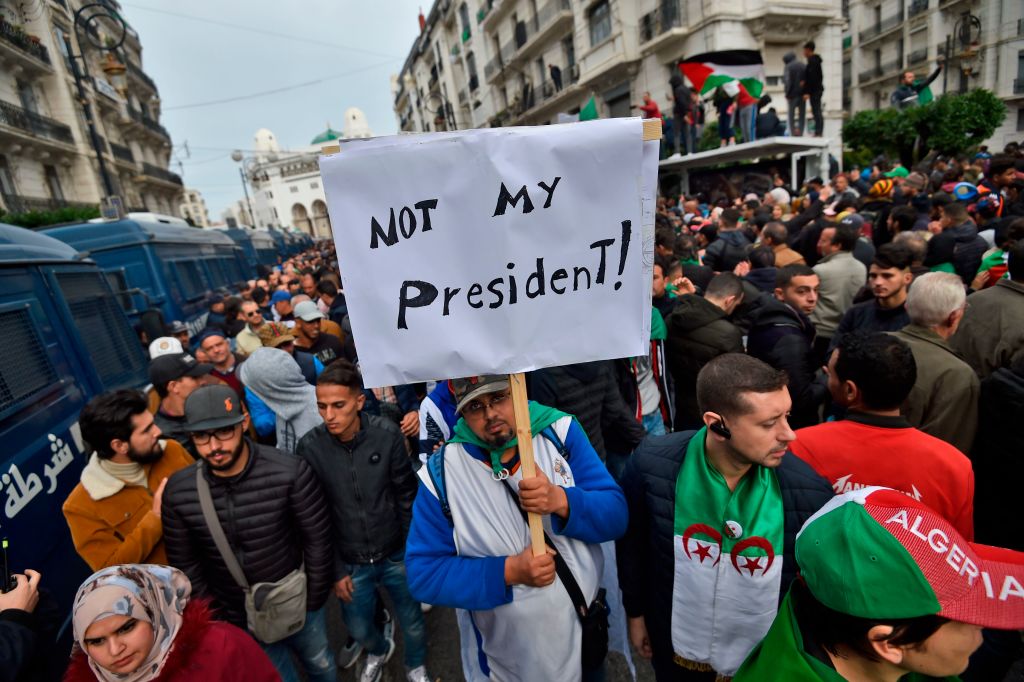
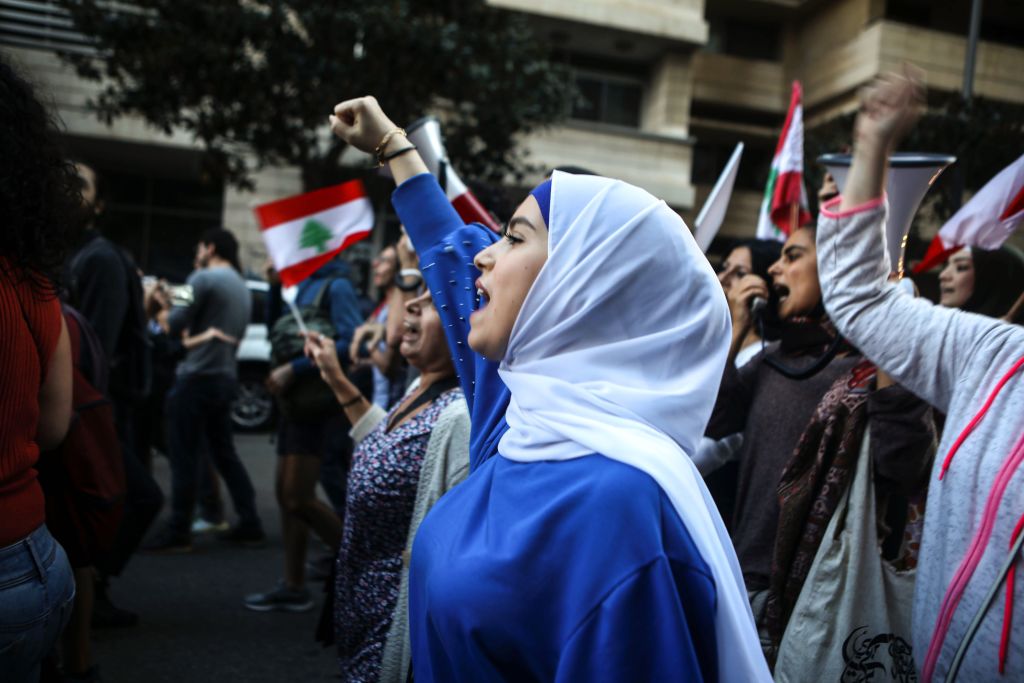
Newly elected President Abdelmadjid Tebboune and the Army leadership finish the year with doubtful legitimacy and remain at an impasse with a protest movement that has not yet developed visible, coherent leadership.
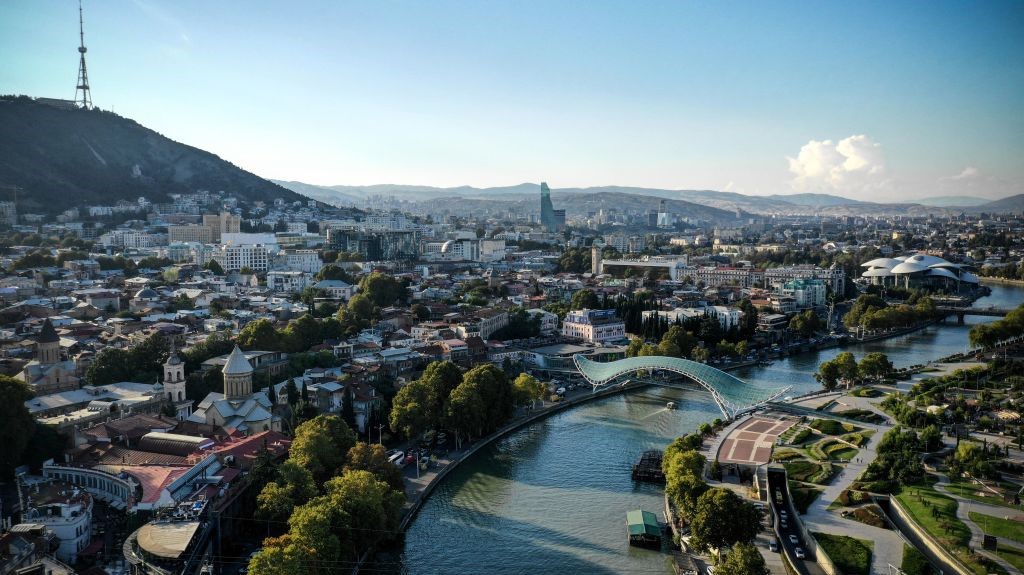
Given their territorial proximity, the regional actors of the Middle East have always had an interest in Georgia and the South Caucasus as a window to Europe. The collapse of the Soviet Union brought an end to Georgia’s isolation, and in the years since the country has gradually started reclaiming its historical role as a cultural and economic crossroads between Asia, the Middle East, and Europe.
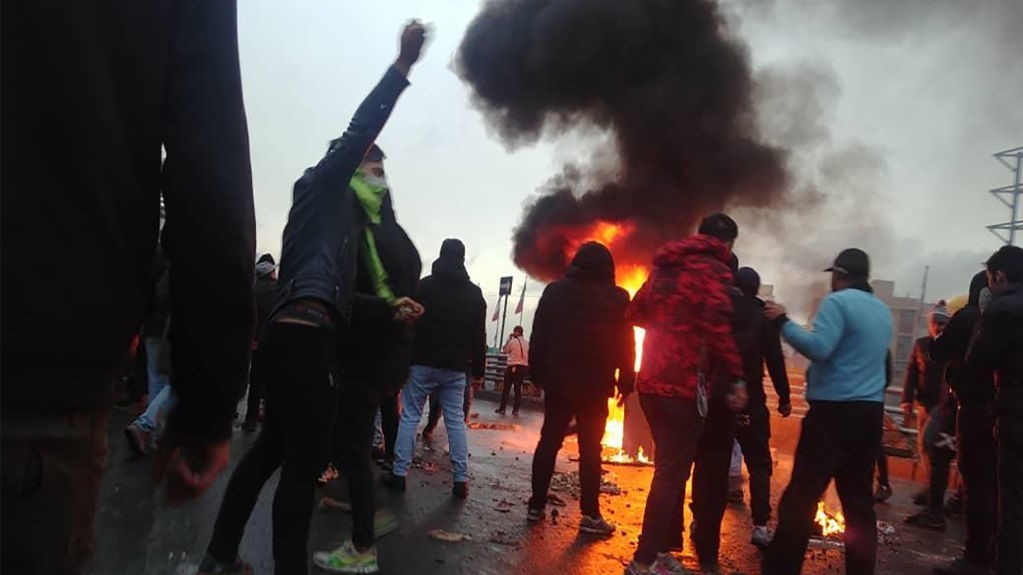
Researcher Mahsa Alimardani and MEI Cyber program director Mike Sexton join host Alistair Taylor to discuss the recent Iranian internet shutdown, its impact on protests and the nation’s economy, and what it means for the future of civil liberties in Iran and the wider region.
Azerbaijani gas is now ready to flow all the way to Europe
Turkey has completed the next-to-last piece of the 2,000-mile Southern Gas Corridor, a three-pipeline network that will send gas from Azerbaijan’s huge Shah Deniz field via Georgia and Turkey to Western Europe.
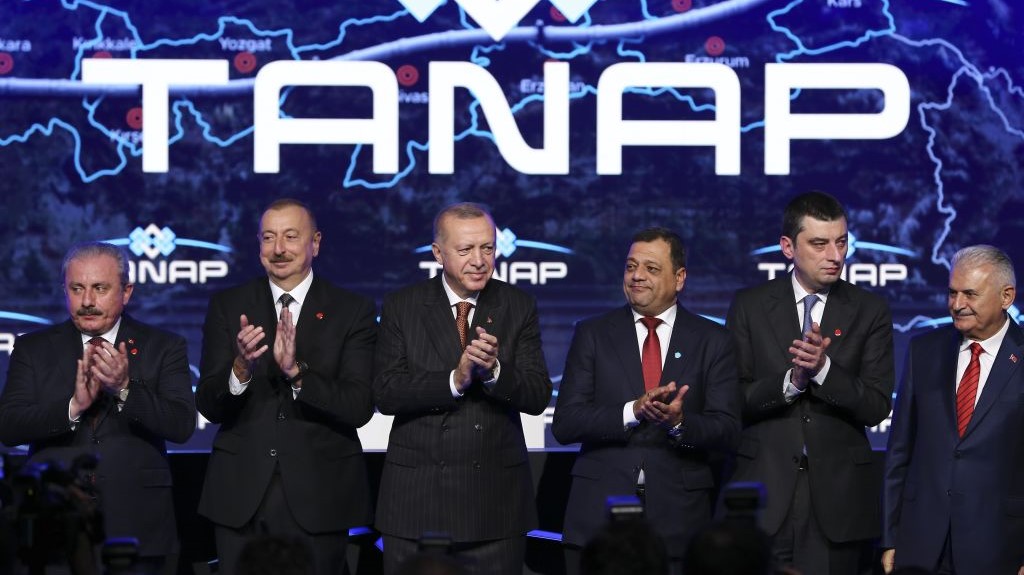
It was such a big deal that Turkish President Recep Tayyip Erdogan, Azerbaijani President Ilham Aliyev, and Georgian Prime Minister Giorgi Gakharia presided at the ribbon-cutting on Nov. 30. They were celebrating the completion of the pipeline that is the middle link in the Southern Gas Corridor: the Trans-Anatolian Natural Gas Pipeline (TANAP), which traverses Turkey.
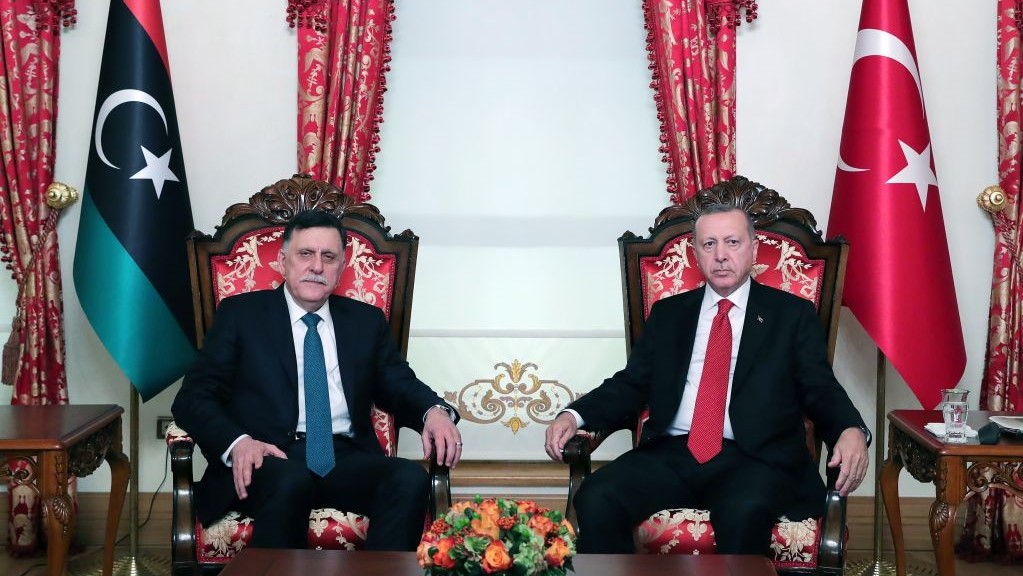
On Nov. 27 the GNA signed an MoU with Turkey seeking to create a shared maritime boundary in the Mediterranean Sea between southwestern Turkey and northeastern Libya. In an overt quid pro quo, this maritime agreement was signed along with a separate MoU to expand security and military cooperation. Thus, it seems clear that Turkey was only able to persuade the GNA to agree to the maritime deal in exchange for increased security support for the GNA-aligned forces fighting the self-styled LNA in Tripoli.
Upgrading Iran’s Military Doctrine: An Offensive “Forward Defense”
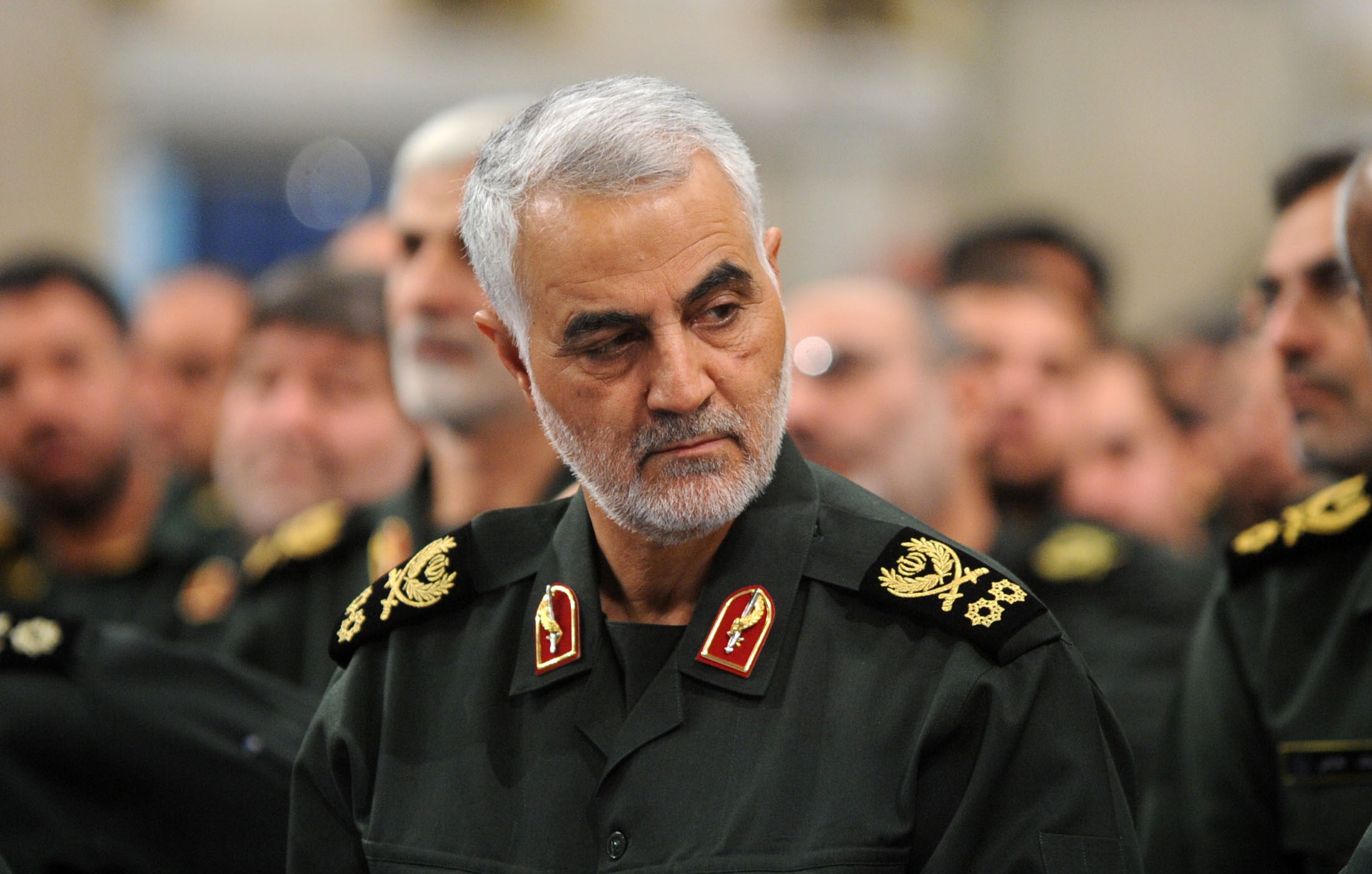
Since the 2011 “Arab Spring” uprisings, there have been several indications that Iran is shifting to an offensive military doctrine through the adoption of hybrid warfare. This essay will demonstrate that Iran’s “forward defense” doctrine emphasis on the offensive is influenced not simply by the “window of opportunity” created by regional upheaval but by a dispute about the domestic politics of the Islamic Republic between the radical Islamic Revolution Guards Corps (IRGC) and the reform camp within the regime currently represented by President Hassan Rouhani. This development represents a marked setback for the “civilianization” of the Iranian state.
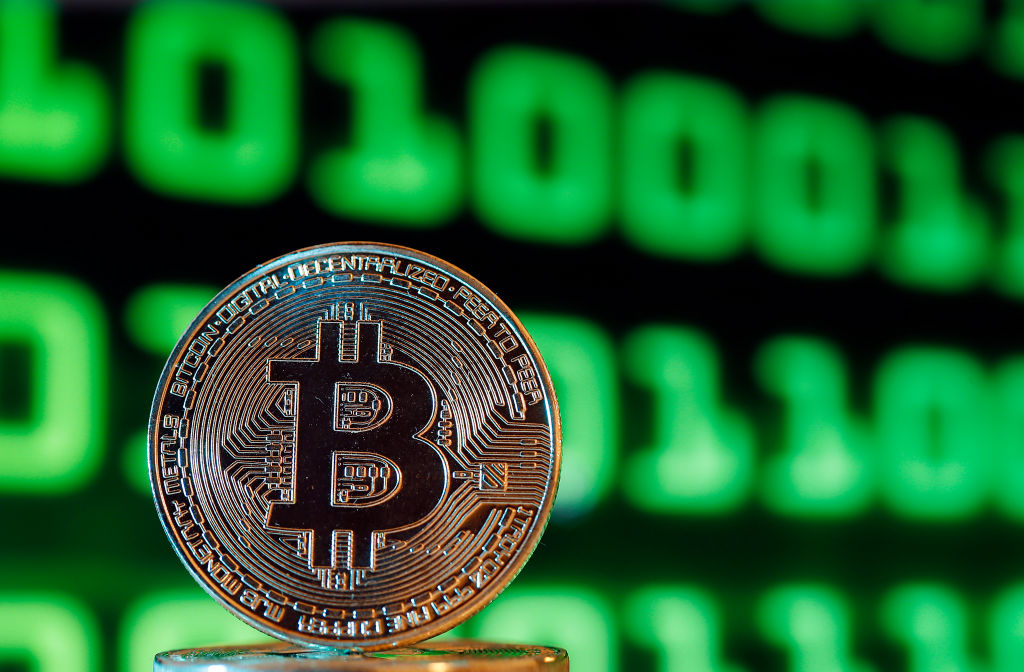
The subject of extensive international interest and attention over the past few years, blockchain technology is regarded as a key component of the fourth industrial revolution. This article seeks to shed light on the use of blockchain technology in the Gulf states by analyzing current trends of blockchain adoption in the region compared to those internationally. In so doing, it will determine Gulf institutions’ capacity for keeping pace with the changes and developments blockchain adoption has introduced.
Kuala Lumpur summit: A challenge to Saudi leadership?
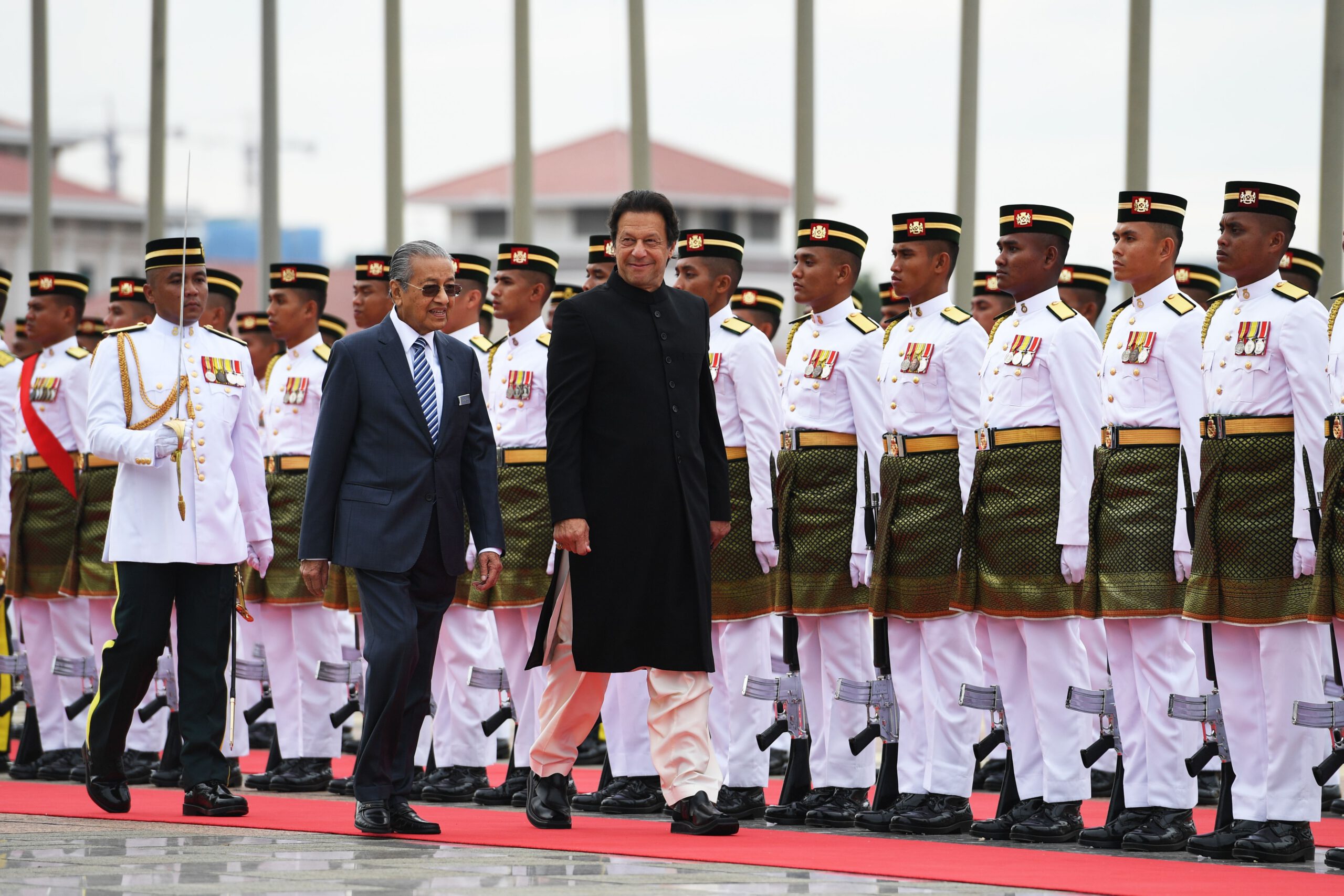
On Nov. 23, Malaysia’s prime minister, Mahathir Mohamad, announced that his country will stage an Islamic summit in Kuala Lumpur from Dec. 19-21. The event, on the theme of “The Role of Development in Achieving National Security,” will feature representatives from the host country as well as Indonesia, Pakistan, Qatar, and Turkey. Around 450 leaders, scholars, clerics, and thinkers from 52 countries will attend, along with Turkish President Recep Tayyip Erdoğan, Qatari Emir Sheikh Tamim bin Hamad al-Thani, Indonesian President Joko Widodo, and Pakistani Prime Minister Imran Khan.
The oldest peer-reviewed publication dedicated to the study of the modern Middle East, MEI’s flagship journal covers politics, society, and culture in the region.