Washington says it doesn’t know who runs Iran. Tehran insists its leadership is united. MEI Senior Fellow Alex Vatanka joins hosts Alistair Taylor and Matthew Czekaj to sort out where the truth lies. They look at the small circle of political and military figures now steering the war effort in Tehran: who they are, how they make decisions, and how unified they really are. They also discuss the current state of US-Iran negotiations, the role of the upcoming midterm elections in the United States, and how the Islamic Republic is preparing for a potential renewal of conflict afterward.
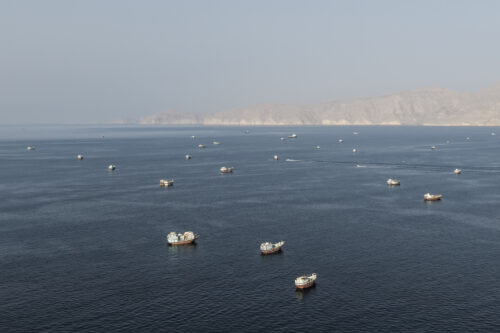
Crude oil is flowing out of the Gulf again, but the market is no better prepared for another disruption in the Strait of Hormuz. It has assembled a temporary system for managing one. Crude exports from the Gulf, excluding Iran, returned to pre-war levels in September, while total Gulf shipments reached 15.5 million barrels a day, more than 80% of the pre-conflict volume.
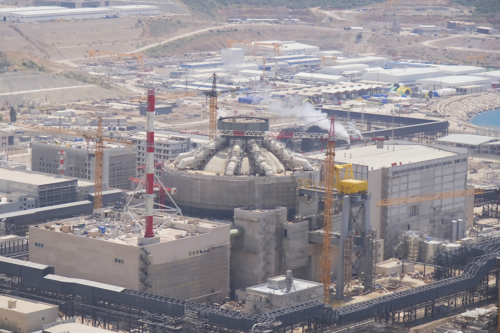
As a result of the Iran war, Turkish thinking about nuclear weapons appears to be shifting. Iran’s emergent ability to threaten regional states (and possible determination to acquire a nuclear weapon itself), growing concern about Israeli aggressiveness, doubts about US security guarantees, and greater Saudi nuclear autonomy are all pushing Ankara to consider a future nuclear option.
Since 1967, Israeli settlements in the West Bank have been a contested feature of the Israeli-Palestinian conflict. The ultimate disposition of the settlements and ongoing activity related to their growth have repeatedly defied agreement in negotiations over a resolution to the conflict.
The Houthis are a political-military faction and Zaydi religious movement founded in northwestern Yemen in the 1980s. A key member of Iran’s Axis of Resistance with links to other militant organizations in the Arabian Peninsula and the Horn of Africa, the group has continued to pose a threat to Western interests on a global scale.
The India-Middle East-Europe Economic Corridor (IMEC) is a proposed multinational infrastructure initiative aimed at upgrading connectivity between the three regions through integrated trade, energy, and digital networks. Announced at the G20 summit in New Delhi in September 2023, IMEC is envisioned partially as a counterweight to China’s international infrastructure project, the Belt and Road Initiative.
After a decade of post-Arab Spring isolation, Turkey’s leaders have recognized that their ambition to position the country as an agenda-setter on the world stage requires active engagement in all directions. President Recep Tayyip Erdoğan’s consolidation of executive authority has centralized foreign policy decision-making and tied it to his domestic political priorities, transforming the country’s revisionist approach to one shaped primarily by personal and pragmatic interests.
MEI Senior Fellow Brian Katulis engages friends, colleagues, and policy experts in casual conversations on the most important happenings in the Middle East.
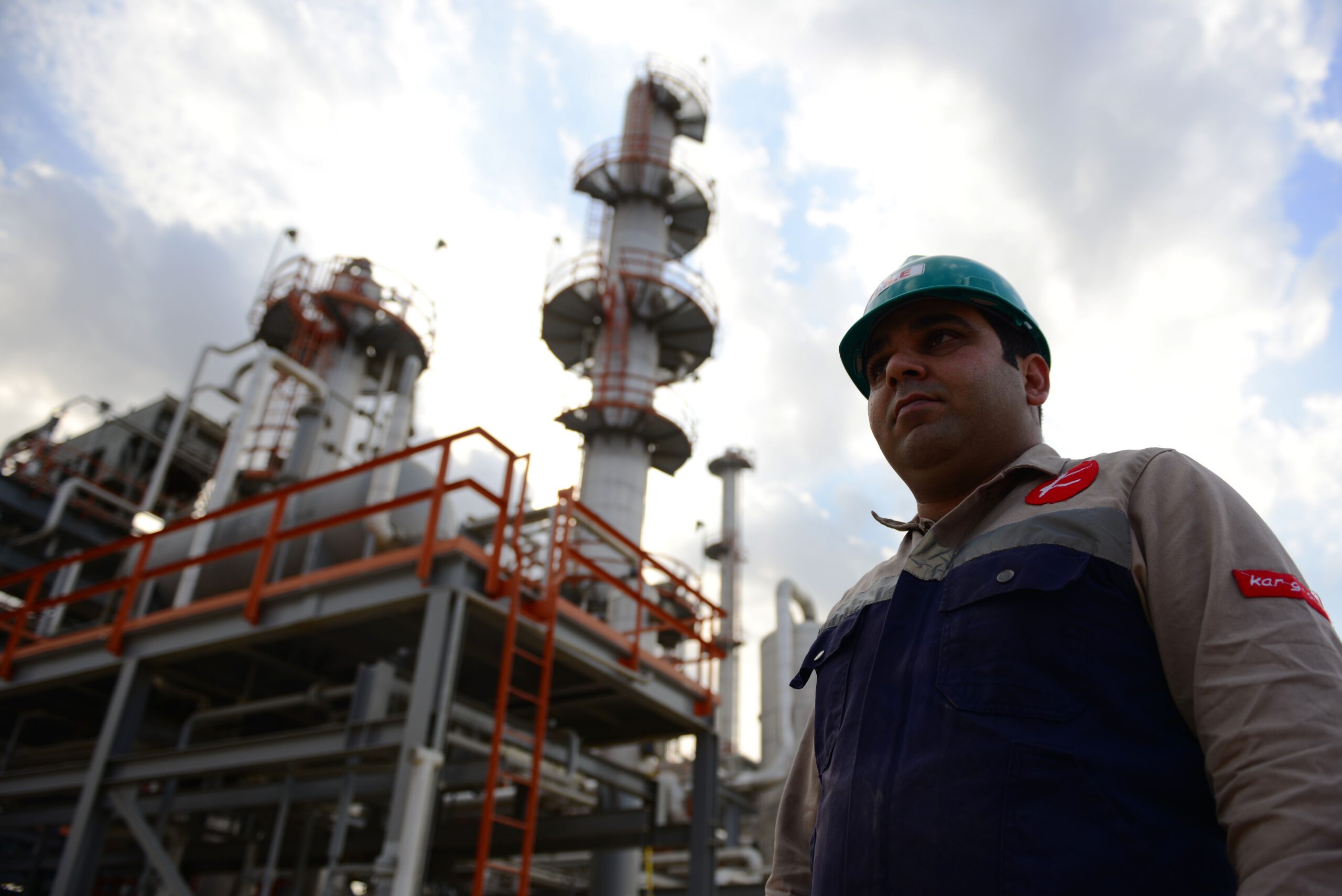
Finding a way forward in the Baghdad-Erbil oil dispute
Disagreements between Baghdad and the Kurdistan Regional Government over oil policy have been one of Iraq’s most stubborn problems. Resolving this issue would allow for better development of natural resources, generate more revenue that’s badly needed for reconstruction, and might potentially deflate competing claims to disputed territories.
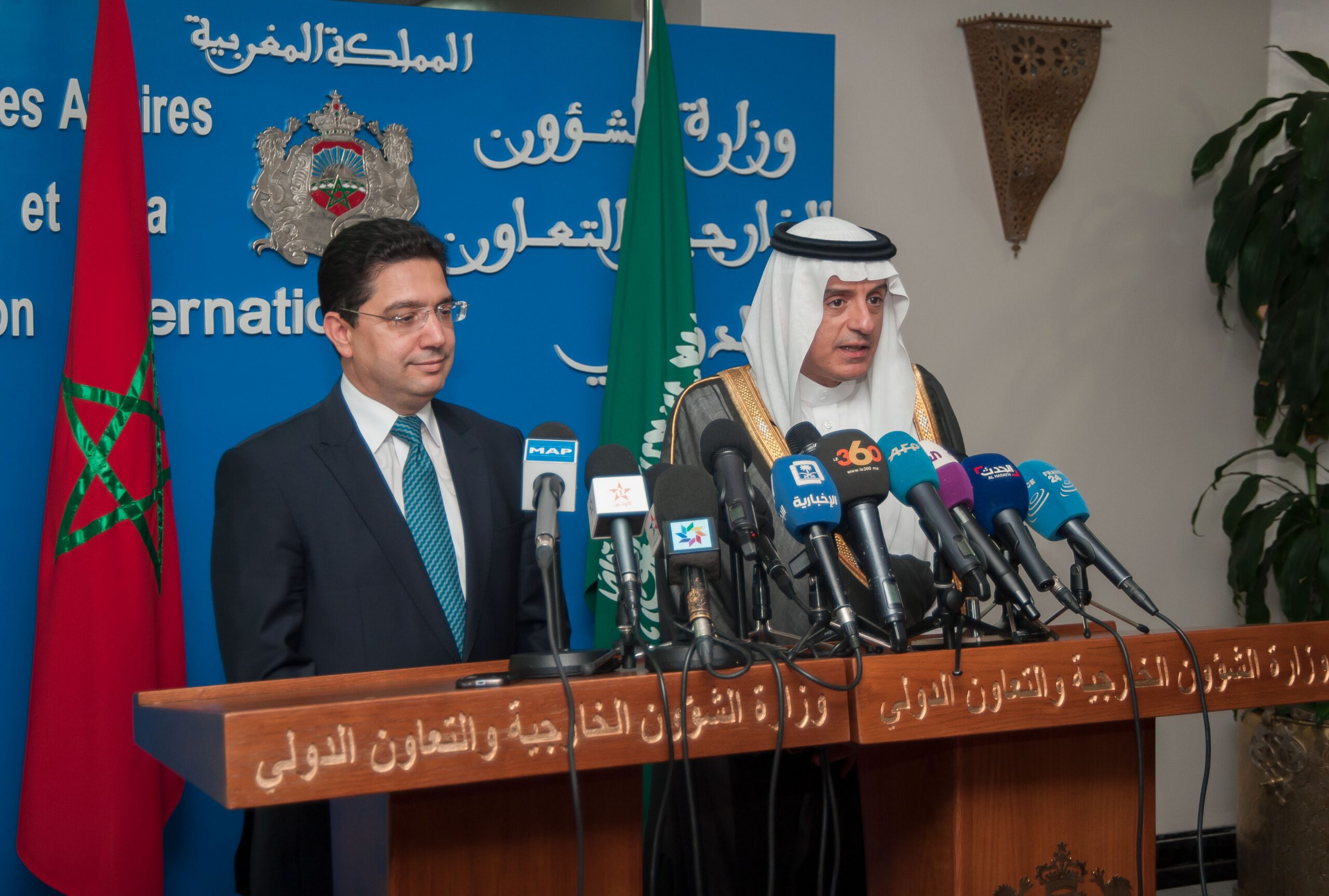
Mounting tensions between Morocco and Saudi Arabia
The alliance between Morocco and Saudi Arabia has historically been strong, bolstered by shared concerns about regional turmoil in the aftermath of the 2011 Arab Spring protests, but recent tensions have brought bilateral relations to an all-time low. Last month, frictions between Rabat and Riyadh came to the fore when Morocco recalled its ambassador from Saudi Arabia.
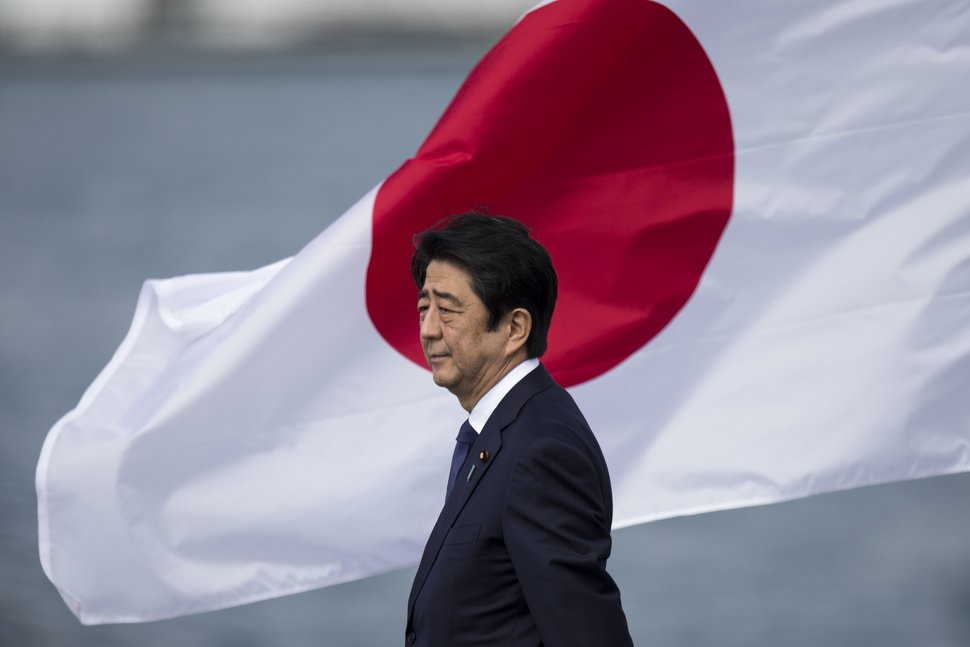
Japan and the Middle East: Navigating U.S. Priorities and Energy Security
How have Prime Minister Shinzo Abe’s efforts to recalibrate Japan’s foreign policy affected his approach to the Middle East? Japanese policy in the region has often been forced to balance between U.S. priorities and Tokyo’s own energy security needs. As the authors argue in this article, even on those rare occasions when Japan has shown signs of a more activist foreign policy in the Middle East, the pendulum tends to swing back to a cautious, energy security-focused approach that reflects caution, neutrality, and the avoidance of military entanglements.
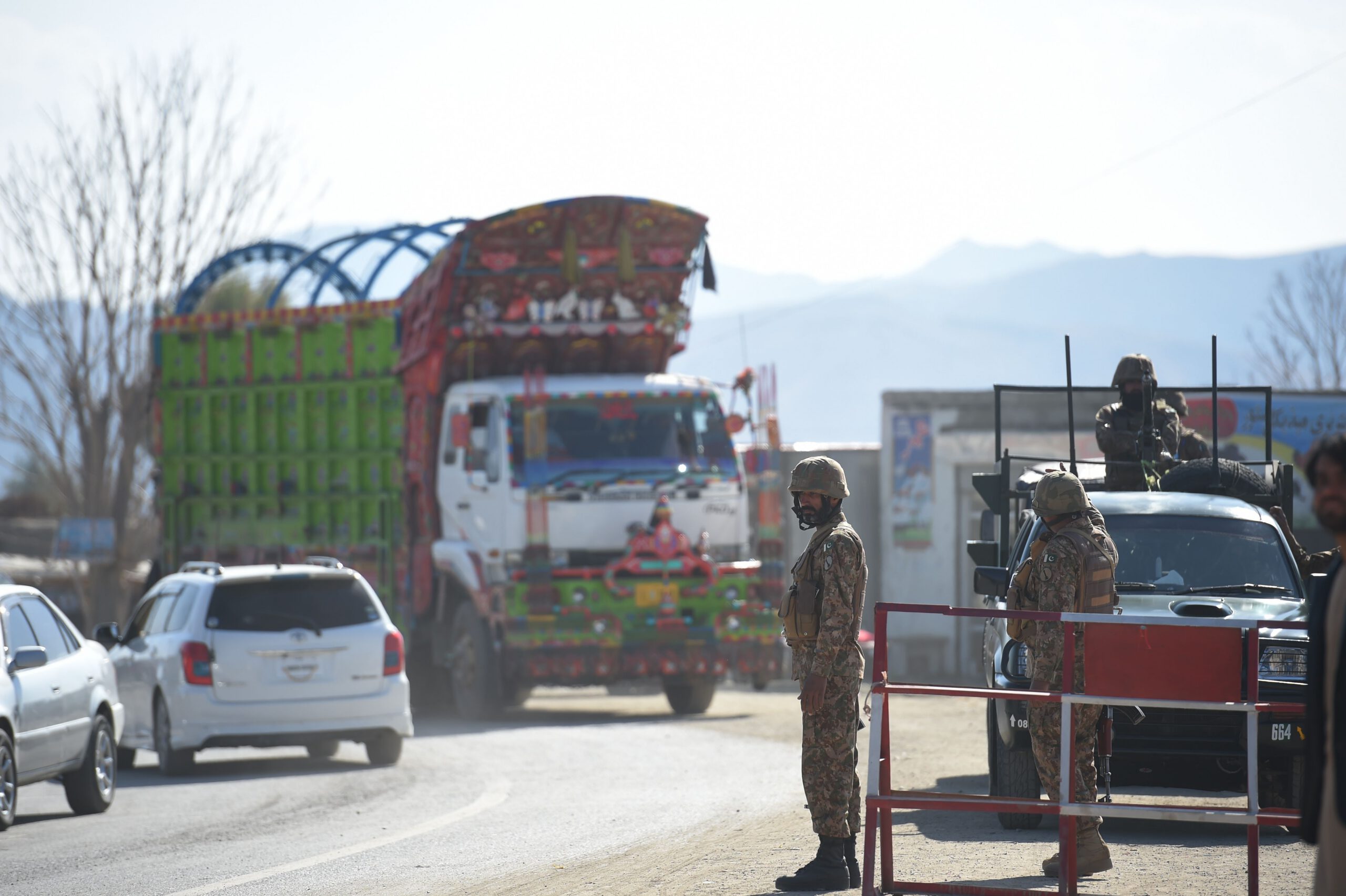
Monday Briefing: Tenuous promise in Pakistan and Afghanistan
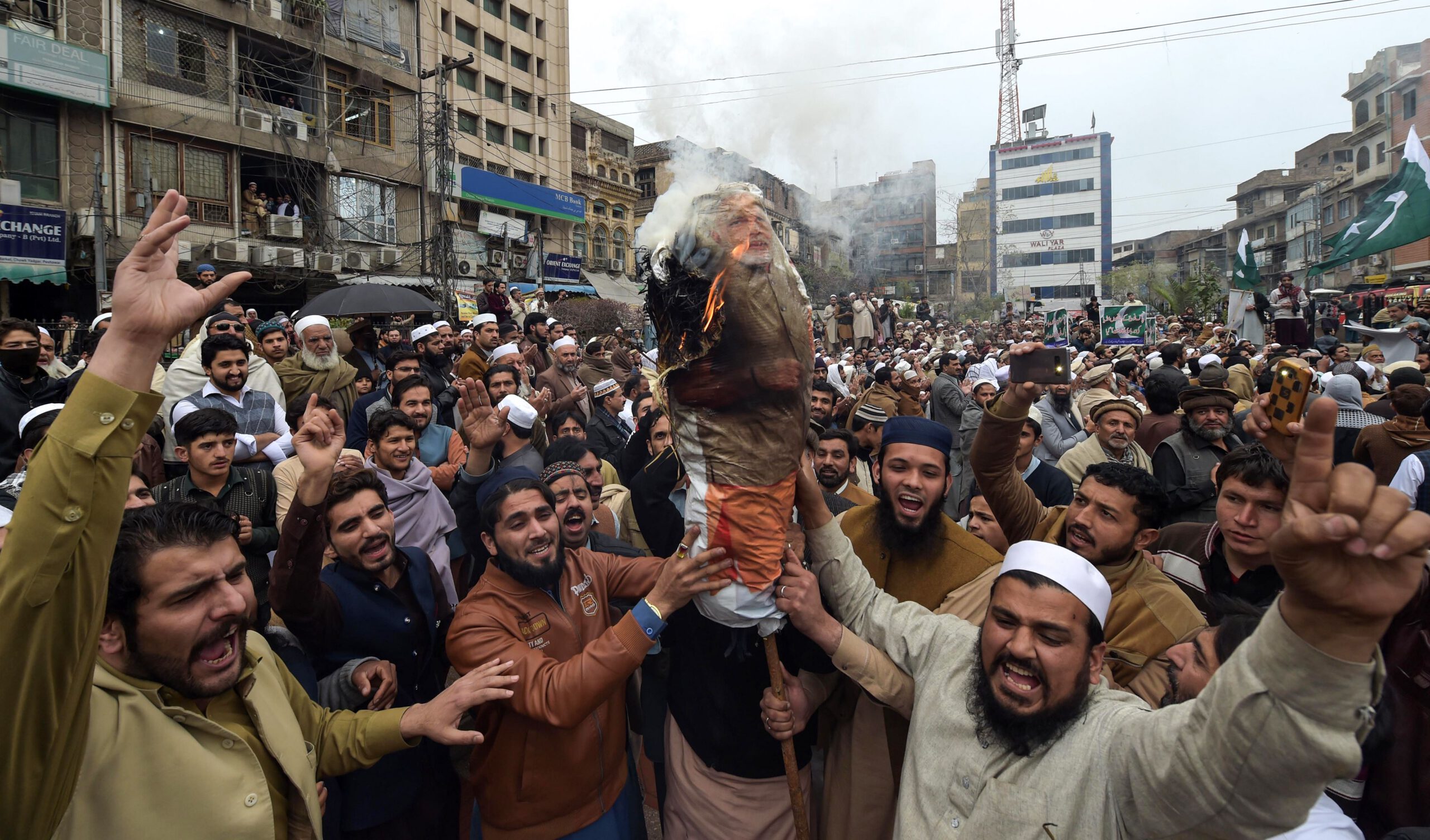
In this week’s Monday Briefing, MEI experts Marvin G. Weinbaum, Robert S. Ford, Alex Vatanka, and Birol Baskan provide analysis on recent and upcoming events including a potential agreement between Pakistan and Afghanistan, protests in Algeria, Rouhani’s planned trip to Baghdad, and recent Turkish naval exercises.
Madiha Afzal, visiting fellow at Brookings, and MEI’s Marvin Weinbaum join host Alistair Taylor to discuss Pakistan’s latest flare-up with India, the recent visit of Saudi Crown Prince Mohammed bin Salman, the US-Taliban talks, and the political and economic challenges facing the government of Imran Khan.
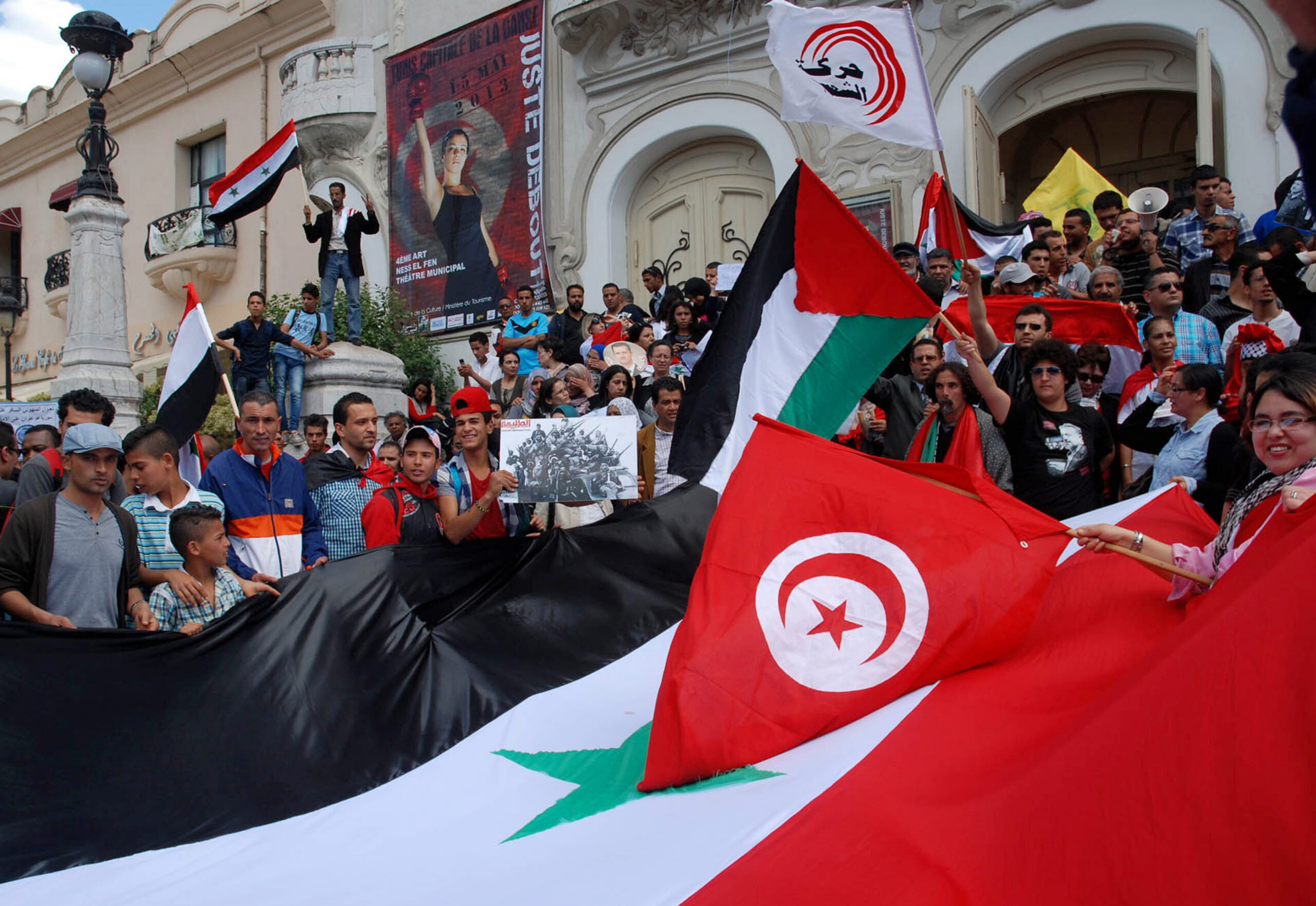
Observers of political affairs in the Arab world are keeping a close eye on the upcoming Arab League summit, set to be held at the end of March in Tunis. Although Syria will not participate in the meeting, the question of when, or how, to bring Damascus in from the cold after an eight-year suspension from the body will be the most important issue on the agenda.
After Warsaw is there a future for the Arab Peace Initiative?
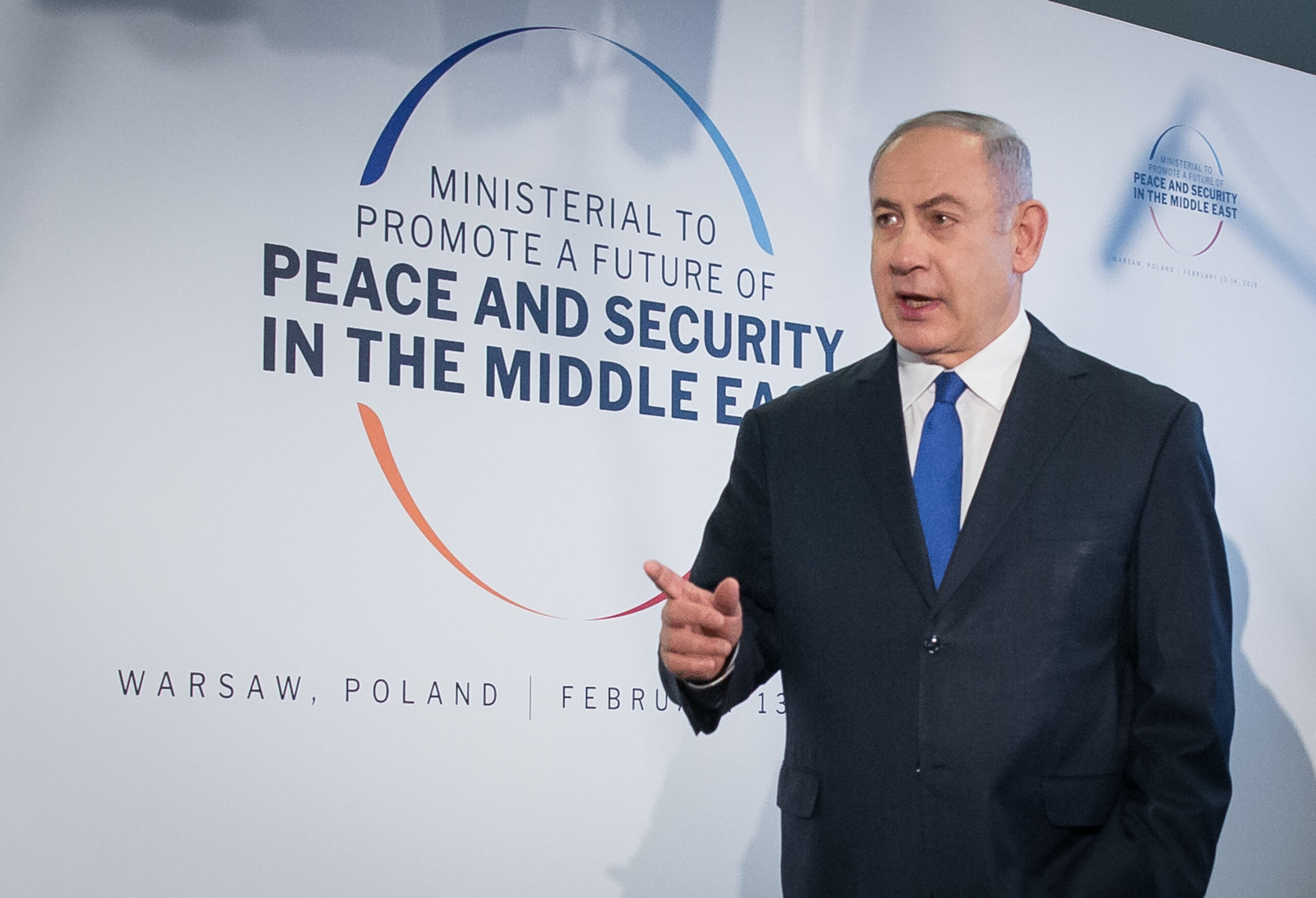
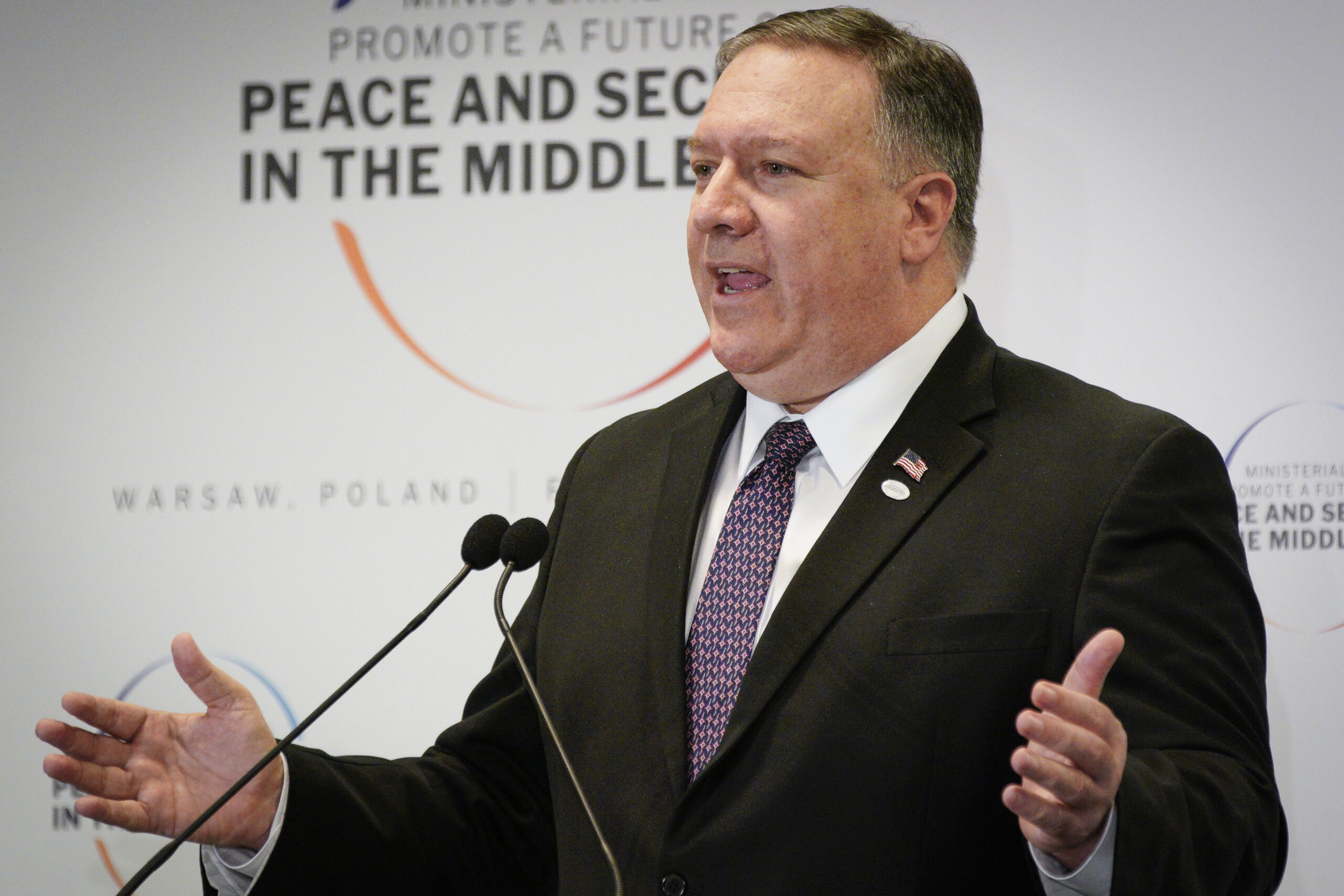
Washington devised the recent Middle East summit in Warsaw in the hope of mobilizing a broad front against Iran. In the end though, it was Israeli Prime Minister Benjamin Netanyahu who reaped the greatest reward.
Indonesia’s Democratization Underpinned by Major Islamic Groups and Consensus on National Ideology
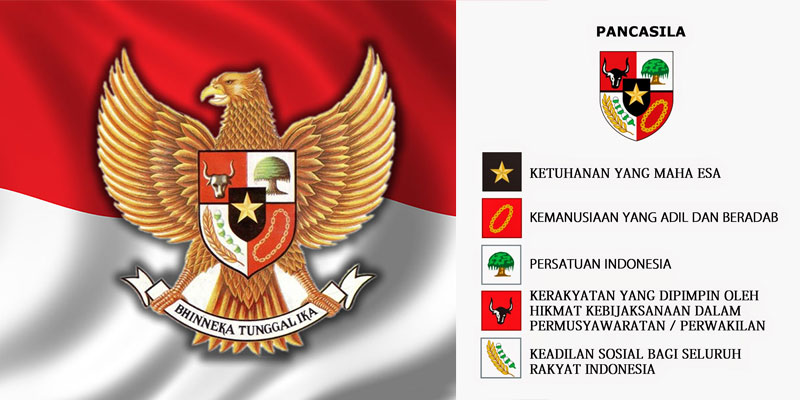
One of the most important reasons for Indonesia’s relative success is undoubtedly the existence of Pancasila, the pluralist State ideology. Equally important is the presence and role of major Islamic social and political groups, including the large Islamic mass organizations and Islamist political parties, that have supported the development of a truly inclusive, pluralistic and participatory democracy in Indonesia based on Pancasila.
Targeting the Revolutionary Guard: Why Iran’s blame game is not the answer
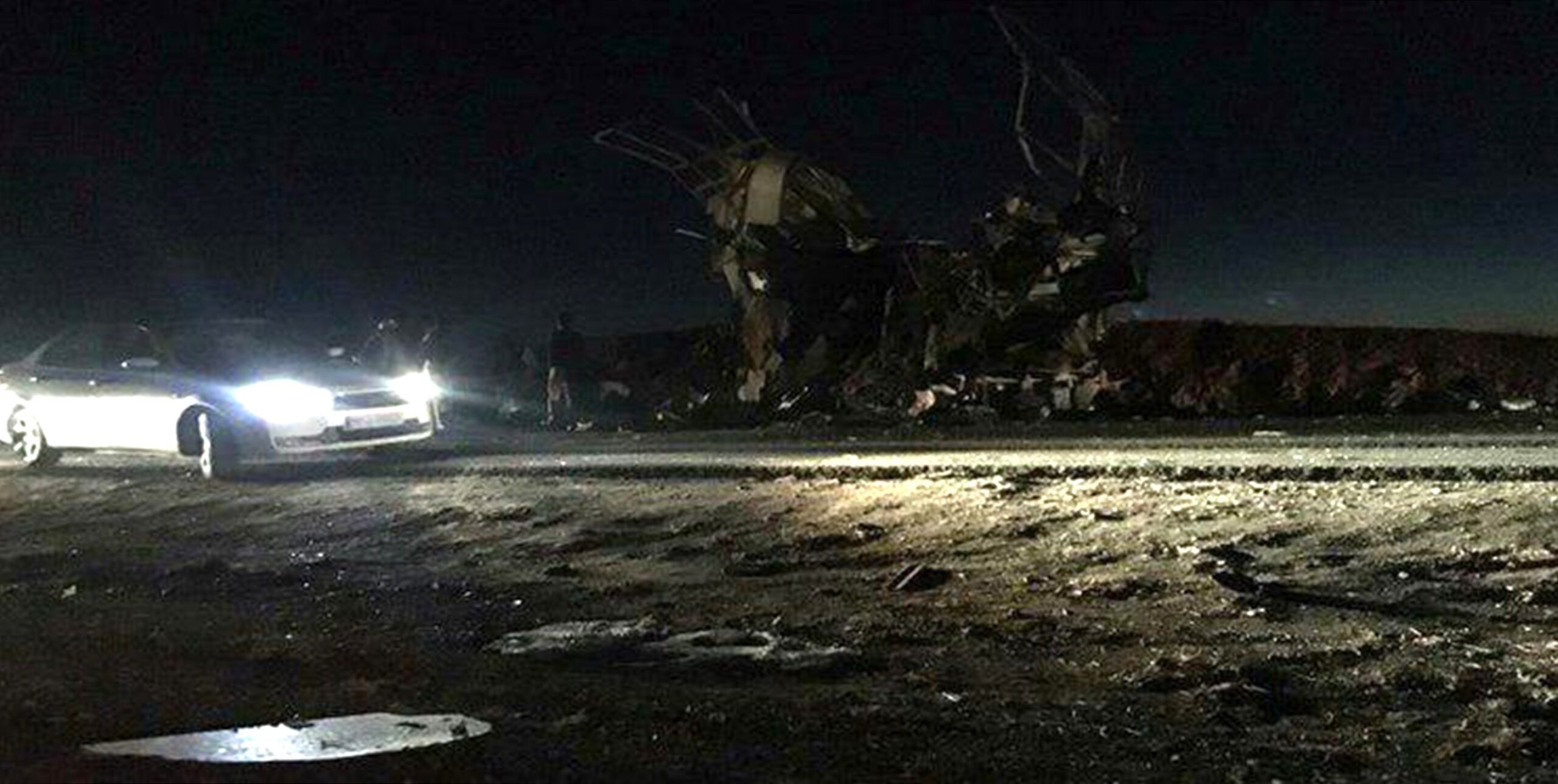
Following the Feb. 13 truck bomb on members of Iran’s Islamic Revolutionary Guards Corps in Sistan-Baluchistan, the government was quick to blame foreign powers. Iranian officials aim to deflect attention from the country’s intractable internal problems, such as the persecution of its Sunni minority, a deep-rooted issue that has often been overlooked by the international community.
Gerald Feierstein, MEI’s senior vice president, discusses the context of the resignation and its implications for Iran’s foreign policy, including the nuclear deal, as well as for its domestic politics.
Monday Briefing: Egypt hosts first EU-Arab League summit
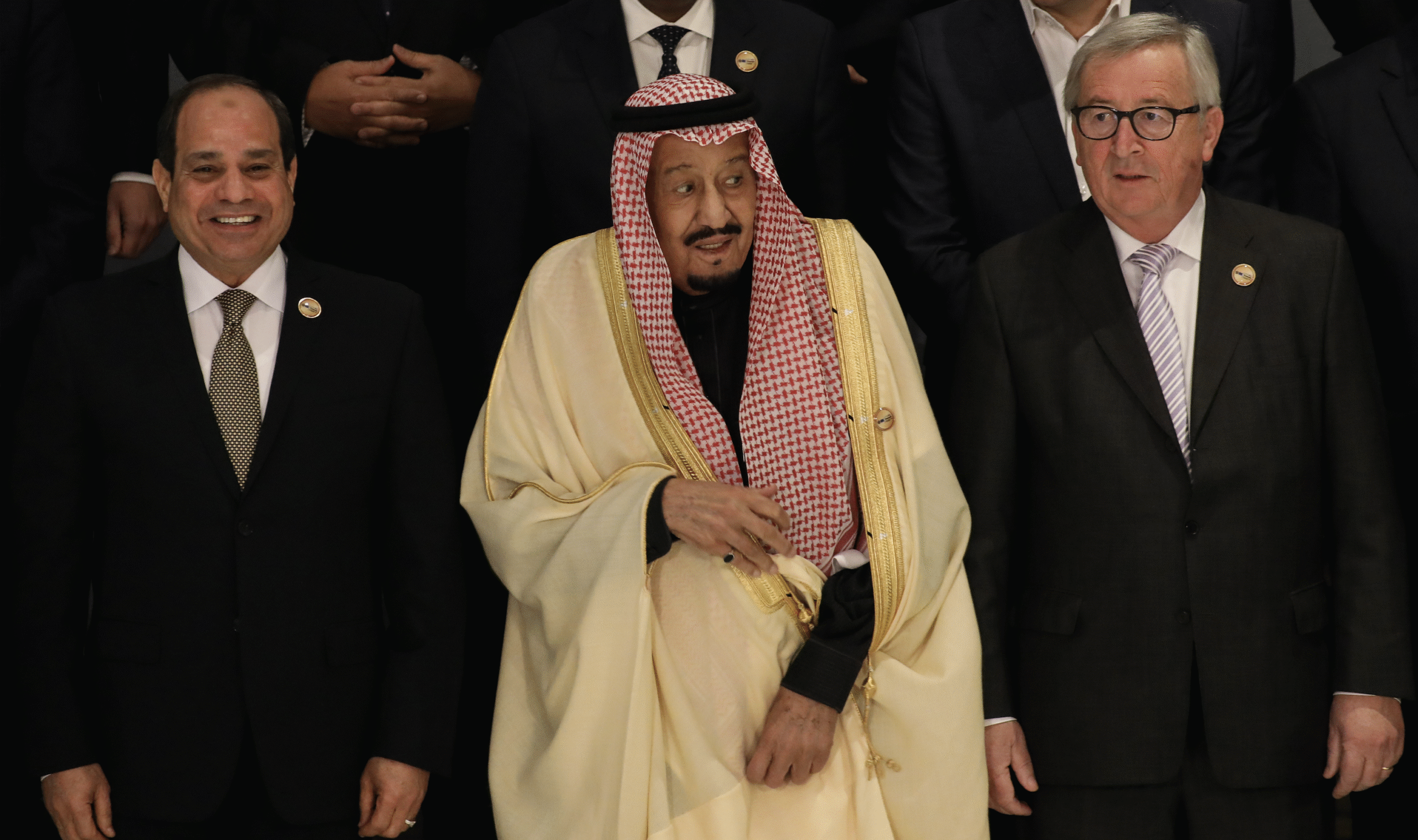
In this week’s Monday Briefing, contributors Mirette F. Mabrouk, Gerald Feierstein, Marvin G. Weinbaum, Przemysław Osiewicz, Grace Wermenbol, and W. Robert Pearson provide analysis on recent and upcoming events including the EU-Arab League summit, the progress in US-Taliban talks, challenges to Israeli Prime Minister Benjamin Netanyahu’s power, consequences of the Kashmir attack, and Turkey’s next steps in Syria.
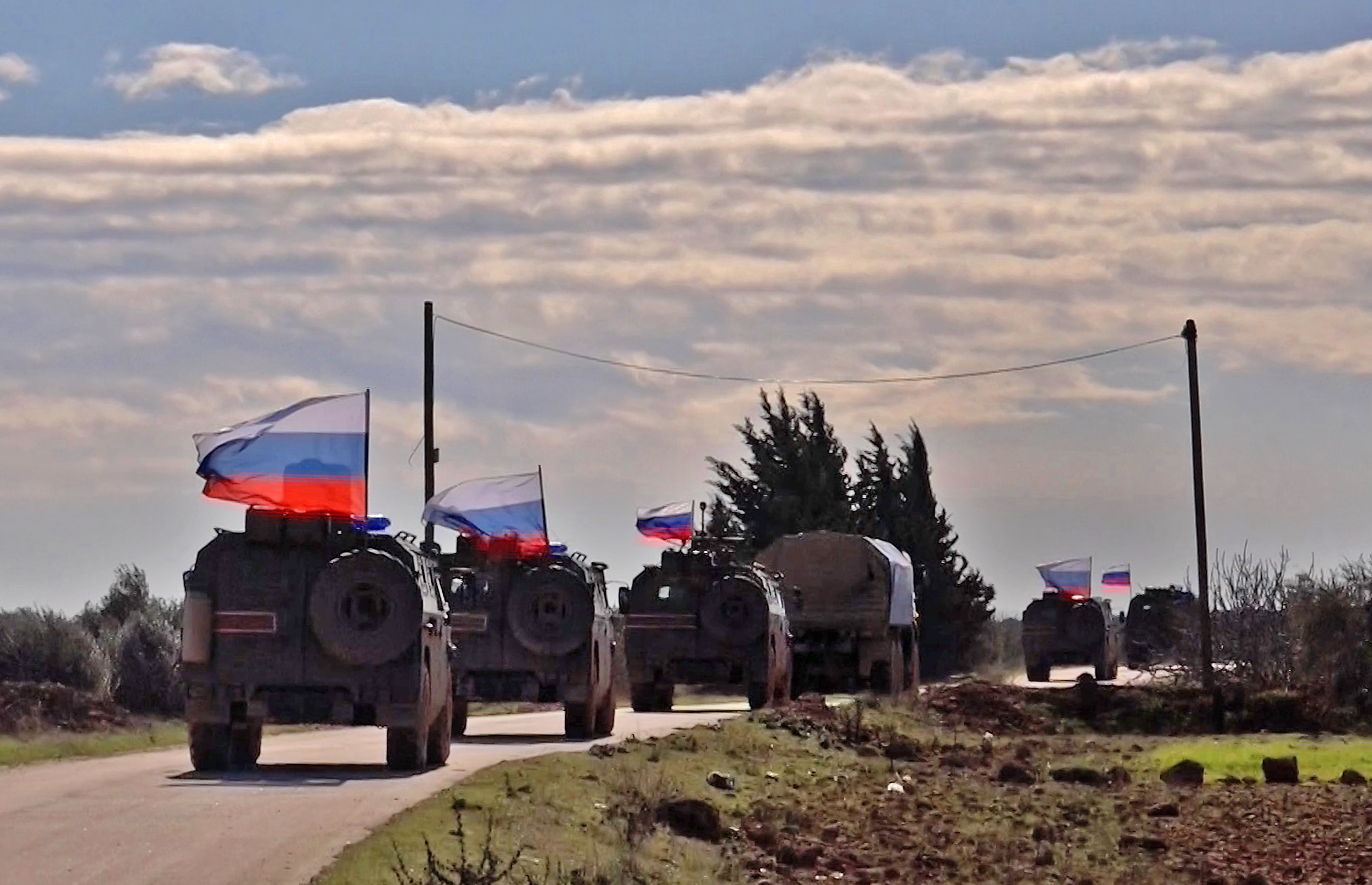
As the Sochi talks made clear, for all their efforts, Russia and Turkey remain far from a joint resolution on Manbij. But the two sides do not have equal clout on the issue. Russia’s significant and expanding military police presence in the Manbij countryside gives Moscow the final say on what will happen there, a reality that could result in Ankara losing some or all of the region to its Syrian rivals in Damascus.
The EU-Arab League Summit and the African migration crisis
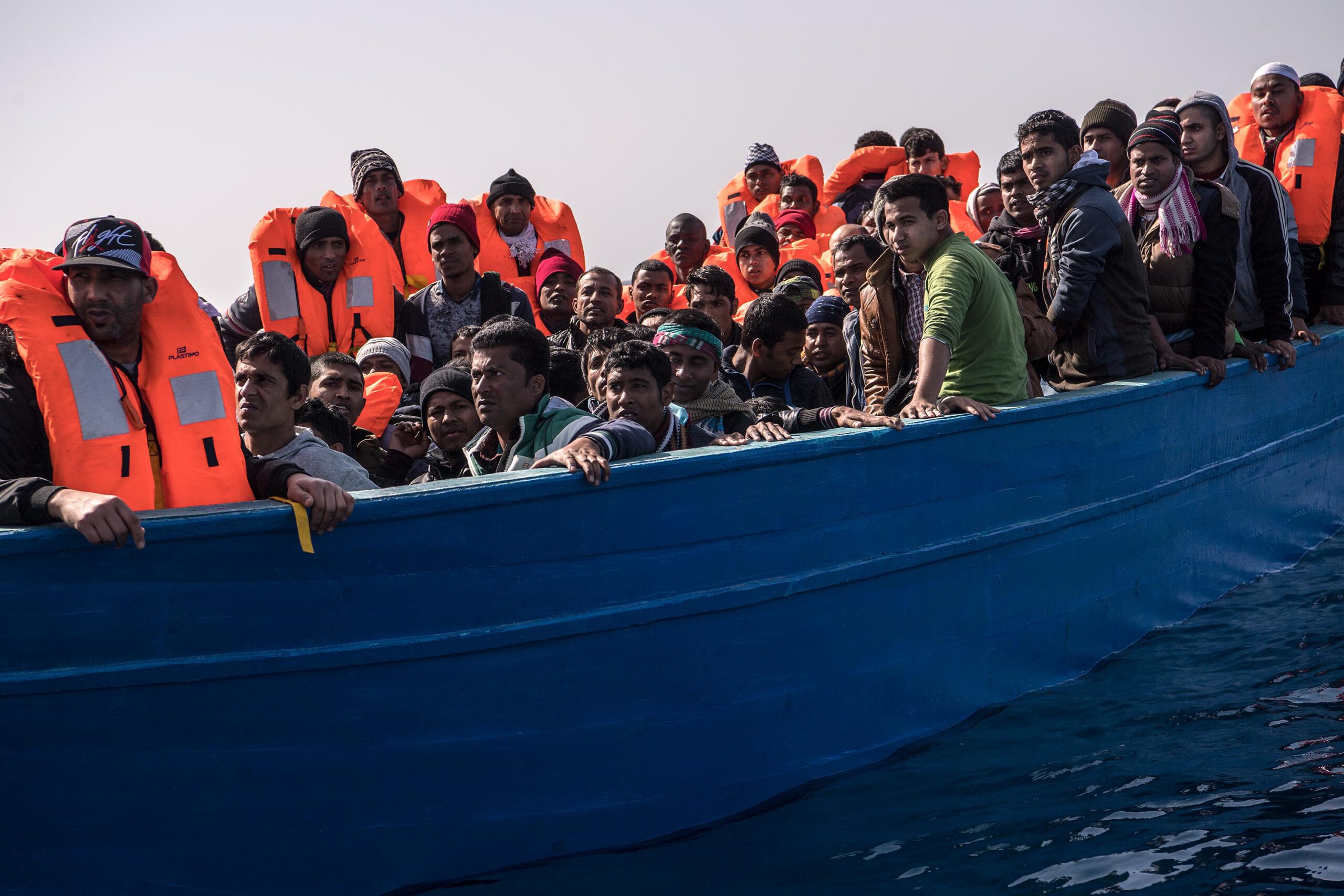
When this month’s EU-Arab League Summit in Egypt was announced last September, the issue of African migration to Europe topped the agenda. Other high-priority issues have since been added — such as solving five regional conflicts and addressing security, trade, and multilateralism — but migration remains the highest priority for a Europe still reeling from the 2015 migrant crisis.
The Middle East summit in Warsaw: Dead on arrival?
The Middle East Summit held last week in Warsaw, Poland, has been heavily criticized as a meeting to bolster anti-Iranian sentiments, rather than a genuine attempt at peace negotiations. This carries serious implications for the Middle East as well as US-EU relations.
Kenneth Pollack, resident scholar at AEI, joins host Alistair Taylor to discuss his new book, Armies of Sand: The Past, Present, and Future of Arab Military Effectiveness.
The oldest peer-reviewed publication dedicated to the study of the modern Middle East, MEI’s flagship journal covers politics, society, and culture in the region.