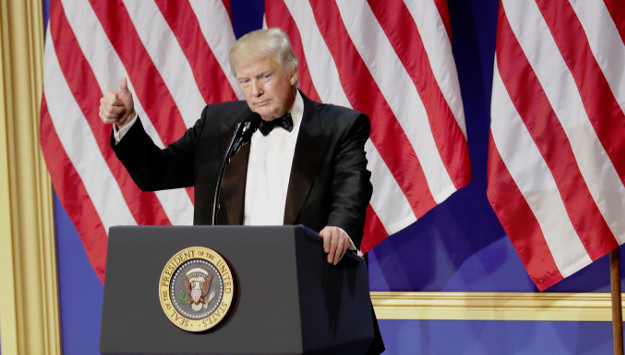
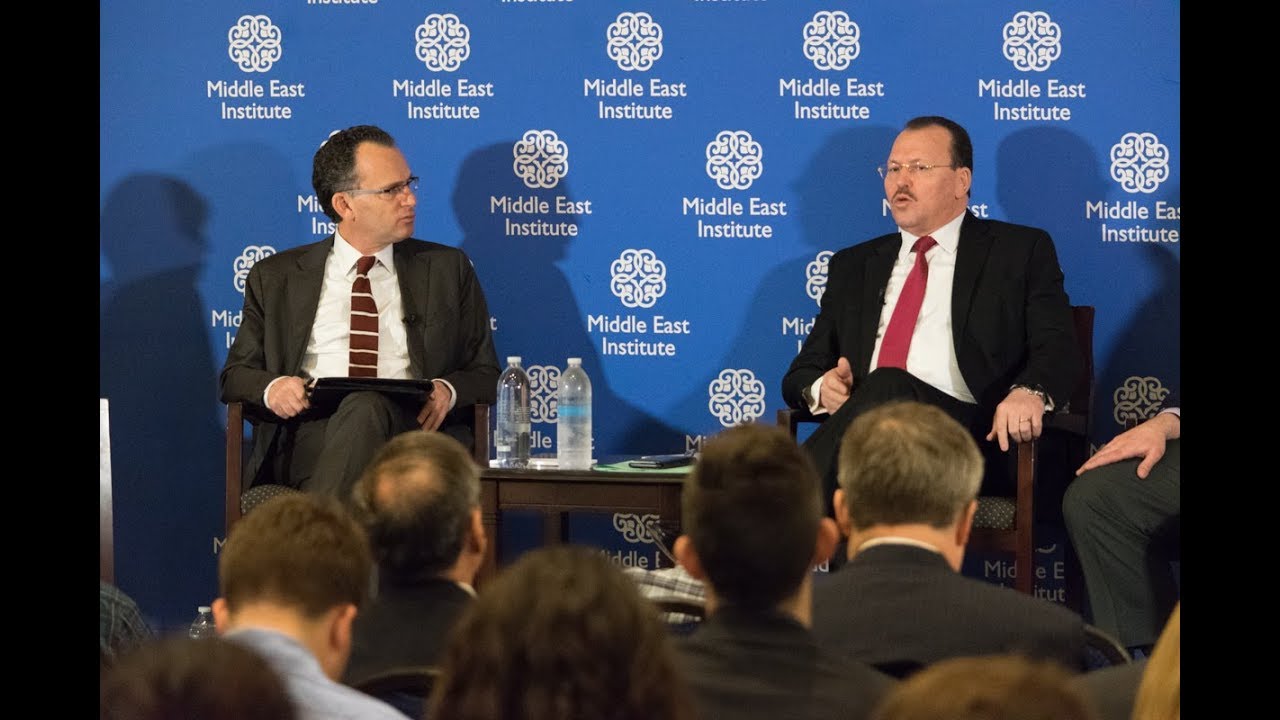
Washington says it doesn’t know who runs Iran. Tehran insists its leadership is united. MEI Senior Fellow Alex Vatanka joins hosts Alistair Taylor and Matthew Czekaj to sort out where the truth lies. They look at the small circle of political and military figures now steering the war effort in Tehran: who they are, how they make decisions, and how unified they really are. They also discuss the current state of US-Iran negotiations, the role of the upcoming midterm elections in the United States, and how the Islamic Republic is preparing for a potential renewal of conflict afterward.
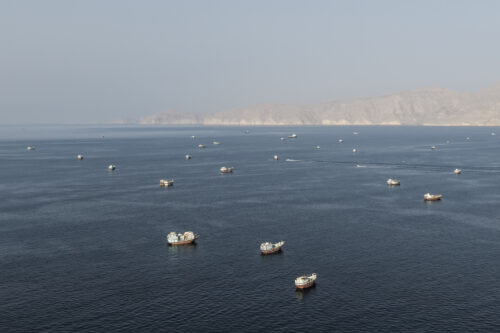
Crude oil is flowing out of the Gulf again, but the market is no better prepared for another disruption in the Strait of Hormuz. It has assembled a temporary system for managing one. Crude exports from the Gulf, excluding Iran, returned to pre-war levels in September, while total Gulf shipments reached 15.5 million barrels a day, more than 80% of the pre-conflict volume.
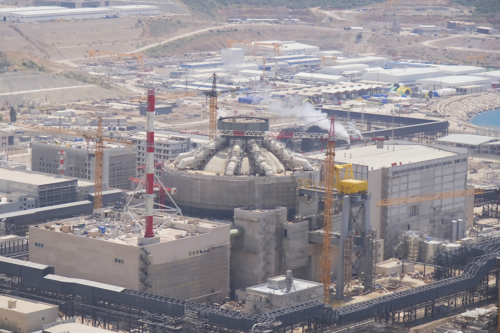
As a result of the Iran war, Turkish thinking about nuclear weapons appears to be shifting. Iran’s emergent ability to threaten regional states (and possible determination to acquire a nuclear weapon itself), growing concern about Israeli aggressiveness, doubts about US security guarantees, and greater Saudi nuclear autonomy are all pushing Ankara to consider a future nuclear option.
Since 1967, Israeli settlements in the West Bank have been a contested feature of the Israeli-Palestinian conflict. The ultimate disposition of the settlements and ongoing activity related to their growth have repeatedly defied agreement in negotiations over a resolution to the conflict.
The Houthis are a political-military faction and Zaydi religious movement founded in northwestern Yemen in the 1980s. A key member of Iran’s Axis of Resistance with links to other militant organizations in the Arabian Peninsula and the Horn of Africa, the group has continued to pose a threat to Western interests on a global scale.
The India-Middle East-Europe Economic Corridor (IMEC) is a proposed multinational infrastructure initiative aimed at upgrading connectivity between the three regions through integrated trade, energy, and digital networks. Announced at the G20 summit in New Delhi in September 2023, IMEC is envisioned partially as a counterweight to China’s international infrastructure project, the Belt and Road Initiative.
After a decade of post-Arab Spring isolation, Turkey’s leaders have recognized that their ambition to position the country as an agenda-setter on the world stage requires active engagement in all directions. President Recep Tayyip Erdoğan’s consolidation of executive authority has centralized foreign policy decision-making and tied it to his domestic political priorities, transforming the country’s revisionist approach to one shaped primarily by personal and pragmatic interests.
MEI Senior Fellow Brian Katulis engages friends, colleagues, and policy experts in casual conversations on the most important happenings in the Middle East.
Trump announces “mission aborted” in Syria – Paul Salem
In a speech on Thursday, President Donald Trump reversed his administration’s policy on Syria, declaring “we’re coming out of Syria very soon. Let the other people take care of it now.”
Iranian Arabs stage rallies in Khuzestan to protest state-sanctioned discrimination
Scores of Iranian Arabs staged anti-government protest rallies in western Khuzestan Province after the Islamic Republic of Iran Broadcasting (IRIB) excluded the Arab community’s cultural identity in a New Year TV show that was ironically supposed to showcase Iran’s diversity. The protesters called the program aired on the state-run TV “insulting” and demanded an apology from the IRIB.
Egypt’s elections and what’s ahead in Sisi’s second term
Amb. Nabil Fahmy, dean of the School of Global Affairs and Public Policy at the American University in Cairo, joins host Paul Salem to discuss the political situation in Egypt and the range of issues facing President Abdel Fattah el-Sisi following his reelection this week to a second term in office.
Elections in Tunisia and hope for democratic reform
Leading up to long-awaited municipal elections, Tunisia is at a crossroads. The beginning of 2018 saw widespread protests and social unrest in both cities and rural areas, as economic stagnation and unemployment continue to worsen. However, the vote currently set for May 6 signals an opportunity for Tunisian youth, women, and minorities to make their voices heard.
Limit Iran's missiles? Sure, but first come up with a plan
Critics of the Iran nuclear deal have consistently argued that one of its major flaws is that it didn’t address Tehran’s ballistic missile program. Imposing limits on those weapons of terror, opponents of the deal say, is a primary U.S. objective and should have been part of our negotiating strategy with the Iranians from the beginning.
Arab leaders call on Iran to stop destabilizing role in region
The UN Security Council should hold Iran responsible for disrupting regional and international security and providing ballistic missiles to the Houthi militants in Yemen to attack Saudi Arabia and other Gulf nations, the speaker of the Arab Parliament has said.
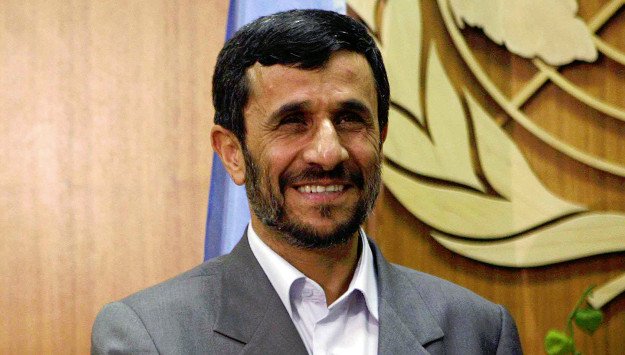
Ahmadinejad’s aide targets Judiciary and Quds Force in new open letter
In a scathing open letter published online, a close aide to Mahmoud Ahmadinejad has continued the public feud between the former president’s team and the country’s judicial and military institutions. In the letter addressed to the Judiciary, Hamid Baqaei, a former vice president who was recently arrested on embezzlement charges, questioned the fairness and transparency of the country’s judicial system. He also crossed a regime red line by raising questions about the country’s secretive Quds Force and its chief commander, Major General Qassem Soleimani.
Saudi Arabia jails two on charges of working with Iran and Iraqi Hezbollah to attack Eastern Province
The Criminal Court of Riyadh today sentenced two Saudi citizens on charges of engaging in acts of terrorism and conspiring with Iran and its regional proxies to destabilize Saudi Arabia, the Arab press reported.
Domestic and International Considerations in China's “Halalification” (清真乏化)
This article explores Chinese eagerness to join and dominate the global Halal market via the Belt and Road Initiative (BRI). Secondly, it examines why the state selected the Hui Muslims of Ningxia, rather than the larger community of Uyghurs in Xinjiang, to lead Sino-Muslim world trade. This section introduces model minority theory to assess Chinese government policy. Third, the article assesses the potential conflict between the Chinese export strategy with growing domestic resentment toward increasingly visible Halal segregation.
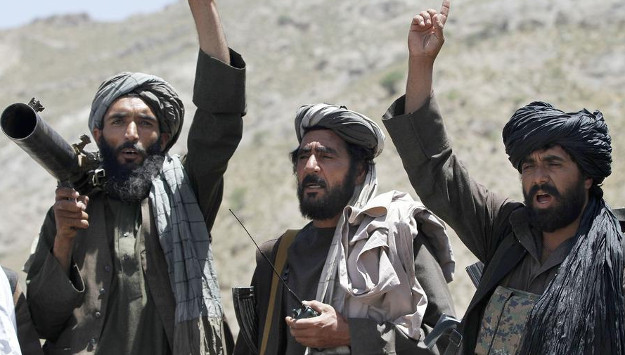
A rare prospect for peace has come into sight in Afghanistan in the wake of Afghan President Ashraf Ghani’s bold offer to the Taliban. In a sweeping proposal, and for perhaps the first since the U.S.-led invasion of Afghanistan in 2001, Ghani suggested a cease-fire, removal of sanctions, prisoner release, recognition of the Taliban as a political party, fresh elections and a constitutional review. Speaking at the Kabul Process, a two-day Western-backed peace conference, Ghani has demonstrated remarkable boldness and vision.
Iranian clerics in Qom feel insecure amid rising popular anger
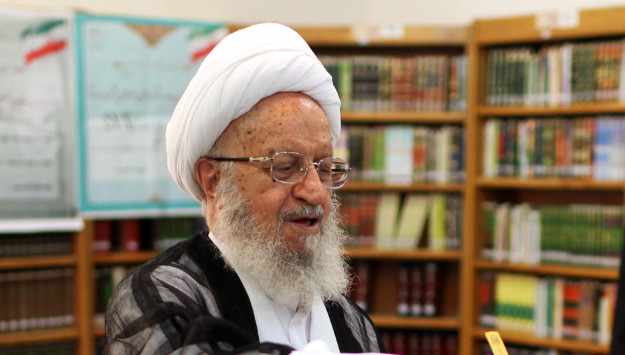
Ayatollah Naser Makarem Shirazi, a prominent Iranian Shiite religious leader, has called on authorities to prevent “infiltrators” from entering Iran’s holy city of Qom, Radio Fardo reported today. Shirazi, who is based in Qom and had requested a “special budget” for the city a few months ago, said on Monday that the govenrment needs to pay more attention to Qom than any other city in the country.
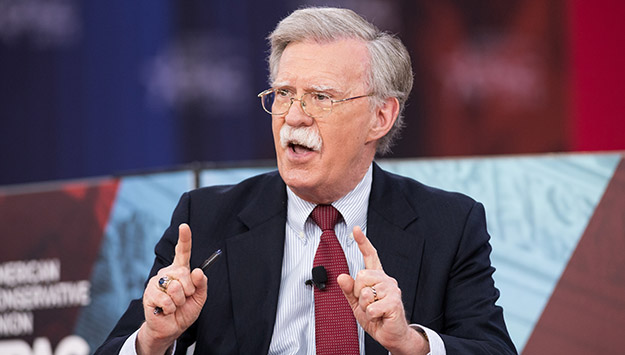
In this week’s Monday Briefing, MEI experts Paul Salem, Bilal Y. Saab, Gerald Feierstein, Gonul Tol, and Ibrahim al-Assil provide analysis on recent and upcoming events including the appointment of John Bolton to national security advisor, the Houthi missile attack on Riyadh, Egypt’s regressive referendum, the Yemeni war’s third anniversary, EU-Turkey diplomacy, and the worsening crisis in Ghouta.
The oldest peer-reviewed publication dedicated to the study of the modern Middle East, MEI’s flagship journal covers politics, society, and culture in the region.