Bonus Episode: Previewing Israel’s First Post-October 7 Election
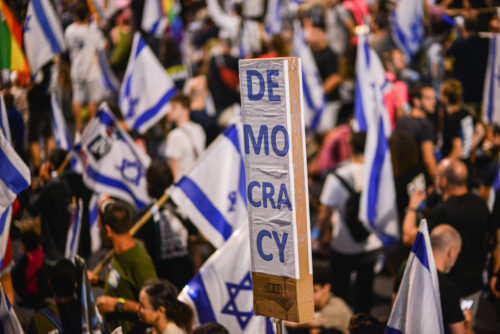
Israel is preparing to hold what may be its most consequential election in decades. On October 27, Prime Minister Benjamin Netanyahu will face his first electoral test since October 7, 2023. In this bonus episode of Middle East Focus, we present the audio from a recent MEI webinar, hosted in Israel on the eve of the vote. Senior Fellow Natan Sachs is joined by Dr. Shira Efron, Distinguished Chair for Israel Policy and senior fellow at the RAND Corporation, and Neri Zilber, veteran journalist and Financial Times correspondent. They explore what’s at stake in this historic election and how different outcomes could reshape Israel’s domestic politics and the wider region.
Israel Was Built on Hope. This Election May Be Our Last Chance to Save It
Israel’s national anthem, Hatikva, means “the hope.” Israel is not just another country, but the culmination of a 2,000-year-old dream of national redemption. The rebirth of the Jewish people’s ancestral homeland, just three years after the Holocaust, was a miraculous triumph of hope over all odds.
Today, that hope has been shattered and the elections on October 27 have become the most consequential in Israel’s history.
Washington says it doesn’t know who runs Iran. Tehran insists its leadership is united. MEI Senior Fellow Alex Vatanka joins hosts Alistair Taylor and Matthew Czekaj to sort out where the truth lies. They look at the small circle of political and military figures now steering the war effort in Tehran: who they are, how they make decisions, and how unified they really are. They also discuss the current state of US-Iran negotiations, the role of the upcoming midterm elections in the United States, and how the Islamic Republic is preparing for a potential renewal of conflict afterward.
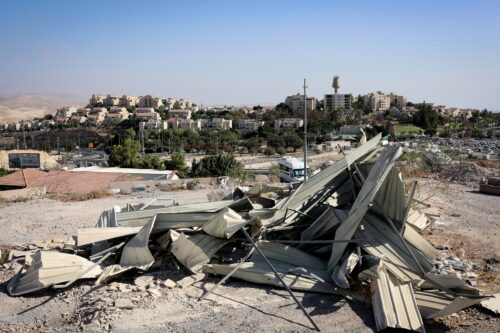
Since 1967, Israeli settlements in the West Bank have been a contested feature of the Israeli-Palestinian conflict. The ultimate disposition of the settlements and ongoing activity related to their growth have repeatedly defied agreement in negotiations over a resolution to the conflict.
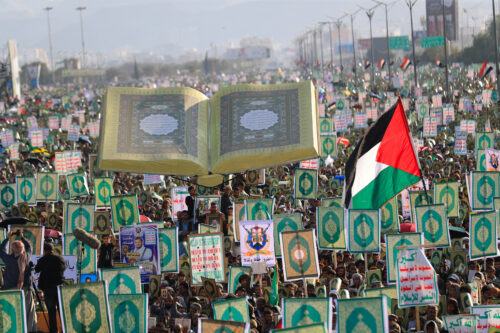
The Houthis are a political-military faction and Zaydi religious movement founded in northwestern Yemen in the 1980s. A key member of Iran’s Axis of Resistance with links to other militant organizations in the Arabian Peninsula and the Horn of Africa, the group has continued to pose a threat to Western interests on a global scale.
The India-Middle East-Europe Economic Corridor (IMEC) is a proposed multinational infrastructure initiative aimed at upgrading connectivity between the three regions through integrated trade, energy, and digital networks. Announced at the G20 summit in New Delhi in September 2023, IMEC is envisioned partially as a counterweight to China’s international infrastructure project, the Belt and Road Initiative.
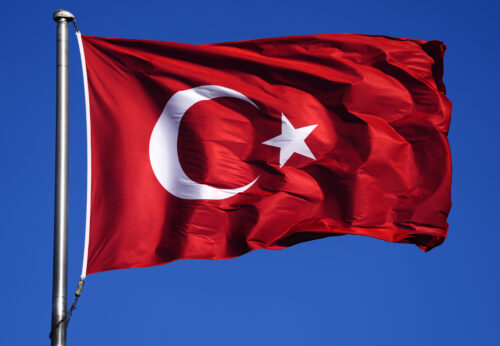
After a decade of post-Arab Spring isolation, Turkey’s leaders have recognized that their ambition to position the country as an agenda-setter on the world stage requires active engagement in all directions. President Recep Tayyip Erdoğan’s consolidation of executive authority has centralized foreign policy decision-making and tied it to his domestic political priorities, transforming the country’s revisionist approach to one shaped primarily by personal and pragmatic interests.
MEI Senior Fellow Brian Katulis engages friends, colleagues, and policy experts in casual conversations on the most important happenings in the Middle East.
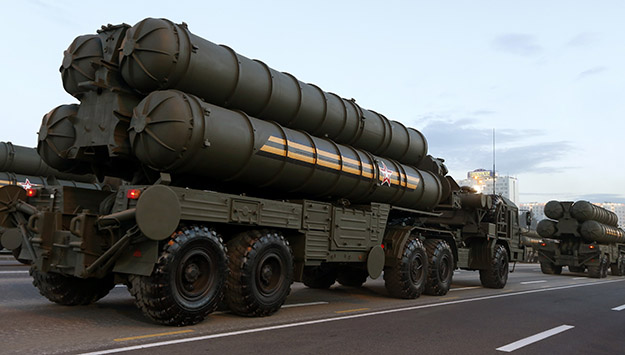
Turkey’s Quest for Air Defense: Is the S-400 Deal a Pivot to Russia?
Summary
In an attempt to build up its air defense systems, Turkey is finalizing a deal to purchase the Russian S-400 weapons system. Ankara’s decision is in part a response to the threat posed by Russian involvement in Syria. Turkey is hoping that cultivating closer ties with Moscow might remove Russia as a threat. But, as this paper illustrates, the deal fails to address Turkey’s security concerns, further alienates its NATO allies, while providing Moscow more leverage over Ankara.
Today, the latest round of UN-brokered Syria peace talks begins in Geneva, with the goal of bringing President Bashar al-Assad and various armed opposition factions to a political settlement that could put an end to half a decade of civil war in the country.
Trump’s Reported Plan to Shake up National Security Team Alarms Iran
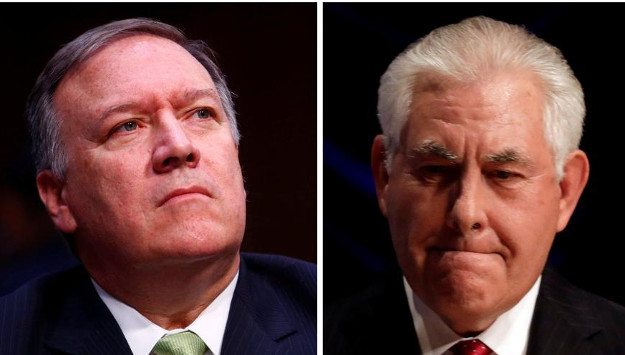
The New York Times reported today that the White House has developed a plan to replace Secretary of State Rex Tillerson with C.I.A. Director Mike Pompeo and appoint Senator Tom Cotton the new C.I.A. chief. The news will certainly alarm Tehran. Iran’s Fars News Agency was quick to report on the potential cabinet shake-up in Washington.
Iran Appears Unwilling to Withdraw Its Forces from Southern Syria
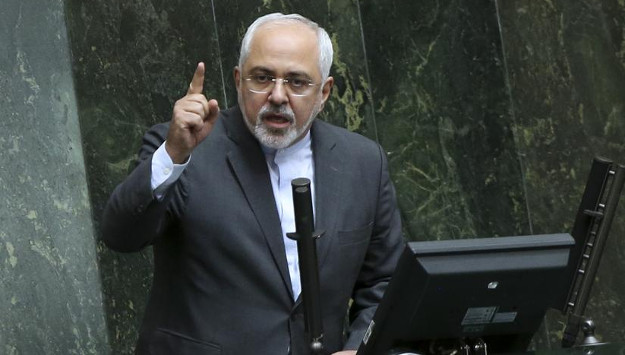
Iran’s Foreign Minister Javad Zarif said today that Iran is not obliged to abide by any agreement between the United States and Russia about southwestern Syria. “America and Russia cannot make a decision for Iran. We are present in Syria based on a request from the Syrian government and will act upon that request. However, Russia has not requested us to do anything (to pull out Iranian and Iran-led forces from southwestern Syria),” the top Iranian diplomat explained.
Iran-Backed Badr Organization Calls on U.S. Troops to Leave Iraq
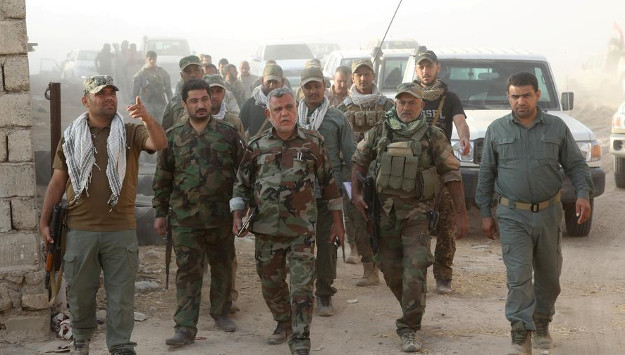
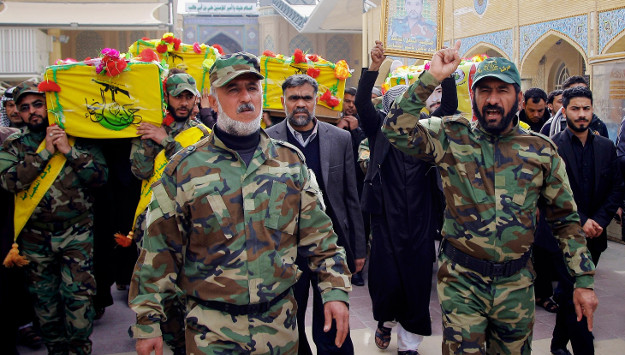
A prominent Iranian-backed commander of Iraq’s Popular Mobilization Force (P.M.F.) has called for the withdrawal of American troops from the country following the defeat of the Islamic State. “We will adopt a parliamentary decision to pull out all American troops” Hadi al-Ameri, the head of the Badr Organization, said in an exclusive interview with Iran’s Press TV. He emphasized that the P.M.F. will not allow a single U.S. soldier to remain in Iraq now that ISIS is being driven out of its last pockets in the country.
Afghan Official in Deep Water after Praising Role of Soleimani and Shiite Militias in Syria
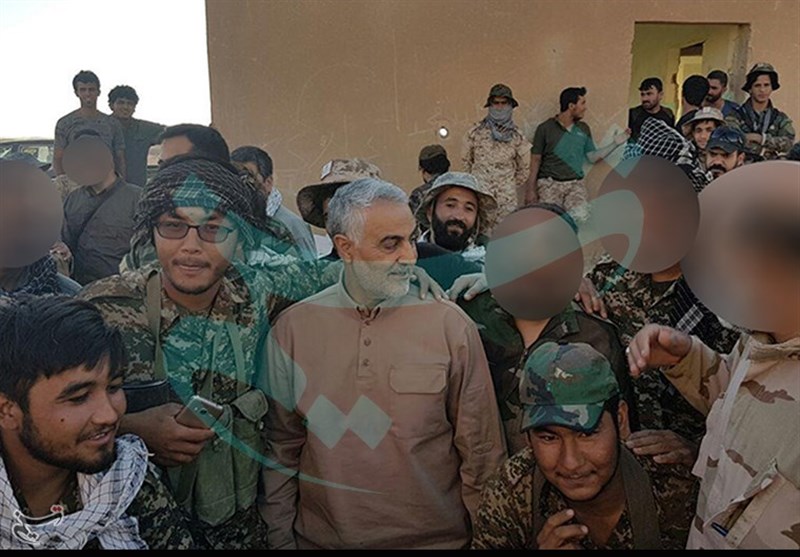
Mohammad Mohaqeq, a deputy chief executive of Afghanistan, has come under fire at home after he praised the role of Iran and its regional proxies in the Syrian conflict. Speaking at a conference in Tehran last week, Mohaqeq congratulated Qassem Soleimani, the commander of Iran’s elite Quds Force, and Hassan Nasrallah, the leader of the Lebanese Hezbollah, for the “victory” against ISIS. But what particularly triggered angry reactions in Afghanistan was Mohaqeq’s praise for Afghan Shiite militias, known as the Fatemiyoun Division, who are fighting in Syria under Soleimani’s leadership.
Climate Change: The Middle East Faces a Water Crisis
The International Panel on Climate Change (IPCC) projects that the Middle East and North Africa (MENA) will be one of the world’s regions hit hardest by climate change in the 21st century, particularly due to increased heat and aridity. In face of these challenges, interventions in domestic agricultural sectors have the potential to offset many negative impacts on the region.
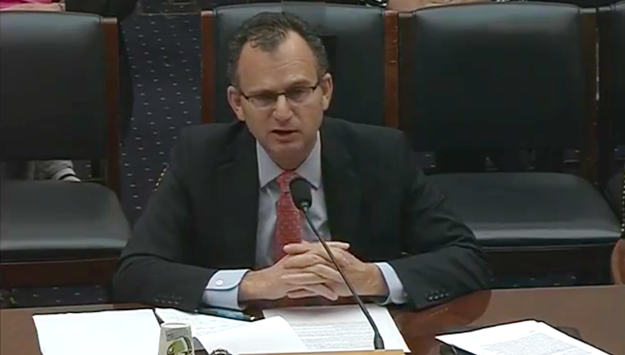
The following testimony was delivered by Paul Salem to the House Foreign Affairs Subcommittee on Middle East and North Africa on November 29, 2017. For more information and video of this hearing click here.
“Chairwoman Ros-Lehtinen, Ranking Member Deutch, distinguished members of the Subcommittee, thank you for the opportunity to testify.
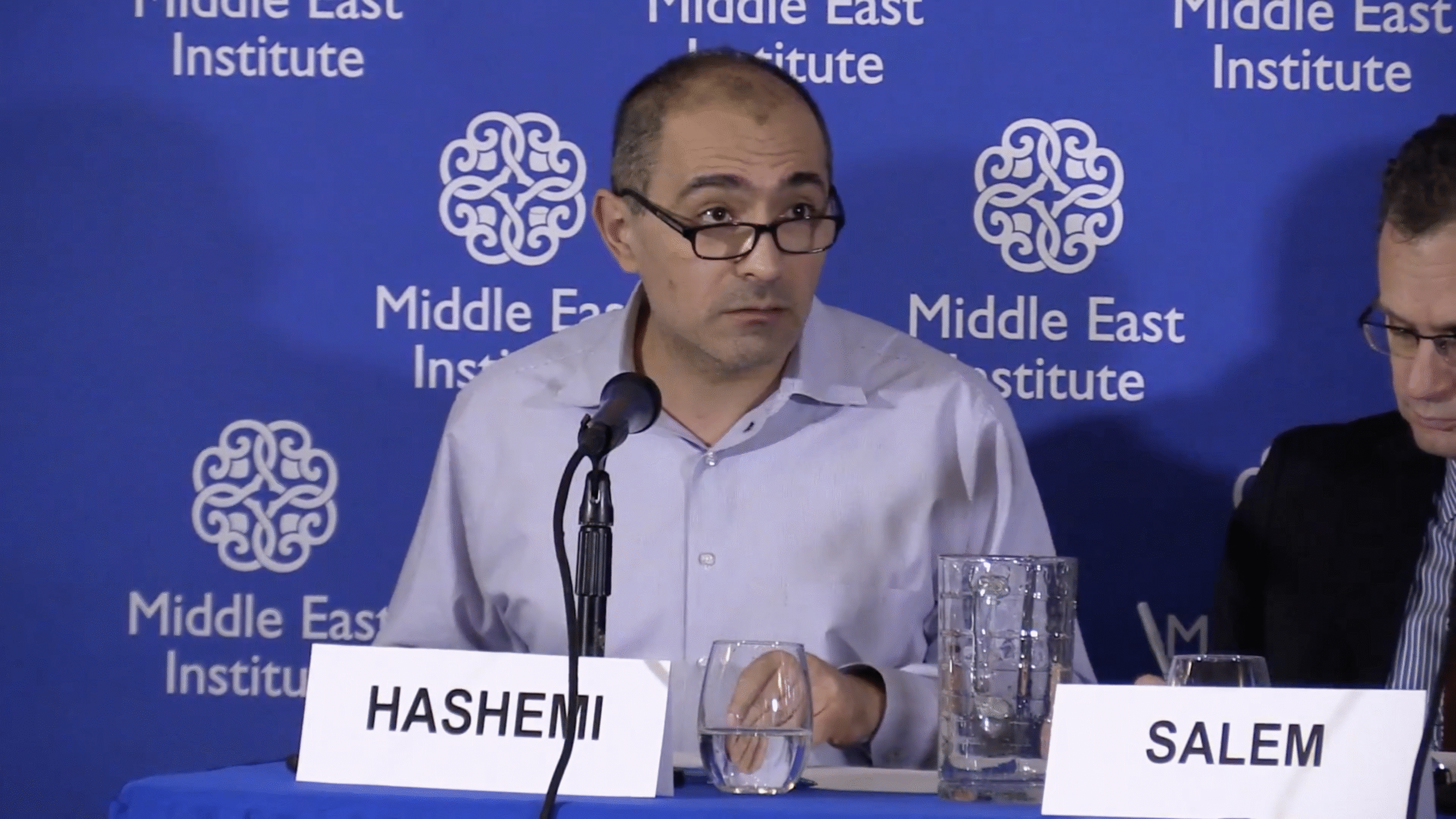
November 21, 2017- The Middle East Institute hosted a conversation with Nader Hashemi and Danny Postel, editors of the new book Sectarianization: Mapping the New Politics of the Middle East. Their book critiques the reliance on religious identity as the explanation for the region’s violence, and analyzes the ways in which geopolitical rivalries or domestic grievances have become, or been mobilized into, sectarian wars. How, Hashemi and Postel ask, can the region’s politics be “de-sectarianized”?
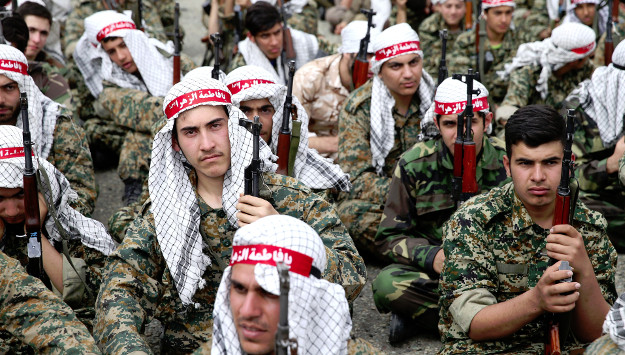
I.R.G.C. Chief: Creation of “International Basij” Fulfills Islamic Revolution Goal
The creation of an “international Islamic Basij” force to resist against the United States and its allies fulfills one of the main goals of Iran’s Islamic Revolution, said Major General Ali Jafari, the chief commander of Iran’s Islamic Revolution Guards Corps (I.R.G.C.).
Khamenei Calls for Navy Expansion despite Regional Concerns
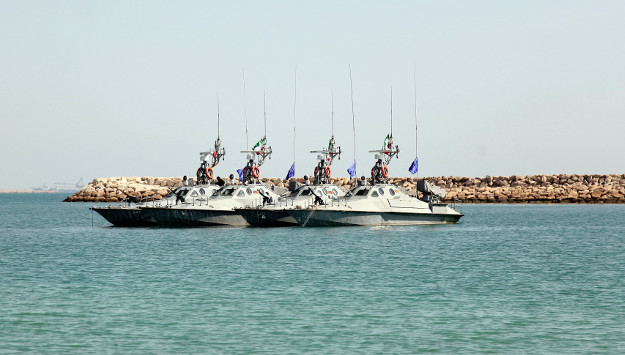
Iran’s Supreme Leader Ali Khamenei today called on the country’s military leaders to expand the country’s naval capabilities, the Iranian media reported. In a meeting with senior Navy commanders in Tehran, Khamenei said the Navy should boost its assets and capabilities both in terms of military gear and combat power. He praised the latest progress of the Navy but stressed that Navy officials should accelerate the development of its assets.
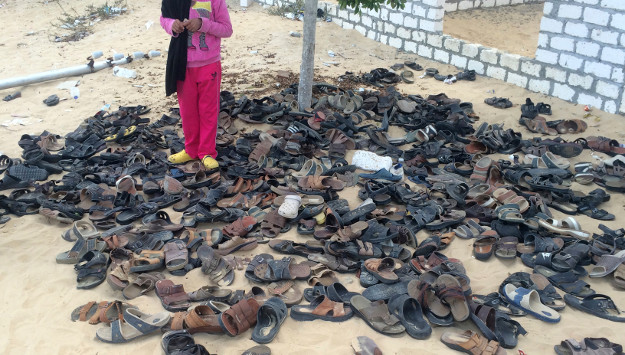
In this week’s Monday Briefing, MEI experts Charles Lister, Randa Slim, and Alex Vatanka provide analysis on recent and upcoming events including Egypt’s ongoing struggle with terrorism following the recent attack in Rawda mosque, the next round of intra-Syrian Geneva negotiations, and Iran’s anxiety over Russia’s plans in Syria.
I.R.G.C. Threatens to Place Europe within Missile Range If Threatened
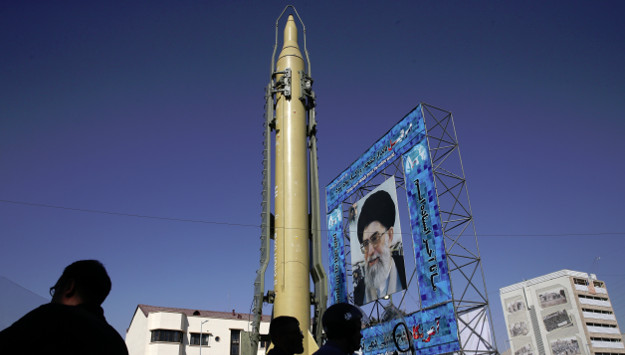
The deputy commander of the Islamic Revolution Guards Corps has warned Europe that if it acts against Tehran’s interests, the I.R.G.C. will increase the range of the country’s missiles beyond the current limit of 2,000 kilometers. “If we have kept the range of our missiles up to 2,000 kilometers and have not increased it, it is not because of technological limitations.
The oldest peer-reviewed publication dedicated to the study of the modern Middle East, MEI’s flagship journal covers politics, society, and culture in the region.