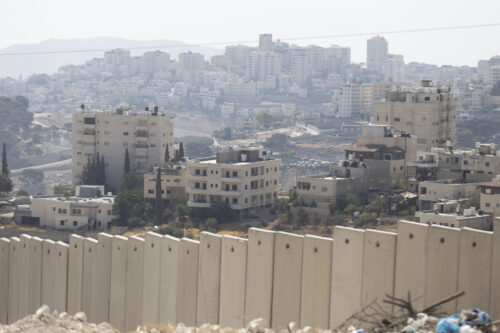
The Israeli government’s plan to build 3,401 housing units in the 12-square-kilometer E-1 corridor, between Jerusalem’s municipal boundary and the Israeli settlement of Ma’ale Adumim, would cut the West Bank in two. Israeli officials are under no illusion about the implications. Announcing the plan’s approval in August 2025, Finance Minister Bezalel Smotrich called it a “significant step that practically erases the two-state delusion.”
The Americans Are Gone. Will Iraq’s Militias Disarm?
On September 30, the US completed its military withdrawal from Iraq, ending a 12-year-long mission to combat ISIS that began in 2014. The date was also meant to be the deadline for disarming the largely Iranian-backed militias known as the Popular Mobilization Forces (PMF), but Prime Minister Ali al-Zaidi has now pushed that cutoff back to June 30, 2027. MEI Distinguished Diplomatic Fellow Amb. (ret.) Robert S. Ford joins hosts Alistair Taylor and Matthew Czekaj to discuss what the US military withdrawal means for Iraqi security and the nature of the bilateral relationship going forward. They also speak about what it will take for Baghdad to bring the PMF militias to heel, and how Iraq may navigate the post-Iran war era.
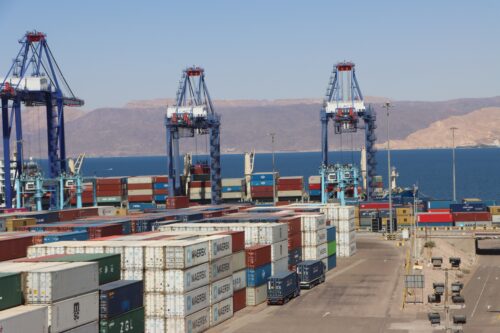
Jordan’s Economy Weathers Iran War’s Shocks and Finds New Opportunities
In the summer of 2003, King Abdullah II told Bloomberg Jordan sits “between Iraq and a hard place,” a play on words designed to describe the kingdom’s challenging environment to an American audience amid the US-led Iraq war to the east and the lingering Palestinian-Israeli conflict to the west. Jordan is grappling with a much “harder place” today.
Since 1967, Israeli settlements in the West Bank have been a contested feature of the Israeli-Palestinian conflict. The ultimate disposition of the settlements and ongoing activity related to their growth have repeatedly defied agreement in negotiations over a resolution to the conflict.
The Houthis are a political-military faction and Zaydi religious movement founded in northwestern Yemen in the 1980s. A key member of Iran’s Axis of Resistance with links to other militant organizations in the Arabian Peninsula and the Horn of Africa, the group has continued to pose a threat to Western interests on a global scale.
The India-Middle East-Europe Economic Corridor (IMEC) is a proposed multinational infrastructure initiative aimed at upgrading connectivity between the three regions through integrated trade, energy, and digital networks. Announced at the G20 summit in New Delhi in September 2023, IMEC is envisioned partially as a counterweight to China’s international infrastructure project, the Belt and Road Initiative.
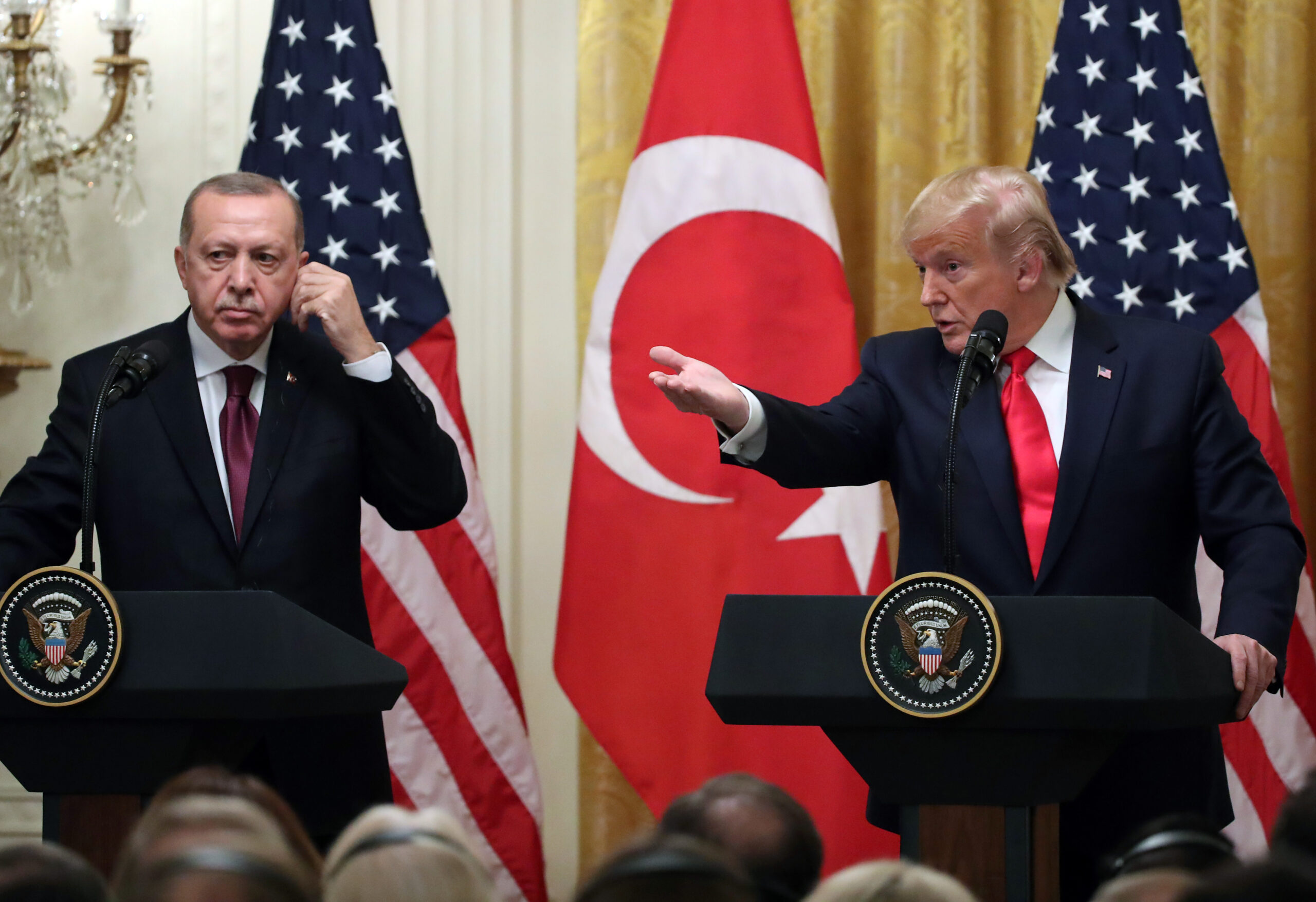
After a decade of post-Arab Spring isolation, Turkey’s leaders have recognized that their ambition to position the country as an agenda-setter on the world stage requires active engagement in all directions. President Recep Tayyip Erdoğan’s consolidation of executive authority has centralized foreign policy decision-making and tied it to his domestic political priorities, transforming the country’s revisionist approach to one shaped primarily by personal and pragmatic interests.
MEI Senior Fellow Brian Katulis engages friends, colleagues, and policy experts in casual conversations on the most important happenings in the Middle East.
Back to reality: Gravity remains in place after Trump’s trip
The harsh realities of the region’s threats and challenges, like Iran and the Gaza war, stubbornly persist following the pomp and circumstance of Trump’s “spring bling” tour, which featured eye-popping dollar figures and an offer of a luxury jumbo jet from Qatar.
Trump's Middle East Approach, the Israeli-Palestinian Conflict, and the Future of US Statecraft – with Amb. Dennis Ross
Ambassador Dennis Ross joins host Brian Katulis to break down what President Trump’s recent trip through Saudi Arabia, the UAE, and Qatar revealed about the administration’s approach to foreign policy in the Middle East—and what it means for the future of the region. They discuss the significance and substance behind the announced mega-deals, what’s really going on with Iran and the Houthi ceasefire, and how Trump is handling relations with Israel amid the ongoing war in Gaza.
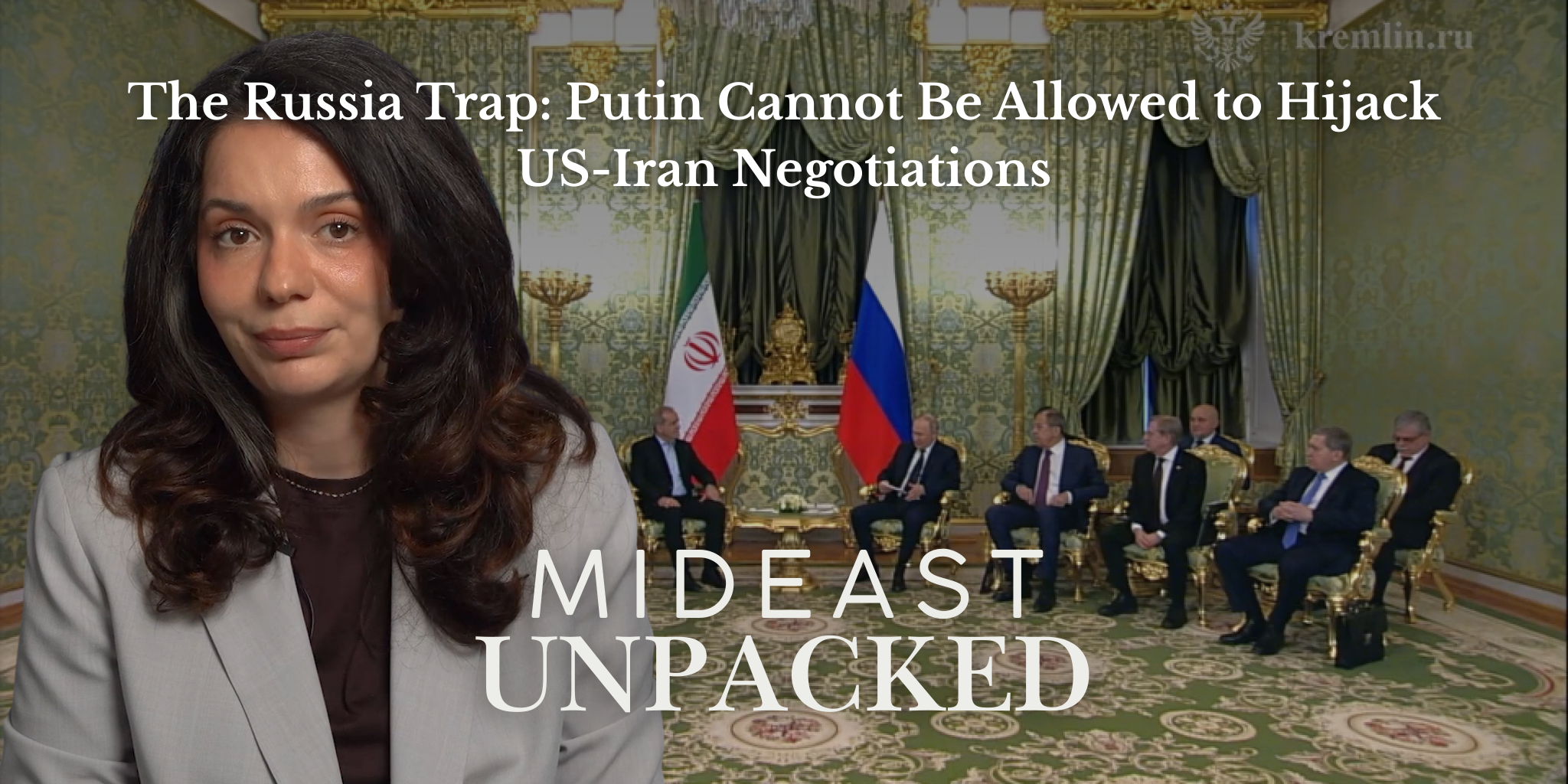
The Russia Trap: Putin Cannot Be Allowed to Hijack US-Iran Negotiations
MEI Senior Fellow Iulia Joja delivers a sharp and timely warning against Russia being offered a direct role in US-Iran negotiations. Far from acting as a neutral broker, Moscow wants to leverage this moment to reshape the balance of power in the Middle East. From meetings in Muscat to tightening alliances with Tehran and Beijing, Joja unpacks how Putin’s diplomacy is less about peace — and more about building up Russian influence against the US. Washington should be paying close attention.
How Trump's Gulf visit could transform the Middle East
In addition to the many trade and business deals, and the significant political announcements made during Donald Trump’s visit to the Gulf, the trip itself marks an important shift in the geopolitical landscape.
As a scholar of Turkey, I spent years watching President Recep Tayyip Erdoğan’s rise—and, I’ll admit, I once believed in the promise. I had reservations about his Islamist roots, but his vows to fight corruption, reduce poverty, and expand freedoms seemed like the antidote to Turkey’s democratic fragility. For a moment, it felt like real progress.
US-Houthi Ceasefire Deal & the Future of Red Sea Security
The sudden announcement of a US-Houthi ceasefire, brokered by Oman, has halted Washington’s air campaign in Yemen and raised urgent questions about the future of Red Sea security. What prompted the deal, and what are its implications for maritime shipping, regional alliances, and the trajectory of Yemen’s civil war? This episode explores the strategic motivations behind the ceasefire, the role of Iran and Saudi Arabia, and how the Houthis could leverage the pause to regroup and expand their influence across the Horn of Africa.
Trump should build on the momentum with Syria and help prevent a Turkey-Israel clash
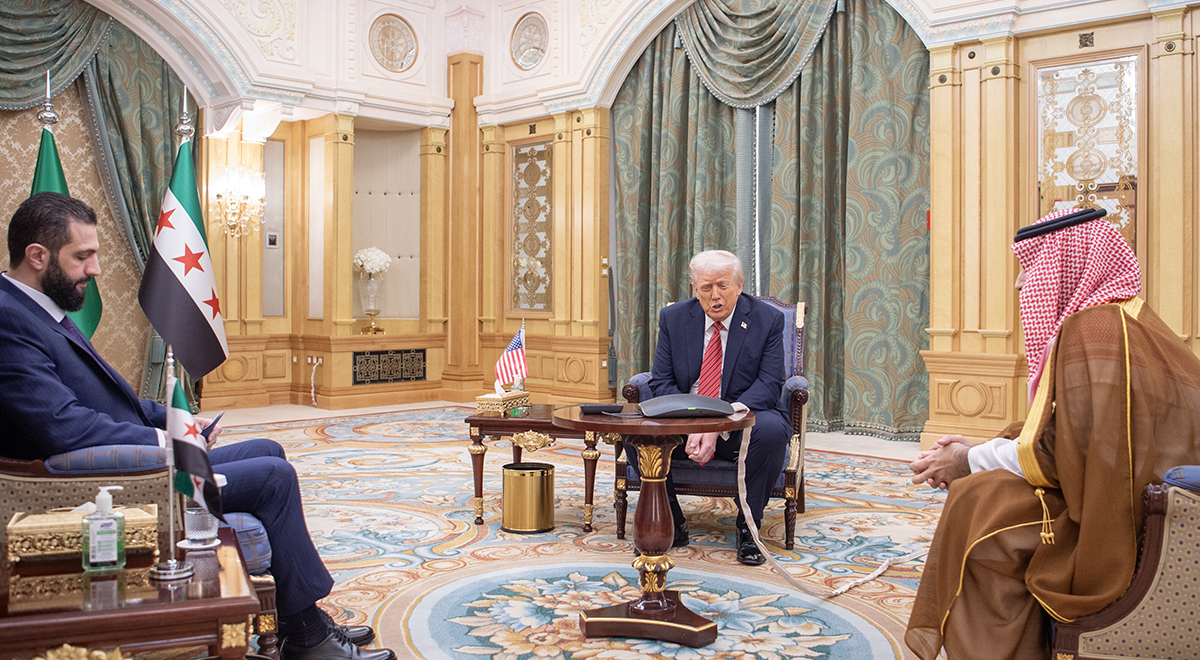
Two recent developments present the new Syrian government with a critical opportunity to stabilize the country. First, US President Donald Trump announced plans to lift sanctions on Syria. Second, the Kurdistan Workers’ Party declared it would disband and dissolve itself — a move that will help Damascus to finalize a deal with the Syrian Democratic Forces and integrate it into the new Syrian national army. President Trump should build on this momentum and seize the opportunity to address one of the most complex remaining challenges facing Syria: the risk of a military confrontation between Turkey and Israel inside the country.
A midstream appraisal of Trump’s historic Middle East trip
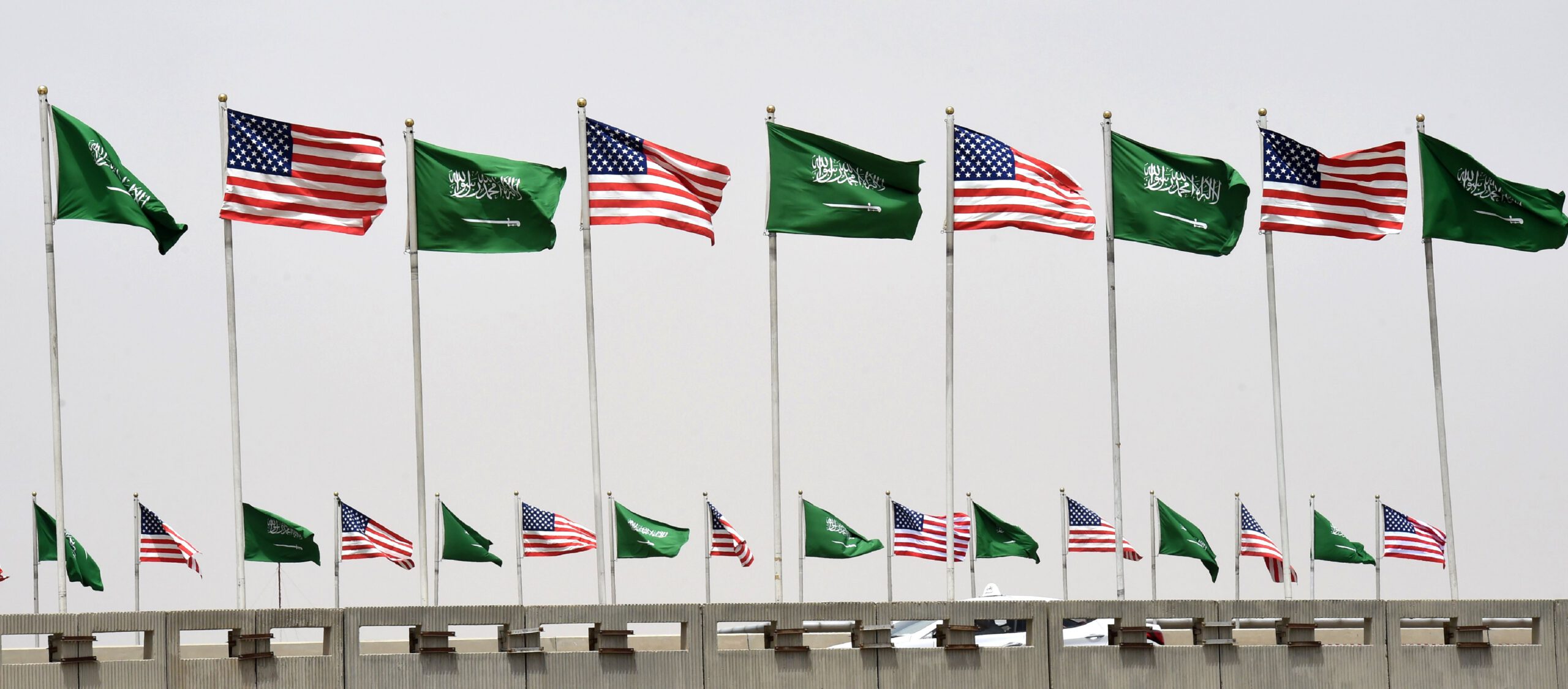
One of the strategic thrusts of the opening months of Trump’s second terms has been aimed at deepening America’s economic engagement with the leading economies of the Gulf. Thus, the first leg of his trip to the region resulted in a template for deeper US-Saudi ties.
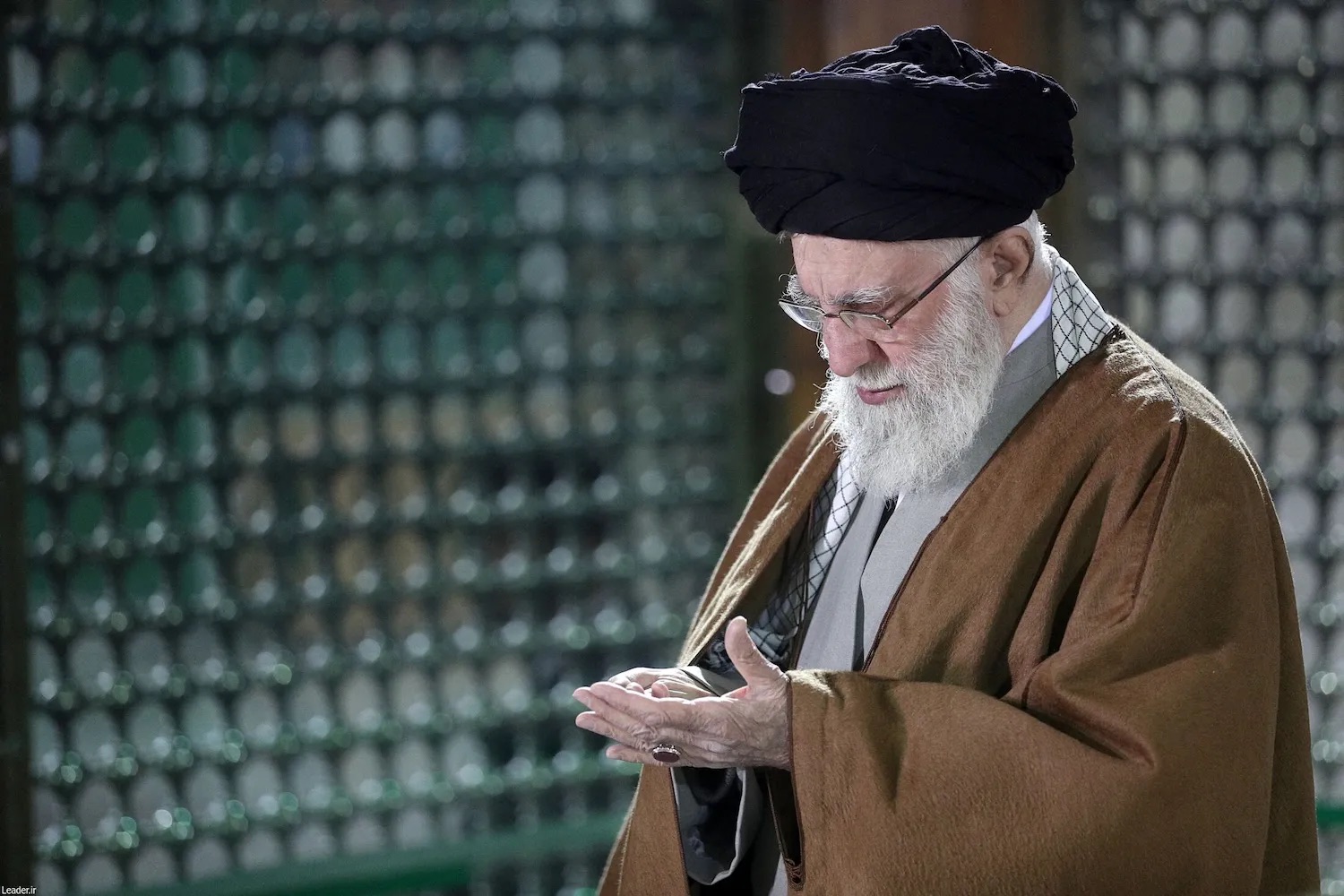
Since mid-April, diplomacy between Tehran and Washington has shifted into overdrive. After a seven-year freeze, Iran’s supreme leader, Ayatollah Ali Khamenei, has made a stunning, if not entirely surprising, reversal: He has greenlit a new nuclear deal if U.S. President Donald Trump accepts Tehran’s basic red lines. While the fourth round of talks between the two countries last weekend in Oman contained no apparent breakthrough, both sides seem determined to continue negotiating.
Trade Tensions, Oil Sanctions, and the Future of Middle East Oil
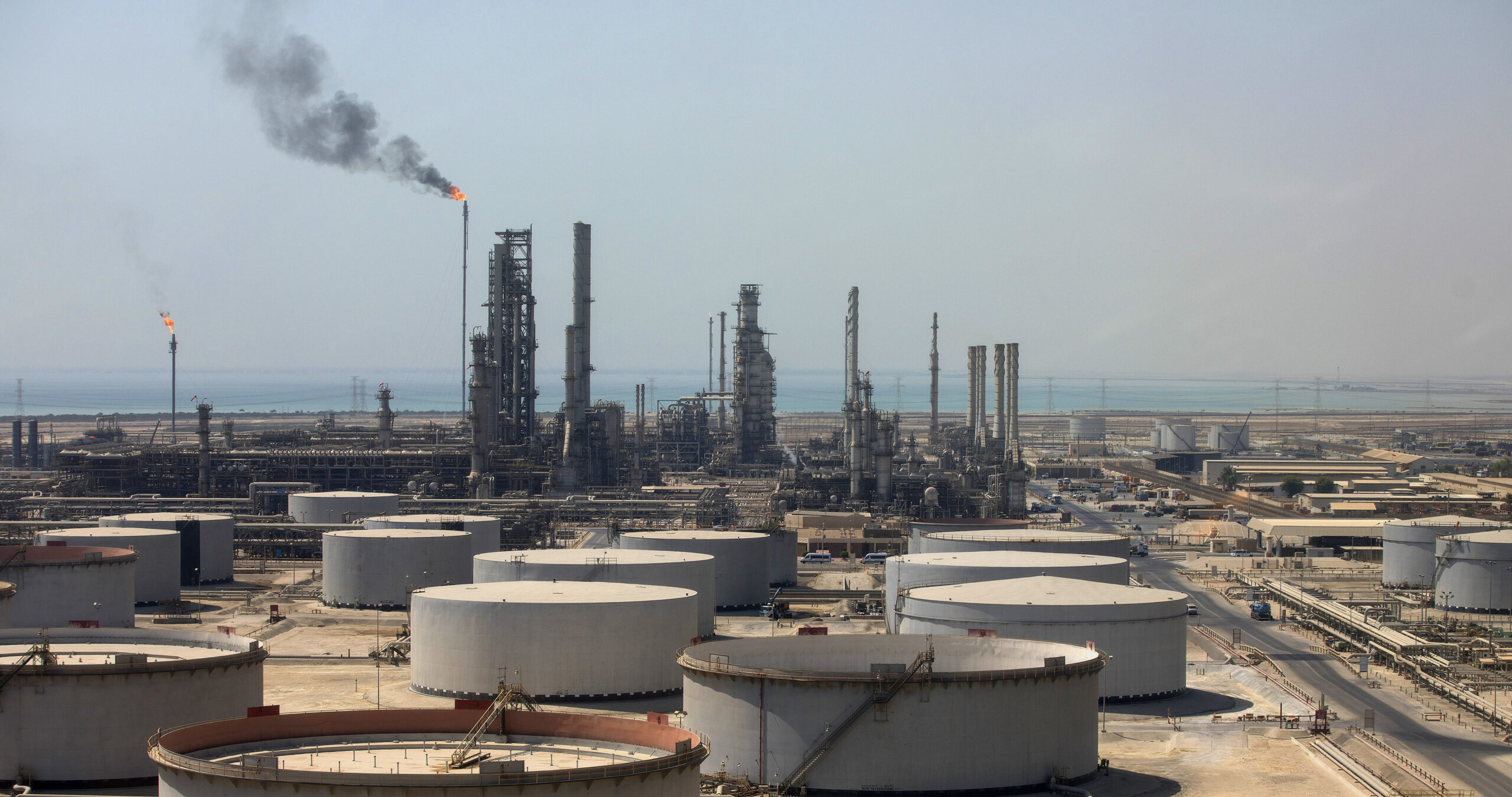
For oil producers in the Middle East, mounting external pressure from trade tensions, tariffs, and oil sanctions presents headwinds to government revenue and regional stability. Oil production is becoming a battle for market share rather than a collective effort to increase prices.
Illiberal Hegemony? Trump’s Foreign Policy and the GOP’s Identity Crisis – with Bill Kristol
Neoconservatives and MAGA isolationists are locked in a battle for the soul of Republican strategy. Nowhere is the split more glaring than over the Middle East: hawks view it as a proving ground for American power and allegiance to Israel, while isolationists see only endless wars that have bled America dry. Where does Trump fall in this tug-of-war?
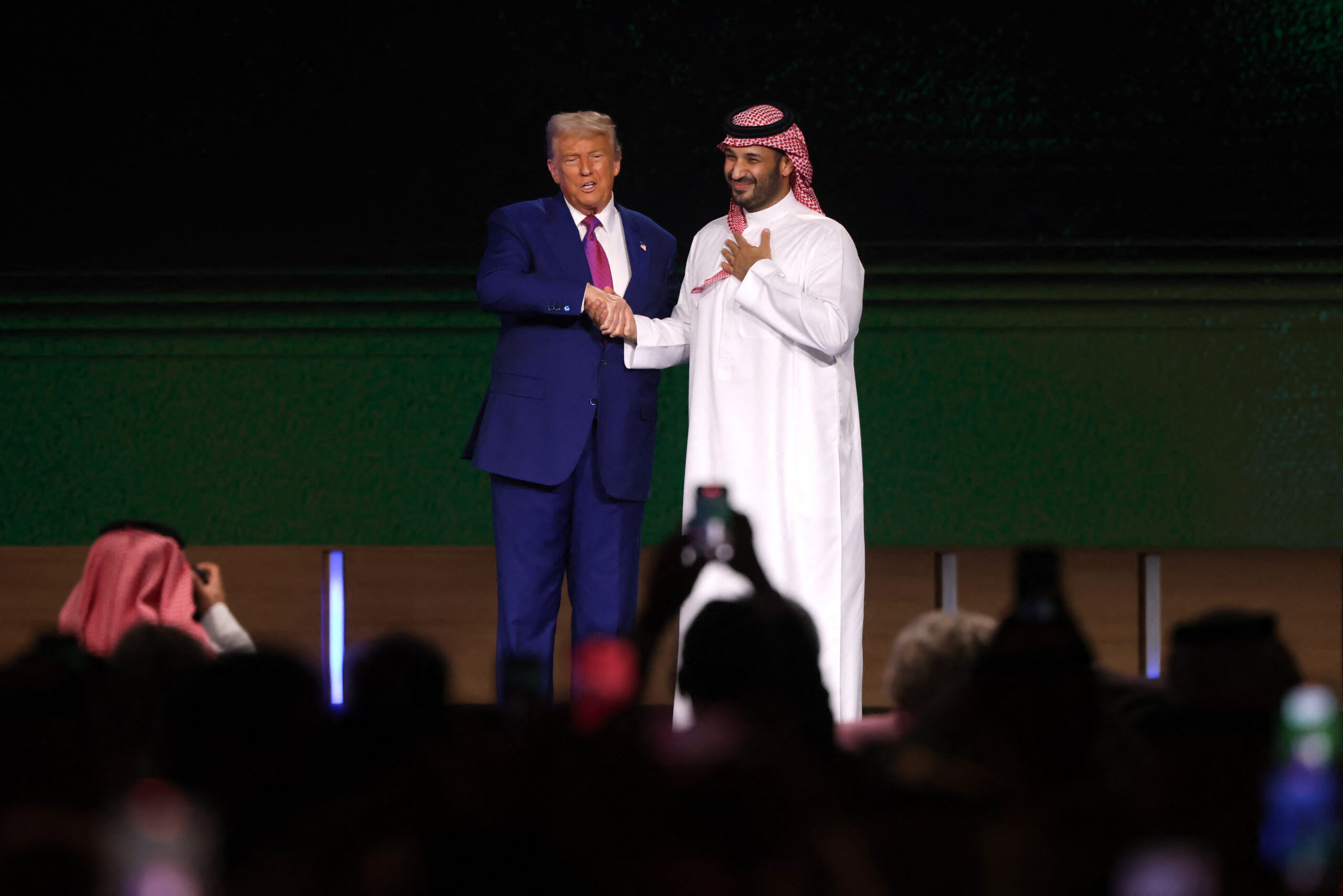
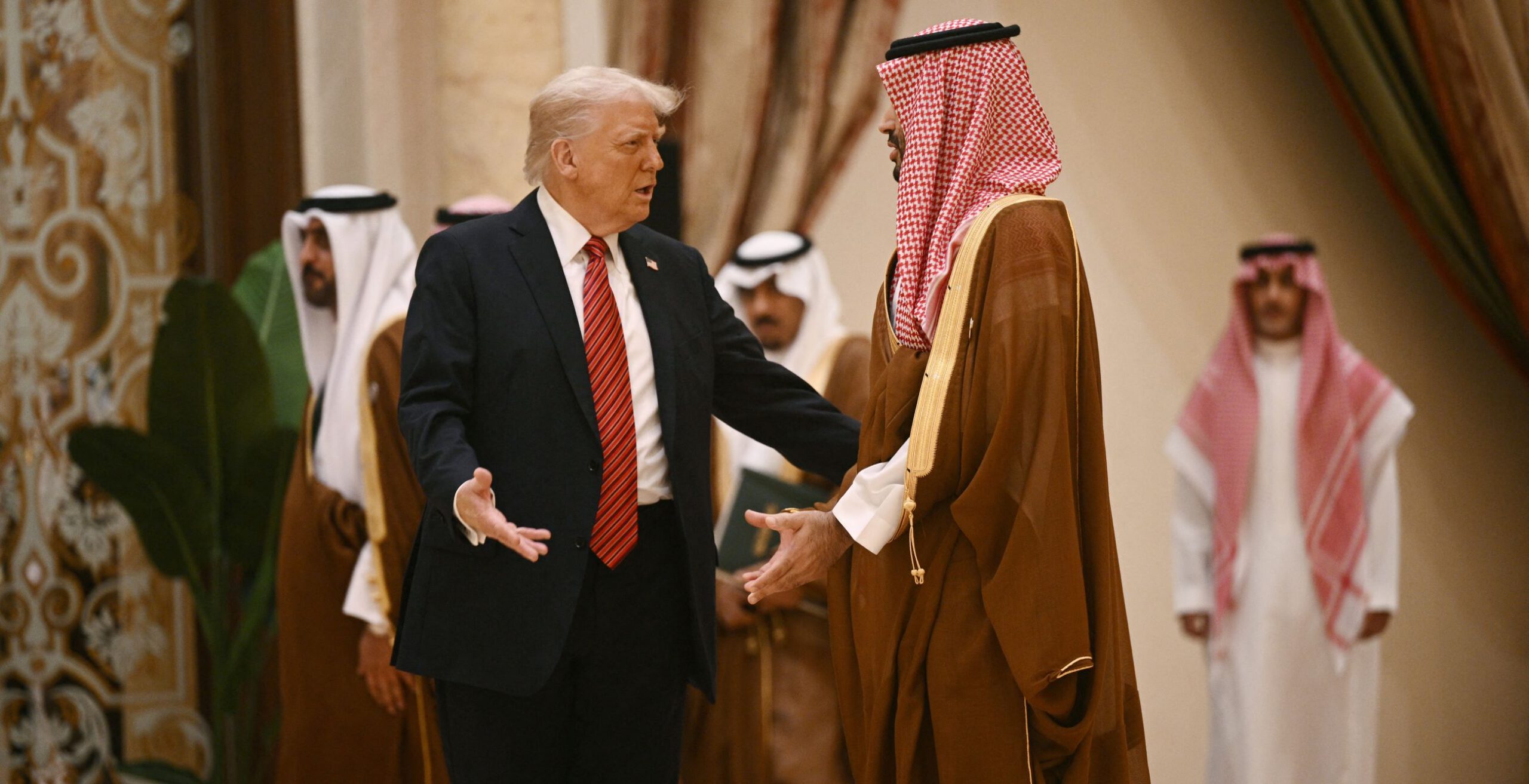
This week, US President Donald Trump makes his inaugural visit to the Middle East since the start of his second term, traveling to Saudi Arabia, Qatar, and the United Arab Emirates on May 13-16. Amid the heightened focus on US policy toward the Middle East, MEI’s experts take stock of Trump’s trip to the Gulf, how his administration has shaped its approach to the wider region in its first several months, and how regional actors are responding to the policies coming out of Washington.
Analysis: Trump’s Gulf tour should deepen economic alignment
It has been a dynamic period in US-Gulf relations. A steady stream of senior Gulf officials has visited Washington to engage the new administration. There have been talks to end the Russia-Ukraine war in Saudi Arabia, the Gaza crisis in Qatar, and nuclear negotiations with Iran in Oman.
The Damascus-SDF agreement two months on: Fragile progress or delayed collapse?
On March 10, 2025, Ahmed al-Sharaa, the president of Syria, and Mazloum Abdi, the commander-in-chief of the Syrian Democratic Forces, signed a historic agreement, ending a long-running divide between Damascus and the Democratic Autonomous Administration of North and East Syria. Now, two months after the deal was signed, how far has it progressed, and what are the main obstacles and disputes between the parties during this transitional phase?
Trump’s Gulf Visit: Strategic Stakes and Symbolic Optics
President Donald Trump is heading to Saudi Arabia, Qatar, and the UAE on his first foreign trip of his second term, with major investment deals, defense cooperation, and tech diplomacy on the agenda. What are the Gulf states hoping to gain, and what does the trip signal about US policy in the region? Alistair Taylor speaks with Dr. Ibrahim al-Assil, Senior Fellow at MEI, about the goals of the visit, the geopolitical and economic dynamics at play, and how regional powers are navigating a complex landscape shaped by Iran, China, AI ambitions, and the crisis in Gaza.
The oldest peer-reviewed publication dedicated to the study of the modern Middle East, MEI’s flagship journal covers politics, society, and culture in the region.