Bonus Episode: Previewing Israel’s First Post-October 7 Election
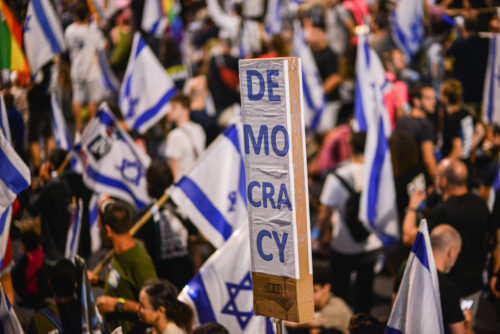
Israel is preparing to hold what may be its most consequential election in decades. On October 27, Prime Minister Benjamin Netanyahu will face his first electoral test since October 7, 2023. In this bonus episode of Middle East Focus, we present the audio from a recent MEI webinar, hosted in Israel on the eve of the vote. Senior Fellow Natan Sachs is joined by Dr. Shira Efron, Distinguished Chair for Israel Policy and senior fellow at the RAND Corporation, and Neri Zilber, veteran journalist and Financial Times correspondent. They explore what’s at stake in this historic election and how different outcomes could reshape Israel’s domestic politics and the wider region.
Israel Was Built on Hope. This Election May Be Our Last Chance to Save It
Israel’s national anthem, Hatikva, means “the hope.” Israel is not just another country, but the culmination of a 2,000-year-old dream of national redemption. The rebirth of the Jewish people’s ancestral homeland, just three years after the Holocaust, was a miraculous triumph of hope over all odds.
Today, that hope has been shattered and the elections on October 27 have become the most consequential in Israel’s history.
Washington says it doesn’t know who runs Iran. Tehran insists its leadership is united. MEI Senior Fellow Alex Vatanka joins hosts Alistair Taylor and Matthew Czekaj to sort out where the truth lies. They look at the small circle of political and military figures now steering the war effort in Tehran: who they are, how they make decisions, and how unified they really are. They also discuss the current state of US-Iran negotiations, the role of the upcoming midterm elections in the United States, and how the Islamic Republic is preparing for a potential renewal of conflict afterward.
Since 1967, Israeli settlements in the West Bank have been a contested feature of the Israeli-Palestinian conflict. The ultimate disposition of the settlements and ongoing activity related to their growth have repeatedly defied agreement in negotiations over a resolution to the conflict.
The Houthis are a political-military faction and Zaydi religious movement founded in northwestern Yemen in the 1980s. A key member of Iran’s Axis of Resistance with links to other militant organizations in the Arabian Peninsula and the Horn of Africa, the group has continued to pose a threat to Western interests on a global scale.
The India-Middle East-Europe Economic Corridor (IMEC) is a proposed multinational infrastructure initiative aimed at upgrading connectivity between the three regions through integrated trade, energy, and digital networks. Announced at the G20 summit in New Delhi in September 2023, IMEC is envisioned partially as a counterweight to China’s international infrastructure project, the Belt and Road Initiative.
After a decade of post-Arab Spring isolation, Turkey’s leaders have recognized that their ambition to position the country as an agenda-setter on the world stage requires active engagement in all directions. President Recep Tayyip Erdoğan’s consolidation of executive authority has centralized foreign policy decision-making and tied it to his domestic political priorities, transforming the country’s revisionist approach to one shaped primarily by personal and pragmatic interests.
MEI Senior Fellow Brian Katulis engages friends, colleagues, and policy experts in casual conversations on the most important happenings in the Middle East.
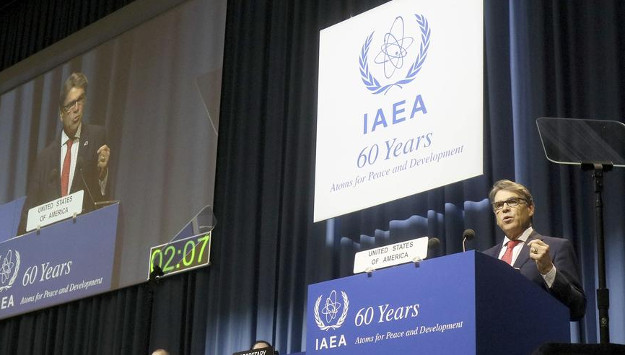
Iranian, U.S. Officials Spar over Nuclear Deal at I.A.E.A. Conference
At the 61st General Conference of the International Atomic Energy Agency (I.A.E.A.) in Vienna earlier today, the top Iranian nuclear official warned that U.S. “hostile” actions are undermining the nuclear agreement Tehran signed with world powers two years ago.
Iran’s New Army Chief: Tiniest Mistake Will Shorten Israel’s 25-Year Lifespan
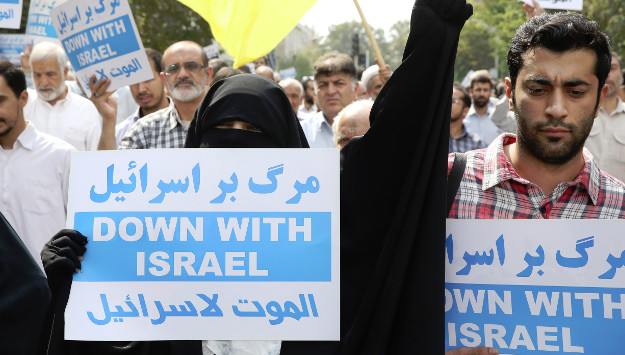
On Monday, the new chief commander of Iran’s Army said Israel had a maximum life span of 25 years and that the Jewish state would perish even earlier if it “makes any mistake” over its remaining lifetime. “The notion that the Zionist regime of Israel will not be existing 25 years from now does not mean that it would have a full time span of 25 years to live,” Tasnim News Agency quoted Major General Abdolrahim Mousavi as saying. He also warned that any Israeli mistake would result in the destruction of Haifa and Tel Aviv.
Kata’ib Hezbollah: We’re Ready to Fight American Troops in Iraq
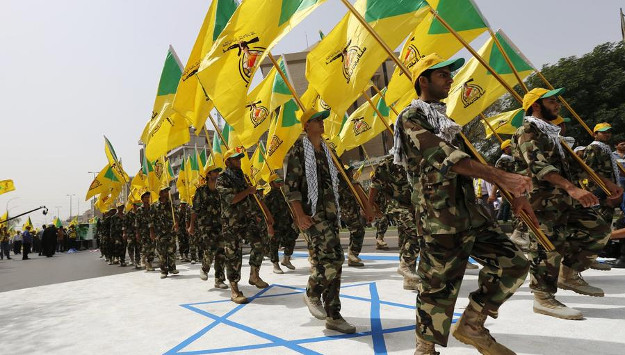
Kata’ib Hezbollah, an Iranian-supported Iraqi militia group, has threatened to “fight American occupiers” and accused U.S. troops of aiding the Islamic Statein Iraq. “Washington is engaged in smuggling and evacuating Islamic State criminals from Iraq,” Jafar al-Husseini, the spokesman of the group, was quoted as saying in an article published on the organization’s official website. It added that the group will release evidence to substantiate the allegations in the future.
Tehran, Ankara and Moscow Reach Agreement over Syria’s Idlib
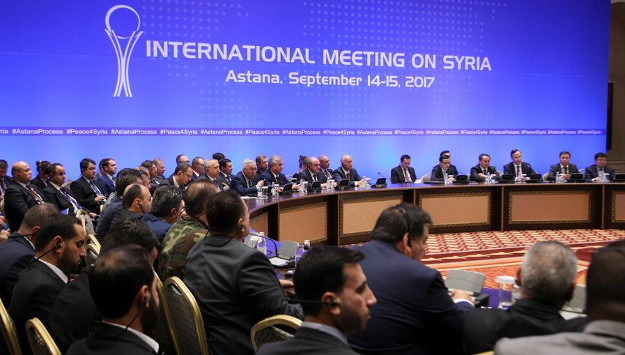
Iran, Turkey and Russia have agreed to establish the fourth de-escalation zone in Syria’s Idlib Province, according to a joint statement issued by the three countries at the end of the sixth round of talks in Kazakhstan today. Iranian media published the full text of the statement in Farsi and English.
Iran Reacts to U.S. Congress Move Aimed at Blocking Boeing Sales
Head of Civil Aviation Organization of Iran Ali Abedzadeh has said that the latest U.S. Congressional bill will have no impact on the implementation of contracts between Tehran and international companies for the purchase of commerical aircraft. “All agreements with airplane manufacturing companies are signed in accordance with the Joint Comprehensive Plan of Action, which is an agreement between Iran and the international community and endorsed by the United Nations as well,” he added.
Top Iranian Official: Iran Won’t Allow Inspection of Military Sites, “Case Closed”
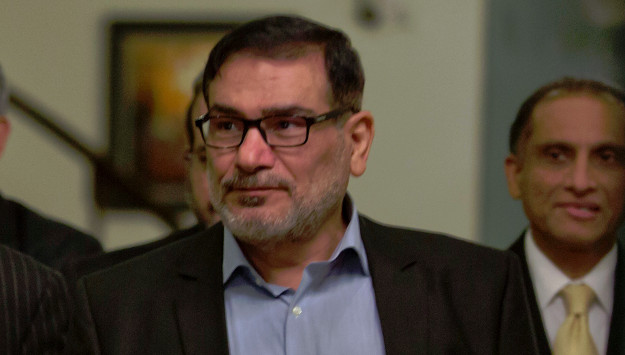
Secretary of Iran’s Supreme National Security Council Ali Shamkhani ruled out the possibility of allowing foreign inspectors to visit Iranian military sites. “There is no nuclear activity or even research in any of the Islamic Republic of Iran’s military centers, and visits by the International Atomic Energy Agency (IAEA) over the past years have confirmed the issue,” he said.
On the heels of the 16th anniversary of 9/11 — after two costly wars, countless sacrifices by our men and women in uniform, and a whopping $4 trillion-plus price tag — it’s time to ask: What’s missing in our grand strategy?
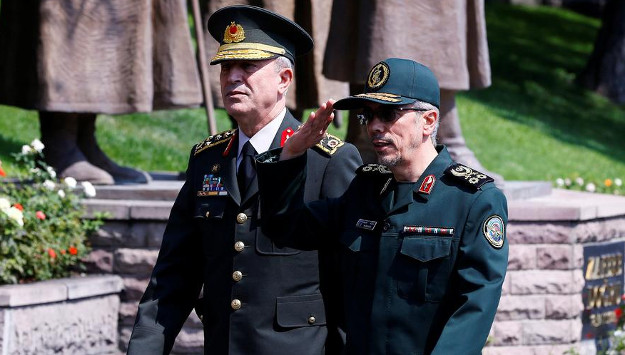
Top Iranian, Turkish Military Leaders Discuss Regional Issues over Phone
The top Iranian and Turkish military officials discussed the Iraqi Kurdistan’s independence referendum plan and its implications in a telephone call earlier today, Iranian media reported. “The two sides stressed the significance of enhancing bilateral relations and cooperation and described the potential independence referendum in the Iraqi Kurdistan and its ramifications on regional security, peace and stability – including on Iran and Turkey – as detrimental and dangerous,” Iran’s Fars News Agency reported.
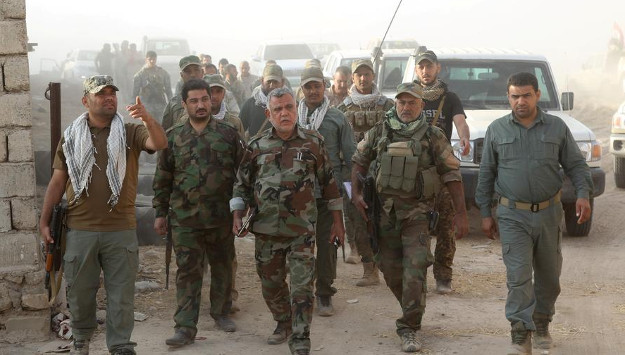
Iran-Backed P.M.F. Commander Warns of Civil War over Iraqi Kurdistan Dispute
The leader of a powerful group within Iraq’s Popular Mobilization Forces (P.M.F.) has warned that the country could lapse back into anarchy and civil strife over the escalating dispute on the Kurdish autonomy.”If tension over the Iraqi Kurdistan’s referendum continues, it will certainly culminate in civil war” Hadi al-Amiri, the head of Iranian-supported Badr Organization, was quoted as saying by Iran’s Fars News Agency.
The spokesman of Iran’s Guardian Council has announced that the influential body has not finalized its assessment of a bill that the Iranian Parliament recently passed to counter U.S.
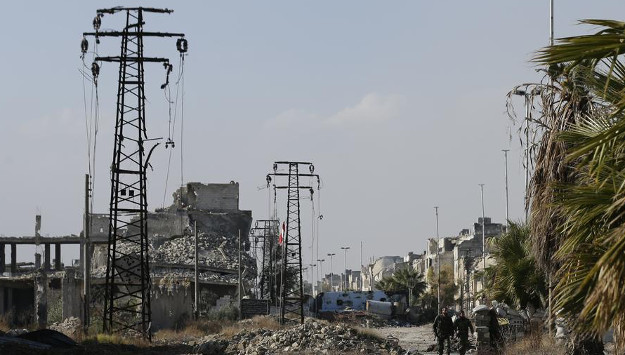
Iran Expands Its Economic Sphere of Influence in Syria
In the latest sign that Tehran is seeking to expand its economic sphere of influence in Syria, the Iranian government on Tuesday signed several agreements with Damascus to restore Syria’s power grid and infrastructure. Although the Syrian war is far from over, the Islamic Revolution Guards Corps (I.R.G.C.) is already looking for financial rewards for its support to the embattled regime of Bashar al-Assad in the past six years. Since the seizure of the northern Syrian city of Aleppo in December, the Syrian government has granted I.R.G.C. companies lucrative contracts on a no-bidding basis.
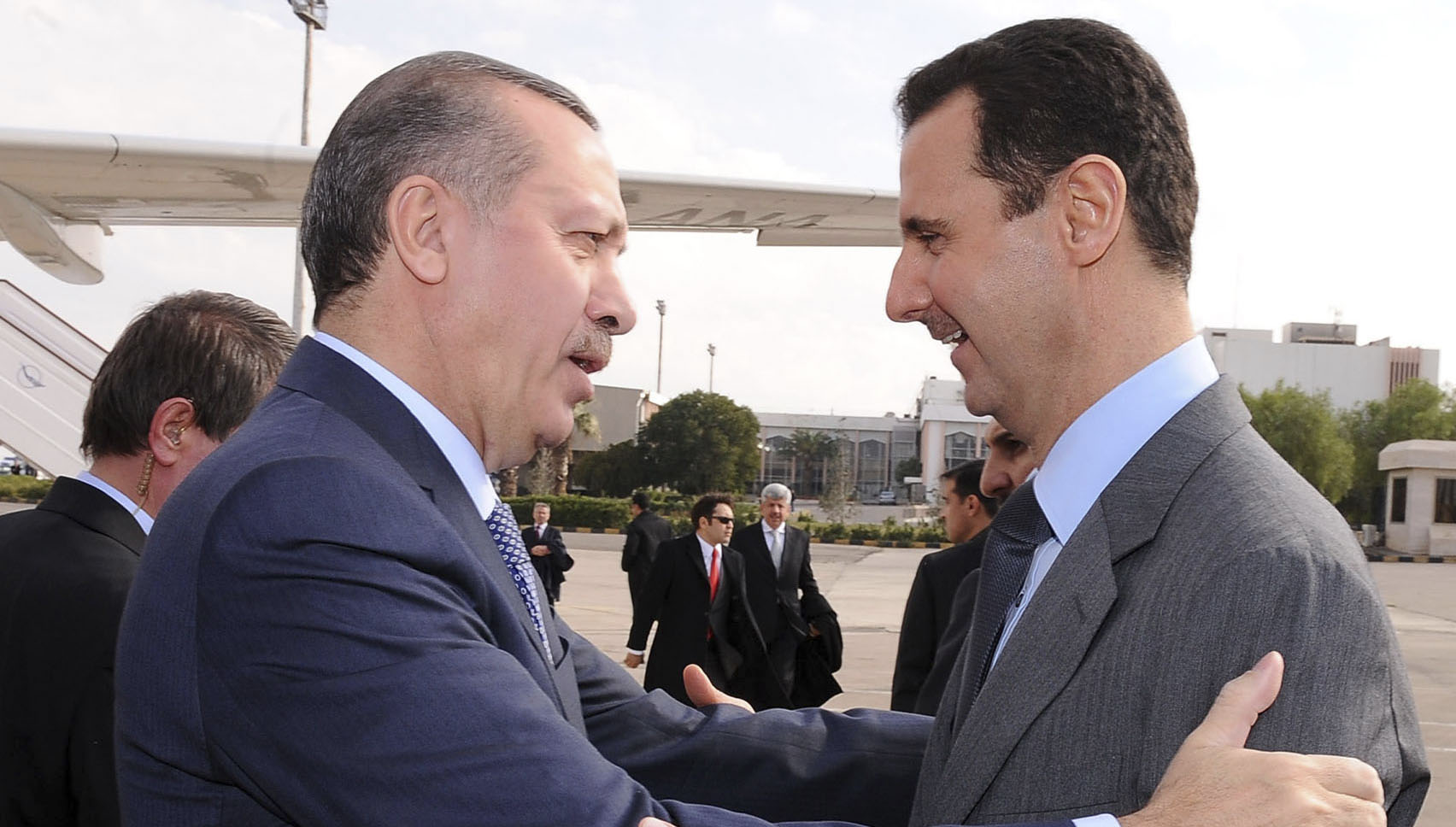
Before the conflict in Syria started, Turkey cultivated close ties to the Assad regime. The two countries lifted visa requirements, held joint military exercises and cabinet meetings, and collaborated against the Kurdistan Workers’ Party (P.K.K.). Ankara’s newly-adopted philosophy, “zero problems with neighbors,” had—at the time—won praise both at home and abroad. Turkish foreign minister, Ahmet Davutoglu, the architect of the policy, at one point described Turkey’s Syria policy as a “striking example” of the success of Ankara’s new foreign policy vision.
Agriculture is a significant contributor to Egypt’s economy. However, in recent years Egypt has faced serious challenges producing food for a growing population in a sustainable manner. How can the Egyptian economy be “greened” with agriculture? In an effort to address this question, this essay provides an in-depth analysis of recently enacted laws — including the Egyptian Constitution of 2014 and Law (26/2015) — that could have a far-reaching impact on sustainable agriculture and food security.
Will Pakistan Reassess its Ties to Terror Groups after Trump Speech?
The major components of President Donald Trump’s much-awaited Afghanistan strategy are sufficient to give Pakistani strategists sleepless nights. The new plan will acknowledge Pakistan’s significant role in providing safe havens for terrorists; escalate war against the Afghan Taliban while denying it the ability to fight its way into positions of power; and enhance India’s role in stabilizing and developing Afghanistan. Moreover, the strategy does not provide deadlines for withdrawal of U.S. forces.
The oldest peer-reviewed publication dedicated to the study of the modern Middle East, MEI’s flagship journal covers politics, society, and culture in the region.