Bonus Episode: Previewing Israel’s First Post-October 7 Election
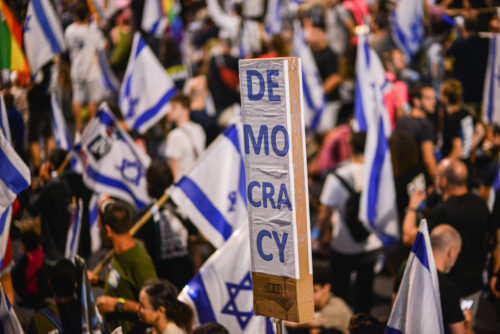
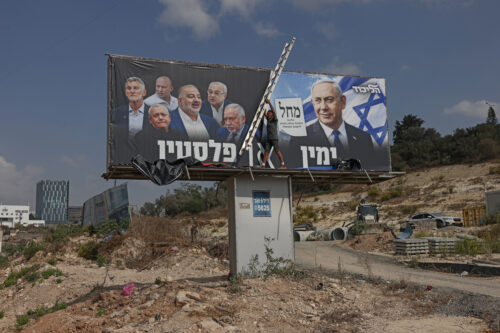
Israel is preparing to hold what may be its most consequential election in decades. On October 27, Prime Minister Benjamin Netanyahu will face his first electoral test since October 7, 2023. In this bonus episode of Middle East Focus, we present the audio from a recent MEI webinar, hosted in Israel on the eve of the vote. Senior Fellow Natan Sachs is joined by Dr. Shira Efron, Distinguished Chair for Israel Policy and senior fellow at the RAND Corporation, and Neri Zilber, veteran journalist and Financial Times correspondent. They explore what’s at stake in this historic election and how different outcomes could reshape Israel’s domestic politics and the wider region.
Israel Was Built on Hope. This Election May Be Our Last Chance to Save It
Israel’s national anthem, Hatikva, means “the hope.” Israel is not just another country, but the culmination of a 2,000-year-old dream of national redemption. The rebirth of the Jewish people’s ancestral homeland, just three years after the Holocaust, was a miraculous triumph of hope over all odds.
Today, that hope has been shattered and the elections on October 27 have become the most consequential in Israel’s history.
One striking thing about US President Donald Trump’s endorsement of Israeli Prime Minister Benjamin Netanyahu this past week is how isolated he was in making this call. The Israeli Prime Minister has become a widely detested figure worldwide following Israel’s war in Gaza—where Israel committed war crimes. This disdain was clearly on display in New York in September when dozens of diplomats streamed out of the hall during Netanyahu’s speech.
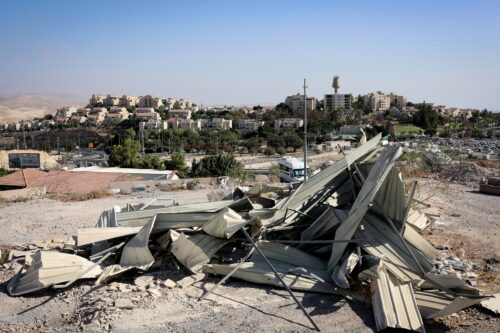
Since 1967, Israeli settlements in the West Bank have been a contested feature of the Israeli-Palestinian conflict. The ultimate disposition of the settlements and ongoing activity related to their growth have repeatedly defied agreement in negotiations over a resolution to the conflict.
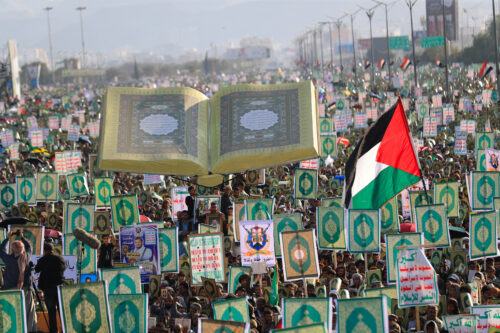
The Houthis are a political-military faction and Zaydi religious movement founded in northwestern Yemen in the 1980s. A key member of Iran’s Axis of Resistance with links to other militant organizations in the Arabian Peninsula and the Horn of Africa, the group has continued to pose a threat to Western interests on a global scale.
The India-Middle East-Europe Economic Corridor (IMEC) is a proposed multinational infrastructure initiative aimed at upgrading connectivity between the three regions through integrated trade, energy, and digital networks. Announced at the G20 summit in New Delhi in September 2023, IMEC is envisioned partially as a counterweight to China’s international infrastructure project, the Belt and Road Initiative.
After a decade of post-Arab Spring isolation, Turkey’s leaders have recognized that their ambition to position the country as an agenda-setter on the world stage requires active engagement in all directions. President Recep Tayyip Erdoğan’s consolidation of executive authority has centralized foreign policy decision-making and tied it to his domestic political priorities, transforming the country’s revisionist approach to one shaped primarily by personal and pragmatic interests.
MEI Senior Fellow Brian Katulis engages friends, colleagues, and policy experts in casual conversations on the most important happenings in the Middle East.
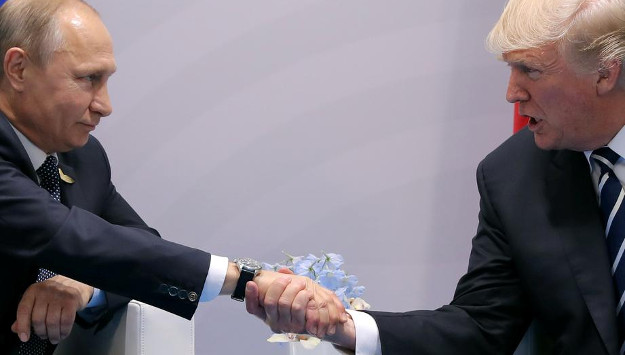
Trump-Putin Meeting a Potential Game Changer for Syria
The long-awaited meeting of Presidents Vladimir Putin and Donald Trump finally took place on the sidelines of the G-20 summit in Hamburg, which came at a time of cool relations between Washington and Moscow.
Despite ongoing tensions, the two powers appeared to embrace a constructive approach to their first meeting, focusing on issues where progress is possible, such as Syria.
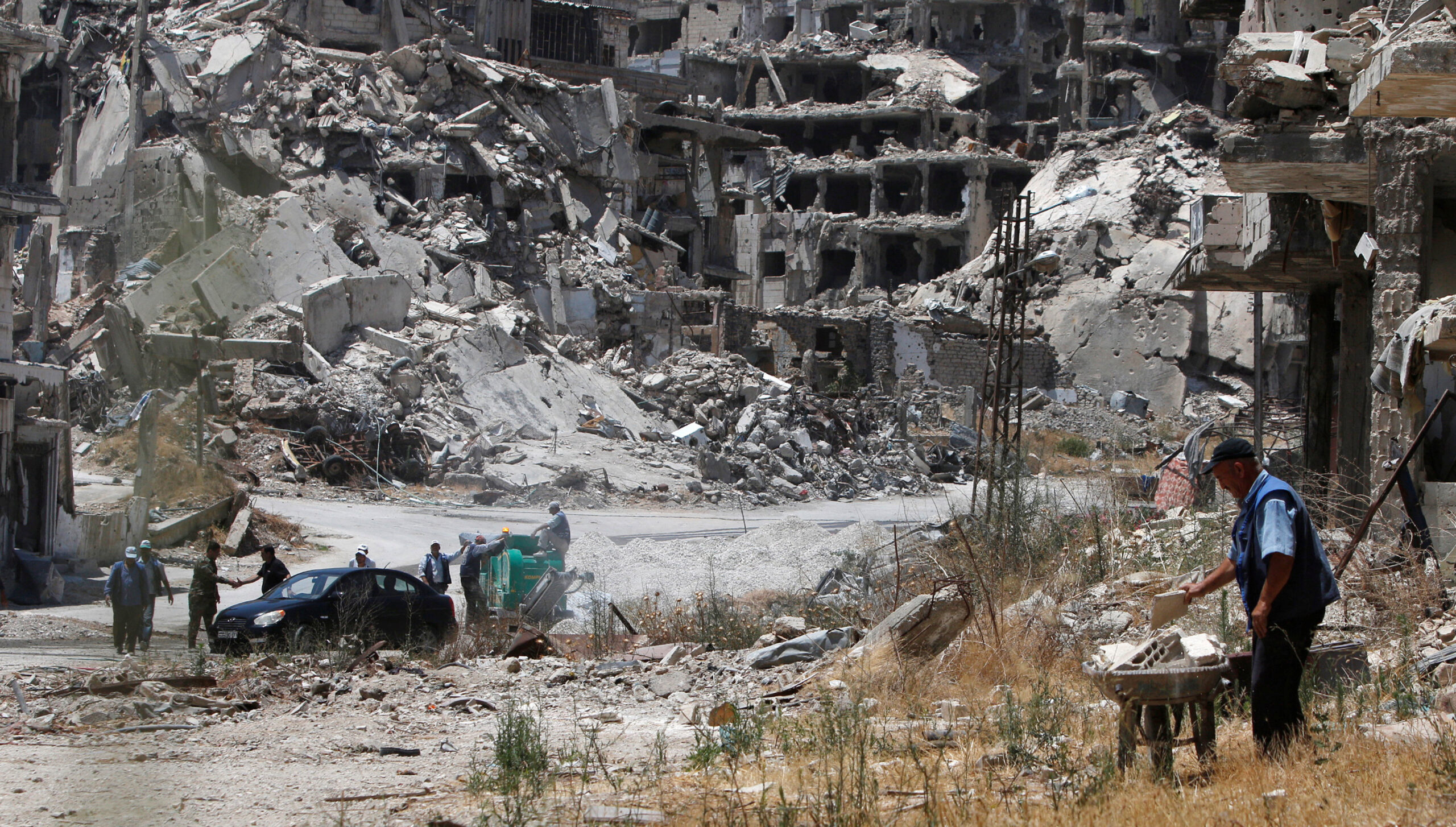
Syrian Peace Negotiations at a Standstill | Monday Briefing
In this week’s Monday Briefing, MEI experts Randa Slim, Charles Lister, and Mabrouka M’Barek provide analysis on the progress of ongoing negotiations over peace in Syria, rising tensions in Idlib province between Hay’at Tahrir al-Sham and Ahrar al-Sham, and Tunisia’s lobbying efforts to ensure continued U.S. aid.
With Islamic State Crumbling, Iran and Its Proxies in Iraq Intensify Anti-U.S. Propaganda
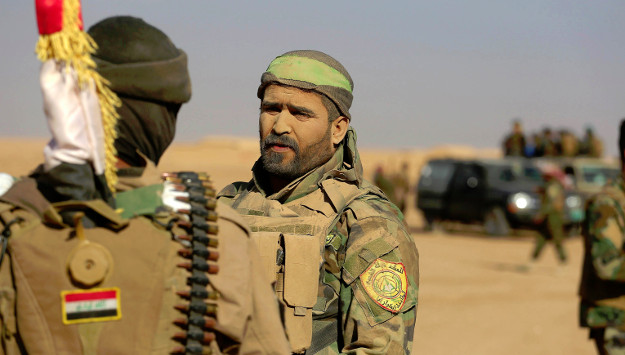
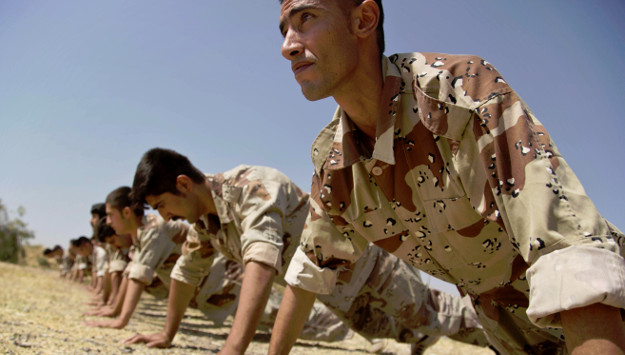
A commander of the Iraqi Popular Mobilization Forces (P.M.F.) – also known as Hashd al-Shaabi – has said that the paramilitary forces will not agree to the presence of American forces or foreign private security firms in post-Islamic State Iraq, particularly in regions near the Syrian border. “The central government has almost agreed to Blackwater controlling the borders. But Blackwater doesn’t have the authority and resources to control the borders or fight Daesh [Islamic State].
Iran and North Korea Call for Expansion of Ties to Confront America
The head of the Iranian parliament’s National Security and Foreign Policy Committee has called for further expansion of bilateral ties between Iran and North Korea.
Iran Says U.S.-Russia Ceasefire Could Be Successful Only If Expanded to All Syria
The Iranian Foreign Ministry has said that the latest agreement between the United States and Russia on a ceasefire mechanism in southern Syria could be successful only if it is expanded to all of Syria, the Iranian media reported today. Foreign Ministry Spokesman Bahram Ghassemi told a press conference in Tehran that the agreement should complement four other de-escalation zones that had already been decided upon at the Astana summit by Russia, Iran, Turkey and Syria.
Amid all the accusations being traded recently against each other by Gulf Arab states some truths are getting lost in the smoke.
It has been true that Qatar has served as a sanctuary for leaders of groups that the U.S. or other countries deem to be terrorist organizations. That, however, is nothing new. It has been going on for at least 20 years — and one of those who had sanctuary was the mastermind of the 9-11 attacks.
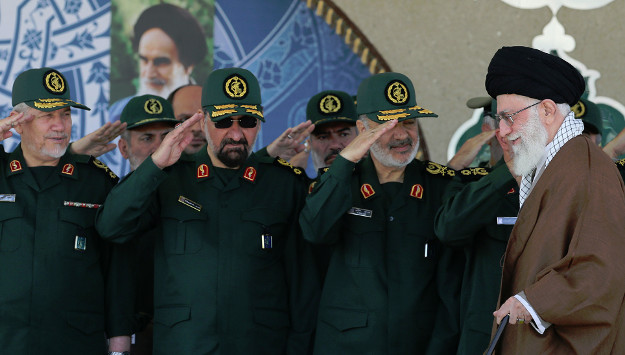
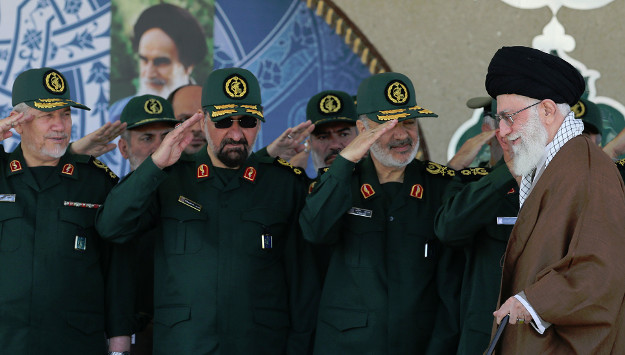
Head of I.R.G.C.’s Khatam al-Anbia Blasts Rouhani’s Economic Policies, Deal with Total
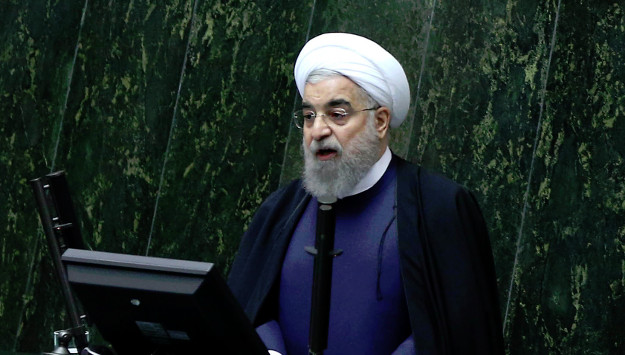
The commander of Khatam al-Anbia Construction Headquarters, a conglomerate of the Islamic Revolution Guards Corps (I.R.G.C.), blasted President Hassan Rouhani’s economic policies and said he “harbors a serious grievance against the Rouhani government.” In an interview with Iran’s state-run television, Gene
I.R.G.C. Seizes Saudi Boat, Detains Four Crew Members
The naval forces of the Islamic Revolution Guards Crops (I.R.G.C.) have seized a Saudi vessel for allegedly trespassing on Iranian territorial waters, the Iranian media reported today. Majid Agha-Babaei, the director-general of border affairs at Iran’s Interior Ministry, said I.R.G.C.
Protestors in Southern Afghanistan Chant Anti-Iran Slogans after Rouhani’s Water Remarks
Earlier today, hundreds of people marched the streets of Lashkargah, the capital of Afghanistan’s volatile Helmand Province, to protest Iranian President Hassan Rouhani’s latest remarks on water dispute with Afghanistan, the Afghan media reported. Speaking at an international conference on tackling dust storm, Rouhani had criticized the Afghan government and its international allies for constructing dams and preventing the flow of sufficient water into Iran.
Yemen War and Qatar Crisis Challenge Oman’s Neutrality
Living on the periphery of the tumultuous Middle East, Omanis do not take their security for granted. Oman has been free of violent unrest since the Sultanate crushed the Dhofar Rebellion in 1976. Yet Oman is situated in a dangerous neighborhood, and the Arab Gulf country is not immune to transregional threats.
Jakarta’s Political Turmoil: Post-storm Thoughts on the Moderate Muslim Mainstream
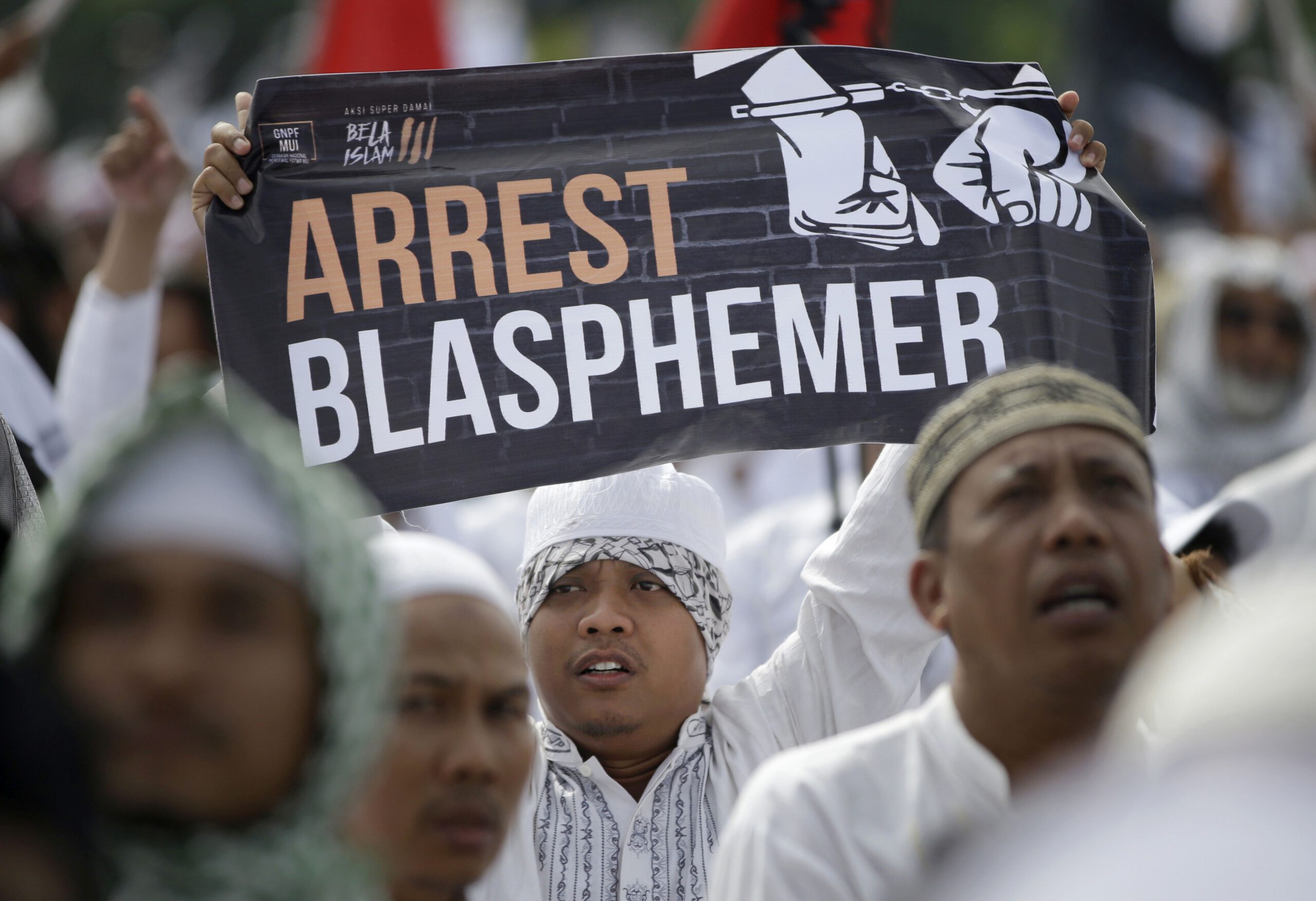
Jakarta, the hub of Indonesian politics, was caught in the eye of a storm when a series of massive protests erupted, calling for the prosecution of the ethnic Chinese Christian Governor Basuki Tjahaja “Ahok” Purnama for allegedly having committed blasphemy against Islam. What do these developments, together with Ahok’s subsequent defeat for reelection and criminal conviction, signify or portend for Indonesia’s formative values and democratic consolidation? To what extent has the country’s “moderate Muslim mainstream” stepped up to the challenge represented by these events? This essay addresses these questions.
The oldest peer-reviewed publication dedicated to the study of the modern Middle East, MEI’s flagship journal covers politics, society, and culture in the region.