Bonus Episode: Previewing Israel’s First Post-October 7 Election
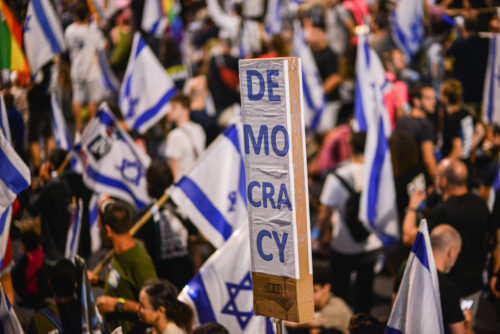
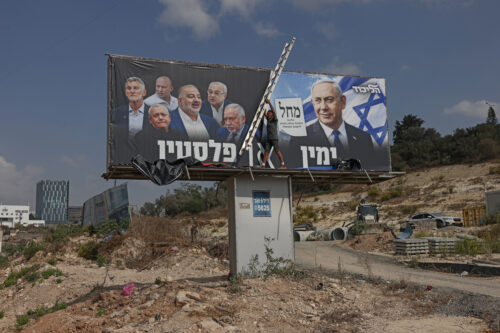
Israel is preparing to hold what may be its most consequential election in decades. On October 27, Prime Minister Benjamin Netanyahu will face his first electoral test since October 7, 2023. In this bonus episode of Middle East Focus, we present the audio from a recent MEI webinar, hosted in Israel on the eve of the vote. Senior Fellow Natan Sachs is joined by Dr. Shira Efron, Distinguished Chair for Israel Policy and senior fellow at the RAND Corporation, and Neri Zilber, veteran journalist and Financial Times correspondent. They explore what’s at stake in this historic election and how different outcomes could reshape Israel’s domestic politics and the wider region.
Israel Was Built on Hope. This Election May Be Our Last Chance to Save It
Israel’s national anthem, Hatikva, means “the hope.” Israel is not just another country, but the culmination of a 2,000-year-old dream of national redemption. The rebirth of the Jewish people’s ancestral homeland, just three years after the Holocaust, was a miraculous triumph of hope over all odds.
Today, that hope has been shattered and the elections on October 27 have become the most consequential in Israel’s history.
One striking thing about US President Donald Trump’s endorsement of Israeli Prime Minister Benjamin Netanyahu this past week is how isolated he was in making this call. The Israeli Prime Minister has become a widely detested figure worldwide following Israel’s war in Gaza—where Israel committed war crimes. This disdain was clearly on display in New York in September when dozens of diplomats streamed out of the hall during Netanyahu’s speech.
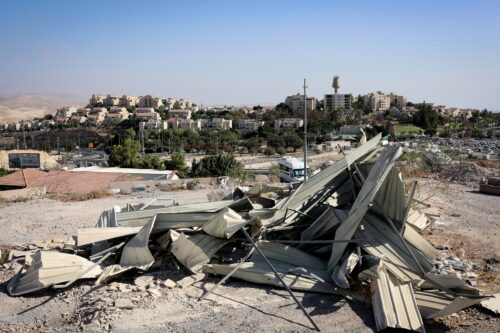
Since 1967, Israeli settlements in the West Bank have been a contested feature of the Israeli-Palestinian conflict. The ultimate disposition of the settlements and ongoing activity related to their growth have repeatedly defied agreement in negotiations over a resolution to the conflict.
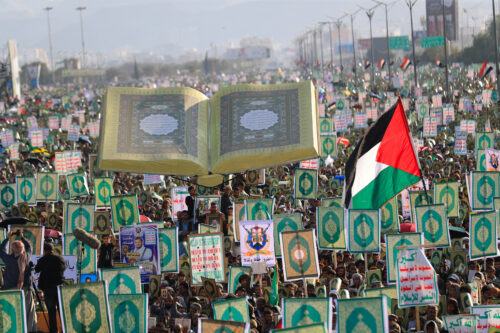
The Houthis are a political-military faction and Zaydi religious movement founded in northwestern Yemen in the 1980s. A key member of Iran’s Axis of Resistance with links to other militant organizations in the Arabian Peninsula and the Horn of Africa, the group has continued to pose a threat to Western interests on a global scale.
The India-Middle East-Europe Economic Corridor (IMEC) is a proposed multinational infrastructure initiative aimed at upgrading connectivity between the three regions through integrated trade, energy, and digital networks. Announced at the G20 summit in New Delhi in September 2023, IMEC is envisioned partially as a counterweight to China’s international infrastructure project, the Belt and Road Initiative.
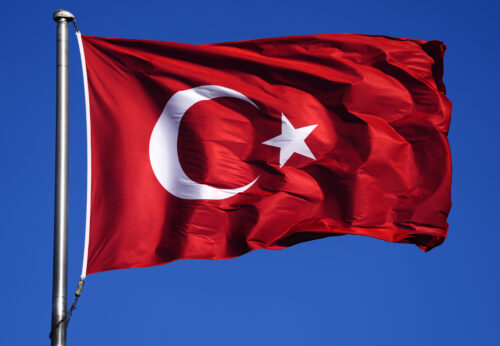
After a decade of post-Arab Spring isolation, Turkey’s leaders have recognized that their ambition to position the country as an agenda-setter on the world stage requires active engagement in all directions. President Recep Tayyip Erdoğan’s consolidation of executive authority has centralized foreign policy decision-making and tied it to his domestic political priorities, transforming the country’s revisionist approach to one shaped primarily by personal and pragmatic interests.
MEI Senior Fellow Brian Katulis engages friends, colleagues, and policy experts in casual conversations on the most important happenings in the Middle East.
Iran Hands Long Jail Terms for Azeri Activists for Peaceful Protest
Authorities in Iran have sentenced four Iranian ethnic Azerbaijanis to long jail terms for “peacefully defending their rights,” the Campaign for Human Rights in Iran reports.
Afghan Daily: Tehran “Blackmails” Kabul for Political Concessions
Afghanistan’s leading daily newspaper Hasht-e Sobh has blasted the Iranian government for blocking Afghanistan’s accession to the Transport Corridor Europe-Caucasus-Asia (TRACECA) and using its leverage within TRACECA to “blackmail” the Afghan government and seek political concessions from Kabul.
Minority-ness and the Re-entrenchment of Sectarianism since the Arab Uprisings
This essay looks at sectarianism from the perspective of minority studies. The author argues that if sectarianism is understood as a struggle for power over national truths and national resources, then a persistent overemphasis on labeling minority/majority categories could contribute to the form and force of sectarian discourse and politics.
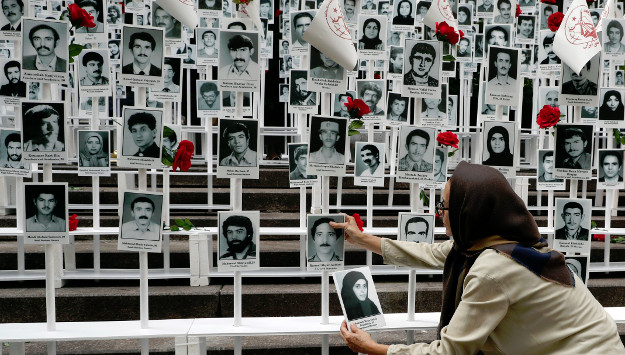
Son of Dissident Cleric Begins Six-Year Jail Term for Releasing Mass Execution Tape
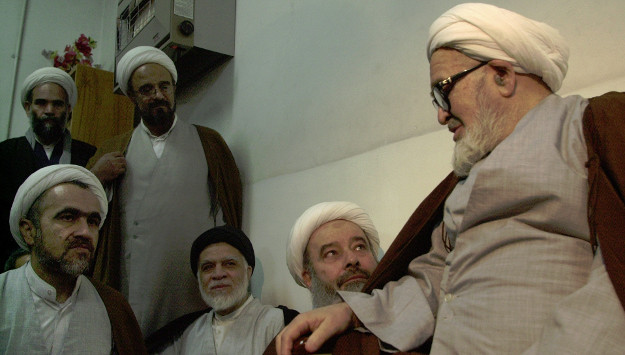
The Iranian authorities yesterday arrested Ahmad Montazeri, the son of one of the founding fathers of Islamic Republic, to serve a six-year jail term for releasing tapes that shed further light on the regime’s mass executions of political prisoners in 1988, the Iranian media reports.
Iran's Defense Minister Says Will Continue Missile Activity, Calls for Israel’s Destruction
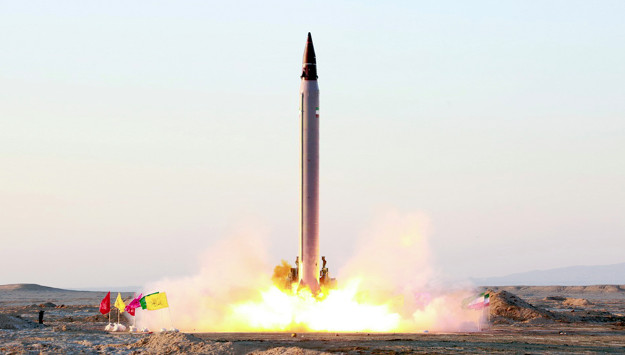
Iran has increased the range, precision and longevity of its ballistic missiles and will continue to increase its defensive power, Iranian Defense Minister Brigadier General Hossein Dehghan said earlier today.
Top U.S. General Says Iran’s Behavior Unchanged despite Washington’s Warnings
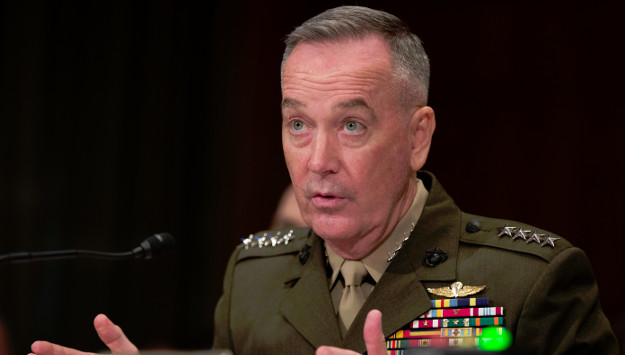
Iran’s behavior has not changed since President Donald Trump put the country “on notice,” Chairman of the Joint Chiefs of Staff Gen. Joseph Dunford said at a public conference at the Brookings Institution earlier today. “From my perspective, the major export of Iran is actually malign influence across the region,” he explained.
Top Iranian Sunni Leader Urges Khamenei to Probe Reports of Speedy Execution of Sunnis
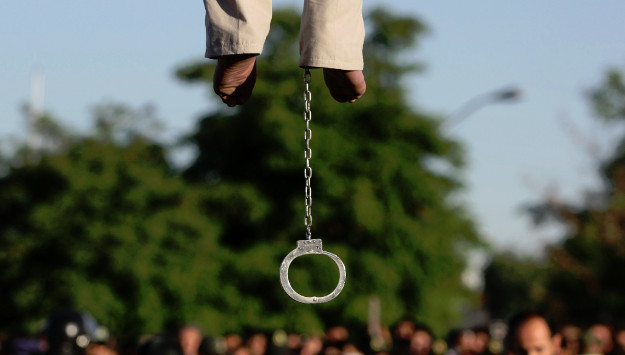
The top religious leader of Iran’s Sunni minority has written to Supreme Leader Ali Khamenei to express his community’s concern over reports of a “secret order” issued by the country’s Judiciary to speed up the execution of Sunni death-row prisoners.
Weekly Briefing: Geneva Talks, Iranian War Games, and Trump's New National Security Advisor
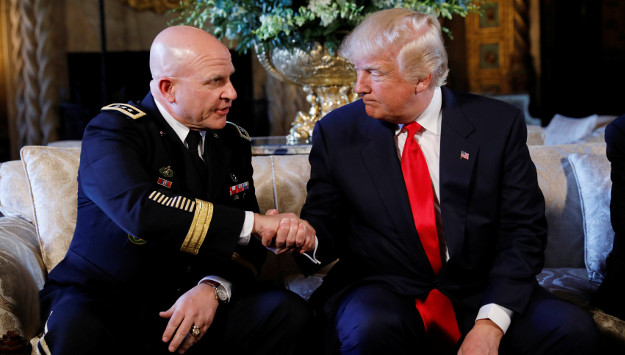
In this week’s Monday Briefing, contributors Randa Slim, Alex Vatanka, Paul Salem, and Antoun Issa provide analysis on recent and upcoming events including the next round of Syria talks in Geneva, Iranian war games directed at President Trump, the appointment of a new U.S. National Security Advisor to replace Michael Flynn, and Israeli PM Netanyahu’s trip to Australia.
Amnesty International’s 2016/17 Report Exposes Iran’s Record of Human Rights Abuses
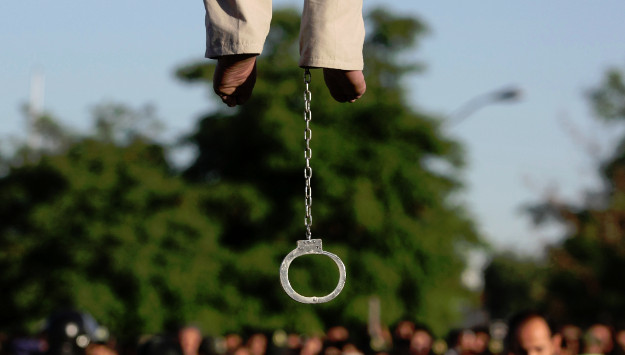
The Amnesty International Report 2016/17 released yesterday blasted the Iranian regime’s record of human rights abuses, particularly acts of torture and imprisonment of political activists after unfair trials, discrimination against ethnic and religious minorities, and an alarming number of executions.
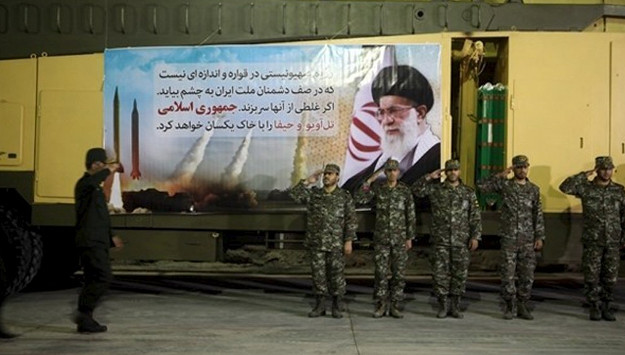
Iran’s Islamic Revolution Guards Corps (I.R.G.C.) conducted its latest war games this week. Named the Great Prophet 11, the military drills included all the usual panoply to be expected. From the I.R.G.C. touting its capacity to wage warfare in urban terrain to testing of drones, missiles and artillery firepower, the three-day war games had it all.
The oldest peer-reviewed publication dedicated to the study of the modern Middle East, MEI’s flagship journal covers politics, society, and culture in the region.