Bonus Episode: Previewing Israel’s First Post-October 7 Election
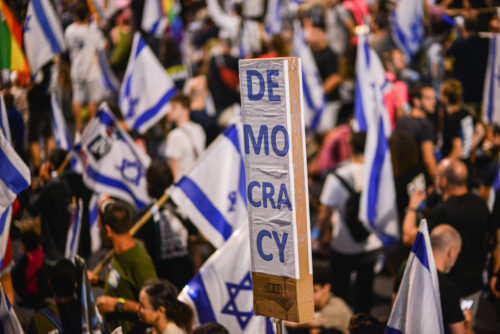
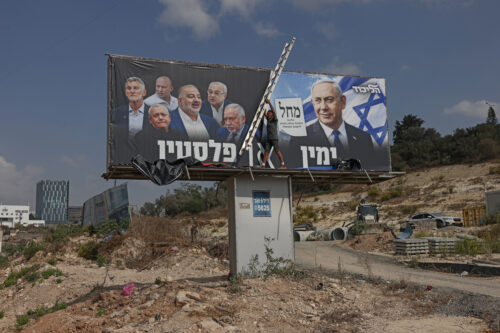
Israel is preparing to hold what may be its most consequential election in decades. On October 27, Prime Minister Benjamin Netanyahu will face his first electoral test since October 7, 2023. In this bonus episode of Middle East Focus, we present the audio from a recent MEI webinar, hosted in Israel on the eve of the vote. Senior Fellow Natan Sachs is joined by Dr. Shira Efron, Distinguished Chair for Israel Policy and senior fellow at the RAND Corporation, and Neri Zilber, veteran journalist and Financial Times correspondent. They explore what’s at stake in this historic election and how different outcomes could reshape Israel’s domestic politics and the wider region.
Israel Was Built on Hope. This Election May Be Our Last Chance to Save It
Israel’s national anthem, Hatikva, means “the hope.” Israel is not just another country, but the culmination of a 2,000-year-old dream of national redemption. The rebirth of the Jewish people’s ancestral homeland, just three years after the Holocaust, was a miraculous triumph of hope over all odds.
Today, that hope has been shattered and the elections on October 27 have become the most consequential in Israel’s history.
One striking thing about US President Donald Trump’s endorsement of Israeli Prime Minister Benjamin Netanyahu this past week is how isolated he was in making this call. The Israeli Prime Minister has become a widely detested figure worldwide following Israel’s war in Gaza—where Israel committed war crimes. This disdain was clearly on display in New York in September when dozens of diplomats streamed out of the hall during Netanyahu’s speech.
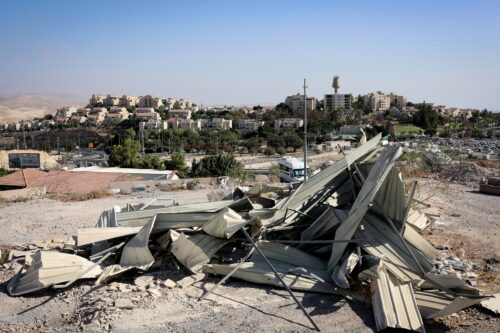
Since 1967, Israeli settlements in the West Bank have been a contested feature of the Israeli-Palestinian conflict. The ultimate disposition of the settlements and ongoing activity related to their growth have repeatedly defied agreement in negotiations over a resolution to the conflict.
The Houthis are a political-military faction and Zaydi religious movement founded in northwestern Yemen in the 1980s. A key member of Iran’s Axis of Resistance with links to other militant organizations in the Arabian Peninsula and the Horn of Africa, the group has continued to pose a threat to Western interests on a global scale.
The India-Middle East-Europe Economic Corridor (IMEC) is a proposed multinational infrastructure initiative aimed at upgrading connectivity between the three regions through integrated trade, energy, and digital networks. Announced at the G20 summit in New Delhi in September 2023, IMEC is envisioned partially as a counterweight to China’s international infrastructure project, the Belt and Road Initiative.
After a decade of post-Arab Spring isolation, Turkey’s leaders have recognized that their ambition to position the country as an agenda-setter on the world stage requires active engagement in all directions. President Recep Tayyip Erdoğan’s consolidation of executive authority has centralized foreign policy decision-making and tied it to his domestic political priorities, transforming the country’s revisionist approach to one shaped primarily by personal and pragmatic interests.
MEI Senior Fellow Brian Katulis engages friends, colleagues, and policy experts in casual conversations on the most important happenings in the Middle East.
Iran-Backed Militiamen Playing Leading Role in Western Mosul, Spreading anti-U.S. Propaganda
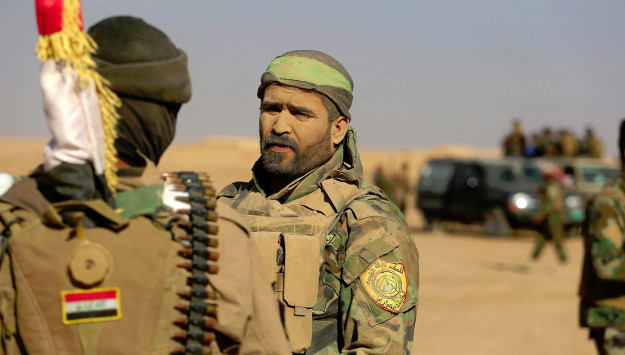
As the Iraqi government announced on Sunday the launch of an offensive to regain control of western Mosul from the Islamic State, Iran-backed Iraqi militia units are playing a leading role in the military operations in the region, the Iranian media reports.
Iran, North Korea Strengthening Ties to “Oppose” U.S. and Its Allies
On February 19, Iranian Parliament Speaker Ali Larijani met with his North Korean counterpart Choe Thae-bok in Tehran and the two sides called for further strengthening ties between their countries, the Iranian parliament’s official website reports. “We have always pursued lasting relations with North Korea.
Ali Akbar Velayati, the top foreign policy advisor to Supreme Leader Ayatollah Ali Khamenei, has dismissed Turkish charges that Tehran is engaging in dangerous sectarian policies in the Middle East.
Sweden-Based Researcher on Hunger Strike in Iran after Judge Dismisses His Lawyer
Ahmadraza Jalali, a Sweden-based Iranian researcher detained in Iran since April 2016, has begun a second hunger strike in Tehran’s Evin Prison to protest his unfair trial, the Campaign for Human Rights in Ir
Bahrain Says Dismantled “Terror Cells” Linked to Iran
Authorities in Bahrain claim they have dismantled a number of “terror cells” and arrested 20 individuals who reportedly received military training in Iran and Iraq, the Bahraini state-run media reports.
According to the International Campaign for Human Rights in Iran, the Islamic Revolution Guards Corps (I.R.G.C.) continues to arrest family members of dissidents. In one recent case, “Leila Haghighatjou, the sister of Fatemeh Haghighatjou, an outspoken critic of the Islamic Republic, was arrested” by the I.R.G.C. on December 19, 2016 to intimidate her sister who lives in the United States.
Worries in Tehran over Trump Exploring anti-Iran Arab Alliance
Recent reports that claimed the Trump administration is contemplating forming a military alliance with Arab allies to contain Iran have generated anxiety in Tehran.
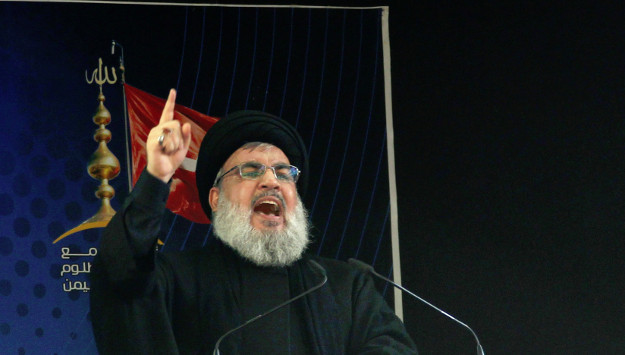
In a fiery speech, Hassan Nasrallah, the head of Lebanon’s Hezbollah organization, has threatened Jerusalem with devastating military response in the event of a new round of conflict between Hezbollah and Israel.
Iranian Protestors Blast Government for Engaging in Foreign Wars and Neglecting Domestic Priorities
Iran’s oil-rich Khuzestan Province has been hit by four consecutive days of angry protest rallies, as residents have been calling on the government to address the region’s worsening environmental degradation and air pollution. People are also angry because their power and water supplies have been cut off for several days as well. Protesters in the provincial capital city of Ahwaz also blasted local authorities and the government of President Hassan Rouhani for neglecting the region.
Iranian Opposition Leader’s Son Lambasts Khamenei and Rouhani for Illegal Arrests
The son of Mehdi Karroubi, a former Iranian opposition leader and presidential candidate who has been held under house arrest in Iran since February 2011, says Iran’s Supreme Leaders Ali Khamenei is directly responsible for the illegal detention of his father. “The whole issue comes down to Mr.
The oldest peer-reviewed publication dedicated to the study of the modern Middle East, MEI’s flagship journal covers politics, society, and culture in the region.