Bonus Episode: Previewing Israel’s First Post-October 7 Election
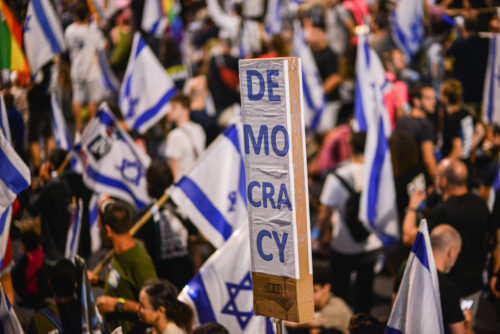
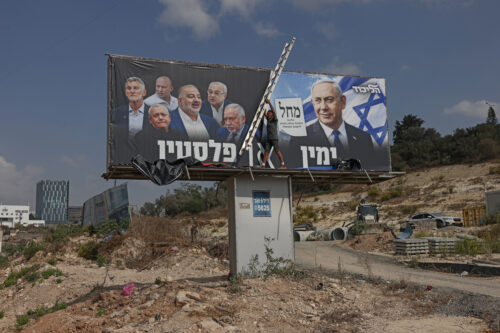
Israel is preparing to hold what may be its most consequential election in decades. On October 27, Prime Minister Benjamin Netanyahu will face his first electoral test since October 7, 2023. In this bonus episode of Middle East Focus, we present the audio from a recent MEI webinar, hosted in Israel on the eve of the vote. Senior Fellow Natan Sachs is joined by Dr. Shira Efron, Distinguished Chair for Israel Policy and senior fellow at the RAND Corporation, and Neri Zilber, veteran journalist and Financial Times correspondent. They explore what’s at stake in this historic election and how different outcomes could reshape Israel’s domestic politics and the wider region.
Israel Was Built on Hope. This Election May Be Our Last Chance to Save It
Israel’s national anthem, Hatikva, means “the hope.” Israel is not just another country, but the culmination of a 2,000-year-old dream of national redemption. The rebirth of the Jewish people’s ancestral homeland, just three years after the Holocaust, was a miraculous triumph of hope over all odds.
Today, that hope has been shattered and the elections on October 27 have become the most consequential in Israel’s history.
One striking thing about US President Donald Trump’s endorsement of Israeli Prime Minister Benjamin Netanyahu this past week is how isolated he was in making this call. The Israeli Prime Minister has become a widely detested figure worldwide following Israel’s war in Gaza—where Israel committed war crimes. This disdain was clearly on display in New York in September when dozens of diplomats streamed out of the hall during Netanyahu’s speech.
Since 1967, Israeli settlements in the West Bank have been a contested feature of the Israeli-Palestinian conflict. The ultimate disposition of the settlements and ongoing activity related to their growth have repeatedly defied agreement in negotiations over a resolution to the conflict.
The Houthis are a political-military faction and Zaydi religious movement founded in northwestern Yemen in the 1980s. A key member of Iran’s Axis of Resistance with links to other militant organizations in the Arabian Peninsula and the Horn of Africa, the group has continued to pose a threat to Western interests on a global scale.
The India-Middle East-Europe Economic Corridor (IMEC) is a proposed multinational infrastructure initiative aimed at upgrading connectivity between the three regions through integrated trade, energy, and digital networks. Announced at the G20 summit in New Delhi in September 2023, IMEC is envisioned partially as a counterweight to China’s international infrastructure project, the Belt and Road Initiative.
After a decade of post-Arab Spring isolation, Turkey’s leaders have recognized that their ambition to position the country as an agenda-setter on the world stage requires active engagement in all directions. President Recep Tayyip Erdoğan’s consolidation of executive authority has centralized foreign policy decision-making and tied it to his domestic political priorities, transforming the country’s revisionist approach to one shaped primarily by personal and pragmatic interests.
MEI Senior Fellow Brian Katulis engages friends, colleagues, and policy experts in casual conversations on the most important happenings in the Middle East.
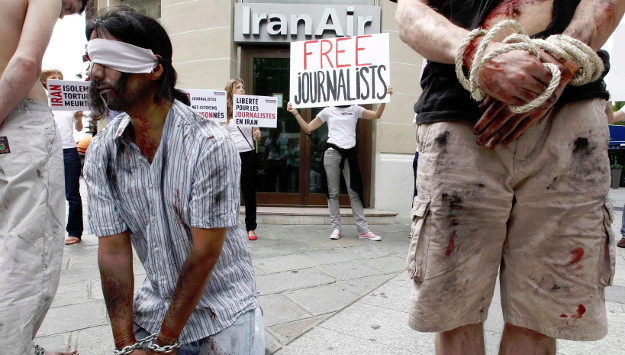
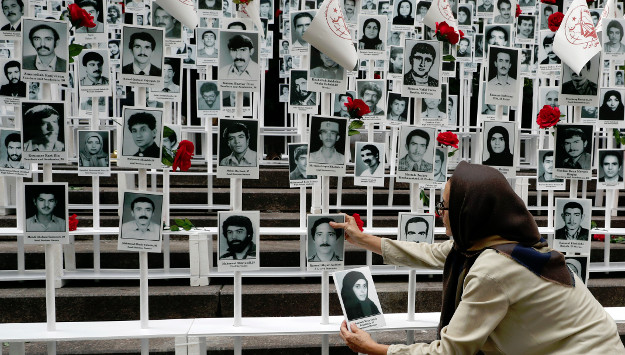
Reporters Without Borders Blasts Iranian Regime’s 38 Years of “Media Repression”
As the Iranian government celebrated the 38th anniversary of the Islamic Revolution with a lot of fanfare on February 10, Reporters Without Borders (SRF) strongly condemned the regime’s persecution of journalists and systematic crackdown on the f
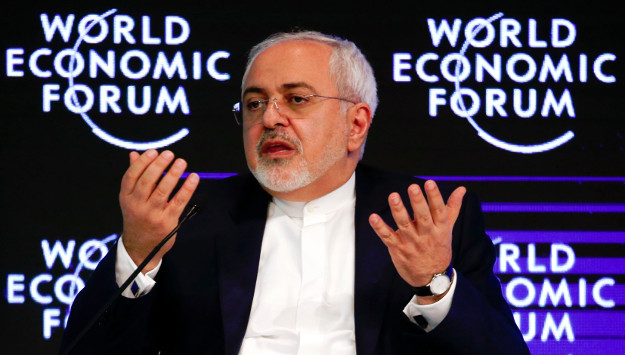
There has been much speculation in the Iranian media about Foreign Minister Javad Zarif’s visit to Germany this week. While Zarif has already met with a number of his counterparts from various countries and international institutions as reported by Fars News, it was the question of whether he might meet with his U.S. counterpart on the sidelines of the Munich security conference that captivated much of the Iranian media’s coverage. Many outlets speculated that a potential meeting between Zarif and U.S.
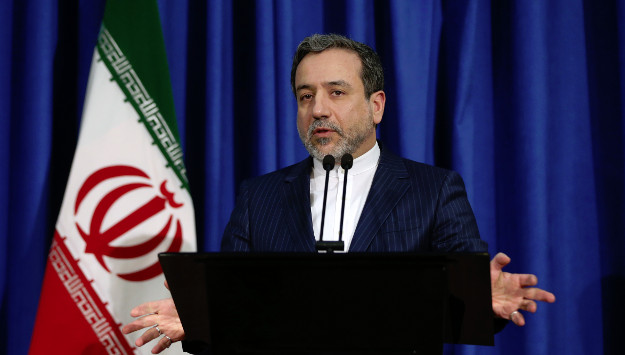
One of Iran’s top diplomats, Abbas Araghchi, who is a deputy foreign minister and held a senior position as a member of the Iranian nuclear negotiating team, has warned that U.S. President Donald Trump does in fact have the power to “tear apart” the agreement. Araghchi pointed out that the U.S. president has the power to either extend sanctions waivers on Iran, as President Obama did, or refuse to do so.
Iran-Backed Group Marks Hezbollah Leader’s Assassination Anniversary by Firing Missiles in Iraq
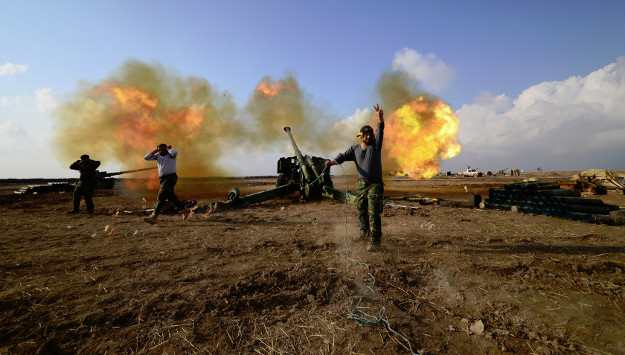
Fars News Agency (FNA) reports today that Iran-supported Iraqi Shiite militia group Harakat al-Nujaba commemorated the “martyrdom” anniversary of Hezbollah’s former military leader Imad Mughniyeh by firing missiles at Islamic State targets in northern regions of Iraq’s Salahuddin Province. According to FNA, an outlet affiliated with the Islamic Revolution Guards Corps (I.R.G.C.), the Shiite militia group launched an offensive dubbed “Operations for the Blood of Martyred Commander Imad Mughniyeh” to “liberate” the Islamic State-held region of Jabal Makhul (Makhul Mountains) in Salahuddin.
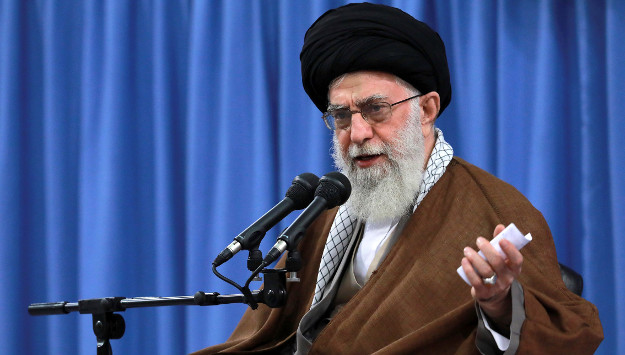
Khamenei Hits Critics, Ridicules Idea of “National Unity”
In a speech that no doubt will be seen as an attack on the government of President Hassan Rouhani, Iran’s Supreme Leader dismissed the idea of “national unity” as
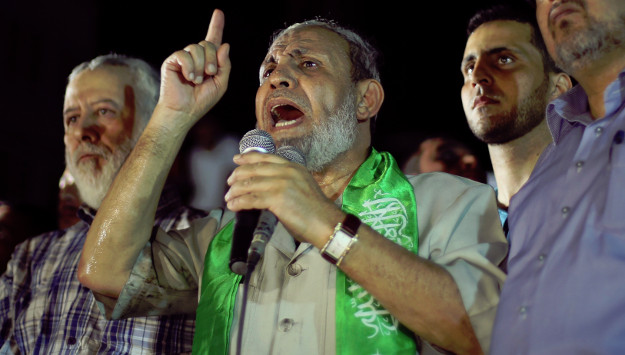
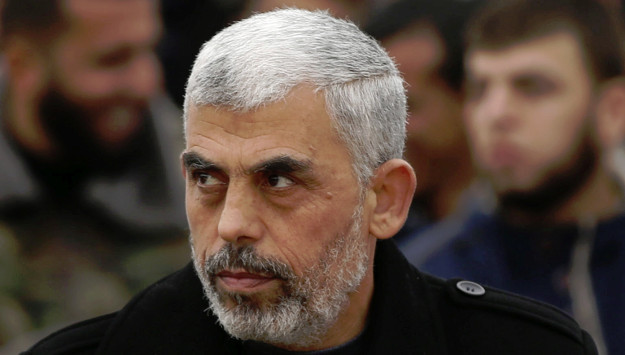
Top Hamas Figure Urges Relinking With Bashar Al-Assad
Mahmoud al-Zahar, one of the top members of the Hamas leadership is reported by the Iranian press to push for the resumption of relations between the Palestinian organization and the Syrian regime of Bashar al-Assad.
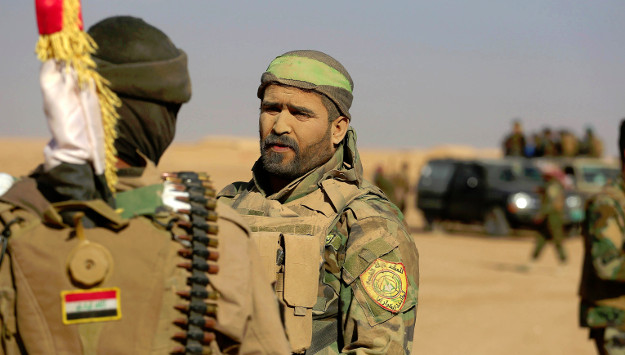
Iran-Linked Militia Groups Playing Increasing Role in Mosul and Kirkuk Military Operations
A number of leaders of Iraq’s Popular Mobilization Forces (PMF) have told Iran’s Fars News Agency (FNA) that their forces will play a leading military role in “liberating” 3,000 square kilometers of Islamic State-held areas in western Mosul.
Right Group Blasts Iran’s Intelligence Ministry for Violently Arresting Young Arab Activist
Iranian Intelligence Ministry authorities have violently arrested a 17-year-old ethnic Arab activist in the southeastern province of Khuzestan on February 8, the Campaign for Human Rights in Iran
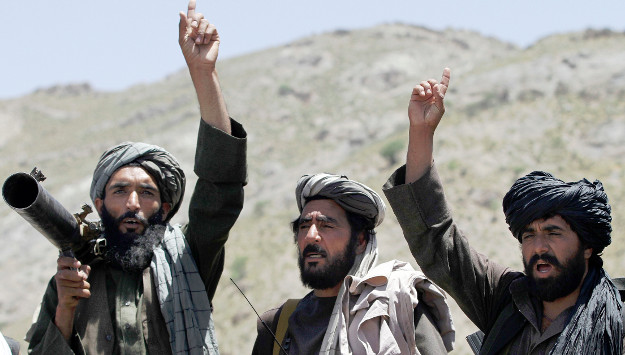
Prominent Afghan Jihadi Leader Warns Iran against Supporting Taliban
Prominent Afghan jihadi leader Amir Ismail Khan has warned the Iranian government against providing military and financial assistance to the Taliban militants in Afghanistan.
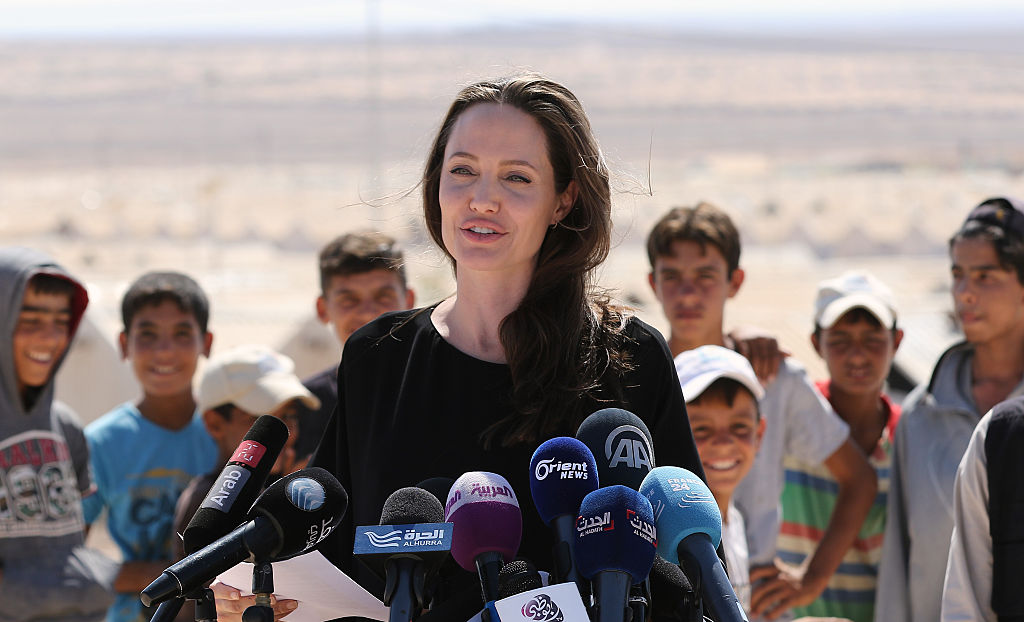
Bearing Witness to the Refugee Crisis: Western Audiences and Jordanian Humanitarian Workers
This essay is not about the Syrians who have fled their homes or those who are unable to leave despite the barrel bombs. Nor is it about Syrian refugees who are caught in limbo in neighboring countries, those that took perilous journeys to Europe by boat, or those who face rejection in the “land(s) of the free.” Instead, this essay is about the witnesses — those closest to Syrian refugees and those farthest away. It juxtaposes images produced for consumption by Western audiences with reflections of Jordanian humanitarian aid workers.
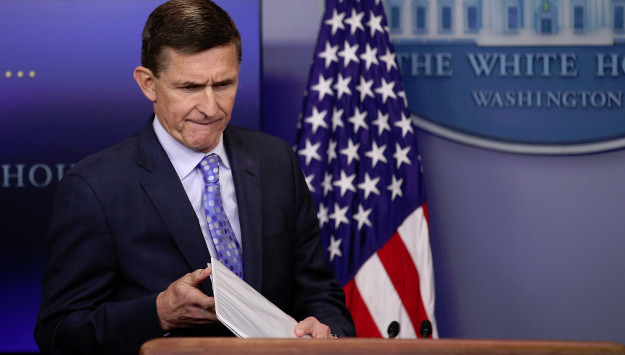
Iranian Media Welcomes Flynn’s Resignation but U.S. Iran Policy Won’t Change unless Tehran Moderates Its Behavior
The Iranian media welcomed the resignation of Michael Flynn as the U.S. national security adviser, but cautioned that Washington would continue to pursue hostile policies against the Islamic Republic.
Turkish President Recep Tayyip Erdogan’s official trip to Bahrain, Saudi Arabia and Qatar has prompted anxiety in Tehran. Erdogan arrived in Riyadh on Monday night after a visit to Bahrain, and he is scheduled to go to Qatar next.
The oldest peer-reviewed publication dedicated to the study of the modern Middle East, MEI’s flagship journal covers politics, society, and culture in the region.