Bonus Episode: Previewing Israel’s First Post-October 7 Election
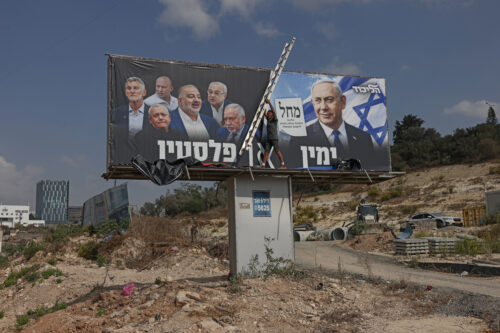
Israel is preparing to hold what may be its most consequential election in decades. On October 27, Prime Minister Benjamin Netanyahu will face his first electoral test since October 7, 2023. In this bonus episode of Middle East Focus, we present the audio from a recent MEI webinar, hosted in Israel on the eve of the vote. Senior Fellow Natan Sachs is joined by Dr. Shira Efron, Distinguished Chair for Israel Policy and senior fellow at the RAND Corporation, and Neri Zilber, veteran journalist and Financial Times correspondent. They explore what’s at stake in this historic election and how different outcomes could reshape Israel’s domestic politics and the wider region.
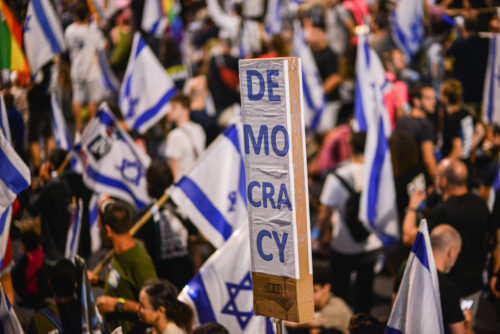
Israel Was Built on Hope. This Election May Be Our Last Chance to Save It
Israel’s national anthem, Hatikva, means “the hope.” Israel is not just another country, but the culmination of a 2,000-year-old dream of national redemption. The rebirth of the Jewish people’s ancestral homeland, just three years after the Holocaust, was a miraculous triumph of hope over all odds.
Today, that hope has been shattered and the elections on October 27 have become the most consequential in Israel’s history.
One striking thing about US President Donald Trump’s endorsement of Israeli Prime Minister Benjamin Netanyahu this past week is how isolated he was in making this call. The Israeli Prime Minister has become a widely detested figure worldwide following Israel’s war in Gaza—where Israel committed war crimes. This disdain was clearly on display in New York in September when dozens of diplomats streamed out of the hall during Netanyahu’s speech.
Since 1967, Israeli settlements in the West Bank have been a contested feature of the Israeli-Palestinian conflict. The ultimate disposition of the settlements and ongoing activity related to their growth have repeatedly defied agreement in negotiations over a resolution to the conflict.
The Houthis are a political-military faction and Zaydi religious movement founded in northwestern Yemen in the 1980s. A key member of Iran’s Axis of Resistance with links to other militant organizations in the Arabian Peninsula and the Horn of Africa, the group has continued to pose a threat to Western interests on a global scale.
The India-Middle East-Europe Economic Corridor (IMEC) is a proposed multinational infrastructure initiative aimed at upgrading connectivity between the three regions through integrated trade, energy, and digital networks. Announced at the G20 summit in New Delhi in September 2023, IMEC is envisioned partially as a counterweight to China’s international infrastructure project, the Belt and Road Initiative.
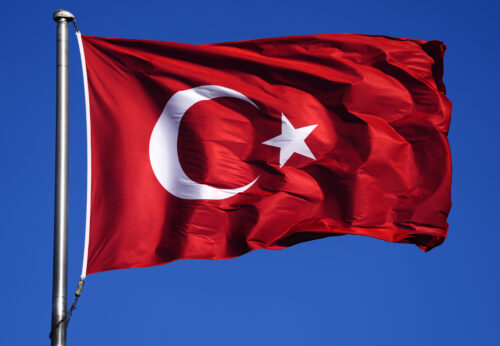
After a decade of post-Arab Spring isolation, Turkey’s leaders have recognized that their ambition to position the country as an agenda-setter on the world stage requires active engagement in all directions. President Recep Tayyip Erdoğan’s consolidation of executive authority has centralized foreign policy decision-making and tied it to his domestic political priorities, transforming the country’s revisionist approach to one shaped primarily by personal and pragmatic interests.
MEI Senior Fellow Brian Katulis engages friends, colleagues, and policy experts in casual conversations on the most important happenings in the Middle East.
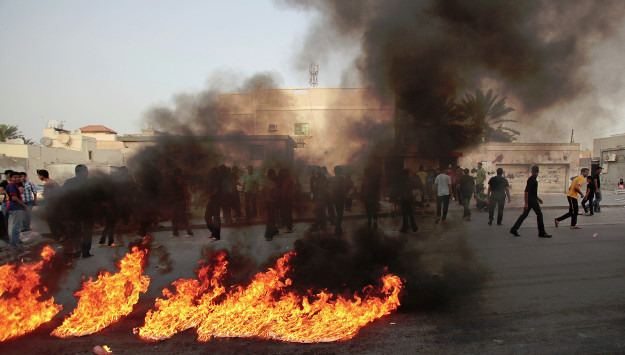
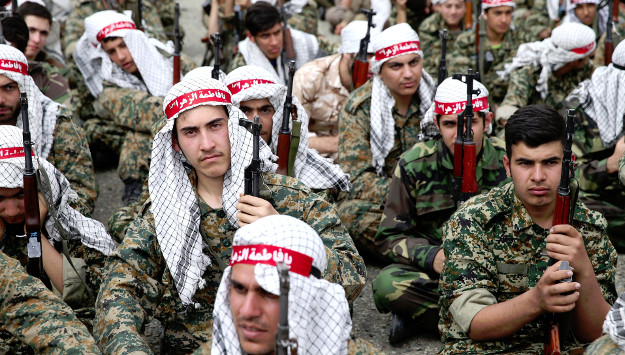
The leadership of the Islamic Republic of Iran is publicly committed to good relations with Bahrain. And yet Tehran’s campaign to undermine the ruling authorities in Manama continues unabated. The latest incendiary reactions from Tehran came in response to the January 15 executions in Bahrain of three men who had been convicted of killing three police officers in 2014.
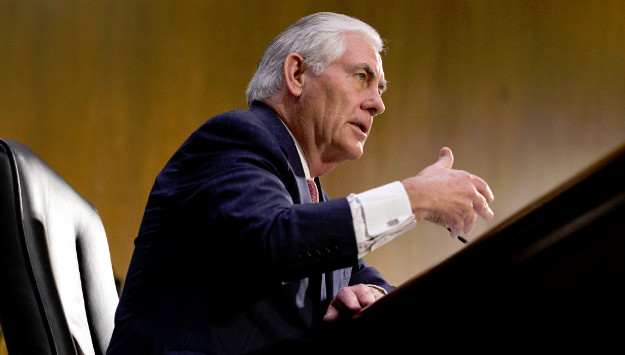
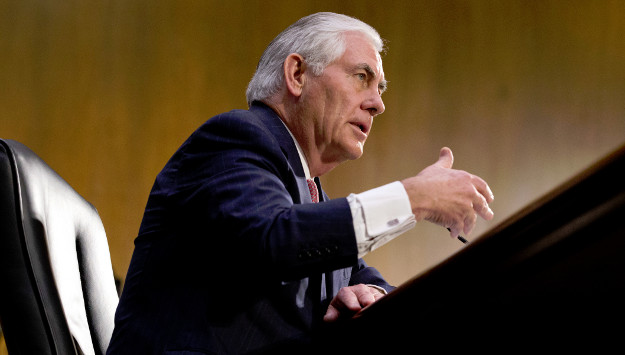
President-elect Donald Trump’s nominee for the Secretary of State, Rex Tillerson said yesterday that he would conduct a “full review” of the 2015 Iran nuclear deal if the Senate confirmed him. Speaking before the Senate Foreign Relations Committee, Tillerson pledged that he would add further verification systems to “clarify whether Iran is complying.”
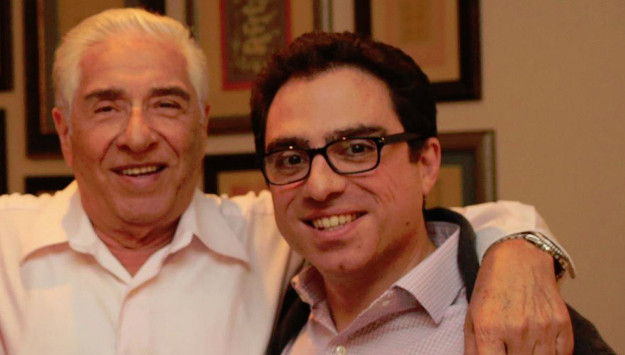
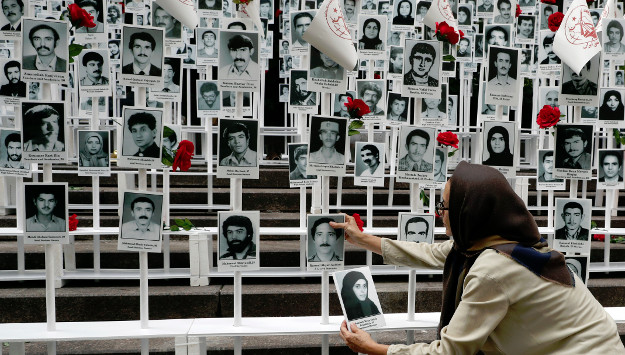
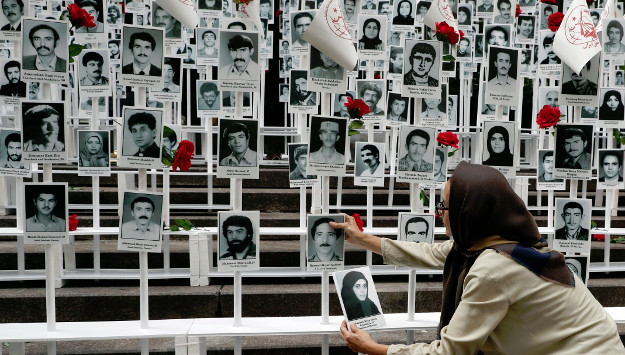
The existence of political prisoners in Iran is hardly a new phenomenon but it is a topic that is proving increasingly damning for Tehran. In particular, it is the media in the large Iranian diaspora, which has been at the forefront in recent weeks to highlight the individual cases of political prisoners that have opted to go on hunger strike in order to bring attention to their cases.
A top Iranian diplomat and the deputy foreign minister for European and American affairs, Majid Takht-Ravanchi, stated on January 12 that Iran will not under any circumstances “renegotiate” the Joint Comprehensive Plan of Action (JCPOA) that was reached between Iran and world powers in July 2015.
Iran Will Receive 130-Ton Uranium Shipment from Russia
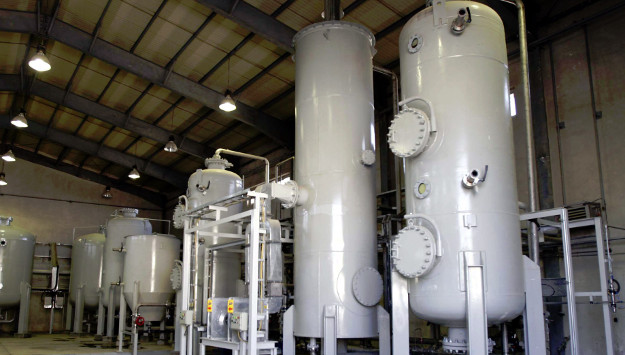
On January 12, the Atomic Energy Organization of Iran (AEOI) confirmed that Tehran will soon receive a shipment of 130 tons of natural uranium that it has purchased from Russia.
In Iran, 40 Former Political Prisoners Ask for “National Reconciliation”
In an open letter, 40 formerly imprisoned political activists affiliated with the Green opposition movement have asked the Iranian authorities to reconsider their policies. The signatories of the letter urged the authorities to utilize the recent passing of Ayatollah Akbar Hashemi Rafsanjani as “an opportunity for dialogue and national reconciliation.”
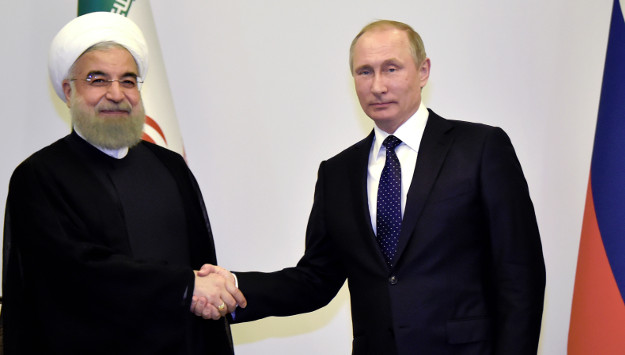
The question about whether Iran and Russia can sustain the recent elevation in relations is hotly debated in Tehran. This urgency is brought about as the Iranians and the Russians are pushing ahead to see if they can coordinate their policies on the question of a political settlement for the Syrian war that will satisfy both Moscow and also Tehran’s objectives.
Iran-Backed Militant Groups Make Territorial Gains in West Mosul
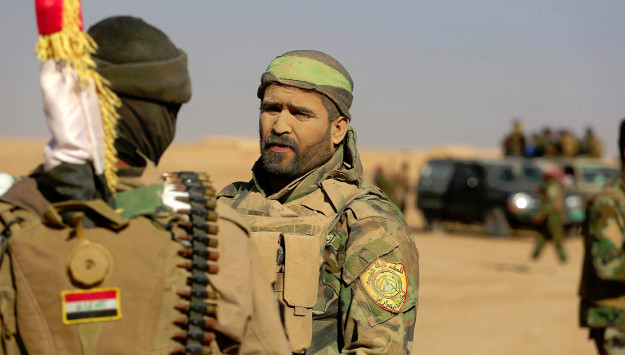
On January 12, Iran’s Fars News Agency (FNA) reported that the Popular Mobilization Forces (PMF) “liberated” three regions in the west of Mosul.
According to FNA, an outlet affiliated with the Islamic Revolution Guards Corps (IRGC), PMF forces are preparing for the “sixth phase of operations to liberate the west of Nineveh Province.”
New Report: Human Rights Situation Hasn't Improved under Rouhani
In its World Report 2017 published today, the Human Rights Watch said President Hassan Rouhani has not delivered on his campaign promise to improve the human rights situation in Iran over the past three years.
The confirmation hearing of the man slated to be the next US Secretary of State, Rex Tillerson, has received a mixed review in Iran. On the one hand, Tillerson’s remarks on Iran were hardly encouraging to Iranian ears.
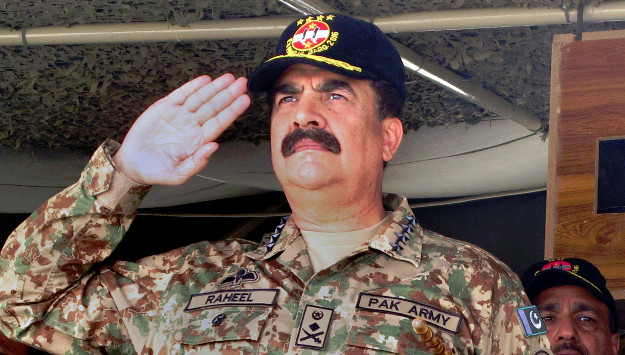
The recent announcement by Saudi Arabia that the retired Pakistani General Raheel Sharif will head a 39-member anti-terrorism coalition made of Muslim states is a matter of much concern in Tehran. Iran, which was not invited to join the coalition, regards the Saudi initiative as a regional project aimed to contain its influence.
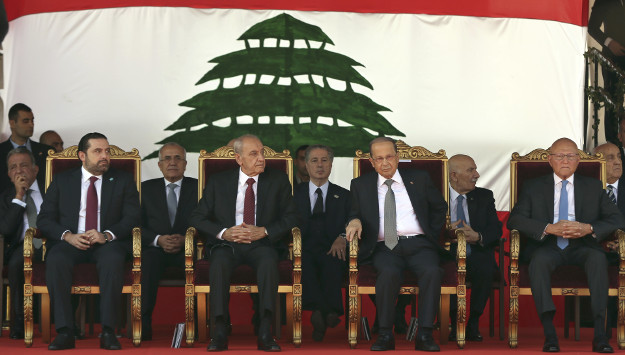
Lebanon’s Government Should Lay the Groundwork for Fairer Representation and Accountability
The Lebanese parliamentary electoral system is the worst in the world. It ensures that a small sectarian oligarchy can monopolize control of parliament and state power, and it sets impossible obstacles to the rise of new political parties and alternative leadership. The necessary remedy is to introduce proportional representation, either through the mixed system proposed by the National Electoral Law Commission headed by Fouad Boutros in 2006, or through other variations proposed by a number of groups since then.
The oldest peer-reviewed publication dedicated to the study of the modern Middle East, MEI’s flagship journal covers politics, society, and culture in the region.