Bonus Episode: Previewing Israel’s First Post-October 7 Election
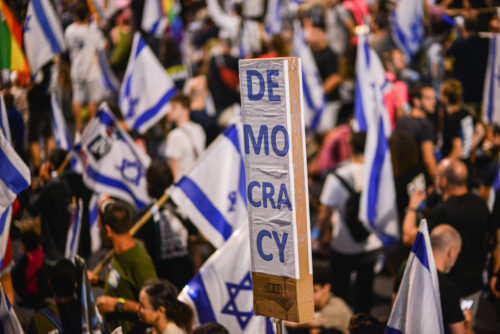
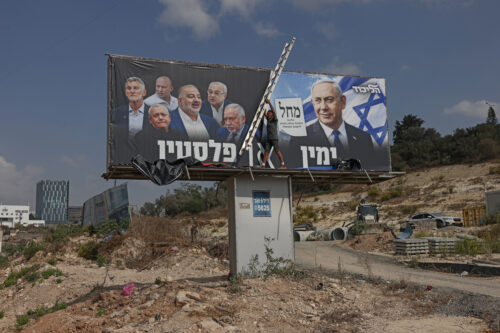
Israel is preparing to hold what may be its most consequential election in decades. On October 27, Prime Minister Benjamin Netanyahu will face his first electoral test since October 7, 2023. In this bonus episode of Middle East Focus, we present the audio from a recent MEI webinar, hosted in Israel on the eve of the vote. Senior Fellow Natan Sachs is joined by Dr. Shira Efron, Distinguished Chair for Israel Policy and senior fellow at the RAND Corporation, and Neri Zilber, veteran journalist and Financial Times correspondent. They explore what’s at stake in this historic election and how different outcomes could reshape Israel’s domestic politics and the wider region.
Israel Was Built on Hope. This Election May Be Our Last Chance to Save It
Israel’s national anthem, Hatikva, means “the hope.” Israel is not just another country, but the culmination of a 2,000-year-old dream of national redemption. The rebirth of the Jewish people’s ancestral homeland, just three years after the Holocaust, was a miraculous triumph of hope over all odds.
Today, that hope has been shattered and the elections on October 27 have become the most consequential in Israel’s history.
One striking thing about US President Donald Trump’s endorsement of Israeli Prime Minister Benjamin Netanyahu this past week is how isolated he was in making this call. The Israeli Prime Minister has become a widely detested figure worldwide following Israel’s war in Gaza—where Israel committed war crimes. This disdain was clearly on display in New York in September when dozens of diplomats streamed out of the hall during Netanyahu’s speech.
Since 1967, Israeli settlements in the West Bank have been a contested feature of the Israeli-Palestinian conflict. The ultimate disposition of the settlements and ongoing activity related to their growth have repeatedly defied agreement in negotiations over a resolution to the conflict.
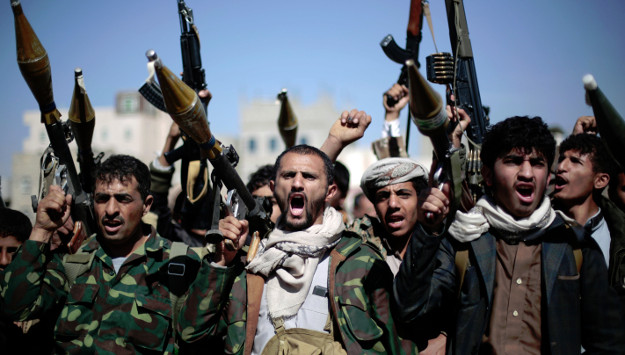
The Houthis are a political-military faction and Zaydi religious movement founded in northwestern Yemen in the 1980s. A key member of Iran’s Axis of Resistance with links to other militant organizations in the Arabian Peninsula and the Horn of Africa, the group has continued to pose a threat to Western interests on a global scale.
The India-Middle East-Europe Economic Corridor (IMEC) is a proposed multinational infrastructure initiative aimed at upgrading connectivity between the three regions through integrated trade, energy, and digital networks. Announced at the G20 summit in New Delhi in September 2023, IMEC is envisioned partially as a counterweight to China’s international infrastructure project, the Belt and Road Initiative.
After a decade of post-Arab Spring isolation, Turkey’s leaders have recognized that their ambition to position the country as an agenda-setter on the world stage requires active engagement in all directions. President Recep Tayyip Erdoğan’s consolidation of executive authority has centralized foreign policy decision-making and tied it to his domestic political priorities, transforming the country’s revisionist approach to one shaped primarily by personal and pragmatic interests.
MEI Senior Fellow Brian Katulis engages friends, colleagues, and policy experts in casual conversations on the most important happenings in the Middle East.
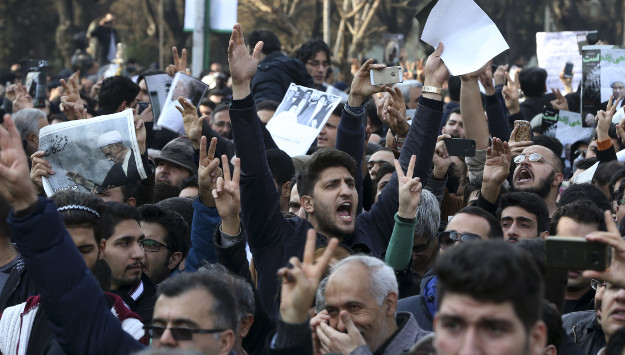
Rafsanjani’s Funeral Turns into Anti-Regime Protest
Today’s funeral for an influential Iranian leader turned into a protest rally against the regime. It was reminiscent of the demonstrations by the so-called Green Movement that rocked Iran after the country’s controversial 2009 presidential elections.
January 5, 2017 – Eric Trager, Esther K. Wagner Fellow at the Washington Institute for Near East Policy, joins host Paul Salem to discuss his new book, “Arab Fall: How the Muslim Brotherhood Won and Lost Egypt in 891 Days.”
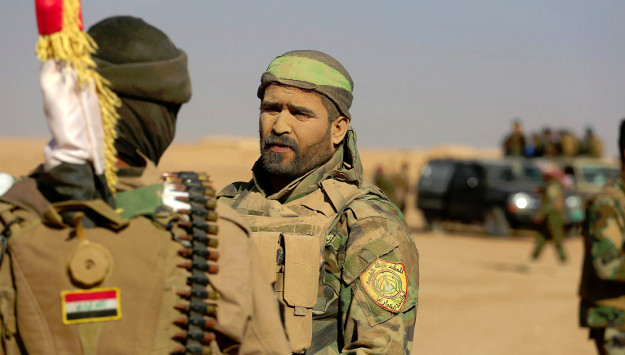
Iran Steps up Efforts to Expand Its Influence in Lebanon
On January 6, a high-level Iranian parliamentary delegation visited Beirut and pledged to provide military aid to the Lebanese army. Alaeddin Boroujerdi, the chairman of Iranian Parliament’s Committee for Foreign Policy and National Security, said the Islamic Republic was “determined to arm Lebanon’s army,” but added that the implementation of the plan was contingent upon Beirut’s approval.
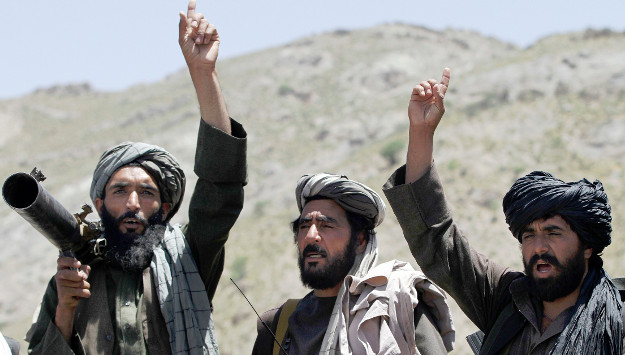
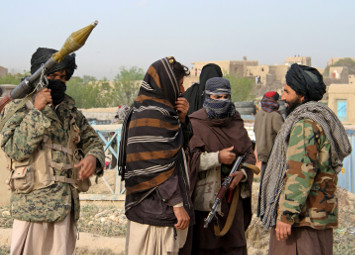
Iranian Support for Taliban Alarms Afghan Officials
Afghan officials say the Iranian government has deepened its ties with the Taliban leadership and increasingly funds, shelters and arms terrorists fighting in Afghanistan, particularly in the three western provinces bordering Iran. They allege that the Islamic Revolution Guards Corps (IRGC) and its secretive Quds Force operatives recruit militants from across Afghanistan and run terrorist training camps for them inside the Iranian territory – further fueling the insurgency and complicating stabilization efforts in the war-ravaged country.
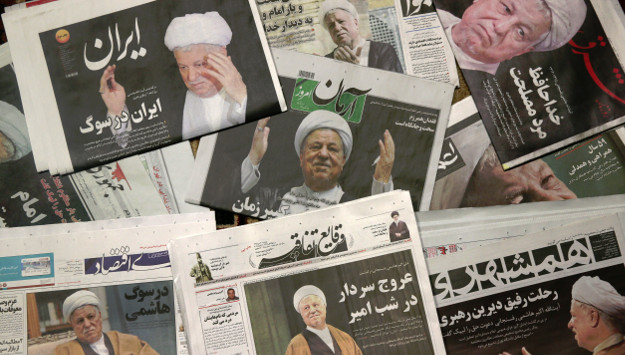
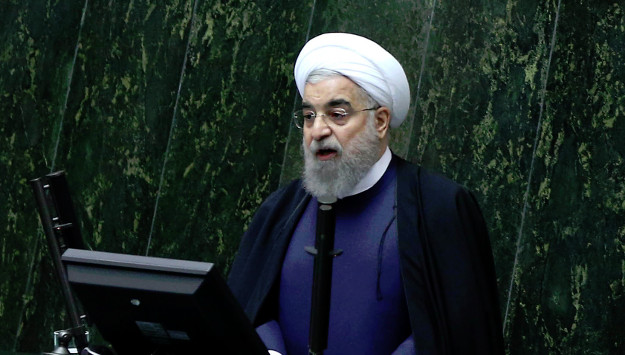
Rafsanjani’s Death Weakens Rouhani’s Reelection Prospects
News Brief: On January 8, former Iranian president Akbar Hashemi Rafsanjani died of a heart attack in Tehran at the age of 82. An influential cleric and politician, Rafsanjani was the chairman of Iran’s Expediency Council, a body that mediates between the parliament and the hardline watchdog Guardian Council.
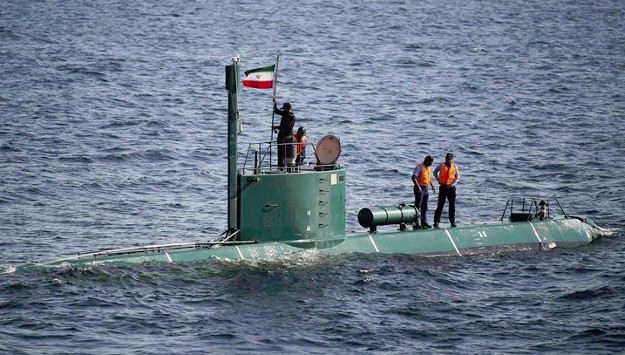
As Iranian leaders were mourning the death of former President Ali Akbar Hashemi Rafsanjani, a dangerous confrontation was brewing between the US and Iranian naval forces near the Strait of Hormuz. Fars News Agency, an Iranian outlet affiliated with the Islamic Revolution Guards Corps (IRGC), reported the incident but did not provide details.
“There will be no peace in Afghanistan without Iran.” This was a remark a top Iranian diplomat made last week in an expansive interview with the country’s media.
Corruption Charges Roil Tehran and Threaten Rouhani's Reelection
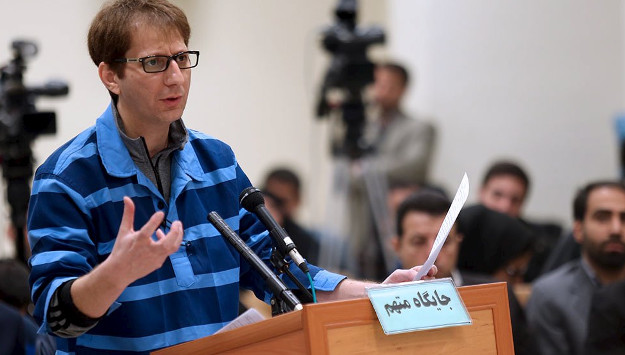
According to Transparency International, the Islamic Republic of Iran has a serious corruption problem. It ranks 130 out of 168 countries surveyed. Previously such international assessments rarely made headlines among the Iranian population who are busy trying to make a living. But the issue of large-scale institutional corruption involving top regime figures has recently exploded as a daily topic of conversation.
Rouhani's Special Advisor Warns Against “American Islam”
News Brief: In a blistering attack, Ali Younesi, President Hassan Rouhani’s special envoy for minority rights, portrayed all the conflicts of the Middle East as a result of Western plots. “There is no other way but regional cooperation to bring about border security and combat extremism,” Younesi said. He was particularly scornful toward the United States, the United Kingdom and Israel.
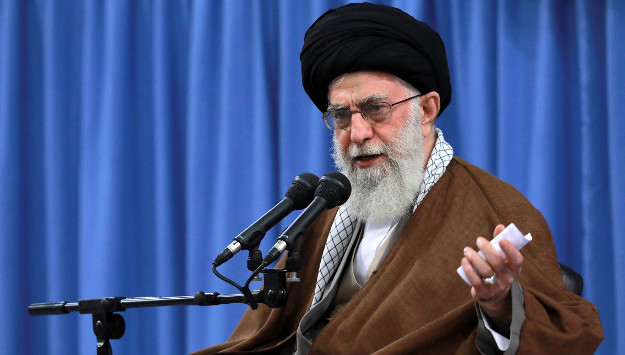
Khamenei Defends Increasingly Unpopular Syrian Military Intervention
News Brief: On December 5, Iran’s Supreme Leader Ali Khamenei defended the Islamic Republic’s military intervention in Syria, arguing that the Iranian forces had to neutralize enemy threats in Syria to avoid their infiltration inside Iran’s territory.
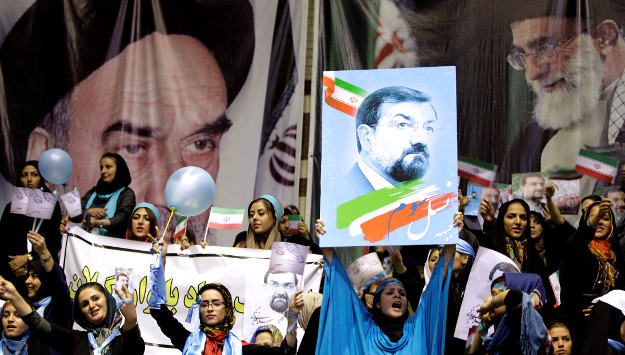
News Brief:Mohsen Rezaei, the long-time former head of the Islamic Revolution Guards Corps (IRGC), has launched a scathing attack on the government of President Hassan Rouhani and its pol
Special Briefing: The Middle East in the Year Ahead
Another turbulent year lies ahead for the Middle East. Civil wars rage in Syria, Libya, and Yemen; the battle against ISIS proceeds in Iraq; Iran pushes its advantage against regional rivals; governments continue to struggle with economic, political, and security challenges; and the region awaits a new administration in Washington.
The Middle East Institute (MEI) is saddened to learn of the recent passing of Ambassador David Newton, a former U.S. ambassador to Yemen and Iraq, at the age of 81. He served as a member of MEI’s Board of Governors and was a scholar at the Institute. Newton is survived by his wife, a son, and a daughter.
IRGC Claims Superiority over “Declining” America in Middle East
News Brief: A top Iranian general hailed the Islamic Republic’s growing military power in the region and claimed that “America’s power is in decline.” Brigadier General Hossein Salami, the deputy commander of the Islamic Revolutionary Guards Corps (IRGC), added: “All statistics and indicators suggest that America’s po
The oldest peer-reviewed publication dedicated to the study of the modern Middle East, MEI’s flagship journal covers politics, society, and culture in the region.